
Free visual inspection and a written scope of work before any mitigation begins - photos, moisture readings, and drying logs go in your claim file
The scope we write is the scope we bill. Anything new gets shown to you, in writing, before we touch it.
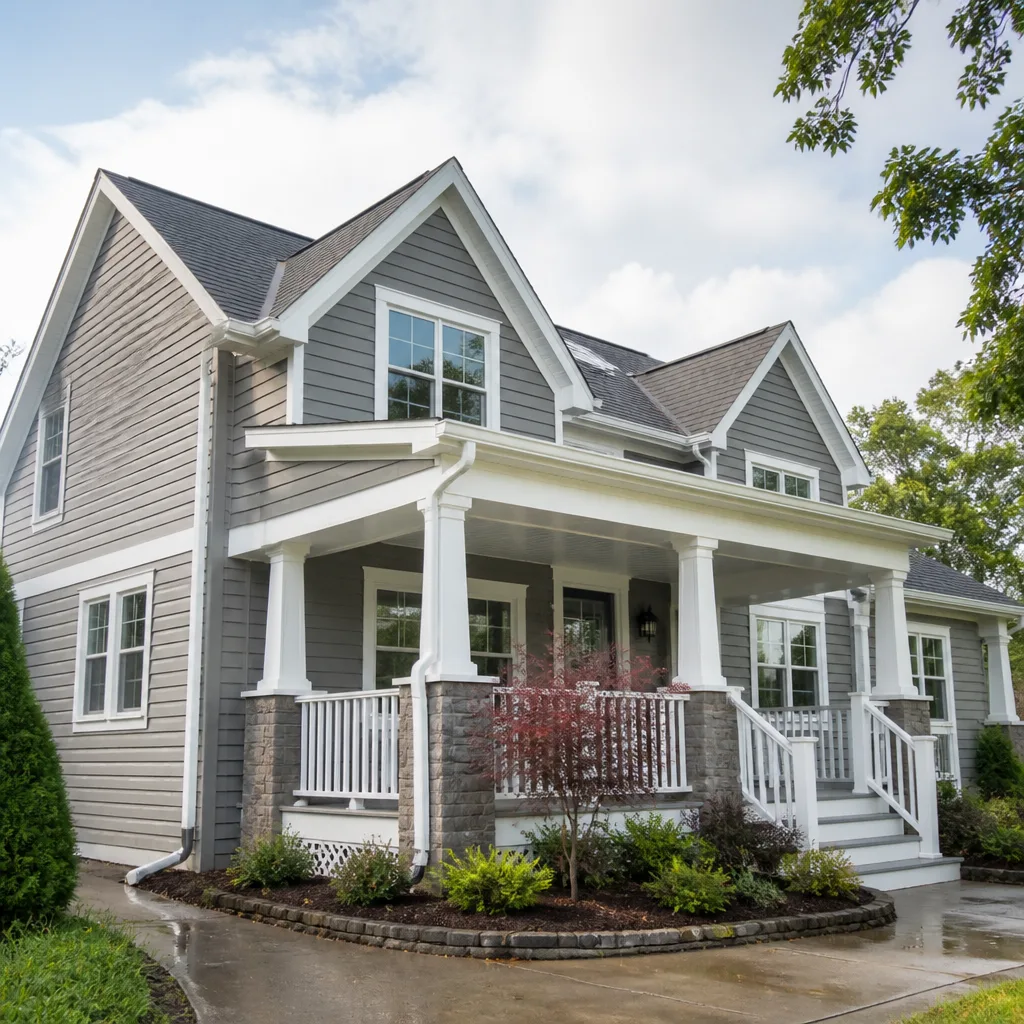
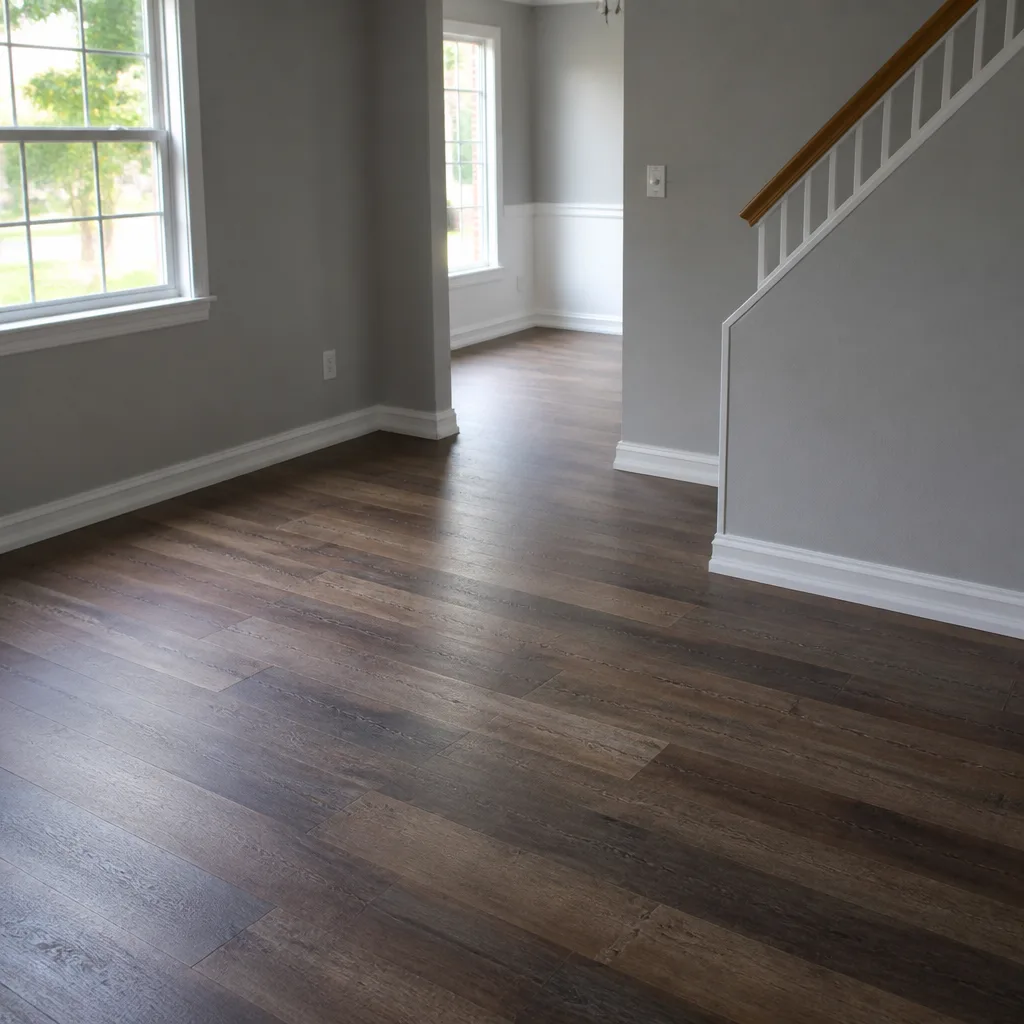
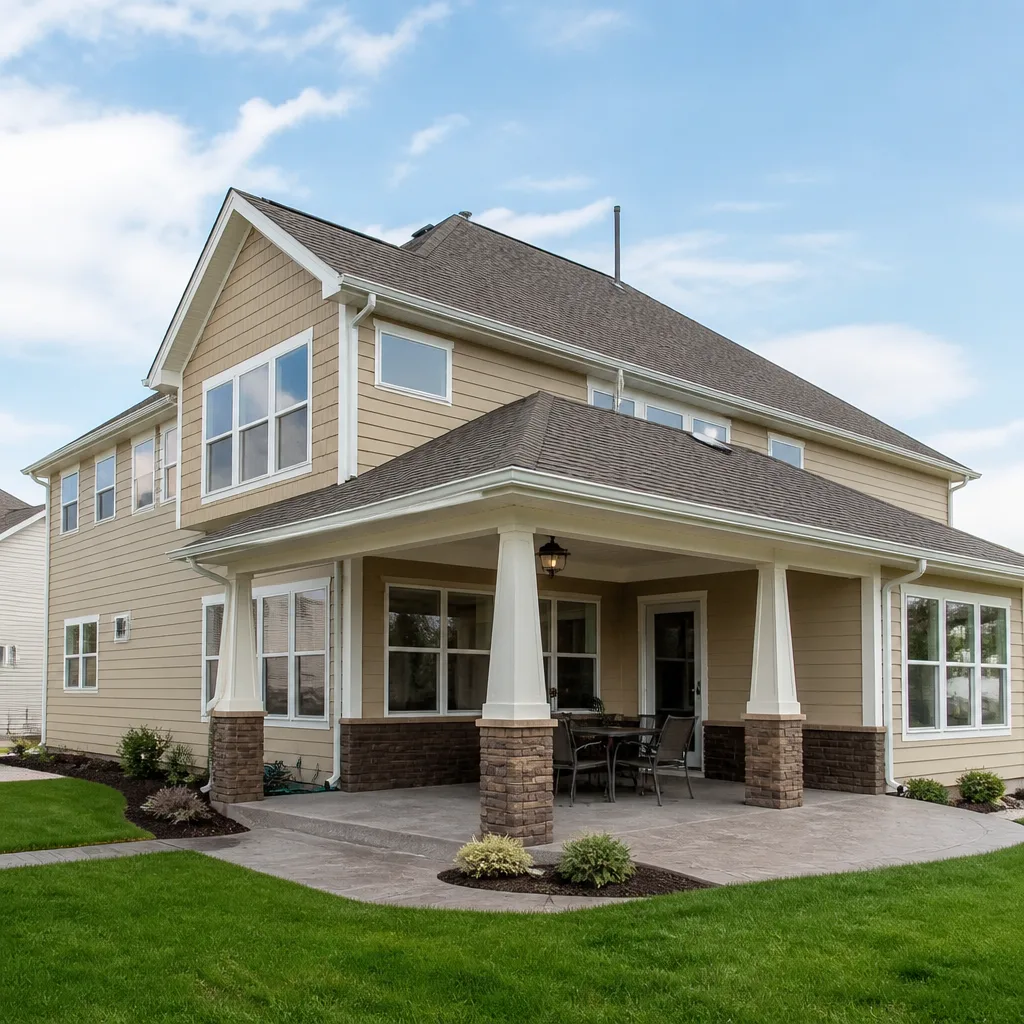
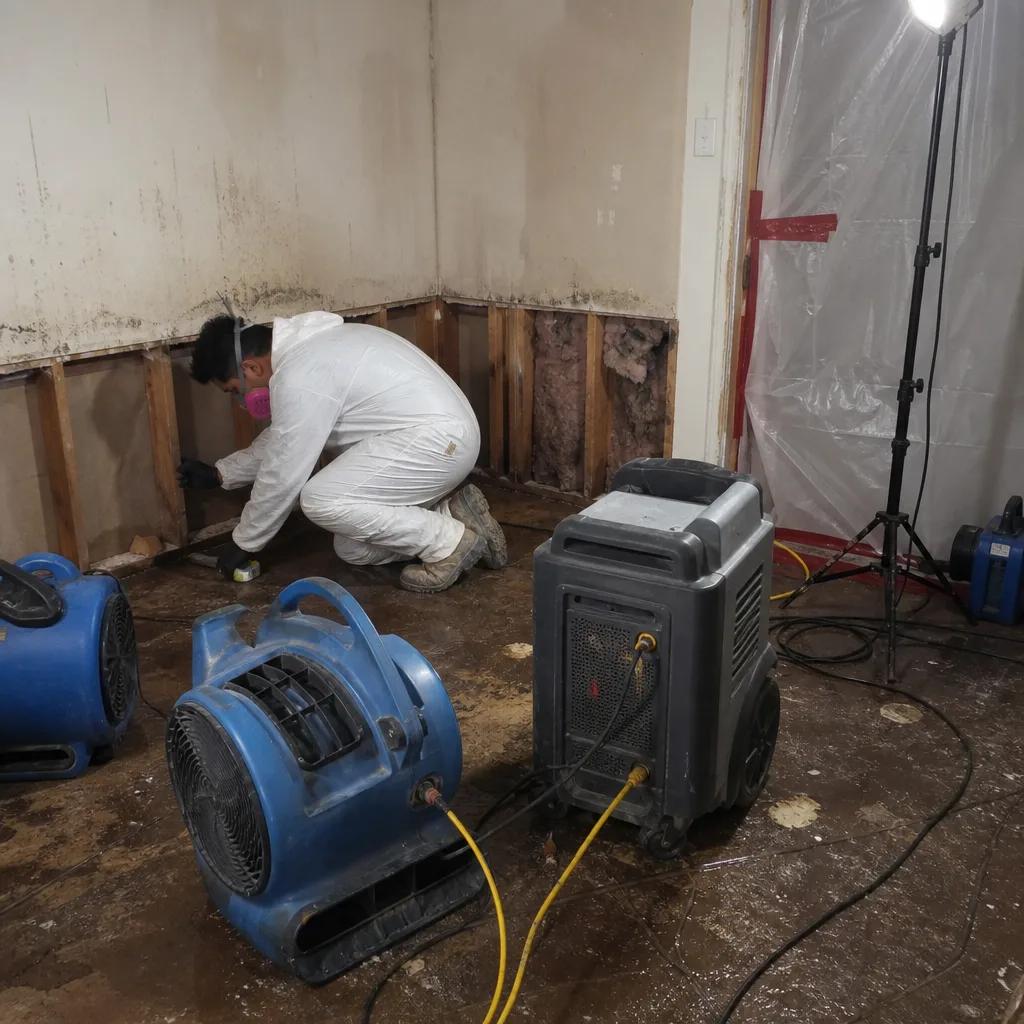 Before
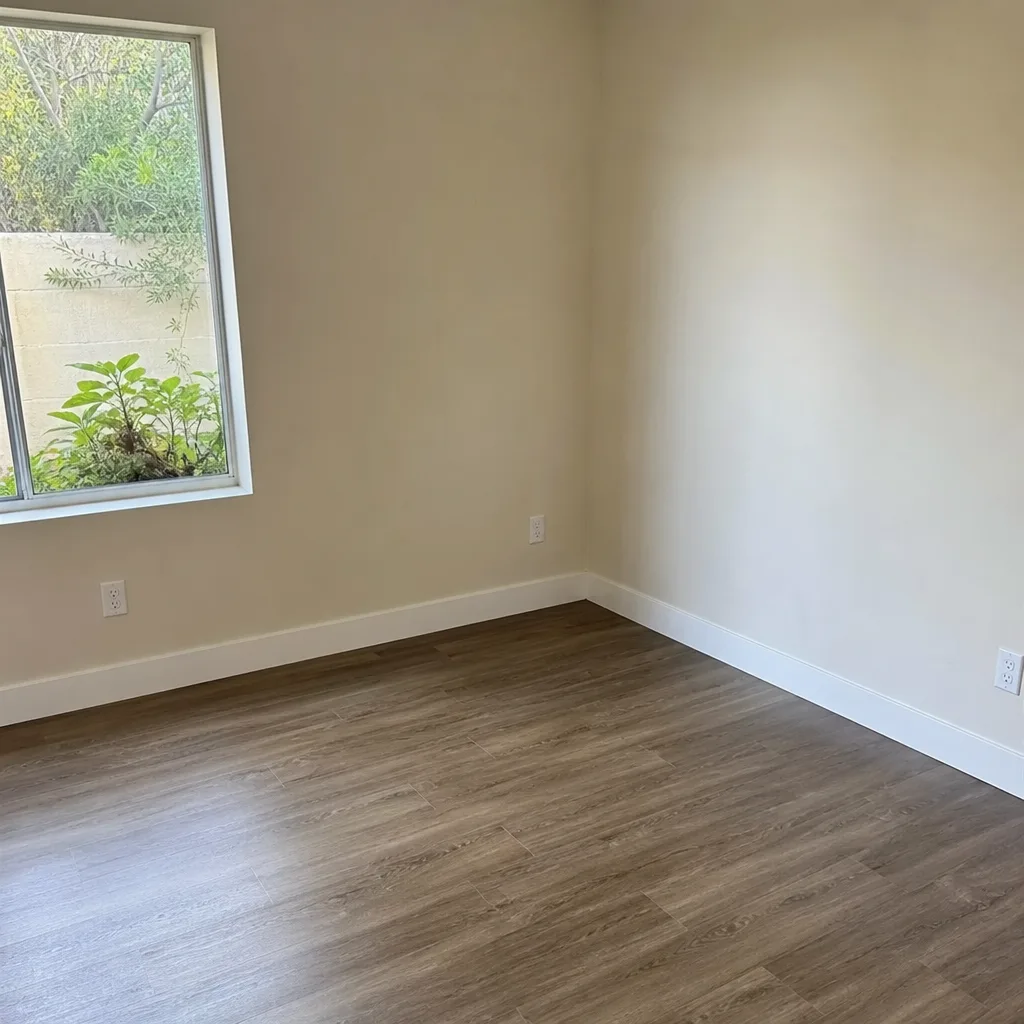 After
After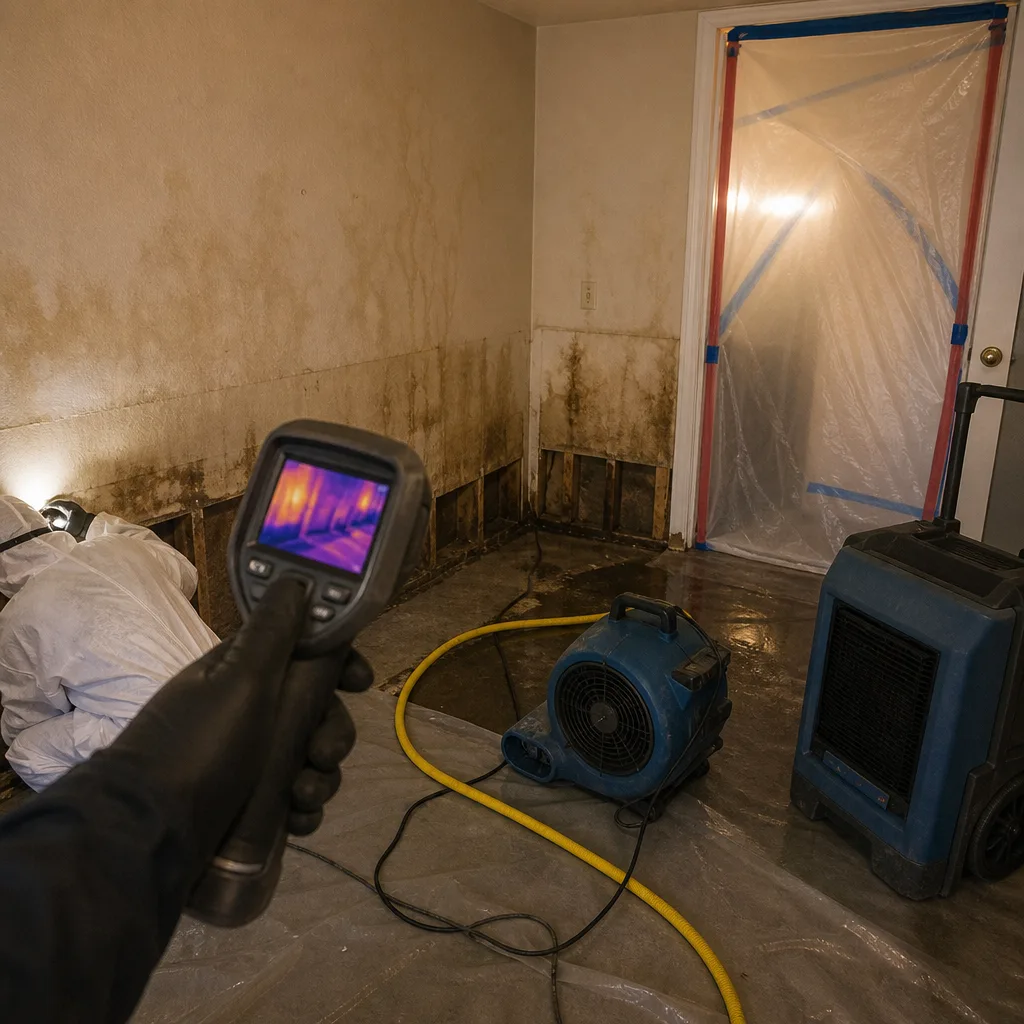 Before
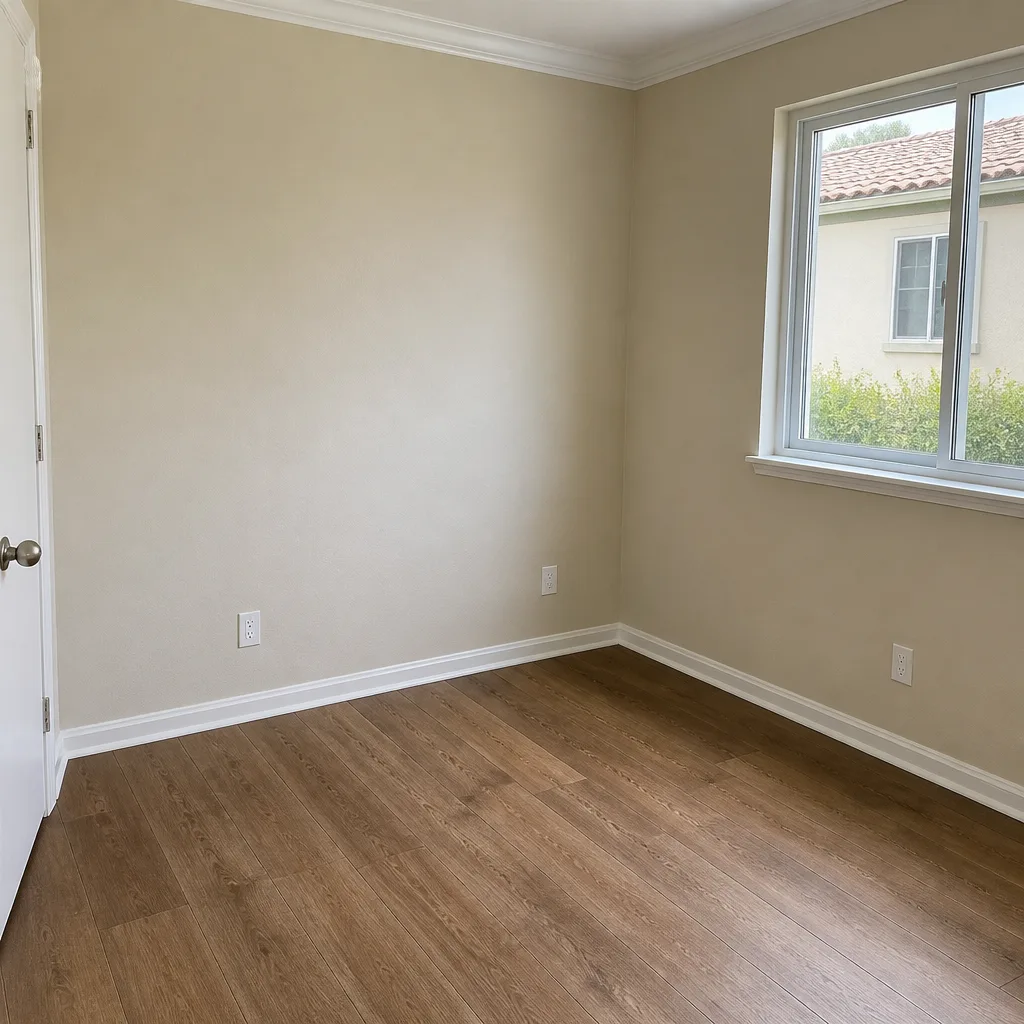 After
After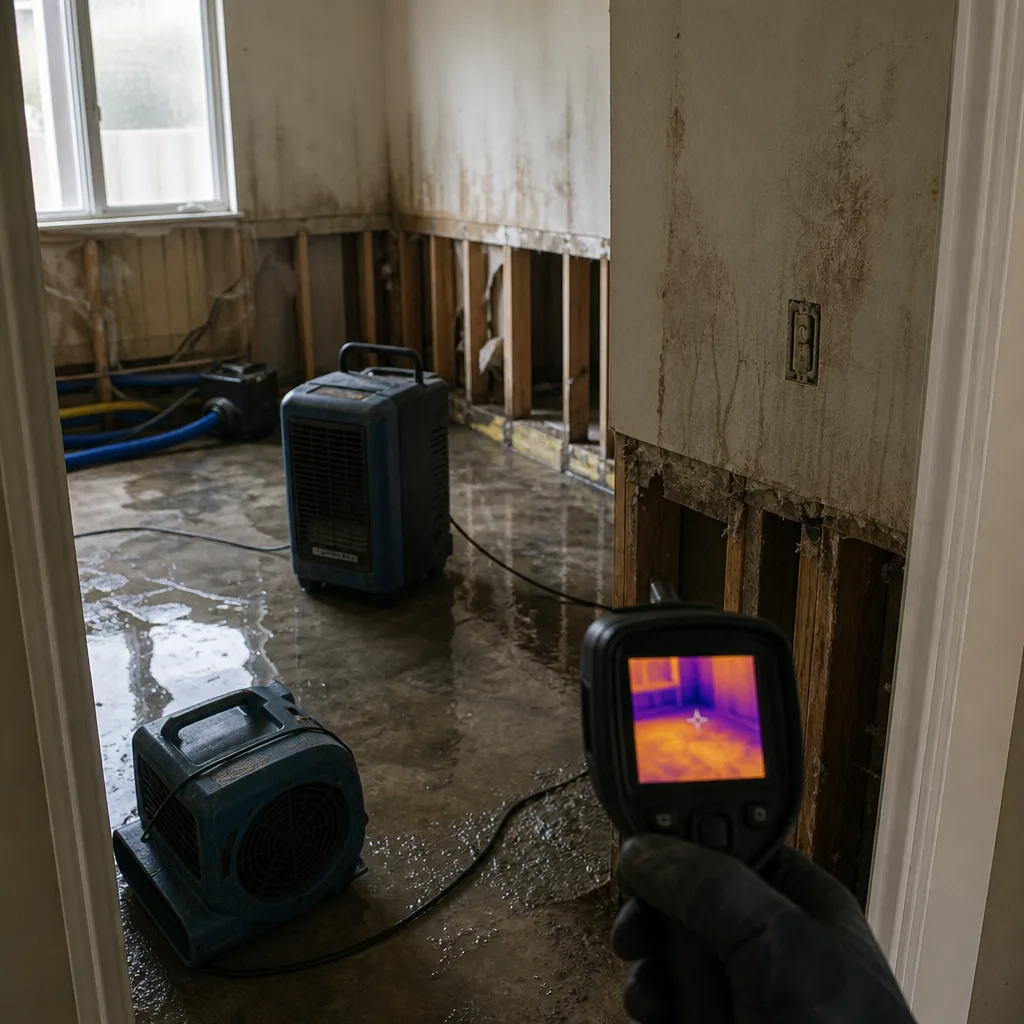 Before
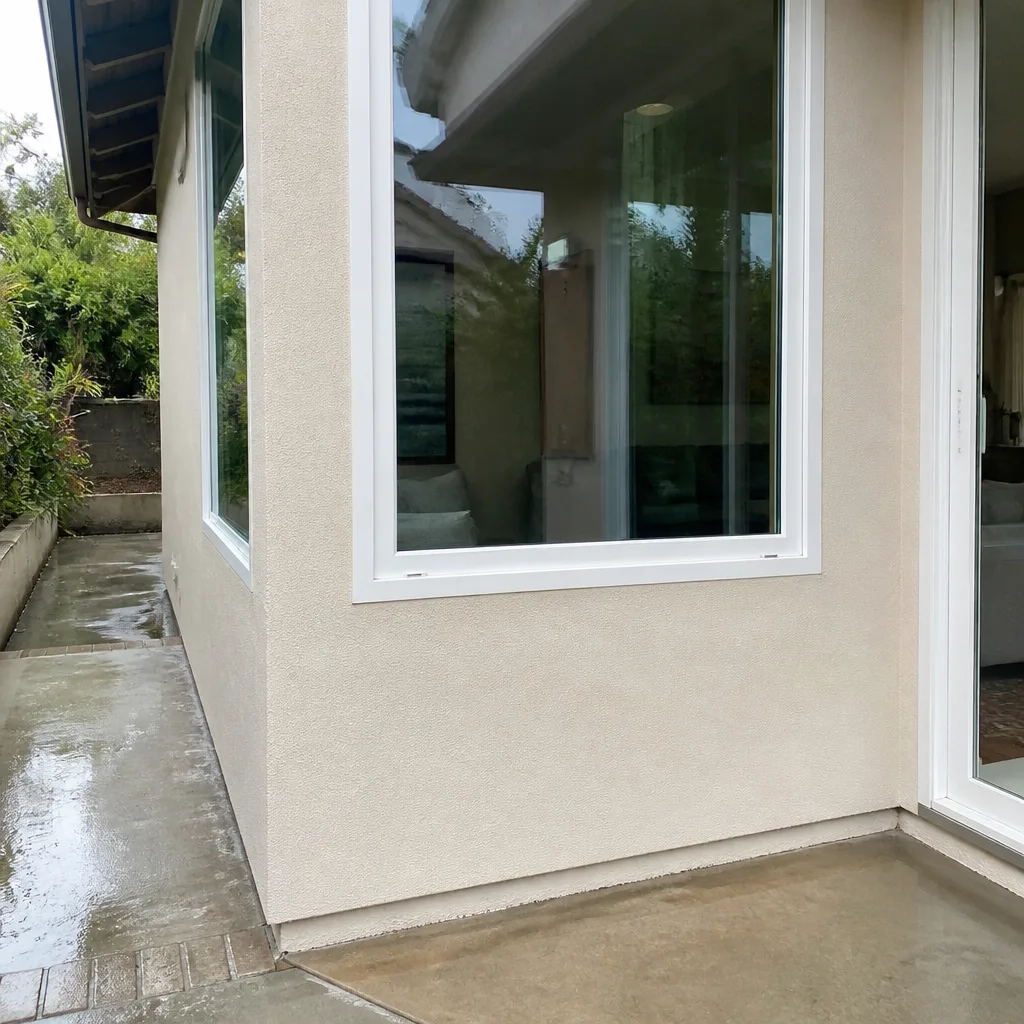 After
After24/7 Emergency Fire & Smoke Damage Restoration in San Clemente
Fire damage in San Clemente typically costs $4,200-$18,500 to restore, with smoke and soot remediation adding $2,800-$7,400 depending on square footage and the age of the home’s finishes. Our crews answer live at (657) 297-0972, 24 hours a day, with no voicemail trees or next-business-day callbacks while smoke residue continues etching into surfaces. We dispatch throughout San Clemente from our Los Angeles office, and a trained estimator can be on-site for a free visual inspection within 45 minutes of your call.
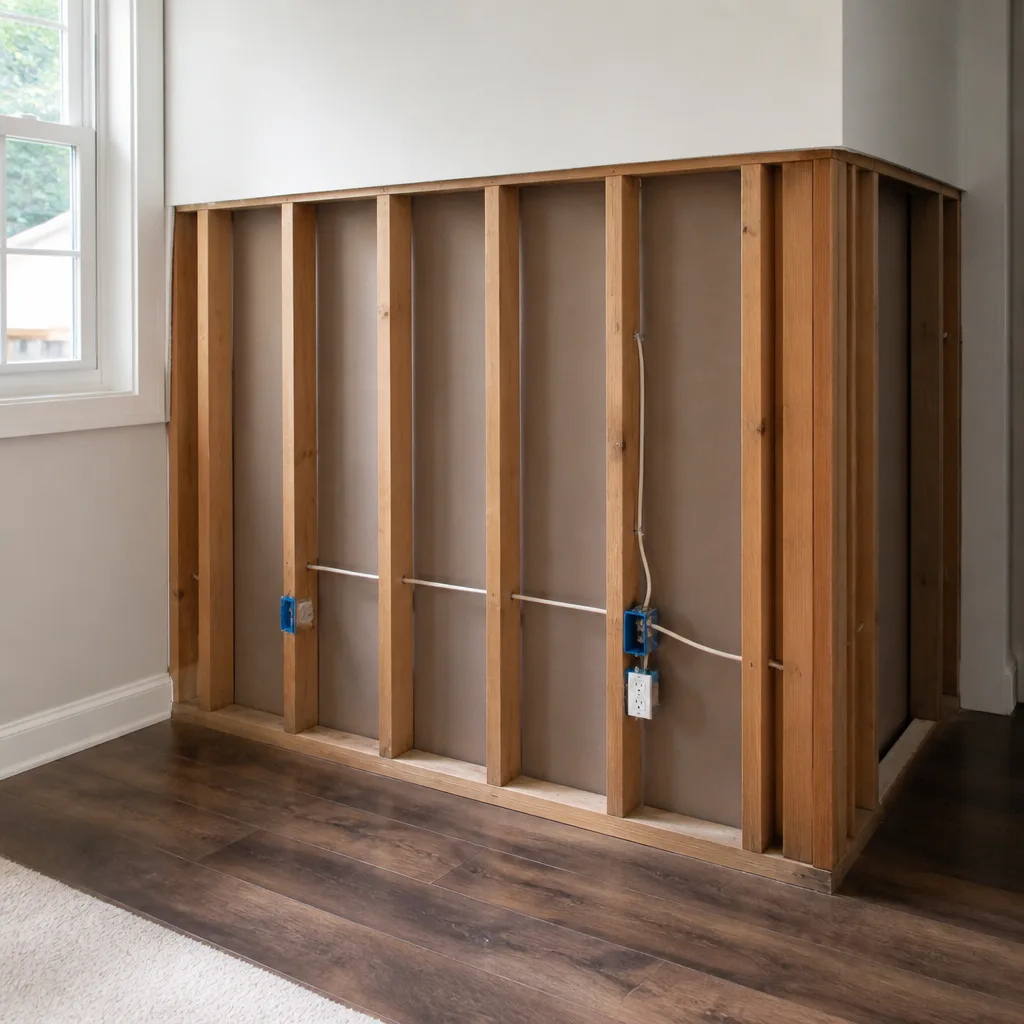
The first hour after a fire determines how much of your structure can be saved. Heat opens wood grain and drywall pores; as surfaces cool, acidic soot bonds permanently. In San Clemente’s persistent marine-layer humidity, that bonding accelerates. Our Fire & Smoke Damage Restoration team starts with emergency board-up and stabilization, then moves immediately into soot classification and moisture mapping before hidden damage becomes uninsurable secondary loss.
Understanding Fire & Smoke Damage Restoration Severity in San Clemente Properties
Fire damage restoration in San Clemente is not a single procedure. It is a sequence of decisions keyed to soot residue type, smoke migration path, and the hidden moisture that fire suppression almost always leaves behind. We classify fire damage by fuel source and residue: dry smoke from fast-burning wood and paper (porous, powdery, relatively straightforward to clean); wet smoke from slow-burning plastics and synthetics (thick, smeary, acidic, requires solvent-based cleaning); protein residue from kitchen fires (nearly invisible, extremely pungent, bonds aggressively to painted surfaces); and fuel oil soot from furnace puff-backs (greasy, malodorous, requires specialized alkaline cleaners).
Smoke migration follows pressure differentials and HVAC pathways, often depositing residue in rooms untouched by flame. In San Clemente’s Ole Hanson-era homes near the pier, original plaster-and-lath wall assemblies create convoluted air channels that carry smoke into cavities no modern drywall home possesses. Our thermal imaging and borescope inspections trace these paths before demolition begins. The 1960s-1980s hillside tract homes in Forster Ranch and Marblehead present a different problem: their stucco exteriors and slab-on-grade construction trap suppression water against foundation walls, where the marine layer’s already-elevated relative humidity slows structural drying by 30-40 percent compared to inland climates. Talega’s newer builds, meanwhile, have tighter envelopes and engineered lumber that behaves differently under heat stress, requiring adjusted drying protocols and vapor pressure differential monitoring to prevent over-drying and delamination.
Why San Clemente Property Owners Choose DryMark Restoration Mission Viejo
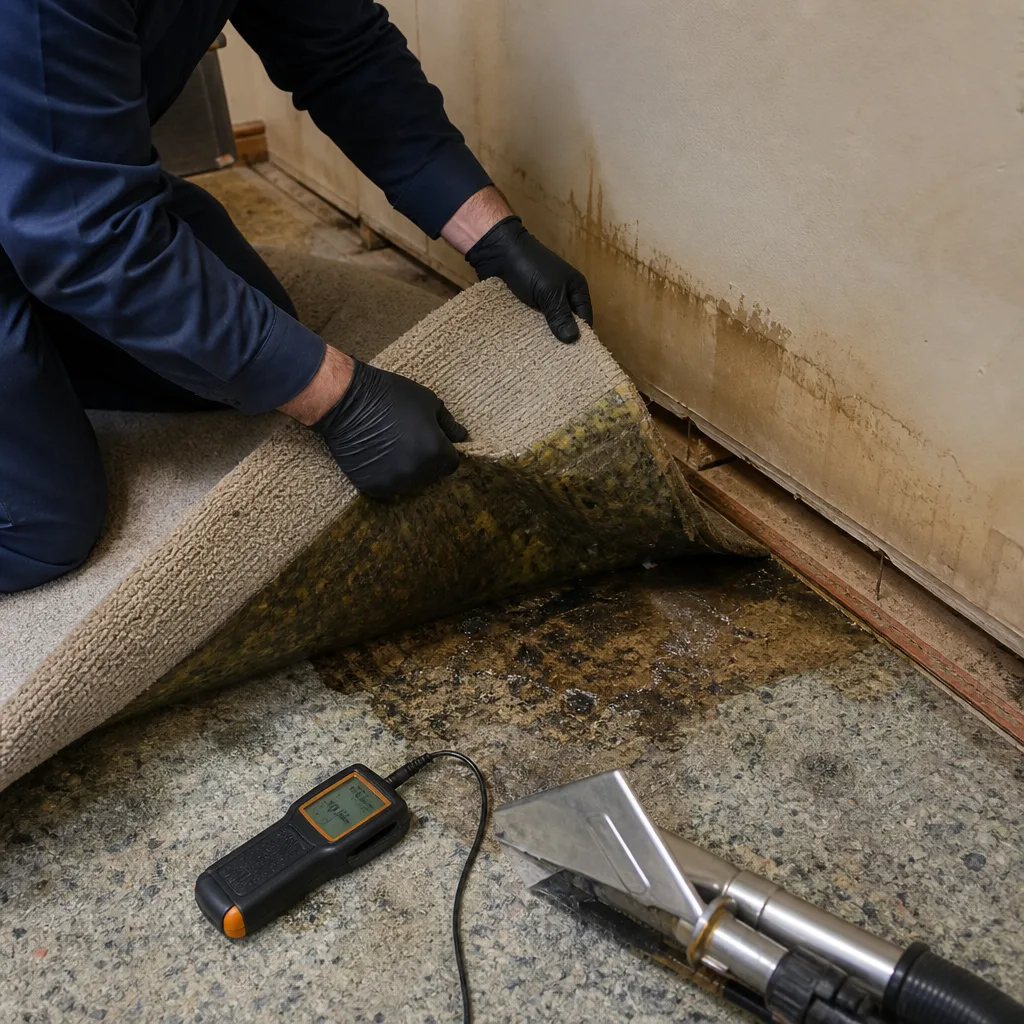
- 45-minute response commitment to any San Clemente address, with crews staged for the canyon roads and coastal corridor.
- 24/7 live answer by a real person, never an automated system or voicemail queue, on every emergency line.
- IICRC-certified crews holding FSRT (Fire and Smoke Restoration Technician) and WRT (Water Damage Restoration Technician) credentials, with AMRT (Applied Microbial Remediation Technician) certification for the mold that follows hidden moisture.
- Free visual inspection with a written scope delivered before any work begins, every time, with no exceptions.
- Direct insurance billing and adjuster coordination, with photo-documented estimates formatted to carrier standards.
- One team from emergency board-up through structural repair and final walkthrough, eliminating handoff gaps that delay claims.
 Before
 After
AfterOur Fire & Smoke Damage Restoration Process
1. Inspection & Assessment
We classify soot residue type, map smoke migration with thermal imaging, and take moisture readings in every affected cavity. In San Clemente’s stucco-clad homes, we borescope behind finishes to find trapped suppression water that surface meters miss. You receive a written scope and firm price before any work starts.
2. Emergency Board-Up & Stabilization
Our crew secures compromised openings with materials matched to your home’s construction era. For 1960s-80s hillside homes with original garage hardware, we source period-compatible track and opener mounts so the board-up doesn’t force premature full-door replacement.
3. Water Extraction & Structural Drying
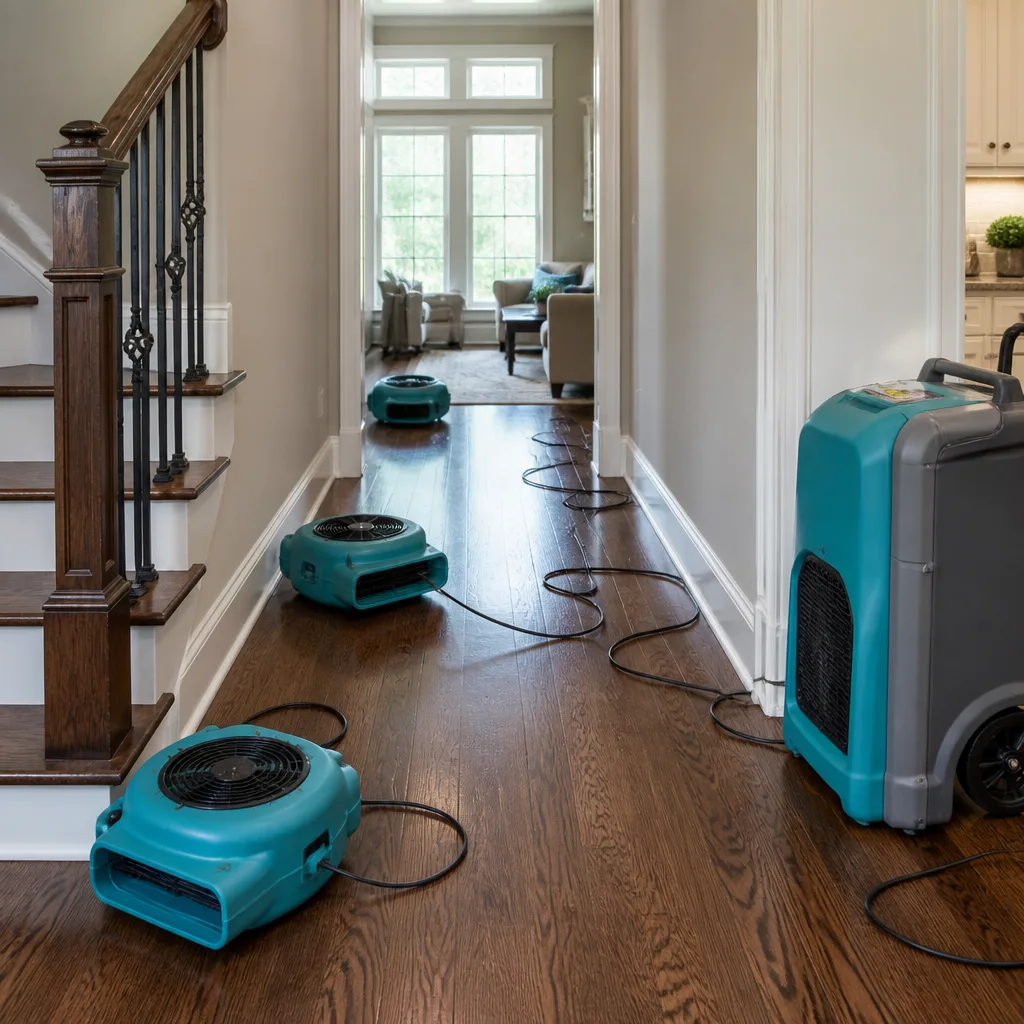
Fire suppression leaves gallons of water in wall cavities and subfloors. We deploy Phoenix and Dri-Eaz dehumidification systems with Injectidry cavity drying, documenting daily moisture logs to IICRC standards. In San Clemente’s marine-layer climate, this phase typically runs 20-30 percent longer than inland equivalents.
4. Smoke & Soot Removal
Residue-appropriate cleaning: dry sponging for powdery soot, solvent-based agents for wet smoke, alkaline cleaners for protein residue. HEPA air scrubbers run continuously during this phase to capture airborne particulate before it resettles.
5. Odor Removal & Deodorization
Thermal fogging and ozone treatment neutralize odor at the molecular level in porous materials. For San Clemente’s original plaster walls, we apply sealers formulated for lime-based substrates, not standard drywall primers that will fail and release trapped odor months later.
6. Structural Repair & Restoration
Rebuild with materials matching San Clemente’s protected architectural character: lime-and-cement stucco, clay tile, Spanish Colonial Revival finishes. We coordinate directly with the city’s planning division on historic district properties to ensure plan approval before construction begins.
Need Emergency Fire & Smoke Damage Restoration in San Clemente Now?
Crews minutes away, answering live 24 hours a day. The sooner we start, the less it costs.
Working With Your Insurance Company
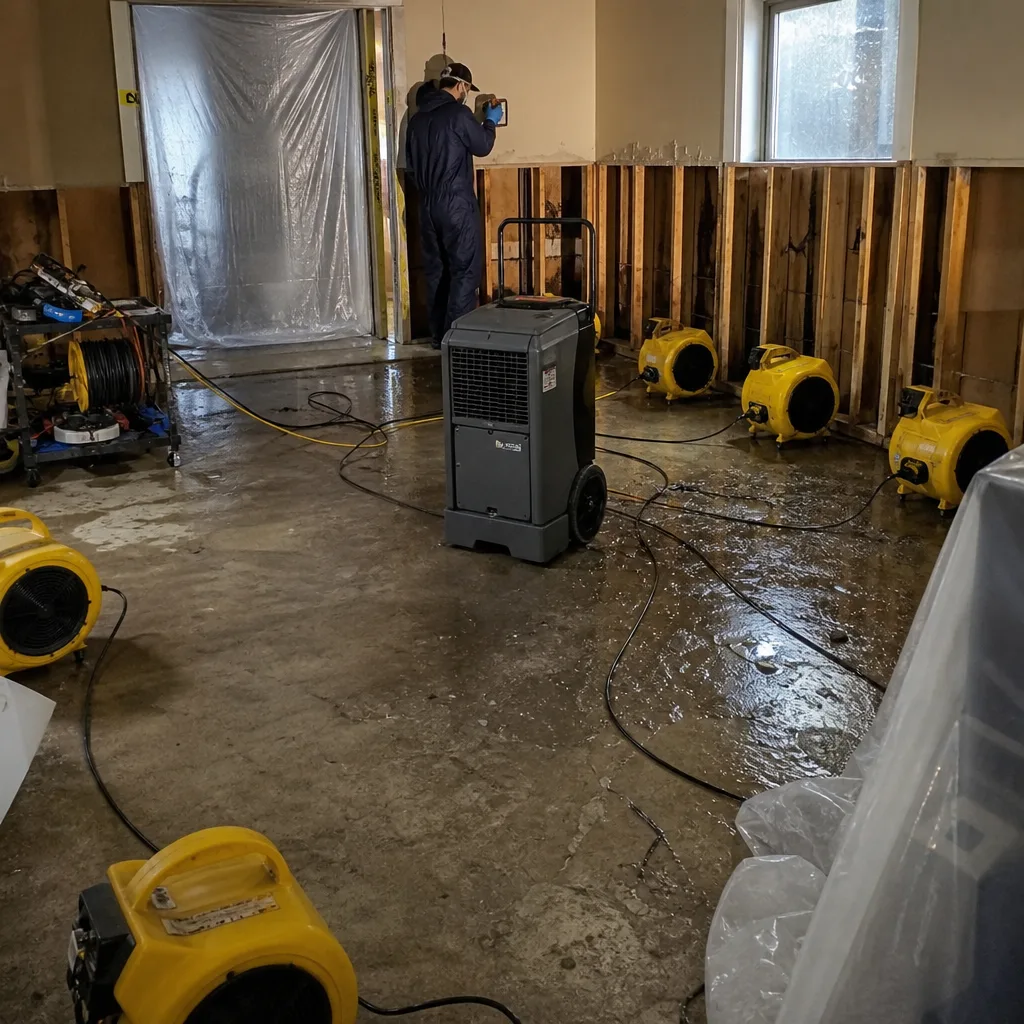
Insurance claims for fire damage fail most often at the documentation stage. Adjusters deny scopes that cannot prove pre-loss condition, establish the chain of damage, or separate fire-related loss from pre-existing wear. We eliminate that risk from the first hour. Our estimator photographs every room before any item is moved, records moisture readings on a grid pattern, and maintains daily drying logs that track psychrometric data: temperature, relative humidity, and vapor pressure differential at each dehumidifier placement.
Your written scope arrives line-itemed to Xactimate or Symbility standards, depending on your carrier’s preference. We do not inflate categories or bundle unrelated charges. If your adjuster has questions, we answer them directly, with the photo record and moisture logs available in real time. Direct billing means you are not floating restoration costs while the claim processes.
What We Provide Your Insurer
- Thorough documentation of the loss
- Photos of all damage, room by room
- Moisture readings and drying logs
- A detailed, line-item scope of work
- Direct coordination with your carrier
Built for San Clemente’s Loss Calendar
San Clemente’s fire damage profile follows distinct seasonal and geographic patterns. December through March brings the highest incidence of kitchen and heating-equipment fires, as residents run space heaters in the Ole Hanson-era homes near the pier where original plaster provides minimal insulation, and where aging electrical systems in 1920s-1930s construction struggle with modern load demands. The first significant rain after a dry stretch, typically October or November, triggers a secondary wave: hillside homes in North Beach and Sea Cliff see subsurface water channel through decomposed-granite soil into garage slabs and lower levels, and when these homes have also suffered fire damage, restorers must distinguish between suppression water, hillside intrusion, and pre-existing moisture to scope accurately.
Summer brings wildfire risk from the inland canyons, with ember intrusion through eave vents and soffits in the hillside tract neighborhoods. The marine layer’s salt air, present year-round, corrodes electrical panels and HVAC components that fire heat has already stressed, creating delayed failures that surface during the restoration phase. We inspect these systems as standard practice, not as an upsell, and document findings for the adjuster.
Fire & Smoke Damage Restoration Across San Clemente’s Neighborhoods
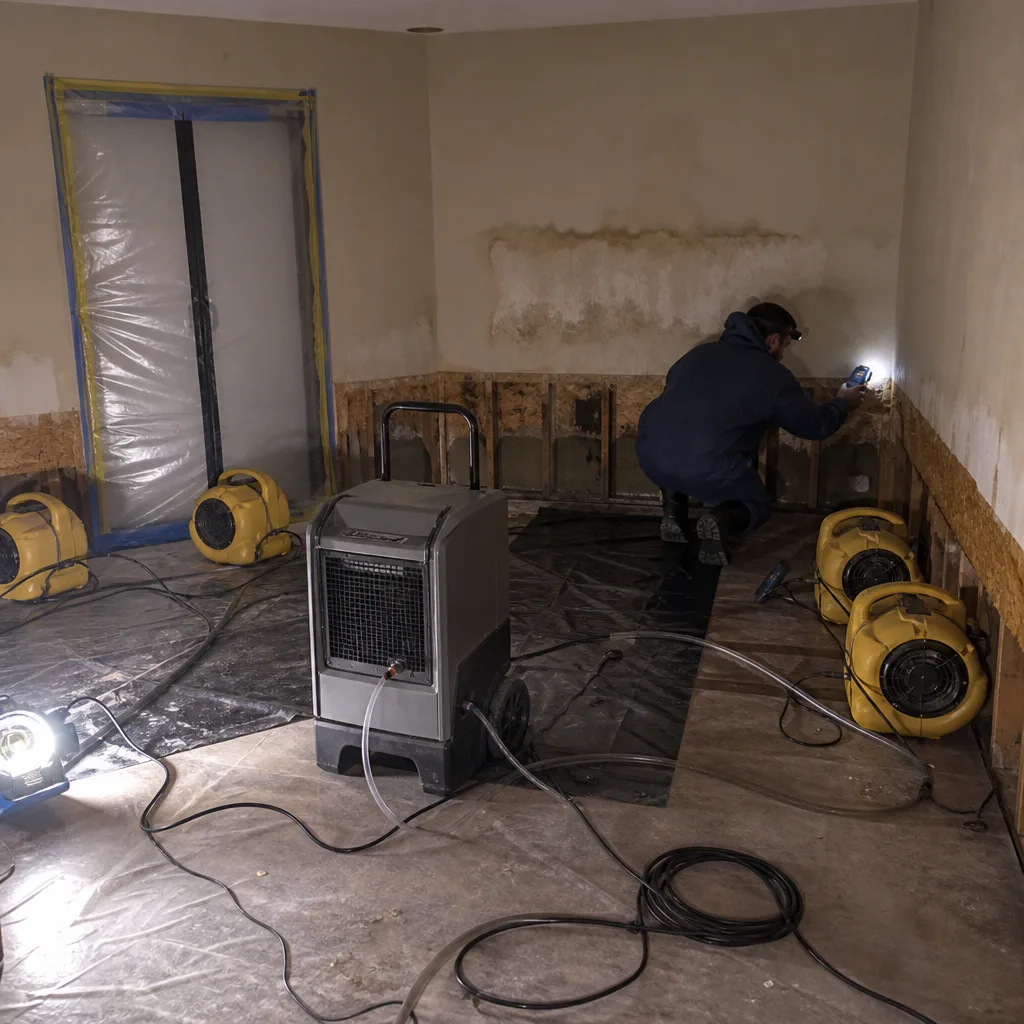
San Clemente’s geography and building stock create neighborhood-specific restoration challenges that template-driven franchises rarely anticipate.
North Beach and Sea Cliff sit on bluff edges and canyon rims where decomposed-granite soil channels subsurface water into foundations. After a fire, crews who treat only visible soot miss the moisture trapped behind thick stucco that the marine layer keeps humid for weeks. Our moisture mapping protocol here includes sub-slab readings and thermal imaging of foundation perimeters. The 1960s-80s hillside tract homes in these areas often retain original garage doors and openers; our emergency board-up uses period-compatible hardware to avoid forcing unnecessary replacements.
The Pier and Downtown historic district contains San Clemente’s original Ole Hanson-era Spanish Colonial Revival stock: clay tile roofs, lime-and-cement stucco, plaster-and-lath interior walls. Fire restoration here requires materials matching the city’s protected architectural standards. We have rebuilt with period-appropriate stucco mixes and sourced matching clay tile for roof repairs; off-the-shelf materials fail plan review and delay reoccupancy. Our crew was called to a 1920s Ole Hanson-era Spanish Colonial Revival near the pier after a kitchen fire sent smoke through original plaster walls and a clay tile roof, and while moisture mapping the structure we found legacy galvanized plumbing weeping into the same wall cavity. We set containment, ran air movers and Dri-Eaz dehumidification, performed antimicrobial treatment on the charred lath, and documented pre-loss condition with drying logs before rebuilding with materials that matched the city’s protected stucco-and-plaster character. The homeowner’s insurance adjuster signed off on the scope of work because our moisture readings proved the hidden intrusion wasn’t from the fire suppressant alone.
Forster Ranch and Marblehead hold the bulk of San Clemente’s 1960s-1980s hillside construction: stucco exteriors, slab-on-grade or raised foundations, original electrical and plumbing now at end of service life. Kitchen fires in these homes often reveal aluminum wiring or galvanized plumbing that must be addressed in the restoration scope to prevent secondary losses. Smoke migrates through shared attic spaces in these tract plans, requiring whole-house assessment even when the fire was contained to one room.
Talega represents the newest construction, with engineered lumber, tighter envelopes, and modern HVAC. Fires here typically involve synthetic materials that produce wet smoke residue, and the tight construction traps odors that require extended thermal fogging and activated carbon filtration. We monitor vapor pressure differentials carefully in these homes to prevent over-drying that delaminates engineered joists.
Specialized Fire & Smoke Damage Restoration Services We Offer in San Clemente
Fire Damage Cleanup
We remove charred structural elements, debris, and compromised insulation, classifying all materials for hazardous waste disposal where required. In San Clemente’s historic district, we separate original architectural elements that can be restored from those requiring replication, documenting each decision with photos for the adjuster and the city’s planning staff.
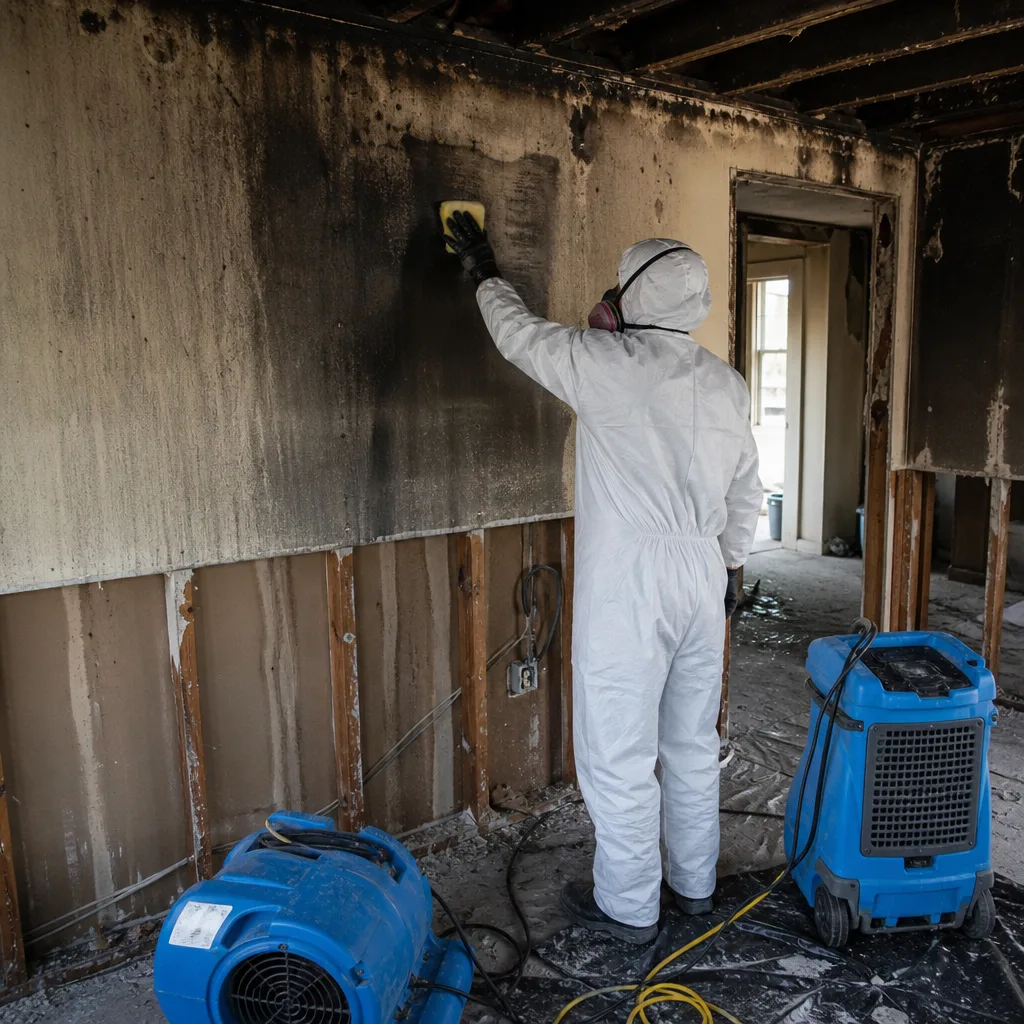
Smoke & Soot Removal
Residue-appropriate cleaning for dry smoke, wet smoke, protein residue, and fuel oil soot. In homes with original plaster walls, we use cleaning agents formulated for lime-based substrates to prevent etching and discoloration that standard products cause. HEPA air scrubbers run continuously during this phase.
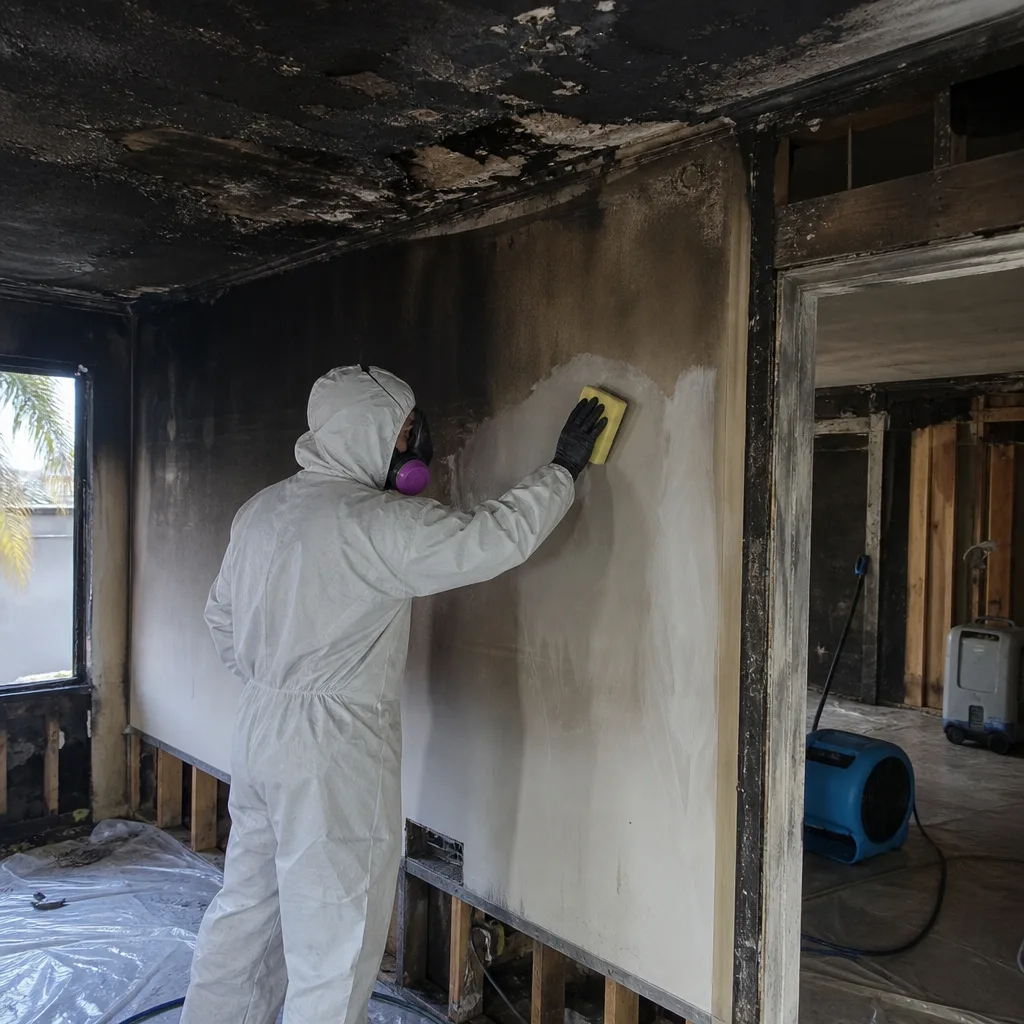
Odor Removal & Deodorization
Thermal fogging, ozone treatment, and activated carbon filtration neutralize odor at the molecular level. For San Clemente’s plaster-and-lath construction, we apply specialized sealers before repainting; standard drywall primers fail on lime plaster and release trapped odor months after the job appears complete.
Contents Cleaning & Pack-Out
We inventory, photograph, and transport salvageable contents to our cleaning facility for ultrasonic and specialized treatment. Non-salvageable items are documented for replacement-value claims with make, model, and condition notes. In San Clemente’s hillside homes with limited access, we coordinate crane or hoist logistics for large-item removal.
Emergency Board-Up & Tarping
Immediate securing of compromised openings with materials matched to your home’s construction. For 1960s-80s hillside tract homes with original garage doors, we source period-compatible track and hardware so the emergency board-up doesn’t force a full-door replacement before insurance scope approval. We serve San Clemente and surrounding communities with 24-hour board-up response.
Structural Fire Repair
Reconstruction with materials matching San Clemente’s protected architectural character: lime-and-cement stucco, clay tile, Spanish Colonial Revival finishes. We coordinate plan review with the city for historic district properties and provide the documentation your adjuster needs to approve scope additions for code-compliant, character-appropriate rebuilds.
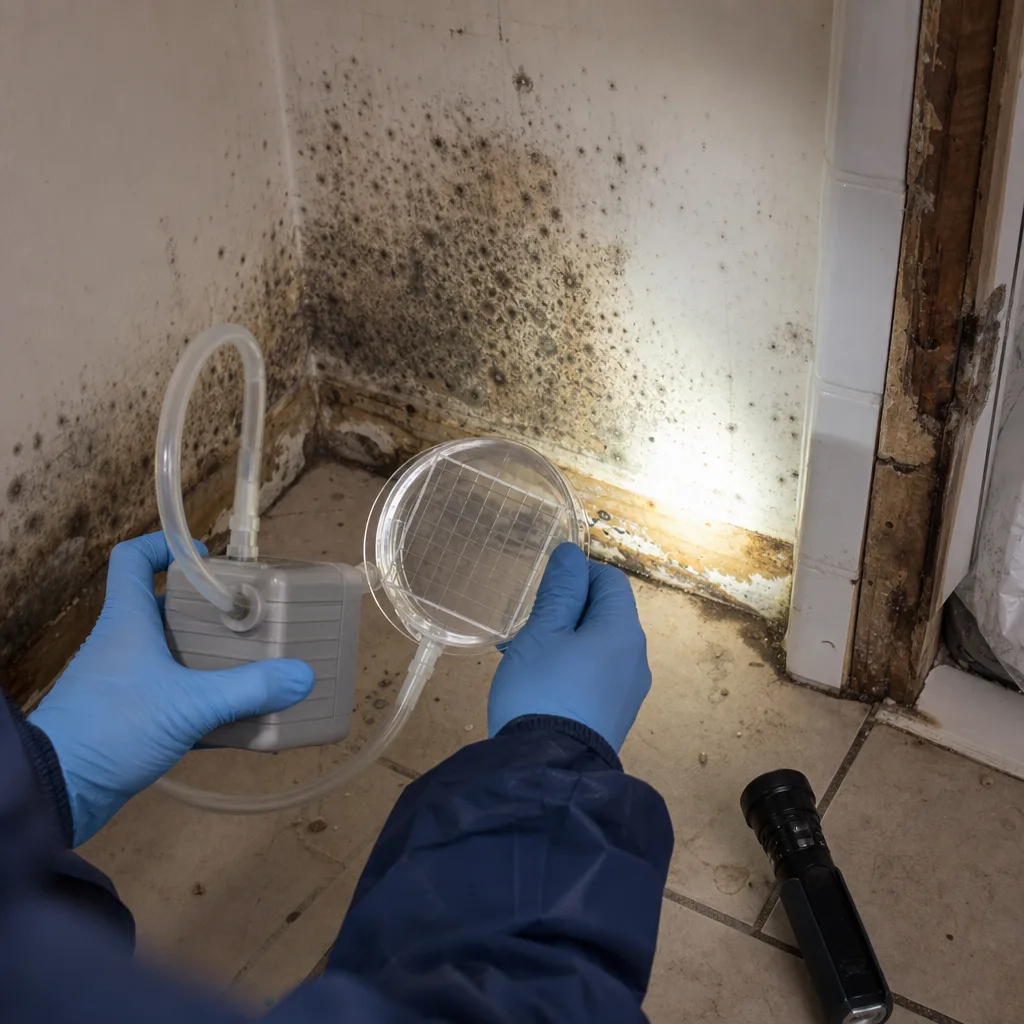
What happens when you call
- 1
A real person answersNo phone trees - you reach a local pro.
- 2
You get an upfront price rangeHonest numbers before anyone is dispatched.
- 3
A background-checked tech heads outLicensed & insured, dispatched right away.
- 4
You approve before work beginsNothing starts until you say go.
Fire & Smoke Damage Restoration Costs in San Clemente, CA
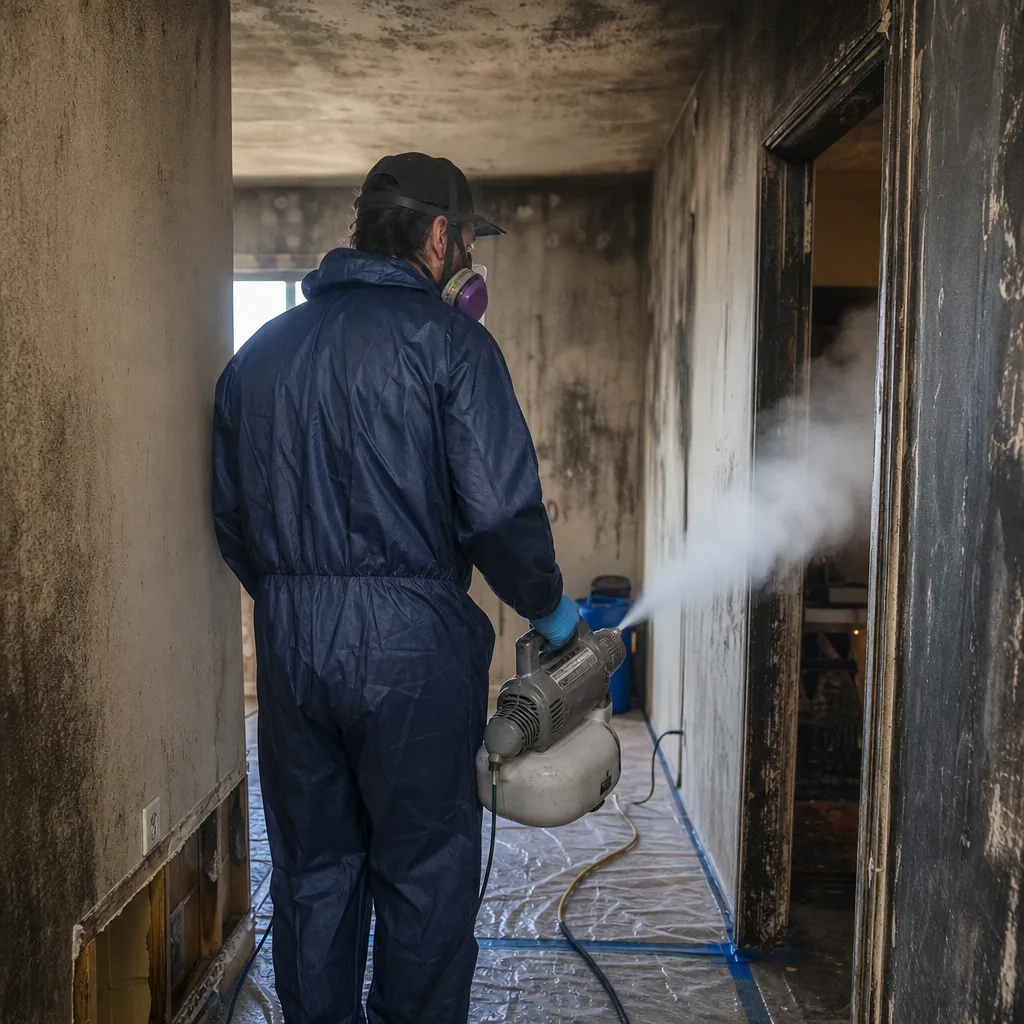
Honest pricing for San Clemente’s market:
| Service | Typical Range |
|---|---|
| Emergency board-up & stabilization | $850-$2,400 |
| Smoke & soot removal (per affected room) | $480-$1,200 |
| Structural drying & dehumidification | $1,800-$4,500 |
| Odor removal & deodorization | $920-$2,800 |
| Contents pack-out & cleaning | $1,200-$3,600 |
| Structural repair & restoration (per room) | $3,500-$12,000 |
| Full-property fire restoration (typical 2,000 sq ft home) | $18,500-$65,000 |
What moves the price: the square footage affected, the soot residue type (wet smoke and protein residue require more labor hours), the age and architectural complexity of finishes, and whether hidden moisture behind stucco requires extended drying with Injectidry cavity systems. Most San Clemente fire damage claims are insurance-covered; our written scope and photo documentation streamline that process. For out-of-pocket scenarios, we provide the same written price before work begins, with no scope-creep additions once the crew is inside. Call (657) 297-0972 for a free visual inspection and firm estimate.
We Also Serve Cities Near San Clemente
Our crews respond throughout southern Orange County, including Dana Point, San Juan Capistrano, Ladera Ranch, and Laguna Niguel. Each community shares San Clemente’s coastal climate challenges but presents distinct building-stock and access considerations that our estimators account for in every scope.
Serving San Clemente, CA - Our Local Coverage Area
We’re based in the San Clemente area and know this community well. Use the map below to see our service coverage - if you’re nearby, we can almost certainly help.
San Clemente Fire & Smoke Damage Restoration Questions, Answered
After a kitchen fire in our Ole Hanson-era home near the San Clemente pier, why does the restoration crew want to open up original plaster walls that look fine?
Because smoke and suppression water travel through the convoluted air channels in plaster-and-lath construction, depositing residue and moisture in cavities that surface inspection cannot reach. In San Clemente’s marine-layer climate, that trapped moisture triggers mold on original lath within 72 hours. We use borescope inspection first to minimize unnecessary demolition, but when moisture readings exceed 16 percent wood moisture equivalent behind the plaster, selective opening is required to dry the cavity and treat charred structural members. Our photo documentation proves the necessity to your adjuster. Call (657) 297-0972 for a free inspection.
Our hillside tract home in San Clemente has an original 1970s garage door - can you board it up after a fire without replacing the opener?
Yes, when the track and hardware are structurally sound. We source period-compatible mounting brackets and track extensions that mate with 1970s hardware patterns, avoiding the forced full-replacement that standard board-up kits impose. If the original opener is fire-damaged, we can secure the door manually and include opener replacement as a separate line item in your written scope, not as an emergency add-on. Haven Standard, Clause 1: the price is set before work begins. Call (657) 297-0972 to schedule.
Why does smoke odor keep coming back in our Talega home months after a small fire?
Talega’s tight construction traps smoke particulate in HVAC ducts, insulation, and the pores of engineered lumber. Standard cleaning and repainting address surfaces but miss these reservoirs. When seasonal temperature shifts cause materials to expand and contract, trapped odor molecules re-release. Our protocol includes duct sealing and replacement where particulate loading exceeds standards, activated carbon filtration during drying, and vapor-phase sealers formulated for synthetic substrates, not standard drywall primers. The 365-Day Done Right Promise covers odor recurrence. Call (657) 297-0972 for assessment.
Can you match the stucco and clay tile on our Spanish Colonial Revival home after fire damage, or will the rebuild look different?
We match both. Our crews use lime-and-cement stucco mixes formulated for San Clemente’s protected architectural standards, not Portland-cement-based products that read visually different and fail plan review. For clay tile, we source matching profiles from the same manufacturers that supplied original Ole Hanson-era construction, or custom-match when necessary. We document pre-loss condition with photos and material samples, present the match to your adjuster as a line-item scope component, and coordinate with the city’s planning division for historic district approval before construction begins. Call (657) 297-0972 to review your specific situation.
During a fire cleanup in North Beach, how do you tell whether water in the lower level is from the fire hoses or the hillside?
We distinguish sources through moisture mapping patterns, water chemistry testing, and subsurface soil assessment. Fire suppression water typically deposits evenly across affected areas with elevated chlorine content from municipal supply. Hillside intrusion in North Beach and Sea Cliff follows the decomposed-granite slope, entering at the uphill foundation wall and showing higher mineral content and lower disinfectant residual. Our moisture logs document both pattern and chemistry, and our written scope attributes each moisture source separately for adjuster clarity. This distinction matters: suppression water is typically claim-covered, while long-term hillside drainage may involve separate coverage questions. Call (657) 297-0972 for documentation.
How fast can your crew actually get to a fire damage call in San Clemente?
We commit to 45 minutes from call to on-site arrival anywhere in San Clemente, with crews staged for the I-5 corridor and coastal access roads. Live answer 24 hours a day, no voicemail. The first hour determines how much structure can be saved; we do not queue emergency calls for next-business-day response. Call (657) 297-0972 now if you have active damage.
Will my insurance cover full fire restoration, or just cleanup?
Most homeowner policies cover both, with coverage limits and deductibles applying. The gap between what insurers pay and what restoration actually costs usually stems from documentation failures, not policy language. Our photo-documented estimates, moisture logs, and line-item scopes written to Xactimate standards give adjusters the evidence they need to approve full scope. We coordinate directly with your carrier and provide a Free Second Opinion on any competitor’s written estimate if you believe items were missed. Call (657) 297-0972 to review your coverage.
What certifications do your fire restoration technicians hold?
Our lead technicians hold IICRC FSRT (Fire and Smoke Restoration Technician), WRT (Water Damage Restoration Technician), and AMRT (Applied Microbial Remediation Technician) certifications. All are background-checked, uniformed, and licensed, with license numbers available on request. Work is documented to IICRC, RIA, and IFA standards, producing the daily drying logs and photo records that turn restoration invoices into payable claims. Call (657) 297-0972 to verify credentials.
Written by Alicia Brennan, Owner at DryMark Restoration Mission Viejo, serving San Clemente since 2011 under The Haven Standard.
Fire & Smoke Damage Restoration in Nearby Areas