

Free visual inspection and a written scope of work before any mitigation begins - photos, moisture readings, and drying logs go in your claim file
The scope we write is the scope we bill. Anything new gets shown to you, in writing, before we touch it.
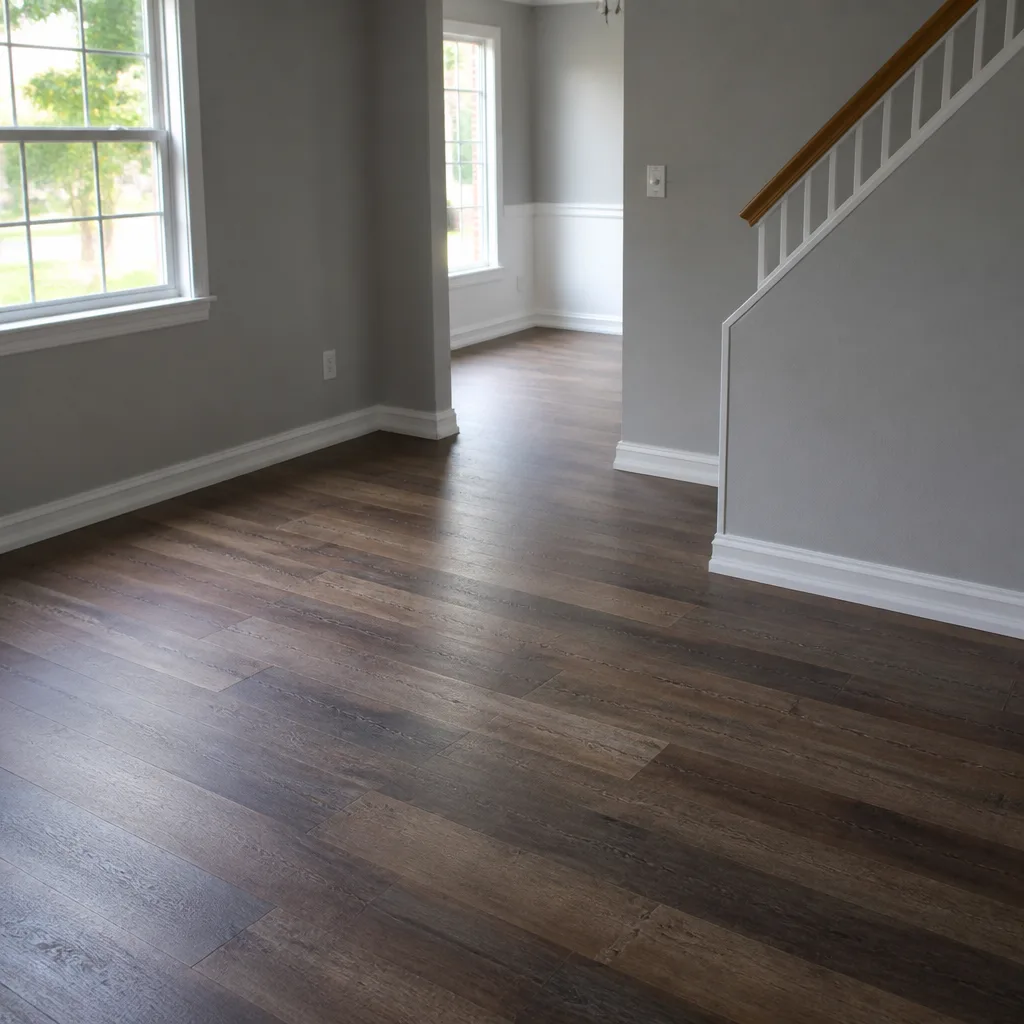
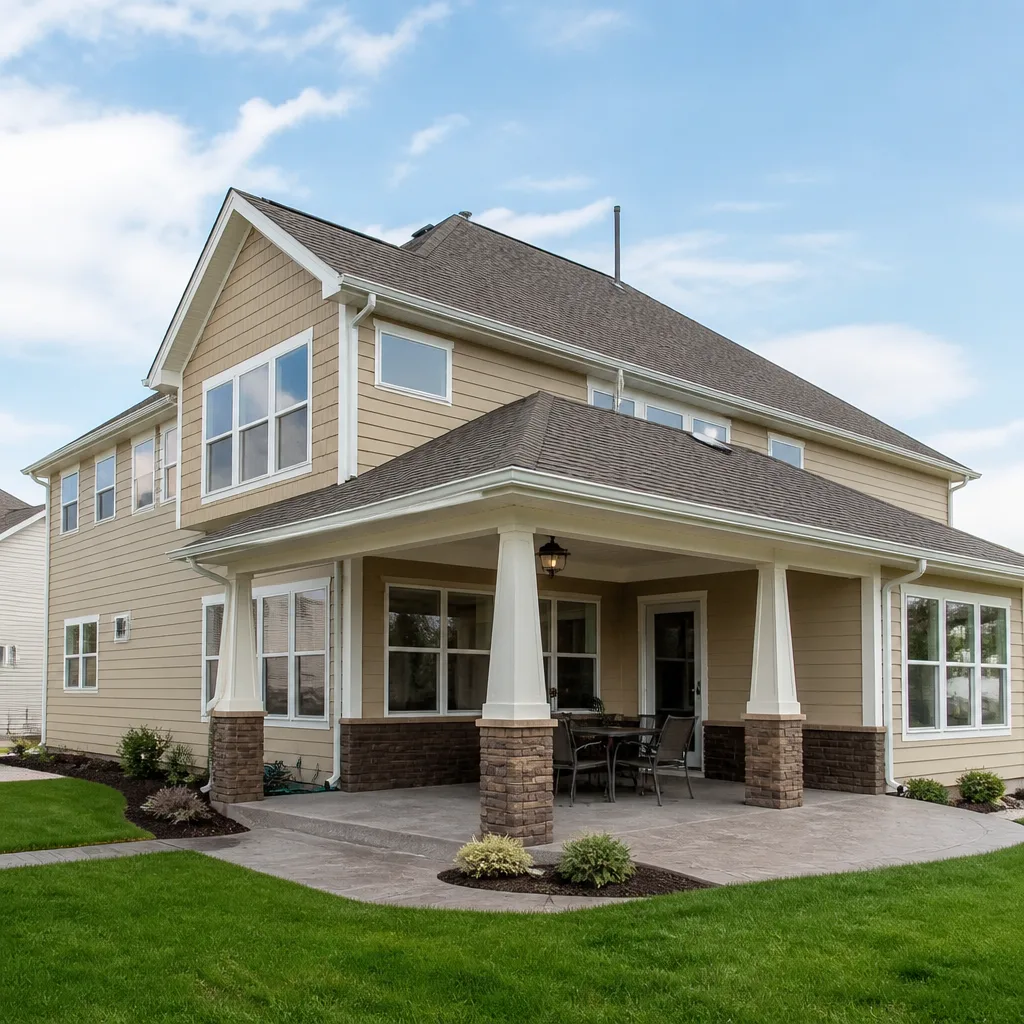
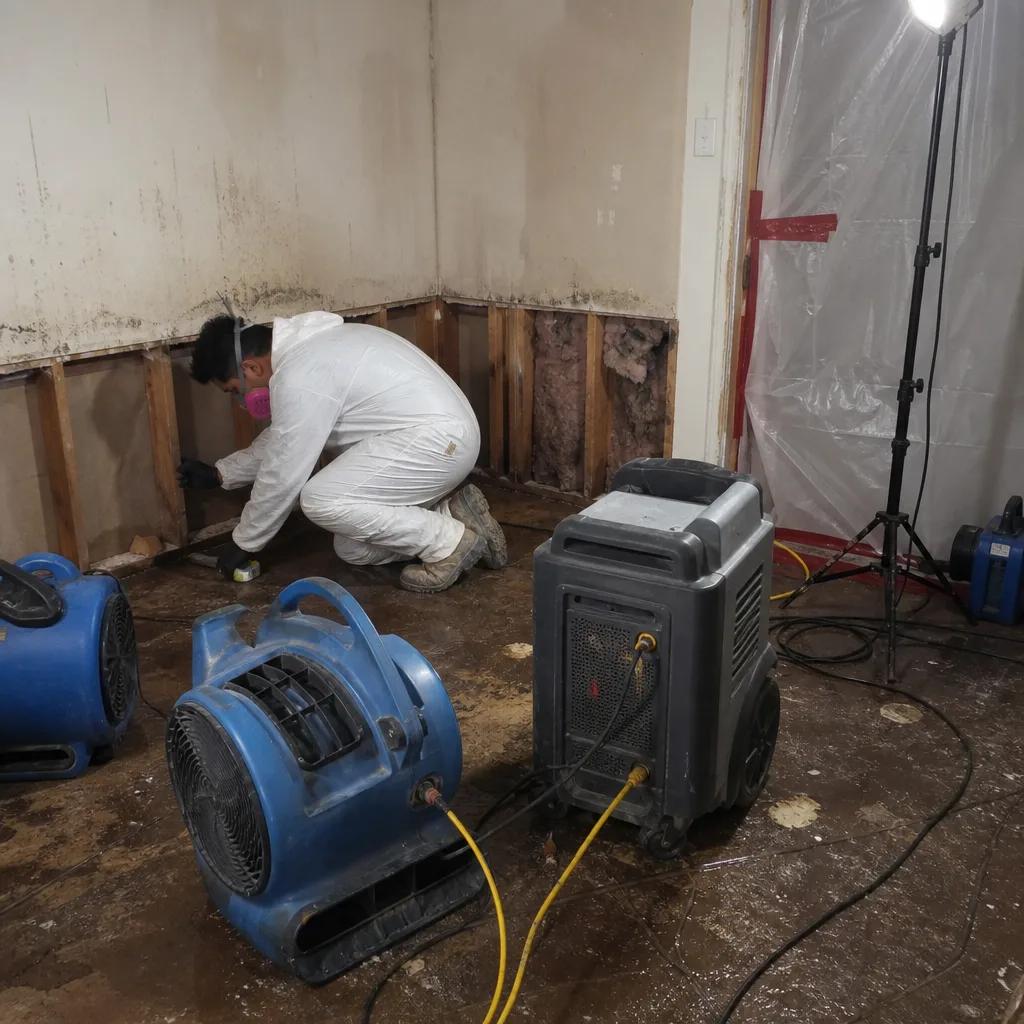 Before
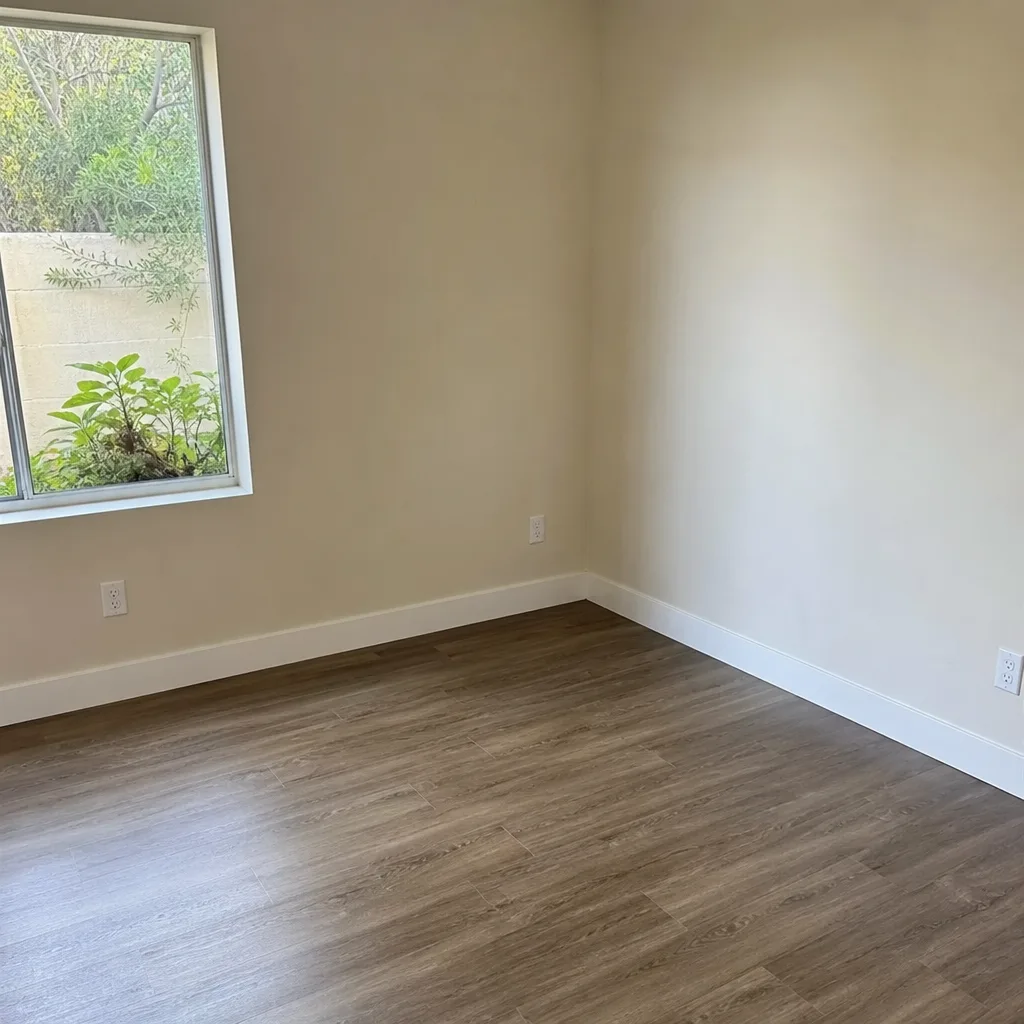 After
After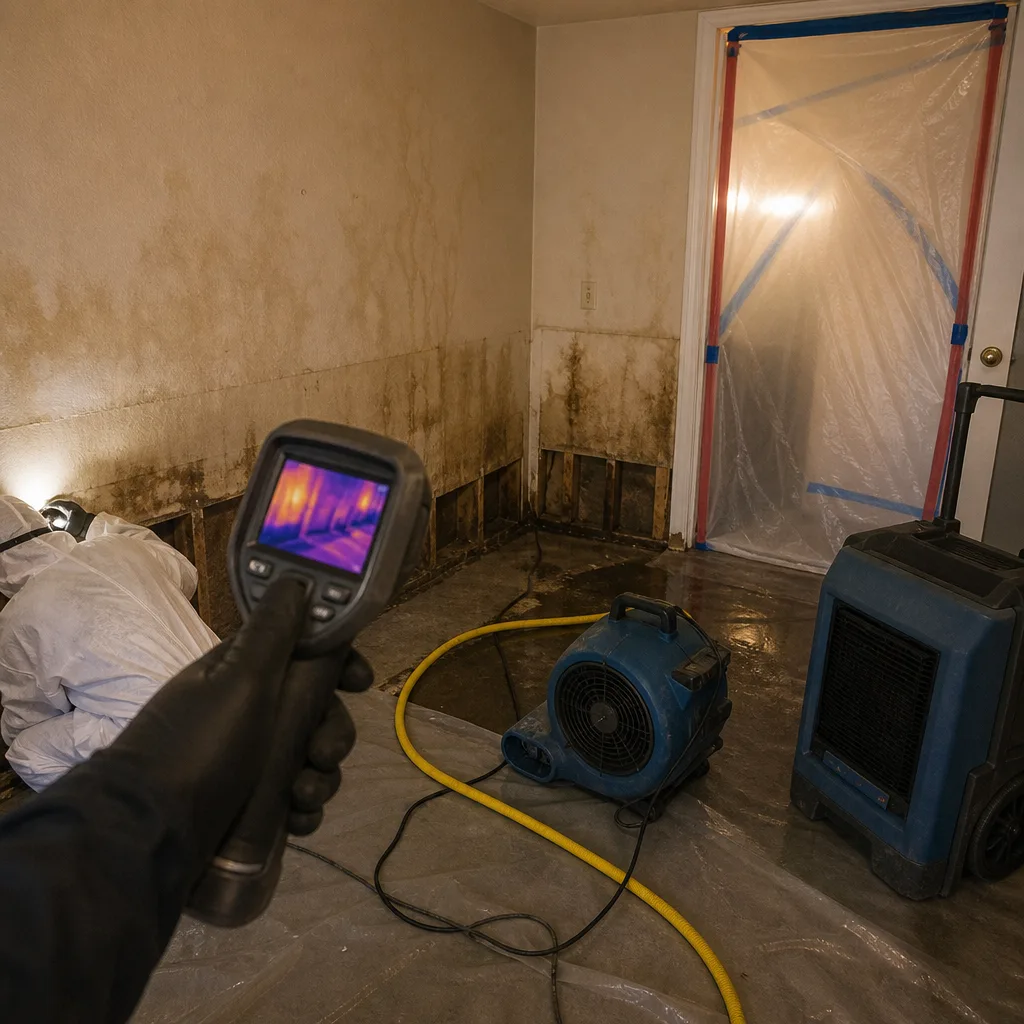 Before
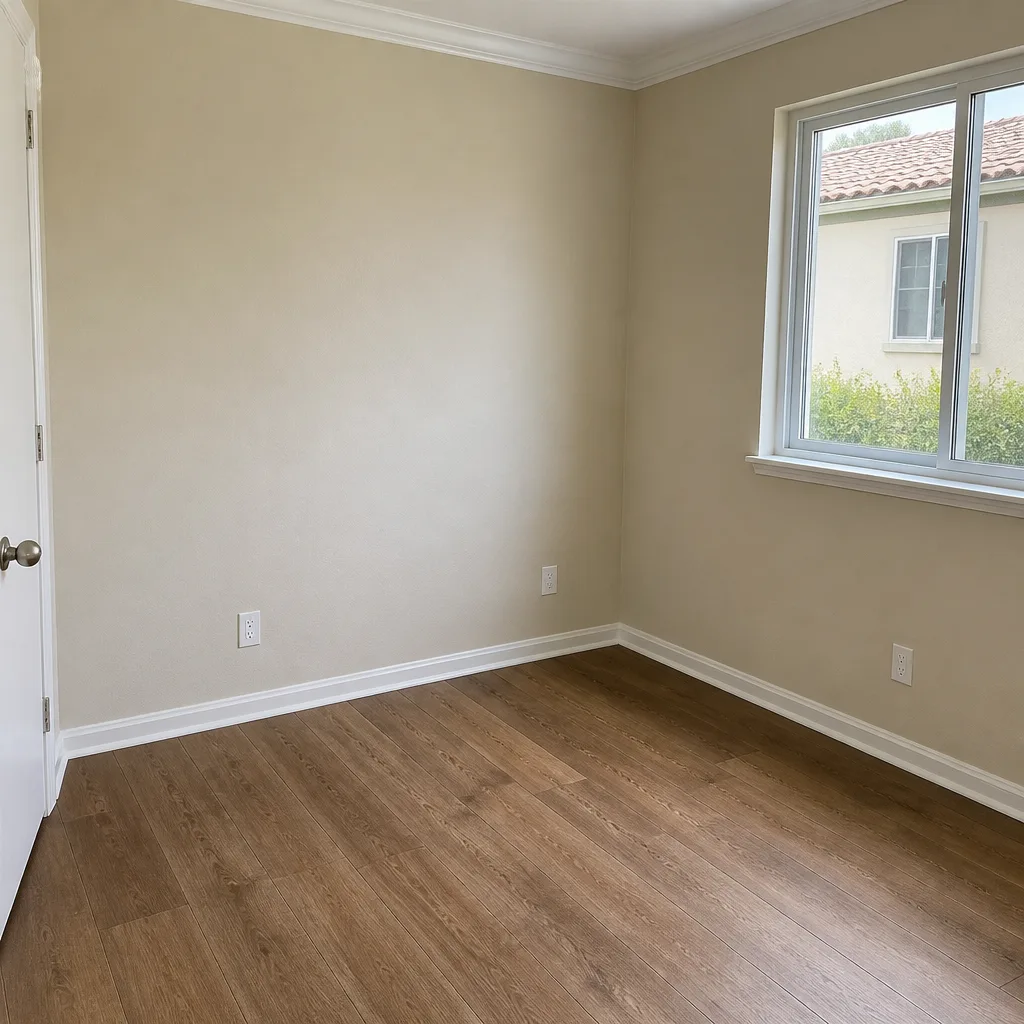 After
After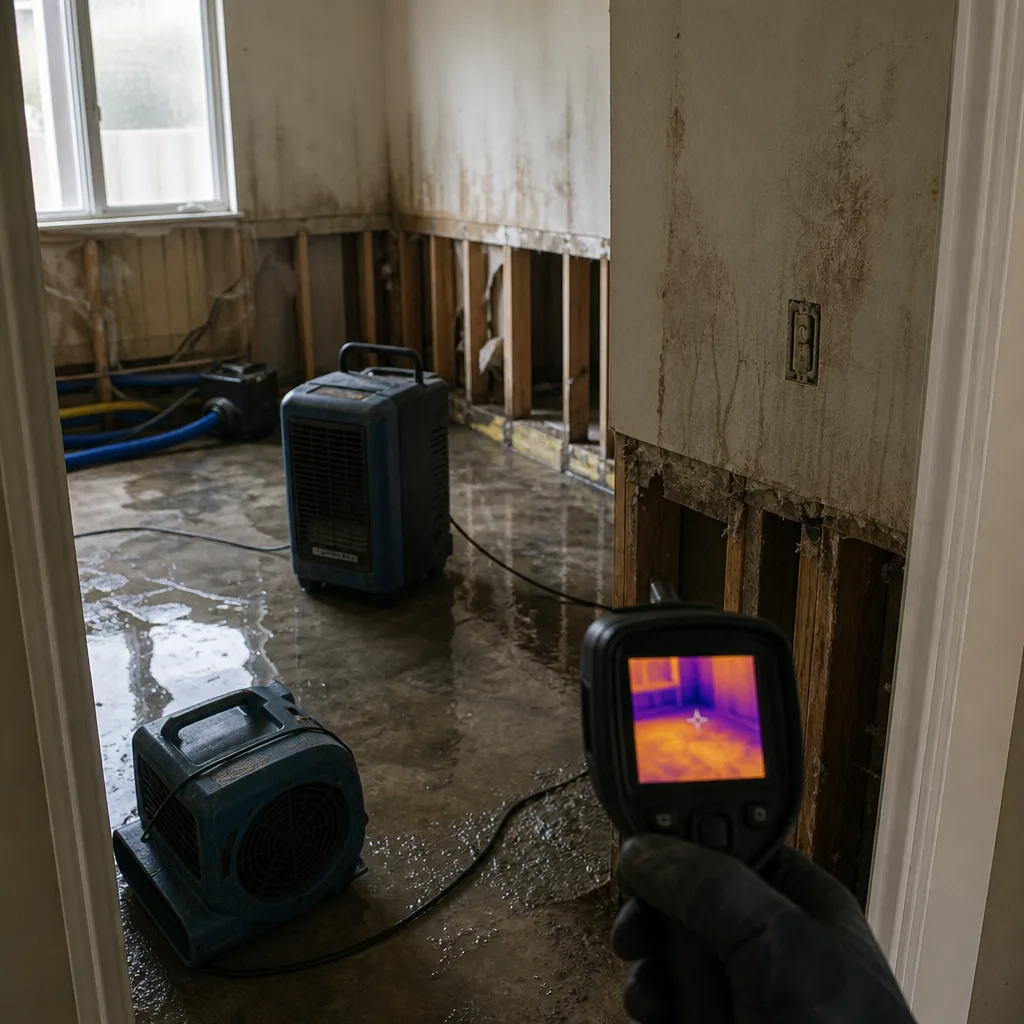 Before
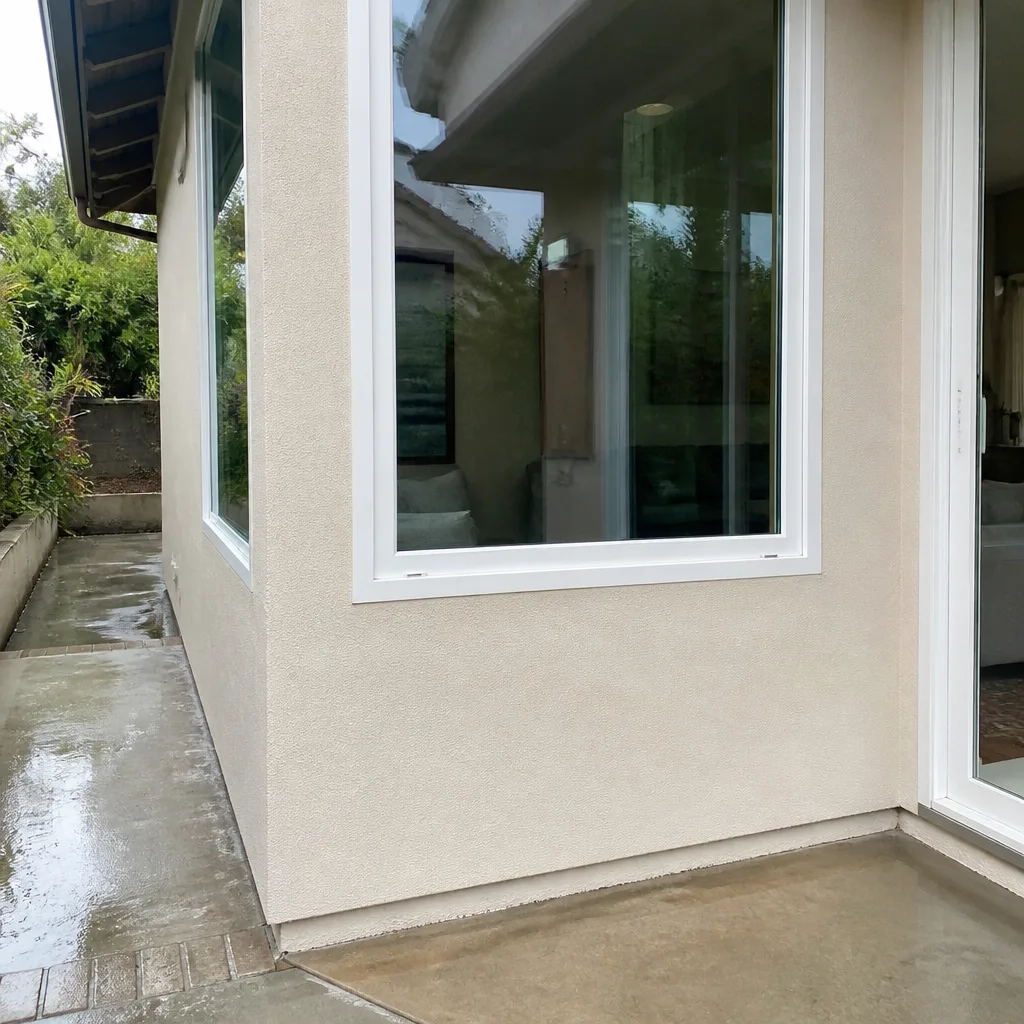 After
After24/7 Emergency Water Damage Restoration in Laguna Woods
Water damage restoration in Laguna Woods typically costs $2,800-$7,500 for residential units, with emergency extraction and drying completed same-day when crews gain immediate access. Most Laguna Woods losses involve original 1960s-1970s galvanized plumbing failures in co-op units, where moisture migrates quickly through slab-on-grade construction and shared wall assemblies. Call (657) 297-0972 now - a live person answers every emergency line, 24 hours a day, 7 days a week, with no voicemail trees while water is still moving through your unit.
Our crews serve Laguna Woods from our Los Angeles office dispatch center, maintaining pre-registered vendor credentials with Laguna Woods Village security year-round. That credentialing matters here more than anywhere else in Orange County. A burst pipe at 2 a.m. means nothing if the gate won’t open. We’ve cleared that protocol enough times to know the after-hours security contact by heart, and we keep our documentation current so we’re never the reason a job starts late.
Understanding Water Damage Restoration Severity in Laguna Woods Properties
Water damage in Laguna Woods operates on a different severity scale than standard residential losses because of the housing stock and access constraints. Category 1 clean water from a supply-line failure can degrade to Category 2 gray water in 24-48 hours; in Laguna Woods, gate-access delays routinely push losses across that threshold before extraction begins. Our Water Damage Restoration team documents the exact time of loss, the time of our arrival, and the water category at each phase.
Moisture mapping with thermal imaging reveals migration paths through slab-on-grade slabs and shared demising walls that don’t exist in detached single-family construction. Psychrometric data - temperature, relative humidity, and vapor pressure differential - drives our drying strategy. Tertiary drying, the final phase where bound moisture is removed from dense materials, takes longer in Laguna Woods’s 1960s-era concrete slabs and original plaster assemblies than in modern lightweight construction.
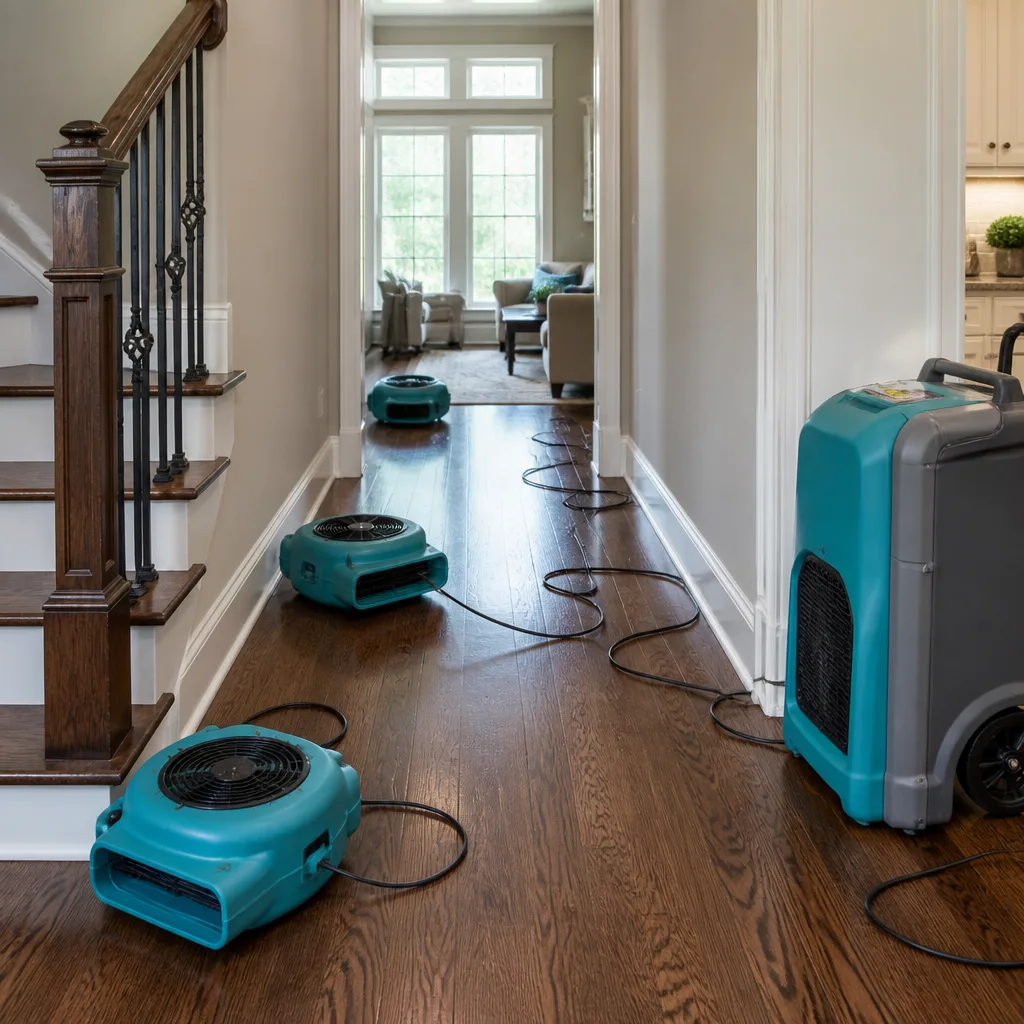
Structural drying targets are set by material class: 4-6% moisture content for hardwood, 12% for dimensional lumber, and equilibrium with ambient conditions for drywall. We hit those numbers with Phoenix LGR dehumidifiers, XPOWER and B-Air axial air movers, and Injectidry cavity-drying systems that force dry air into wall voids without destructive demo. Every reading goes into the daily drying log your adjuster and the Laguna Woods Village mutual will review.
Why Laguna Woods Property Owners Choose DryMark Restoration Mission Viejo
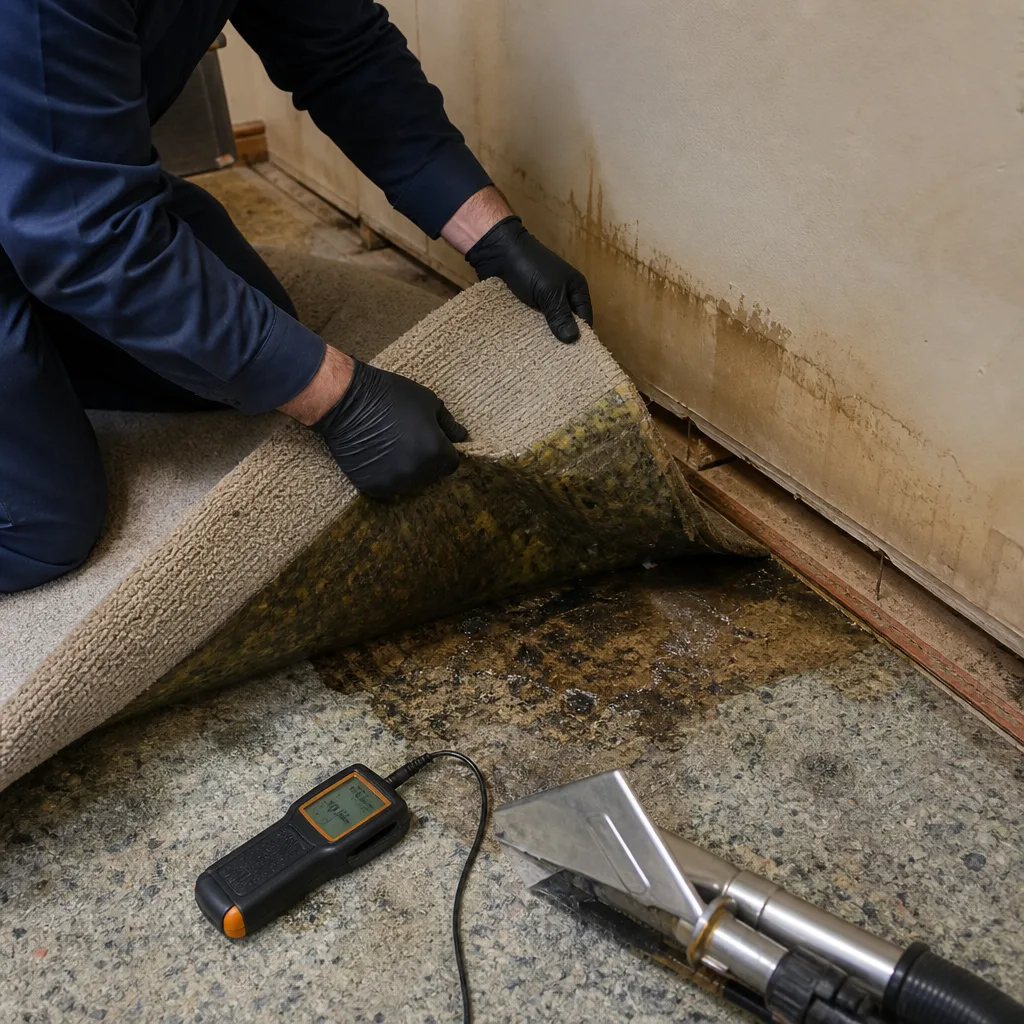
- 45-minute response commitment once gate access is cleared - we don’t count travel time until the credentialing call is complete.
- 24/7 live answer: a real person, never an automated system, who knows the Laguna Woods Village after-hours security protocol and can initiate credential verification while you’re still on the line.
- IICRC-certified crews holding WRT (Water Damage Restoration Technician) and ASD (Applied Structural Drying) certifications; AMRT (Applied Microbial Remediation Technician) on staff for Category 2/3 losses.
- Free visual inspection with moisture mapping and a written scope before any work begins - Haven Standard, Clause 1.
- Direct insurance billing with photo-documented estimates formatted to carrier standards, plus direct adjuster coordination so you’re not translating between two bureaucracies.
- One team from extraction to reconstruction - no handoffs that lose the drying log or the mutual’s authorization paperwork.
 Before
 After
AfterOur Water Damage Restoration Process
1. Inspection & Assessment
We arrive with thermal imaging cameras, pin and pinless moisture meters, and a documentation tablet. Every affected surface is mapped, photographed, and classified by material type and moisture content. In Laguna Woods, we immediately flag original asbestos-containing materials, galvanized plumbing, and shared structural elements that require mutual authorization.
2. Extraction & Stabilization
Standing water is removed with truck-mounted extraction systems and portable Phoenix units. We deploy weighted extraction tools on carpet and cushion, and use squeegee wands on hard surfaces. If the loss originated under a slab, we establish containment to prevent migration into adjacent units - a standard requirement in Laguna Woods’s co-op construction.
3. Drying & Dehumidification
We calculate the cubic footage and establish a drying chamber with LGR dehumidifiers, axial air movers, and Injectidry cavity-drying mats or hoses as needed. Psychrometric readings are taken every 24 hours and logged. In Laguna Woods’s aging stock, we often find moisture trapped in plaster lath and concrete slabs that requires extended tertiary drying.
4. Cleaning & Sanitization
Category 2 and 3 losses receive antimicrobial treatment per IICRC S500 standards. HEPA air scrubbers run during all cleaning phases. We document product application by name, concentration, and dwell time - the Laguna Woods Village mutual requires this for health and safety compliance.
5. Hazardous Materials Assessment
Original 1960s-1970s construction in Laguna Woods means asbestos floor tile, popcorn ceiling texture, and pipe insulation are presumed present until tested. We coordinate third-party hazmat testing and, if positive, licensed abatement before any reconstruction demolition. This step is non-negotiable and must be pre-counseled with the resident and the mutual.
6. Repairs & Restoration
Once drying targets are met and hazmat clearance is issued, we deliver a written reconstruction scope with line-item pricing - Haven Standard, Clause 1 - and execute repairs with materials matching the original or upgraded per mutual specifications. The 365-Day Done Right Promise covers all work under The Haven Standard.
Need Emergency Water Damage Restoration in Laguna Woods Now?
Crews minutes away, answering live 24 hours a day. The sooner we start, the less it costs.
Working With Your Insurance Company
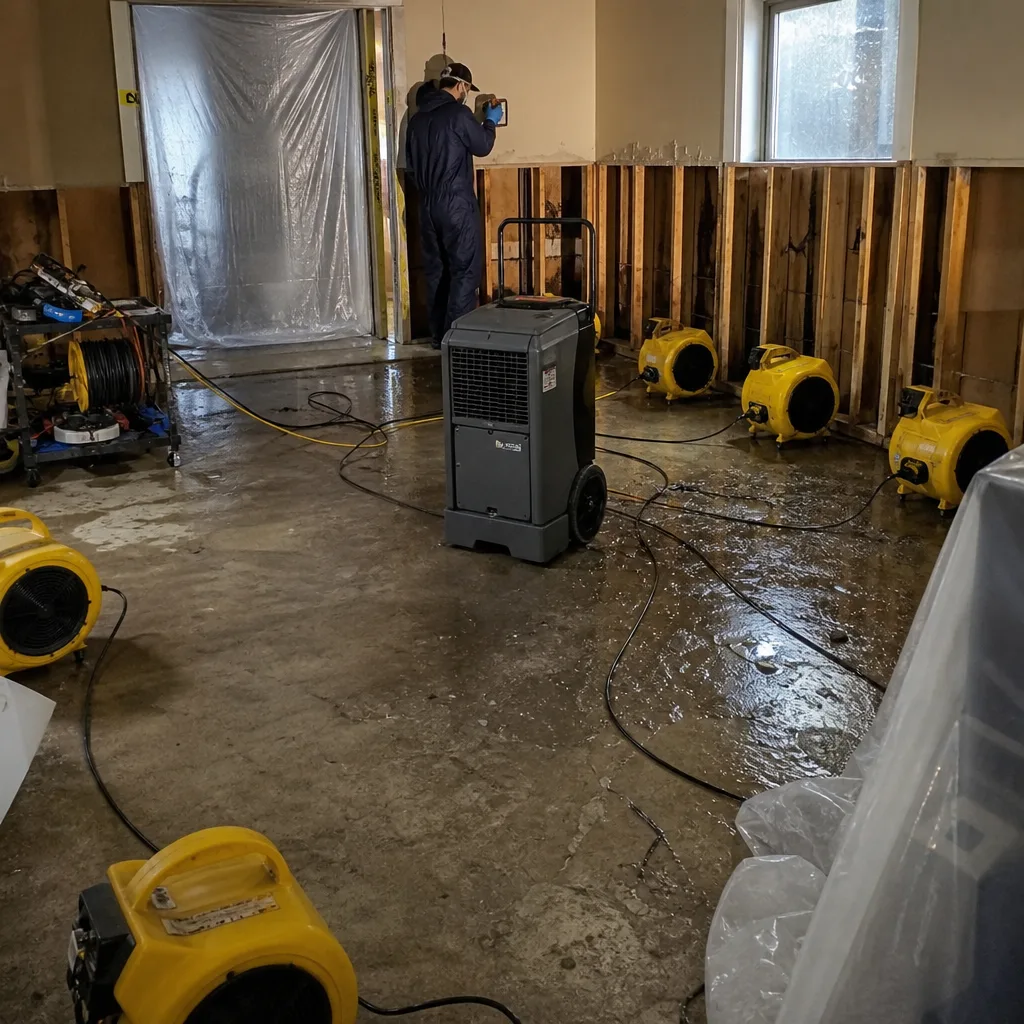
Every Laguna Woods water damage claim involves three parties: the resident, the mutual/association, and the insurance carrier. We document for all three from the first hour. Our estimates follow Xactimate or Symbility industry standards, line-itemed by room and material, with photos timestamped to the drying log. Direct adjuster communication is standard - we don’t make you relay technical questions between us and your carrier.
The Laguna Woods Village mutual often maintains its own insurance policy on structural elements, while residents carry HO-6 policies on interior improvements and personal property. We identify which policy covers which scope element before work begins, preventing coverage disputes that stall payment.
What We Provide Your Insurer
- Thorough documentation of the loss with cause-and-origin analysis
- Photos of all damage, room by room, with moisture readings visible
- Daily moisture readings and drying logs in IICRC-compliant format
- A detailed, line-item scope of work with material classifications
- Direct coordination with your carrier’s adjuster and the mutual’s representative
Built for Laguna Woods’s Loss Calendar
Laguna Woods sits in the coastal-to-inland transition zone of south Orange County, where the loss calendar follows a distinct pattern. Fall Santa Ana wind events, like those that drove the 2020 Silverado Fire through the surrounding hills, create acute wildfire and smoke/ash intrusion risk that can trigger secondary water damage when fire suppression systems activate or when residents return to find sprinkler lines cracked from heat exposure.
Brief but intense winter rains, typically December through March, drive rapid water intrusion into ground-floor and below-grade utility areas of the aging stock. Original galvanized supply lines, now 55-60 years old, fail at joints and slab penetrations under pressure spikes from temperature fluctuations. Spring brings relative dryness, but the damage from winter failures often manifests only when residents notice warped flooring or musty odors in shared hallway spaces. Summer is peak demand for documentation review - residents returning from travel discover losses that occurred weeks earlier, complicating category classification and coverage determination.
Water Damage Restoration Across Laguna Woods’s Neighborhoods
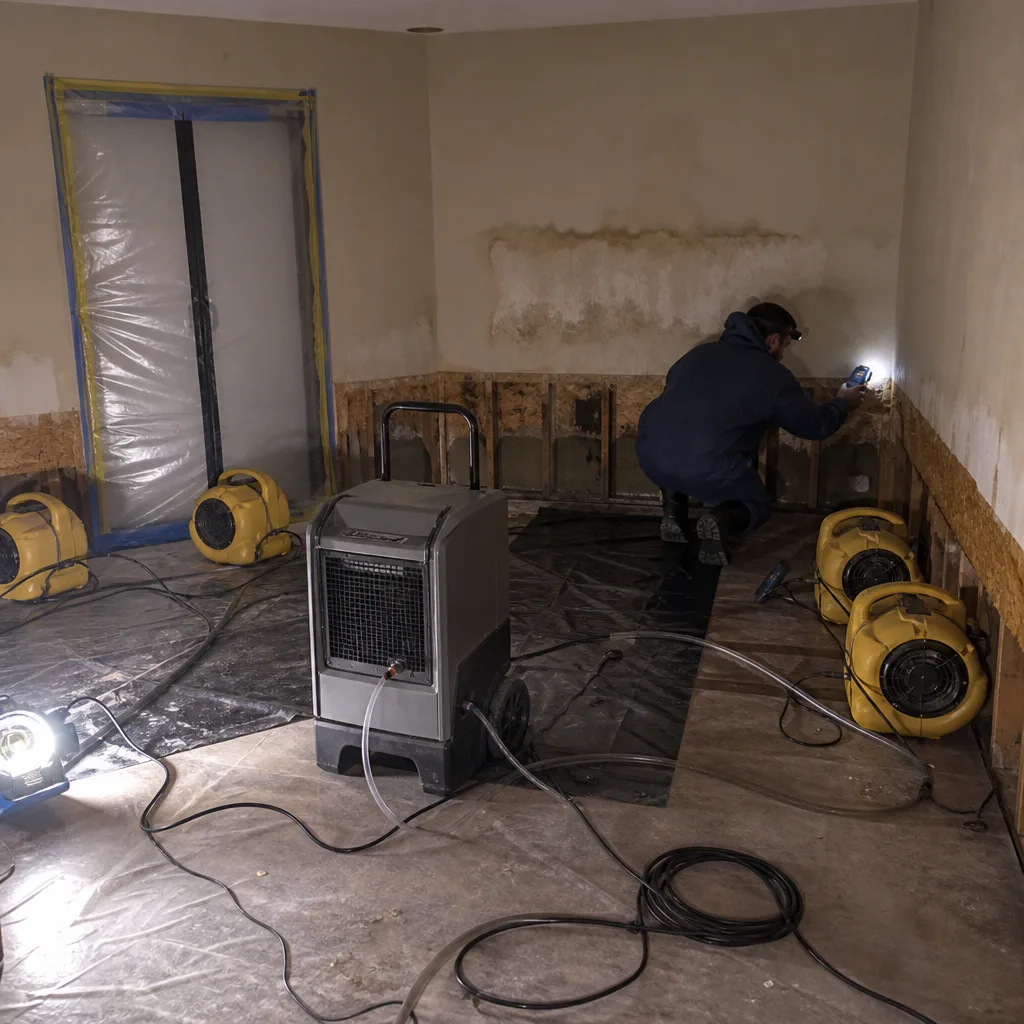
Laguna Woods is functionally synonymous with Laguna Woods Village, the 55+ gated community that occupies nearly the entire city boundary. Within the village, distinct neighborhoods carry different risk profiles. The original Leisure World sections near El Toro Road and Moulton Parkway contain the oldest stock - 1962-1968 garden-style co-ops with original galvanized plumbing, asbestos floor tile, and ungrounded electrical that complicates any water loss involving electrical fixtures.
Newer village sections west of Avenida de Carlota and along Via Granada, built in the early 1970s, introduced slab-on-grade construction with embedded radiant heating tubes. A burst pipe in these units risks not just water damage but glycol contamination from heating system fluid, requiring specialized extraction and cleaning protocols. The gate-access protocol is identical across all sections, but response routing differs: crews approaching from the I-5 corridor hit the main gate off El Toro Road, while those from the 133 corridor use the Avenida de la Carlota entrance. We maintain current credentials for both.
Below-grade utility areas cluster near the central maintenance complex, where shared boiler and irrigation systems serve multiple mutuals. A failure here can affect dozens of units simultaneously, requiring coordinated documentation across multiple resident policies and the master association policy. We’ve handled three such multi-unit losses since 2019.
Specialized Water Damage Restoration Services We Offer in Laguna Woods
Emergency Water Extraction
Our truck-mounted and portable extraction systems remove standing water within hours of arrival. In Laguna Woods, extraction is often delayed by gate-access credentialing, so we prioritize rapid deployment once cleared - every minute of standing water increases the category severity and the demolition scope.
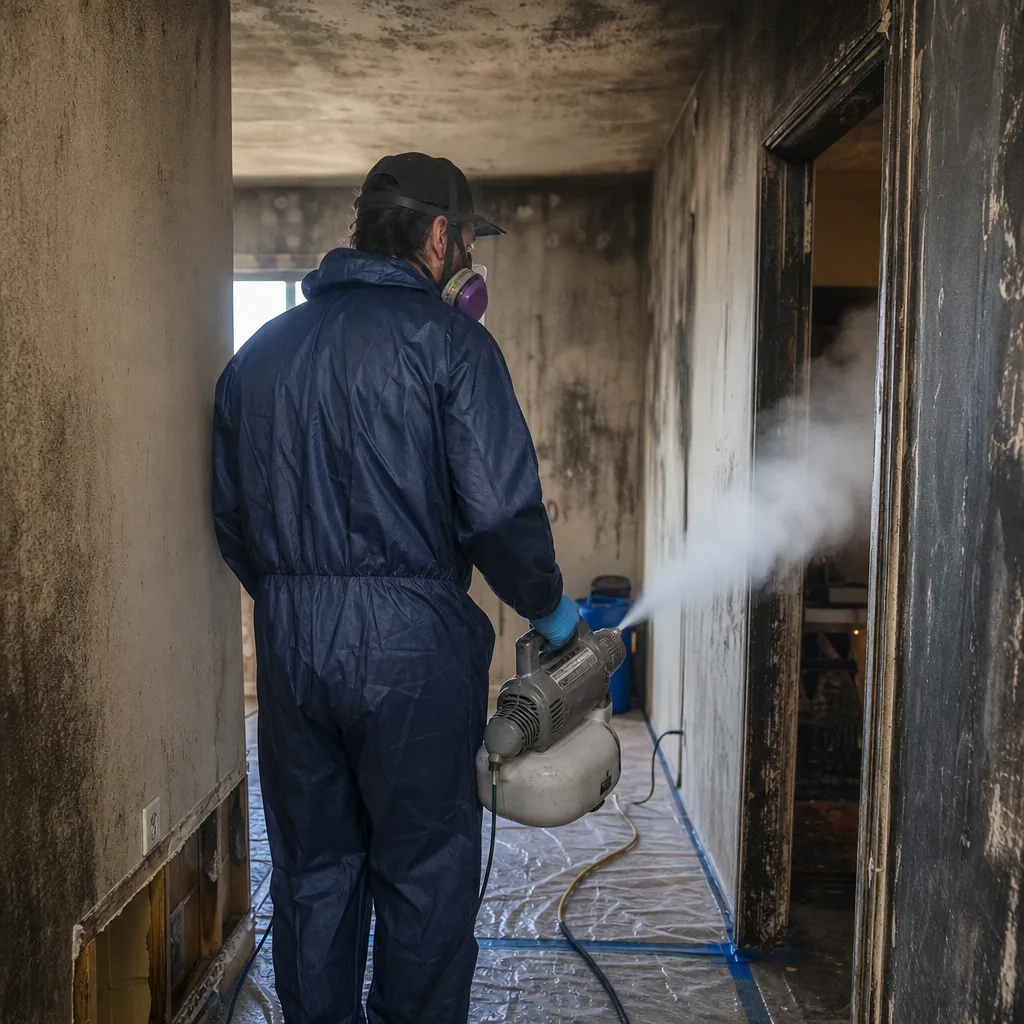
Structural Drying & Dehumidification
We establish drying chambers with Phoenix LGR dehumidifiers and Injectidry cavity systems, then log psychrometric data daily until materials reach their target moisture content. Laguna Woods’s original plaster and concrete slab construction extends drying timelines compared to modern lightweight assemblies.
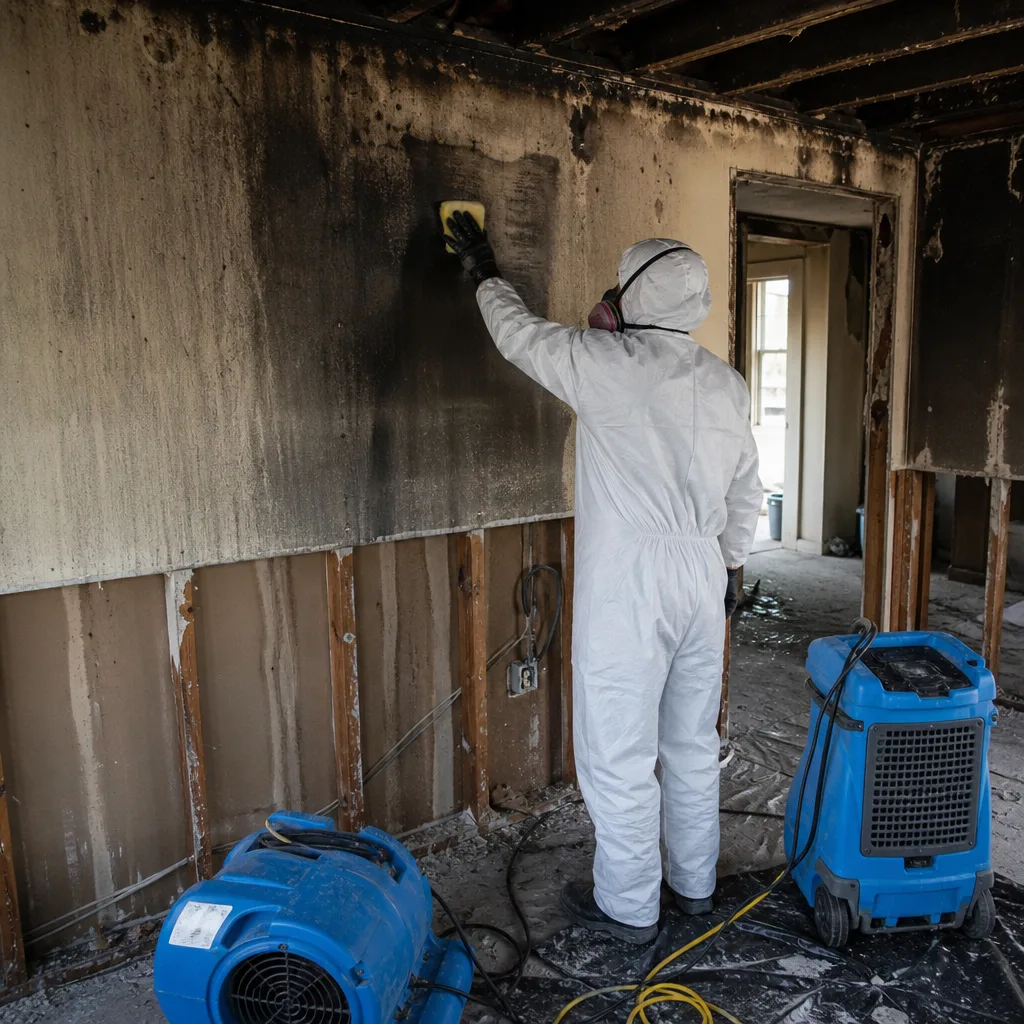
Flood Cleanup
Ground-floor and below-grade units in Laguna Woods see seasonal flooding from failed irrigation backflow preventers and overwhelmed drainage during winter rain events. We extract, sanitize, and document for Category 2 classification, with mandatory hazmat assessment for disturbed original materials.
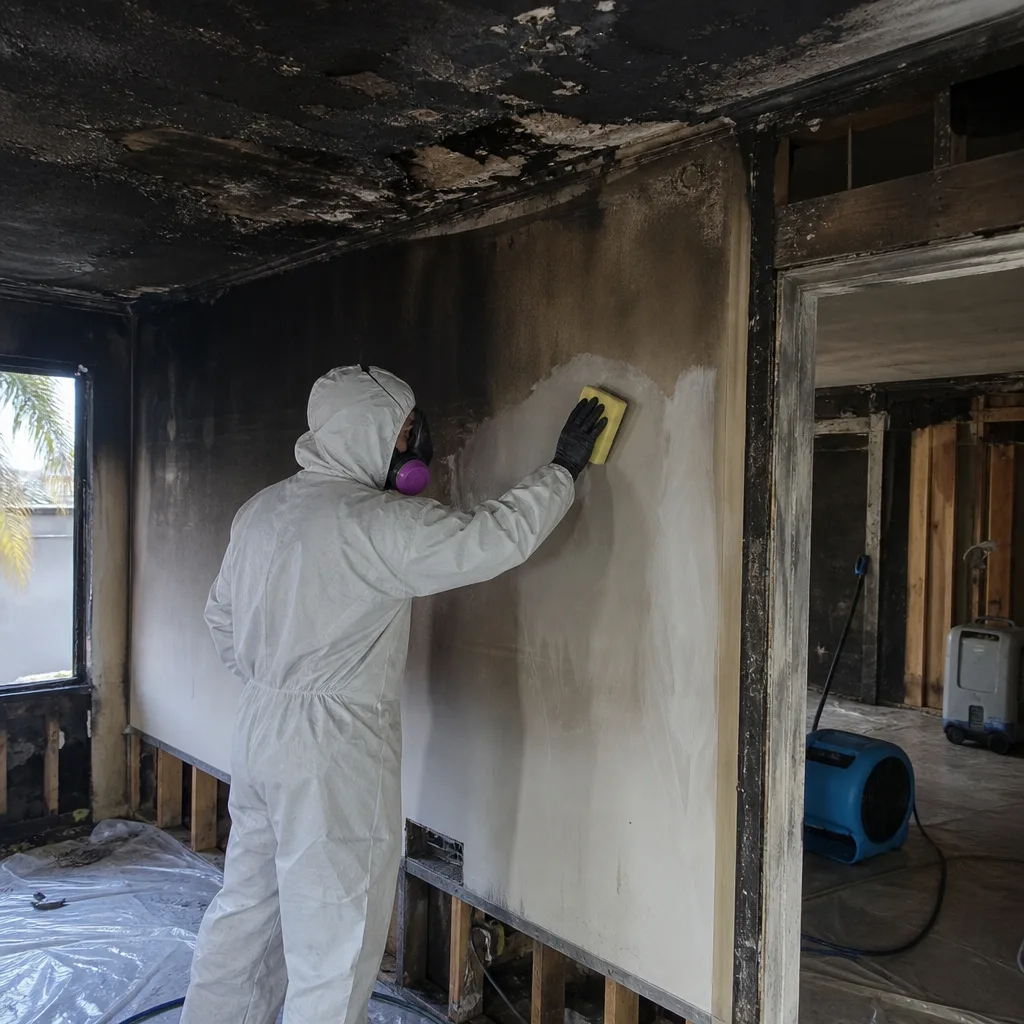
Burst Pipe Restoration
Original galvanized supply lines in Laguna Woods fail predictably at joints, elbows, and slab penetrations. We extract water, dry affected assemblies, and deliver a written scope for pipe replacement - often upgrading to copper or PEX per mutual specifications - with hazmat testing before any wall or slab demo.
Basement Water Removal
Below-grade utility and storage areas in Laguna Woods’s central maintenance zones require submersible pumping, vapor-barrier assessment, and dehumidification to prevent mold amplification in shared air-handling systems.
What happens when you call
- 1
A real person answersNo phone trees - you reach a local pro.
- 2
You get an upfront price rangeHonest numbers before anyone is dispatched.
- 3
A background-checked tech heads outLicensed & insured, dispatched right away.
- 4
You approve before work beginsNothing starts until you say go.
Water Damage Restoration Costs in Laguna Woods, CA
Typical water damage restoration in Laguna Woods runs $2,800-$7,500 for standard residential units, with pricing shaped by factors that don’t apply in neighboring markets. Emergency extraction and initial drying for a Category 1 supply-line leak in a ground-floor co-op: $2,800-$4,200. Category 2 or 3 losses requiring antimicrobial treatment and extended drying: $4,500-$7,500. Hazmat testing and abatement for disturbed asbestos materials adds $1,200-$3,800 depending on square footage and material type.
What moves the price: water category at arrival (delayed access often upgrades the category), affected square footage, material class requiring specialty drying (hardwood, plaster, concrete), and whether the Laguna Woods Village mutual requires specific reconstruction materials or contractors. Insurance typically covers sudden and accidental water damage; gradual leaks and maintenance-related failures are often excluded. We review your policy and the mutual’s policy before work begins, and we provide a Free Second Opinion on any competitor’s written estimate.
Every job starts with a free visual inspection and a written price before work begins - Haven Standard, Clause 1. No exceptions.
We Also Serve Cities Near Laguna Woods
Our crews respond throughout south Orange County, including Laguna Woods and neighboring Laguna Hills, Aliso Viejo, Lake Forest, and Mission Viejo. Each market has distinct building stock, access protocols, and loss patterns; our documentation and pricing reflect those differences rather than applying a regional average.
Serving Laguna Woods, CA - Our Local Coverage Area
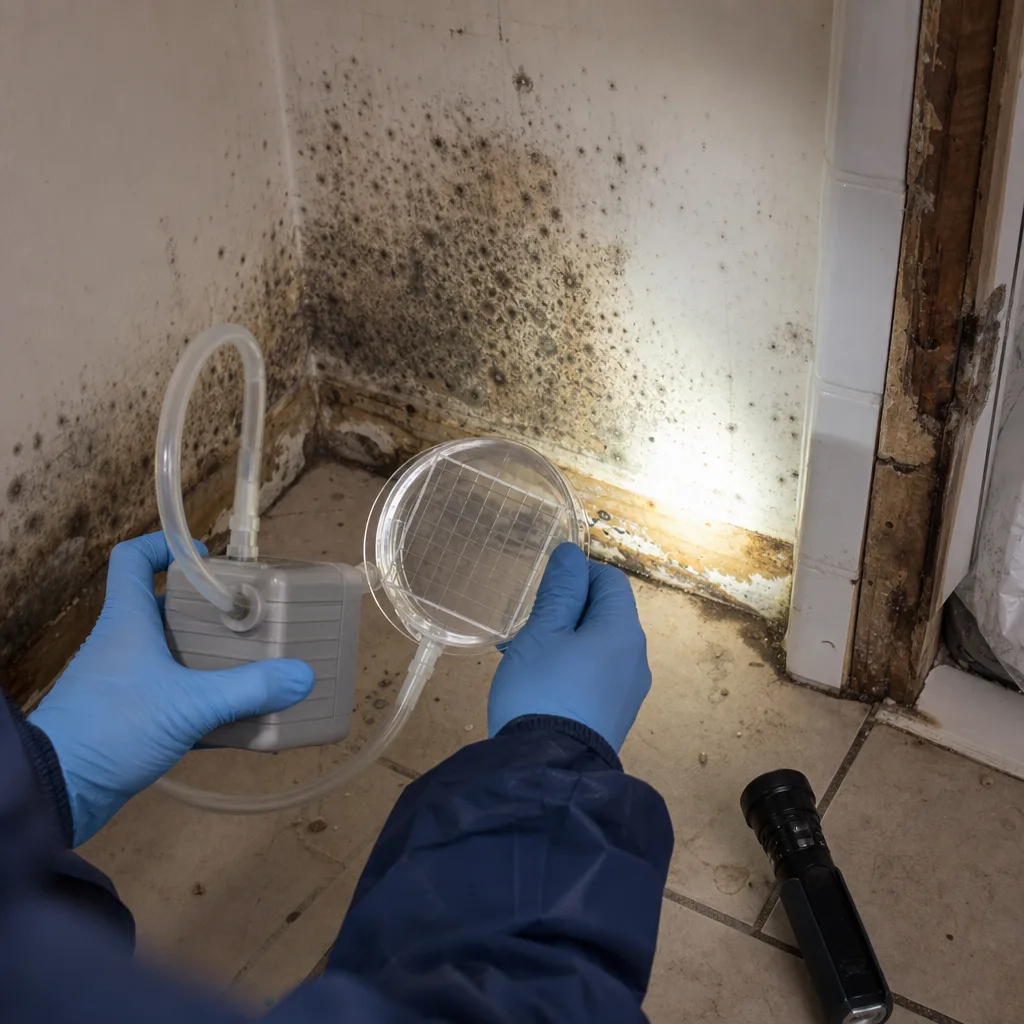
We’re based in the Laguna Woods area and know this community well. Use the map below to see our service coverage - if you’re nearby, we can almost certainly help.
Laguna Woods Water Damage Restoration Questions, Answered
Why does it take longer to start water damage restoration in Laguna Woods than in other Orange County cities?
Every job requires dual authorization from the resident and the Laguna Woods Village mutual, plus pre-registered vendor credentials for gate access - a protocol that doesn’t exist in neighboring Mission Viejo or Lake Forest. Experienced local contractors keep credentials current year-round and know the after-hours security contact by heart, but the credentialing step itself adds 15-45 minutes to every emergency response. Call (657) 297-0972 and we’ll initiate that process while you’re still on the line.
Does a burst pipe in a Laguna Woods co-op always trigger hazmat testing?
Not always, but very often. The original 1960s-1970s construction stock includes asbestos-containing floor tile, popcorn ceiling texture, and pipe insulation that are presumed present until tested negative. If water damage disturbs these materials during extraction or drying, state and federal law requires licensed abatement before reconstruction demo can proceed. We pre-counsel residents and mutuals on this likelihood so the adjuster can reserve appropriate limits.
What water category do you typically find in Laguna Woods ground-floor and below-grade units after winter rains?
Category 2 gray water is common in these losses. Ground-floor and below-grade units often have failed or overwhelmed drainage, and water may carry soil, irrigation chemicals, or shared-system contaminants. We classify by source and visible contamination at arrival, then treat and document accordingly. Category 3 black water is less common but occurs with sewage backflow from aging shared lines.
How do you document a water damage job so the Laguna Woods Village mutual will approve the scope?
We provide daily drying logs with moisture readings by room and material, timestamped photos of all affected and treated surfaces, a line-item scope in industry-standard estimate format, and a written summary of all mutual-authorization steps completed. The mutual’s property manager reviews this package before releasing reconstruction funds; incomplete documentation is the single most common reason for scope rejection. We’ve never had a package returned for insufficient documentation.
Can you handle a Laguna Woods emergency extraction at 2 a.m. if the gate credentialing isn’t current?
Our credentials are maintained current year-round specifically for this reason. If a resident calls at 2 a.m., we can clear gate access immediately - we’ve done it dozens of times. The rare exception is a mutual that has recently changed management companies and not yet transferred vendor files; in that case, we work with the resident and the after-hours security supervisor to establish temporary access while documenting the delay for insurance purposes. Call (657) 297-0972 and we’ll confirm status in real time.
Will my insurance cover water damage restoration in my Laguna Woods co-op?
Typically yes for sudden and accidental losses, but coverage splits between your HO-6 policy (interior improvements, personal property) and the mutual’s master policy (structural elements, shared systems). We identify which policy covers which scope element before work begins, document accordingly, and coordinate directly with both adjusters. Gradual leaks and maintenance failures are usually excluded; we review your specific policy language during the free inspection.
How long does structural drying take in a typical Laguna Woods unit?
Standard drying for a Category 1 loss in modern lightweight construction runs 3-5 days. In Laguna Woods’s 1960s-1970s stock, with plaster lath, concrete slabs, and dense framing, 5-8 days is more typical, and complex losses with cavity moisture can extend to 10-12 days. We don’t declare drying complete until moisture readings hit target for every material class, documented in the daily log.
Can I stay in my Laguna Woods unit during water damage restoration?
Often yes for Category 1 losses limited to non-sleeping areas, if drying equipment noise and airflow are tolerable. Category 2 and 3 losses, or any loss involving antimicrobial treatment or hazmat abatement, usually require temporary relocation. The mutual may have specific requirements for resident occupancy during work; we coordinate with their property manager as part of our standard documentation package.
Every water damage job in Laguna Woods requires dual authorization - the resident’s and the Laguna Woods Village mutual/association’s - plus pre-registered vendor credentials for gate access, which is why after-hours crews can’t just roll in like they can in neighboring Mission Viejo or Lake Forest. We got a 2 a.m. call from a resident on Via Puerta whose 1968 co-op unit had a failed original galvanized supply line under the kitchen slab; water was wicking into the adjacent hallway and a below-grade utility closet. After clearing village gate security with our pre-registered vendor credentials, our tech performed water extraction with Phoenix units, laid containment, and used Injectidry to dry the engineered floor before the library of original 1970s asbestos-backed vinyl tile in the next room could be disturbed. We documented moisture readings and a drying log, then pre-counseled the resident and the mutual on mandatory hazmat testing before any reconstruction demo.
Gate-access delays during 2 a.m. burst-pipe emergencies cause category 1 water to sit long enough to become category 2, forcing more aggressive removal and antimicrobial treatment than the loss would have required with immediate entry. Contractors skipping the Laguna Woods Village mutual authorization step and beginning mitigation without the association’s vendor credentialing lead to work stoppage, pack-out disputes, and drying logs that don’t satisfy the mutual’s requirements. Original galvanized plumbing and 1960s-70s materials turn a simple supply-line leak into a mandatory hazmat-testing and abatement scope that wasn’t budgeted by the adjuster.
Written by Alicia Brennan, Owner at Back to Dry Restoration, serving Laguna Woods since 2011.
Water Damage Restoration in Nearby Areas