

Free visual inspection and a written scope of work before any mitigation begins - photos, moisture readings, and drying logs go in your claim file
The scope we write is the scope we bill. Anything new gets shown to you, in writing, before we touch it.
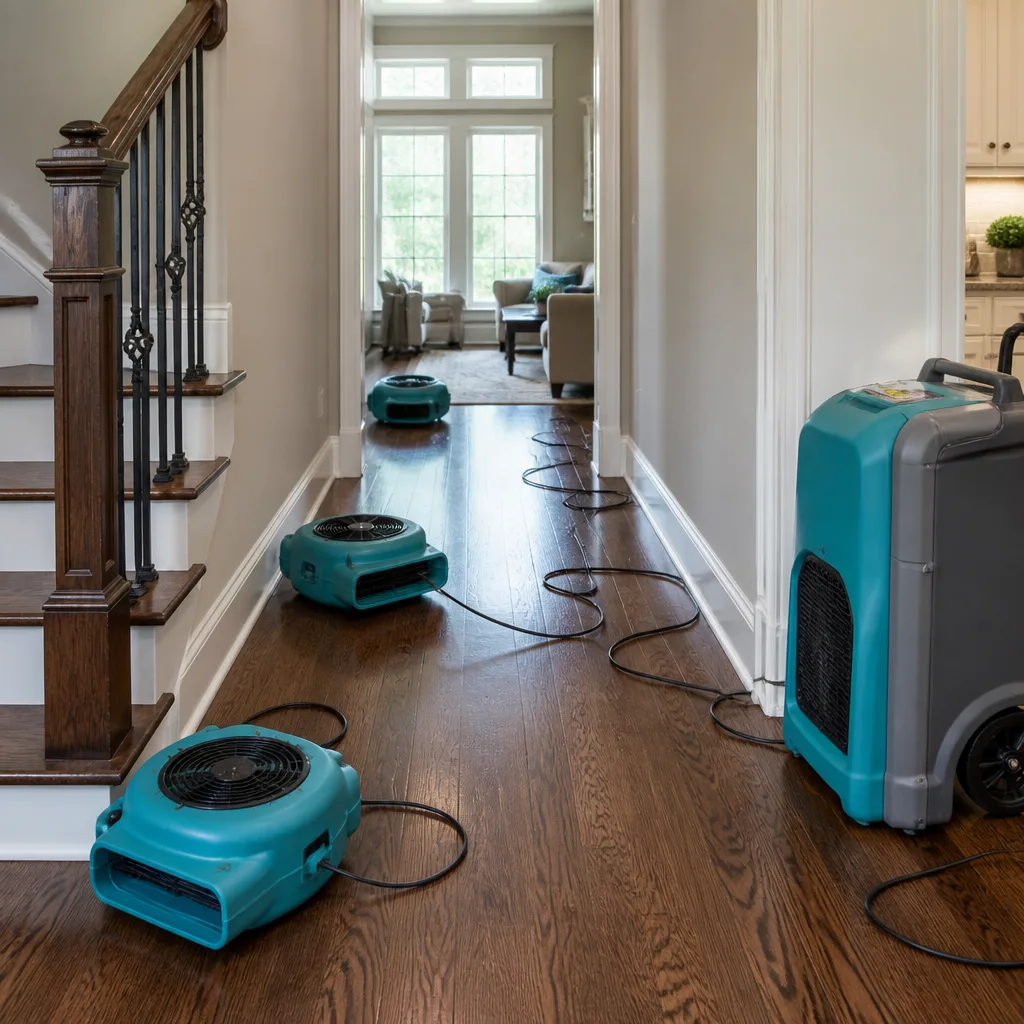
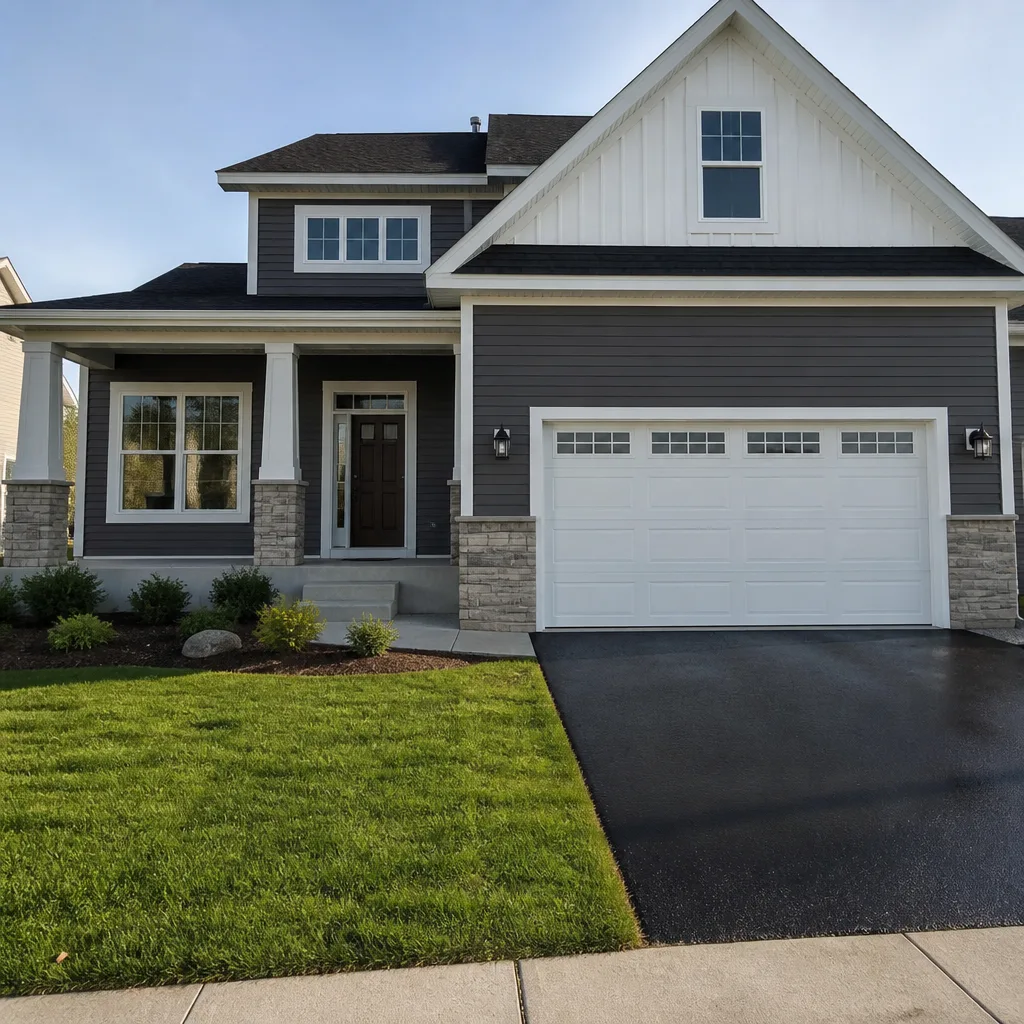
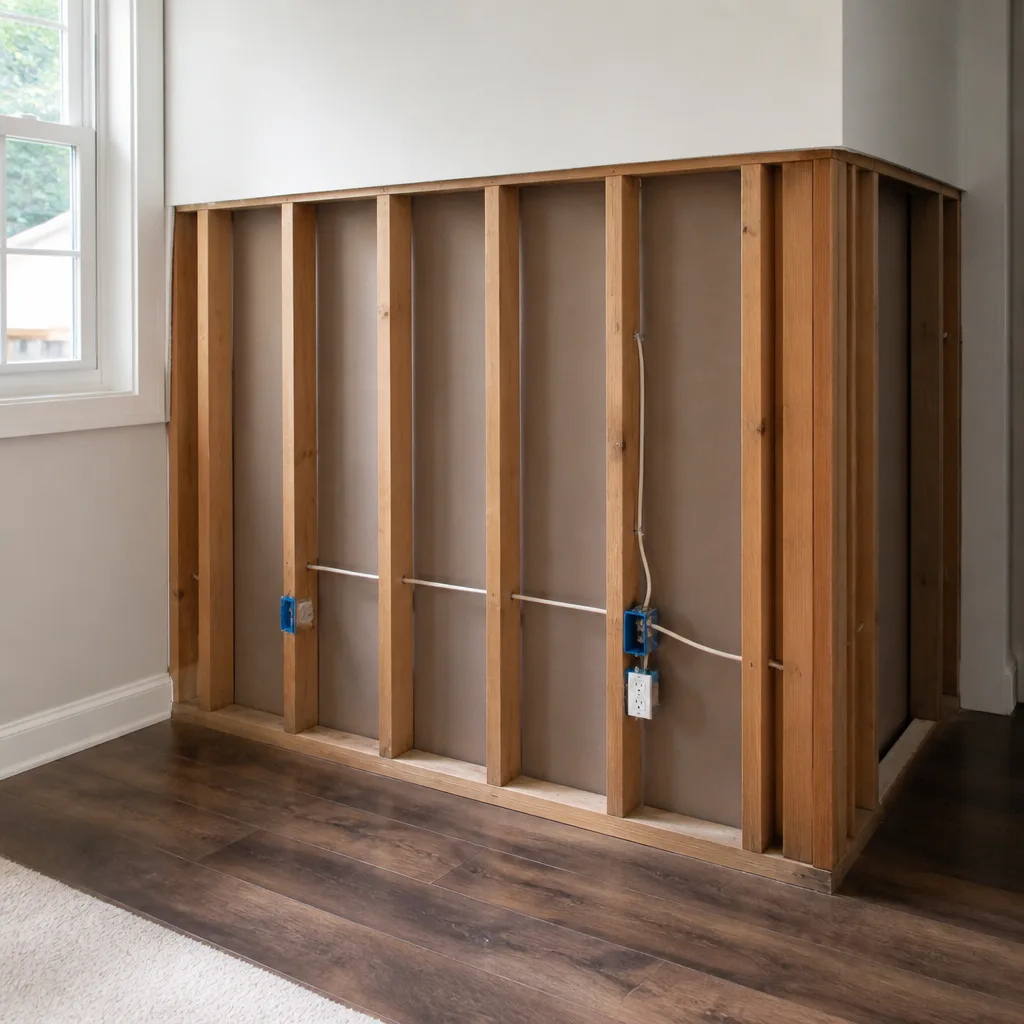
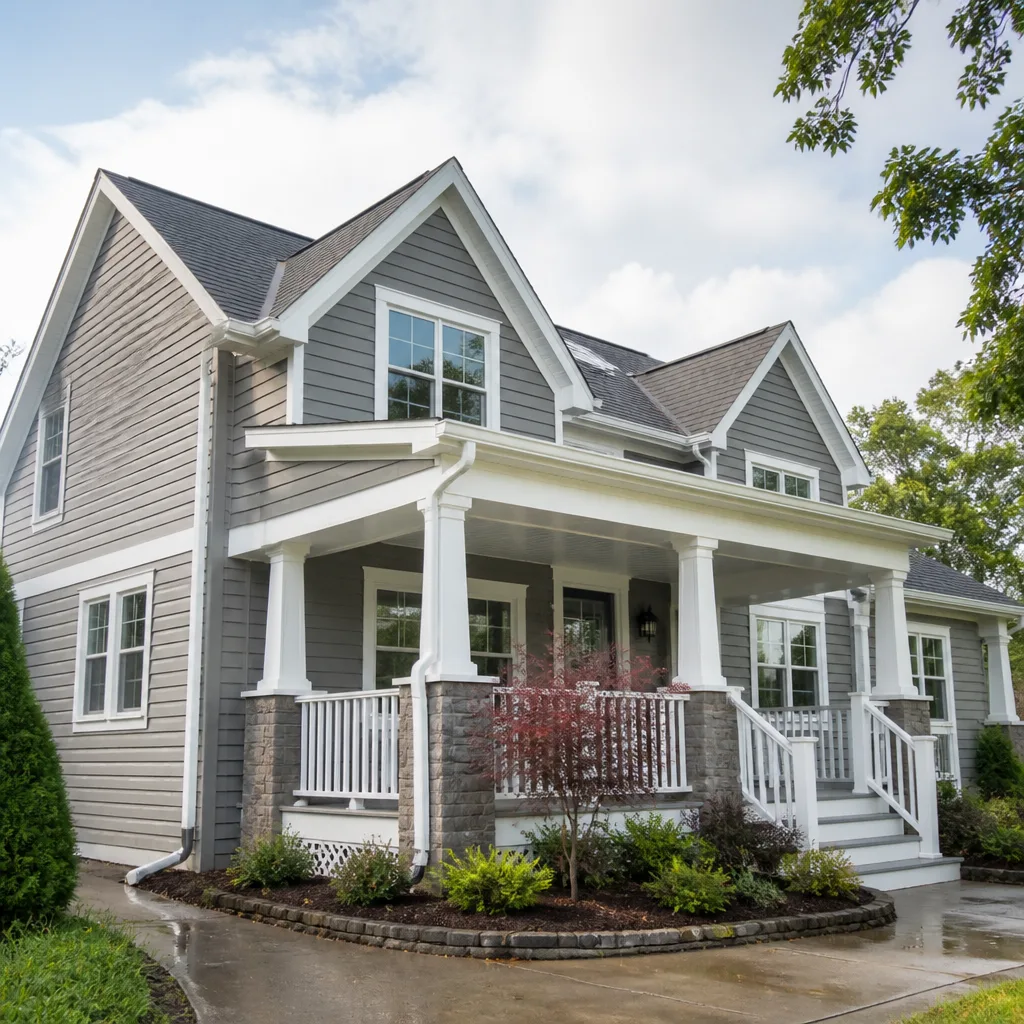
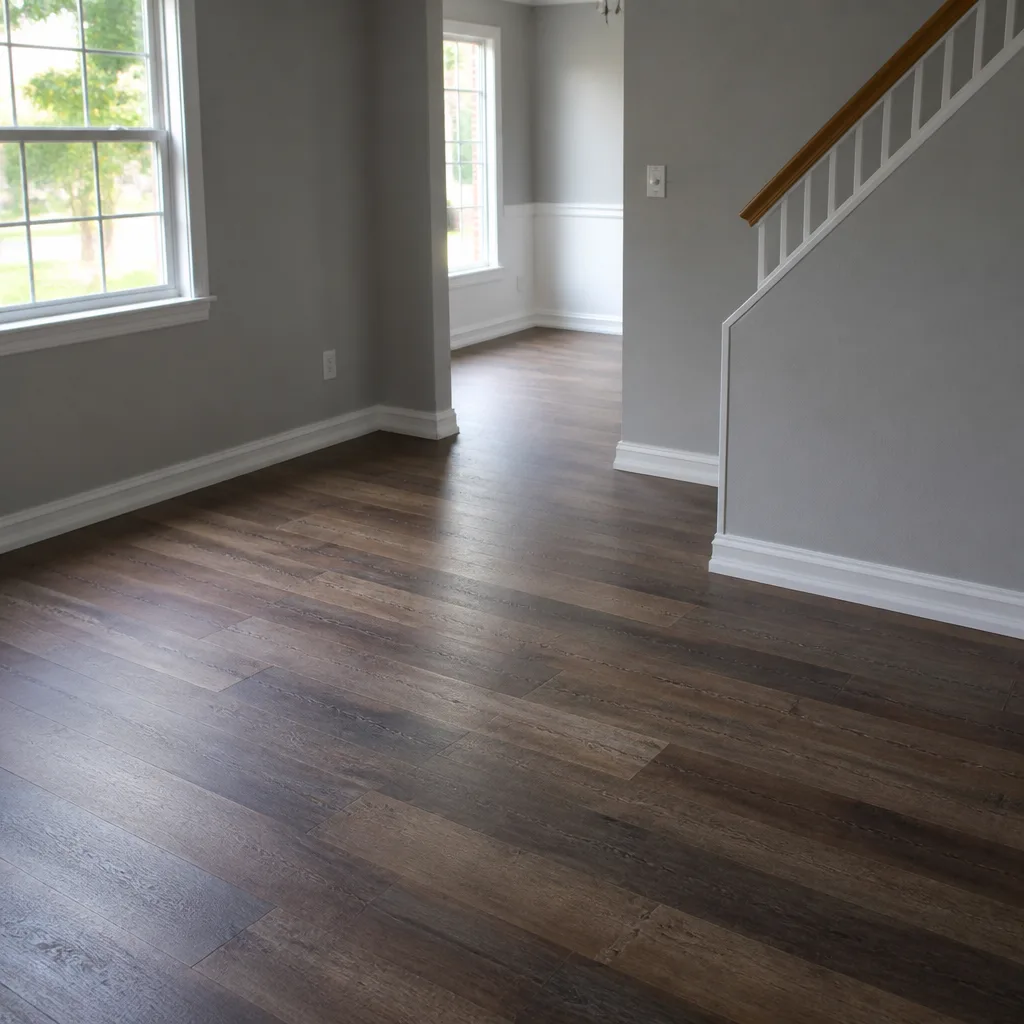
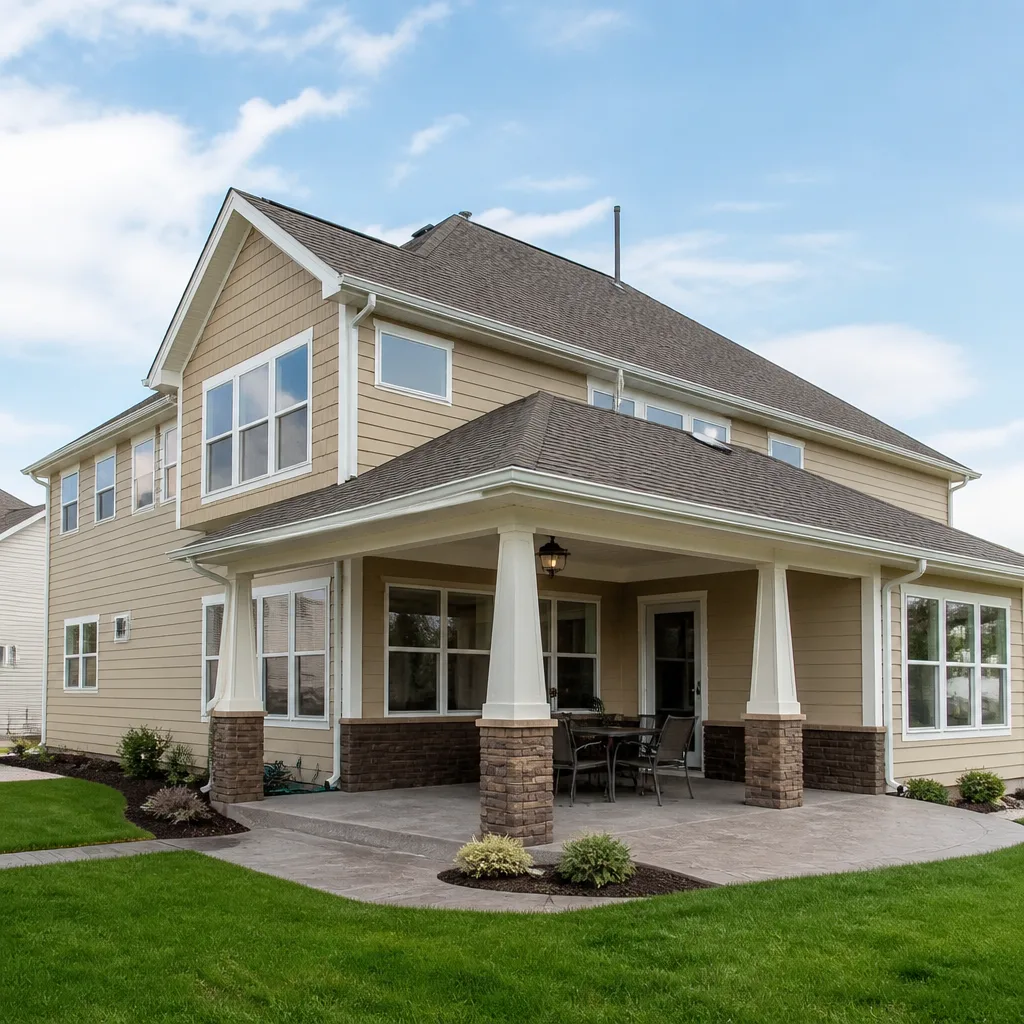
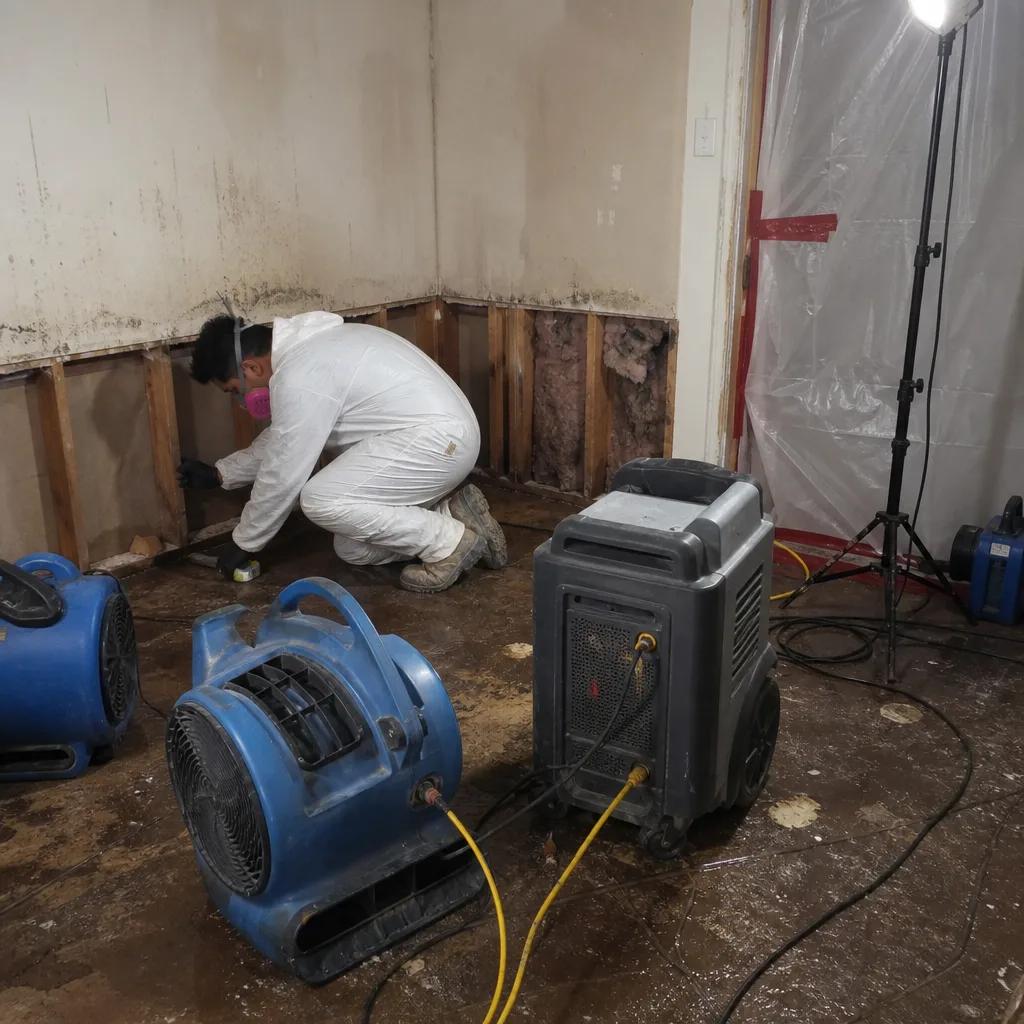 Before
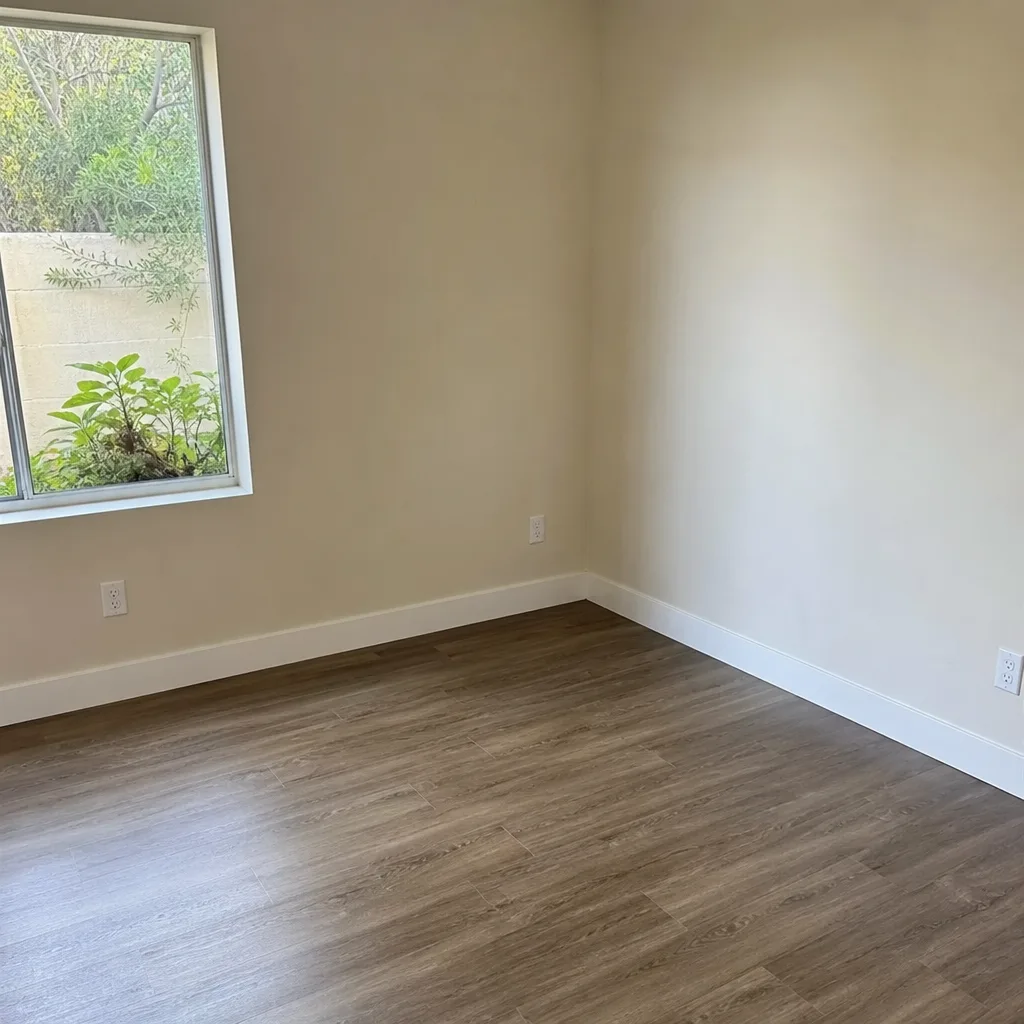 After
After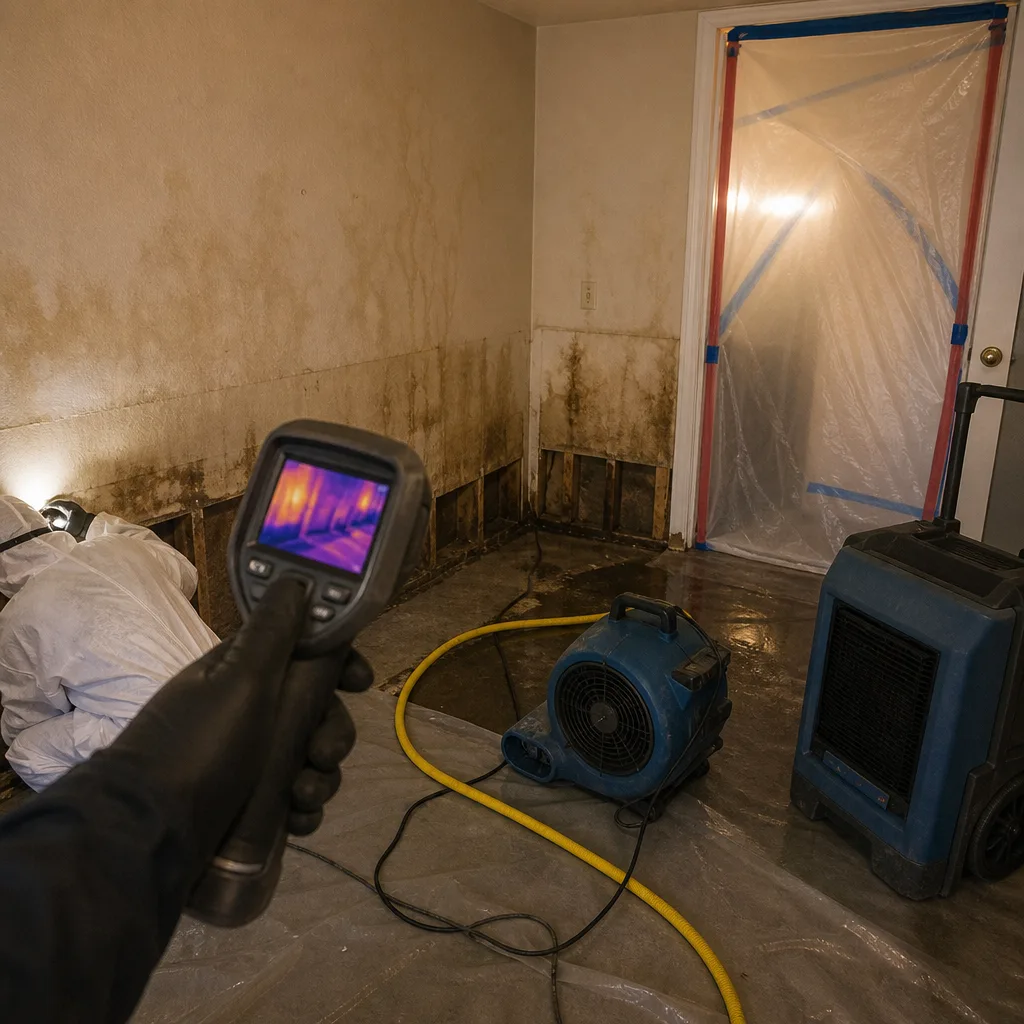 Before
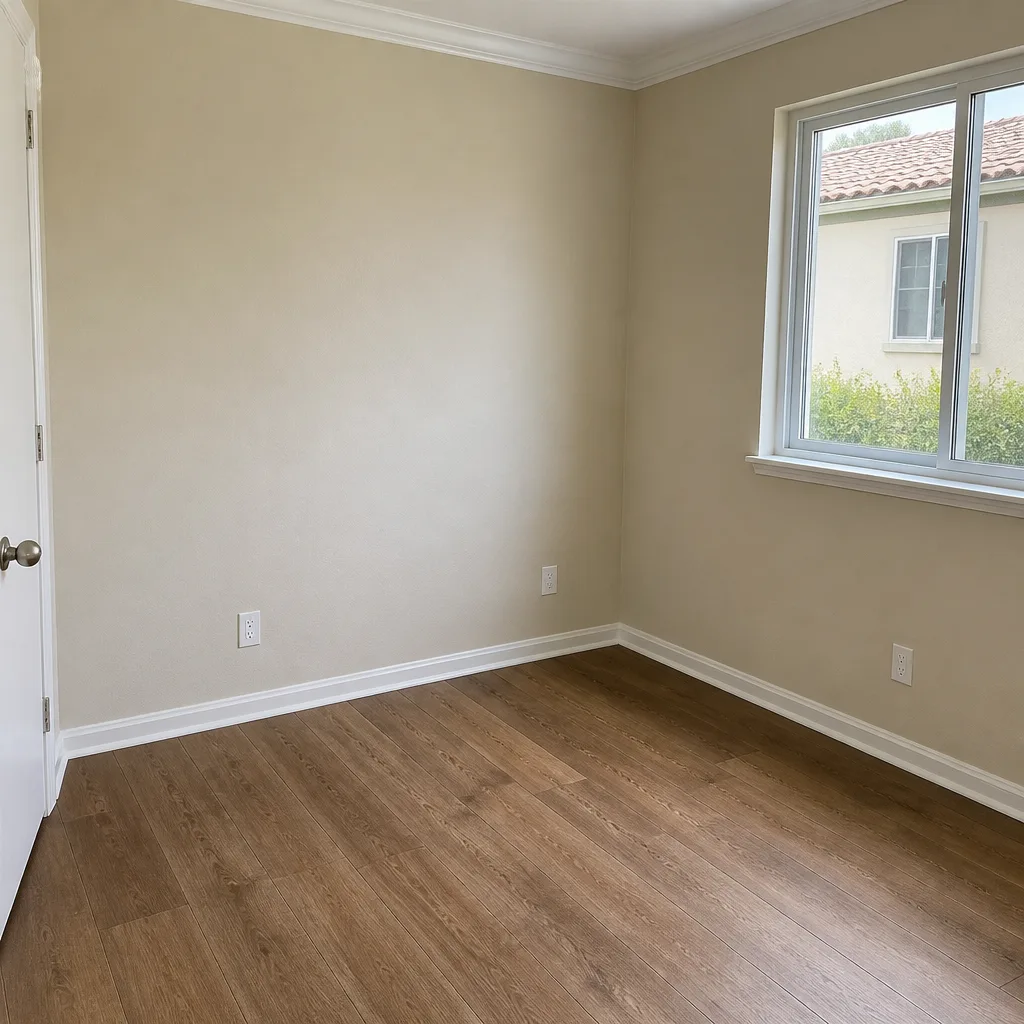 After
After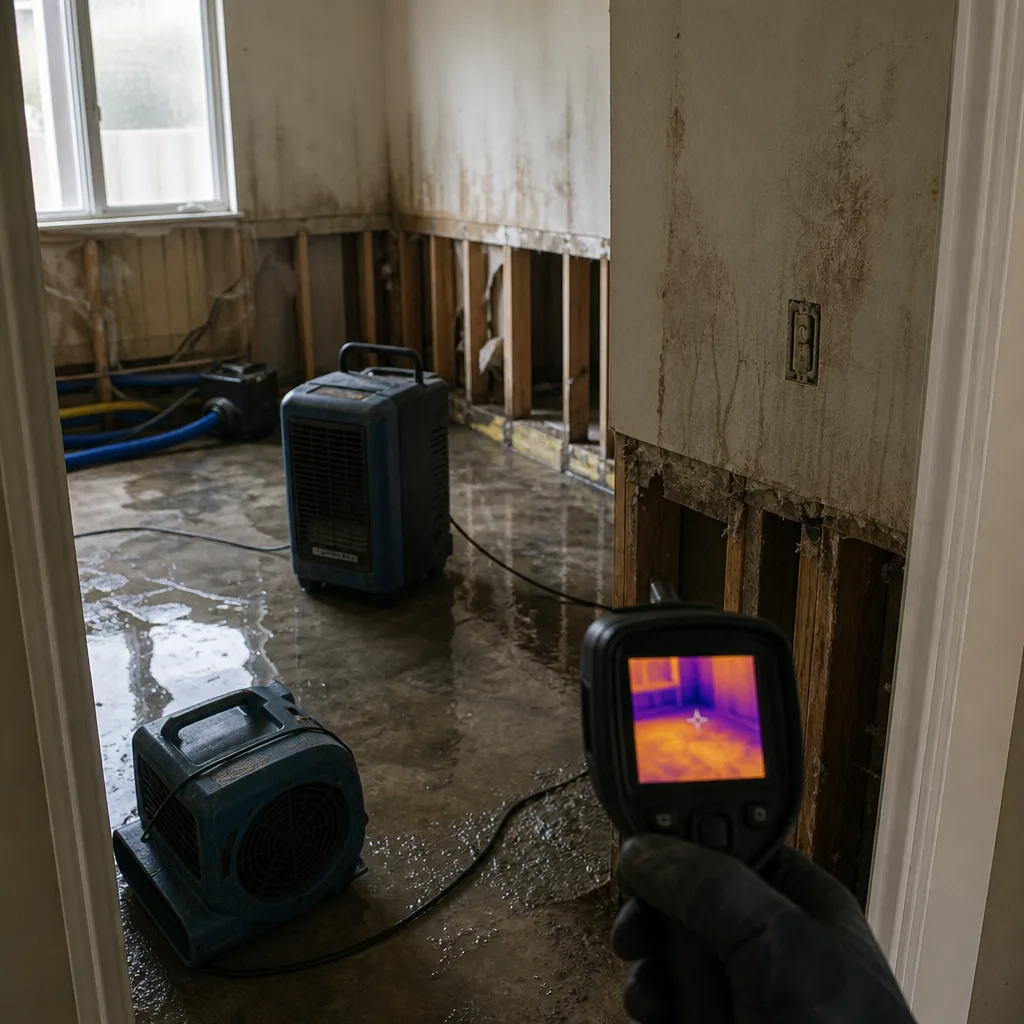 Before
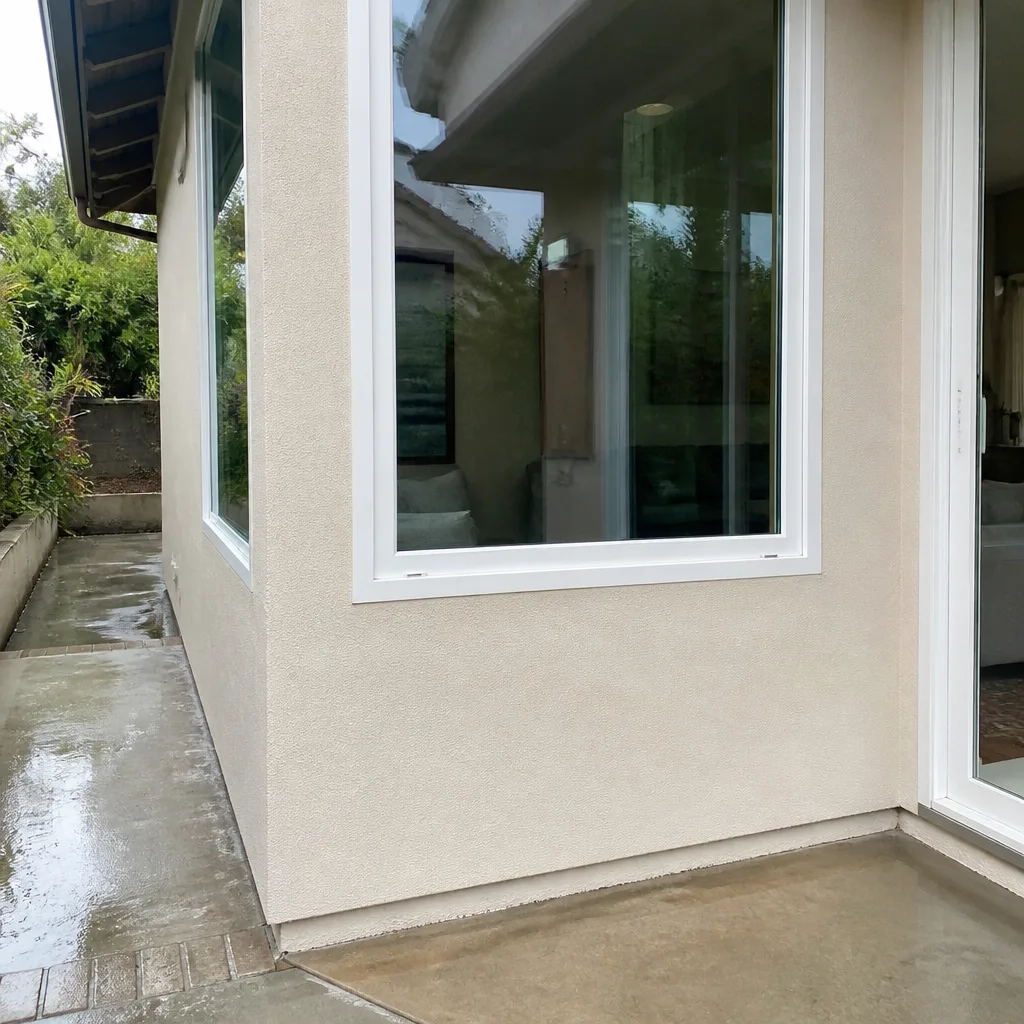 After
After24/7 Emergency Water Damage Restoration in Lake Forest
Water damage restoration in Lake Forest typically costs $2,800-$7,500 for a standard residential loss, with emergency extraction starting at $450-$950 and structural drying running $1,200-$3,200 depending on square footage and material classification. Most Lake Forest homes we see need same-day extraction to prevent secondary damage. Call (657) 297-0972 now - a live person answers every call, 24 hours a day, 7 days a week, and crews are dispatched from our Los Angeles office to Lake Forest properties within 45 minutes.
The first hour after water intrusion is when damage compounds fastest. In Lake Forest’s tightly sealed Foothill Ranch construction from the 1990s and 2000s, water travels along stucco wall cavities rather than showing immediately at the source, meaning by the time you see staining at the baseboard, the framing behind it may have been wet for hours. Our Water Damage Restoration team starts every Lake Forest call with a free visual inspection, moisture mapping, and a written price before any equipment is powered on - Haven Standard, Clause 1.
Understanding Water Damage Restoration Severity in Lake Forest Properties
Water damage classification follows IICRC protocol: Category 1 is clean water from a broken supply line, Category 2 carries significant contamination from dishwasher or washing machine discharge, and Category 3 is grossly contaminated from sewage or ground flooding. But in Lake Forest, those categories shift faster than the textbook suggests.
The original El Toro-area tract homes built from the late 1960s through the 1980s have aging copper and galvanized supply lines prone to pinhole leaks behind stucco. When those leaks run for even a few hours, the water picks up drywall compound, insulation fibers, and whatever’s accumulated in the wall cavity - often pushing a Category 1 source into Category 2 territory before we arrive. The 1990s-2000s Foothill Ranch homes present the opposite problem: their tightly sealed stucco construction traps moisture inside wall assemblies, raising vapor pressure and extending drying times even when the source water was clean.
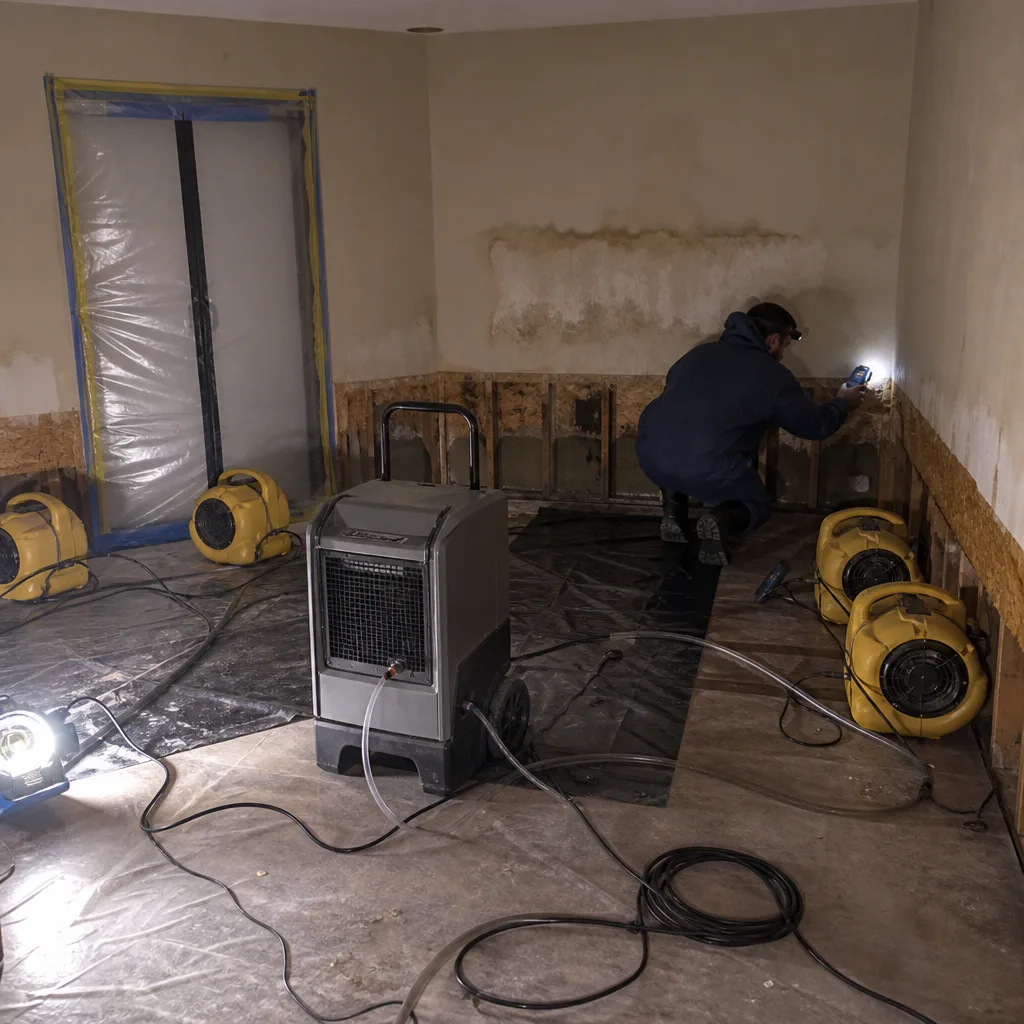
We document every Lake Forest loss with moisture mapping - a room-by-room grid of readings taken with calibrated pin and pinless meters - to establish the actual water migration pattern, not the visible stain pattern. That moisture map becomes the baseline for our drying log, which we update every 24 hours until the structure returns to within 4 percentage points of dry standard. Psychrometric data - temperature, relative humidity, and vapor pressure differential, which is the force that actually moves moisture out of materials and into the air - governs equipment placement and runtime. Without this documentation, insurers routinely dispute whether drying was complete or merely cosmetic.
Why Lake Forest Property Owners Choose DryMark Restoration Mission Viejo
- 45-minute response commitment to Lake Forest addresses, with dispatch coordinated from our Los Angeles office and crews already positioned in south Orange County.
- 24/7 live answer - a real person, never an automated system or voicemail tree, because water doesn’t wait for business hours.
- IICRC-certified crews holding WRT (Water Damage Restoration Technician) and ASD (Applied Structural Drying) certifications, with license numbers documented on every job file.
- Free visual inspection and moisture assessment before any work is authorized or priced.
- Direct insurance billing with photo-documented estimates formatted to carrier standards - we coordinate with your adjuster, not just hand you an invoice.
- One team from extraction through reconstruction, so the crew that mapped your moisture knows your structure when repairs begin.
 Before
 After
AfterOur Water Damage Restoration Process
1. Inspection & Assessment
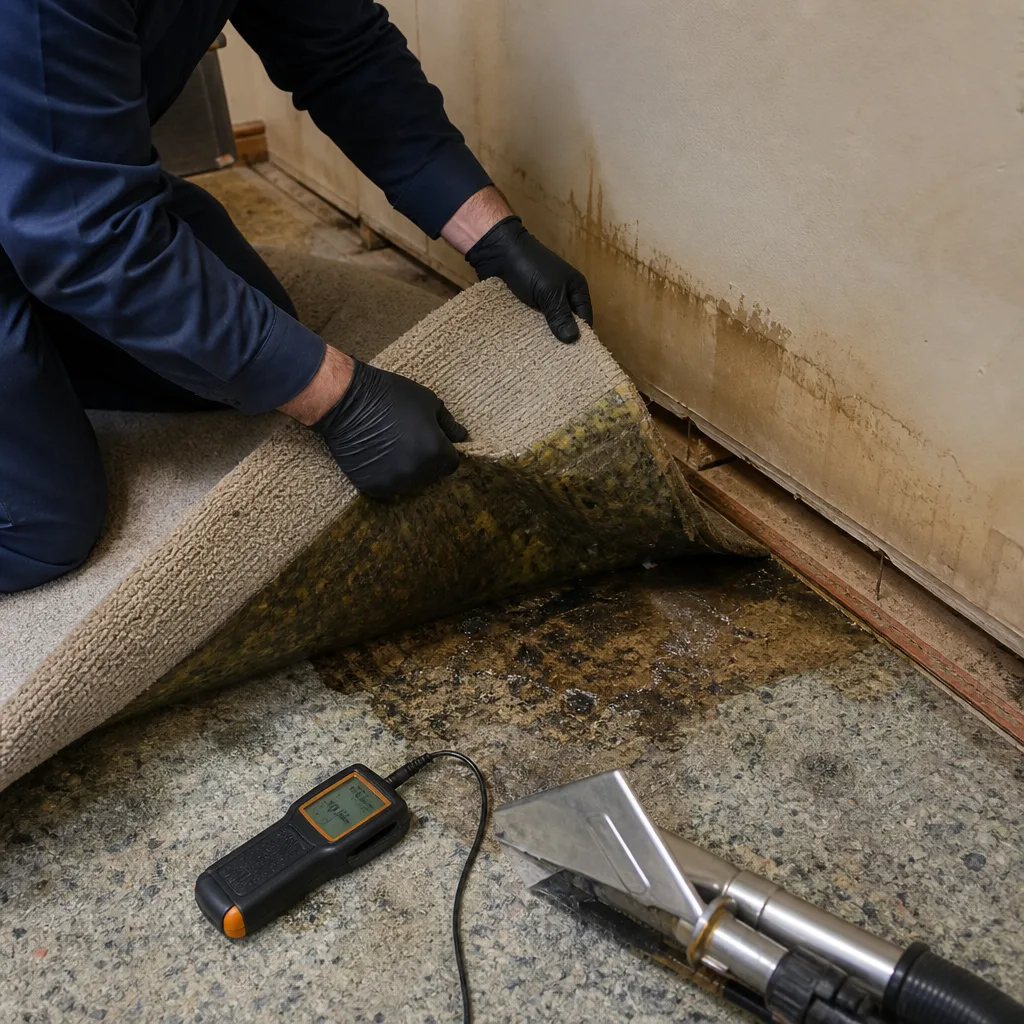
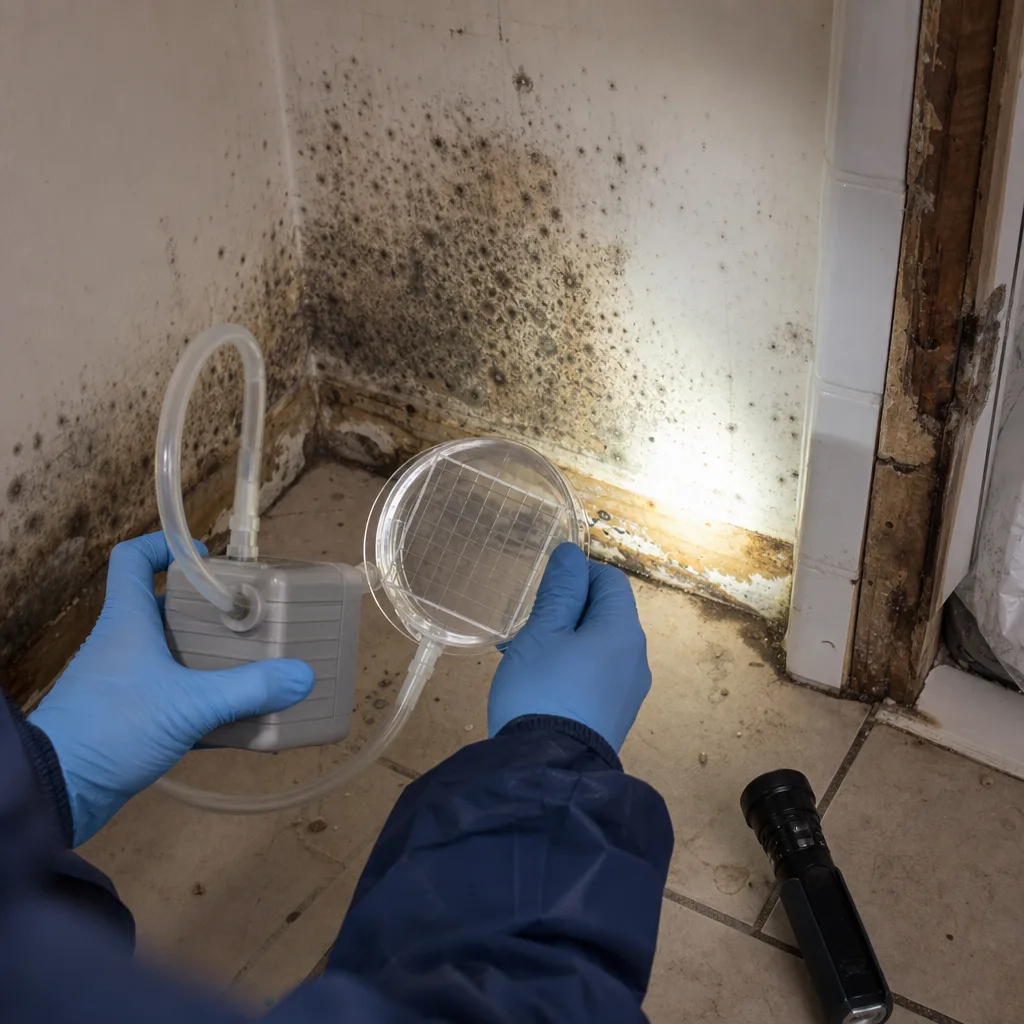
We arrive with thermal imaging cameras, moisture meters, and hygrometers to trace the actual water path, not the visible damage. In Lake Forest’s stucco construction, we pay particular attention to wall cavity migration and subfloor pooling that surface inspection misses. Every reading is logged with time, location, and instrument calibration date.
2. Extraction & Stabilization
Standing water is removed with truck-mounted extraction systems and weighted wand tools for carpeted areas. For hard surfaces, we deploy squeegee wands and portable extraction units. The goal is to remove liquid water mechanically before drying begins - extraction is 500 times faster than evaporation.
3. Drying & Dehumidification
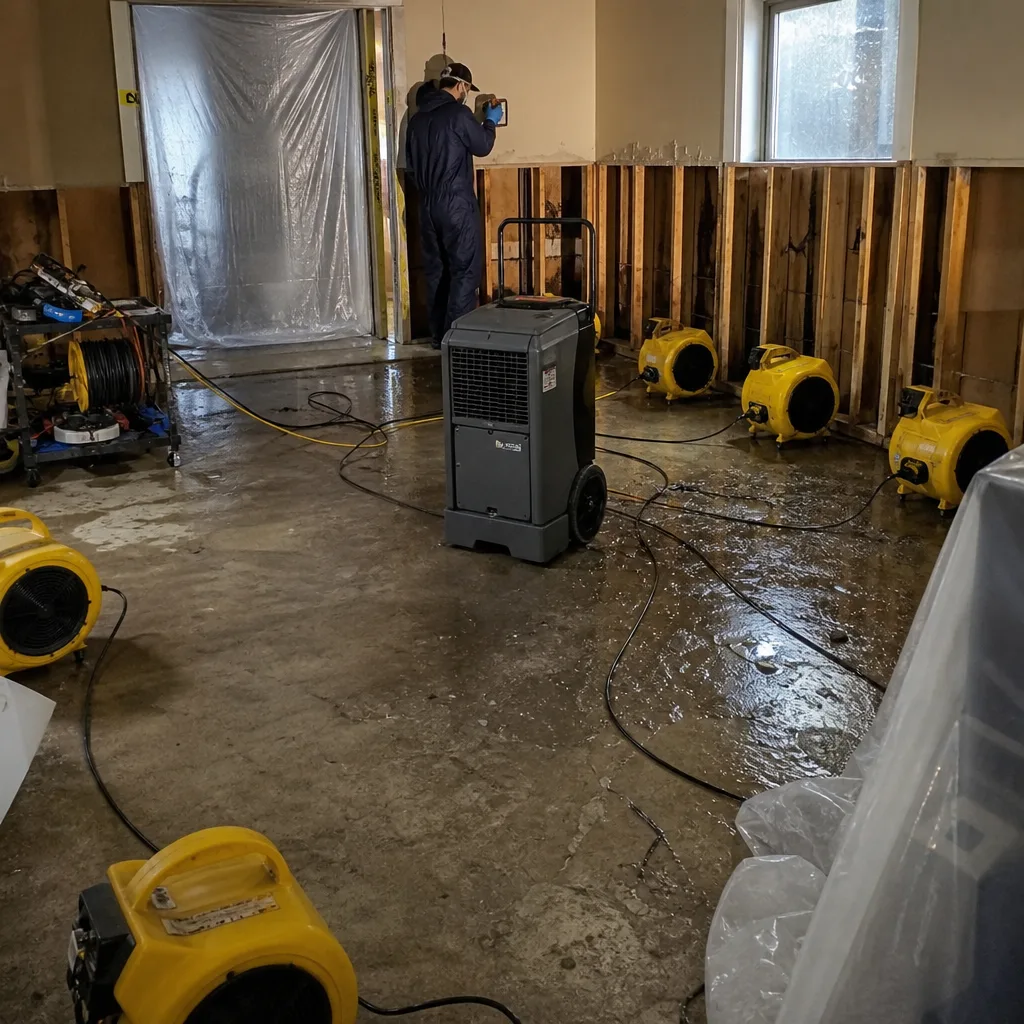
We calculate the specific dehumidification load using psychrometric software, then place commercial-grade equipment: Phoenix 200 MAX dehumidifiers, XPOWER air movers positioned for optimal airflow across wet surfaces, and Injectidry floor-drying systems when water has penetrated subflooring. Drying logs are updated daily with moisture content percentages.
4. Cleaning & Sanitization
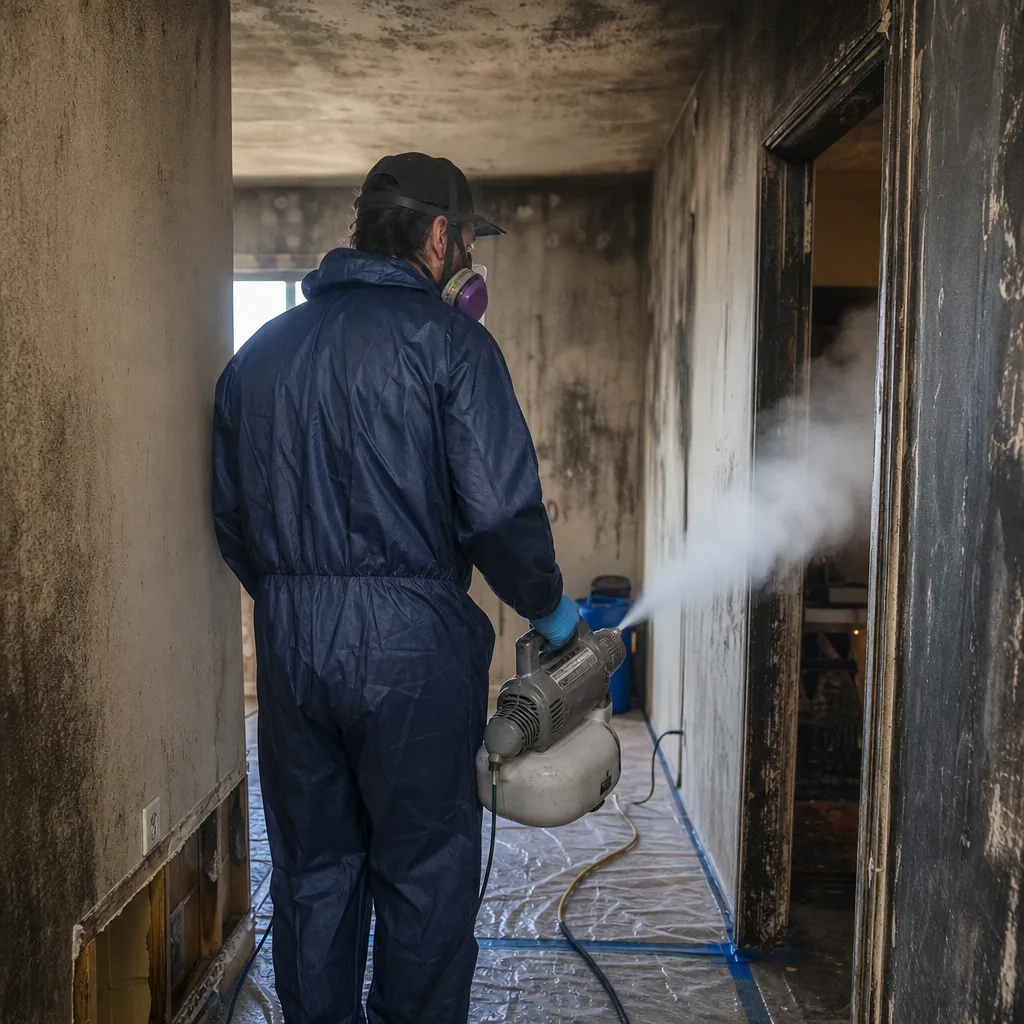
Once moisture readings approach dry standard, we apply antimicrobial treatments to prevent mold colonization, particularly critical in Lake Forest’s sealed construction where trapped humidity can trigger growth in the 24-to-48-hour window. HEPA air scrubbers run during this phase to capture airborne particulate.
5. Duct & HVAC Inspection
For Foothill Ranch homes at the wildland edge, we inspect return-air intakes and ductwork for smoke and particulate residue that may have entered during prior Santa Ana wind events - a compounded condition that affects both air quality and moisture management. Full duct cleaning and insulation replacement are scoped when indicated, not upsold.
6. Repairs & Restoration
With the structure confirmed dry and documented, we provide a written scope for reconstruction: drywall replacement, flooring, cabinetry, paint - whatever the water destroyed. One team handles the transition from mitigation to build-back, so nothing gets lost in handoff.
Need Emergency Water Damage Restoration in Lake Forest Now?
Crews minutes away, answering live 24 hours a day. The sooner we start, the less it costs.
Working With Your Insurance Company
Insurance claims succeed or fail on documentation. We learned this from our founder’s background as a claims adjuster - the documentation gap between what a restoration crew knows and what an insurer can approve is where homeowners lose thousands. We close that gap from the first hour.
Every Lake Forest job file includes date-stamped photos of all visible damage, moisture readings with instrument serial numbers, a drying log showing daily progress toward dry standard, and a detailed line-item scope written to Xactimate or Symbility standards. We speak directly with your adjuster, provide supplemental documentation when coverage questions arise, and never ask you to fight your carrier alone. The photo record is a standard deliverable, never an upsell - Haven Standard, Clause 3.
What We Provide Your Insurer
- Thorough documentation of the loss
- Photos of all damage, room by room
- Moisture readings and drying logs
- A detailed, line-item scope of work
- Direct coordination with your carrier
Built for Lake Forest’s Loss Calendar
January through March brings the highest risk of supply-line failures in Lake Forest’s El Toro-era homes. Copper and galvanized pipes that have carried hard Orange County water for 40-plus years fatigue at joints and elbows, often failing behind stucco where the leak runs undetected until it breaches an interior wall. We see these calls spike after cold snaps when thermal contraction stresses already-weakened fittings.
April through June shifts to appliance-related losses: water heaters in original construction reaching end of service life, washing machine supply hoses fatiguing, dishwasher drain loops failing. The Saddleback Valley’s hard water accelerates scale buildup in valves and connectors.
July through October is Santa Ana wind season, and while fire gets the headlines, the associated damage profile matters for water restoration too. Foothill Ranch homes with compromised roof seals or aging flashing take wind-driven rain through attic vents and soffits. We also see elevated humidity in sealed stucco homes when homeowners run evaporative cooling against dry Santa Ana conditions, creating condensation inside wall cavities.
November through December brings holiday travel losses - homes left unattended with aging supply lines, and the annual spike in garbage disposal and dishwasher overuse. Lake Forest’s master-planned communities with HOA-managed landscaping also see irrigation backflow and sprinkler line breaks that flood garages and side yards.
Water Damage Restoration Across Lake Forest’s Neighborhoods
Water Damage Restoration in Lake Forest means understanding the specific building stock and failure modes of each area we serve.
Foothill Ranch - the master-planned community along Portola Parkway and Lake Forest Drive - features tightly sealed stucco construction with limited wall cavity ventilation. Water intrusion here migrates horizontally through bottom plates and into adjacent rooms before showing at the surface. We always map the full cavity, not just the visible stain. The wildland-adjacent homes near Whiting Ranch Wilderness Park also need standard duct and insulation inspection per our field protocol.
El Toro / Baker Ranch area - the original Lake Forest development from the 1960s through 1980s - has aging copper and galvanized supply lines, original cast iron drain lines, and stucco over wire lath that can conceal weeks of slow leaks. Our moisture mapping protocol is essential here; visual inspection alone misses the damage that will trigger mold in 48 hours.
Portola Hills - the hillside development along Glenn Ranch Road - has homes with elevated crawl spaces and steep driveways that complicate extraction equipment access. We’ve developed specific rigging and portable equipment protocols for these properties. The hillside drainage also means water from upper-level losses travels to lower floors through construction joints.
Lake Forest Keys and the lakefront area - properties near the lake itself have higher ambient humidity and different foundation drainage patterns. Basements and lower levels here need longer dehumidification runs, and we adjust our dry standard targets accordingly.
We got a call from a homeowner on the Foothill Ranch side of Lake Forest after a supply line behind the kitchen wall let go overnight, and our techs found the leak had traveled along the stucco cavity into the adjacent room before it showed at the baseboard. We set up containment, ran air movers and dehumidification, logged moisture readings every few hours for the drying logs, and confirmed the structure was dry before the pack-out and antimicrobial treatment. Because the home sat at the wildland edge, the scope also flagged the return-air intake and ductwork for inspection, which is standard for us in this part of Lake Forest.
Specialized Water Damage Restoration Services We Offer in Lake Forest
Emergency Water Extraction
Standing water removal within 45 minutes of your call, using truck-mounted and portable extraction systems. In Lake Forest’s sealed construction, we prioritize cavity extraction - removing water from wall and floor assemblies, not just the surface - to prevent the vapor pressure buildup that extends drying time.
Structural Drying & Dehumidification
Calculated drying based on psychrometric data, not guesswork. We deploy Phoenix and XPOWER equipment in configurations specific to your home’s construction era: aggressive air movement for El Toro-era homes with breathable assemblies, controlled low-grain dehumidification for Foothill Ranch’s sealed envelopes. Daily moisture logs document progress to dry standard.
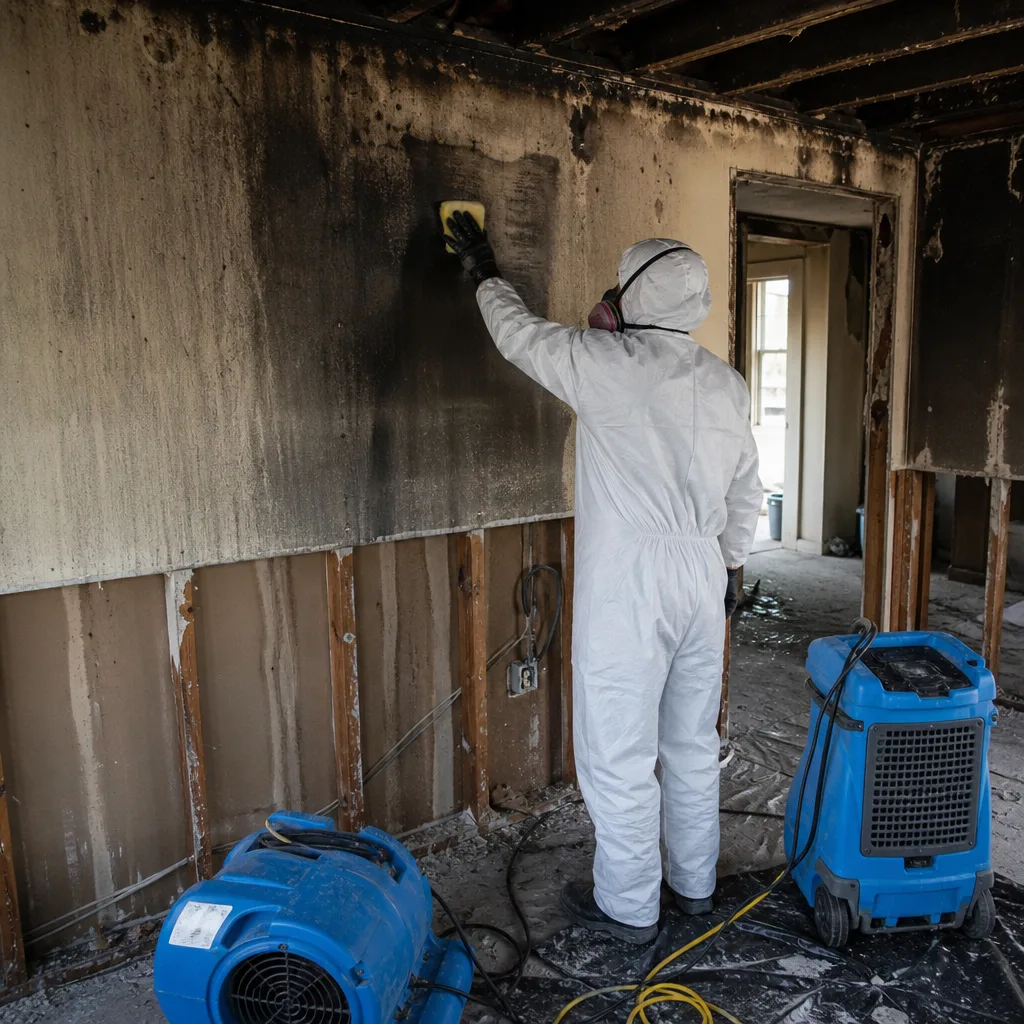
Flood Cleanup
Category 3 losses from ground flooding or sewer backup require full contamination protocol: removal of porous materials, antimicrobial treatment of structural elements, and HEPA air scrubbing during all phases. Lake Forest’s hillside drainage patterns can redirect stormwater into lower-level homes in ways flatland flooding doesn’t.
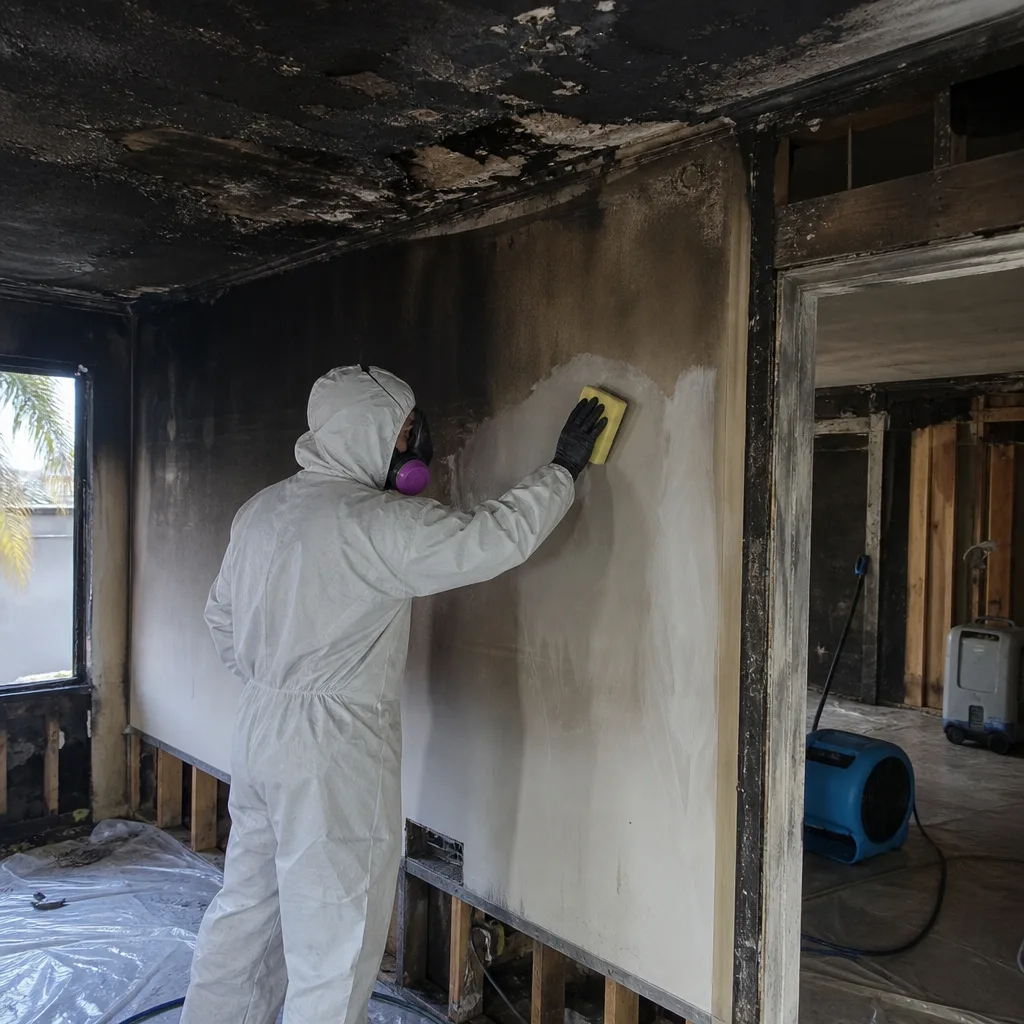
Burst Pipe Restoration
From pinhole leaks in aging copper to catastrophic supply-line failures, we extract, dry, and document the full scope - including the hidden damage behind stucco that Lake Forest’s construction conceals. Our written scope specifies what must be removed versus what can be dried in place.
Basement Water Removal
Lake Forest basements and lower levels, particularly in Portola Hills and hillside construction, face hydrostatic pressure and drainage failures. We extract standing water, evaluate sump pump function, and dry foundation walls to prevent efflorescence and long-term structural degradation.
Ceiling & Roof Leak Water Damage
Santa Ana wind events damage roof seals and flashing, then follow-up rain enters through compromised attic vents. We trace the full water path from attic to living space, document insulation saturation, and scope ceiling drywall replacement when drying alone won’t restore structural integrity.
What happens when you call
- 1
A real person answersNo phone trees - you reach a local pro.
- 2
You get an upfront price rangeHonest numbers before anyone is dispatched.
- 3
A background-checked tech heads outLicensed & insured, dispatched right away.
- 4
You approve before work beginsNothing starts until you say go.
Water Damage Restoration Costs in Lake Forest, CA
Here’s what water damage restoration actually costs in Lake Forest’s market, based on jobs we’ve completed with written prices delivered before work began:
| Service | Typical Range in Lake Forest |
|---|---|
| Emergency water extraction (up to 1,500 sq ft) | $450 - $950 |
| Structural drying & dehumidification (3-5 day cycle) | $1,200 - $3,200 |
| Category 1 clean water loss, full mitigation | $2,800 - $5,500 |
| Category 2 gray water loss, with material removal | $4,200 - $7,500 |
| Category 3 sewage/contaminated loss | $6,500 - $12,000+ |
| Ceiling/roof leak damage (extraction + drying + repair) | $3,500 - $8,500 |
| Basement water removal with sump evaluation | $2,200 - $6,000 |
What moves the price: square footage affected, water category classification, how long water sat before extraction started, whether demolition of saturated materials is required, and whether specialty equipment (Injectidry floor systems, cavity drying) is needed. Insurance typically covers sudden and accidental water damage from burst pipes or appliance failures; gradual leaks and maintenance-related issues often fall outside coverage. We provide a free visual inspection and written scope before any work begins - Haven Standard, Clause 1 - and a Free Second Opinion on any competitor’s written estimate.
We Also Serve Cities Near Lake Forest
Our crews respond throughout south Orange County from the same dispatch base that serves Lake Forest: Lake Forest itself, plus Laguna Woods to the west, Mission Viejo to the southwest, Laguna Hills to the northwest, and Aliso Viejo to the west. Each city has distinct building stock and loss patterns - Mission Viejo’s 1970s tract homes with aging polybutylene, Laguna Woods’ senior community with specific accessibility needs - and our protocols adapt accordingly.
Serving Lake Forest, CA - Our Local Coverage Area
We’re based in the Lake Forest area and know this community well. Use the map below to see our service coverage - if you’re nearby, we can almost certainly help.
Lake Forest Water Damage Restoration Questions, Answered
A pipe behind my stucco in Lake Forest is leaking - how do you know what can stay and what has to be removed?
We use moisture mapping with pin and pinless meters, plus thermal imaging, to determine which materials are structurally saturated versus surface-wet. In Lake Forest’s stucco construction, water often runs along the wire lath and bottom plates rather than soaking uniformly - so a wall can be dry at chest height and saturated at the base. Materials that won’t return to dry standard within 72 hours, or that have been wet with Category 2 or 3 water, are removed per IICRC protocol. You’ll get a written scope specifying each removal before work starts. Call (657) 297-0972 for a free inspection.
Why does my Foothill Ranch home sometimes need duct cleaning after a water loss?
Homes at the wildland edge near Foothill Ranch routinely take smoke and particulate into HVAC systems during Santa Ana wind events, even without direct fire exposure, which is why we also offer Fire & Smoke Damage Restoration in Lake Forest for these properties. When a water loss then introduces moisture into that same ductwork, the combination of particulate and humidity creates ideal conditions for microbial growth. Our standard protocol for this area includes return-air intake and duct inspection; if prior smoke loading is present, we scope cleaning and insulation replacement to prevent a compounded air quality problem. Call (657) 297-0972 to schedule.
How fast do we need to start drying after a water leak in Lake Forest?
Within 24 hours, and preferably within 4 hours for Category 1 losses. Mold colonization begins at 24 to 48 hours of sustained moisture above 16 percent wood moisture content. In Lake Forest’s tightly sealed Foothill Ranch construction, humidity trapped in wall cavities accelerates this timeline. Our 45-minute response commitment is designed to beat that window. The sooner extraction starts, the more material can be dried in place rather than removed and replaced. Call (657) 297-0972 - we answer live 24/7.
Does Lake Forest’s fire-hazard geography change what a water damage scope looks like?
Yes, for homes in Foothill Ranch and along the Cleveland National Forest edge. The Santa Ana wind channel through Trabuco Canyon pushes smoke and particulate into attic spaces and HVAC intakes during regional fire events. When these homes then suffer water damage, the scope must account for whether the HVAC system and insulation carry prior smoke loading that moisture will activate. We inspect and document this condition as standard practice in these neighborhoods, not as an add-on. Call (657) 297-0972 for an assessment.
What does a standard water damage scope include - and what do we hand off afterward?
A standard scope includes: extraction of standing water, deployment of drying equipment with daily moisture logging, antimicrobial treatment, and verification of dry standard before equipment removal. For Lake Forest homes, it may also include cavity drying, subfloor extraction, or duct inspection depending on construction type and loss location. After completion, you receive: the drying log with daily readings, a photo record of damage and progress, a final moisture verification report, and our 365-Day Done Right Promise under The Haven Standard. Call (657) 297-0972 to start your file.
How long does structural drying take in Lake Forest homes?
Most residential drying cycles run 3 to 5 days, but Lake Forest’s construction variables extend or compress this. Foothill Ranch’s sealed stucco envelopes often need 5 to 7 days because vapor can’t escape naturally. El Toro-era homes with more breathable assemblies may dry in 2 to 4 days. We don’t guess - the drying log determines when equipment comes out, not the calendar. Daily readings tell us when moisture content reaches within 4 points of established dry standard. Call (657) 297-0972 for a timeline specific to your loss.
Can we stay in the home during water damage restoration?
Sometimes, for Category 1 losses limited to one room with no HVAC contamination. For Category 2 or 3 losses, or when drying equipment occupies multiple rooms, temporary relocation is usually recommended - especially in Lake Forest’s smaller Foothill Ranch floor plans where noise and airflow disruption make living conditions impractical. We discuss this during the initial inspection and can coordinate with your insurance for additional living expense documentation if coverage applies. Call (657) 297-0972 to review your situation.
What certifications do your Lake Forest crews hold?
Our water damage technicians hold IICRC WRT (Water Damage Restoration Technician) and ASD (Applied Structural Drying) certifications at minimum. Lead technicians add AMRT (Applied Microbial Remediation Technician) for mold-related losses. All work is documented to IICRC, RIA, and IFA standards. License numbers and certification dates are recorded in every job file for insurance verification. Background checks and verification are completed before any technician is dispatched to a Lake Forest home. Call (657) 297-0972 with specific credential questions.
Back to Dry Restoration has operated under The Haven Standard since 2011, when founder Alicia Brennan built the company around the documentation gap that costs homeowners their claims. Every one of the 12,000-plus homes we’ve restored since then received a written price before work started and a documented record when the crew left. The 365-Day Done Right Promise applies to every job we complete - if it’s not done right, we make it right. That’s not marketing language; it’s a signed guarantee.
Written by Alicia Brennan, Owner at Back to Dry Restoration, serving Lake Forest since 2011.