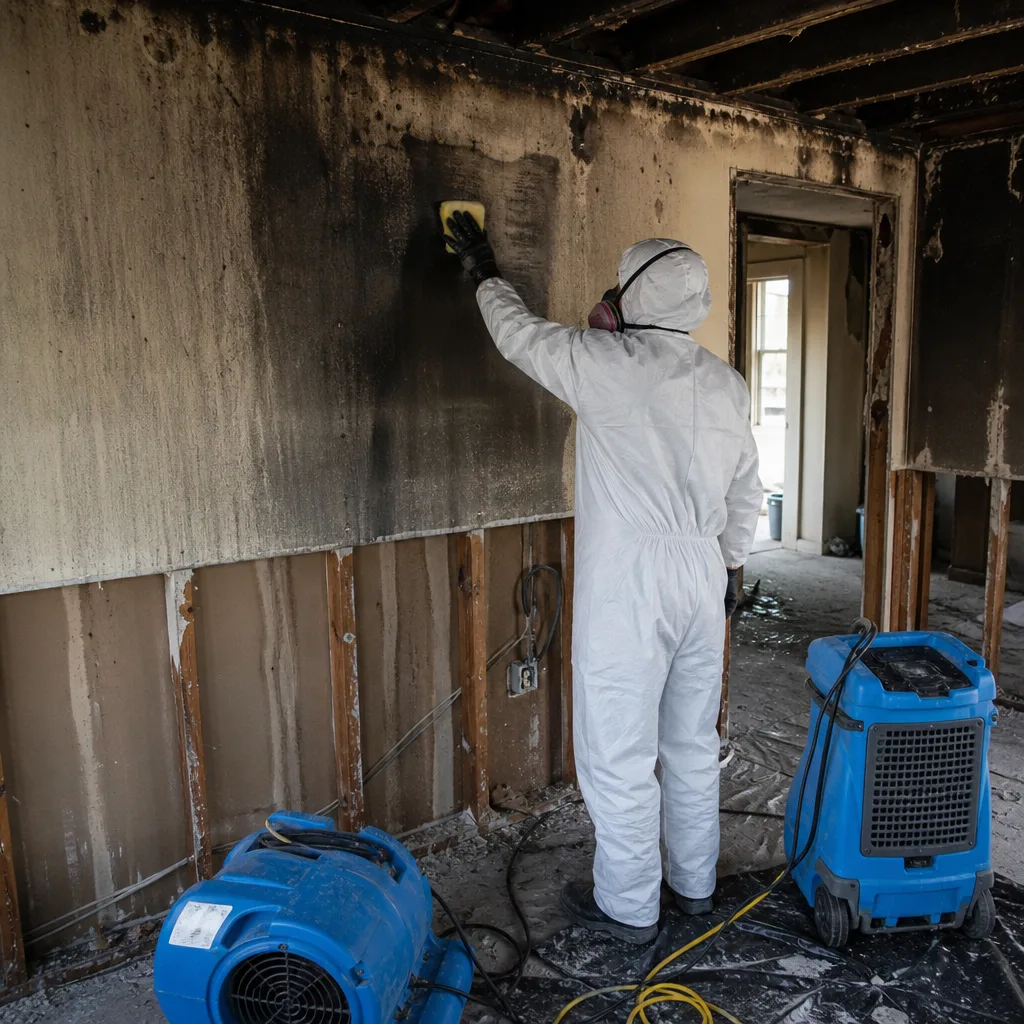
Free visual inspection and a written scope of work before any mitigation begins - photos, moisture readings, and drying logs go in your claim file
The scope we write is the scope we bill. Anything new gets shown to you, in writing, before we touch it.
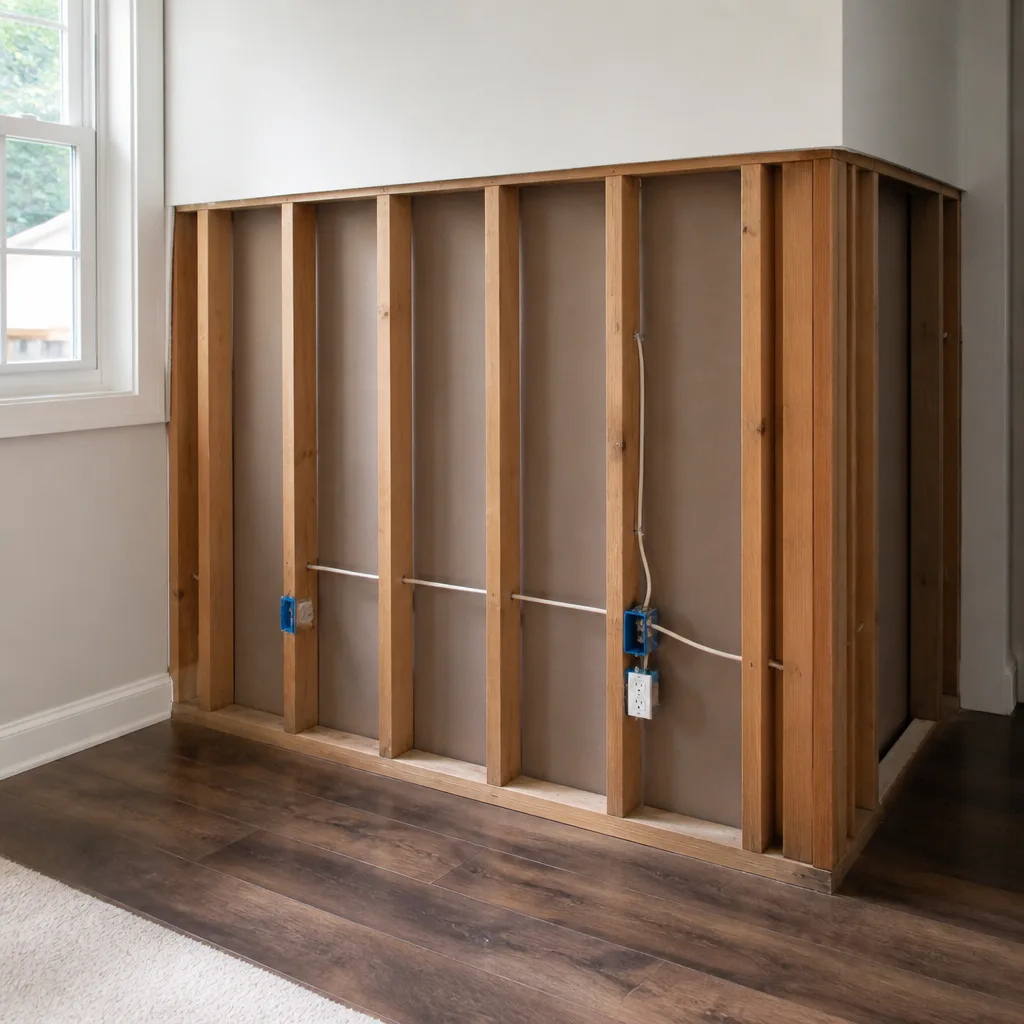
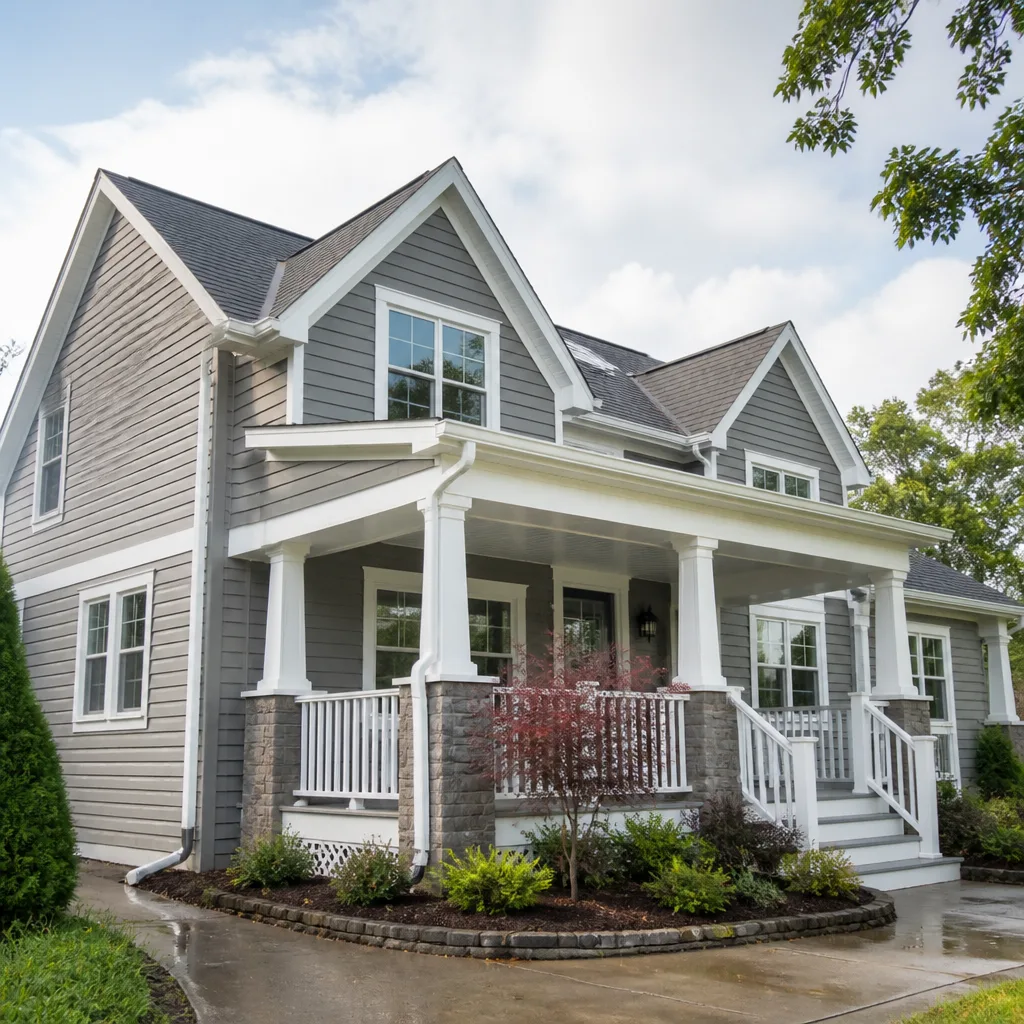
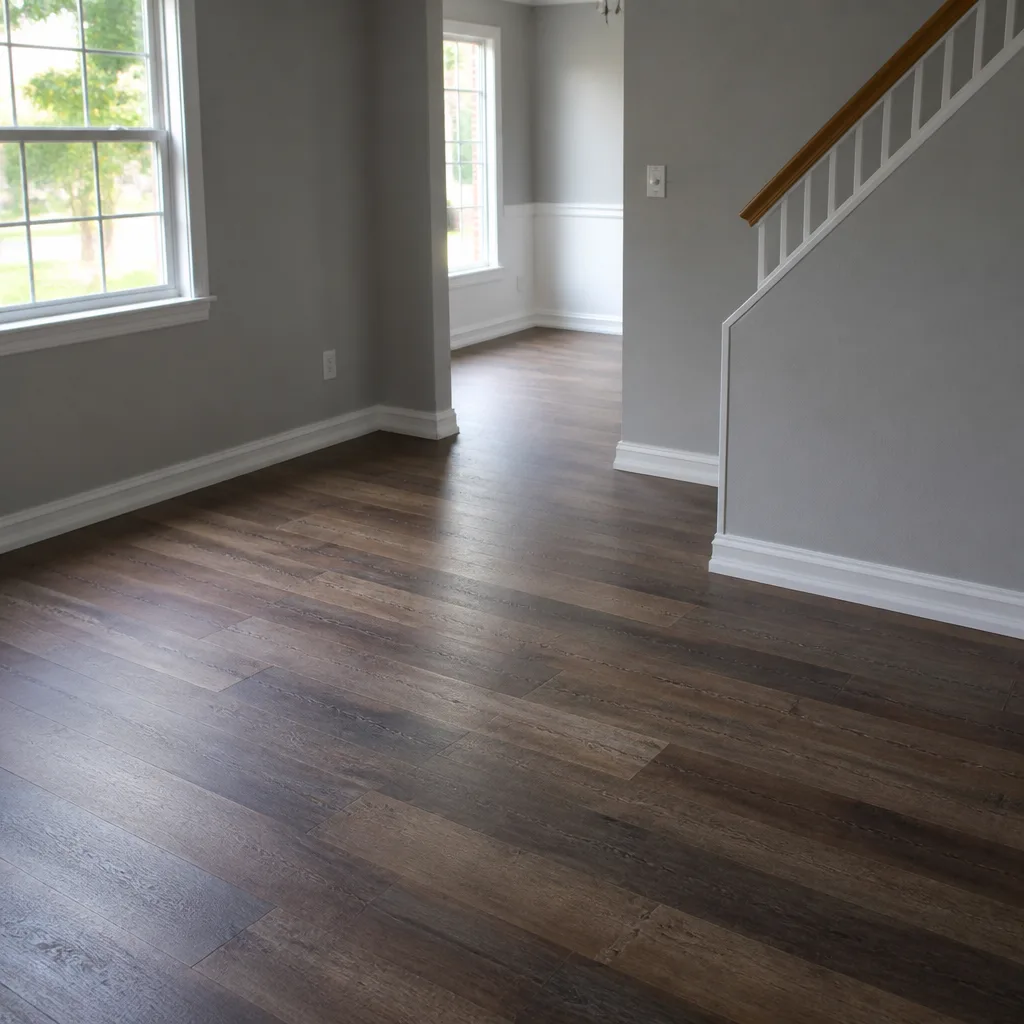
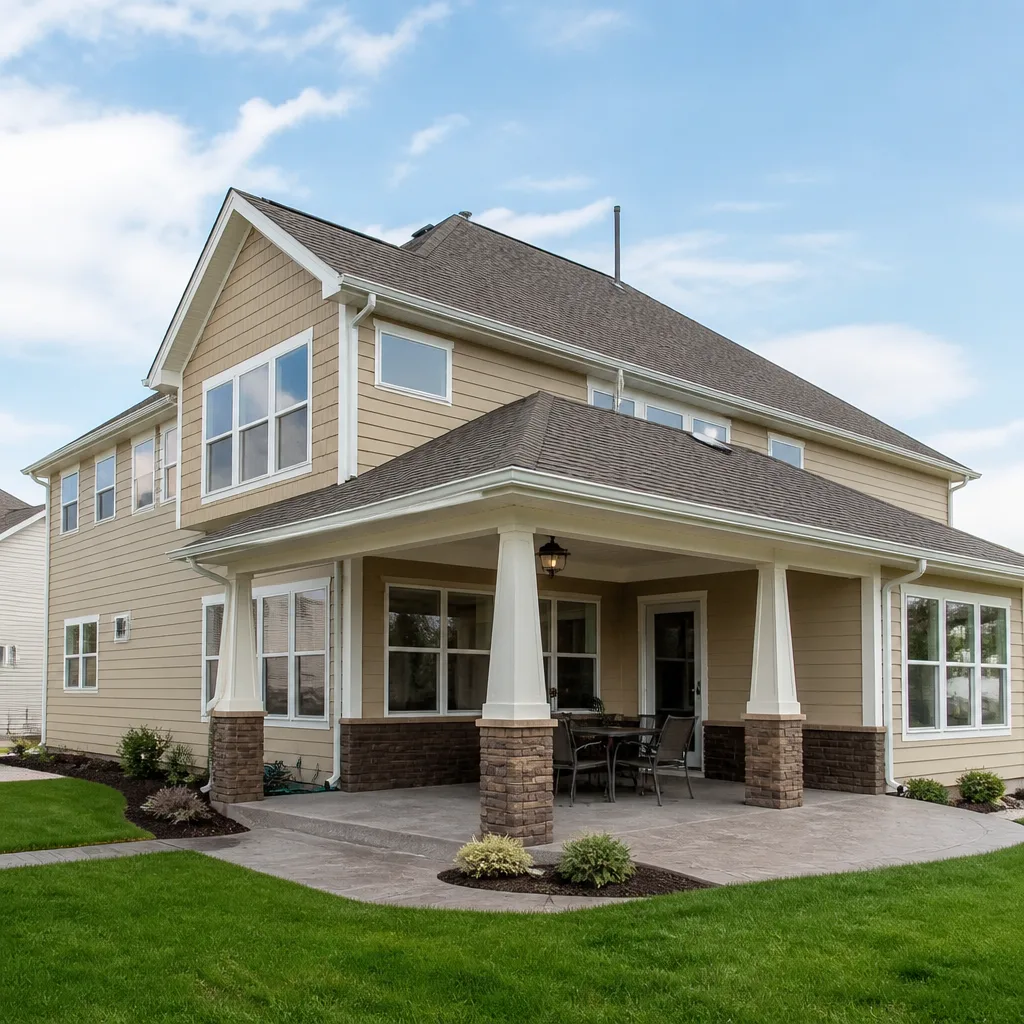
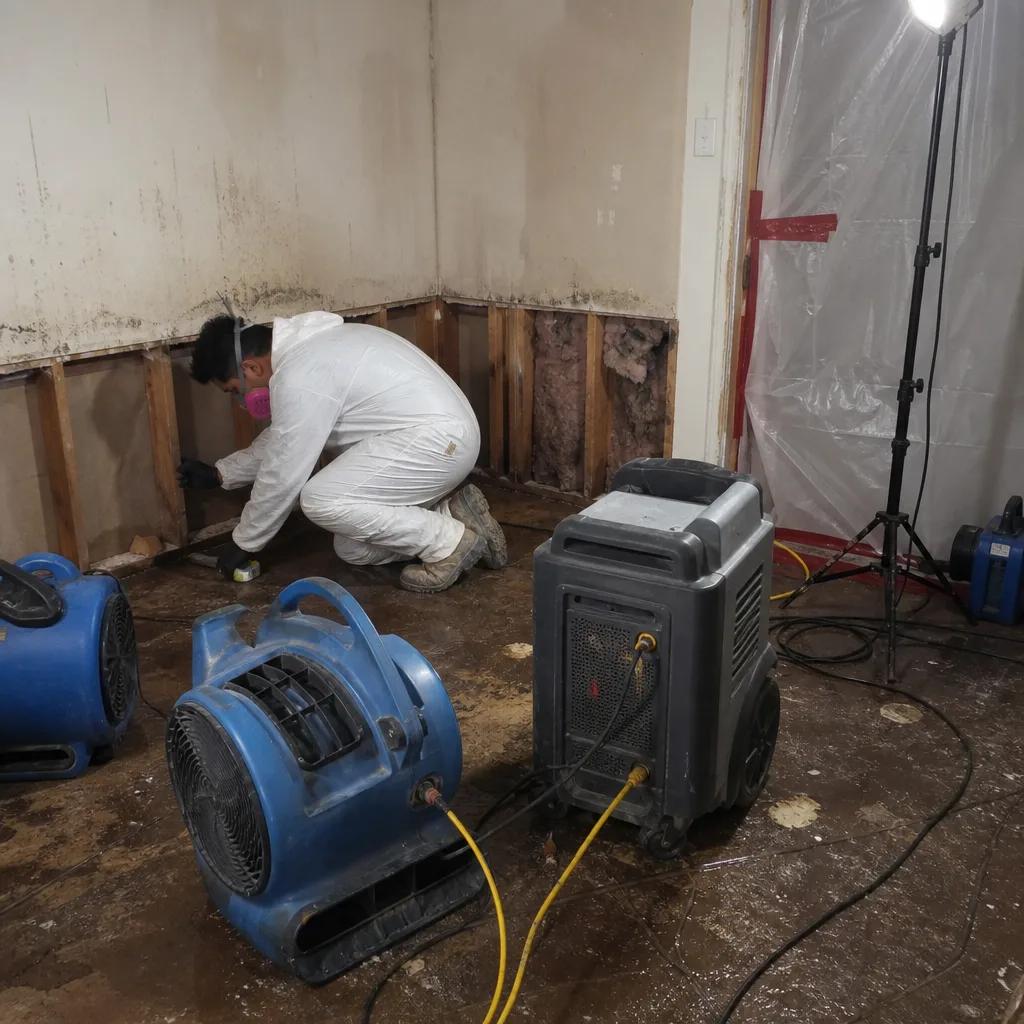 Before
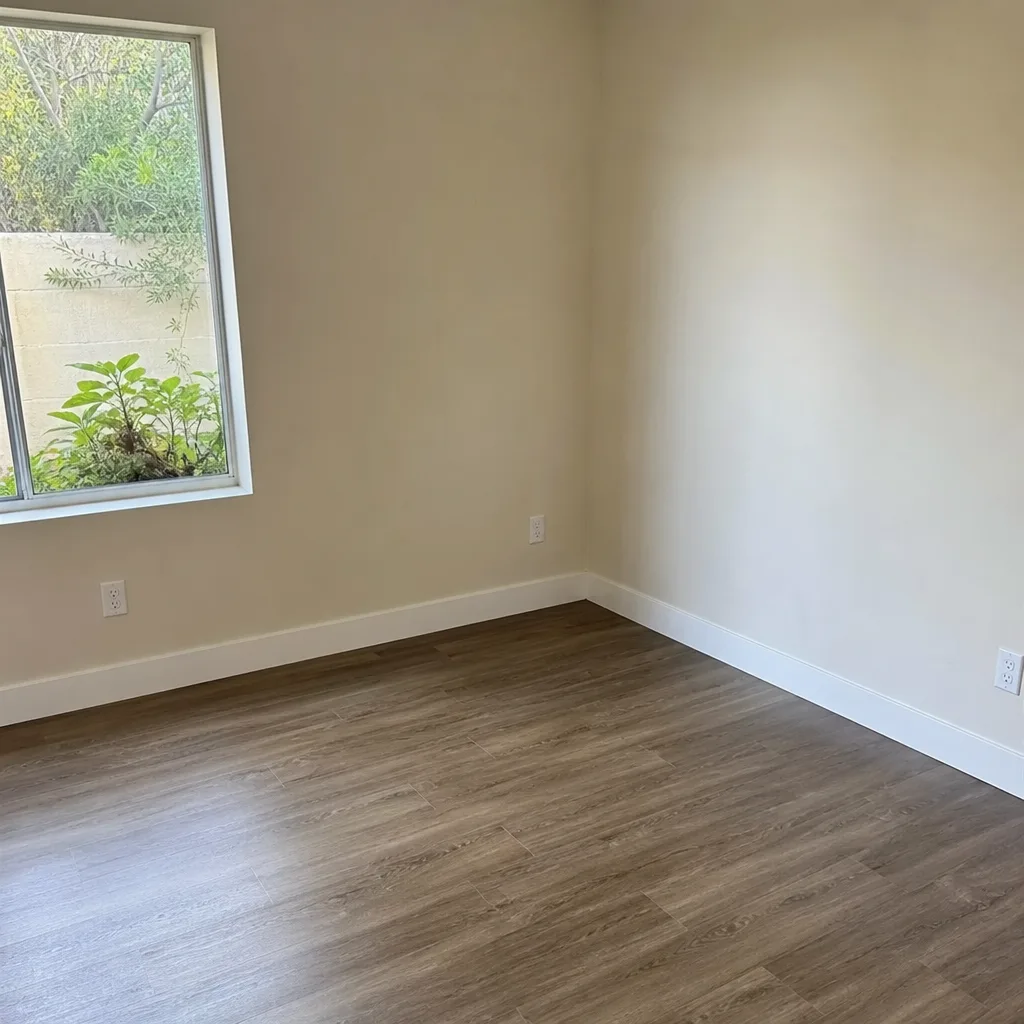 After
After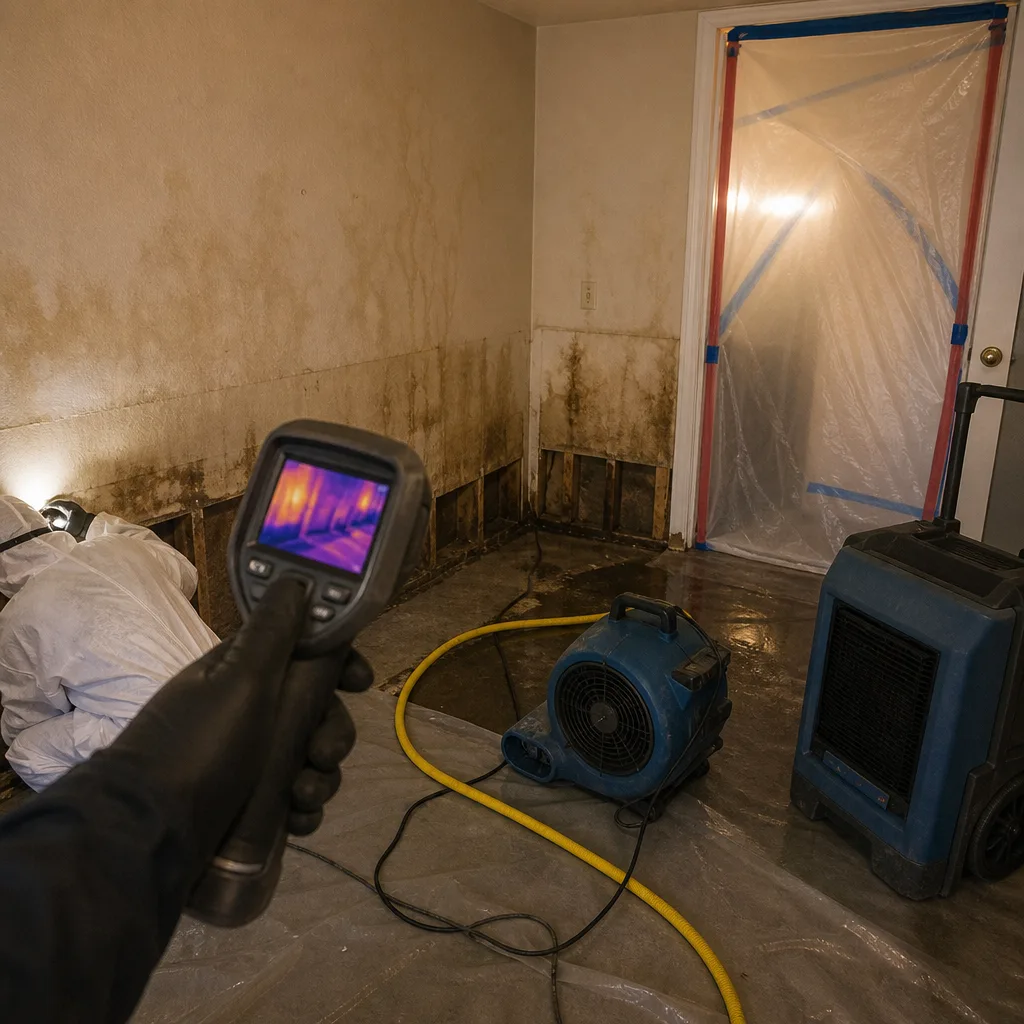 Before
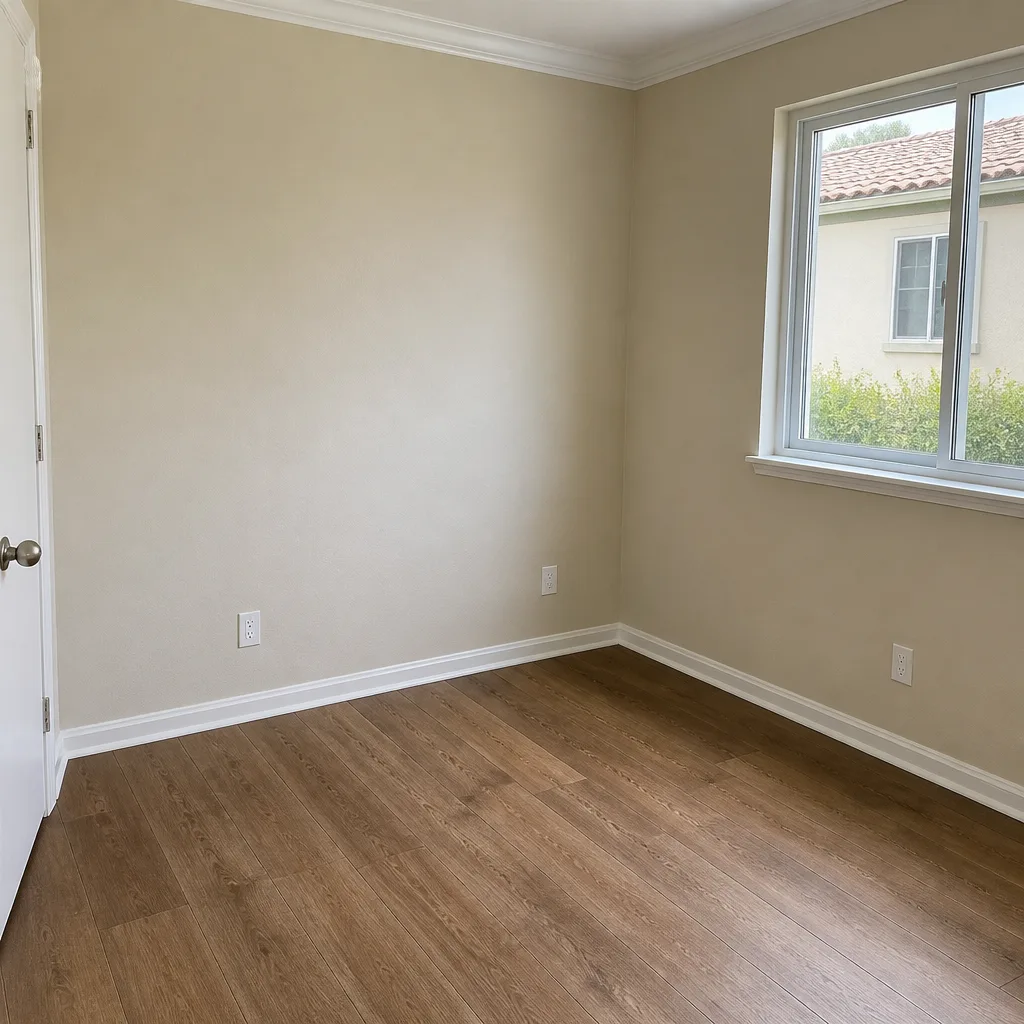 After
After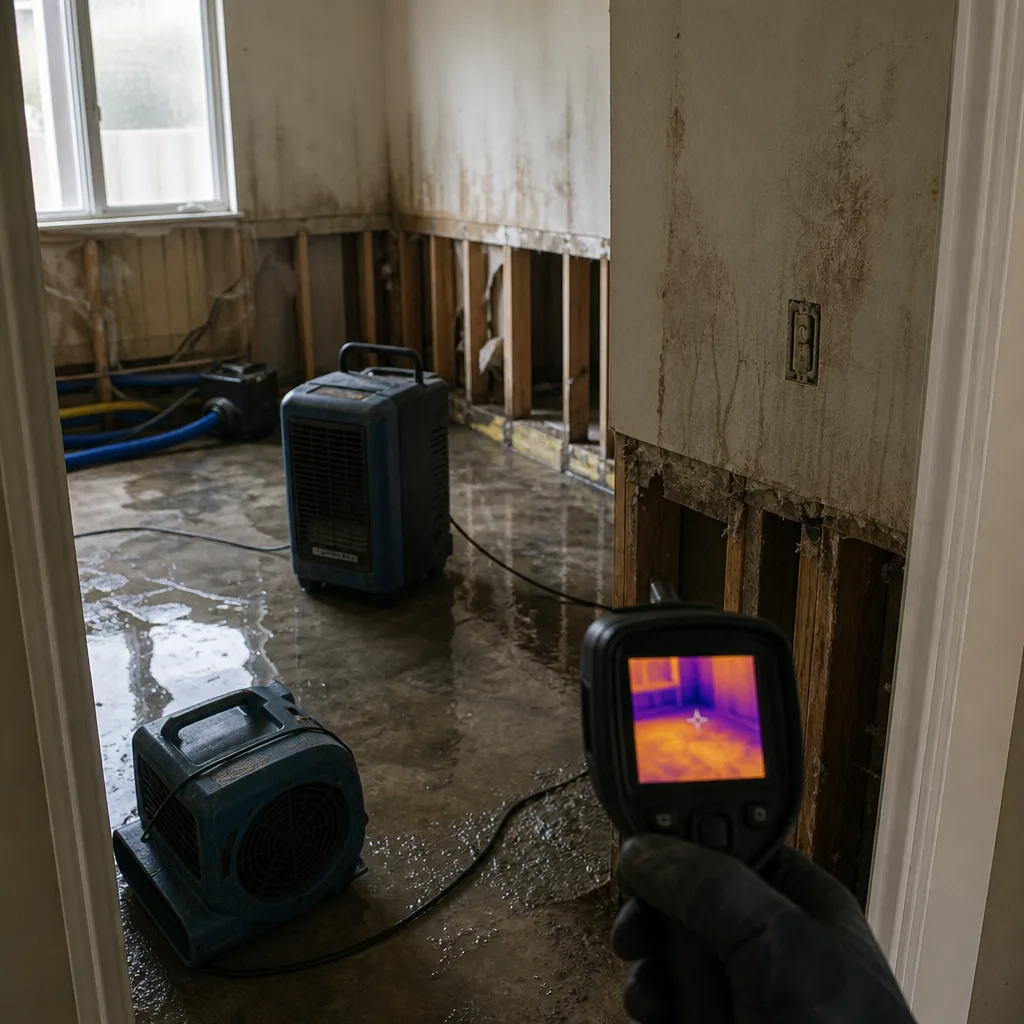 Before
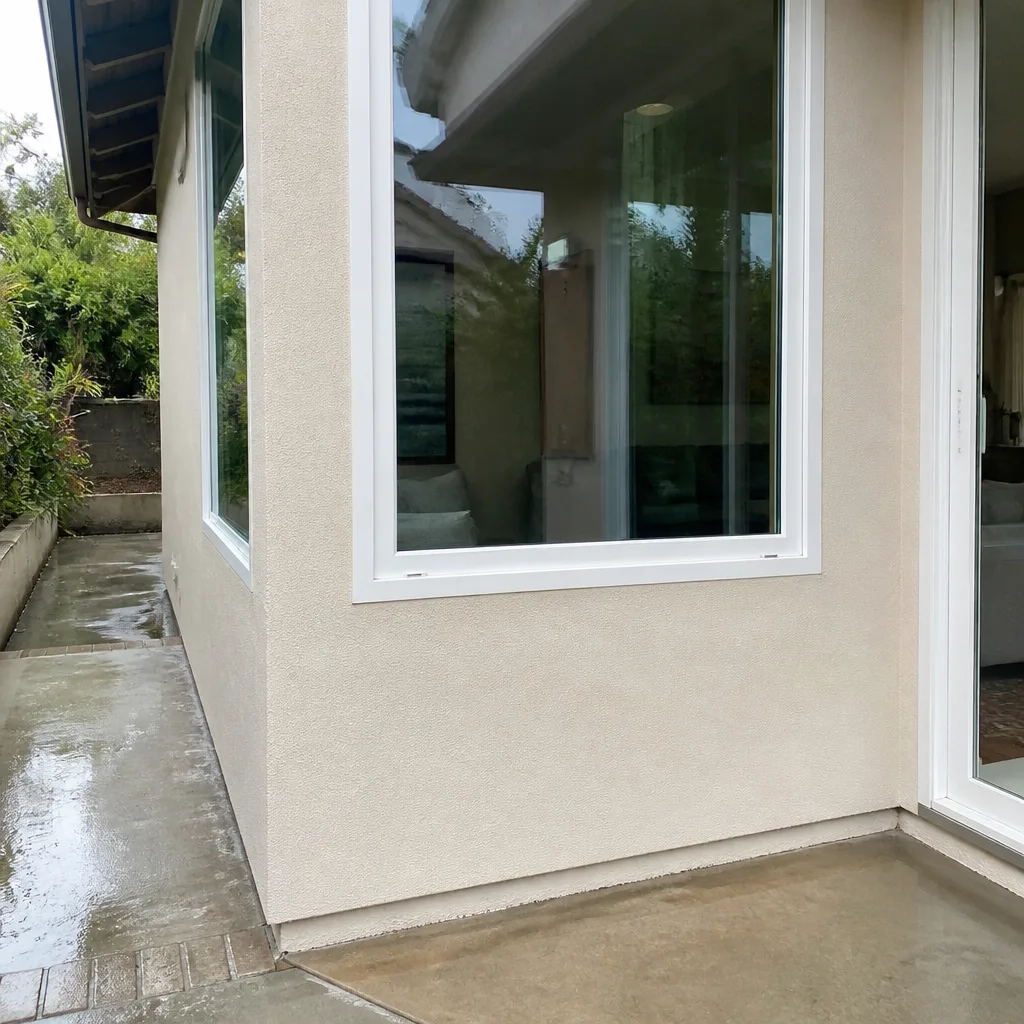 After
After24/7 Emergency Water Damage Restoration in Laguna Beach
Water damage restoration in Laguna Beach typically costs $2,800-$7,500 for whole-home drying and can reach $15,000+ when original plaster, redwood framing, and architectural finishes need like-for-like rebuilding. Most emergency water extractions begin within 45 minutes of your call. Call (657) 297-0972 now - our live dispatch answers 24 hours a day, 7 days a week, no voicemail, no callbacks tomorrow.
The first hour determines whether a Laguna Beach water loss stays a Category 1 extraction or escalates to Category 2 contamination and mold remediation. Our crews are staged throughout coastal Orange County and understand the switchback roads of Bluebird Canyon and Temple Hills. We arrive with moisture meters, thermal imaging, and extraction equipment already loaded. Every job starts with a free visual inspection and a written price before any work begins - Haven Standard, Clause 1.
Understanding Water Damage Restoration Severity in Laguna Beach Properties
Water damage falls into three categories that dictate equipment, labor, and safety protocols. Category 1 is clean water from a supply line or overflowing sink. Category 2, or gray water, carries contaminants from washing machines, dishwasher drains, or rainwater that has passed through building materials. Category 3, black water, originates from sewage backup, seawater intrusion, or ground flooding - it requires full PPE, antimicrobial treatment, and disposal under California hazardous waste guidelines.
Laguna Beach’s housing stock complicates every category. The 1920s-1940s wood-frame cottages in the village core often contain original plaster walls applied directly to redwood lath, with no vapor barrier behind. When these walls get wet, moisture wicks laterally through the plaster rather than draining, which means our moisture mapping must trace the full extent before we commit to a drying plan. Mid-century modern cliff-hangers cantilevered over canyon walls frequently have flat roofs with inadequate drainage, and the marine layer keeps those roof assemblies saturated for days after the visible leak stops. Salt air pre-corrodes flashing and fasteners, so the moment we open a wall, we often find structural deterioration that predates the current loss - deterioration an inland contractor might miss entirely.
Psychrometric data - temperature, relative humidity, and vapor pressure differential - drives our drying calculations. In Laguna Beach, coastal humidity averages 70-85% year-round, which means our dehumidification equipment works harder and runs longer than it would in Anaheim or Irvine. We document this data in daily drying logs, adjusted for each room’s material classification: drywall versus plaster, oak flooring versus redwood subfloor, synthetic carpet versus wool.
Why Laguna Beach Property Owners Choose DryMark Restoration Mission Viejo
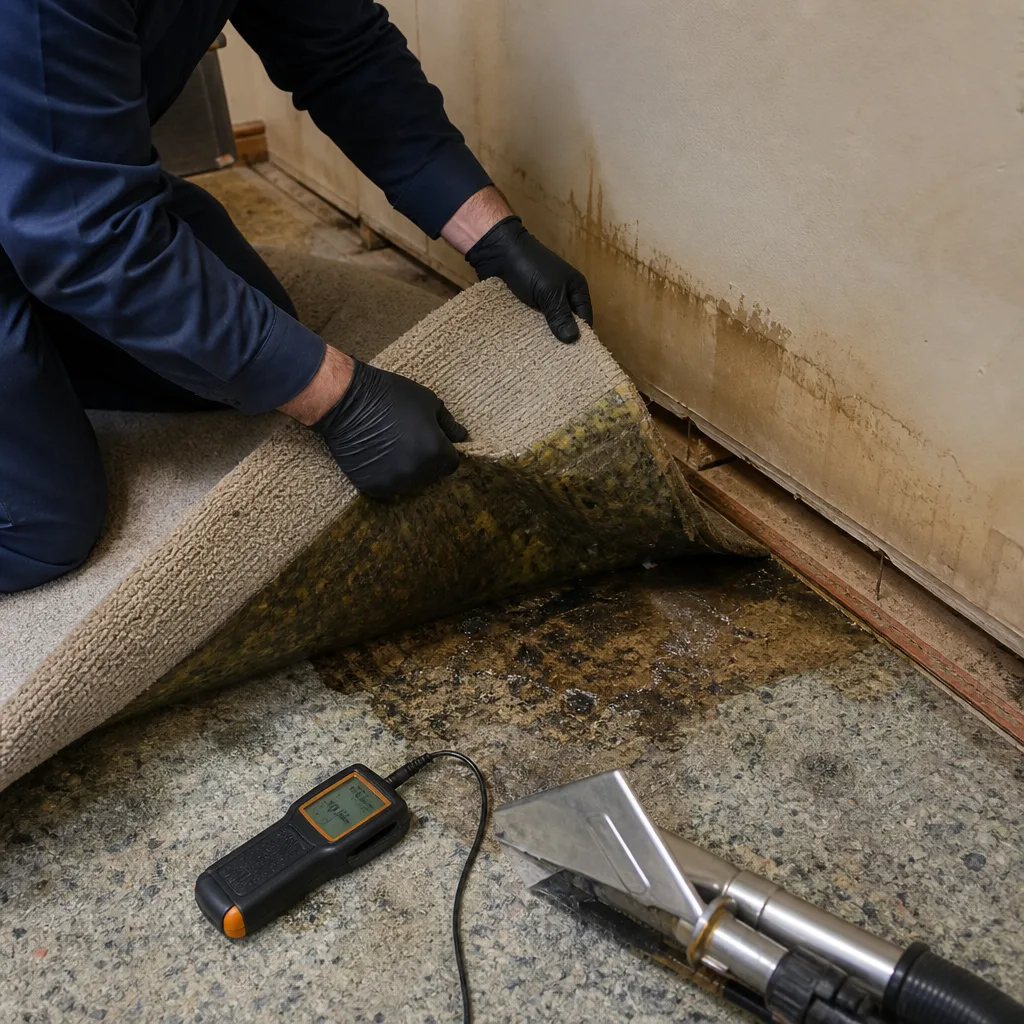
- 45-minute response commitment to Laguna Beach from our Los Angeles-coordinated dispatch, with crews already carrying coastal-grade extraction and drying equipment.
- 24/7 live answer - a real person picks up every emergency line, never an automated system or voicemail tree, because water doesn’t wait for business hours.
- IICRC-certified crews holding WRT (Water Damage Restoration Technician) and AMRT (Applied Microbial Remediation Technician) credentials, with license numbers documented on every job file.
- Free visual inspection and written scope before any equipment runs or any demolition begins - Haven Standard, Clause 1, no exceptions.
- Direct insurance billing with photo-documented assessments and daily drying logs that adjusters recognize and pay without dispute.
- One team from emergency extraction through final reconstruction - no handoffs to unknown subcontractors, no gaps in documentation.
 Before
 After
AfterOur Water Damage Restoration Process
1. Inspection & Assessment
We arrive with thermal imaging cameras, penetrating and non-penetrating moisture meters, and hygrometers to map the full water perimeter. In Laguna Beach’s older cottages, we pay special attention to plaster wall systems and redwood subfloors where moisture migrates unpredictably. You receive a written scope and price before any work begins.
2. Water Extraction & Stabilization
Truck-mounted extraction units remove standing water from floors, carpets, and pad. For Category 2 and 3 losses, we establish containment barriers immediately. In hillside neighborhoods with switchback access, we deploy portable extraction units that our crews can hand-carry down steep driveways when standard truck mounts can’t reach.
3. Structural Drying & Dehumidification
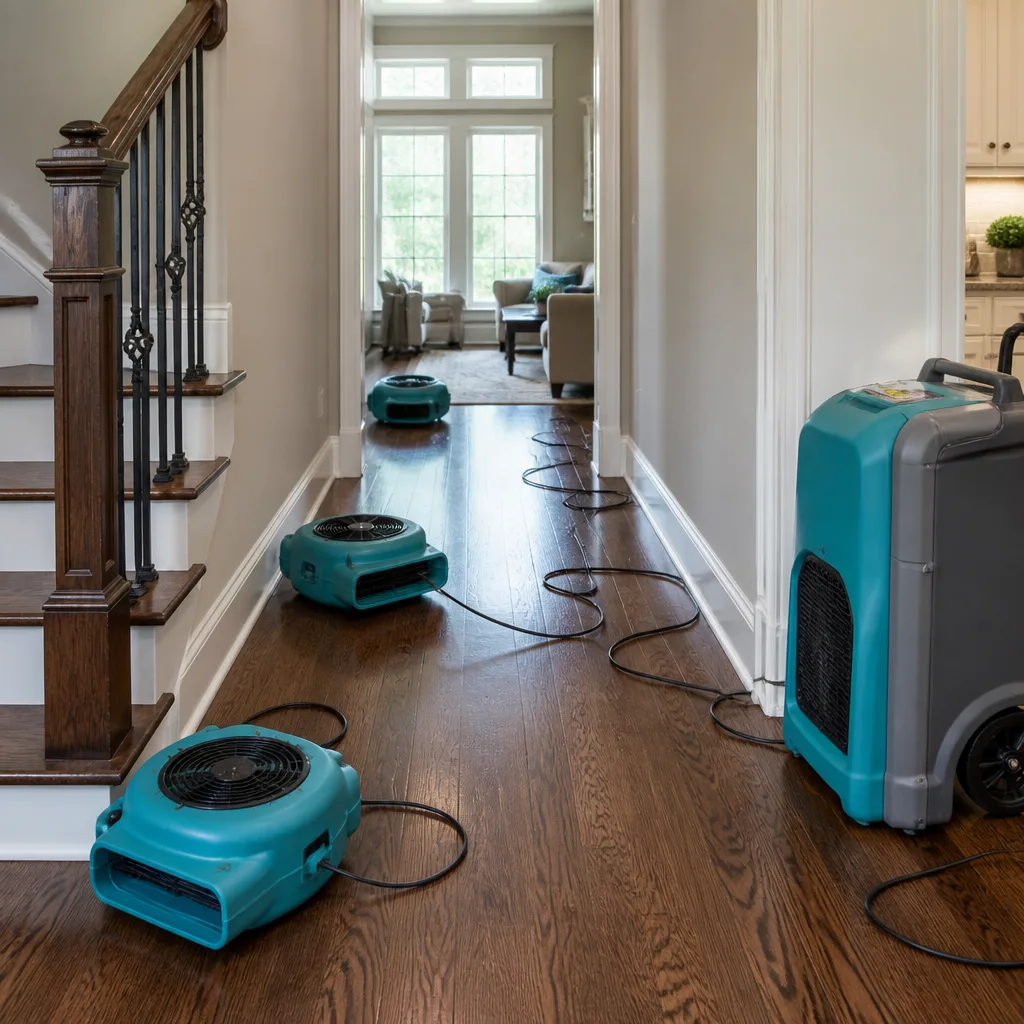
We deploy Phoenix and Dri-Eaz low-grain refrigerant dehumidifiers, XPOWER axial air movers, and Injectidry specialty drying systems for wall cavities and hardwood floors. Drying targets are set by material: 12% moisture content for oak flooring, 15% for redwood subfloor, equilibrium for plaster. Daily psychrometric readings are logged and shared.
4. Cleaning & Sanitization
All affected surfaces receive antimicrobial treatment appropriate to the water category. In Laguna Beach’s humid coastal environment, we apply supplemental mold inhibitors to subfloors and wall cavities even on Category 1 losses, because elevated ambient humidity accelerates colonization beyond what IICRC timelines predict for inland climates.
5. Specialty Drying for Architectural Materials
Original plaster walls, wood-shake roofing assemblies, and custom redwood or cedar siding demand controlled drying rates that prevent cracking, warping, or finish damage. We use Injectidry panel systems and targeted desiccant dehumidification to dry these materials in place whenever structurally sound, preserving the architectural character that defines Laguna Beach’s historic village core.
6. Repairs & Restoration
Reconstruction uses like-for-like materials matched to pre-loss condition - plaster, not drywall; redwood, not pine; wood shake, not composite. Our written scope specifies each material by trade name and grade. The 365-Day Done Right Promise, backed by The Haven Standard, covers every repair we perform.
Need Emergency Water Damage Restoration in Laguna Beach Now?
Crews minutes away, answering live 24 hours a day. The sooner we start, the less it costs.
Working With Your Insurance Company
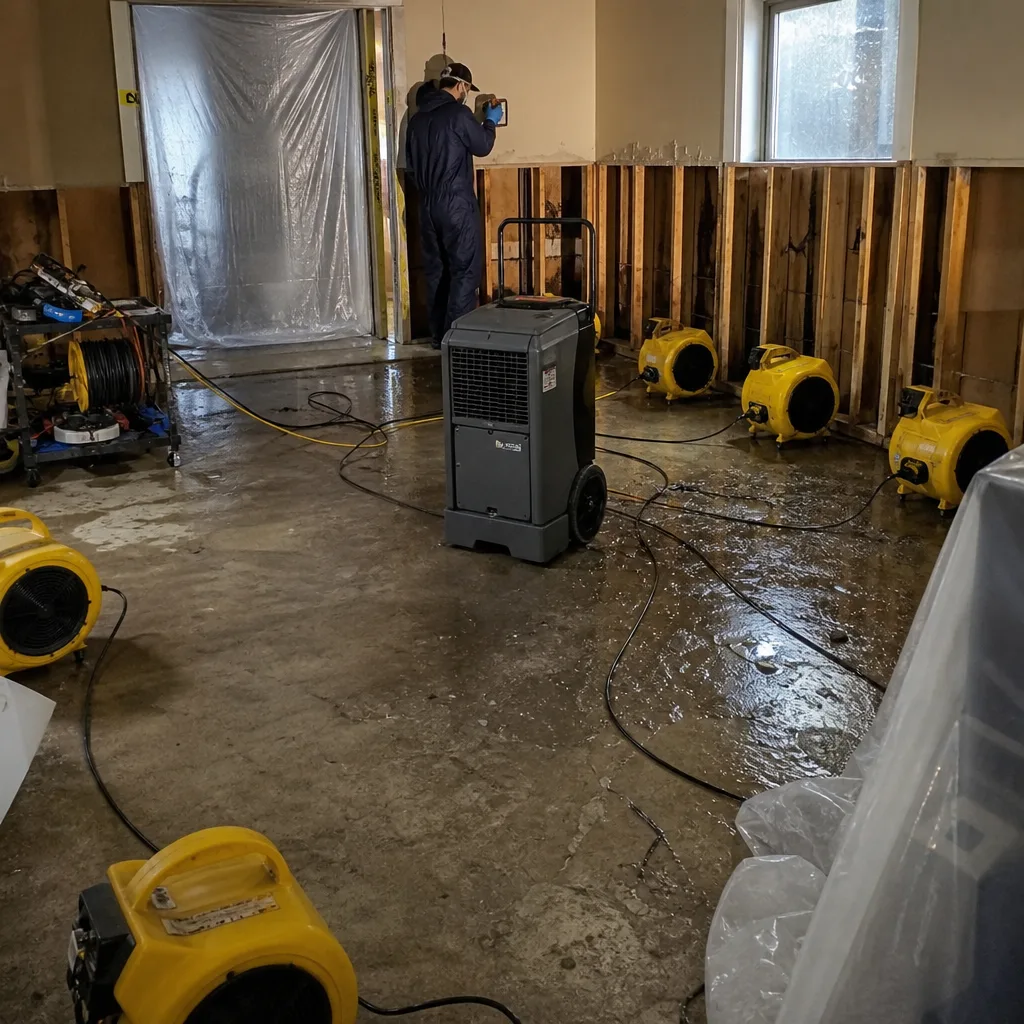
Insurance claims succeed or fail on documentation. We learned this from our founder’s years as a claims adjuster. From the moment we arrive at your Laguna Beach property, we photograph every affected room, surface, and material. Moisture readings are time-stamped and mapped. Daily drying logs track psychrometric conditions, equipment placement, and progress toward target moisture content. This documentation package becomes the estimate we submit directly to your carrier - line-itemed, industry-standard, defensible.
We coordinate directly with your adjuster, not through you as a relay. Photo records from every visit are included as standard, never sold as an upsell. If you have a competitor’s written estimate, we provide a free second opinion under The Haven Standard. Our documentation has supported thousands of payable claims since 2011 because we build the file the way adjusters read files: precise, plain-spoken, and never hurried.
What We Provide Your Insurer
- Thorough documentation of the loss
- Photos of all damage, room by room
- Moisture readings and drying logs
- A detailed, line-item scope of work
- Direct coordination with your carrier
Built for Laguna Beach’s Loss Calendar
Laguna Beach’s water damage calendar follows patterns no inland Orange County city shares. January through March brings the heaviest rainfall, and winter storms hitting fire-denuded canyon slopes - remnants of the 1993 firestorm and more recent wildfire seasons - generate debris flows that overwhelm drainage systems and push mud and water into hillside homes. The marine layer thickens in May and June, keeping every surface damp and extending drying times for any water intrusion that occurred in prior months. July through October is wildfire season; Santa Ana winds scorch chaparral hillsides, and the cycle resets.
September and October also see the highest incidence of salt-air-corroded plumbing failures. Galvanized supply lines in 1920s-1940s cottages reach end of life. Copper pipes in mid-century homes develop pinhole leaks at corroded fittings. Even high-end contemporary builds suffer premature flashing failure where salt-laden air attacks metal-to-masonry interfaces. November and December bring the first winter rains, which find every weakness the dry season concealed. Our crews are familiar with each seasonal pattern and adjust equipment and protocols accordingly.
Water Damage Restoration Across Laguna Beach’s Neighborhoods
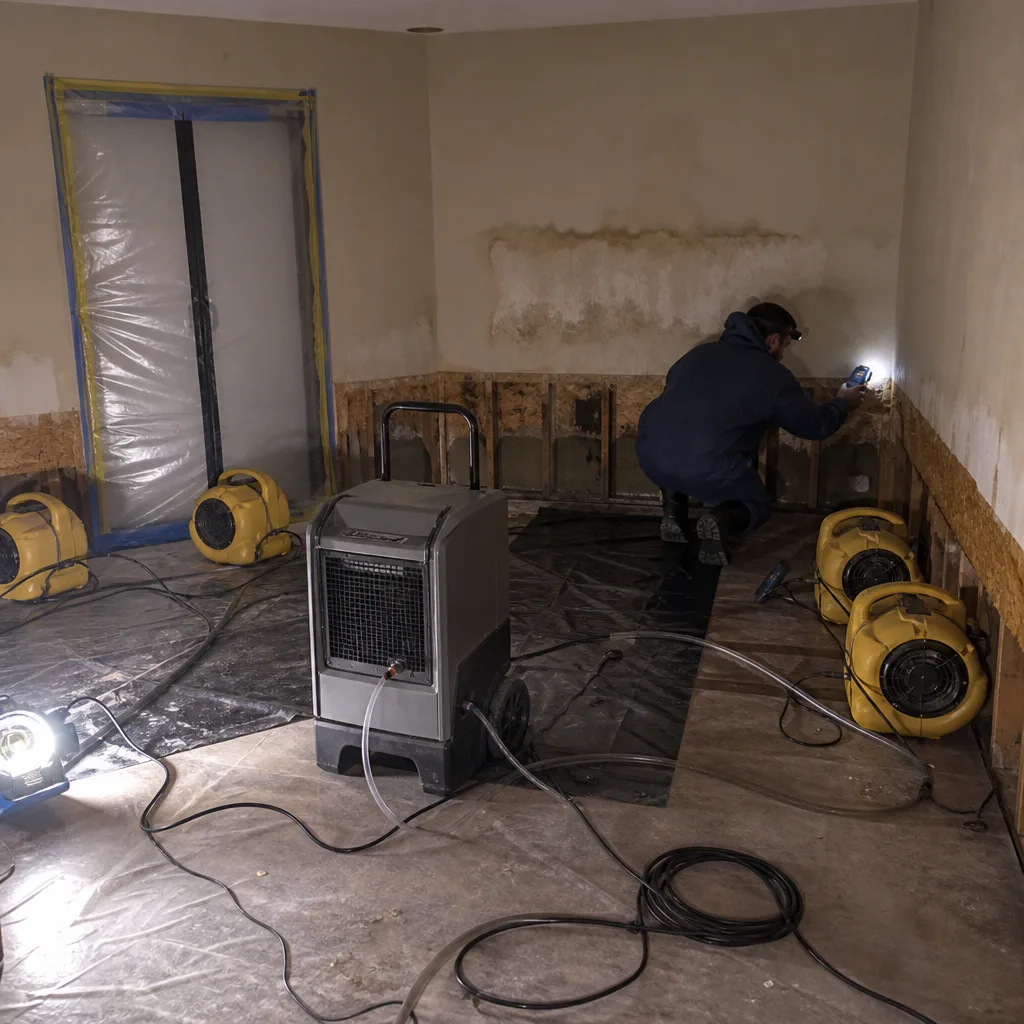
Village Laguna, the historic core near Coast Highway and Ocean Avenue, contains the city’s oldest housing stock - 1920s bungalows and 1930s cottages with original plaster walls, redwood framing, and subfloor systems that predate modern building codes. Water losses here require moisture mapping that accounts for plaster’s unpredictable wicking behavior and subfloor demolition that preserves irreplaceable architectural detail. We have dried original plaster in place using Injectidry panel systems when structural integrity allowed, avoiding the wholesale gutting that generic contractors often recommend.
Bluebird Canyon and Temple Hills present the access problem that defines Laguna Beach restoration. Narrow switchback roads, steep driveways, and canyon walls make standard equipment staging impossible. Veteran local crews know to order smaller roll-off containers and position them on Pacific Coast Highway, then run hand-carry debris chains down the slope. Out-of-area contractors consistently underestimate these labor hours, leaving mitigation incomplete or padding change orders once the job is underway. We build this access cost into our written scope from day one.
North Laguna, including the Diamond Street and Cliff Drive corridors, mixes mid-century modern cliff-hangers with contemporary builds. Flat and low-slope roofs dominate, and inadequate drainage combined with marine-layer saturation leads to chronic, slow leaks that homeowners discover only when ceiling drywall stains appear. By then, moisture has often traveled through ceiling cavities and down interior wall framing. Our thermal imaging traces the full extent before we cut anything.
South Laguna, toward Three Arch Bay and the Dana Point border, sees more ground-level flooding from winter storm surge and elevated groundwater. Crawl space water intrusion is common here, requiring sub-slab extraction and crawl space dehumidification with sealed vapor barriers. The salt content in this groundwater accelerates corrosion of mechanical systems and framing fasteners, which we document and report for insurance coverage determination.
Specialized Water Damage Restoration Services We Offer in Laguna Beach
Emergency Water Extraction
Standing water begins degrading to Category 2 within 24-48 hours in Laguna Beach’s humid coastal environment, faster than IICRC timelines suggest for drier climates. Our truck-mounted and portable extraction units remove water from carpet, pad, hardwood, tile, and concrete substrates. In Bluebird Canyon and Temple Hills, portable units go where truck mounts cannot.
Structural Drying & Dehumidification
We deploy Phoenix LGR dehumidifiers and XPOWER air movers sized to each room’s cubic footage and material load. In Laguna Beach, coastal humidity means equipment runs 20-40% longer than inland equivalents to reach target moisture content. Daily drying logs document every reading, every adjustment, every equipment change - the documentation that turns restoration invoices into payable claims.
Flood Cleanup
Winter storm flooding and post-wildfire debris flows bring Category 3 contamination - mud, ash, and hazardous particulates from burned chaparral. Cleanup requires full PPE, hazardous waste disposal, and antimicrobial treatment to California Department of Public Health standards. We coordinate with county environmental health when debris flow events trigger emergency declarations.
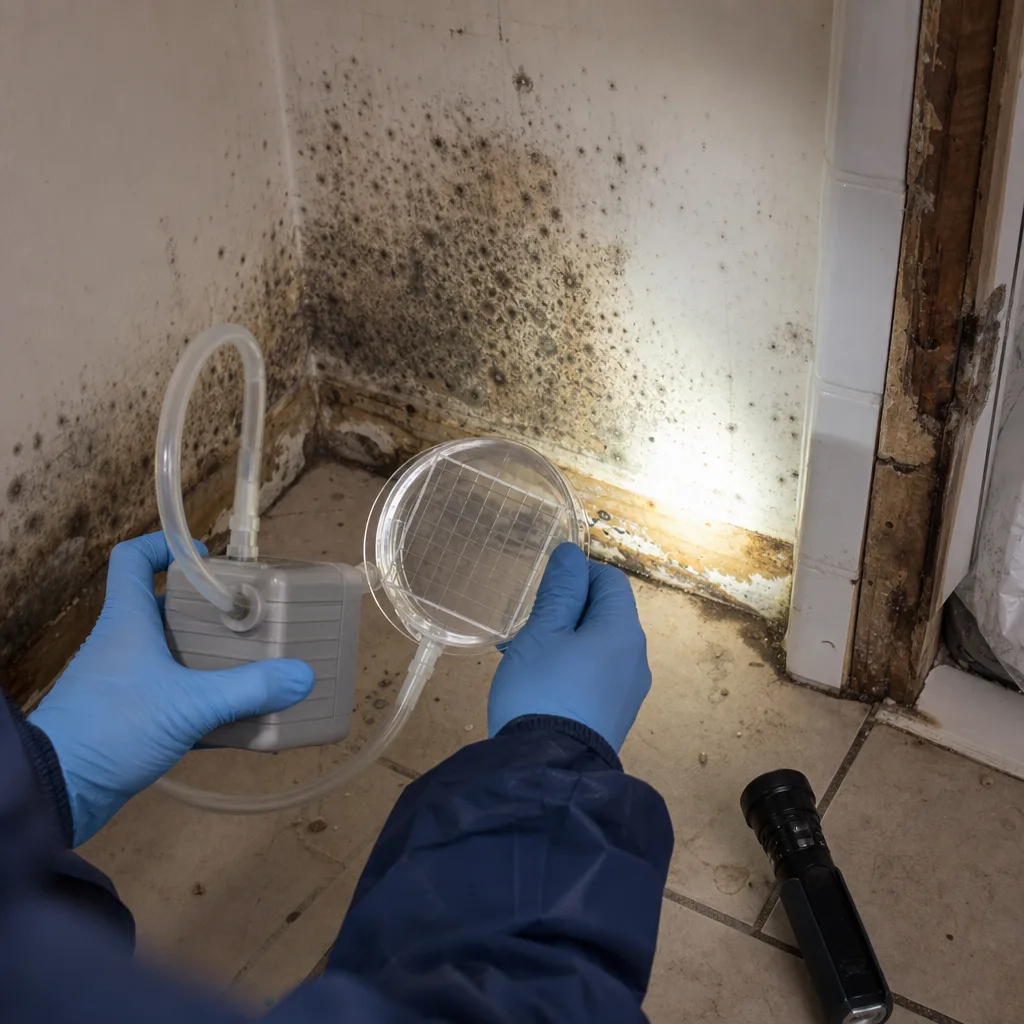
Burst Pipe Restoration
Galvanized supply lines in village-core cottages, copper pinhole leaks in mid-century homes, and premature fitting corrosion from salt air - Laguna Beach’s pipe failures have local signatures. We extract, dry, and document the full extent of damage, including latent deterioration our technicians routinely find when opening walls. Reconstruction specifies like-for-like materials matched to the home’s era and architectural character.
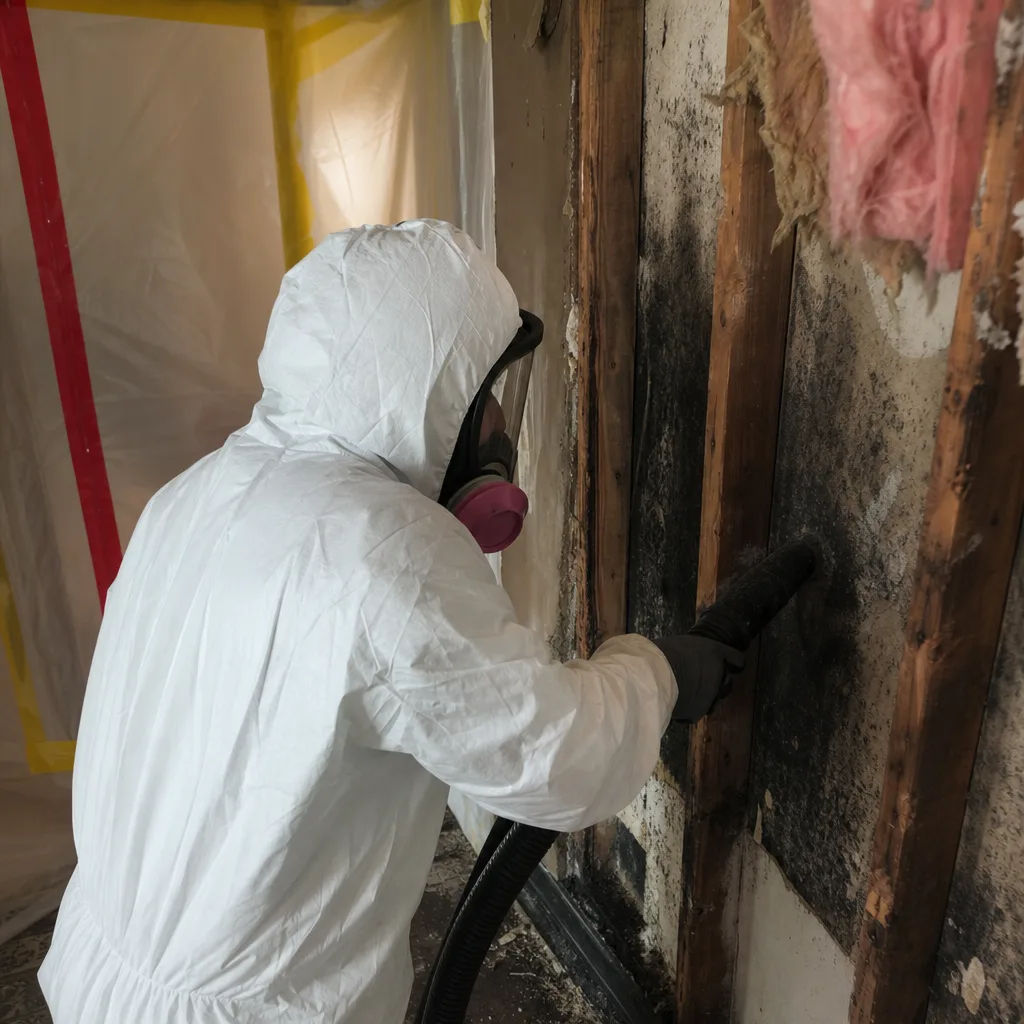
Basement Water Removal
True basements are rare in Laguna Beach’s steep topography, but lower-level living spaces, garages, and crawl spaces function similarly. Sub-slab drainage failure, hillside groundwater intrusion, and storm surge backflow all require specialized extraction and sealed dehumidification. We assess structural integrity of retaining walls and foundations as part of every below-grade water loss.
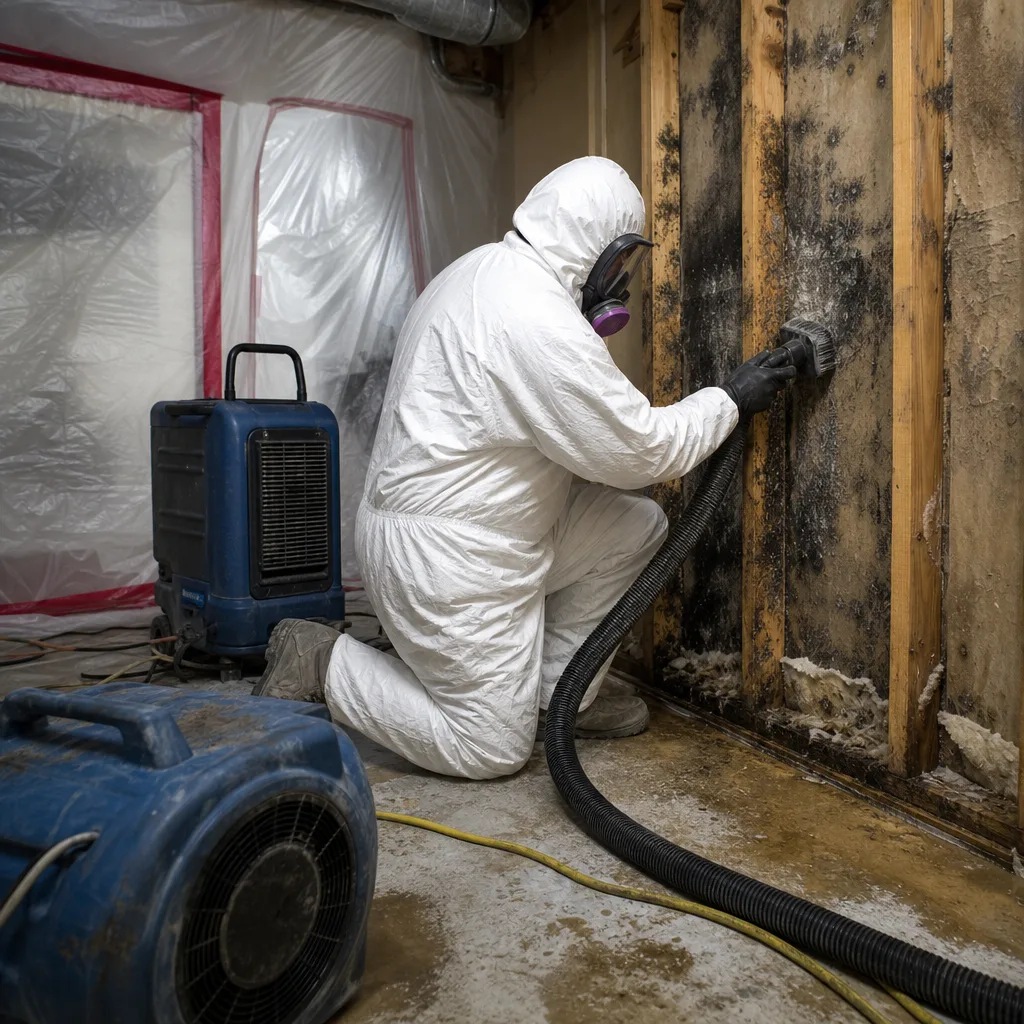
Ceiling & Roof Leak Water Damage
Flat roofs, wood-shake roofing, and corroded flashing are the primary failure points. Our moisture mapping traces water travel through ceiling cavities before any drywall is removed, preserving finished surfaces where possible. When roof decking requires replacement, we specify material matched to the existing roof system, not generic substitutes.
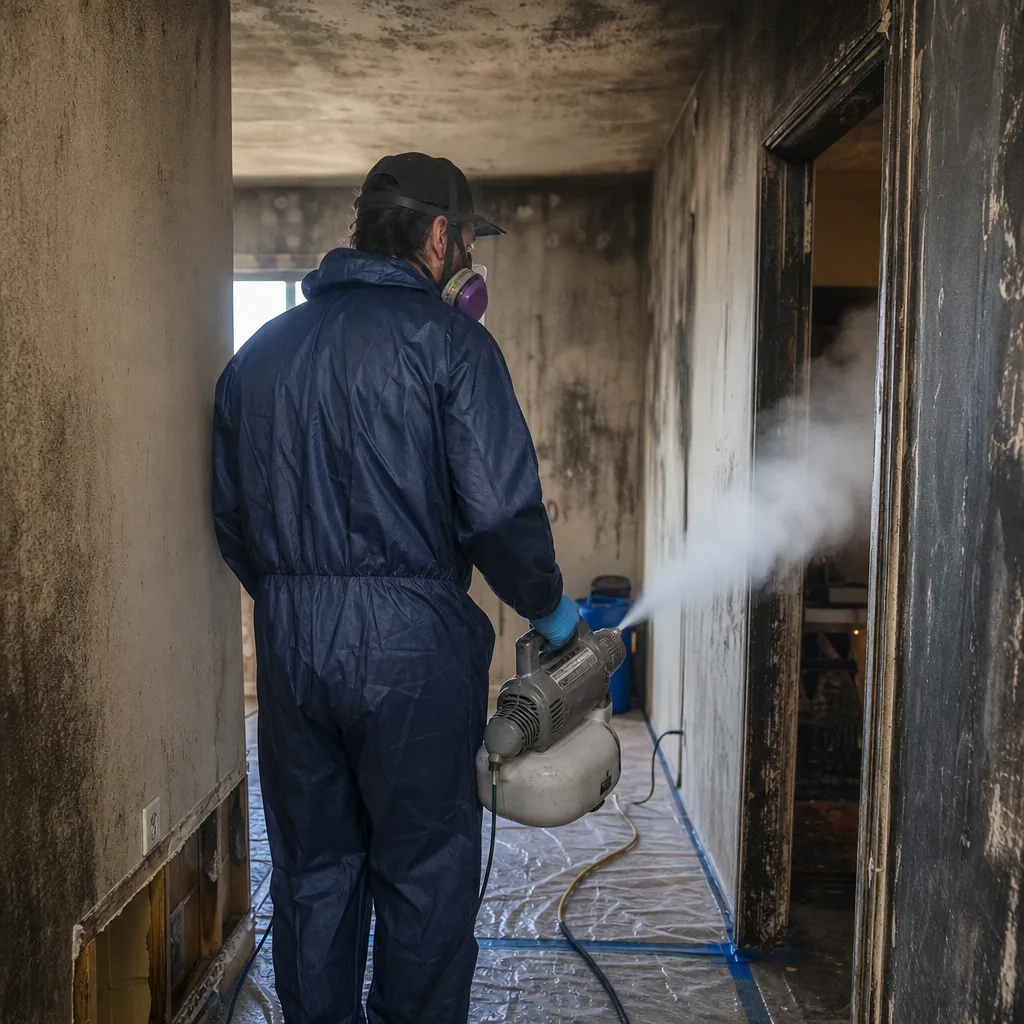
What happens when you call
- 1
A real person answersNo phone trees - you reach a local pro.
- 2
You get an upfront price rangeHonest numbers before anyone is dispatched.
- 3
A background-checked tech heads outLicensed & insured, dispatched right away.
- 4
You approve before work beginsNothing starts until you say go.
Water Damage Restoration Costs in Laguna Beach, CA
Water damage restoration pricing in Laguna Beach reflects coastal labor rates, equipment run-time extended by marine-layer humidity, and access constraints on hillside properties. Here are the ranges we see on written scopes across our 12,000+ jobs since 2011:
| Service | Typical Range in Laguna Beach |
|---|---|
| Emergency water extraction (single room) | $1,200 - $2,800 |
| Whole-home structural drying (2,500 sq ft) | $2,800 - $7,500 |
| Category 2 cleanup with antimicrobial treatment | $4,500 - $9,500 |
| Category 3 sewage/flood remediation | $7,000 - $18,000 |
| Original plaster wall drying (Injectidry specialty) | $800 - $2,200 per room |
| Like-for-like reconstruction (village-core cottage) | $15,000 - $45,000+ |
What moves the price: water category, affected square footage, material type (plaster vs. drywall, redwood vs. standard lumber), access difficulty on switchback roads, and whether latent salt-air deterioration requires additional scope. Insurance typically covers sudden and accidental water losses, less deductible. Gradual leaks and maintenance-related failures may be excluded. We provide a free visual inspection and written scope before any work begins - Haven Standard, Clause 1 - so you know exactly what you’re paying for and what your carrier will likely cover. Call (657) 297-0972 for your written estimate.
We Also Serve Cities Near Laguna Beach
Our crews respond throughout coastal Orange County from the same Laguna Beach-coordinated dispatch. We also provide Water Damage Restoration in Laguna Beach and surrounding areas including Laguna Niguel, Aliso Viejo, Laguna Woods, and Laguna Hills. Each city receives the same documentation-first protocol: written price before work, photo record on every visit, daily drying logs, and direct insurance coordination.
Serving Laguna Beach, CA - Our Local Coverage Area
We’re based in the Laguna Beach area and know this community well. Use the map below to see our service coverage - if you’re nearby, we can almost certainly help.
Laguna Beach Water Damage Restoration Questions, Answered
Why does water damage in Laguna Beach turn into mold faster than in other Orange County cities?
The persistent marine layer keeps coastal humidity at 70-85% year-round, and salt air pre-corrodes building materials, creating micro-environments where mold colonizes in 24-48 hours rather than the 72-hour window typical inland. Our crews apply supplemental antimicrobial treatment even on Category 1 losses because we’ve documented this acceleration across thousands of Laguna Beach jobs. Call (657) 297-0972 for a moisture assessment - estimates are free.
Our vintage 1930s Laguna Beach cottage has original plaster walls - can you still dry them without removing them?
Yes, often we can. We use Injectidry panel systems to create negative air pressure within wall cavities, pulling moisture through the plaster without demolition. After a winter storm pushed debris-laden flow against a 1930s wood-frame cottage in Bluebird Canyon, we pulled a scope that included emergency water extraction, moisture mapping in original plaster walls, and structural drying with Dri-Eaz dehumidification and air movers. Because standard dumpsters couldn’t reach the switchback driveway, we staged a smaller roll-off on Pacific Coast Highway and hand-carried debris down the slope while running Injectidry panels inside the butler’s pantry to dry the redwood-framed casework. The drying logs we kept showed the plaster returned to pre-loss moisture readings in six days, and we applied antimicrobial treatment to the subfloor before rebuilding with like-for-like materials. Not every plaster wall is salvageable, but we test and document before recommending removal. Call (657) 297-0972 for an inspection.
How do you handle water extraction on a steep Bluebird Canyon or Temple Hills driveway where a dumpster can’t reach?
We stage smaller roll-off containers on Pacific Coast Highway or the nearest accessible flat, then run hand-carry debris chains down steep driveways. Portable extraction and drying equipment goes down the same way. This adds labor hours that out-of-area contractors consistently underestimate, which is why we build access costs into our written scope from the first visit. Call (657) 297-0972 for a scope that accounts for your property’s actual conditions.
What is the difference between Category 1, 2, and 3 water when you scope a Laguna Beach water damage job?
Category 1 is clean water from a supply line or sink overflow. Category 2, or gray water, contains contaminants from appliances or rainwater that has contacted building materials. Category 3, or black water, originates from sewage, seawater, or ground flooding and requires full PPE and hazardous waste disposal. In Laguna Beach, Category 1 degrades to Category 2 faster than inland due to coastal humidity, and post-wildfire debris flows often create Category 3 conditions even from initially clean sources. We test and classify on arrival, documenting the category in your job file for insurance. Call (657) 297-0972 for classification and scope.
Do you apply antimicrobial treatment during water damage restoration in Laguna Beach?
Yes, as standard practice on every water loss, not as an upsell. Given Laguna Beach’s elevated ambient humidity and salt-air pre-corrosion of materials, we apply EPA-registered antimicrobial agents to all affected surfaces and subfloors during the sanitization phase. On Category 2 and 3 losses, this is mandatory per IICRC protocol; on Category 1 losses in this climate, we apply it preventively based on our documented field experience. The treatment is itemized in your written scope. Call (657) 297-0972 for details.
How fast can your crew actually get to my Laguna Beach property?
We commit to 45 minutes from call to arrival for emergency water losses in Laguna Beach. Our dispatch is coordinated from the brand’s Los Angeles office, with crews staged throughout coastal Orange County carrying extraction and drying equipment. Live answer 24/7 means no voicemail delay. The sooner we start extraction, the less water migrates into plaster, subfloor, and framing - and the lower your final restoration cost. Call (657) 297-0972 now.
Will my insurance cover the full water damage restoration, or will I pay out of pocket?
Sudden and accidental water losses - burst pipes, appliance failures, storm intrusion - are typically covered less your deductible. Gradual leaks, maintenance-related failures, and flood damage from outside rising water may be excluded or require separate flood coverage. We document the cause, timeline, and extent from the first hour, then coordinate directly with your adjuster. Our photo records, moisture logs, and line-item scopes are built for claim approval. Call (657) 297-0972 and we’ll review your coverage scenario during the free inspection.
How long does structural drying take in Laguna Beach compared to inland Orange County?
Coastal humidity extends drying time by 20-40%. A 2,500-square-foot home that dries in 3-4 days inland typically requires 5-7 days in Laguna Beach. Plaster walls add time because they hold more moisture than drywall and release it slowly. We don’t guess; we measure daily with calibrated moisture meters and psychrometric instruments, adjusting equipment until each material reaches its documented pre-loss moisture content. The drying log proves completion to your insurer. Call (657) 297-0972 for a timeline based on your specific loss.
Water damage in Laguna Beach demands more than standard extraction. It requires crews who understand plaster walls and redwood framing, who know how to stage equipment on switchback roads, and who document every moisture reading for the insurance file that determines whether you pay twice. Our Water Damage Restoration team has handled these conditions since 2011. Every job gets a written price before work begins, a photo record on every visit, and the 365-Day Done Right Promise under The Haven Standard.
Call (657) 297-0972 for emergency response or to schedule your free visual inspection. Live dispatch answers 24 hours a day.
Written by Alicia Brennan, Owner at Back to Dry Restoration, serving Laguna Beach since 2011.
Water Damage Restoration in Nearby Areas