

Free visual inspection and a written scope of work before any mitigation begins - photos, moisture readings, and drying logs go in your claim file
The scope we write is the scope we bill. Anything new gets shown to you, in writing, before we touch it.
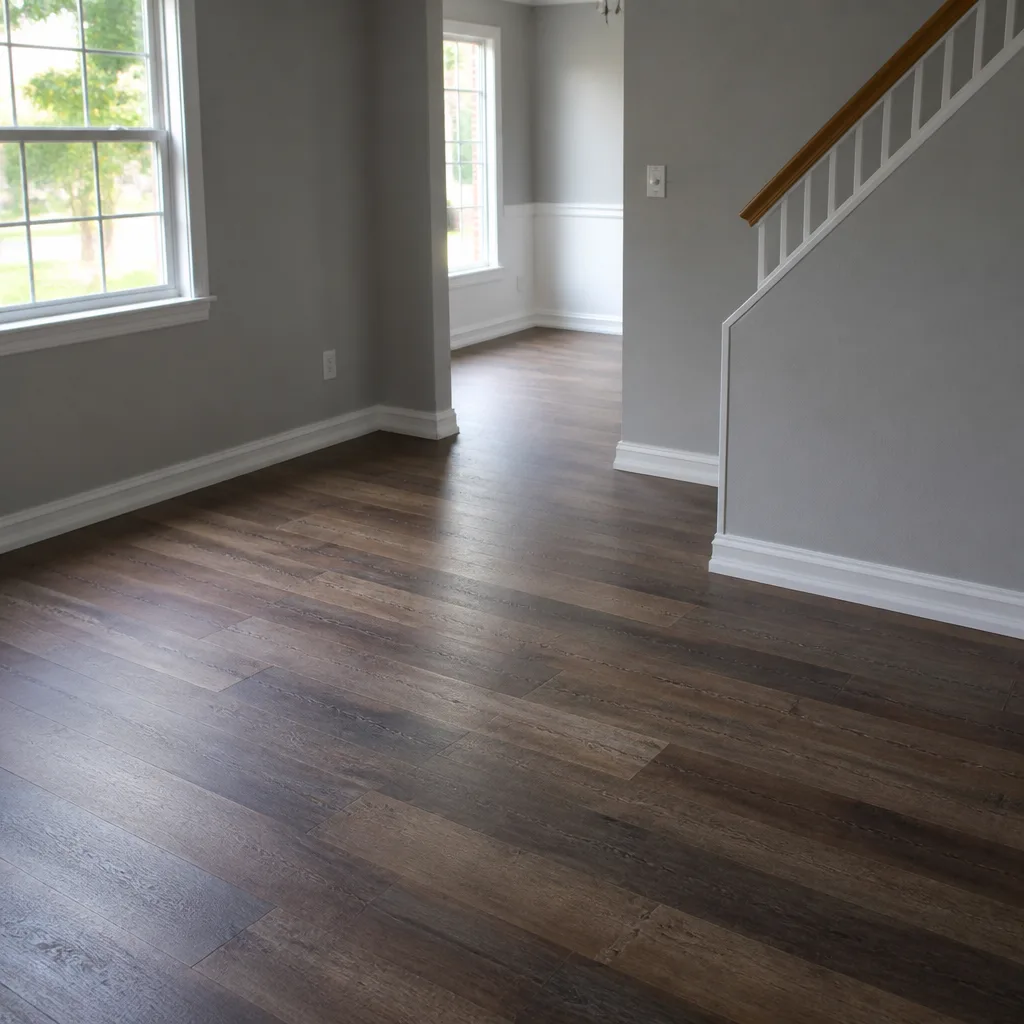
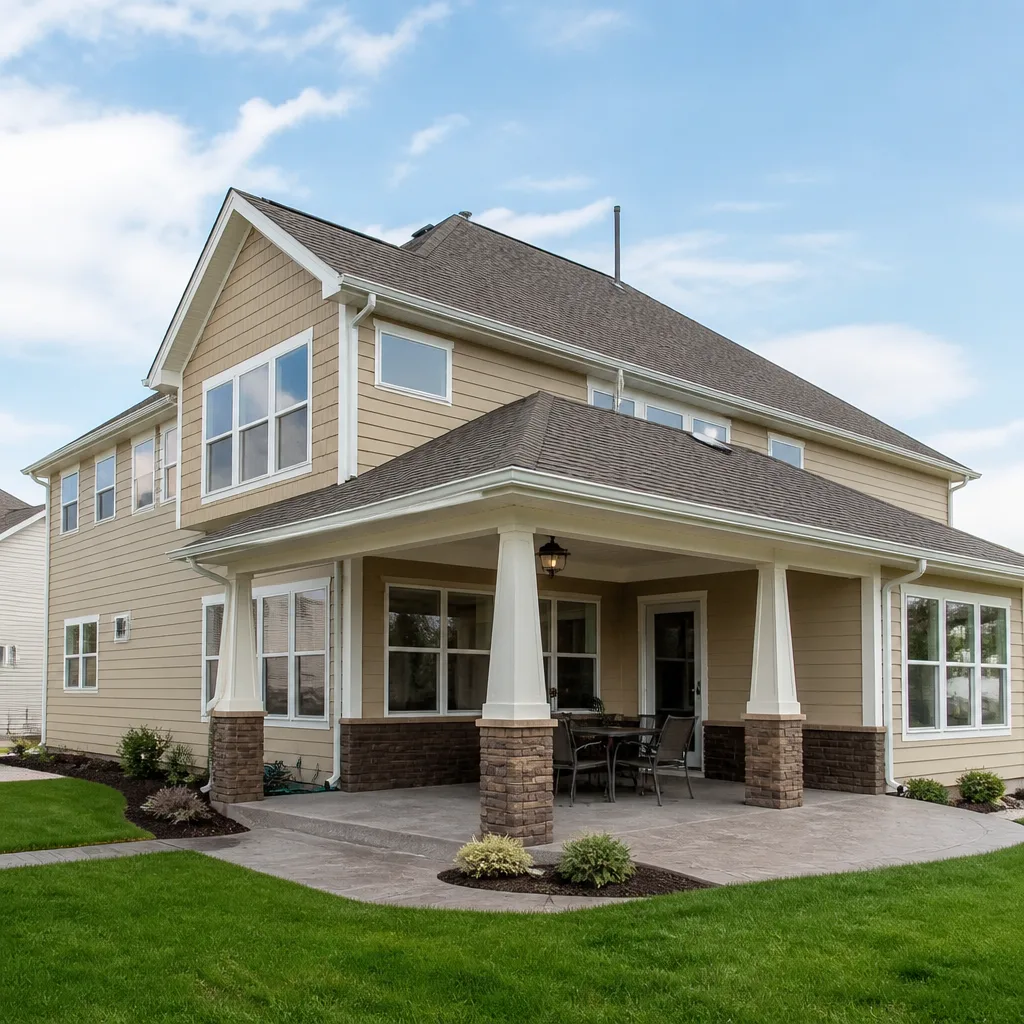
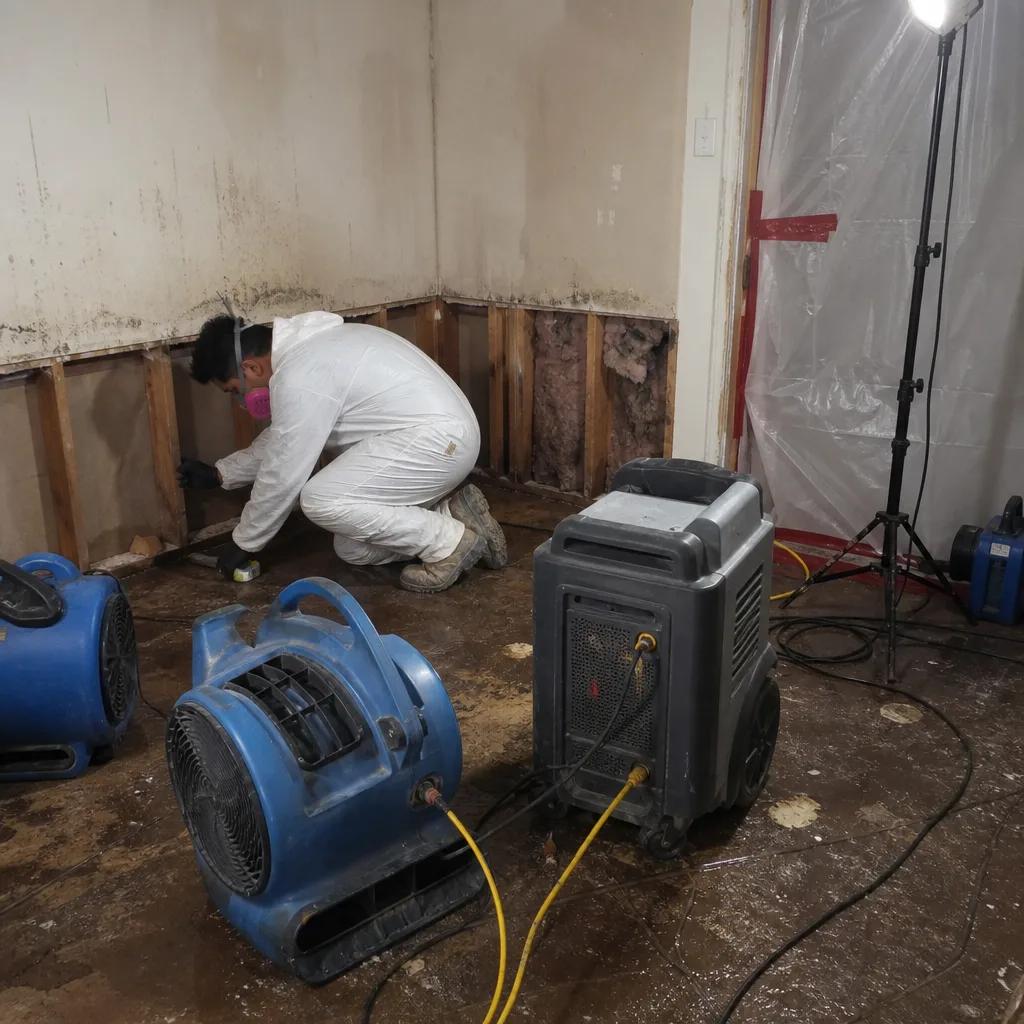 Before
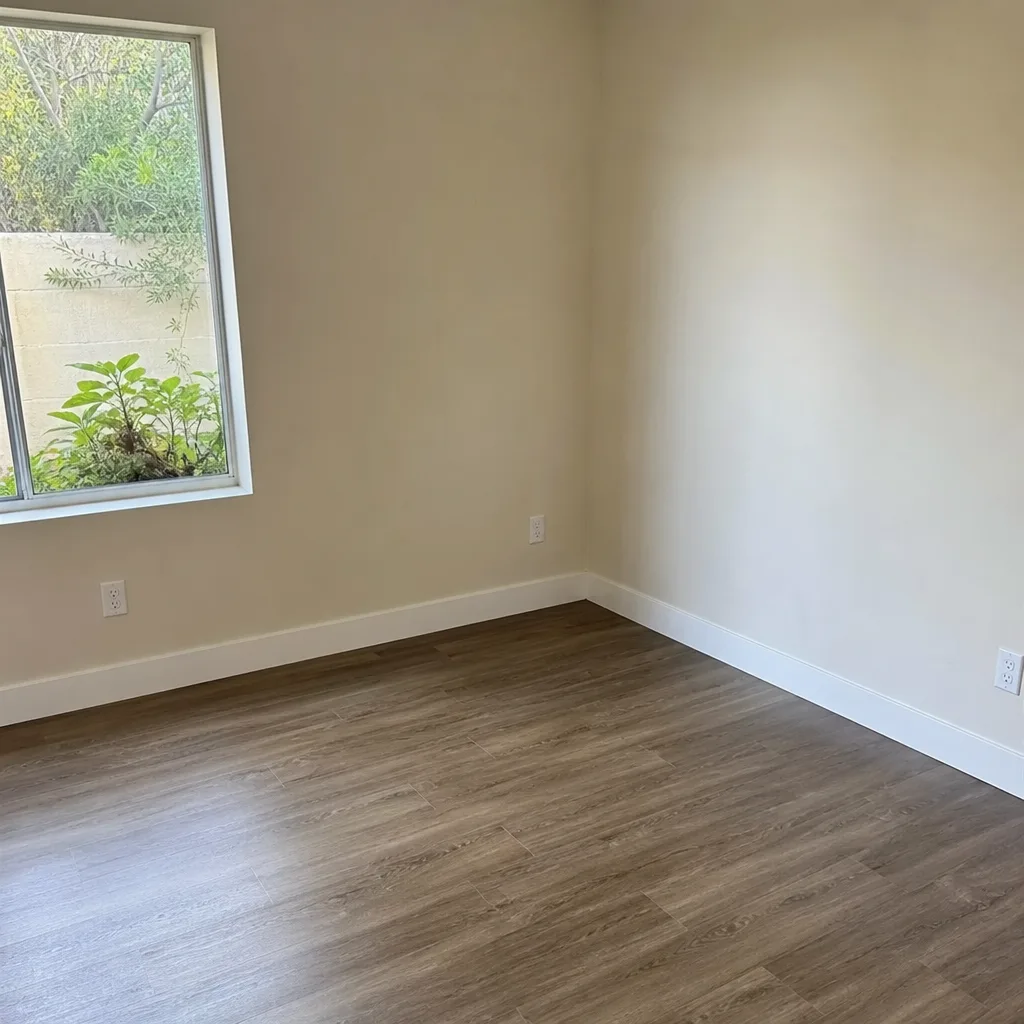 After
After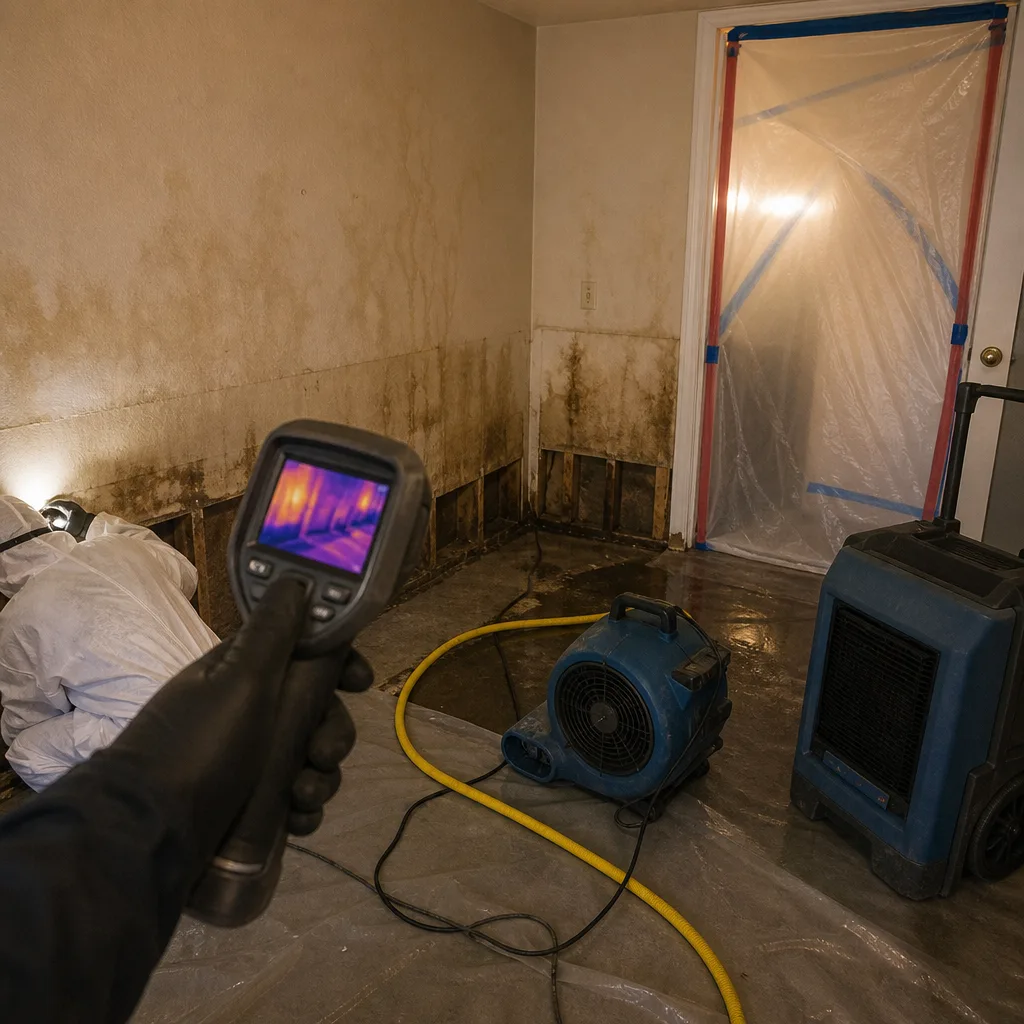 Before
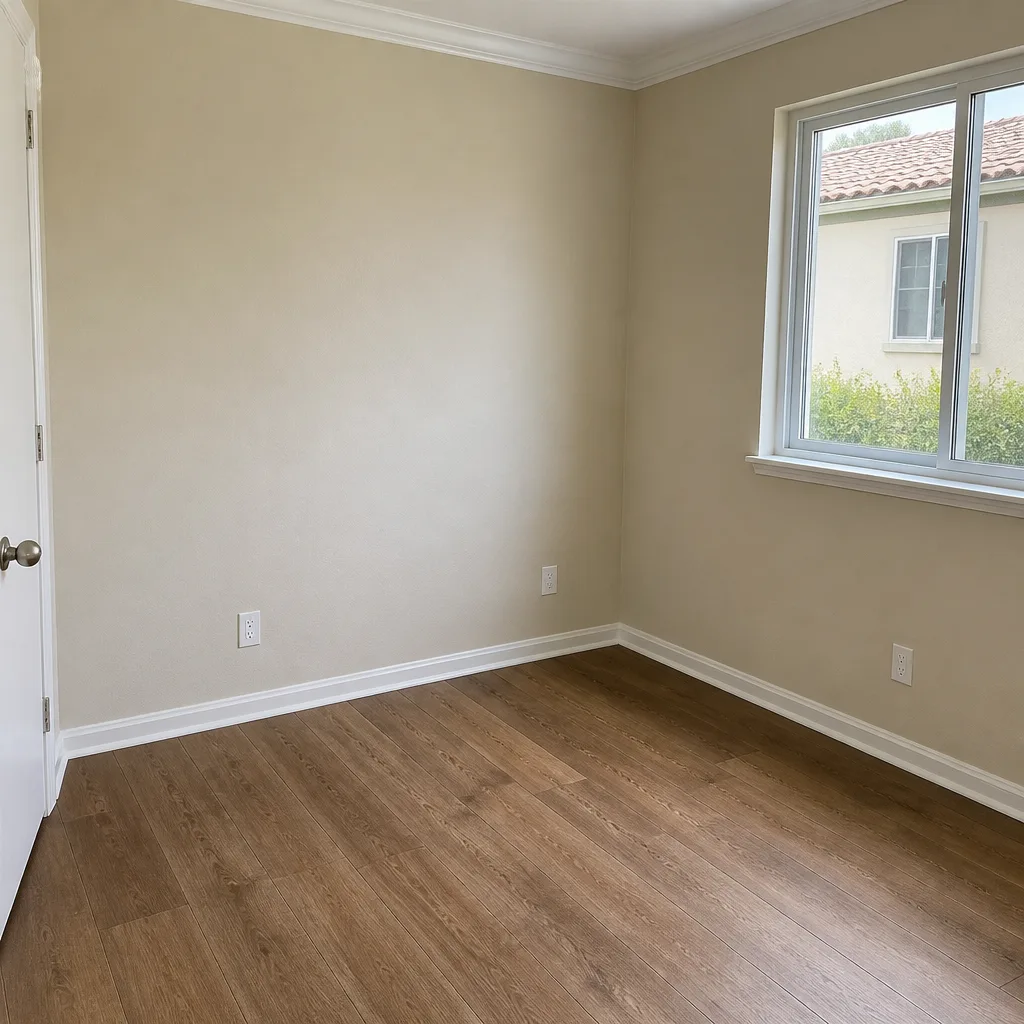 After
After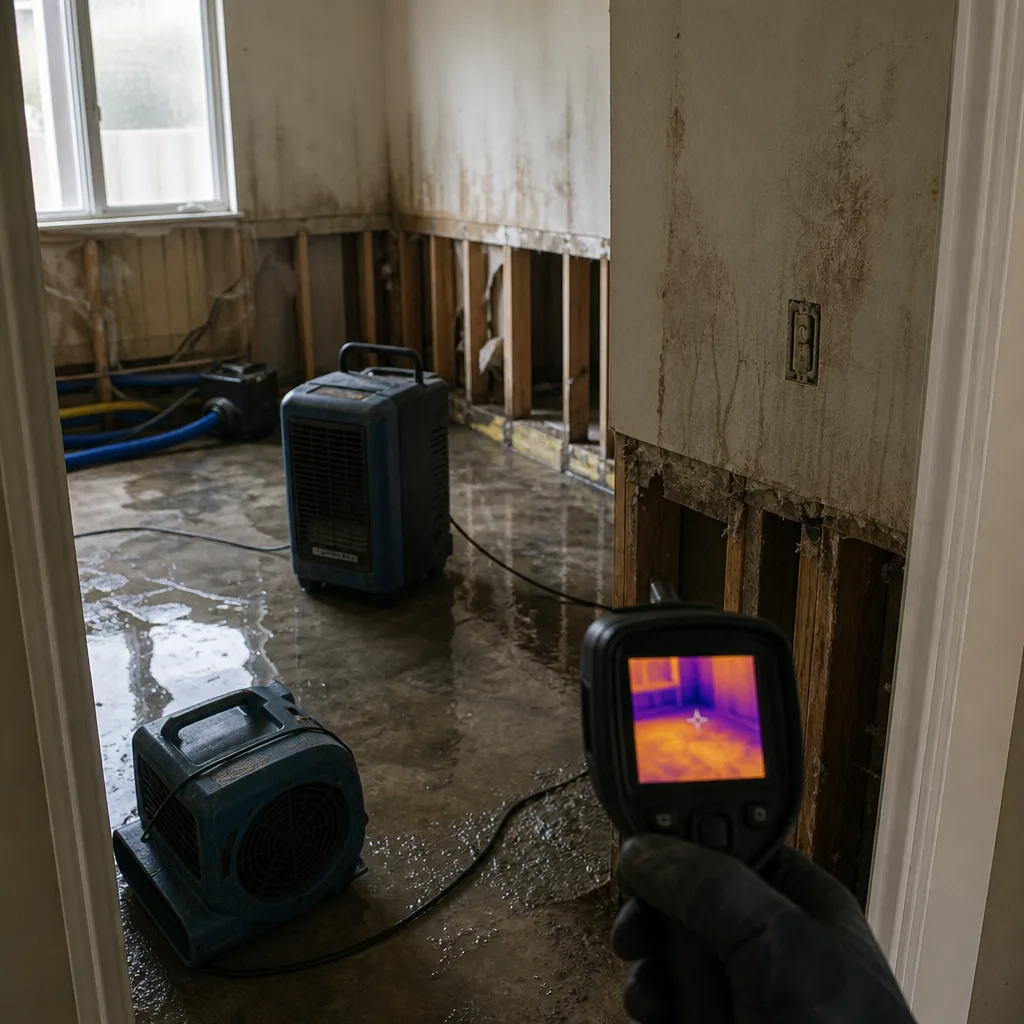 Before
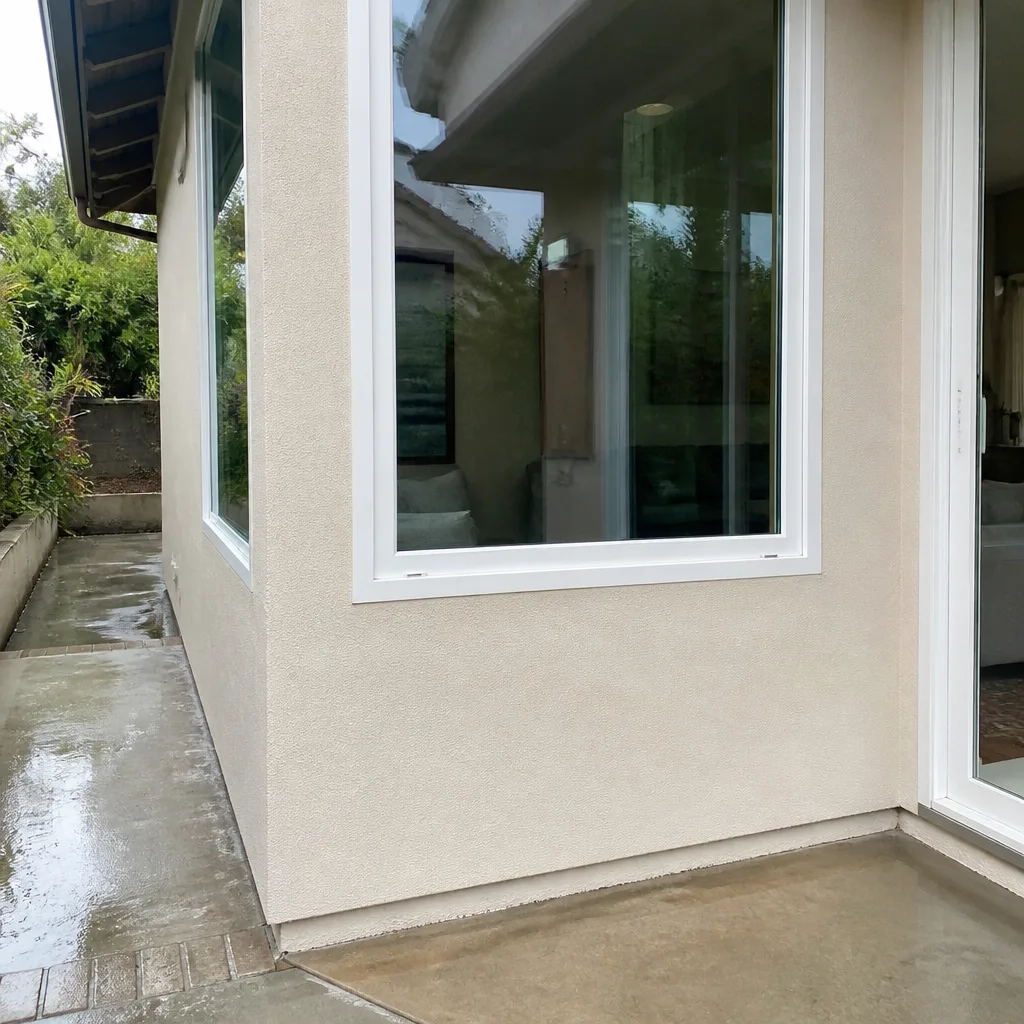 After
After24/7 Emergency Fire & Smoke Damage Restoration in Laguna Woods
Fire and smoke damage restoration in Laguna Woods typically costs $2,800-$8,500 for cleanup and mitigation, with full reconstruction running $15,000-$45,000 depending on square footage and material damage. Most emergency board-up and stabilization begins within 45 minutes of your call, though Laguna Woods Village’s unique gate-access protocols mean crew credentialing happens in parallel, not after. Call (657) 297-0972 now; we answer live, 24 hours a day, and pre-stage equipment at the gate while security clearance processes.
The first hour after a fire determines how far smoke and soot migrate through shared walls, HVAC chases, and attic spaces. In Laguna Woods’s 1960s-1970s garden-style cooperatives, where units share structural components and the association owns walls, roofs, and common systems, delayed response doesn’t just mean more odor. It means secondary damage crossing into neighboring shareholder units, triggering additional claims, additional authorizations, and additional weeks before normal returns. Our crews know the Village’s after-hours security contact by heart and keep vendor credentials current year-round so nothing waits at the gate.
Understanding Fire & Smoke Damage Restoration Severity in Laguna Woods Properties
Fire damage in Laguna Woods breaks into three severity tiers, each demanding different documentation, equipment, and authorization pathways. DryMark Restoration Mission Viejo’s Fire & Smoke Damage Restoration team classifies losses by the residue type, the migration path, and the structural components affected.
Class 1: Limited fire damage confined to a single room with dry smoke residue on non-porous surfaces. Typical in Laguna Woods kitchen fires where a cooking oil flare-up scorches cabinetry but doesn’t breach wall cavities. We deploy HEPA air scrubbers, dry sponges for soot lifting, and thermal fogging for odor. Psychrometric data - temperature, relative humidity, and vapor pressure differential - guides our drying targets. Vapor pressure differential, simply put, is the force that drives moisture from wet materials into drier air; we measure it to prevent secondary condensation in the building’s original galvanized plumbing chases.
Class 2: Moderate fire damage with wet smoke residue from slow-burning, oxygen-starved fires, plus smoke migration into wall cavities and shared attic spaces. Common in Laguna Woods’s aging electrical systems where overloaded aluminum wiring smolders inside walls. This demands aggressive soot removal with alkaline-based cleaners, thermal imaging to trace migration paths, and containment barriers to protect adjacent cooperative units. Tertiary drying, the final phase of moisture removal from deep within structural materials, often runs 5-7 days.
Class 3: Heavy structural fire damage with charring of framing, compromised roof or wall assemblies, and widespread smoke contamination. In Laguna Woods’s co-op structures, this triggers mandatory association involvement, potential hazmat surveys for asbestos-containing popcorn ceilings or floor tile, and full reconstruction scoped in writing before any demolition begins.
Why Laguna Woods Property Owners Choose DryMark Restoration Mission Viejo
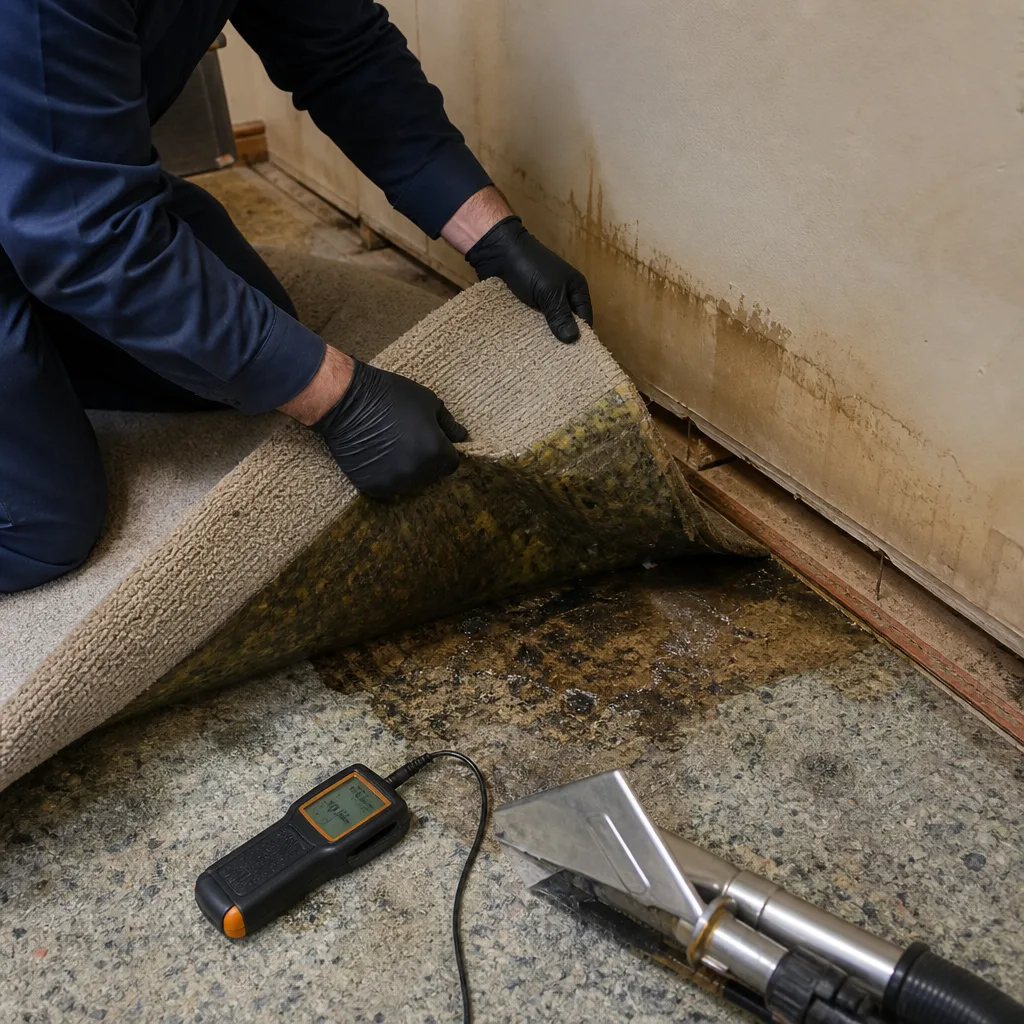
- 45-minute response commitment to Laguna Woods, with crews pre-staging equipment at the Village gate while security credentialing clears.
- 24/7 live answer - a real person, never an automated system or voicemail tree, because fire damage doesn’t wait for business hours.
- IICRC-certified crews holding FSRT (Fire and Smoke Restoration Technician) and WRT (Water Damage Restoration Technician) credentials, documented on every job.
- Free visual inspection with a written scope and price before any work starts, Haven Standard, Clause 1 - no exceptions.
- Direct insurance billing with photo-documented drying logs and daily moisture readings that adjusters pay without dispute.
- One team from emergency board-up through final reconstruction, eliminating handoff gaps that delay co-op association approvals.
 Before
 After
AfterOur Fire & Smoke Damage Restoration Process
1. Inspection & Assessment
We document the full loss with thermal imaging, moisture meters, and photo records room by room. In Laguna Woods, this includes identifying whether the unit is cooperative or condominium, which association manager holds structural authorization, and whether original building materials trigger mandatory hazmat testing. You receive a written scope and price before any work begins.
2. Emergency Board-Up & Tarping
Securing the structure against weather, vandalism, and further smoke intrusion. For Laguna Woods Village properties, we coordinate gate access with security and the association duty manager simultaneously, so stabilization starts the moment we’re cleared.
3. Smoke & Soot Removal
Dry smoke, wet smoke, and protein residue each demand different chemistry. We match cleaning agents to residue type, then deploy HEPA air scrubbers and negative air pressure to capture airborne particulate before it crosses into neighboring units through shared chases.
4. Odor Removal & Deodorization
Thermal fogging, ozone treatment, and hydroxyl generators break odor molecules at the source. In Laguna Woods’s tightly constructed 1960s buildings with limited ventilation, we calculate vapor pressure differential to ensure deodorizing agents penetrate wall cavities without over-saturating materials.
5. Contents Cleaning & Pack-Out
Textiles, electronics, and documents receive ultrasonic cleaning, specialized drying, or off-site restoration at our facility. We inventory every item with photo documentation for your insurance claim and association records.
6. Structural Repairs & Reconstruction
Rebuilding to pre-loss condition with all work documented to IICRC and RIA standards. In Laguna Woods, this phase includes coordination with the association’s preferred vendors for common-area repairs and full compliance with any hazmat abatement findings.
Need Emergency Fire & Smoke Damage Restoration in Laguna Woods Now?
Crews minutes away, answering live 24 hours a day. The sooner we start, the less it costs.
Working With Your Insurance Company
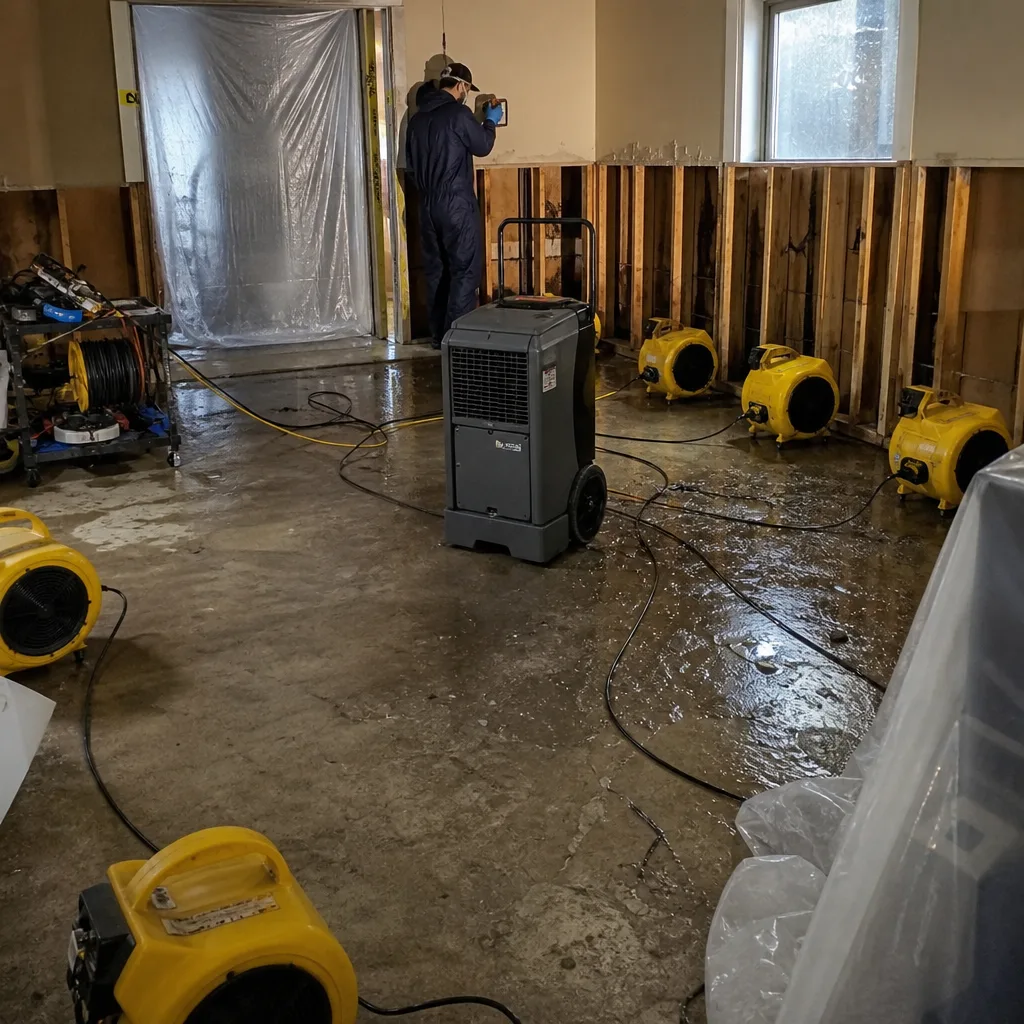
Fire claims in Laguna Woods carry extra complexity because the cooperative or condominium association maintains its own policy for structural components, while residents carry HO-6 policies for interior finishes and personal property. Our documentation from the first hour separates these coverages cleanly, so neither carrier delays payment disputing scope.
We produce industry-standard estimates formatted for major carrier platforms, then communicate directly with your adjuster and the association’s insurance representative. Every photo, every moisture reading, every drying log becomes part of a claim file that explains itself. Alicia Brennan founded Back to Dry Restoration in 2011 as a former claims adjuster who watched homeowners lose legitimate payouts to sloppy documentation; our daily logs exist so that never happens on our jobs.
What We Provide Your Insurer
- Thorough documentation of the loss with cause-and-origin analysis
- Photos of all damage, room by room, timestamped on every visit
- Moisture readings and drying logs showing psychrometric targets met
- A detailed, line-item scope of work with material specifications
- Direct coordination with your carrier and the association’s carrier
Built for Laguna Woods’s Loss Calendar
Laguna Woods sits in the coastal-to-inland transition zone of south Orange County, where seasonal patterns create distinct fire and smoke damage risks through the year.
September through November brings Santa Ana wind events that drove the 2020 Silverado Fire through the surrounding hills. These dry, high-velocity winds push wildfire smoke and ash deep into Laguna Woods Village units, even when the fire never reaches the property line. We see surge calls for smoke odor removal and HVAC contamination during these months, often from residents who evacuated and returned to find ash residue on every surface.
December through February delivers brief but intense winter rains that complicate fire recovery. Roof damage from a small kitchen fire becomes major water intrusion when the next storm hits, especially in aging buildings with original tar-and-gravel roofing. Our crews carry WRT certification specifically to handle this overlap.
March through May sees increased cooking fires as seasonal residents return and re-familiarize themselves with kitchens left dormant for months. June through August brings elevated electrical fire risk from air conditioning loads on aging aluminum branch circuits. Year-round, the Village’s cooperative structure means every loss requires dual authorization, a reality no other Orange County market faces.
Fire & Smoke Damage Restoration Across Laguna Woods’s Neighborhoods
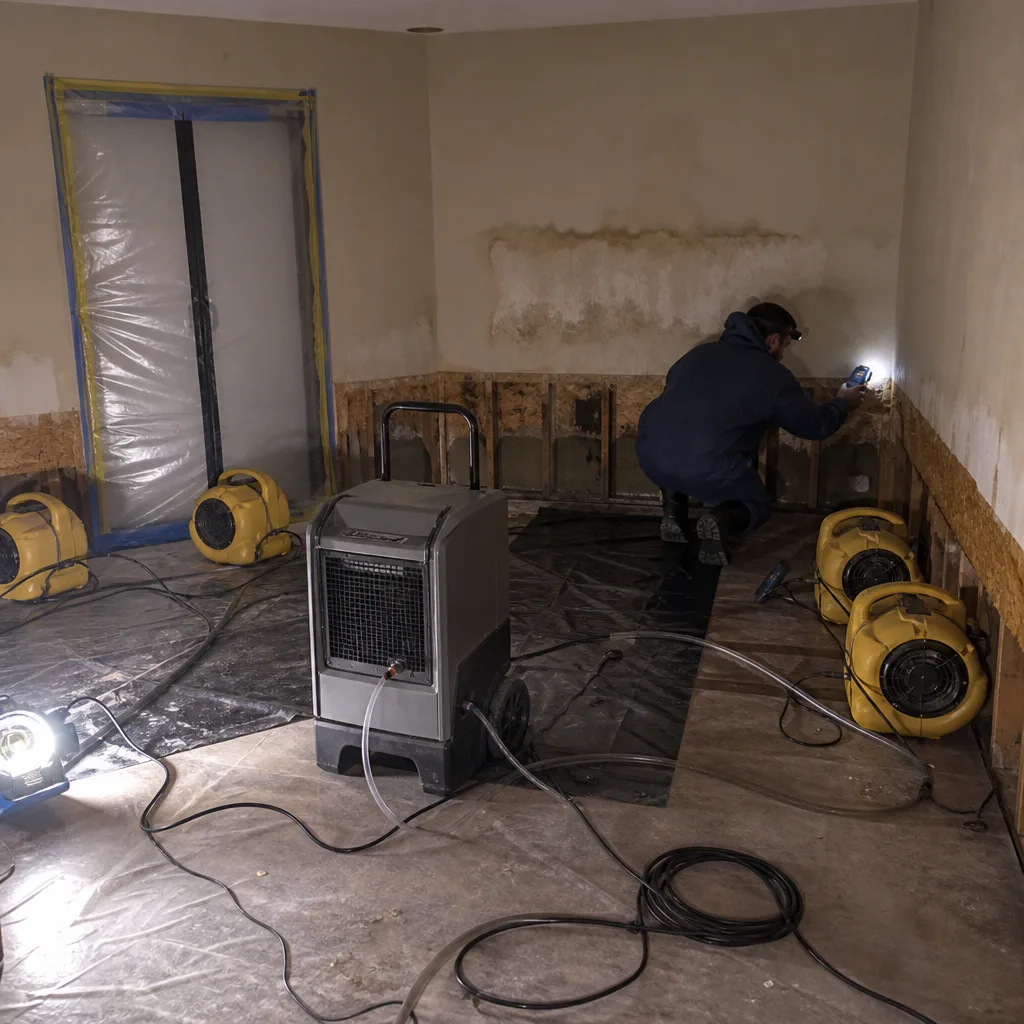
Fire & Smoke Damage Restoration in Laguna Woods demands neighborhood-specific knowledge because Laguna Woods Village isn’t a single uniform property. It’s a sprawling community with distinct clusters, each presenting different access routes, building vintages, and typical loss patterns.
Near Clubhouse 3 and the central Village corridor, we respond to cooking fires in third-floor co-op units where shared attic chases carry smoke horizontally into adjacent shareholder spaces. These jobs demand immediate containment and aggressive air scrubbing, because one unit’s fire becomes four units’ odor complaint within hours.
The Mutuals along El Toro Road and the western perimeter tend toward ground-floor and garden-style units with direct exterior access, which simplifies crew entry but increases risk from the 1960s-era galvanized plumbing and original asbestos-containing materials. Fire damage here almost always triggers the hazmat survey before reconstruction can proceed.
Properties near the Laguna Hills border and the northern ridgeline face elevated wildfire smoke exposure during Santa Ana events. We’ve restored units where no flame ever touched the building, yet smoke infiltration through eave vents and window seals required full contents cleaning and HVAC decontamination.
The eastern mutuals toward Lake Forest experience more electrical fire calls during summer peak load, as aging service panels struggle with modern air conditioning demand. Our thermal imaging catches overheated bus bars before they become full structure fires, but when they do ignite, the aluminum wiring produces particularly stubborn wet smoke residue.
Specialized Fire & Smoke Damage Restoration Services We Offer in Laguna Woods
Smoke & Soot Removal
Dry smoke, wet smoke, and protein residue each destroy surfaces differently. In Laguna Woods’s original 1960s kitchens with laminate cabinetry and popcorn ceilings, protein residue from grease fires bonds to surfaces that can’t withstand aggressive abrasion. We match chemistry to substrate, then document the pre-existing condition of association-owned components so there’s no dispute about what the fire damaged versus what age already degraded.
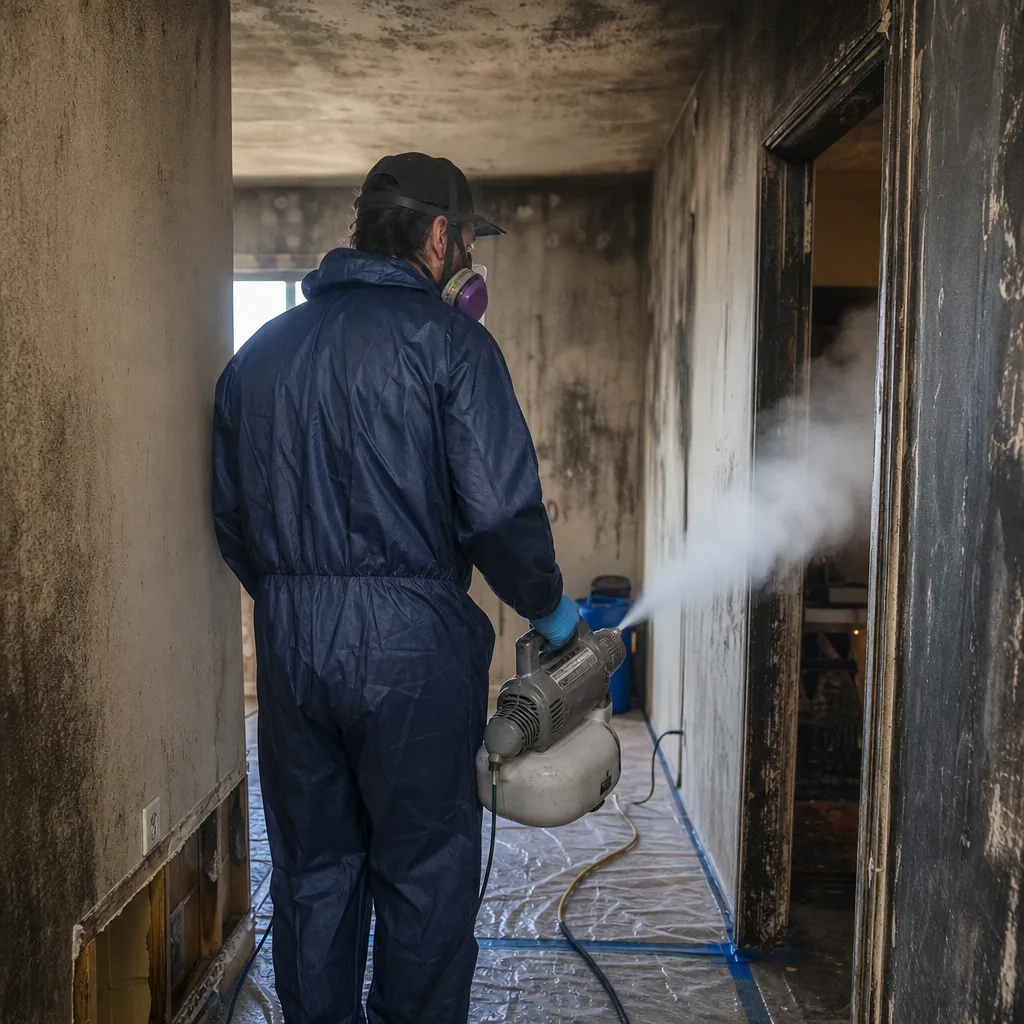
Odor Removal & Deodorization
Smoke odor in Laguna Woods’s tightly constructed cooperative units doesn’t ventilate naturally. We calculate the building’s air changes per hour, then deploy thermal fogging, ozone, or hydroxyl generation based on occupancy status and material sensitivity. For snowbird residents away for the season, we coordinate with the association to access units and run treatment cycles without the resident present, documenting every visit.
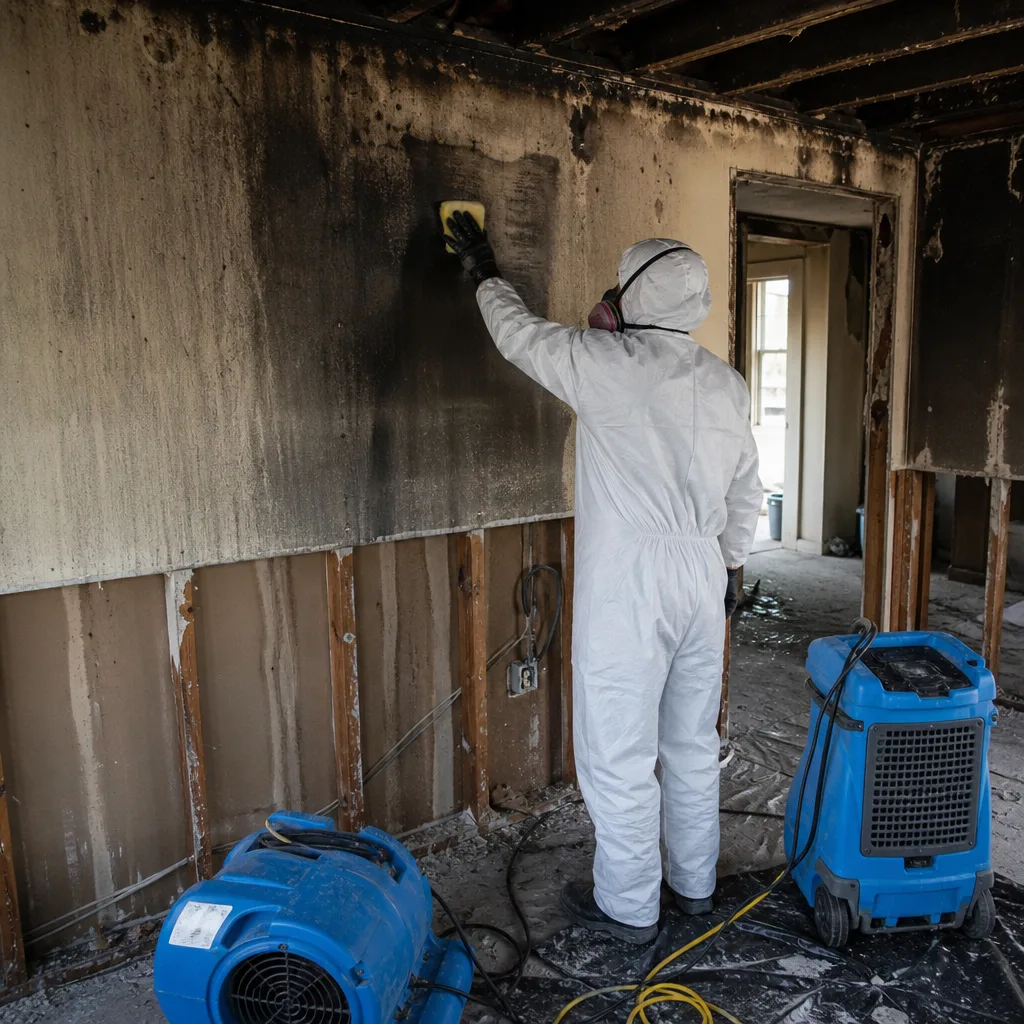
Emergency Board-Up & Tarping
Securing a fire-damaged structure in Laguna Woods requires coordination with the association’s duty manager and the Village security office simultaneously. Our crews arrive with pre-cut plywood and weatherproofing materials, then stage at the gate while credentialing clears. We’ve refined this parallel process so stabilization begins within minutes of access, not hours after.
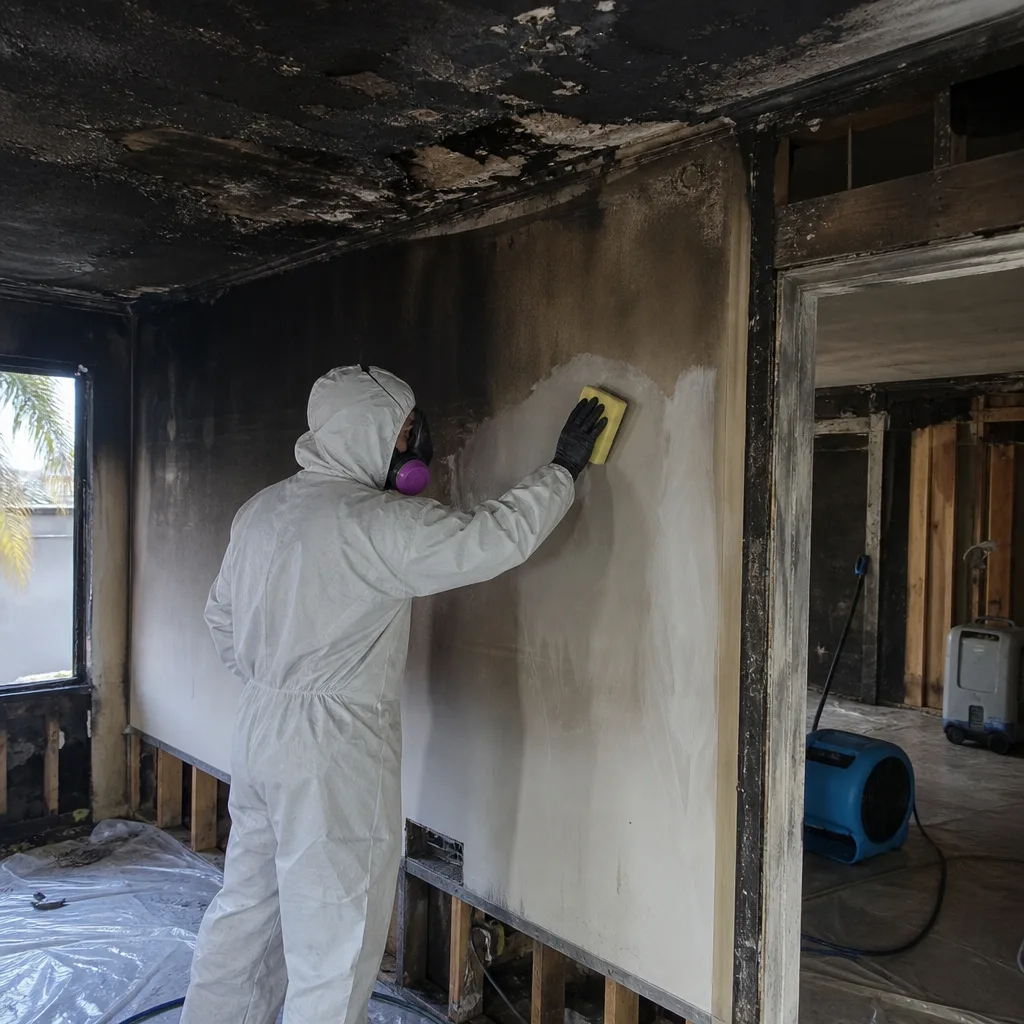
Contents Cleaning & Pack-Out
Cooperative residents own their personal property but not their walls, which creates unique inventory challenges when fire damage affects both. We photograph and document every item before it leaves the unit, separating resident-owned contents from association-owned fixtures, so insurance subrogation stays clean.
Fire Damage Cleanup
From char removal to structural assessment, our cleanup phase produces the documentation that determines whether reconstruction proceeds under the resident’s policy, the association’s policy, or both. In Laguna Woods, getting this classification right from day one prevents the coverage disputes that delay rebuilds by months.
What happens when you call
- 1
A real person answersNo phone trees - you reach a local pro.
- 2
You get an upfront price rangeHonest numbers before anyone is dispatched.
- 3
A background-checked tech heads outLicensed & insured, dispatched right away.
- 4
You approve before work beginsNothing starts until you say go.
Fire & Smoke Damage Restoration Costs in Laguna Woods, CA
Fire damage restoration pricing in Laguna Woods runs higher than standalone-home markets because of the cooperative structure’s dual-authorization requirements, mandatory hazmat surveys on aging materials, and the extended timeline for association approvals. Here’s what we typically see:
- Emergency board-up and stabilization: $800-$2,200
- Smoke and soot removal (single room, limited migration): $1,800-$3,500
- Smoke and soot removal (multiple rooms, attic chase involvement): $3,500-$7,500
- Odor removal and deodorization (whole unit): $1,200-$2,800
- Contents cleaning and pack-out: $1,500-$4,500 depending on volume
- Structural repairs and reconstruction: $15,000-$45,000+
- Hazmat survey and abatement (asbestos-containing materials): $2,500-$8,000 additional
What moves the price: square footage, smoke migration distance, whether the fire breached wall cavities, and whether original building materials require abatement before reconstruction. Insurance typically covers sudden and accidental fire damage, including smoke and water damage from fire suppression, but policy limits and deductibles vary. Haven Standard, Clause 1: your written price arrives before any work starts, with no scope-creep additions once the crew is inside. Bring any competitor’s written estimate and we’ll review it free under our Second Opinion program.
We Also Serve Cities Near Laguna Woods
Our crews respond throughout south Orange County from our Los Angeles coordination office, with regular deployment to Laguna Hills for mutual aid on large-loss fires, Aliso Viejo for wildfire smoke intrusion during Santa Ana events, Lake Forest for coordinated response on multi-unit associations, and Mission Viejo for residential and commercial fire restoration.
Serving Laguna Woods, CA - Our Local Coverage Area
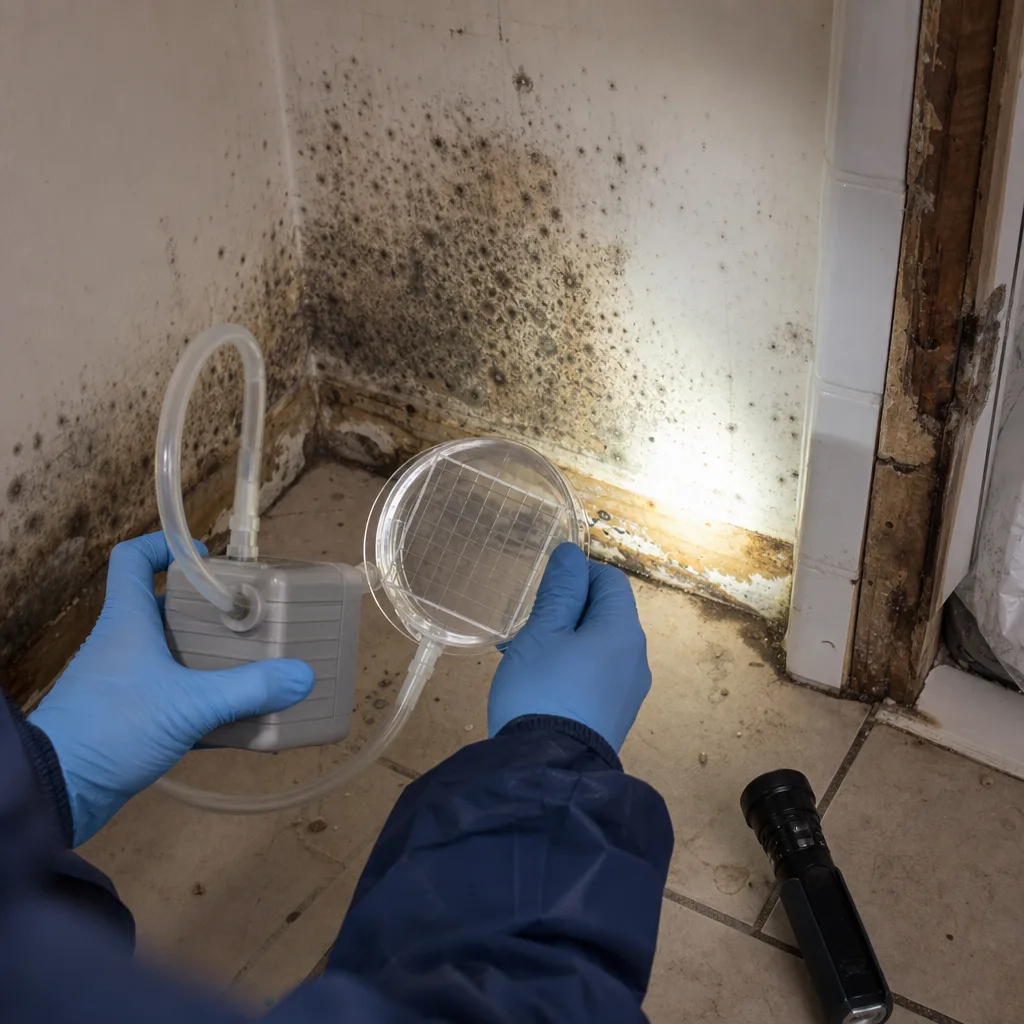
We’re based in the Laguna Woods area and know this community well. Use the map below to see our service coverage - if you’re nearby, we can almost certainly help.
Laguna Woods Fire & Smoke Damage Restoration Questions, Answered
Why does fire damage restoration in Laguna Woods Village take longer to start than elsewhere in Orange County?
Because every job requires dual authorization from both the resident and the cooperative or condominium association, plus pre-registration of every vendor vehicle and crew member through the Village security system before gate entry is granted. Experienced local contractors keep credentials current year-round and know the after-hours security contact protocol, but the credentialing step itself has no equivalent anywhere else in Orange County. Call (657) 297-0972 and we’ll begin the parallel process immediately.
Does smoke odor removal in a Laguna Woods co-op work the same as a standalone house?
No. Cooperative units share attic chases, wall cavities, and HVAC pathways with neighboring units, so odor treatment requires containment barriers and negative air pressure to prevent cross-contamination. Standalone homes ventilate naturally; Laguna Woods’s 1960s construction doesn’t. We calculate air changes per hour and deploy sealed HEPA systems to protect adjacent shareholders.
What happens if aging materials like popcorn ceilings or asbestos floor tile are disturbed by a fire in Laguna Woods?
Work stops until a licensed hazmat surveyor tests and, if positive, abates the material under California Department of Public Health protocols. This is legally mandatory, not optional, and adds $2,500-$8,000 and 3-10 days to the timeline. Contractors who skip this step trigger stop-work orders that balloon timelines far more than doing it right from the start. We pre-counsel residents and adjusters on this likelihood because virtually all Laguna Woods buildings retain original asbestos-containing materials.
Can a snowbird who’s away for the season still get fire damage mitigated quickly in Laguna Woods?
Yes, with proper authorization. The resident can grant power of attorney to a local representative, or coordinate with the association’s duty manager to accept our crew under emergency access protocols. We document every visit with timestamped photos and drying logs, then share them directly with the resident remotely. Our 24/7 live dispatch can walk through the authorization steps in real time. Call (657) 297-0972 to start.
How fast do we need to act after a small kitchen fire in a Laguna Woods condo?
Within the first hour. Smoke and soot begin acid-etching surfaces immediately, and in shared-wall construction, migration into adjacent units starts as soon as the HVAC system cycles. The longer soot sits, the more it bonds to paint, metal, and plastic. Our 45-minute response commitment includes pre-staging equipment at the Village gate while credentialing clears, so no time is lost to access delays.
Will insurance cover smoke damage if there was no actual fire in my Laguna Woods unit?
Typically yes, under the “smoke” peril in standard HO-6 and HO-3 policies. Wildfire smoke intrusion, as we saw during the 2020 Silverado Fire, is a covered loss when it damages interior surfaces, contents, or HVAC systems. Documentation matters: we photograph all affected surfaces, run particulate testing, and produce a line-item scope that separates smoke damage from pre-existing wear.
How long does full fire damage restoration take in Laguna Woods?
Cleanup and odor removal: 3-7 days. Full reconstruction with no hazmat complications: 4-8 weeks. Add 2-3 weeks if asbestos abatement is required, and another 1-2 weeks for association approval cycles on structural work. The cooperative structure adds timeline that standalone homes don’t face, but our parallel-process credentialing and direct adjuster communication prevent the months-long delays we see from contractors who discover the Village’s requirements mid-job.
What should I do in the first 30 minutes after a fire in my Laguna Woods unit?
Ensure everyone is safe and the fire department has cleared re-entry. Do not touch soot-covered surfaces; the oils in your skin will set stains permanently. Turn off your HVAC system to stop smoke circulation through shared ducts. Then call (657) 297-0972 immediately. While you contact your insurance carrier, we begin the dual-authorization process with the association and pre-stage equipment at the Village gate. The sooner we start, the less migration we fight.
Written by Alicia Brennan, Owner at Back to Dry Restoration, serving Laguna Woods since 2011.
Fire & Smoke Damage Restoration in Nearby Areas