

Free visual inspection and a written scope of work before any mitigation begins - photos, moisture readings, and drying logs go in your claim file
The scope we write is the scope we bill. Anything new gets shown to you, in writing, before we touch it.
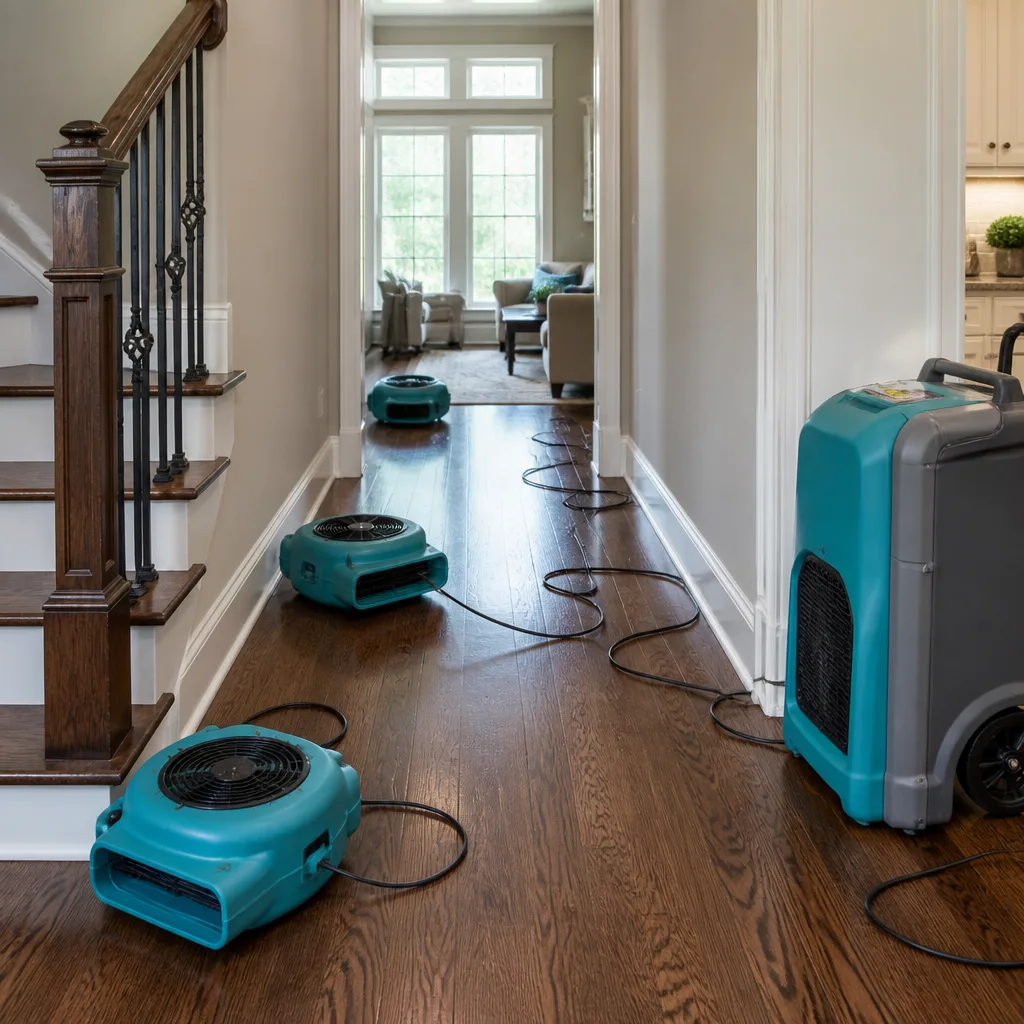
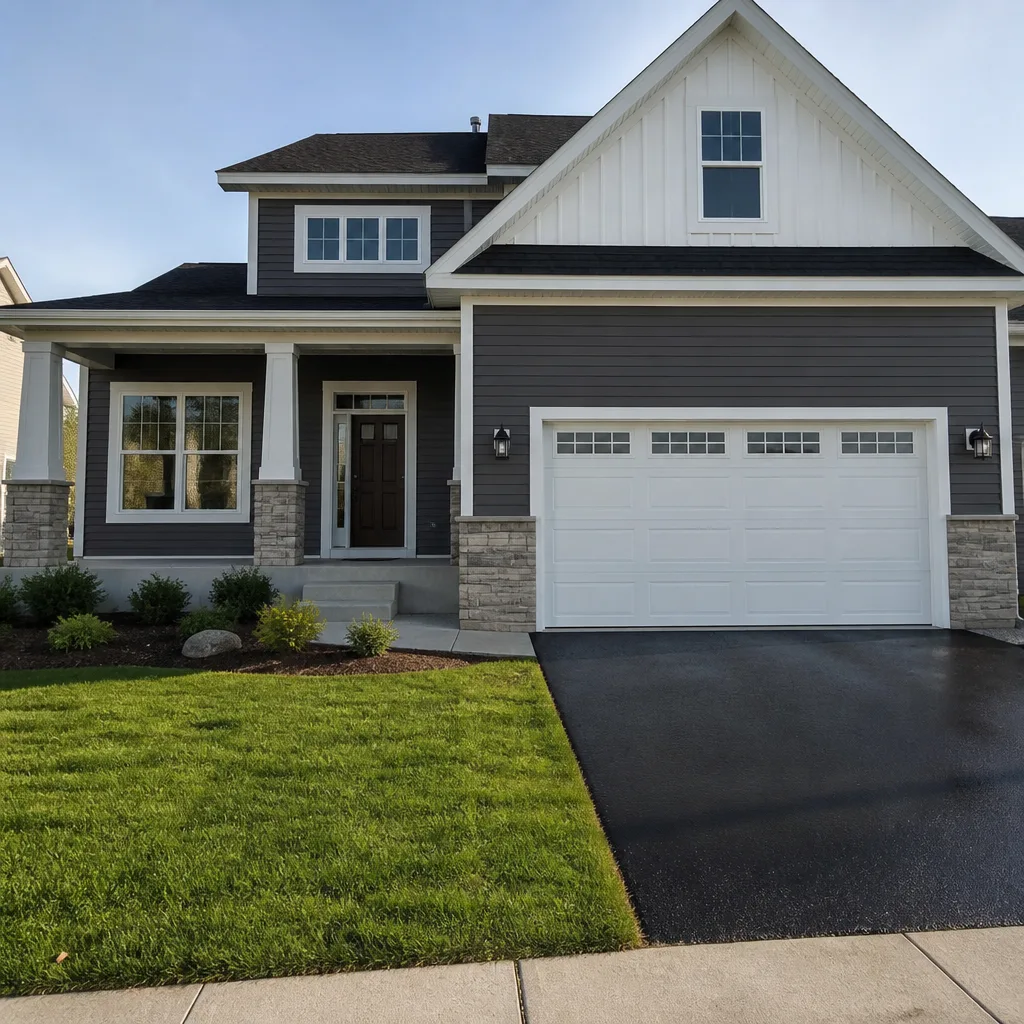
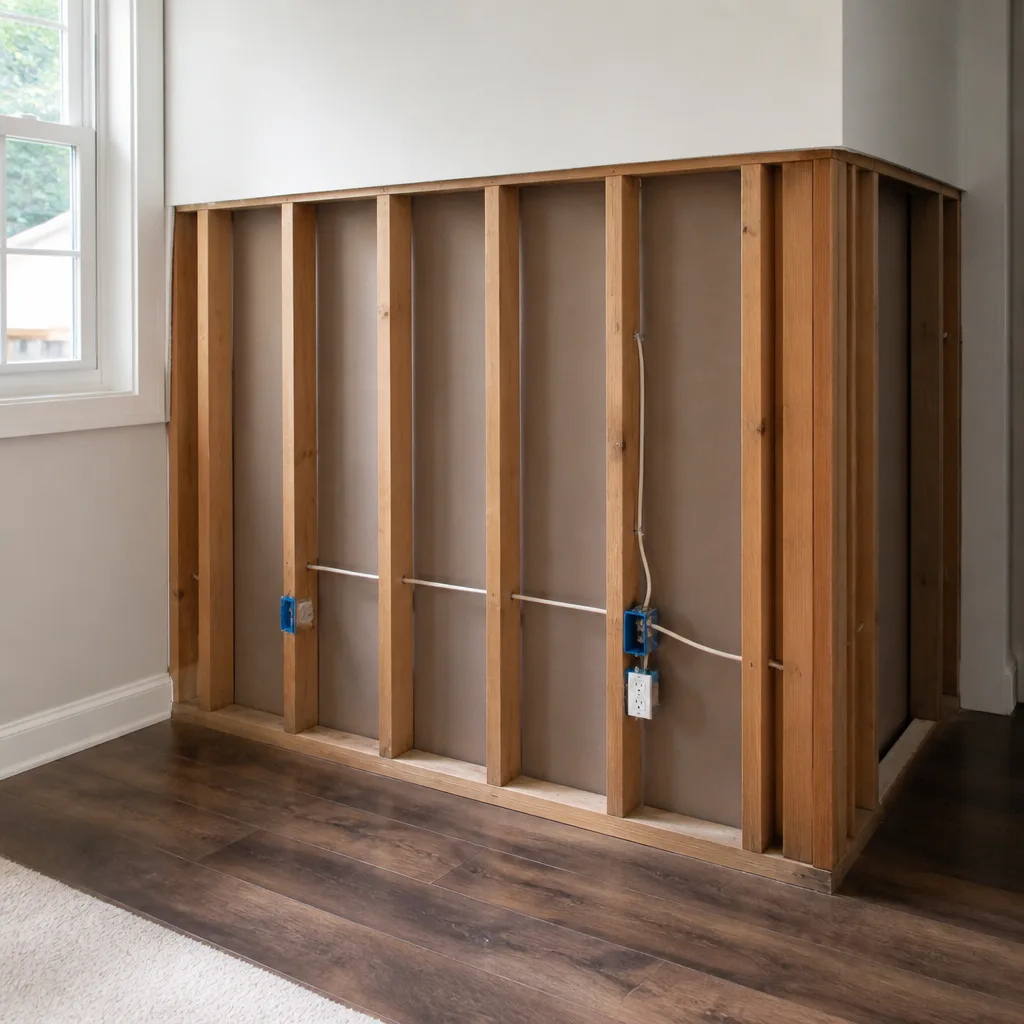
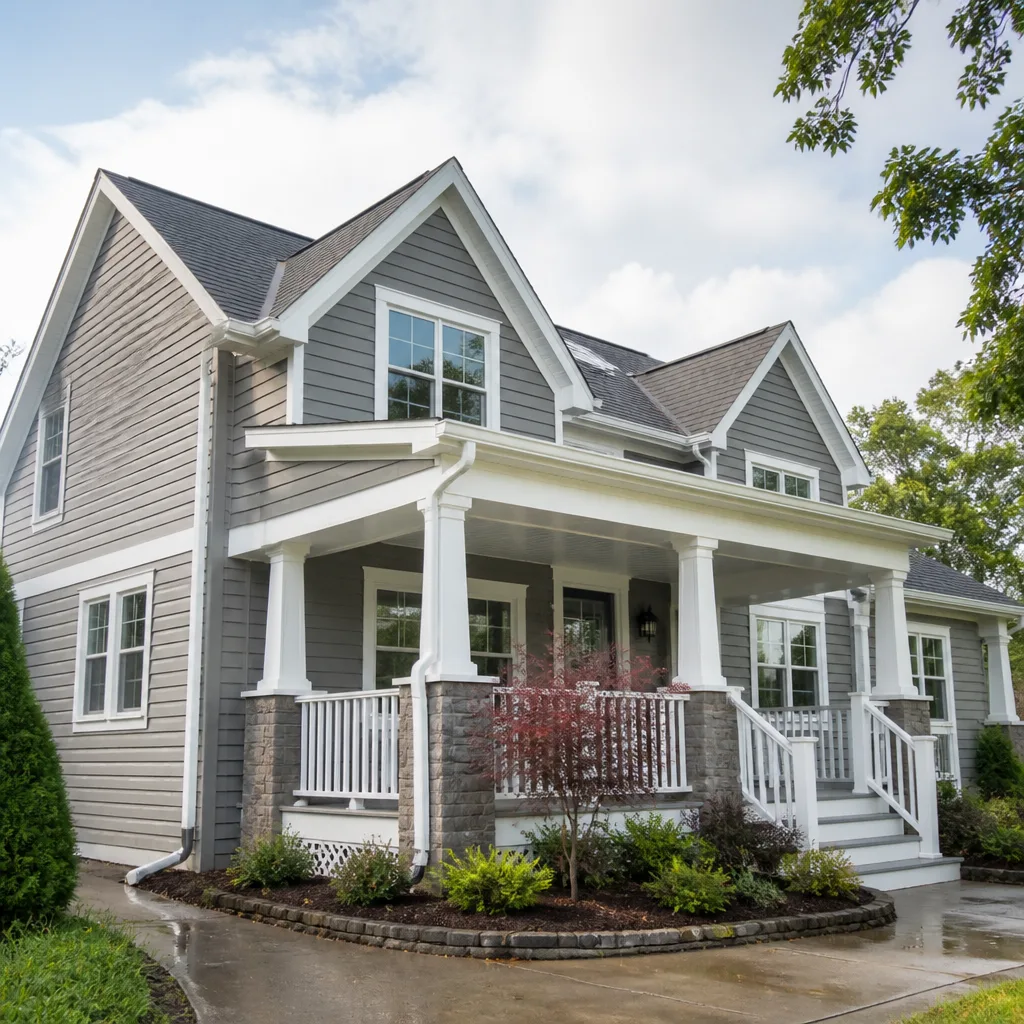
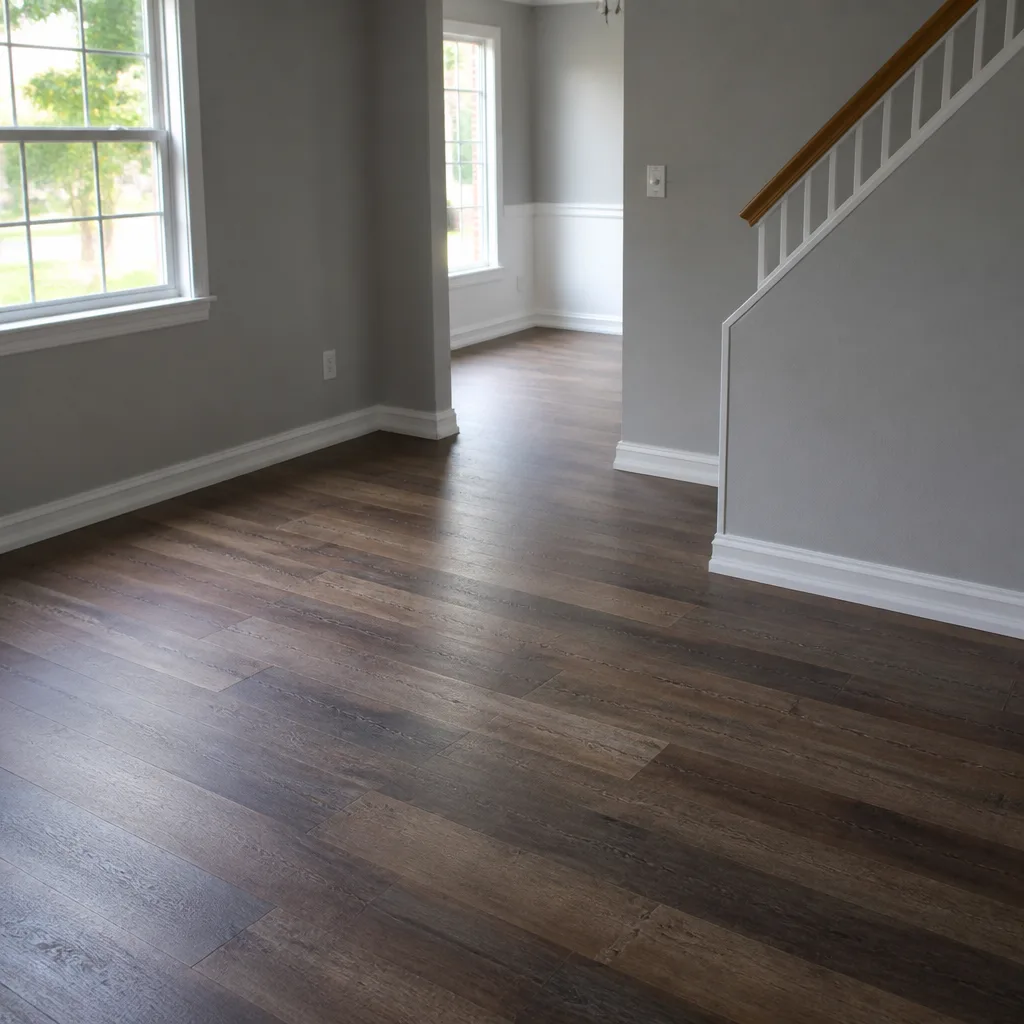
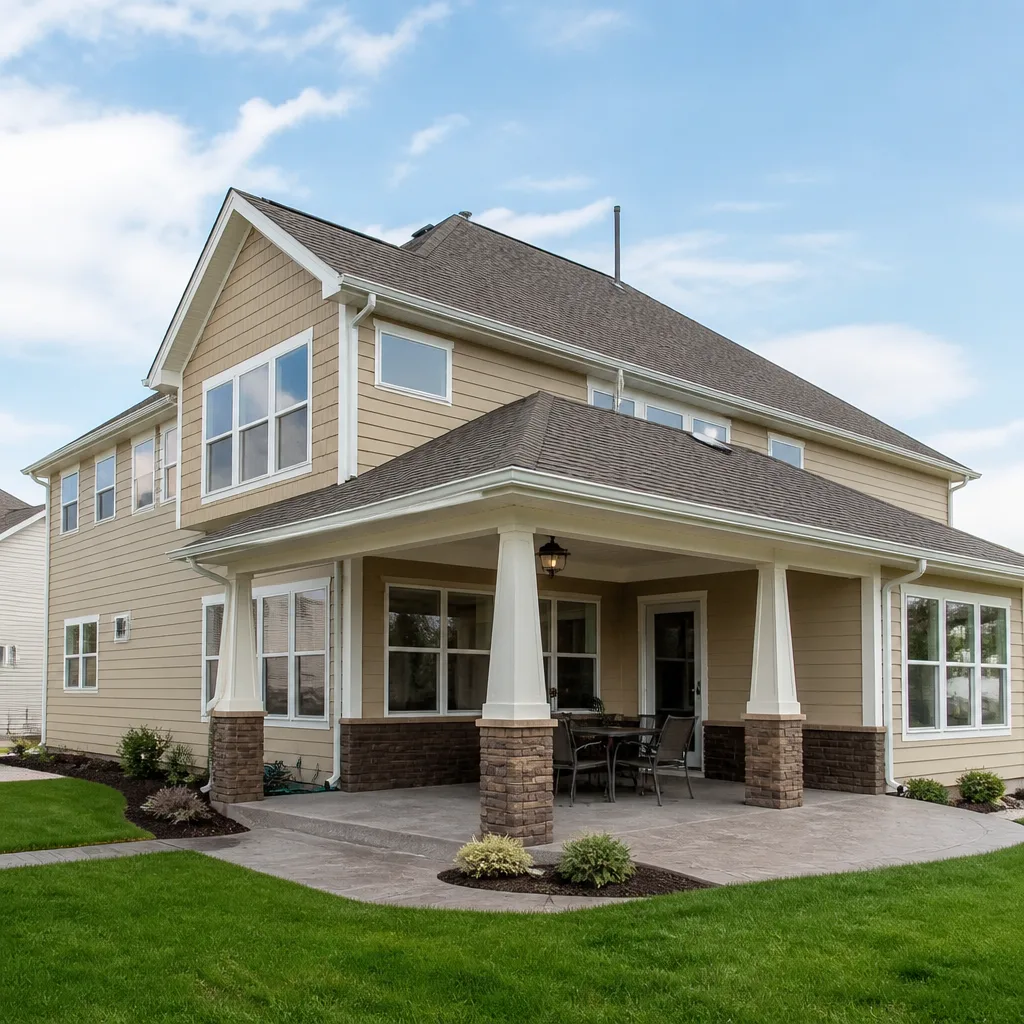
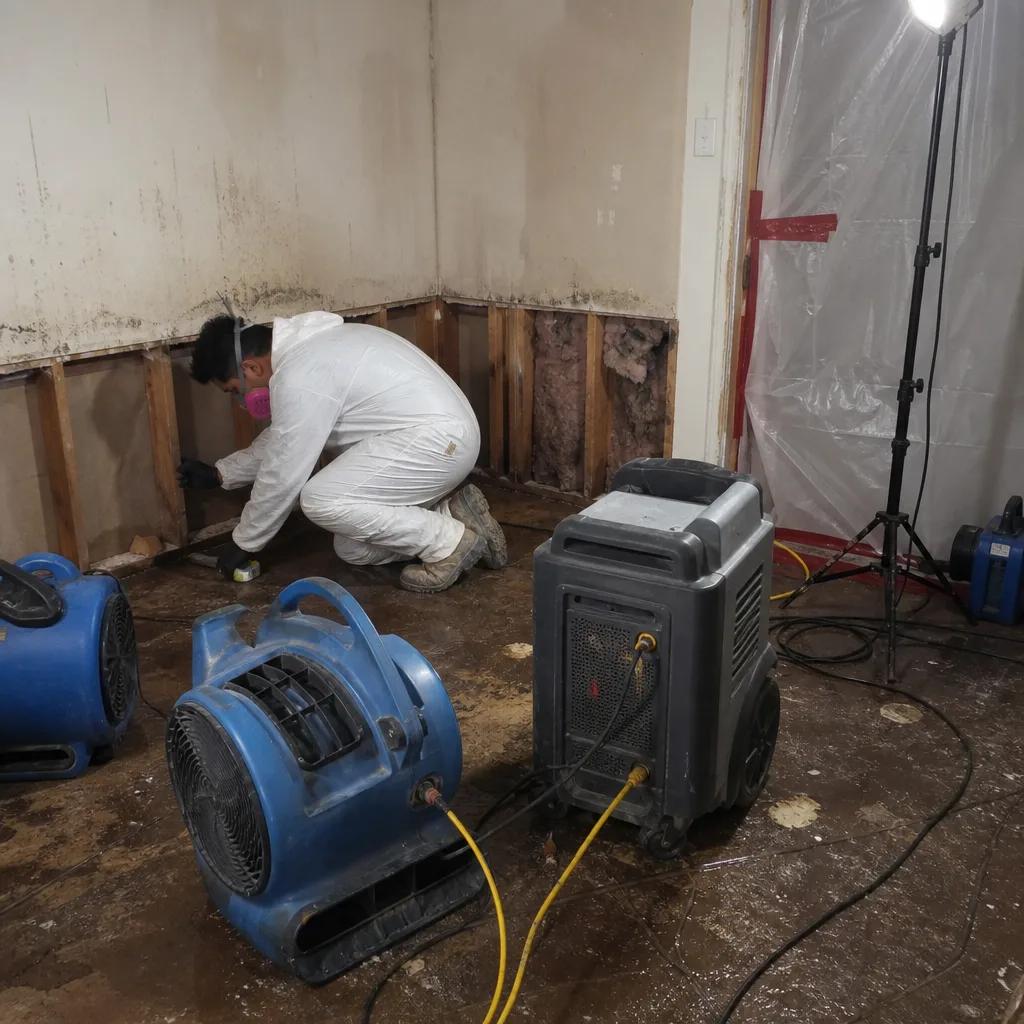 Before
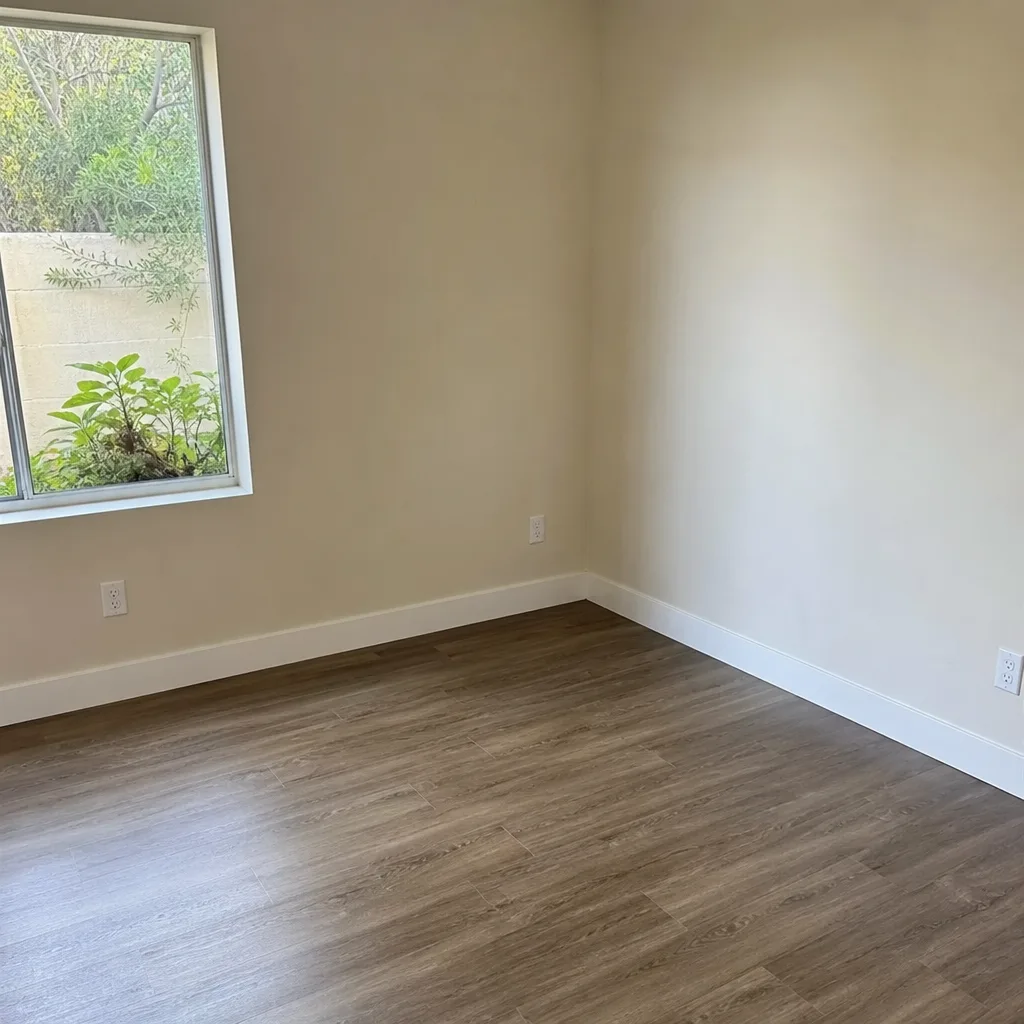 After
After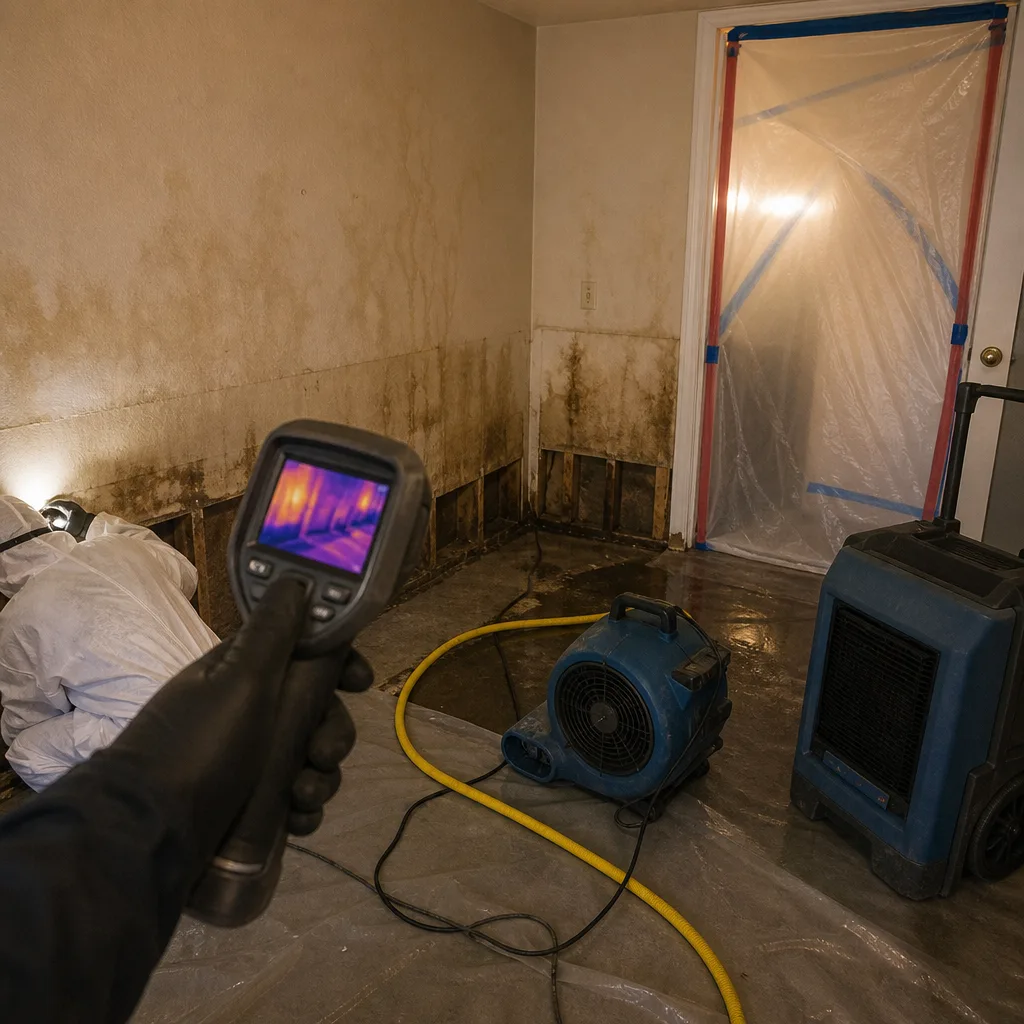 Before
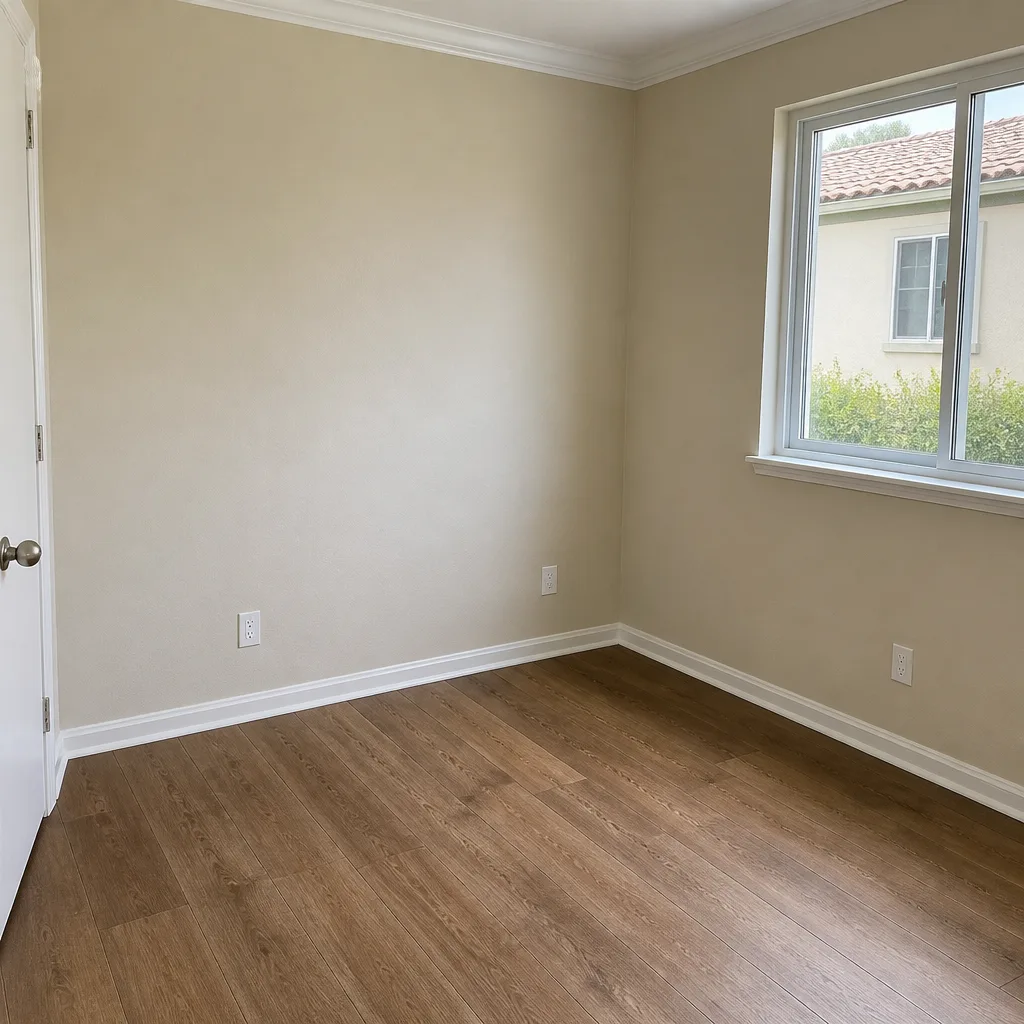 After
After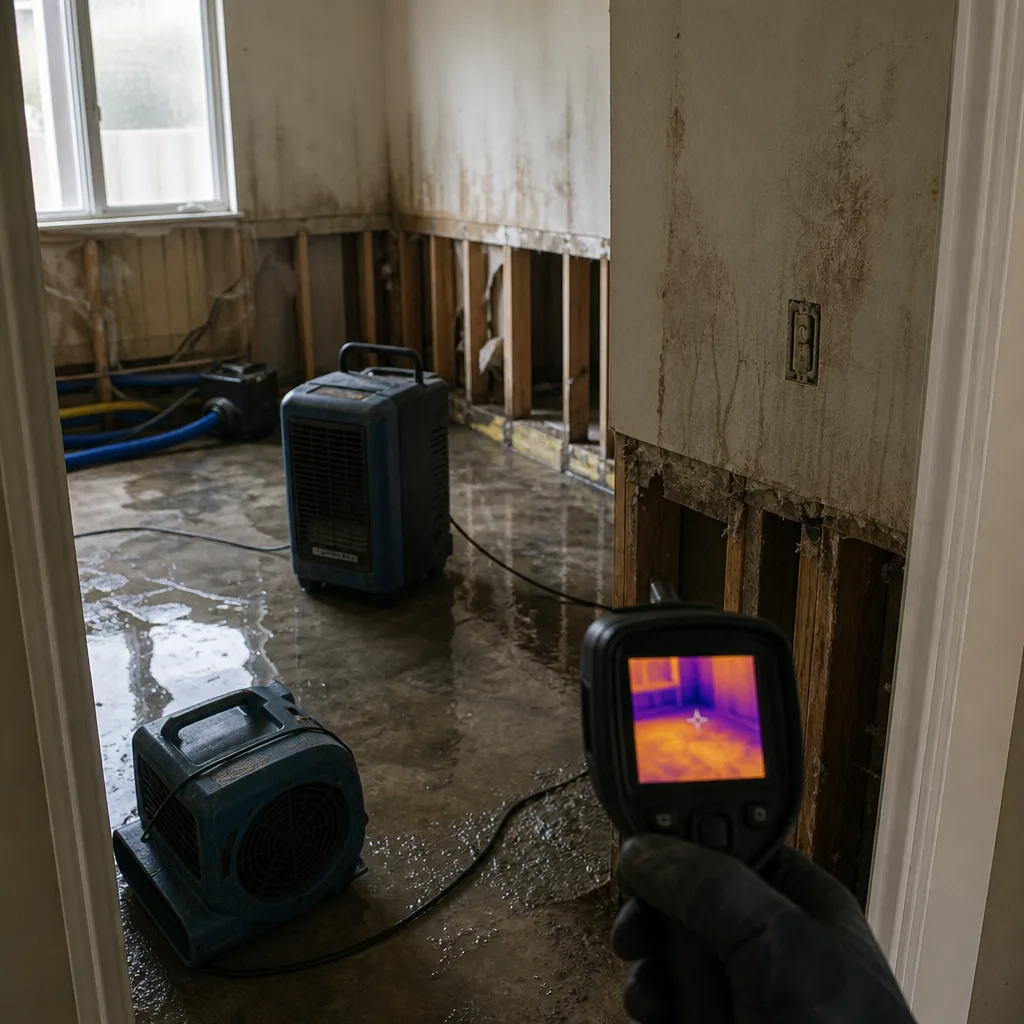 Before
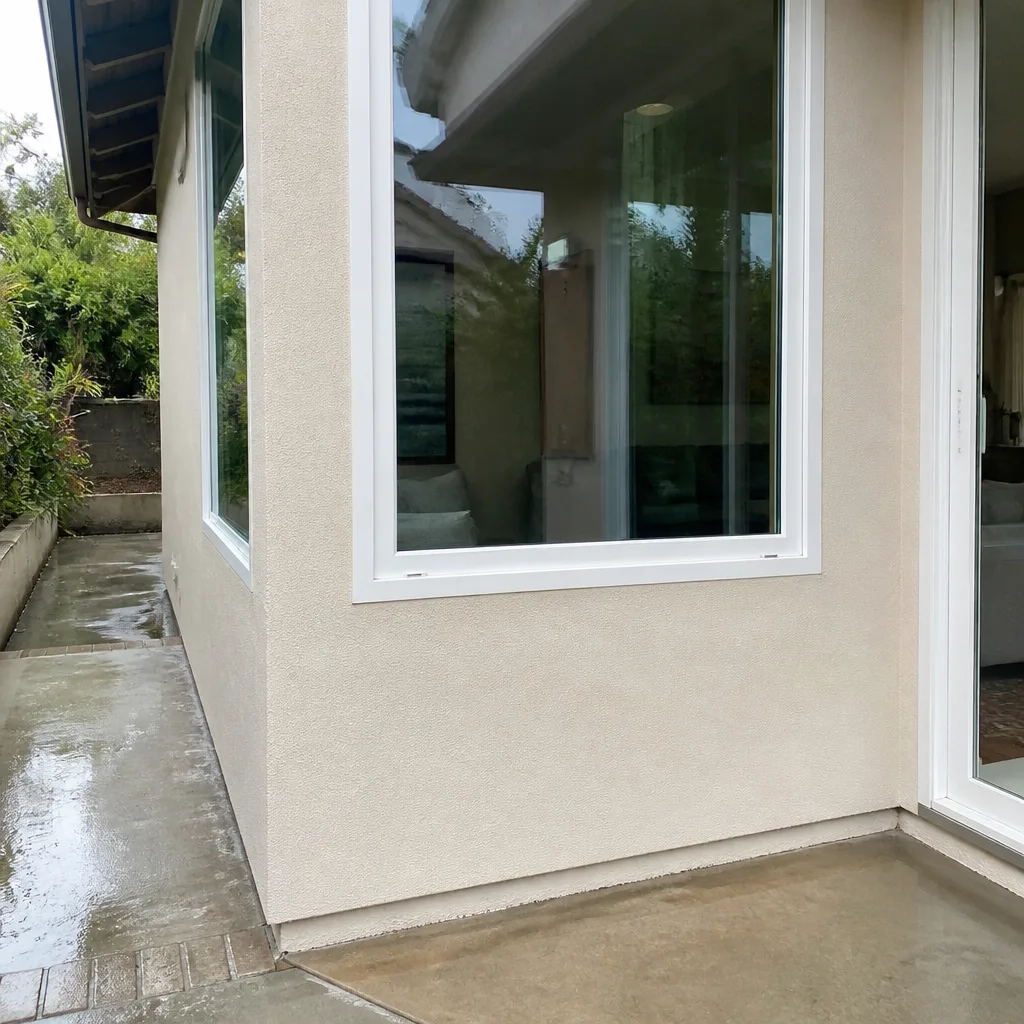 After
After24/7 Emergency Fire & Smoke Damage Restoration in Laguna Hills
A fire in your Laguna Hills home, or even smoke infiltration from a nearby canyon brush fire, demands immediate response to prevent permanent damage to structure and contents. Our crews answer live at (657) 297-0972, 24 hours a day, 7 days a week, with no voicemail trees, and can be on-site anywhere in Laguna Hills within 45 minutes. The first hour after smoke exposure determines whether odors remain trapped in porous materials and whether soot residues etch glass and metal permanently. We provide a free visual inspection, document everything with photos from arrival, and deliver a written price before any work begins.
Understanding Fire & Smoke Damage Restoration Severity in Laguna Hills Properties
Fire and smoke damage in Laguna Hills follows a distinct severity scale tied to the city’s canyon-edge geography and its 1970s-1980s housing stock. Direct fire contact produces dry smoke residues, fast-burning and powdery, that cling to stucco and tile but clean readily from hard surfaces. More common here is wet smoke damage from smoldering brush fires, leaving sticky, odorous residues that penetrate deeply into the original ABS drain lines, copper plumbing, and HVAC plenums found in Laguna Hills tract homes. Protein smoke from kitchen fires produces nearly invisible residues that discolor varnishes and emit strong odors.
Smoke migration follows pressure differentials and temperature gradients, often traveling through wall cavities and duct systems to affect rooms far from the source. In Laguna Hills’s two-story condo complexes and hillside single-family homes, we see smoke particulate travel vertically through shared utility chases and attic spaces. The tertiary damage pattern here is unique: fall Santa Ana wind events drive fine ash into homes off Moulton Parkway and Alicia Parkway, then winter rains on burned slopes push debris-flow water into those same structures. Our assessments account for both sequences, measuring soot coverage in square feet, classifying residue types by Fire & Smoke Damage Restoration trade standards, and identifying hidden migration paths before any cleaning begins.
Why Laguna Hills Property Owners Choose DryMark Restoration Mission Viejo
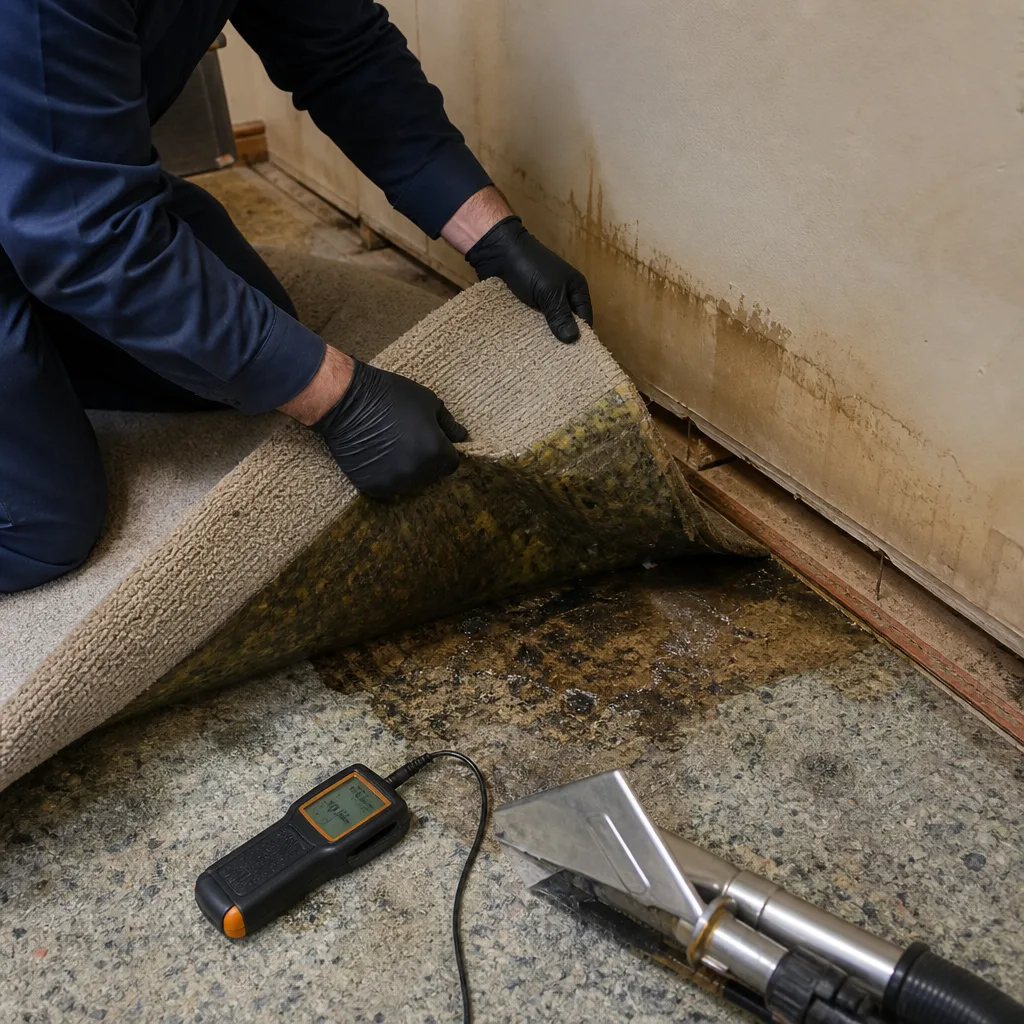
- 45-minute response commitment to Laguna Hills addresses, with crews staged for immediate dispatch.
- 24/7 live answer: a real person picks up every call, never an automated system or next-business-day callback.
- IICRC-certified crews holding FSRT (Fire and Smoke Restoration Technician) and WRT (Water Damage Restoration Technician) credentials, with license numbers provided on request.
- Free visual inspection with documented photo record before any scope is written.
- Direct insurance billing and adjuster coordination, with daily drying logs and line-item estimates that carriers pay without dispute.
- One team from emergency stabilization through final reconstruction, eliminating handoff gaps that delay claims.
 Before
 After
AfterOur Fire & Smoke Damage Restoration Process
1. Inspection & Assessment
We arrive with thermal imaging cameras, moisture meters, and air-quality monitors to map soot migration, identify hidden smoke reservoirs in HVAC plenums and wall cavities, and document pre-loss conditions with dated photos. Every Laguna Hills assessment includes specific attention to canyon-edge ash infiltration patterns.
2. Emergency Stabilization & Board-Up
Broken windows, compromised roofing, and damaged doors get secured with board-up and tarping to prevent secondary damage. We establish containment barriers with negative air pressure to isolate affected zones and stop cross-contamination.
3. Smoke & Soot Extraction
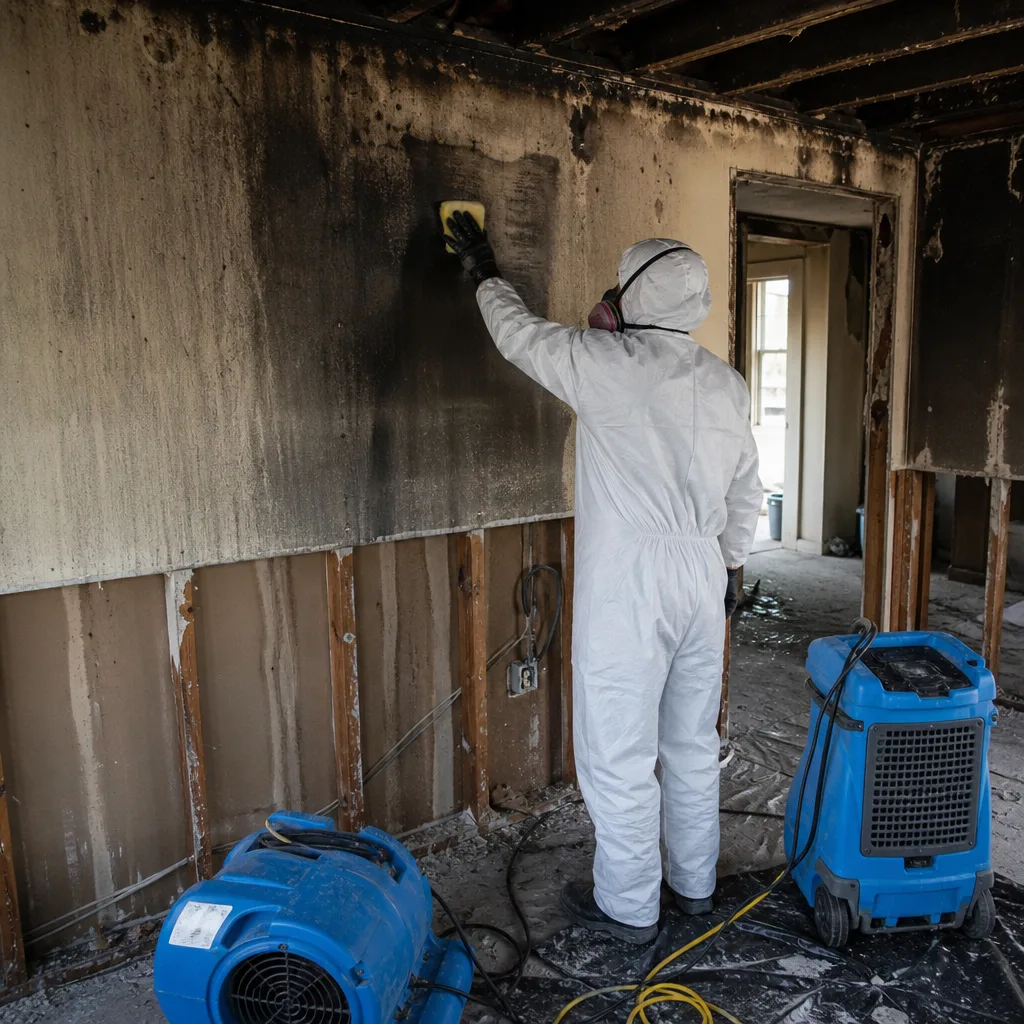
HEPA vacuums and dry sponges remove loose particulate from surfaces before wet cleaning sets residues. For wet smoke, we apply specialized solvents that break down sticky residues without driving them deeper into porous stucco or original wood trim common in Laguna Hills’s older tracts.
4. Deodorization & Air Scrubbing
We deploy hydroxyl generators and thermal fogging to neutralize odor molecules at their source, not mask them. HEPA air scrubbers run continuously during work, with XPOWER and B-Air equipment documented to IICRC standards, capturing 0.3-micron particulate including fine canyon ash.
5. Contents Cleaning & Pack-Out
Soft contents, electronics, and documents receive ultrasonic cleaning, ozone treatment, or specialized dry cleaning at our facility. Hard contents get cleaned on-site where possible. Every item is inventoried with photo documentation for insurance purposes.
6. Structural Repairs & Restoration
Fire-damaged framing, drywall, flooring, and finishes get rebuilt to pre-loss condition. We coordinate directly with your adjuster on scope and pricing, with a written price before work begins and the 365-Day Done Right Promise under The Haven Standard.
Need Emergency Fire & Smoke Damage Restoration in Laguna Hills Now?
Crews minutes away, answering live 24 hours a day. The sooner we start, the less it costs.
Working With Your Insurance Company
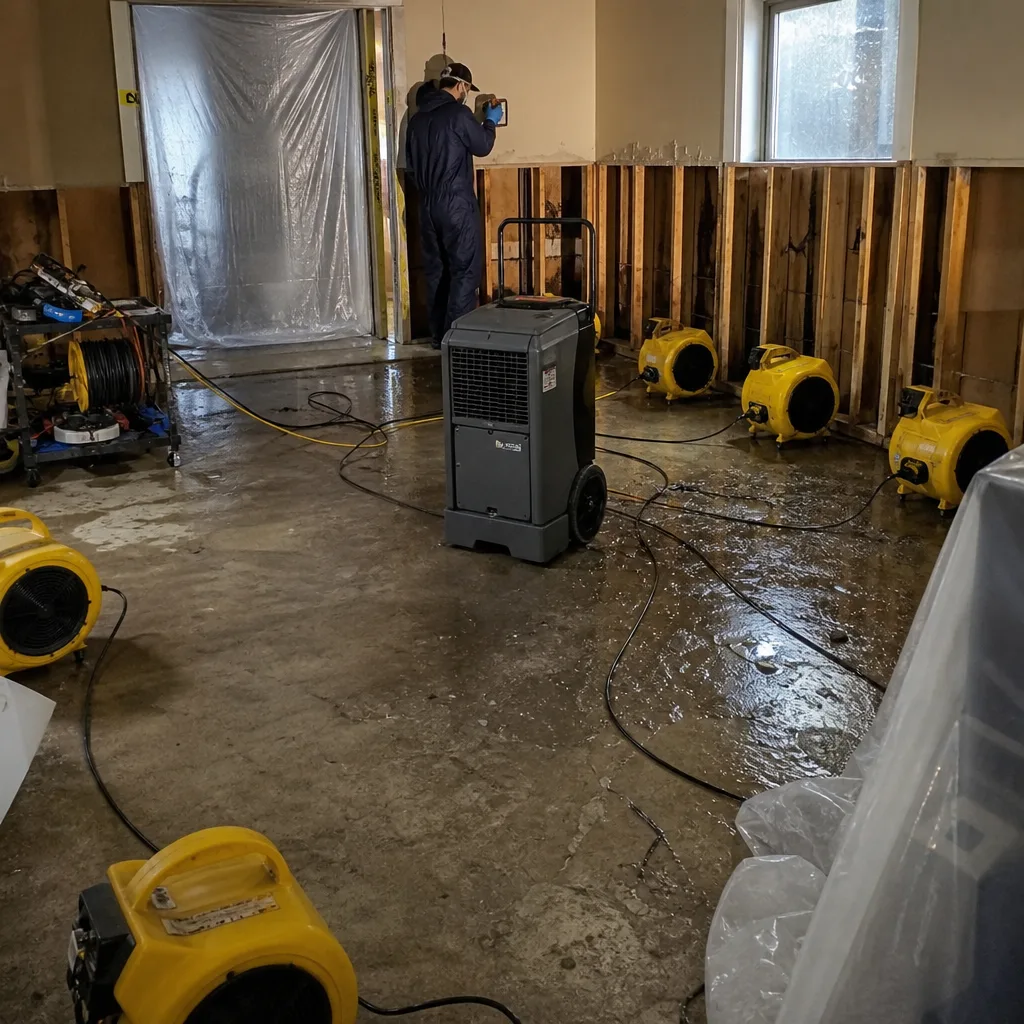
Insurance claims for fire and smoke damage fail when documentation gaps let carriers dispute the extent of loss. We close those gaps from the first hour. Our technicians photograph every room, record moisture readings and air-quality data, and produce daily drying logs that transform restoration invoices into payable claims. We write estimates to industry-standard formats your adjuster recognizes, and we coordinate directly with carrier representatives so you’re not chasing paperwork while trying to live in a damaged home.
Haven Standard, Clause 1 applies here: a written price before any work starts, every time, with no scope-creep additions once our crew is inside. That written scope becomes the backbone of your claim file.
What We Provide Your Insurer
- Thorough documentation of the loss
- Photos of all damage, room by room
- Moisture readings and drying logs
- A detailed, line-item scope of work
- Direct coordination with your carrier
Built for Laguna Hills’s Loss Calendar
Laguna Hills’s fire and smoke damage calendar runs on two distinct seasons tied to its canyon-edge position. September through November brings the Santa Ana wind pattern, with hot, dry air from the interior pushing brush-fire smoke and fine ash directly into homes backing Aliso and Wood Canyons. We’ve responded to calls off Moulton Parkway where homeowners smelled smoke days after a fire they assumed was too distant to matter, only to find HVAC plenums loaded with particulate and soot residue on soft contents throughout the house.
December through March reverses the threat: winter storms hit the burned slopes above Laguna Hills neighborhoods, and the same channels that carried smoke now carry debris-flow water into garages, crawl spaces, and lower-level rooms. The 1970s-1980s stucco housing stock, with its original construction-era grading and drainage, often lacks the perimeter waterproofing to handle this concentrated runoff. We see the dual-claim pattern repeatedly: a smoke-damage call in October becomes a water-intrusion call in January when the homeowner discovers saturated insulation and framing beneath the house. Our process anticipates both, inspecting for water pathways even on apparently dry smoke calls.
Fire & Smoke Damage Restoration Across Laguna Hills’s Neighborhoods
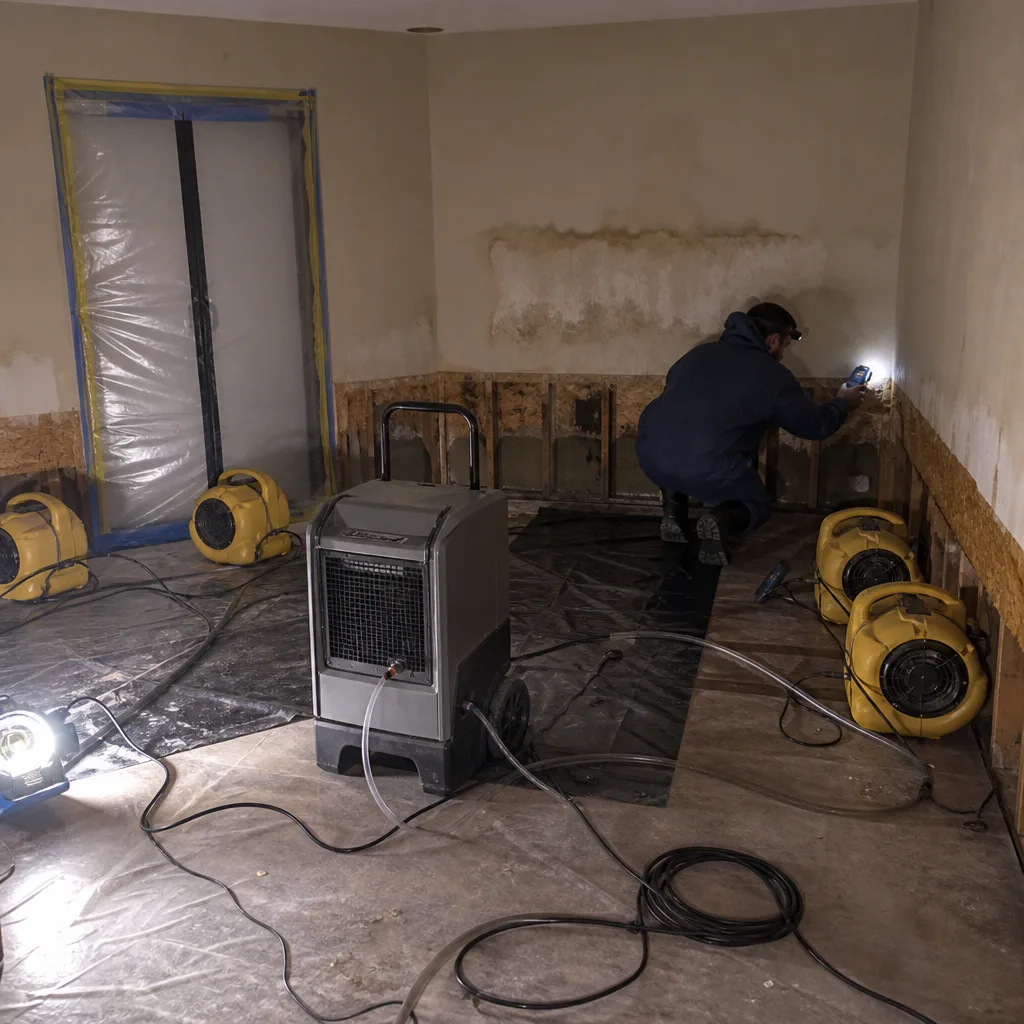
Each Laguna Hills corridor presents distinct fire and smoke damage patterns based on proximity to wildland, building age, and construction type.
Canyon-edge tracts off Moulton Parkway: These homes back directly to Aliso and Wood Canyons Wilderness Park, making them the highest-risk zone for Santa Ana-driven smoke infiltration. We routinely find fine ash in attic insulation and HVAC ducts in homes that suffered no direct flame exposure. Duct inspection and air-quality testing are standard on every call here.
Alicia Parkway corridor and Laguna Hills Mall area: The denser two-story condo complexes and townhomes built in the 1980s share common attic spaces and utility chases that allow smoke migration between units. A single kitchen fire can affect multiple units through shared plenums. Our containment protocols here emphasize negative-air isolation and coordinated access with HOA management.
Nellie Gail Ranch: Larger custom homes on larger lots with more complex HVAC zoning and higher-end finishes require specialized contents handling and longer deodorization cycles. The oak and exposed wood beam construction common here absorbs smoke odor more readily than the stucco-and-drywall tracts, demanding extended thermal fogging and sealant applications.
Graded hillside pads above El Toro Road: These homes face the debris-flow risk most acutely. Post-fire winter rains send sediment and ash-laden water down engineered slopes into garages and below-grade spaces. Our inspections here always include crawl space moisture mapping and foundation perimeter assessment, even when the initial call was for smoke odor alone.
Specialized Fire & Smoke Damage Restoration Services We Offer in Laguna Hills
Fire Damage Cleanup
Direct fire damage to structure and contents requires immediate stabilization to prevent collapse and secondary water damage from suppression efforts. In Laguna Hills’s stucco-clad tracts, we assess whether the stucco substrate delaminated from heat exposure, a common failure in 1970s-1980s construction where wire lath corrodes faster than modern assemblies.
Smoke & Soot Removal
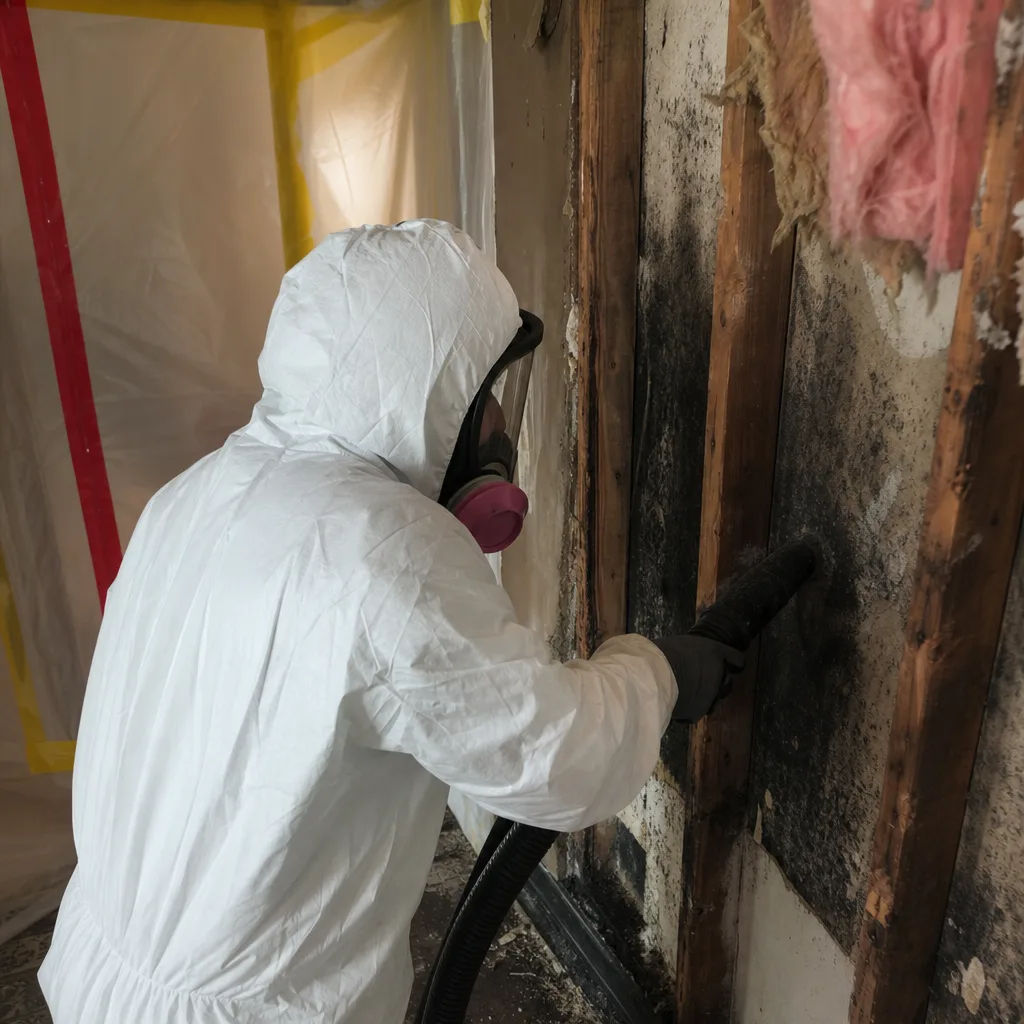
Our primary service in Laguna Hills, where canyon-driven smoke causes more calls than direct house fires. We classify soot residues as dry, wet, or protein-based, then select cleaning agents matched to each. HEPA vacuuming precedes any wet cleaning to prevent particulate smearing. For wet smoke from smoldering brush fires, we use solvent-based cleaners that break down sticky residues without damaging original finishes.
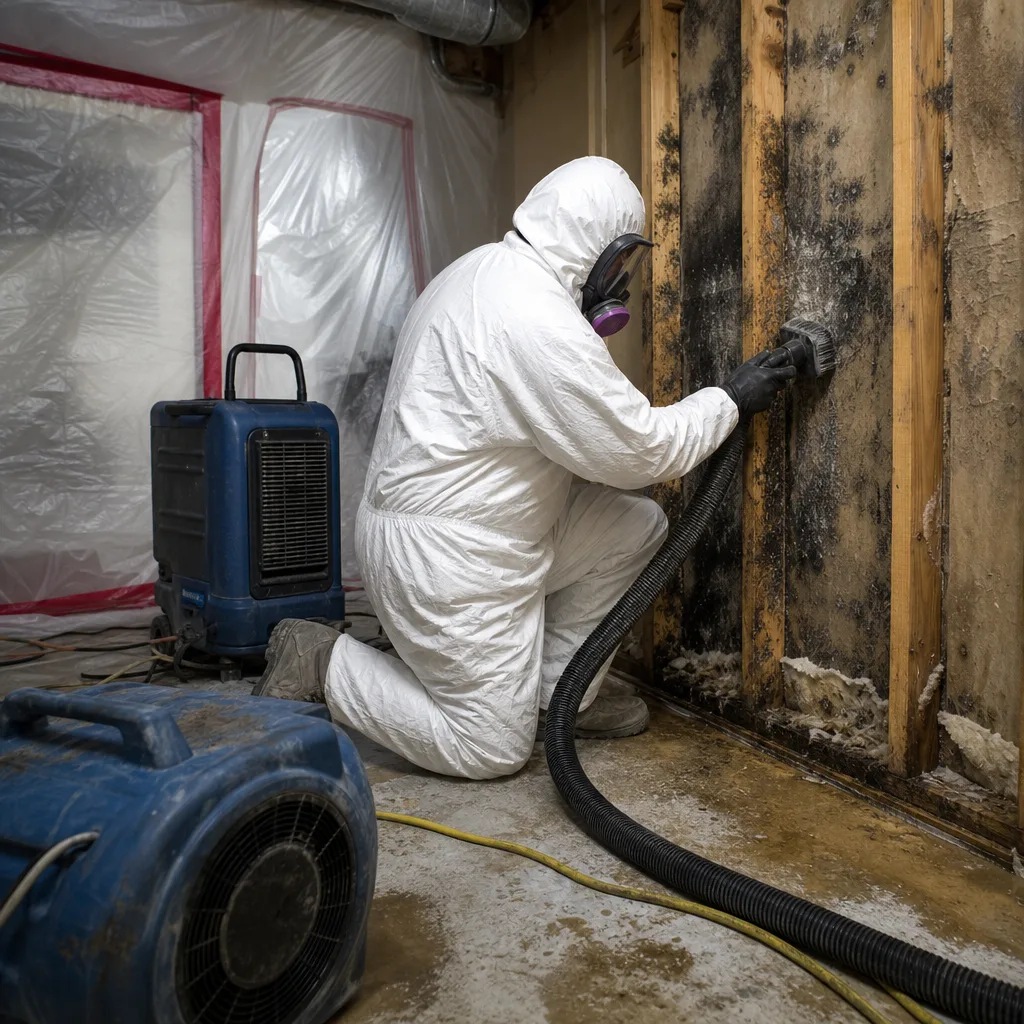
Odor Removal & Deodorization
Surface cleaning alone fails when odor molecules have penetrated porous materials. We deploy hydroxyl generators for safe, continuous operation in occupied spaces, and thermal fogging for severe cases where odor has bonded to structural materials. The Santa Ana wind cycle here makes source-elimination critical: any residual odor gets reactivated when dry canyon air pulls through the house.
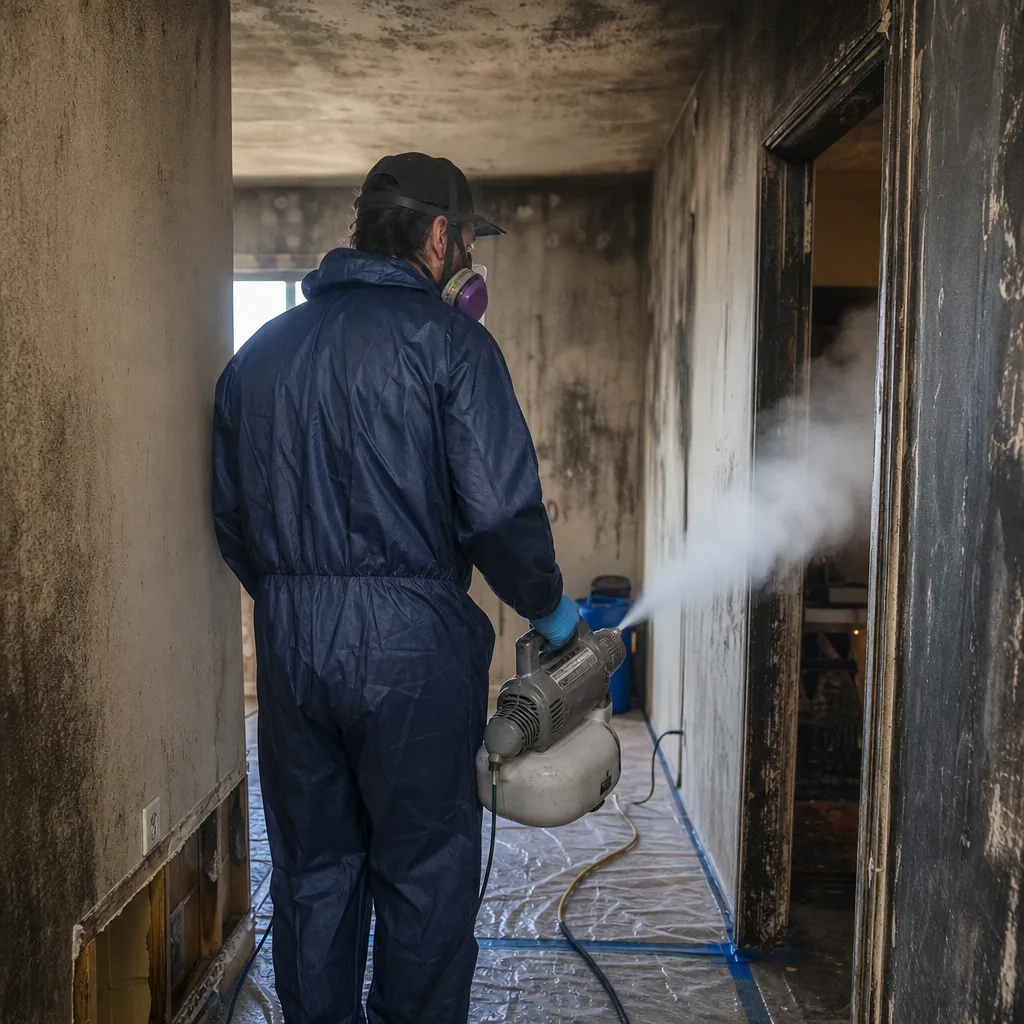
Contents Cleaning & Pack-Out
Soft contents from Laguna Hills homes, including upholstery, drapery, and clothing, receive ultrasonic cleaning or specialized dry processing at our facility. Electronics and documents get separate handling protocols. Every item is photo-documented, inventoried, and tracked through cleaning with condition reports for insurance.
Emergency Board-Up & Tarping
Fire-damaged openings get secured immediately with plywood and weatherproof membrane to prevent rain intrusion and unauthorized entry. For homes in the canyon-edge zone, we also assess whether Santa Ana winds will drive additional ash through compromised envelopes before permanent repairs.
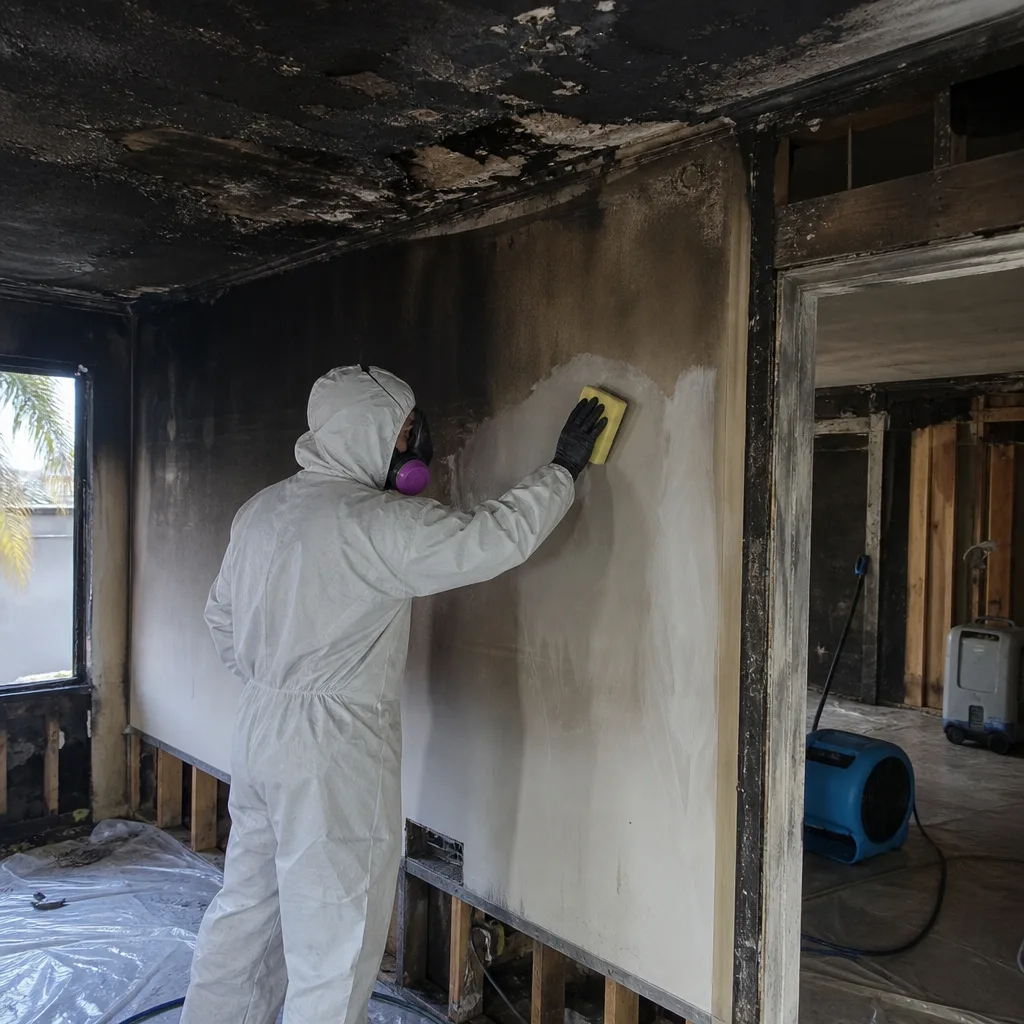
What happens when you call
- 1
A real person answersNo phone trees - you reach a local pro.
- 2
You get an upfront price rangeHonest numbers before anyone is dispatched.
- 3
A background-checked tech heads outLicensed & insured, dispatched right away.
- 4
You approve before work beginsNothing starts until you say go.
Fire & Smoke Damage Restoration Costs in Laguna Hills, CA
Fire and smoke damage restoration costs in Laguna Hills reflect the specific challenges of canyon-edge geography and 1970s-1980s construction. Typical ranges based on our local experience:
- Smoke and soot cleanup for a single room with no structural damage: $1,200-$3,500
- Whole-home smoke remediation with HVAC duct cleaning: $4,500-$12,000
- Contents pack-out, cleaning, and storage: $2,000-$7,000 depending on volume
- Emergency board-up and tarping: $500-$2,500
- Structural repairs and reconstruction after fire damage: $15,000-$75,000+
What moves the price: square footage affected, residue type (dry smoke cleans faster than wet smoke), HVAC contamination extent, contents volume requiring pack-out, and whether water damage from suppression or debris-flow is also present. Insurance typically covers direct fire and smoke damage plus necessary water damage from suppression efforts; our written scopes separate covered and non-covered items clearly. Haven Standard, Clause 1: your written price arrives before any work starts, with no additions once we’re inside. Call (657) 297-0972 for a free inspection and firm scope.
We Also Serve Cities Near Laguna Hills
Our crews respond throughout south Orange County, including Aliso Viejo, Laguna Woods, Mission Viejo, and Lake Forest. Dispatch and scheduling are coordinated from our Los Angeles office; crews serve Laguna Hills locally with 45-minute response commitment.
Serving Laguna Hills, CA - Our Local Coverage Area
We’re based in the Laguna Hills area and know this community well. Use the map below to see our service coverage - if you’re nearby, we can almost certainly help.
Laguna Hills Fire & Smoke Damage Restoration Questions, Answered
The brush fire was miles away in Aliso and Wood Canyons - does my Laguna Hills home really need smoke damage restoration?
Yes. Santa Ana winds carry fine ash and smoke particulate for miles, and we’ve documented significant HVAC plenum contamination in homes off Moulton Parkway that had no visible flame exposure. If you smell smoke or see ash residue, call (657) 297-0972 for a free inspection and air-quality assessment.
Why do Laguna Hills smoke-damage jobs often include water damage work too?
The same canyon slopes that produce fall smoke events become debris-flow conduits in winter rains. Burned vegetation and hydrophobic soil send concentrated runoff into garages and crawl spaces. We inspect for water intrusion on every smoke call to prevent the category 2/3 water and mold issues that follow unaddressed moisture. Call (657) 297-0972 and we’ll check both pathways.
How fast do I need to act after smoke or water intrusion in Laguna Hills?
Within the first 24 hours. Soot residues begin etching glass and metal within hours, and acidic smoke compounds degrade finishes permanently after 72 hours. For water intrusion, mold risk begins at 24-48 hours in Laguna Hills’s mild coastal climate. Our crews answer live 24/7 at (657) 297-0972 with 45-minute response.
What does a fire and smoke restoration scope in Laguna Hills actually include?
A complete scope documents soot and residue classification by room, HVAC contamination assessment, moisture mapping for any associated water damage, contents inventory and cleaning plan, deodorization protocol with equipment specifications, and structural repairs with line-item pricing. Haven Standard, Clause 1: you receive this in writing before any work begins. Call (657) 297-0972 for your scope.
Should I worry about my HVAC system after a canyon fire near Laguna Hills?
Absolutely. The 1970s-1980s HVAC systems common in Laguna Hills tracts have plenums that accumulate fine ash rapidly, and supply ducts distribute particulate throughout the home every time the system cycles. We include duct inspection and air-quality testing as standard on canyon-edge smoke calls. Call (657) 297-0972 to schedule.
Will my insurance cover smoke damage from a distant brush fire?
Most standard homeowner policies cover smoke damage regardless of fire origin, including from distant wildfires. Coverage typically includes cleaning, deodorization, contents handling, and temporary relocation if the home is uninhabitable. We document all damage with photos and moisture readings, write line-item estimates to industry standards, and coordinate directly with your adjuster. Call (657) 297-0972 and we’ll review your policy specifics during the free inspection.
How long does fire and smoke restoration take in Laguna Hills?
Light smoke cleanup with no HVAC involvement: 2-4 days. Moderate smoke with duct cleaning and contents pack-out: 1-2 weeks. Severe fire damage with structural repairs: several weeks to months depending on permit and reconstruction scope. We provide a written timeline with every scope. Call (657) 297-0972 for your specific estimate.
Can we stay in our home during smoke restoration?
Often yes for light, localized smoke damage, though we may ask you to avoid treated rooms during active deodorization. For moderate to severe smoke with HVAC contamination or structural fire damage, temporary relocation is usually necessary for safety and effectiveness. We coordinate with your insurer on additional living expense documentation when applicable. Call (657) 297-0972 to discuss your situation.
On a two-story stucco tract home off Moulton Parkway backing to Aliso and Wood Canyons, our crew responded to a smoke-damage call where the homeowner insisted no fire had come near - yet moisture mapping of the attic and a duct inspection turned up fine ash particulate loaded in the HVAC plenum and supply runs, plus soot residue on soft contents. We set containment, ran HEPA and air scrubbing, performed a full pack-out of contents for cleaning, applied antimicrobial treatment to affected framing, and logged drying and air-quality readings. Within a few days the duct system and interior air tested clean, and we documented the pre-loss condition so the homeowner’s carrier could see exactly what the canyon smoke had done.
Written by Alicia Brennan, Owner at Back to Dry Restoration, serving Laguna Hills since 2011.
Fire & Smoke Damage Restoration in Nearby Areas