
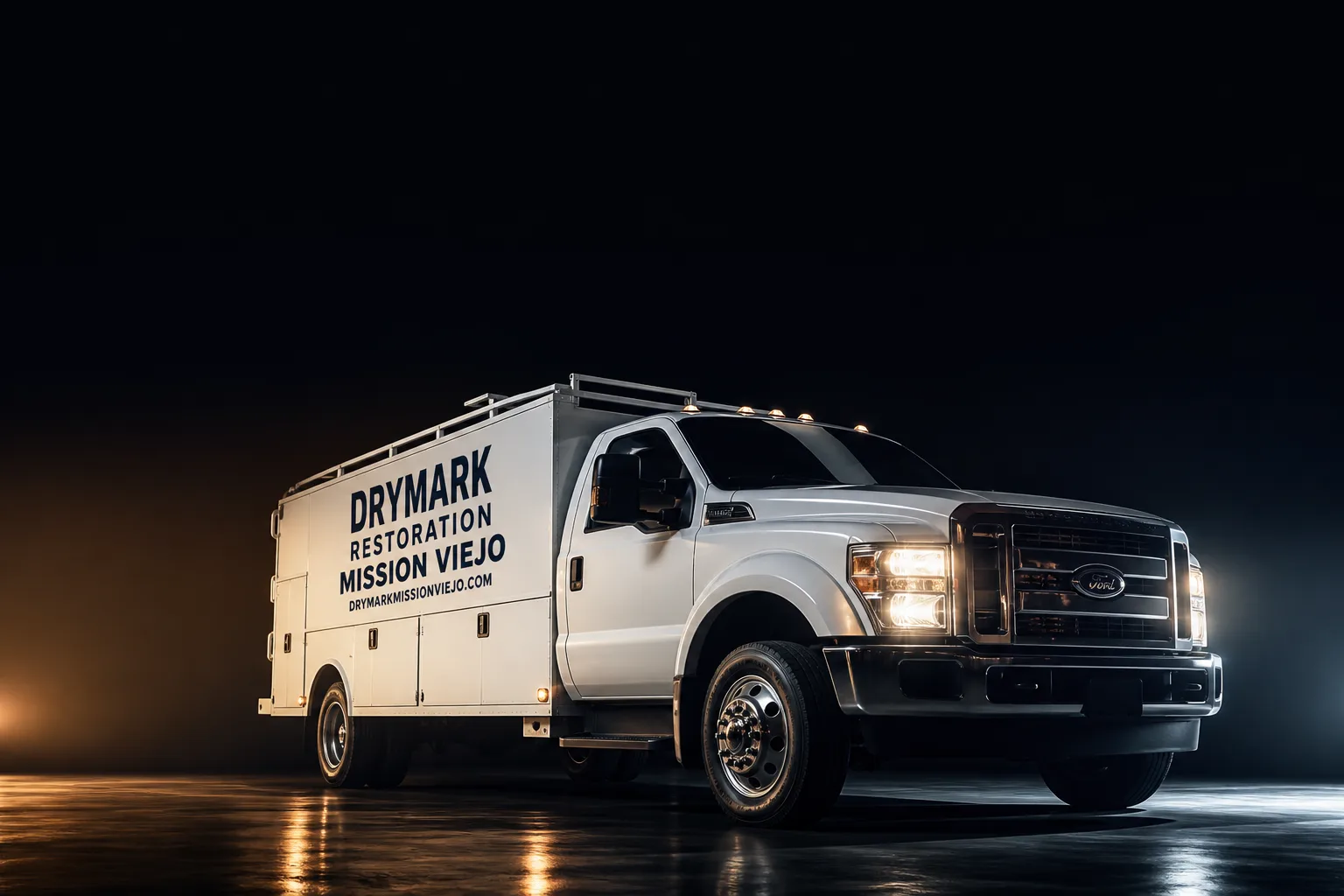
Free visual inspection and a written scope of work before any mitigation begins - photos, moisture readings, and drying logs go in your claim file
The scope we write is the scope we bill. Anything new gets shown to you, in writing, before we touch it.
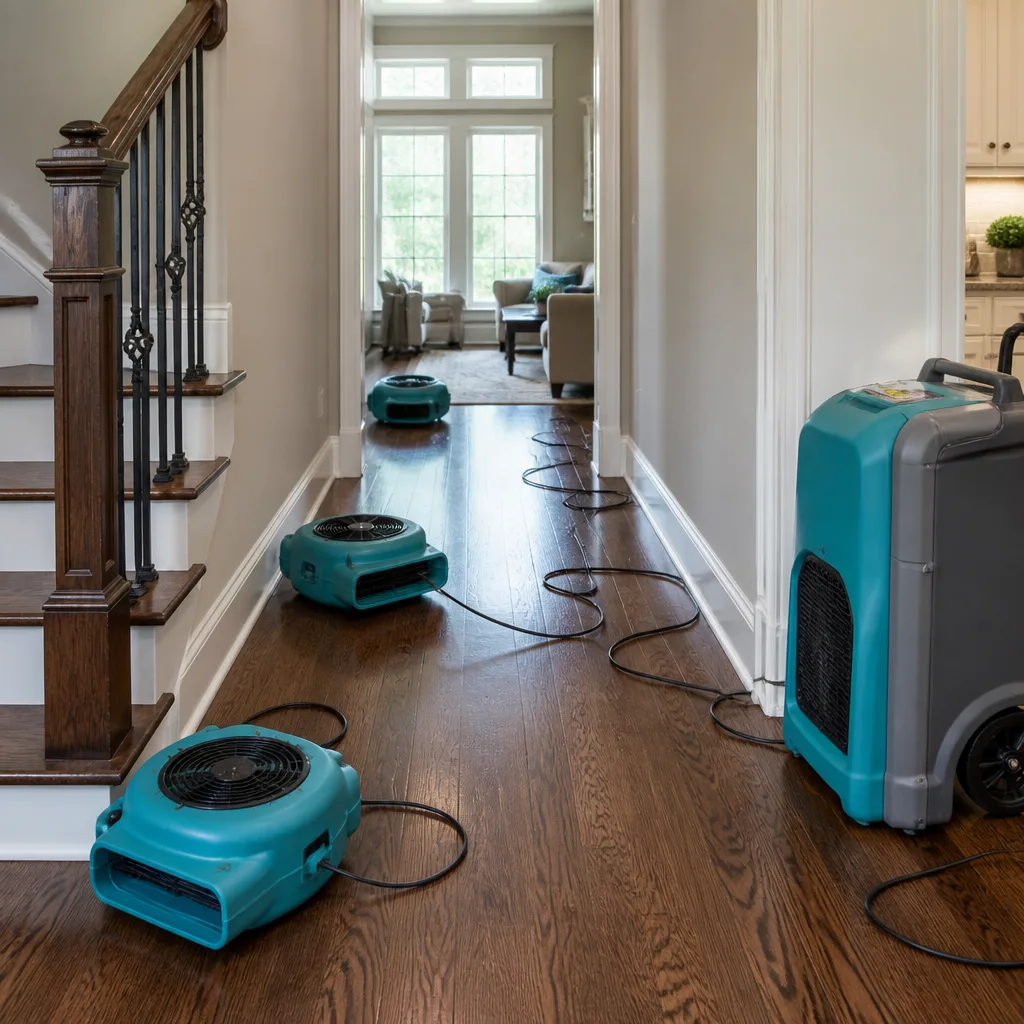
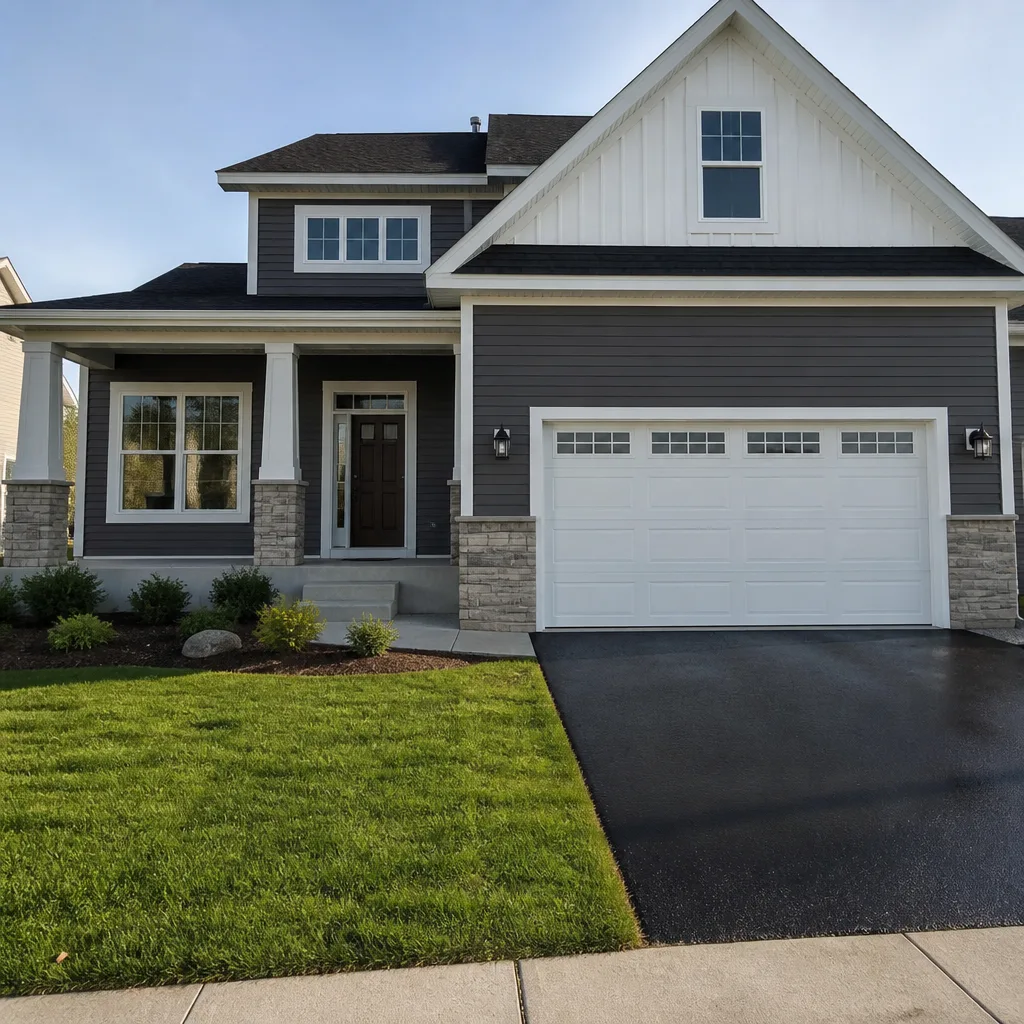
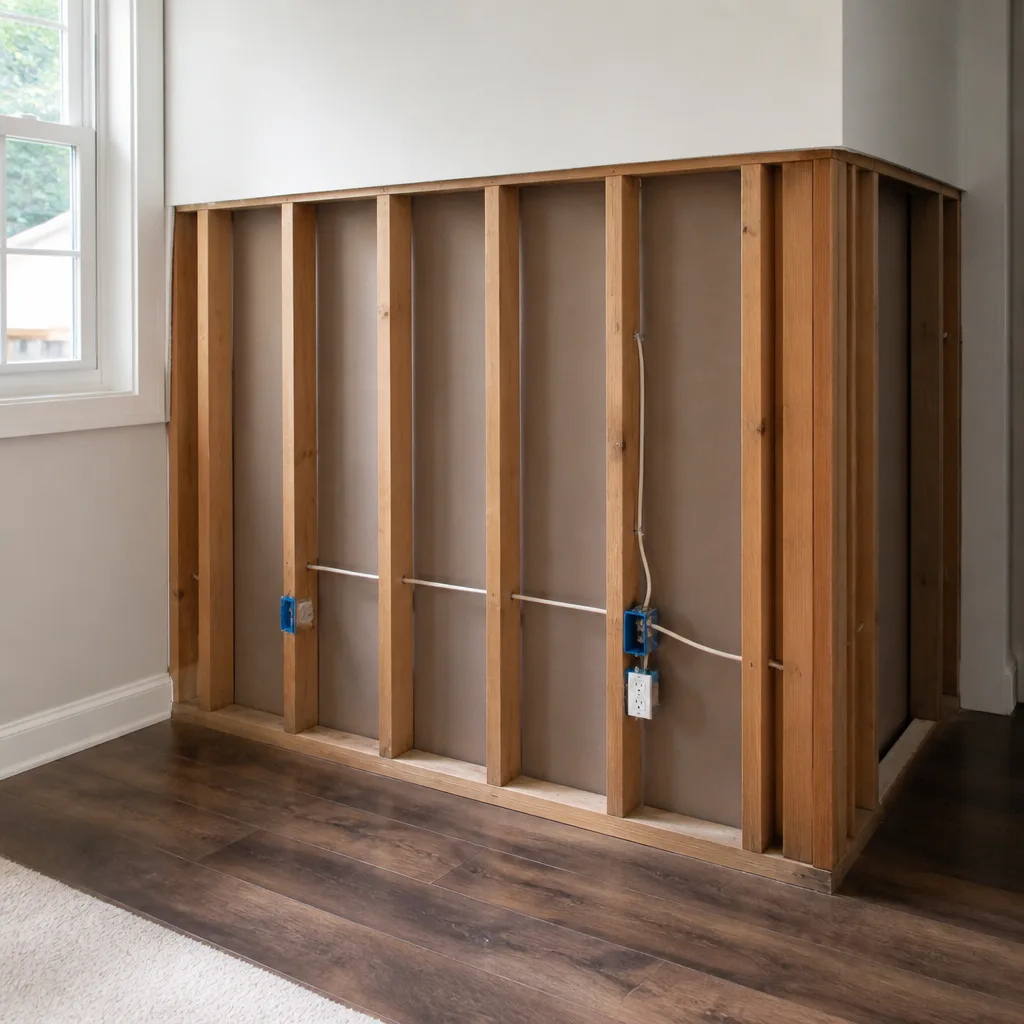
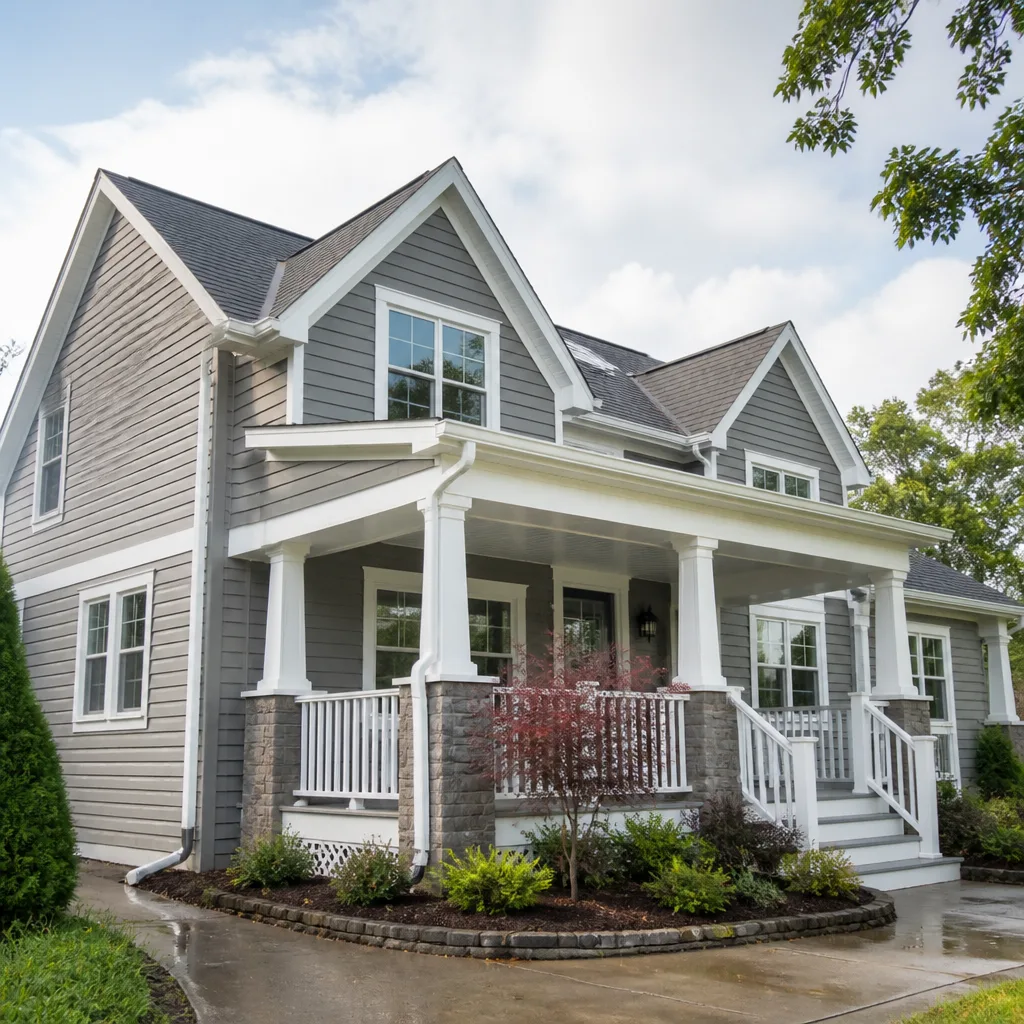
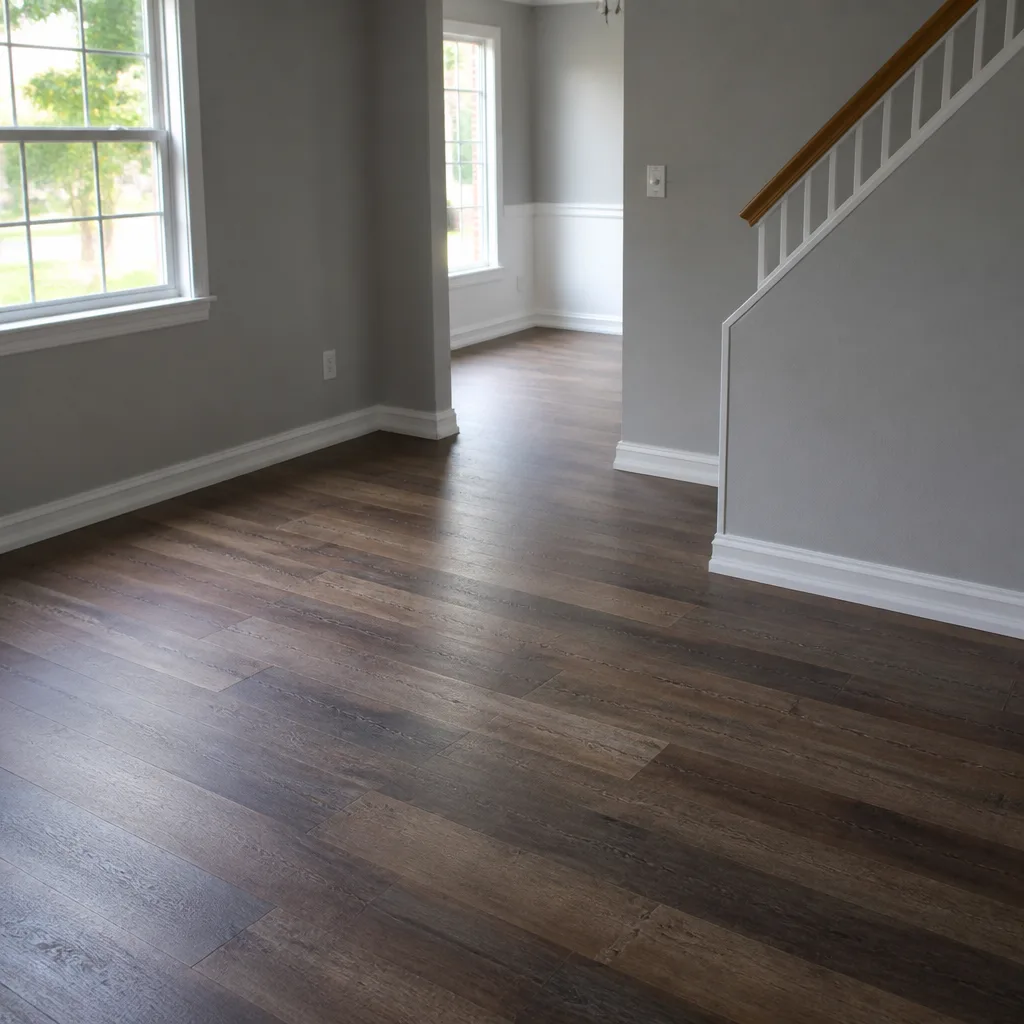
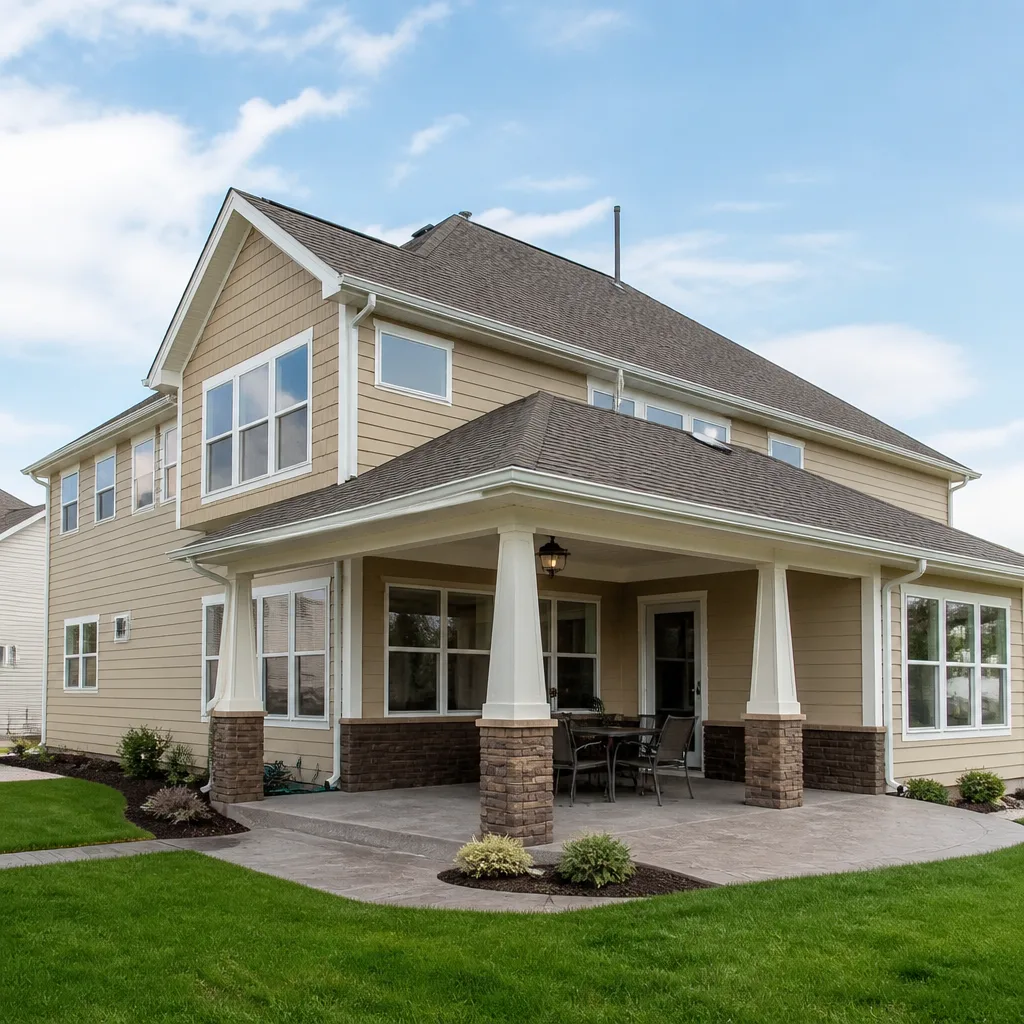
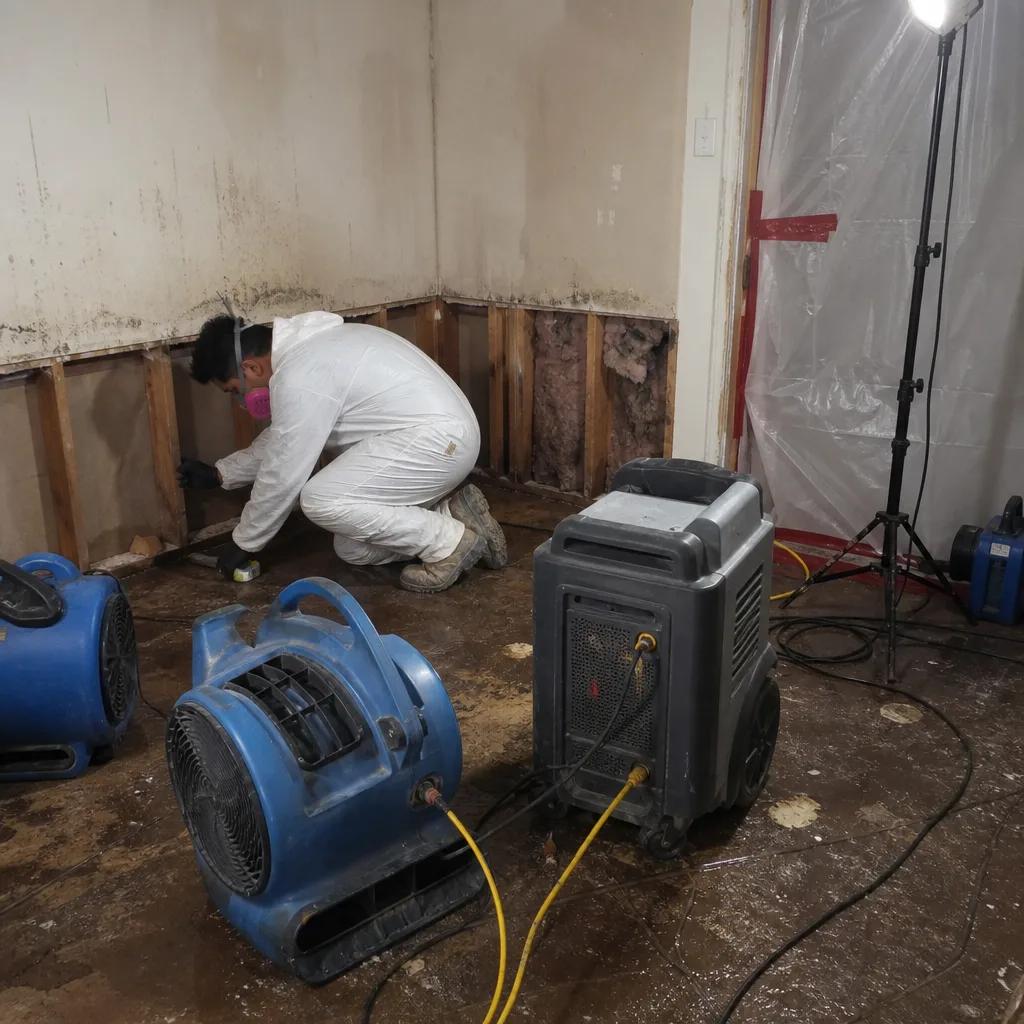 Before
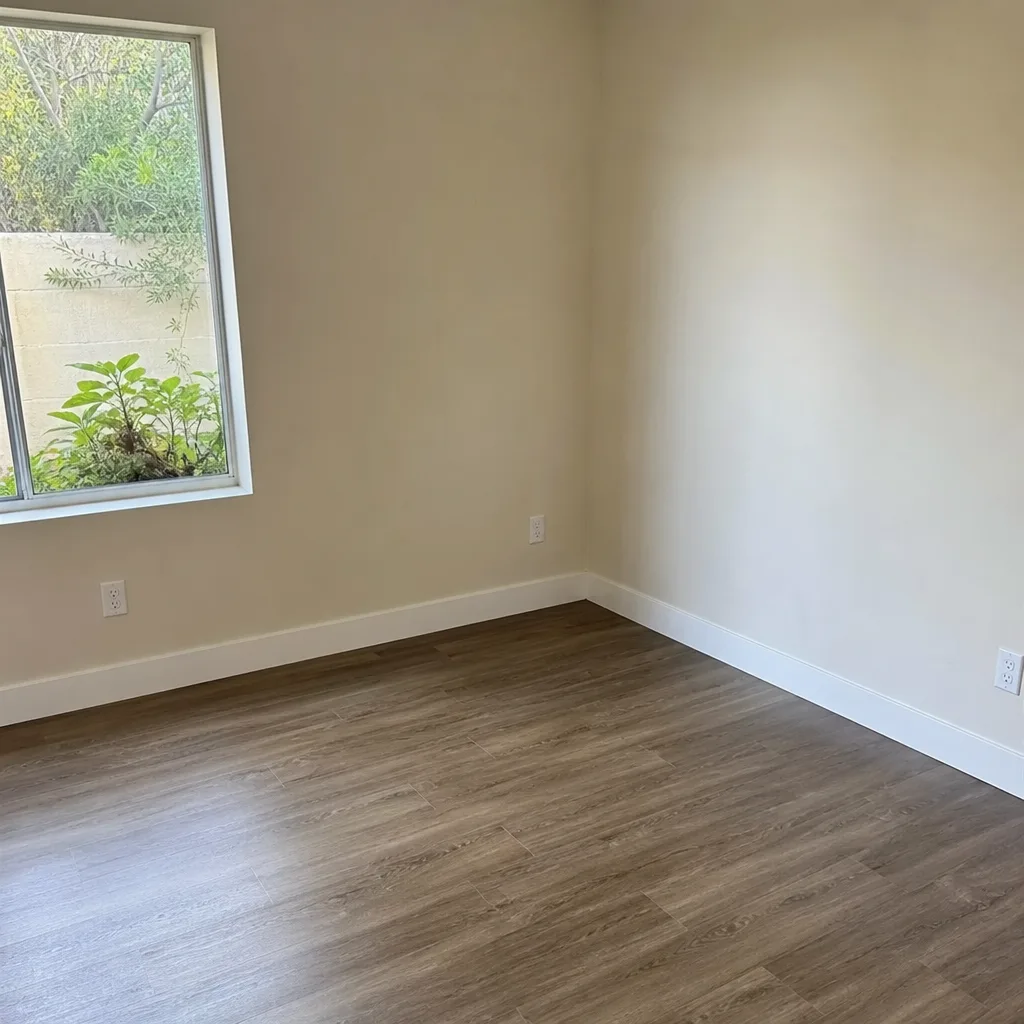 After
After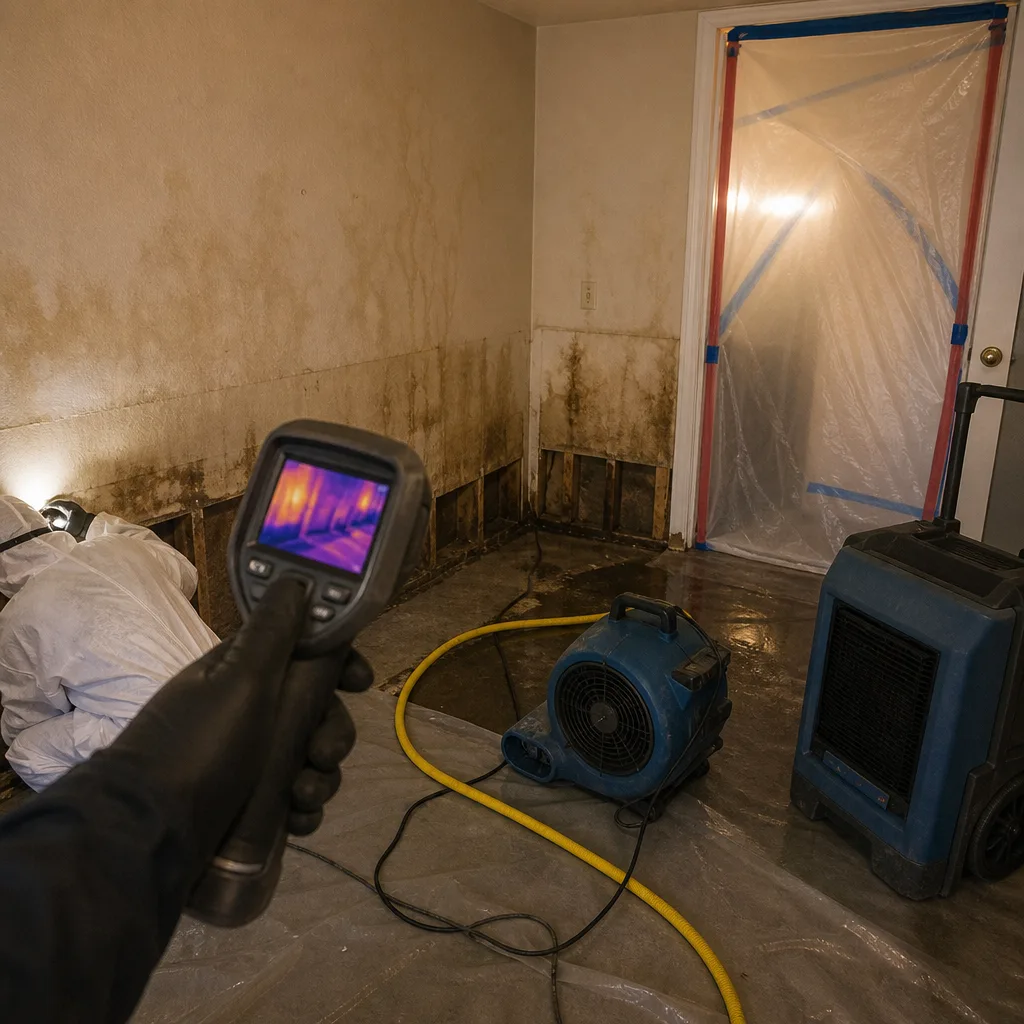 Before
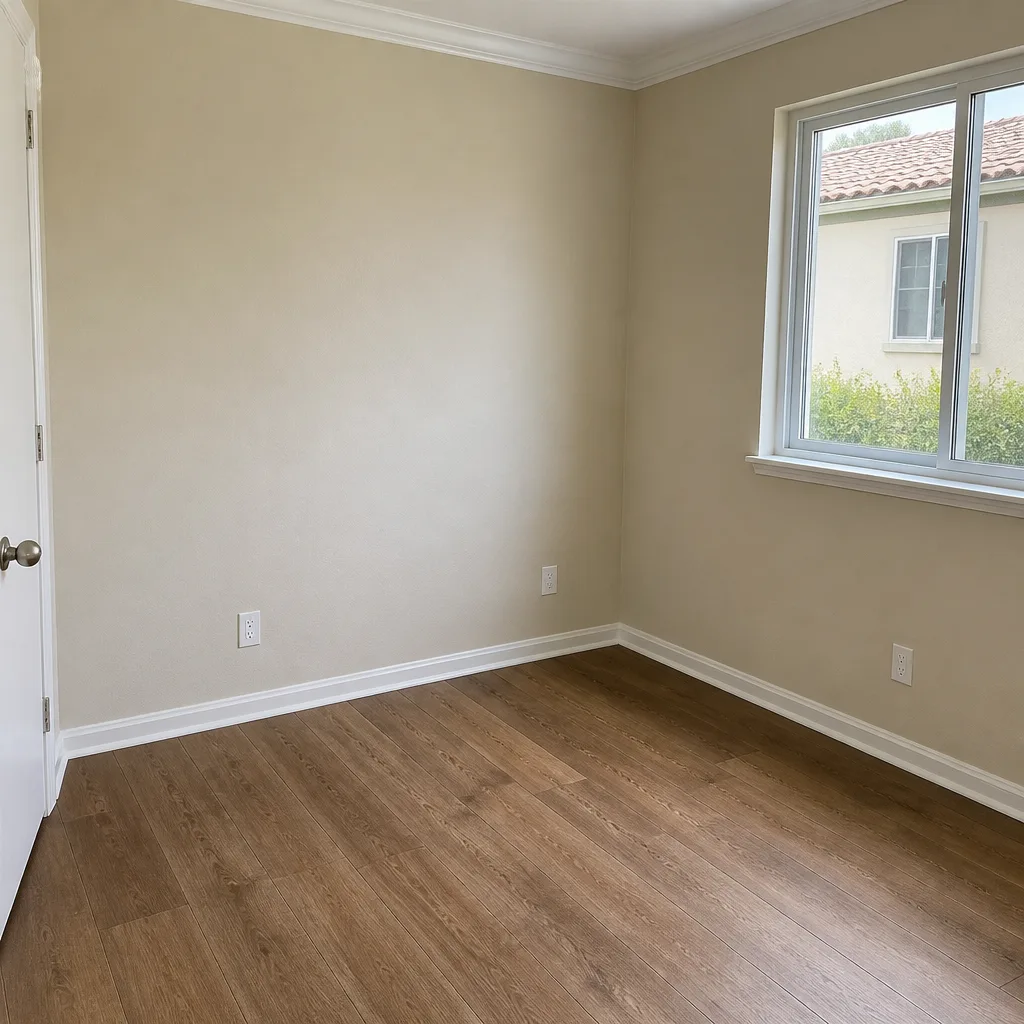 After
After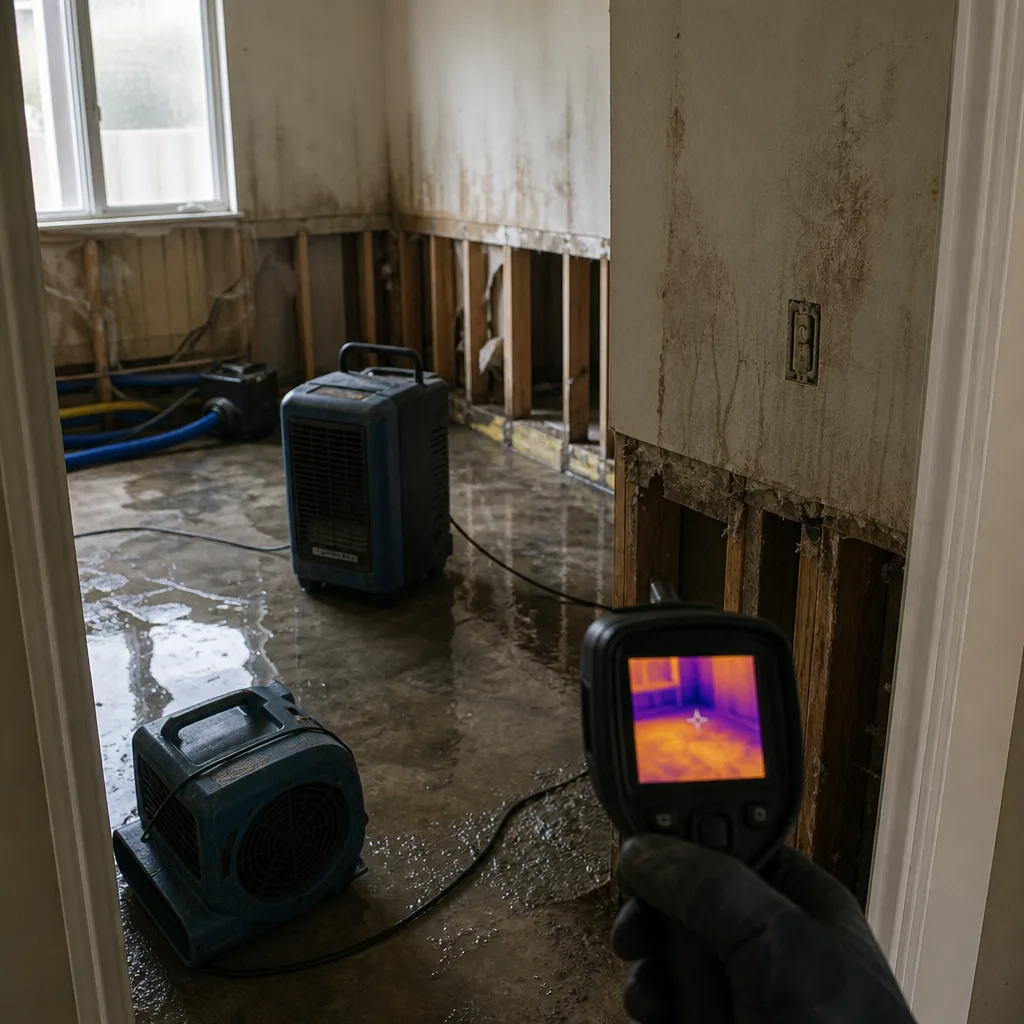 Before
 After
After24/7 Emergency Fire & Smoke Damage Restoration in Mission Viejo
Fire and smoke damage in Mission Viejo typically costs $2,800-$8,500 to remediate, with most structural fire repairs running $15,000-$45,000 depending on square footage and material replacement. Our crews answer live at (657) 297-0972 twenty-four hours a day, seven days a week, and we dispatch to Mission Viejo properties from our Los Angeles metro office with no voicemail trees or next-day callbacks while smoke residue is still settling into porous surfaces. The first hour after a fire is contained determines how deeply acidic soot embeds into drywall, textiles, and HVAC components; every minute of delayed ventilation and stabilization compounds the remediation scope and the final restoration invoice.
Understanding Fire & Smoke Damage Restoration Severity in Mission Viejo Properties
Smoke damage severity in restoration work is classified by residue type and migration pattern, not merely by proximity to flame. Dry smoke residue from fast-burning, high-heat fires produces fine, powdery carbon particles that penetrate deeply into porous materials but respond well to HEPA vacuuming and dry-cleaning sponges. Wet smoke residue from slow, smoldering fires - common in kitchen grease fires and electrical failures in Mission Viejo’s aging master-planned housing stock - carries sticky, odorous compounds that bond to surfaces and require solvent-based cleaning and thermal fogging. Protein residue from burned food is nearly invisible but produces intense, persistent odor that standard cleaning misses entirely.
Mission Viejo’s dominant Spanish Mediterranean construction, built from the late 1960s through the early 1990s, creates a specific severity profile: stucco exteriors and tile roofs resist exterior ignition but trap smoke in attic cavities through soffit vents and original construction gaps. The same tight building envelope that earned the city its master-planned reputation becomes a reservoir for smoke migration. Our crews document residue type by room, test surface pH, and map migration paths with thermal imaging before any cleaning begins. This documentation becomes the backbone of the insurance claim.
Why Mission Viejo Property Owners Choose DryMark Restoration Mission Viejo
- 45-minute response commitment to Mission Viejo addresses, with crews staged for the Saddleback Valley corridor.
- 24/7 live answer - a real person picks up every call, never an automated system or voicemail queue, because smoke damage doesn’t wait for business hours.
- IICRC-certified crews holding FSRT (Fire and Smoke Restoration Technician) and WRT (Water Damage Restoration Technician) credentials, with certification numbers documented on every job file.
- Free visual inspection and written scope before any work begins, per Haven Standard, Clause 1.
- Direct insurance billing with photo-documented estimates formatted to carrier standards, reducing adjuster revision cycles.
- One team from emergency board-up through final reconstruction - no handoffs between mitigation and rebuild contractors that lose continuity in documentation.
 Before
 After
AfterOur Fire & Smoke Damage Restoration Process
Inspection & Assessment
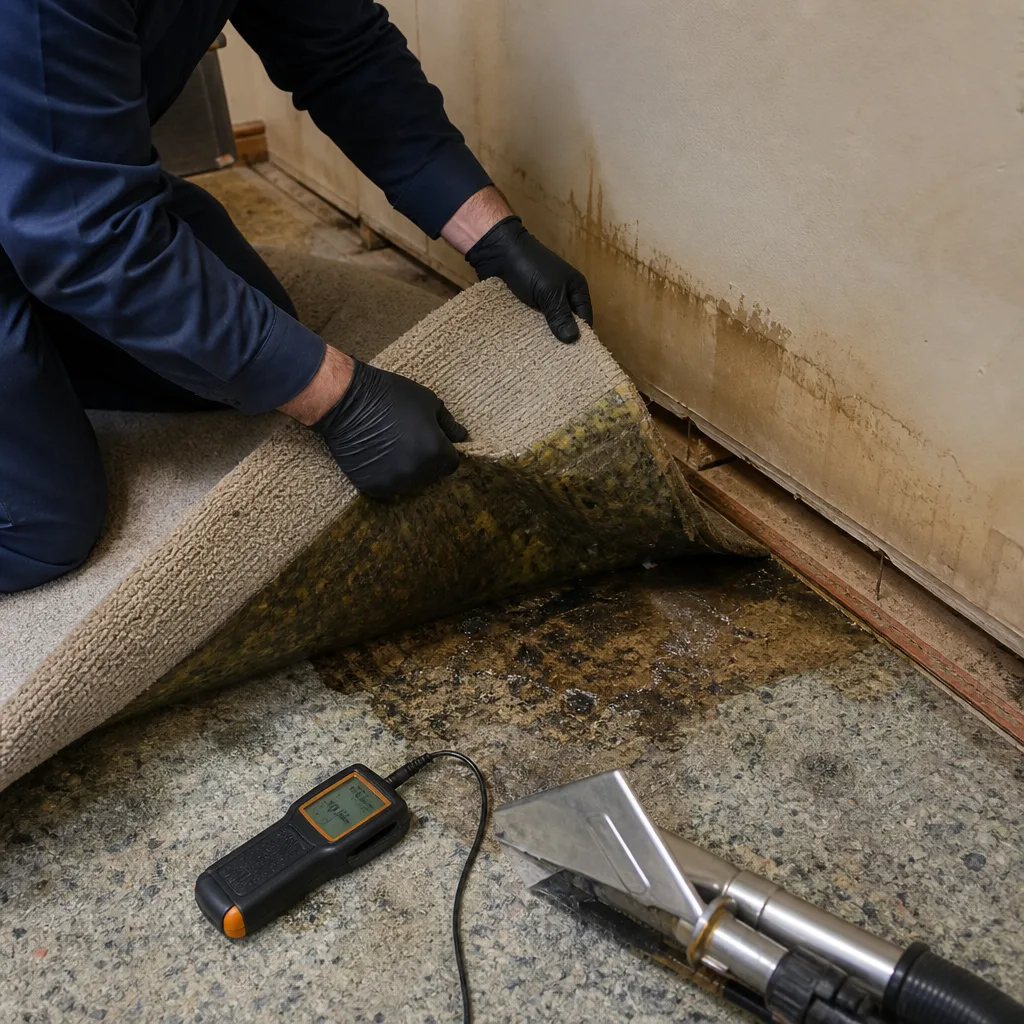
We arrive with thermal imaging cameras, moisture meters, and soot-testing kits to document residue type, migration path, and hidden moisture from suppression efforts. Every finding is photographed and logged before any disturbance.
Emergency Board-Up & Stabilization
Broken windows, compromised roofing, and damaged entry points are secured with temporary barriers to prevent weather intrusion and unauthorized access. We tarp tile-roof penetrations specific to Mission Viejo’s Mediterranean-style construction.
Smoke & Soot Extraction
HEPA vacuums, dry-cleaning sponges, and solvent-based cleaning agents remove residue by type and surface sensitivity. In Mission Viejo’s hillside tracts, we scope and seal original HVAC ductwork before agitation cleaning to prevent redistribution.
Deodorization & Air Quality Restoration
Thermal fogging, ozone treatment, and hydroxyl generators neutralize odor at the molecular level. HEPA air scrubbers run continuously during this phase, with particulate counts logged to document air quality restoration.
Contents Cleaning & Pack-Out
Salvageable items are inventoried, photographed, and transported to our cleaning facility for ultrasonic, dry-cleaning, or ozone treatment. Non-salvageable items are documented for insurance replacement valuation with detailed descriptions.
Structural Repairs & Reconstruction
Fire-damaged framing, drywall, insulation, and finishes are replaced to pre-loss condition. All reconstruction work carries our 365-Day Done Right Promise under The Haven Standard, with written warranty documentation.
Need Emergency Fire & Smoke Damage Restoration in Mission Viejo Now?
Crews minutes away, answering live 24 hours a day. The sooner we start, the less it costs.
Working With Your Insurance Company
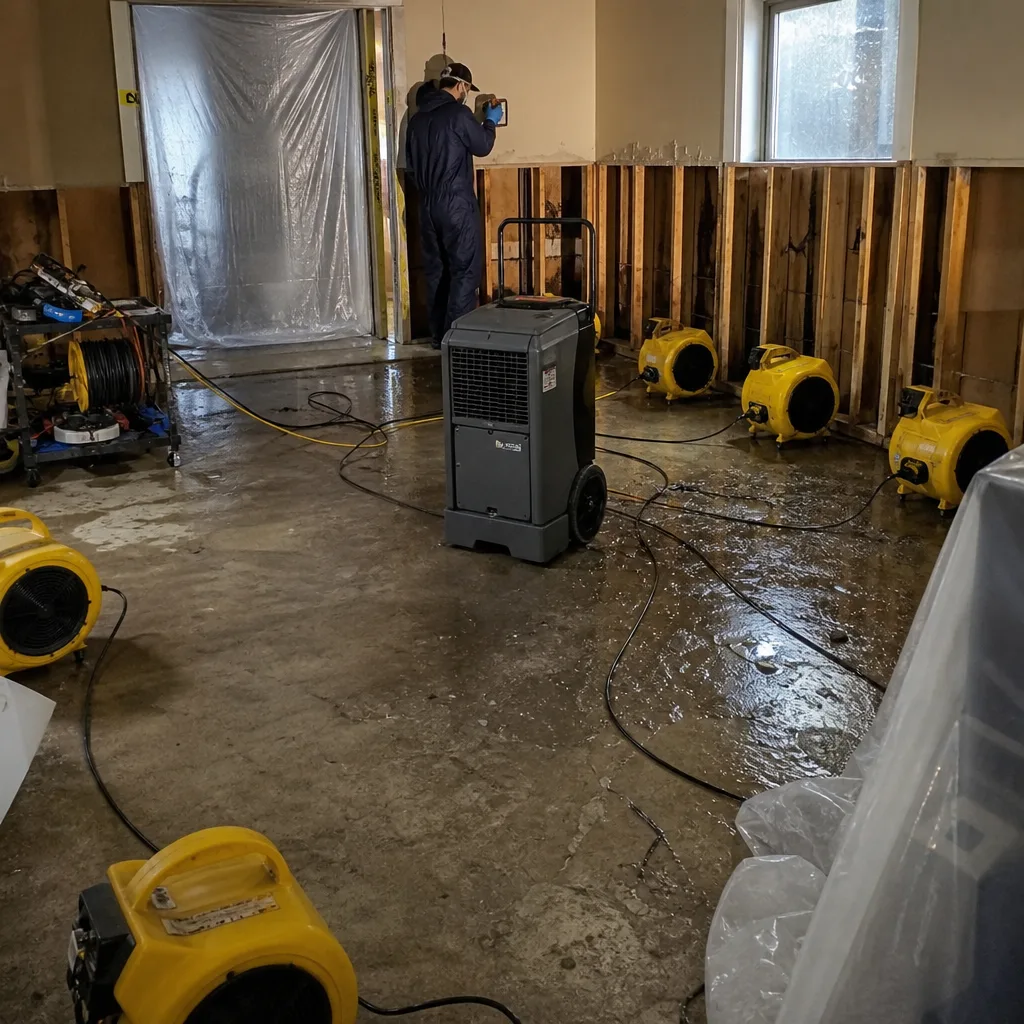
Insurance claims for fire and smoke damage fail most often at the documentation stage, not the damage assessment stage. Our process begins with a photo record in the first hour and continues with daily moisture logs, material classification by trade name, and line-item scopes formatted to the estimating platforms carriers actually use. We coordinate directly with your adjuster, providing the psychrometric data and drying documentation that turns restoration invoices into payable claims.
Our Fire & Smoke Damage Restoration team has handled claims across major carriers serving Orange County, and we understand the specific documentation requirements that prevent delays. Alicia Brennan founded Back to Dry in 2011 after seeing how incomplete documentation cost homeowners their claims, and that origin shapes every file we build.
What We Provide Your Insurer
- Thorough documentation of the loss
- Photos of all damage, room by room
- Moisture readings and drying logs
- A detailed, line-item scope of work
- Direct coordination with your carrier
Built for Mission Viejo’s Loss Calendar
Mission Viejo’s fire and smoke damage calendar is driven by geography, not season in the traditional sense. The Santa Ana wind corridor compresses wildfire risk into fall months, typically October through December, when canyon-rim neighborhoods see their highest smoke infiltration call volume. These wind events channel embers and dense smoke from distant ridge fires directly into residential streets, often with no local ignition source.
Winter brings a secondary pattern: kitchen and electrical fires spike during holiday cooking and heating seasons, with the city’s aging 1970s-80s electrical panels and original aluminum wiring in some tracts contributing to overload failures. Spring and summer see lower fire volume but higher severity per incident, as dry conditions allow small ignition sources to spread before suppression.
The clay-heavy hillside soils that define Mission Viejo’s canyon topography also create post-fire complications: winter rains on burned or denuded slopes produce mudflow and erosion damage with little warning, often hitting the same properties that suffered smoke infiltration months earlier. Our crews document pre-loss condition precisely because these overlapping events test insurance coverage limits and carrier goodwill.
Fire & Smoke Damage Restoration Across Mission Viejo’s Neighborhoods
In the eastern hillside tracts bordering Aliso and Wood Canyons Wilderness Park - areas like the ridgelines off Via del Aguacero and the upper reaches of Felipe Road - our response protocol differs from standard fire damage calls. These neighborhoods sit squarely in the wildland-urban interface, and their original 1970s-80s HVAC systems draw canyon-side air through ductwork never engineered for modern wildland-fire fine-particulate loads. A smoke call here begins with duct scope and air-handler assessment, not surface cleaning. We’ve learned to bring containment materials and portable HEPA filtration as standard equipment for this corridor.
The central lake area and neighborhoods surrounding Mission Viejo Lake - primarily built in the 1970s and 1980s with tighter clustering - present different access constraints. Narrow streets and limited parking around the lake basin require smaller equipment staging and earlier coordination with property management on multi-unit buildings. Smoke damage in these denser tracts often involves shared attic spaces and common HVAC risers, demanding containment protocols that protect neighboring units.
Northern Mission Viejo, toward the Oso Parkway corridor and the transition into Ladera Ranch, includes newer construction but still draws from the same master-planned era. Here we see more recent electrical upgrades and fewer original HVAC systems, but the same stucco-and-tile construction that traps smoke in wall cavities. The distinction matters for scoping: newer ductwork may be flexible rather than rigid metal, changing our cleaning approach and documentation requirements.
We were called to a tile-roof stucco home on the canyon rim off Via del Aguacero in eastern Mission Viejo after a distant ridge fire pushed dense smoke through the Santa Ana wind corridor. There was no exterior char, but our techs scoped the original 1978 air handler and found soot loading across the duct runs; we set containment, ran moisture mapping to confirm no intrusion, and completed a full pack-out of contents plus antimicrobial treatment on the affected plenum and ducts. The homeowner had already been told by another outfit the house was clean - our duct scope and deodorization proved otherwise.
Specialized Fire & Smoke Damage Restoration Services We Offer in Mission Viejo
Fire Damage Cleanup
Structural fire damage cleanup in Mission Viejo addresses charred framing, compromised drywall, and damaged insulation with material-specific removal protocols. We document salvageable versus non-salvageable structural elements with photo evidence for insurance replacement, critical in this city’s high-value housing market where material matching triggers code-upgrade discussions.
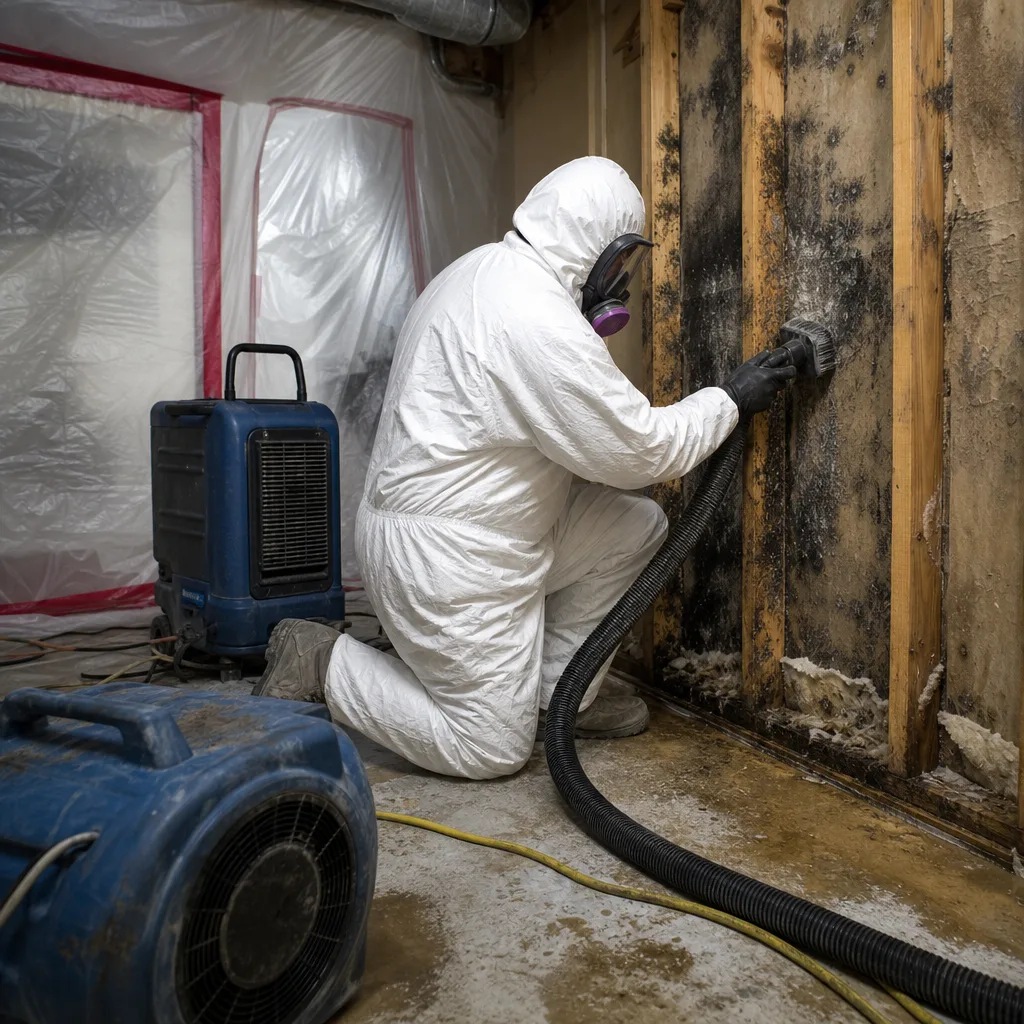
Smoke & Soot Removal
Our smoke and soot removal service targets the residue types specific to each fire: dry, wet, or protein-based. In Mission Viejo’s hillside tracts, we prioritize attic cavity and HVAC duct infiltration that surface cleaning misses entirely. This is where most competitor scopes fall short, and where our documentation-first approach proves its value.
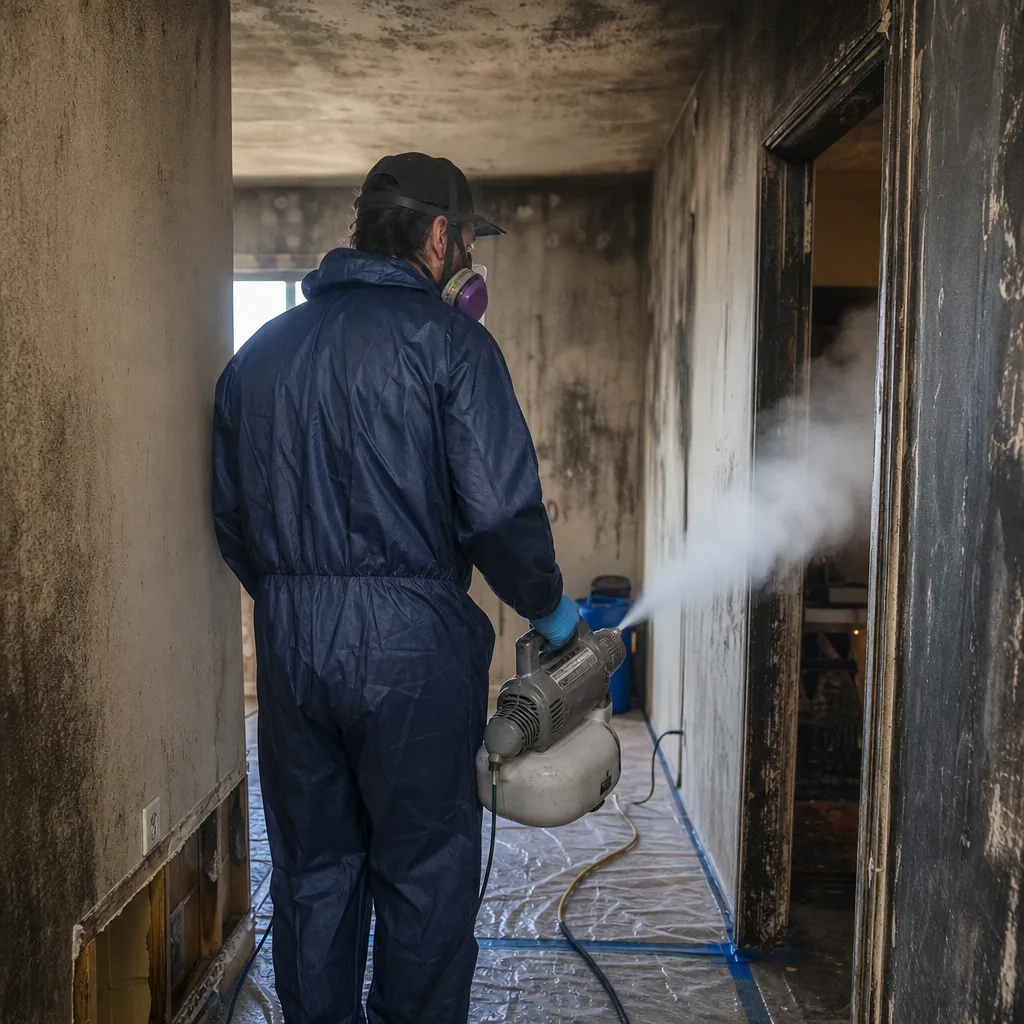
Odor Removal & Deodorization
Persistent smoke odor after visible cleaning indicates molecular penetration into porous materials. We deploy thermal fogging, ozone generators, and hydroxyl treatment based on occupancy status and material sensitivity, with air quality testing to document odor elimination rather than masking.
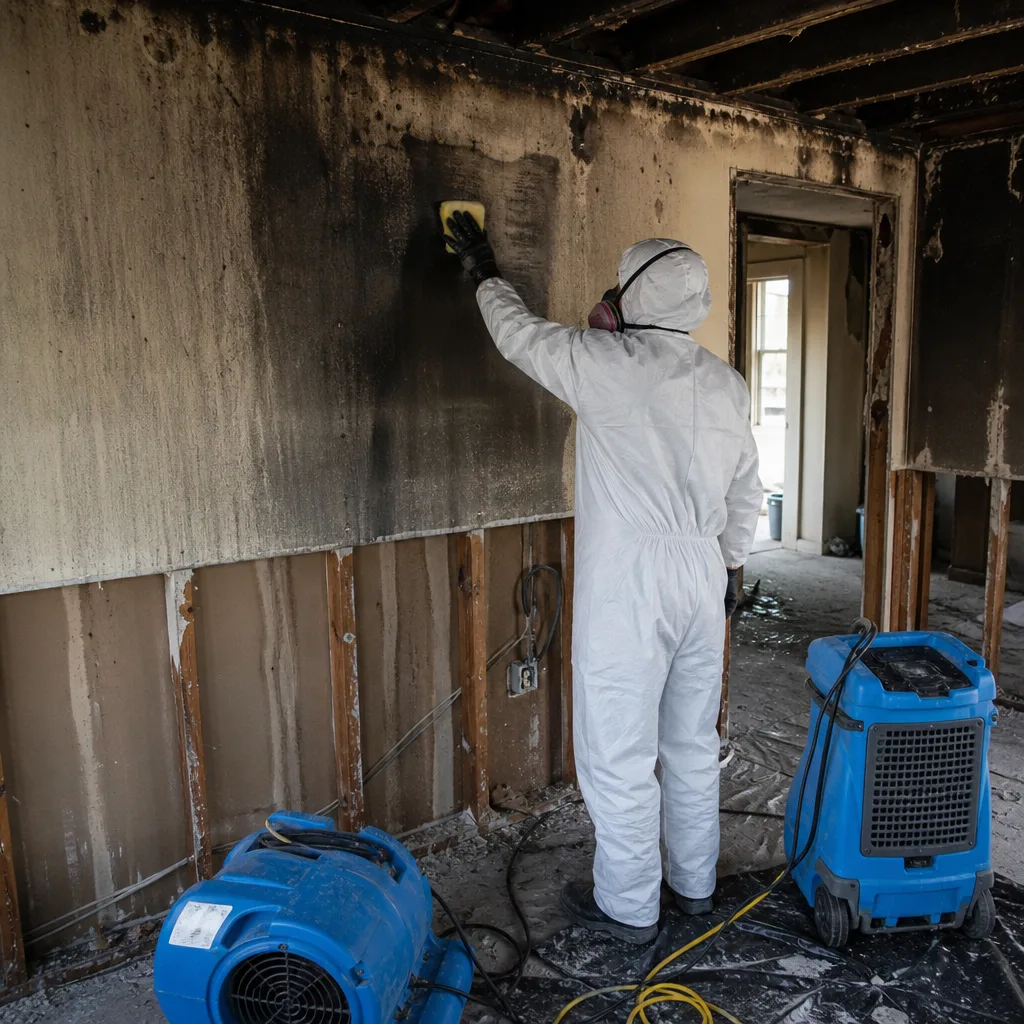
Contents Cleaning & Pack-Out
Salvageable personal property is inventoried, photographed, and transported to our facility for specialized cleaning: ultrasonic for non-electronic hard goods, dry-cleaning for textiles, ozone treatment for odor-impregnated items. Every item receives a condition tag and digital photo linked to your claim file.
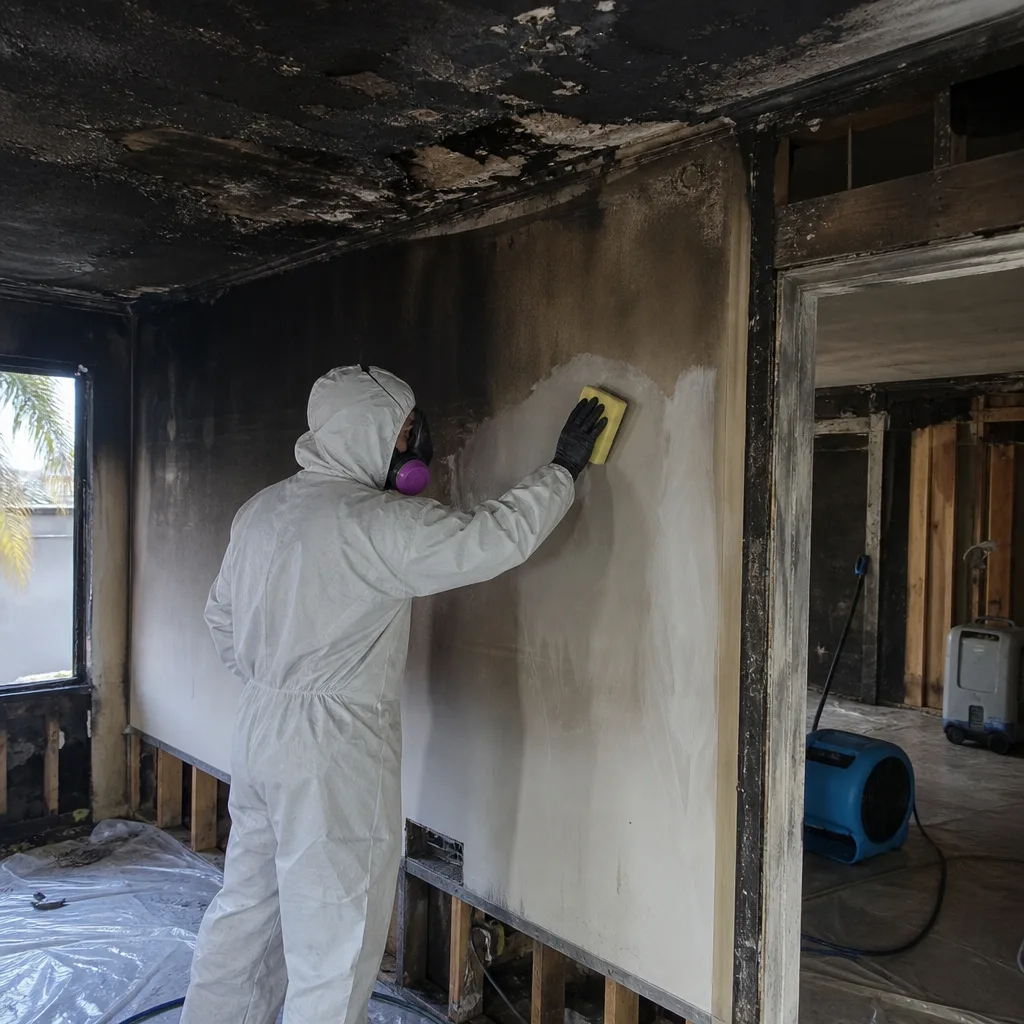
Emergency Board-Up & Tarping
Post-fire structural openings are secured with temporary barriers and roof tarps sized for Mission Viejo’s tile-roof profiles. We document pre-existing roof condition before tarp installation to prevent coverage disputes on tile breakage claims.
What happens when you call
- 1
A real person answersNo phone trees - you reach a local pro.
- 2
You get an upfront price rangeHonest numbers before anyone is dispatched.
- 3
A background-checked tech heads outLicensed & insured, dispatched right away.
- 4
You approve before work beginsNothing starts until you say go.
Fire & Smoke Damage Restoration Costs in Mission Viejo, CA
Smoke and soot remediation for a typical Mission Viejo single-family home runs $2,800-$5,500 for light to moderate residue with no structural fire damage. Moderate smoke infiltration involving attic cavity cleaning and partial ductwork remediation ranges $4,500-$8,500. Structural fire repair, including framing replacement, drywall, insulation, and finish restoration, typically starts at $15,000 and can exceed $45,000 for significant involvement across multiple rooms.
Several factors move these ranges: the residue type (wet smoke requires more labor hours than dry), the extent of HVAC ductwork involvement, contents pack-out volume, and whether water damage from suppression requires concurrent remediation. Mission Viejo’s master-planned-era housing stock, with original construction materials now at end-of-life, often triggers code-upgrade allowances that affect final out-of-pocket costs.
Insurance coverage for fire and smoke damage is typically straightforward on named-peril policies, but documentation quality determines how much of the scope carriers approve without revision. Our written price before work begins, per Haven Standard, Clause 1, includes a detailed line-item scope that serves as both your approval document and the adjuster’s reference. We also offer a Free Second Opinion on any competitor’s written estimate - bring their scope and we’ll review it at no charge.
We Also Serve Cities Near Mission Viejo
Our Fire & Smoke Damage Restoration in Mission Viejo crews regularly respond to properties in Lake Forest, Laguna Hills, Ladera Ranch, and Laguna Woods. Each of these cities shares elements of Mission Viejo’s master-planned development history and Saddleback Valley geography, though the specific wildland-urban interface conditions that define our hillside protocols are most pronounced in Mission Viejo’s canyon-rim neighborhoods.
Serving Mission Viejo, CA - Our Local Coverage Area
We’re based in the Mission Viejo area and know this community well. Use the map below to see our service coverage - if you’re nearby, we can almost certainly help.
Mission Viejo Fire & Smoke Damage Restoration Questions, Answered
Our Mission Viejo home has no visible fire damage - can smoke still get inside?
Yes. Smoke infiltration through HVAC intake, soffit vents, and construction gaps is the most common fire-related loss in Mission Viejo’s canyon-rim neighborhoods, where Santa Ana winds drive distant wildfire smoke into tightly sealed stucco homes with no exterior char. We scope ductwork and attic cavities as a default first step on these calls. Call (657) 297-0972 for a free visual inspection and written scope.
Why do you check my attic and ductwork before anything else on a smoke call in Mission Viejo?
The original 1970s-80s HVAC systems in Mission Viejo’s hillside tracts draw canyon-side air and were never engineered for modern wildland-fire fine-particulate loads; a home with no exterior char can still require full duct cleaning and odor treatment after a distant ridge fire. Attic cavities in stucco-and-tile construction trap smoke and ash that surface cleaning never reaches. This sequence prevents the costly error of declaring a job finished while hidden reservoirs continue off-gassing. Call (657) 297-0972 to schedule duct scope and assessment.
How fast does mold matter after we put out a kitchen fire in our Mission Viejo townhome?
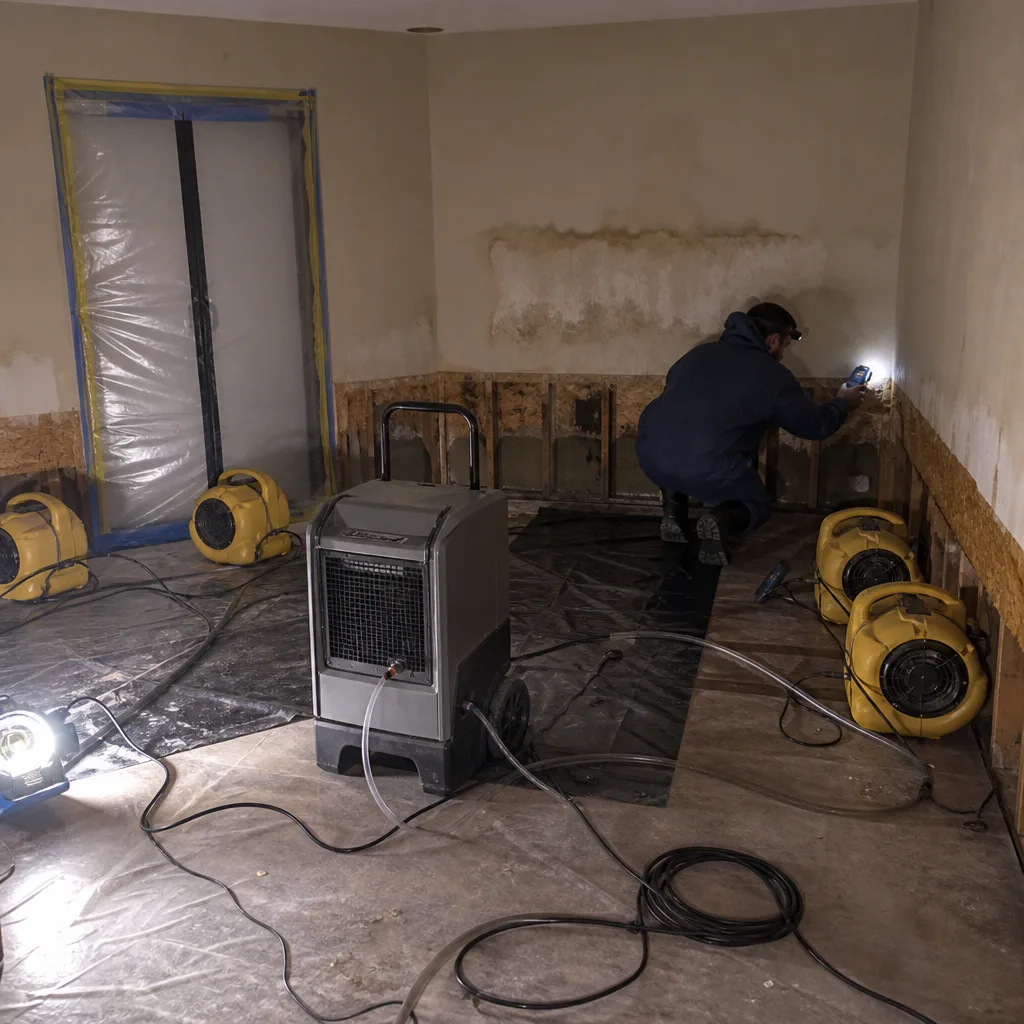
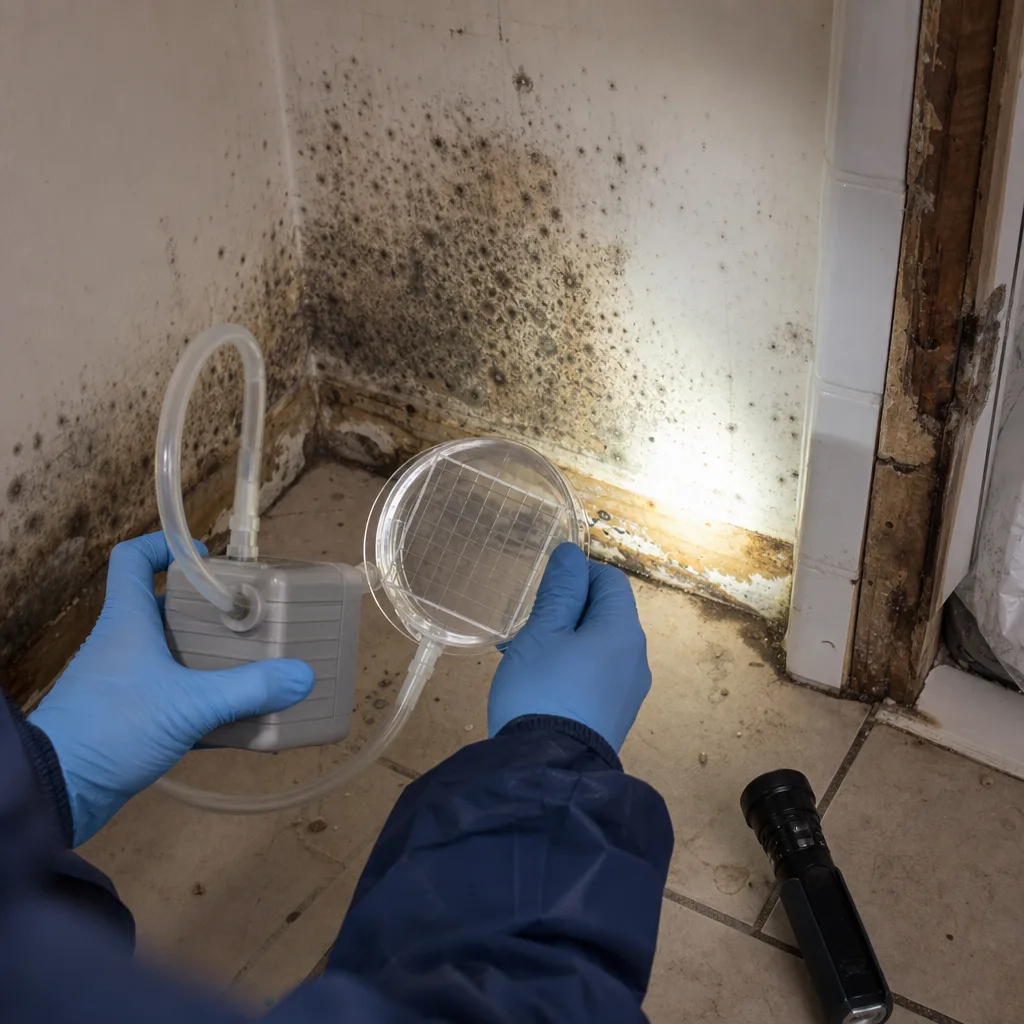
Mold colonization begins 24-48 hours after water introduction, and kitchen fires suppressed with water create exactly that condition behind cabinets and under flooring. In Mission Viejo’s master-planned townhomes, shared wall cavities accelerate spread between units. We moisture-map all affected areas before leaving the initial call and begin drying protocols same-day when readings exceed 16% wood moisture content. Call (657) 297-0972 for immediate assessment.
What happens to my contents during fire and smoke remediation here?
Salvageable items are inventoried, photographed, packed out to our cleaning facility, and treated by material type: ultrasonic cleaning for hard goods, dry-cleaning for textiles, ozone or hydroxyl treatment for odor-impregnated items. Non-salvageable contents are documented with detailed descriptions and replacement valuations for your insurance claim. Every item receives a digital photo and condition tag linked to your job file. Call (657) 297-0972 to discuss pack-out protocols for your specific situation.
How do you document that smoke damage wasn’t from a pre-existing problem?
Our initial inspection establishes pre-loss condition through dated photography, moisture readings, and residue analysis that distinguishes fresh smoke deposition from aged or environmental staining. We photograph undamaged areas for comparison, document the specific fire event and source when known, and coordinate with your adjuster to align our findings with the claimed loss. This documentation protocol, developed from Alicia Brennan’s claims-adjusting background, prevents the coverage disputes that arise from ambiguous causation. Call (657) 297-0972 for documentation standards that protect your claim.
How long does fire and smoke remediation typically take in Mission Viejo?
Light smoke and soot remediation with no structural damage typically completes in 3-5 days. Moderate infiltration requiring attic cleaning and partial ductwork remediation extends to 7-10 days. Structural fire repair, including reconstruction, ranges from several weeks to months depending on permit timelines and material availability. We provide a written timeline with every scope, updated daily, so you’re never estimating progress. Call (657) 297-0972 for a project-specific schedule.
Can we stay in our home during smoke damage remediation?
Occupancy depends on residue type, air quality readings, and the extent of HVAC involvement. Light, localized smoke damage may allow continued residence with HEPA air scrubbers running; moderate to heavy infiltration, or any ozone treatment phase, requires temporary relocation for health and safety. We test particulate and VOC levels before authorizing re-occupancy and document those readings for your records. Call (657) 297-0972 to discuss your specific conditions.
What certifications do your Mission Viejo fire restoration technicians hold?
Our technicians hold IICRC FSRT (Fire and Smoke Restoration Technician) and WRT (Water Damage Restoration Technician) certifications, with certification numbers documented on every job file. All work follows IICRC, RIA, and IFA standards, producing the daily documentation that carriers require for claim payment. Background checks and license verification are completed before any technician arrives at your property. Call (657) 297-0972 to verify current credentials.
Written by Alicia Brennan, Owner at Back to Dry Restoration, serving Mission Viejo since 2011.
Fire & Smoke Damage Restoration in Nearby Areas