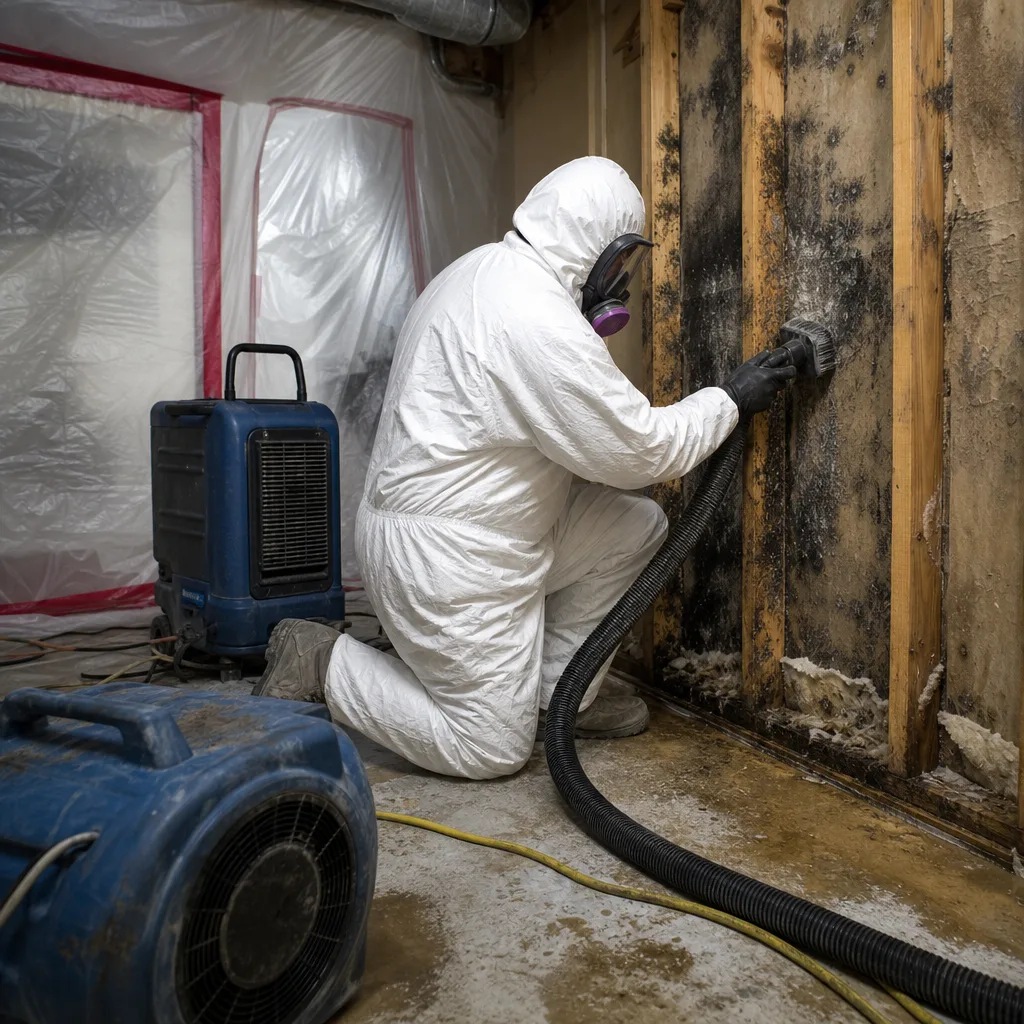
Free visual inspection and a written scope of work before any mitigation begins - photos, moisture readings, and drying logs go in your claim file
The scope we write is the scope we bill. Anything new gets shown to you, in writing, before we touch it.
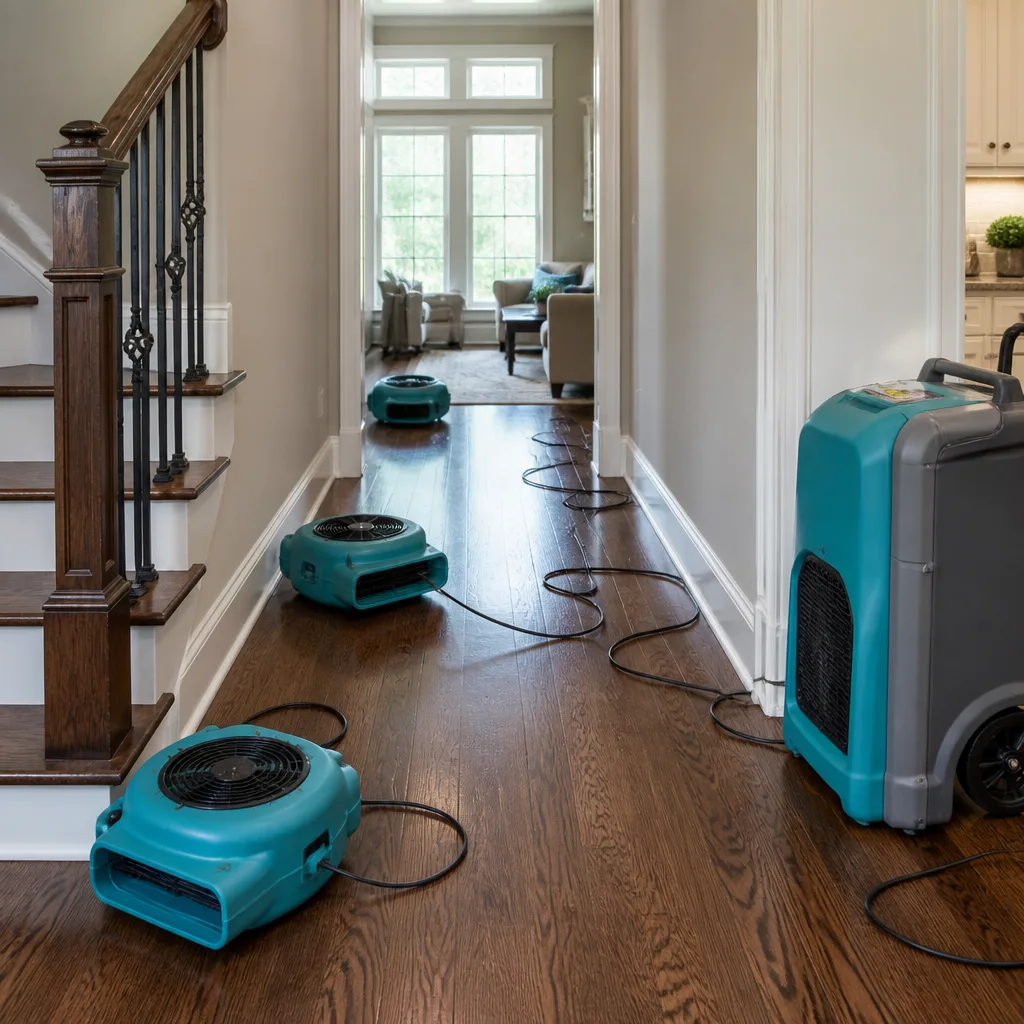
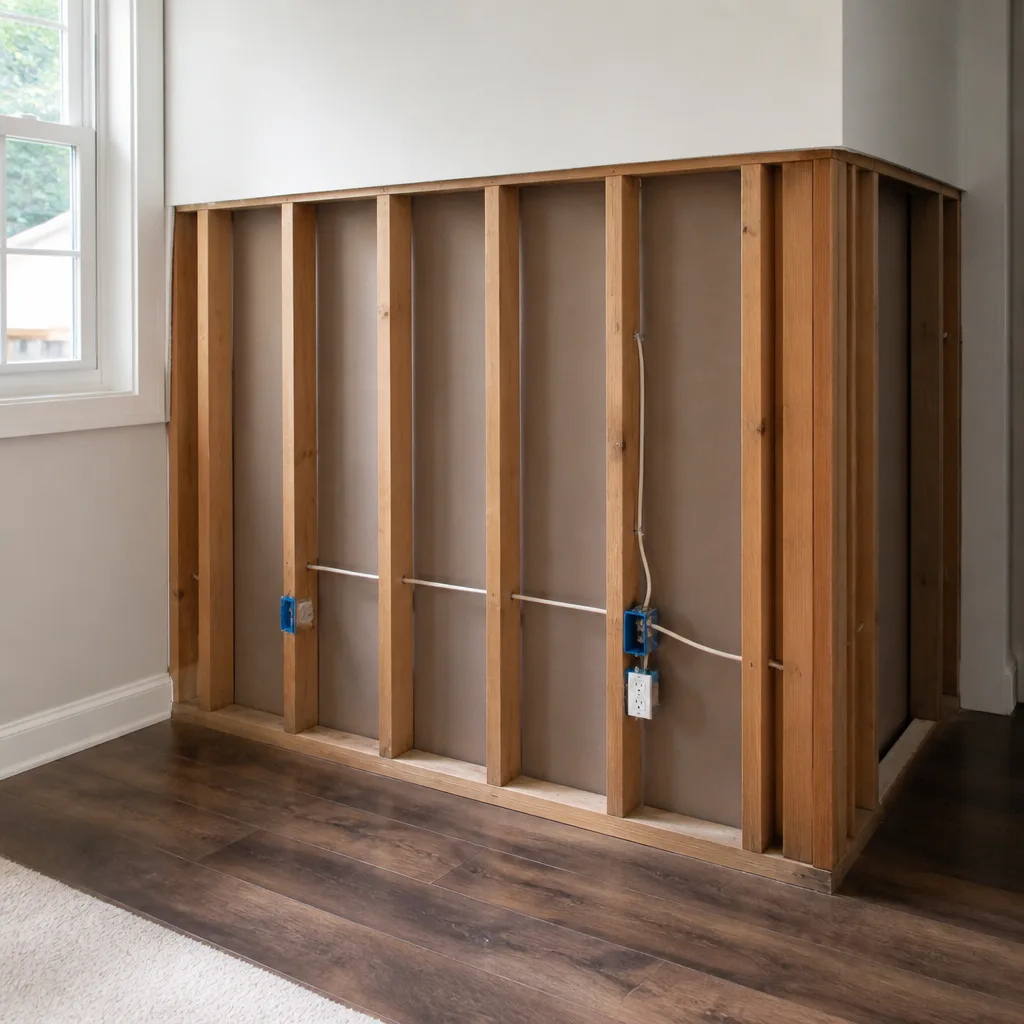
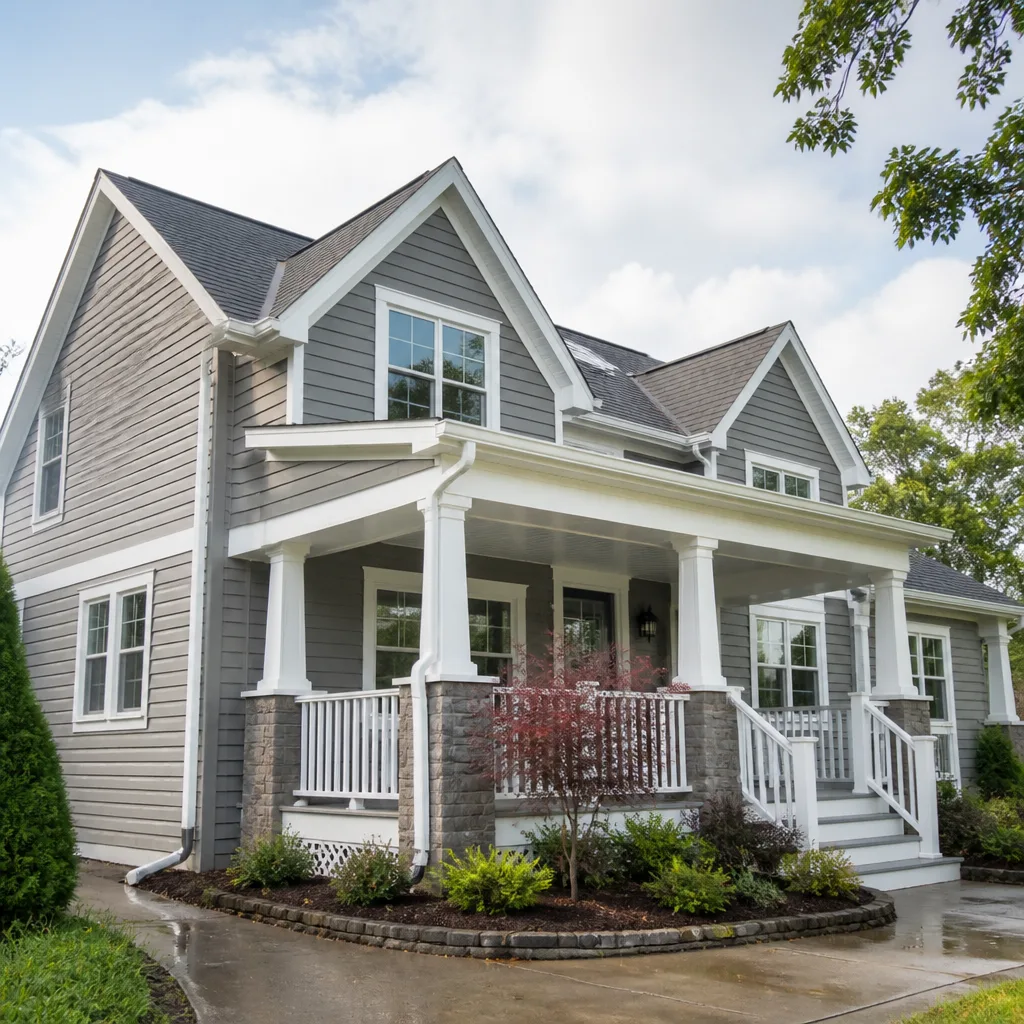
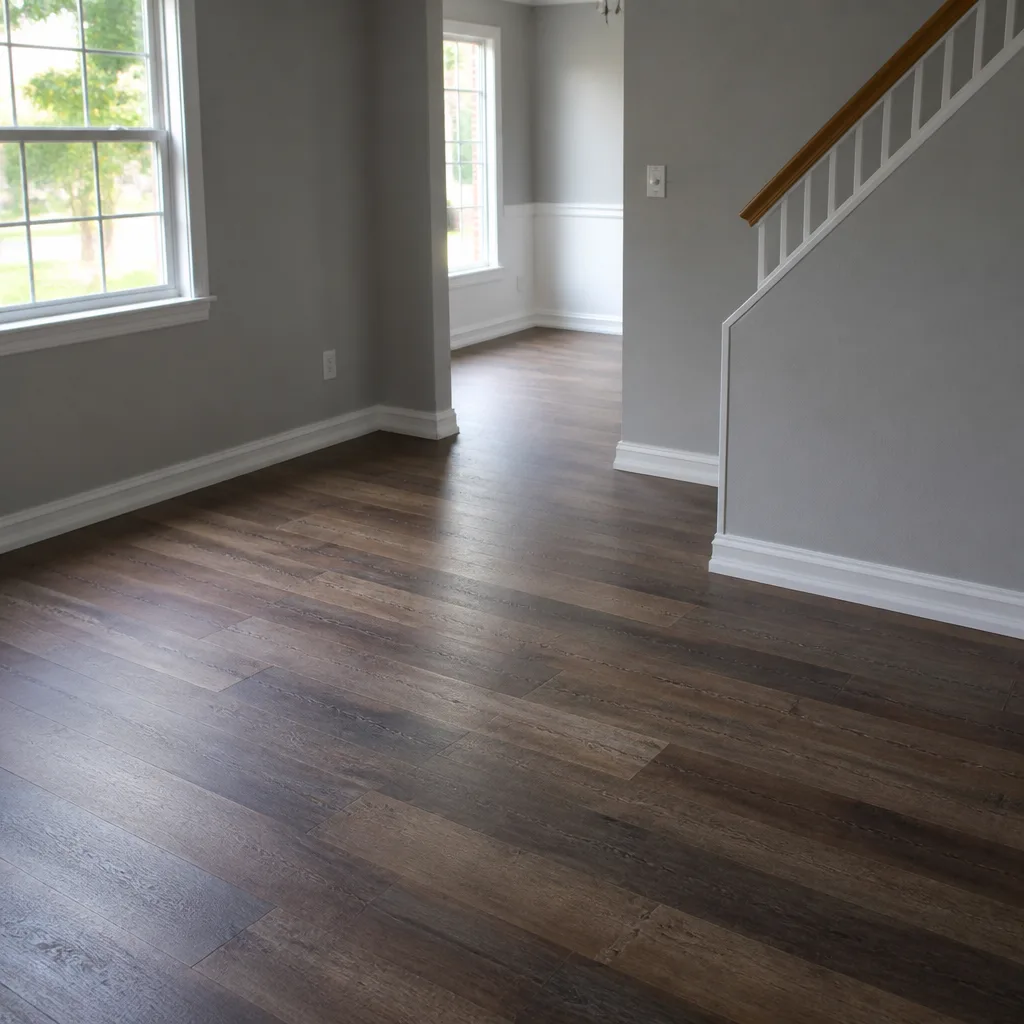
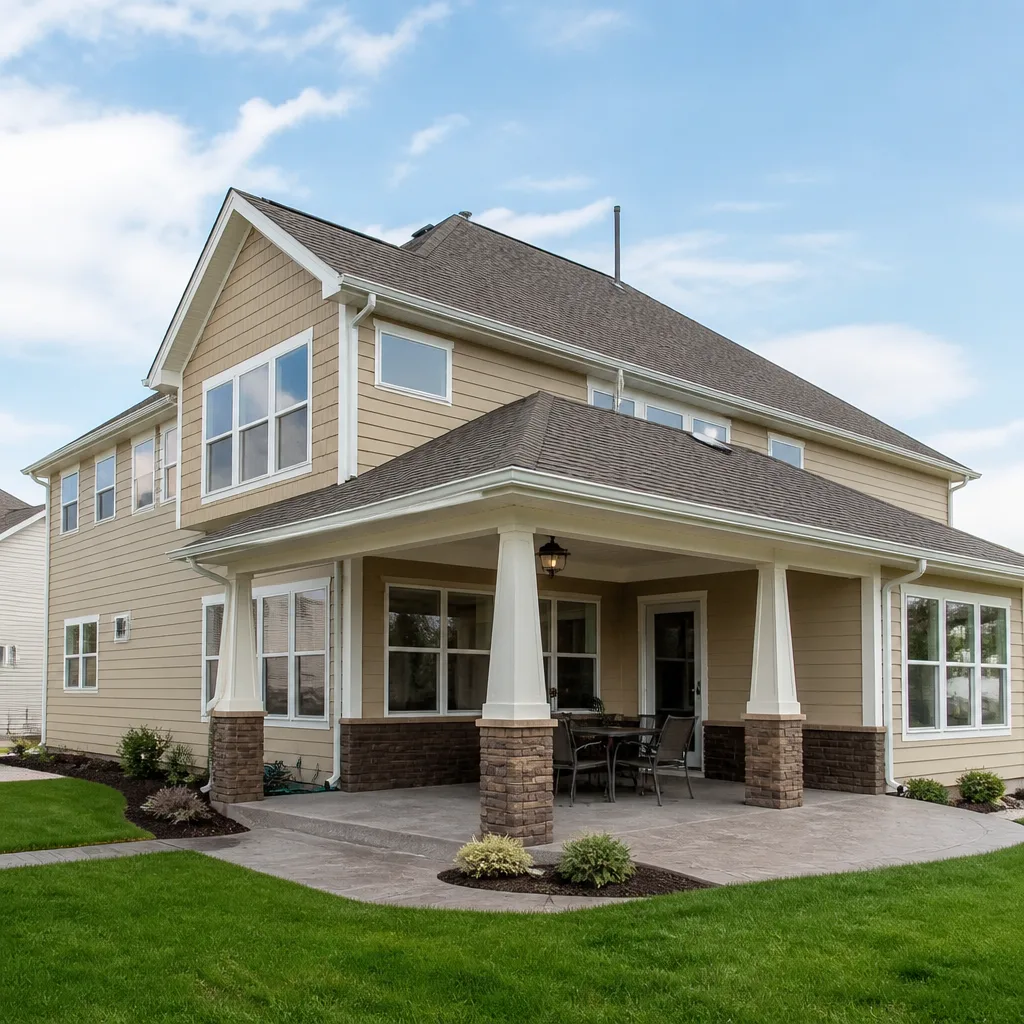
 Before
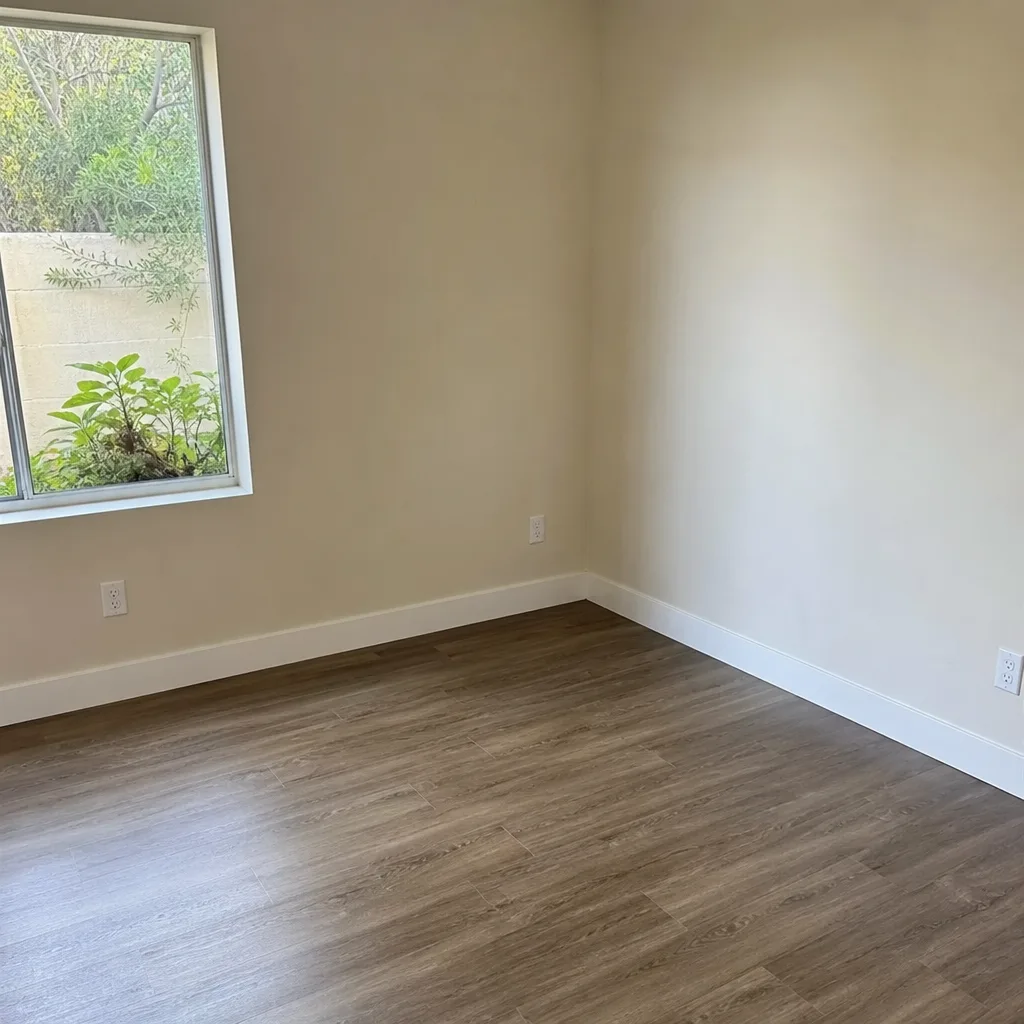 After
After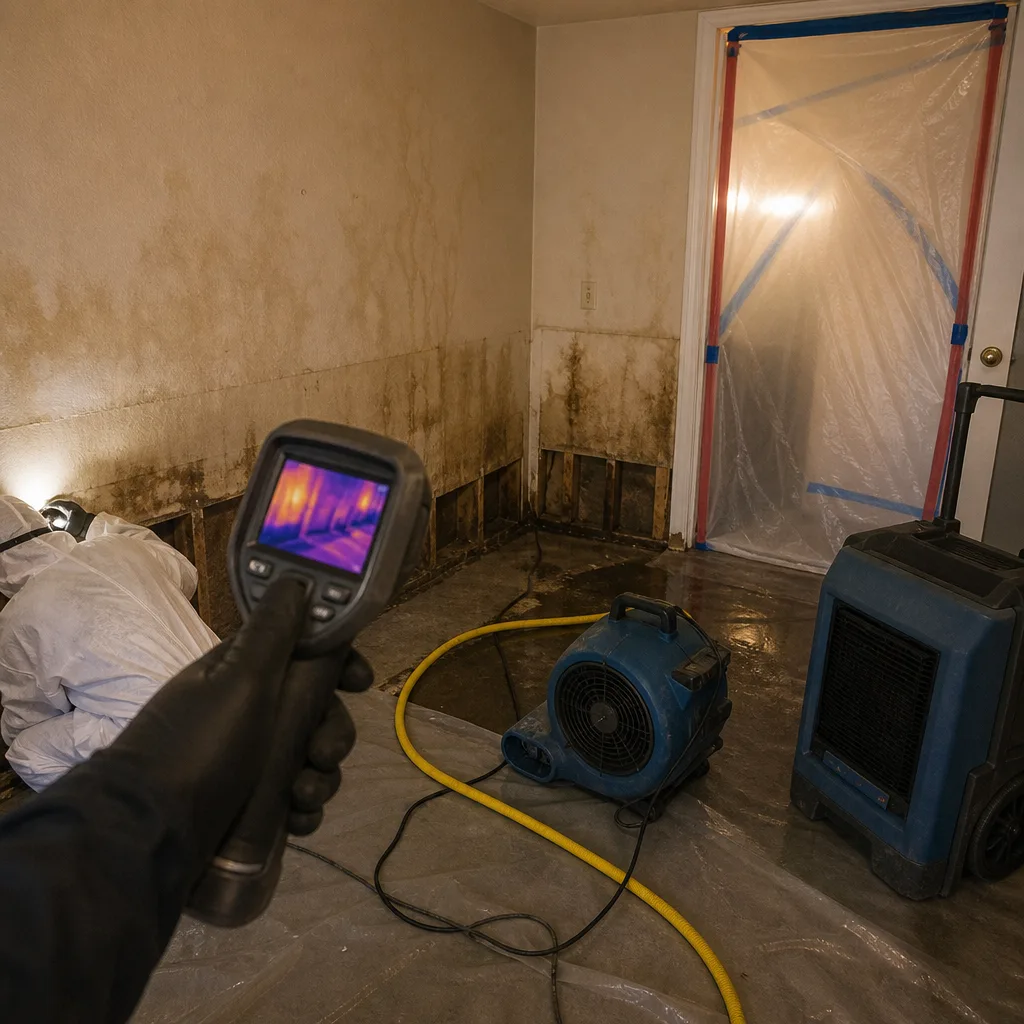 Before
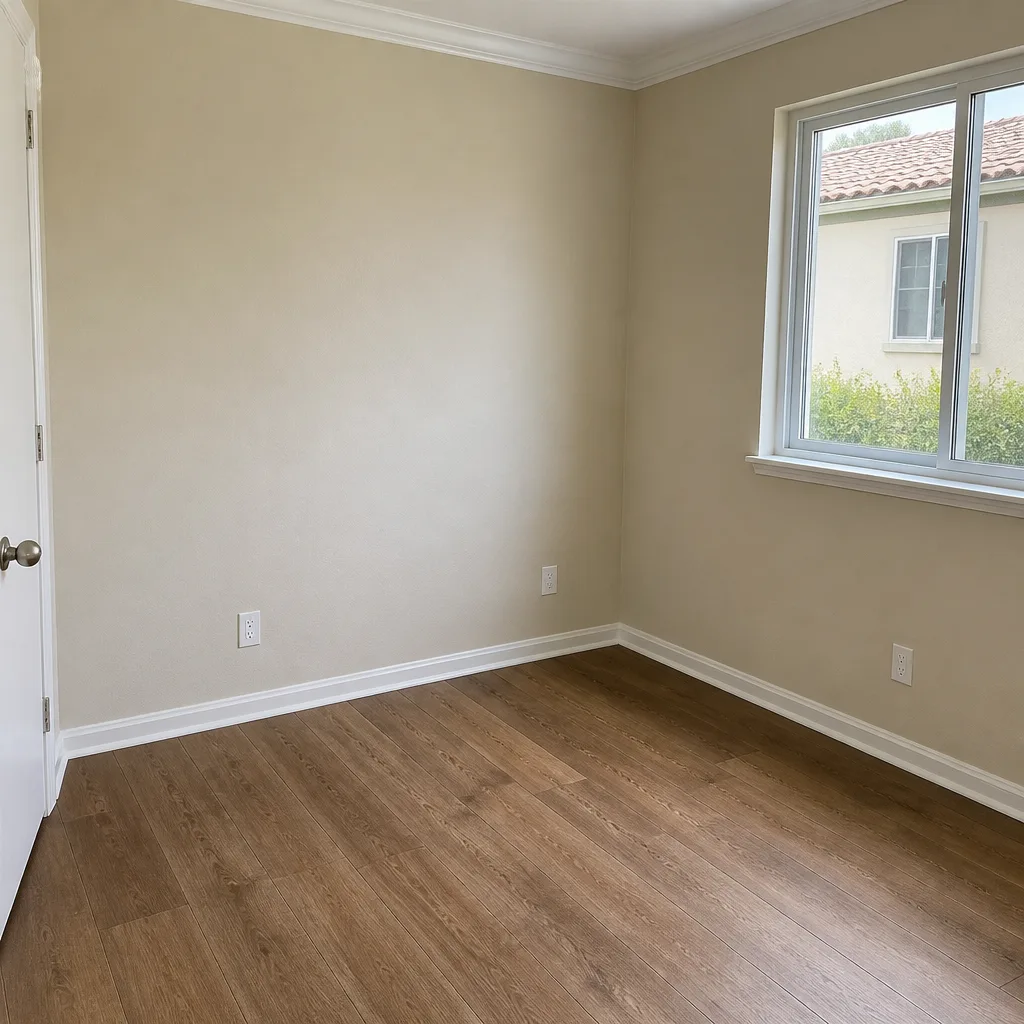 After
After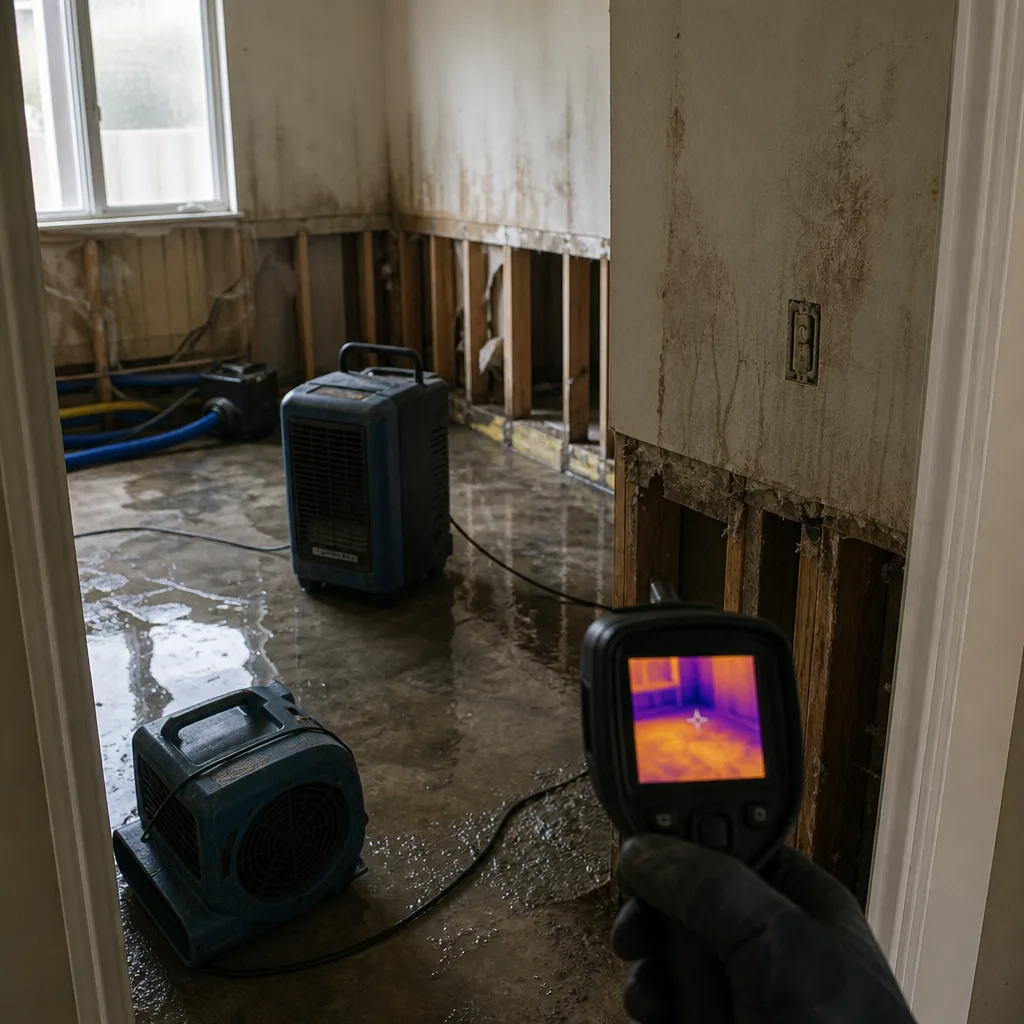 Before
 After
After24/7 Emergency Mold Remediation in Laguna Beach
Mold remediation in Laguna Beach typically costs $2,800-$8,500 depending on affected square footage, containment complexity, and whether the structure requires crawl space treatment or air quality restoration. Most Laguna Beach properties need 3-7 days from containment setup to clearance testing, with our crews dispatched from the Los Angeles office and on-site in Laguna Beach inside 45 minutes. Call (657) 297-0972 now - a live person answers every emergency line, 24 hours a day, 7 days a week, with no voicemail trees.
The first hour determines whether a Laguna Beach mold job stays contained to one room or spreads through HVAC systems. Our Mold Remediation team runs moisture mapping and thermal imaging before setting containment, so we document exactly what we’re treating and present a written scope before any work begins. Haven Standard, Clause 1.
Understanding Mold Remediation Severity in Laguna Beach Properties
Mold severity in Laguna Beach falls into three practical categories that drive containment strategy, equipment selection, and timeline. Category 1 contamination - limited surface growth on non-porous materials like tile or sealed concrete - typically responds to HEPA vacuuming, antimicrobial application, and targeted drying with Phoenix dehumidifiers and XPOWER air movers. Category 2 involves porous materials: drywall, insulation, original plaster walls common in 1920s-1940s village cottages, and aging subfloor systems where moisture has wicked beyond surface reach. Category 3 requires full removal of contaminated structural elements, negative-air containment with HEPA scrubbers, and often crawl space treatment when the source traces to foundation moisture.
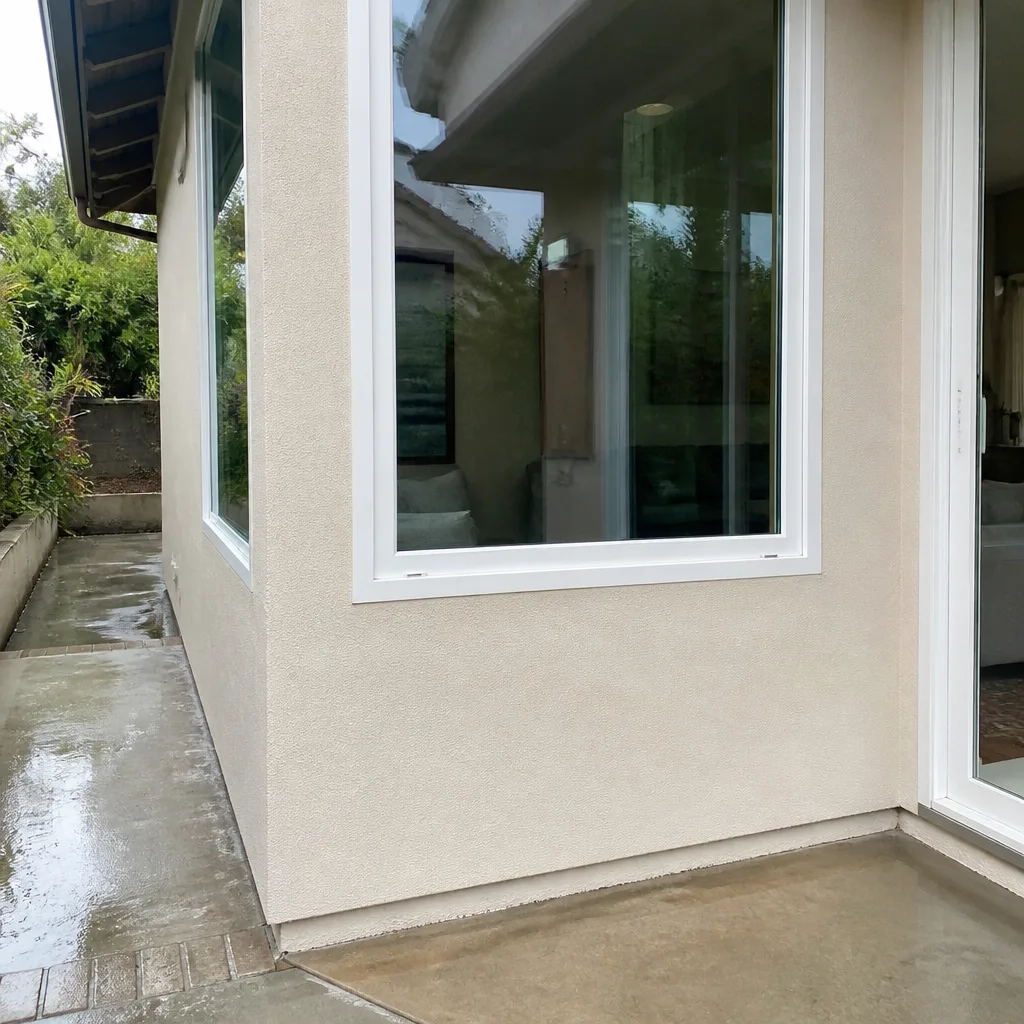
Laguna Beach’s housing stock complicates every category. Mid-century modern cliff-hangers cantilevered over canyon walls often have concealed roof drains and single-plane windows that leak into wall cavities for weeks before visible signs appear. Historic cottages with original plaster and no vapor barriers hold moisture in lathe-and-plaster assemblies that standard drywall contractors misread as dry. The persistent marine layer keeps relative humidity above 60% even in dry months, so secondary mold colonization on “dried” structures is a real risk we flag in every written scope.
Why Laguna Beach Property Owners Choose DryMark Restoration Mission Viejo
- 45-minute response commitment to Laguna Beach properties, with crews staged for immediate dispatch from our Los Angeles coordination office.
- 24/7 live answer - a real person, never an automated system or next-business-day callback, on every emergency line.
- IICRC-certified crews holding WRT (Water Damage Restoration Technician), AMRT (Applied Microbial Remediation Technician), and FSRT (Fire & Smoke Restoration Technician) credentials where cross-training applies to Laguna Beach’s fire-to-mold loss cycle.
- Free visual inspection with moisture mapping and thermal imaging included - no charge to determine whether you have a problem that requires containment.
- Direct insurance billing with documented photo records, drying logs, and line-item scopes that adjusters recognize and pay without dispute.
- One team from extraction to reconstruction - no handoffs between mitigation and rebuild contractors that lose continuity on custom Laguna Beach finishes.
 Before
 After
AfterOur Mold Remediation Process
1. Inspection & Assessment
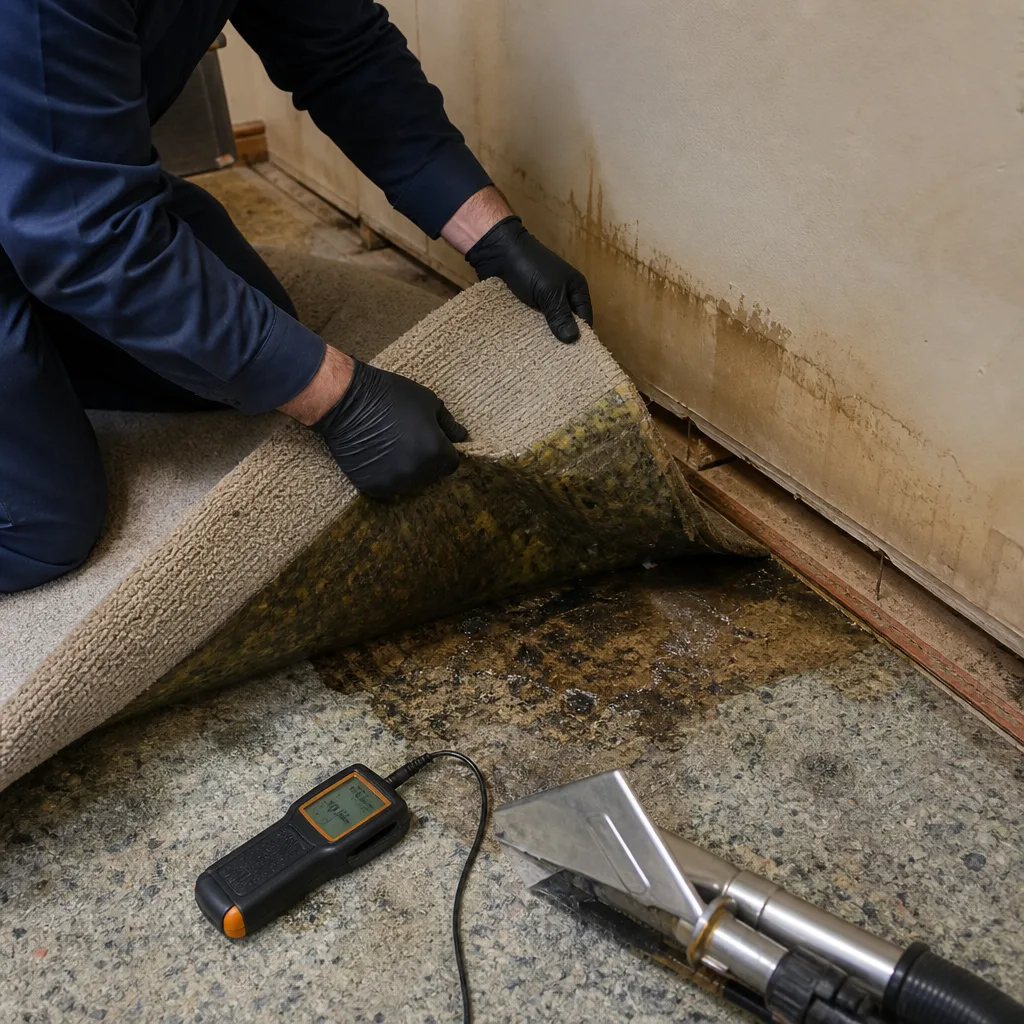
We arrive with thermal imaging cameras, penetrating and non-penetrating moisture meters, and hygrometers to map the full moisture perimeter. In Laguna Beach, this means checking salt-air-corroded flashing and fasteners that often hide secondary intrusion points behind the primary leak. You receive a written scope and firm price before any containment begins.
2. Containment & Air Filtration
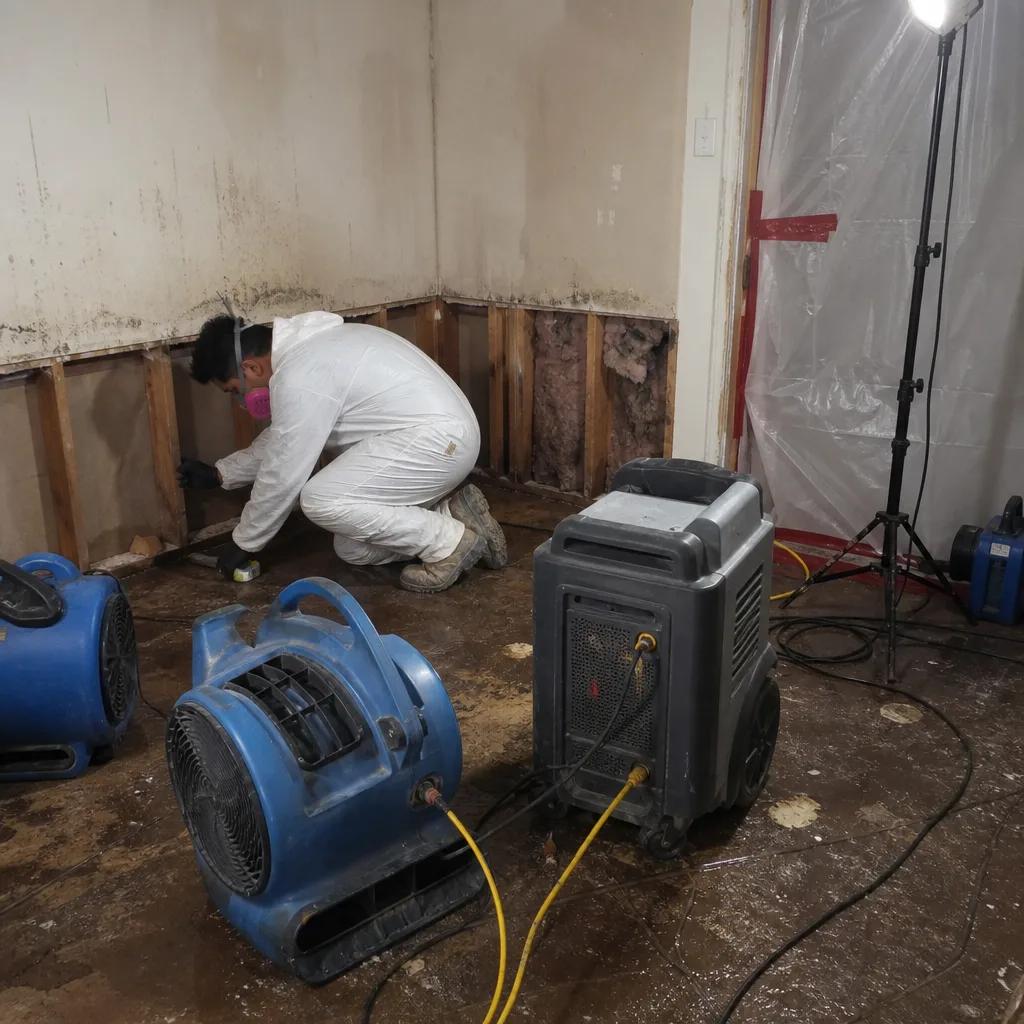
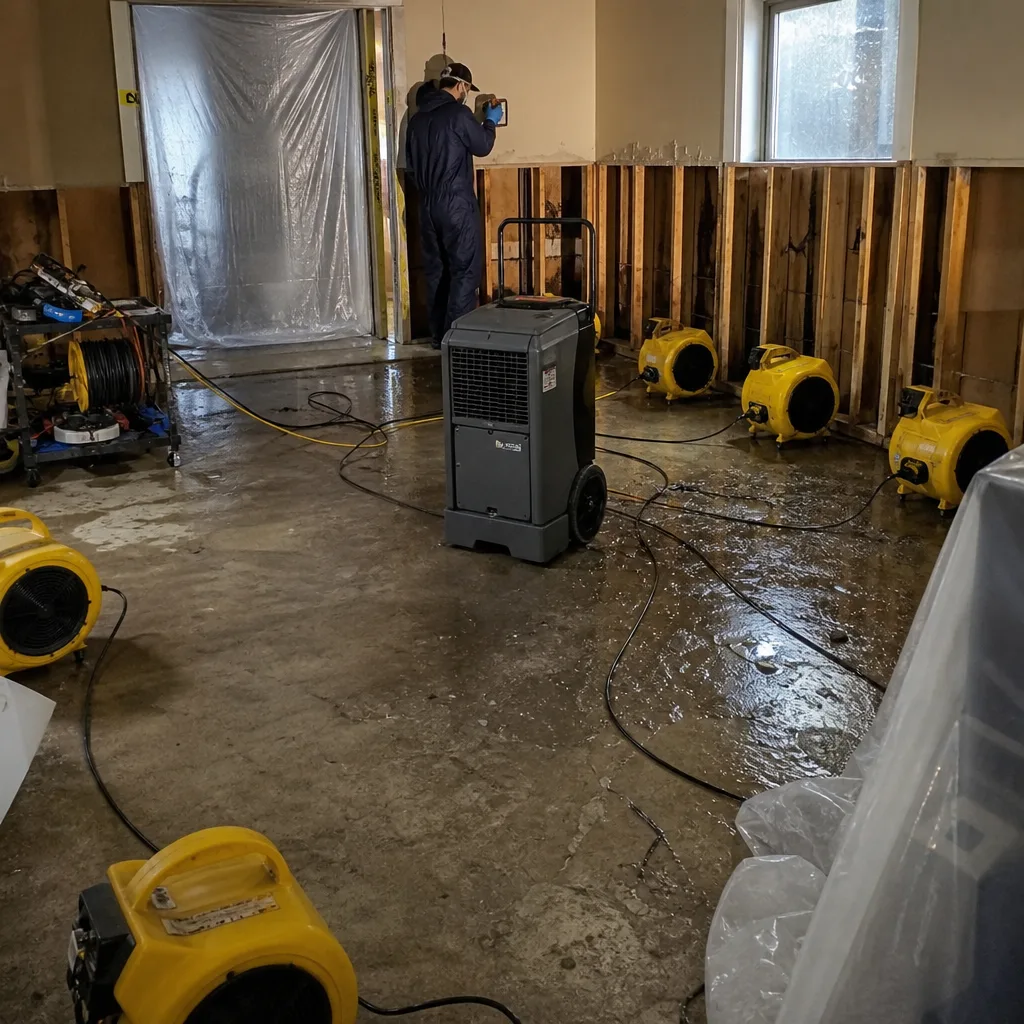
We establish negative-air containment with 6-mil polyethylene barriers and HEPA scrubbers running at 500 CFM minimum per contained zone. For occupied Laguna Beach homes, we create clean-to-dirty airlocks so residents can access unaffected areas during remediation.
3. Moisture Mapping & Structural Drying
Before removing any material, we document moisture content in wood framing, subfloors, and plaster assemblies to establish our drying baseline. Injectidry wall-cavity drying systems pull vapor from sealed cavities without destructive demolition when readings support it. Daily moisture logs go to your file and your adjuster.
4. Cleaning & Sanitization
HEPA vacuuming of all surfaces, followed by EPA-registered antimicrobial application on porous and non-porous materials. In Laguna Beach’s marine-layer environment, we extend antimicrobial treatment to salt-corroded fasteners and flashing that would otherwise re-wet the cavity after visible mold removal.
5. Crawl Space Treatment & Moisture Control
Crawl spaces in hillside Laguna Beach homes collect groundwater and condensate year-round. We install vapor barriers, dehumidification, and ventilation corrections to drop relative humidity below 60% - the threshold where mold colonization stalls. This is where most Laguna Beach re-growth starts; we treat it as standard, not optional.
6. Air Quality Restoration & Clearance Testing
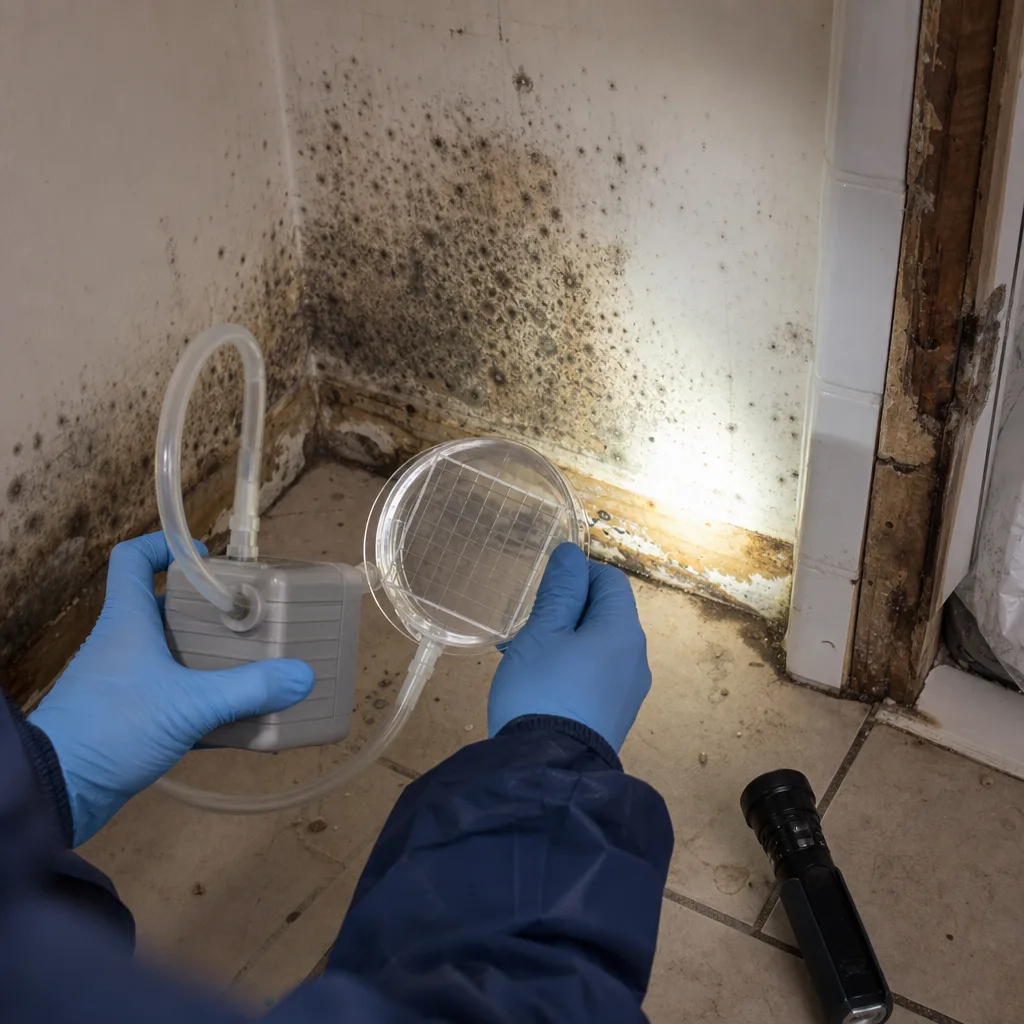
Post-remediation air sampling by an independent third-party laboratory confirms spore counts at or below outdoor baseline levels. We don’t self-clear. You receive the lab report, our photo record, drying logs, and the 365-Day Done Right Promise under The Haven Standard.
Need Emergency Mold Remediation in Laguna Beach Now?
Crews minutes away, answering live 24 hours a day. The sooner we start, the less it costs.
Working With Your Insurance Company
Every Laguna Beach mold claim we handle starts with documentation from the first hour. Our estimates follow industry-standard Xactimate pricing that carriers recognize, and we coordinate directly with your adjuster rather than handing you a bill to submit alone. The photo record on every visit, the daily moisture readings, and the written drying log are not extras - they are standard deliverables that turn restoration invoices into payable claims.
We also provide free second opinions on any competitor’s written estimate. Bring another contractor’s scope and we’ll review it at no charge, line by line, against what we found in your structure.
What We Provide Your Insurer
- Thorough documentation of the loss
- Photos of all damage, room by room
- Moisture readings and drying logs
- A detailed, line-item scope of work
- Direct coordination with your carrier
Built for Laguna Beach’s Loss Calendar
Laguna Beach’s mold season doesn’t follow a calendar - it follows water events. January through March brings the heaviest marine-layer saturation, when homes that have held summer humidity all winter hit dew point inside wall cavities. April and May deliver the first Santa Ana wind events, which dry surface materials so fast that homeowners miss sub-surface moisture that blooms into Category 2 mold by June.
The real compounding risk comes from Laguna Beach’s fire-to-flood cycle. Santa Ana wind-driven wildfires scorch chaparral on the canyon slopes above neighborhoods like Bluebird Canyon and Temple Hills. Winter rains hitting fire-denuded slopes send debris flows into the same properties that just experienced fire and smoke damage. Our crews regularly address fire, smoke, ash, and subsequent water intrusion on the same Laguna Beach property within a single season - and every water intrusion in a fire-damaged structure accelerates mold colonization because heat-compromised building materials absorb moisture faster than intact assemblies. The 1993 Laguna Beach firestorm and repeated post-fire debris events make this a locally understood reality, not a hypothetical.
July through October brings the highest absolute humidity, when even minor roof or window leaks turn into visible mold in 48-72 hours - half the timeline of inland Orange County. November and December see the first winter storms, which find the leaks that summer dryness concealed.
Mold Remediation Across Laguna Beach’s Neighborhoods
Historic Village Core - The 1920s-1940s wood-frame beach cottages along Ocean Avenue and Glenneyre Street present a specific challenge: original plaster walls over wood lath, aging subfloor systems with no vapor barrier, and redwood or cedar siding that wicks ground moisture. We moisture-map every plaster assembly before declaring it dry; surface readings on plaster are meaningless because the lathe behind holds water for weeks. Our Laguna Beach crews have replaced entire subfloor systems in village cottages where three previous contractors declared the structure dry.
Bluebird Canyon - The switchback roads here physically bar standard restoration dumpsters and large equipment trucks from many driveways. We stage smaller roll-offs on Pacific Coast Highway and run hand-carry debris chains down steep driveways. This adds labor hours that out-of-area contractors consistently underestimate in their bids, which is why we account for it in our written scope before work begins. In Bluebird Canyon, a 1960s cliff-hanger with original plaster walls had a slow supply-line leak that fed a Category 2 mold bloom behind the kitchen cabinets; we ran moisture mapping and readings across the plaster and subfloor before setting containment, HEPA filtration and Injectidry wall-cavity drying. Because the switchback driveway couldn’t take a roll-off, we hand-carried debris down to a staged bin on Pacific Coast Highway, then completed antimicrobial treatment and a documented drying log for the adjuster’s scope of work.
Temple Hills - Similar access constraints to Bluebird Canyon, with the added factor of mid-century modern homes cantilevered over canyon walls. These structures often have flat roofs with interior drains that clog with chaparral debris, sending water into parapet walls and ceiling assemblies. We inspect drain systems as standard on every Temple Hills mold call because the roof leak and the mold are rarely in the same room.
South Laguna and Three Arch Bay - Higher-end contemporary builds on steep lots with custom finishes and smart-home integration. Mold remediation here requires protecting finishes that aren’t replaceable with off-the-shelf materials. We document every surface before containment and use low-impact access methods where possible.
Specialized Mold Remediation Services We Offer in Laguna Beach
Mold Inspection & Testing
Our Laguna Beach inspections include thermal imaging, moisture mapping, and air sampling where visual signs are ambiguous. For historic village cottages with original plaster, we take core samples of wall assemblies to determine whether mold is present in the lathe cavity - surface swabs alone will miss it. Testing before remediation is standard on custom homes where destructive investigation carries finish-replacement costs.
Mold Removal
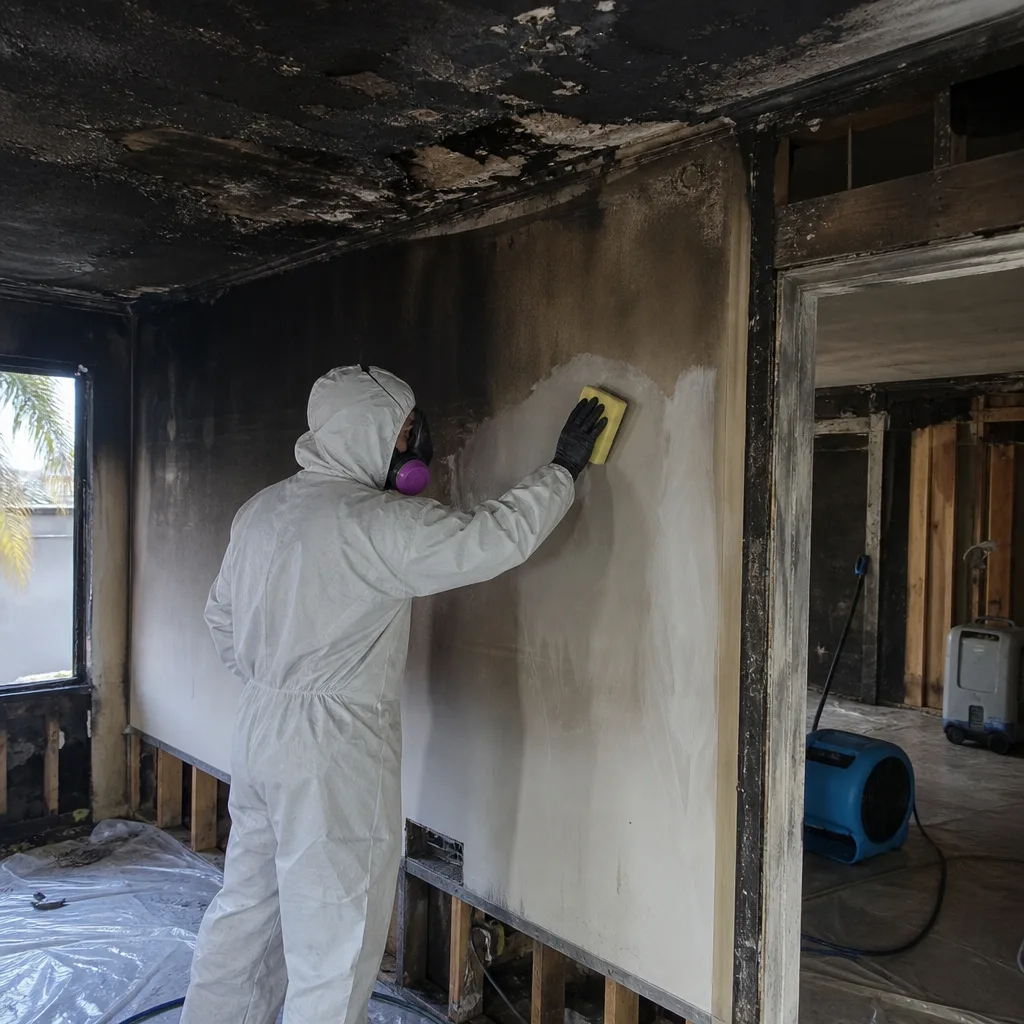
Removal follows IICRC S520 standards for microbial remediation: containment, negative air, HEPA filtration, then controlled demolition of non-salvageable materials. In Laguna Beach’s marine-layer climate, we extend removal boundaries beyond visible growth because humidity-driven secondary colonization is predictable.
Black Mold Remediation
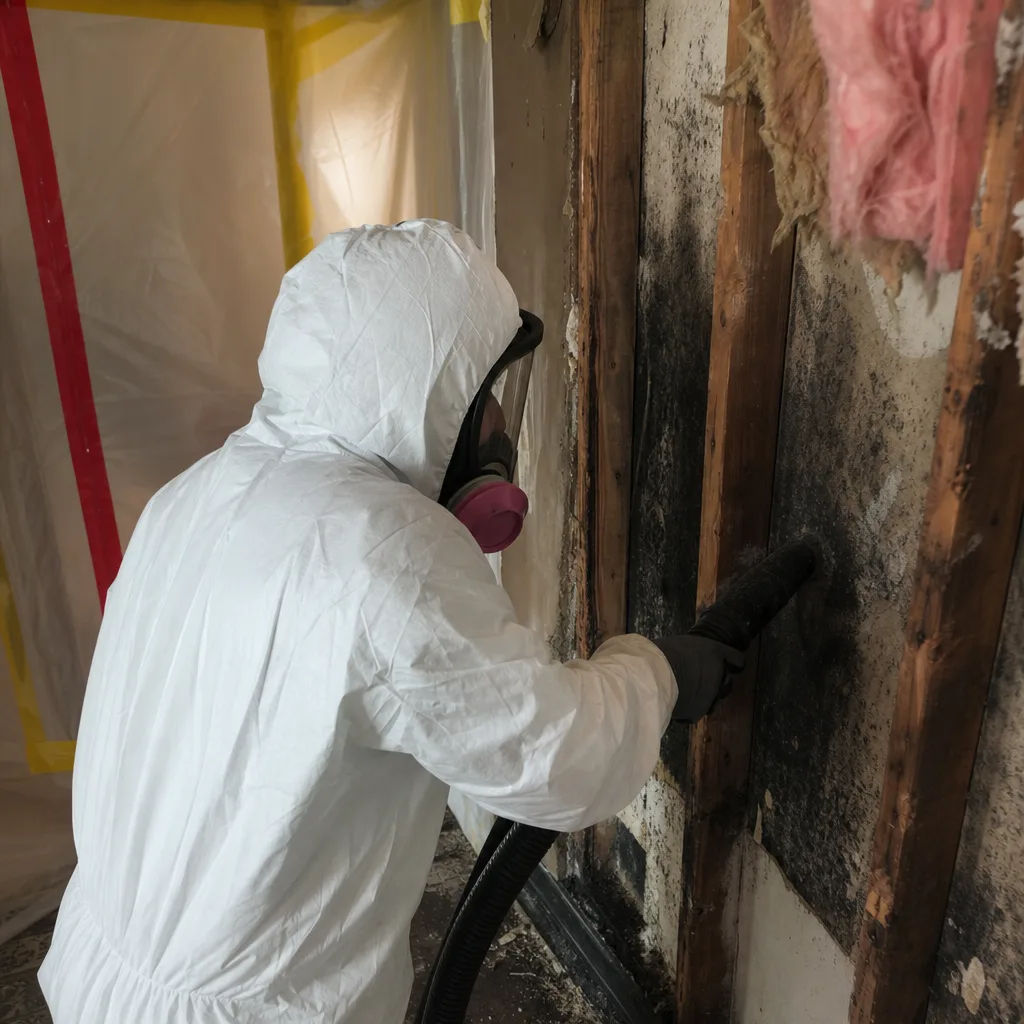
Stachybotrys chartarum and other toxigenic species require full containment with airlocks, disposable protective equipment protocols, and specialized disposal documentation. We do not self-clear black mold jobs - independent laboratory confirmation is mandatory before containment comes down.
Air Quality Restoration
Post-remediation air scrubbing with HEPA filtration and activated carbon for volatile organic compounds, followed by third-party air sampling. In Laguna Beach’s tight hillside homes with limited natural ventilation, this step is critical - mechanical ventilation often recirculates rather than dilutes airborne contaminants.
Crawl Space Treatment
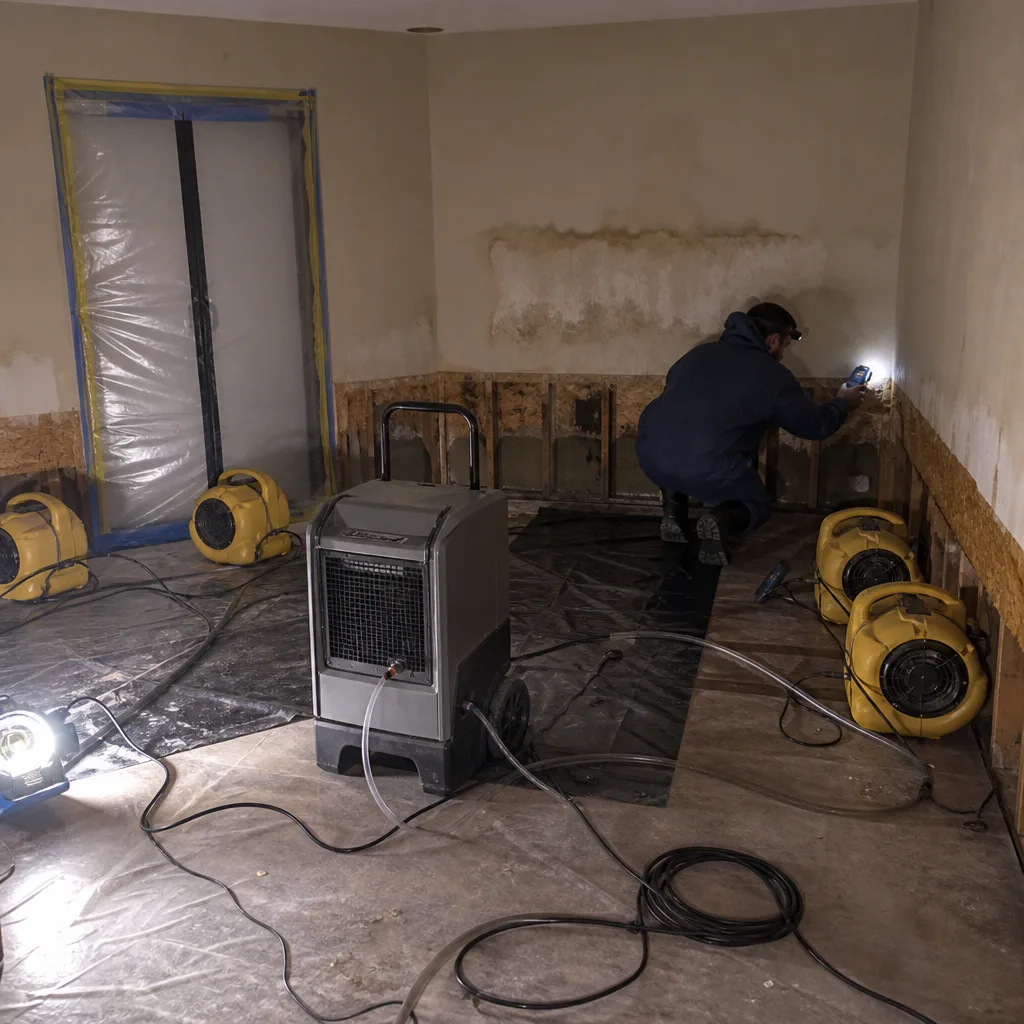
Laguna Beach hillside homes frequently have vented crawl spaces that function as moisture traps. We install sealed vapor barriers, dehumidification systems, and ventilation corrections to drop relative humidity below 60%. This is standard on every Laguna Beach mold job with crawl space access - not an upsell.
Moisture & Humidity Control
Long-term humidity management for Laguna Beach properties includes whole-home dehumidification sizing, ventilation assessment, and moisture-source elimination. The marine layer isn’t going away; the building has to handle it.
What happens when you call
- 1
A real person answersNo phone trees - you reach a local pro.
- 2
You get an upfront price rangeHonest numbers before anyone is dispatched.
- 3
A background-checked tech heads outLicensed & insured, dispatched right away.
- 4
You approve before work beginsNothing starts until you say go.
Mold Remediation Costs in Laguna Beach, CA
A typical mold inspection with moisture mapping in Laguna Beach runs $350-$650. Contained single-room mold removal with drywall replacement and air quality restoration runs $2,800-$4,500. Whole-home remediation involving crawl space treatment, multiple containment zones, and custom finish restoration on historic or high-end properties runs $6,500-$8,500 and can exceed that for large cliff-hanger estates with complex access.
What moves the price: affected square footage, material type (original plaster costs more to remediate than standard drywall), access difficulty (Bluebird Canyon and Temple Hills hand-carry debris chains add labor hours), and whether the job requires independent clearance testing. Insurance typically covers mold remediation when the mold results from a covered water loss - burst pipe, appliance failure, storm intrusion - but not when it results from long-term maintenance neglect. We document the loss origin for your adjuster as part of our standard scope.
Every job gets a written price before work begins, with no scope-creep additions once the crew is inside. Haven Standard, Clause 1. Call (657) 297-0972 for a free visual inspection and firm written scope.
We Also Serve Cities Near Laguna Beach
Our crews respond throughout coastal Orange County, including Laguna Niguel with its hillside planned communities, Aliso Viejo and its canyon-adjacent developments, Laguna Woods and the specific moisture-management needs of its senior housing stock, and Laguna Hills with its mix of mid-century and contemporary construction. Each city has distinct building ages, access patterns, and humidity profiles that inform our scoping.
Serving Laguna Beach, CA - Our Local Coverage Area
We’re based in the Laguna Beach area and know this community well. Use the map below to see our service coverage - if you’re nearby, we can almost certainly help.
Laguna Beach Mold Remediation Questions, Answered
Why does mold show up so fast after a small leak in Laguna Beach compared to inland Orange County?
The persistent marine layer keeps coastal Laguna Beach at 60-70% relative humidity year-round, so even minor moisture intrusion stays above the 60% threshold where mold colonizes.
Inland Orange County dries to 40-50% humidity between weather events, which halts mold growth naturally. Here, the humidity never gives the building a break. A small roof or window leak that would dry without consequence in Irvine or Mission Viejo becomes a Category 2 mold situation in Laguna Beach within 48-72 hours. We account for this in our drying plans by running dehumidification longer and verifying moisture content at depth, not just surface readings. Call (657) 297-0972 for a free inspection if you’ve had any water intrusion.
Can you set a dumpster or equipment truck at my Bluebird Canyon or Temple Hills home?
Often, no - the narrow switchback roads in these neighborhoods physically bar standard restoration dumpsters and large equipment trucks from many driveways.
We stage smaller roll-offs on Pacific Coast Highway and use hand-carry debris chains down steep driveways. This adds labor hours that we account for in our written scope before work begins, not as a surprise addition later. Out-of-area contractors frequently underestimate this access constraint and then delay containment while they figure out logistics. Our Laguna Beach crews have run hundreds of hillside jobs and know the staging points. Call (657) 297-0972 for a scope that reflects real site conditions.
How does salt air affect mold remediation in Laguna Beach’s historic village cottages?
Salt air pre-corrodes structural fasteners, flashing, and mechanical components, so we routinely uncover latent deterioration the moment we open walls on a damage claim.
Corroded fasteners create micro-gaps that wick moisture even after the primary leak is fixed, which means mold returns if we don’t treat the corrosion as part of the remediation. We extend antimicrobial treatment to all exposed fasteners and flashing, and we document their condition in the photo record for your adjuster. Original plaster walls in village cottages also hold moisture in the lathe cavity that surface readings miss - we core-sample or use penetrating meters before declaring any plaster assembly dry. Call (657) 297-0972 for inspection.
What does the Category 1, 2 or 3 water classification mean for my Laguna Beach mold job?
Category 1 is clean water from a supply line; Category 2 is gray water with contaminants that accelerate mold growth; Category 3 is black water requiring full protective protocols.
For mold remediation, the water category that started the loss determines our antimicrobial selection, disposal requirements, and whether independent clearance testing is mandatory. In Laguna Beach, we see Category 2 most often - the marine layer elevates humidity on any water intrusion, and salt-air corrosion introduces contaminants that push clean-water losses toward gray-water conditions. We classify this in our written scope so your adjuster understands why we’re treating what looked like a simple leak. Call (657) 297-0972 for documentation that supports your claim.
Do you need to test before you remove mold in a Laguna Beach custom home?
Yes - on custom homes with non-standard finishes, testing determines the full extent of growth before we commit to demolition boundaries.
A 1970s cliff-hanger with teak paneling or a village cottage with original plaster may have concealed mold in cavities that visual inspection can’t reach. We use thermal imaging, moisture mapping, and targeted air or surface sampling to define the actual perimeter before we write the scope. This prevents the two worst outcomes: demolishing more finish than necessary, or missing growth that reappears after we leave. Testing is included in our inspection phase; the scope you approve is based on evidence, not guesswork. Call (657) 297-0972 to schedule.
How fast can you actually get to my Laguna Beach property?
Our commitment is 45 minutes from dispatch to on-site arrival in Laguna Beach, with crews staged from our Los Angeles coordination office.
Live phone coverage means no voicemail delay - the person who answers can dispatch immediately. First response includes moisture mapping and thermal imaging to determine whether emergency containment is needed, and you receive a written scope before any work begins. For occupied homes, we establish clean-to-dirty airlocks so you don’t have to relocate while remediation proceeds. Call (657) 297-0972 - a real person answers now.
Will my insurance cover mold remediation in Laguna Beach?
Insurance covers mold remediation when the mold results from a sudden, accidental water loss that your policy covers - burst pipe, appliance failure, storm intrusion, fire suppression.
It typically does not cover mold from long-term maintenance neglect, slow leaks you knew about, or humidity buildup without a specific water event. We document the loss origin, moisture readings, and drying logs to establish the covered cause for your adjuster. Our estimates follow Xactimate standards that carriers recognize, and we bill directly when possible. Bring any competitor’s written estimate and we’ll review it free as a second opinion. Call (657) 297-0972 to start documentation.
Can we stay in our Laguna Beach home during mold remediation?
Often yes, depending on contamination extent and your household’s sensitivity.
We establish negative-air containment with HEPA scrubbers and clean-to-dirty airlocks that allow access to unaffected areas. For Category 3 contamination, toxigenic species like Stachybotrys, or households with infants, elderly residents, or immunocompromised individuals, we recommend temporary relocation during active remediation. We discuss this in the written scope before work begins - no surprises once containment is up. Post-remediation, independent air quality testing confirms safe reoccupancy. Call (657) 297-0972 to discuss your specific situation.
Written by Alicia Brennan, Owner at Back to Dry Restoration, serving Laguna Beach since 2011 under The Haven Standard.
Mold Remediation in Nearby Areas