Free visual inspection and a written scope of work before any mitigation begins - photos, moisture readings, and drying logs go in your claim file
The scope we write is the scope we bill. Anything new gets shown to you, in writing, before we touch it.
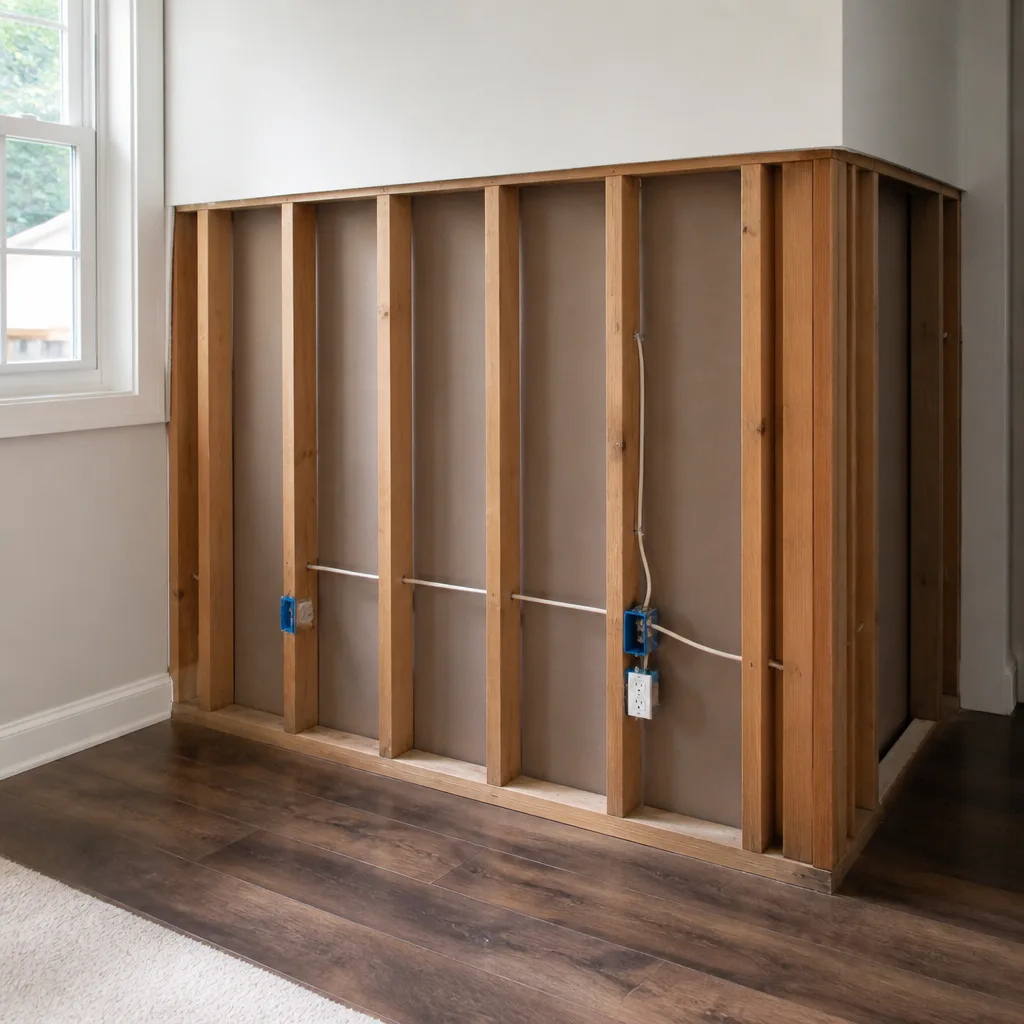
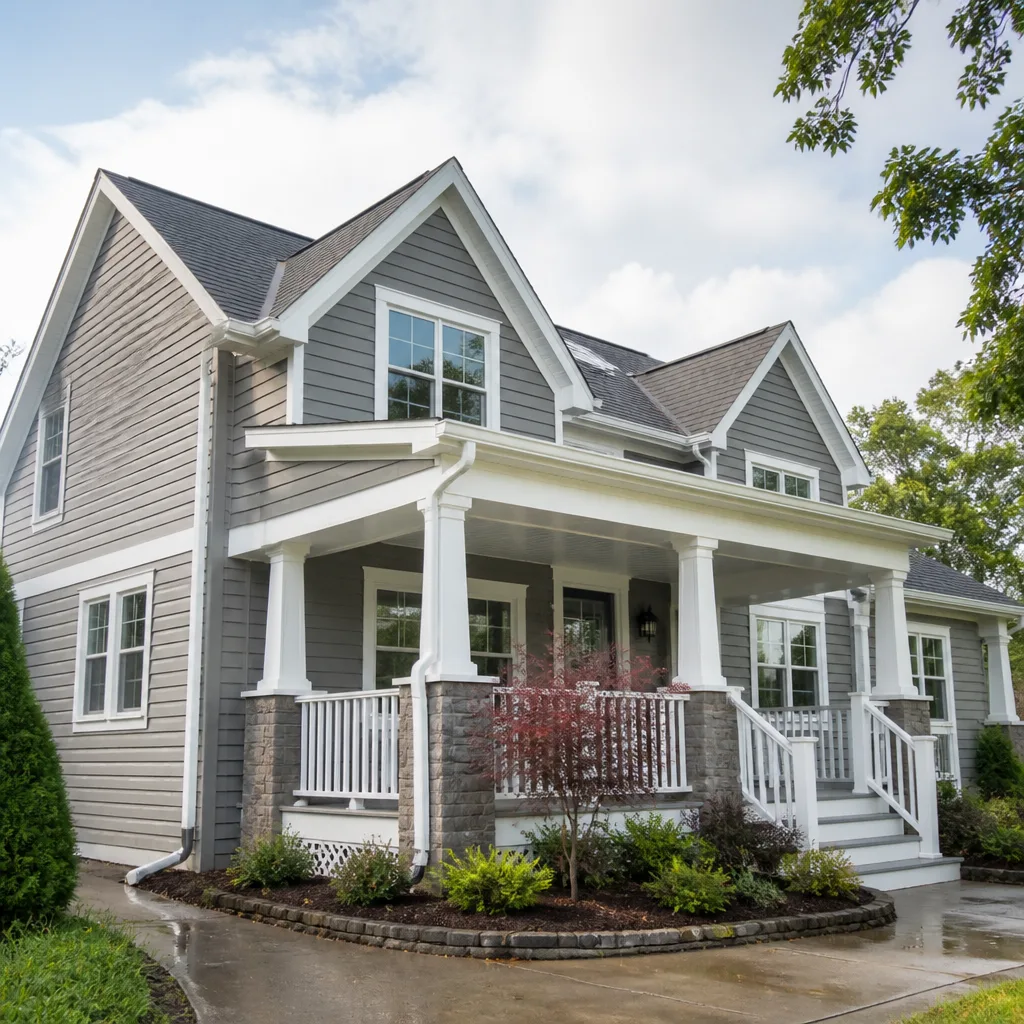
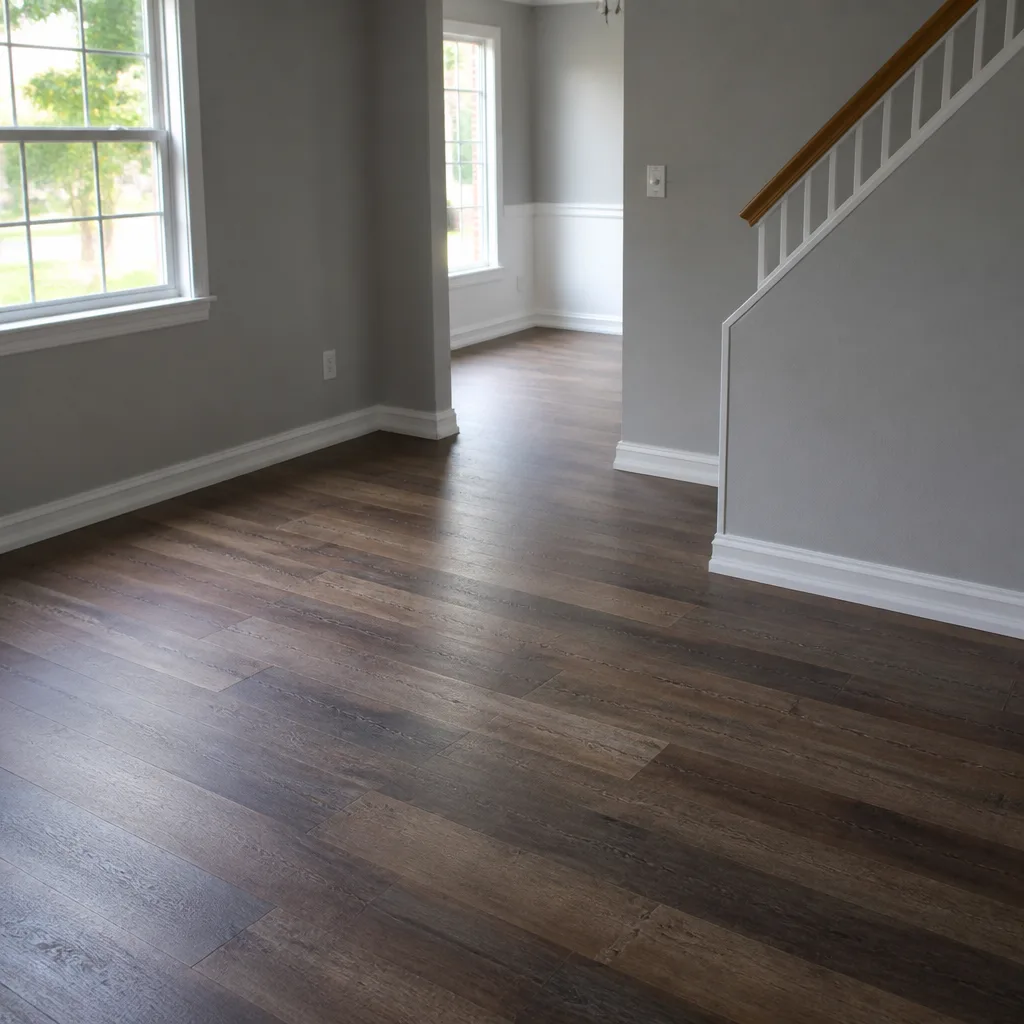
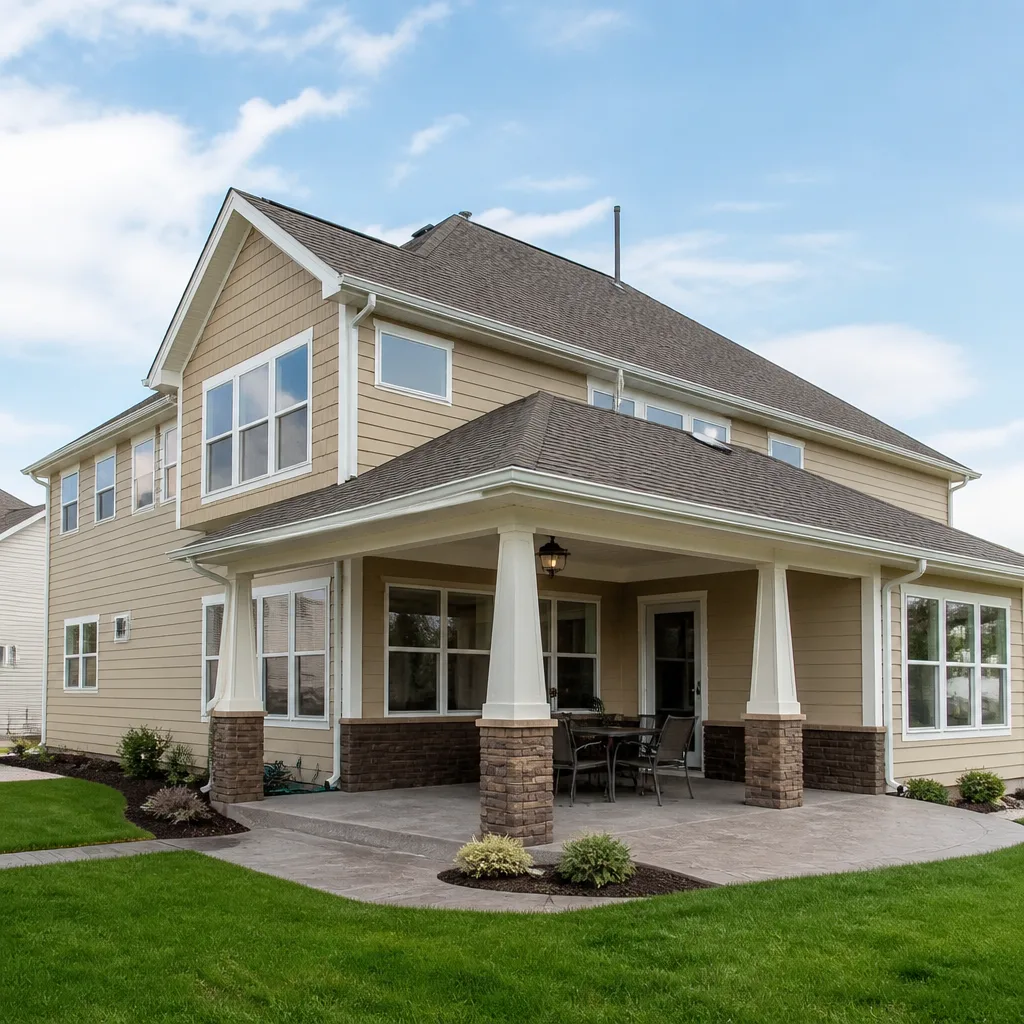
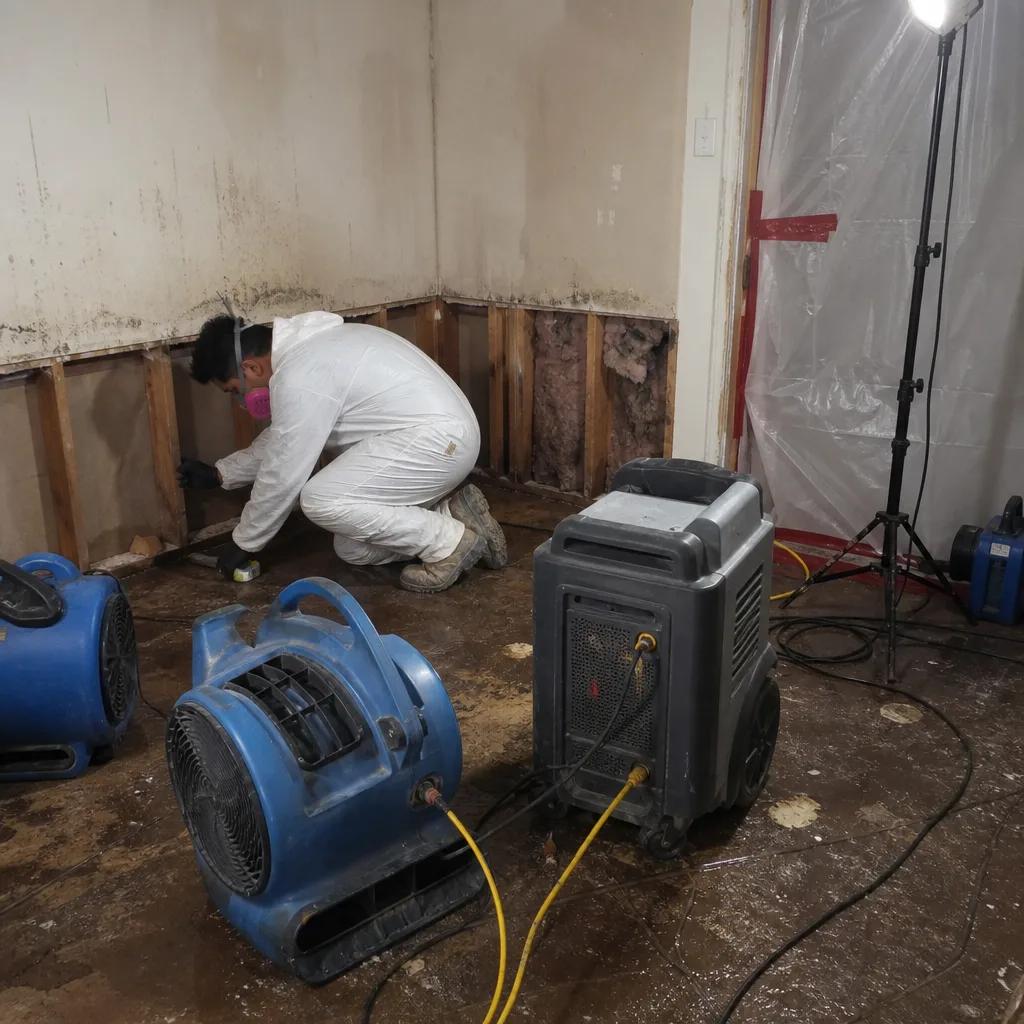 Before
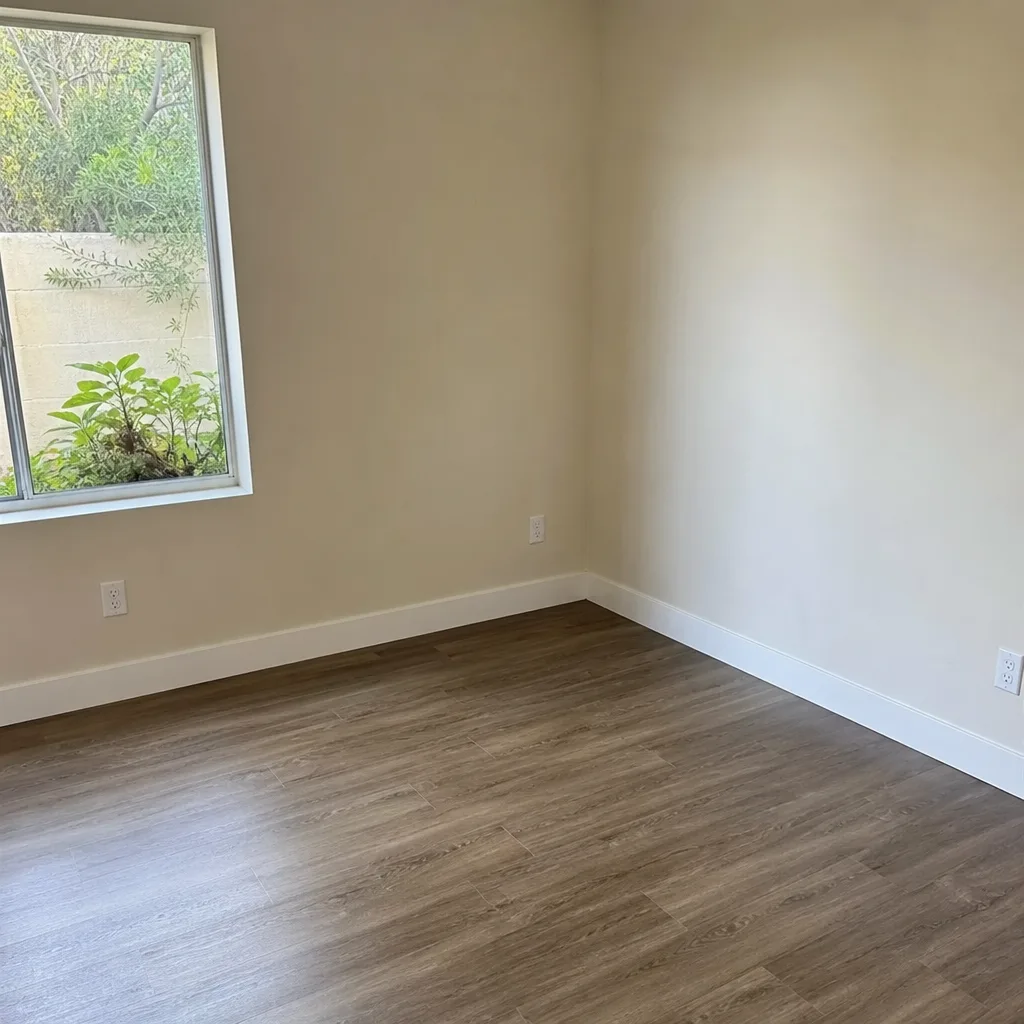 After
After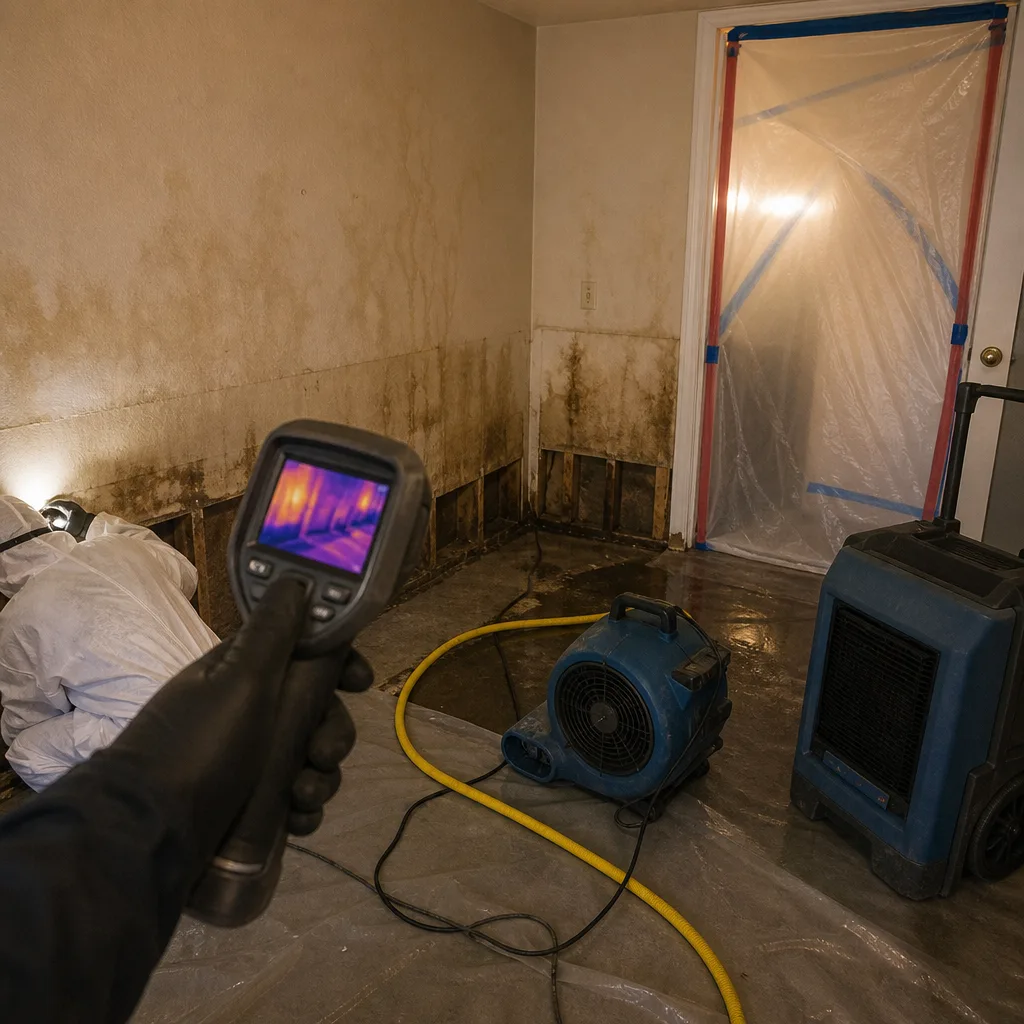 Before
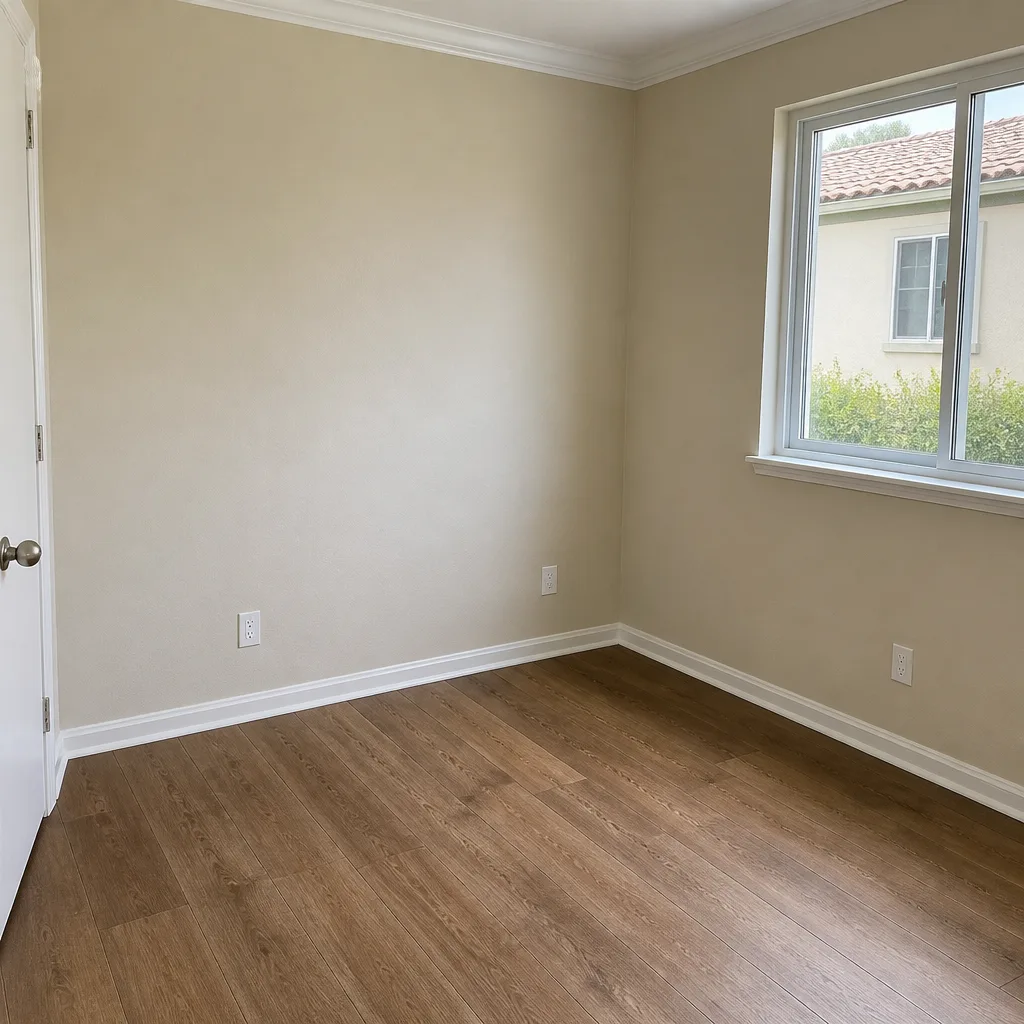 After
After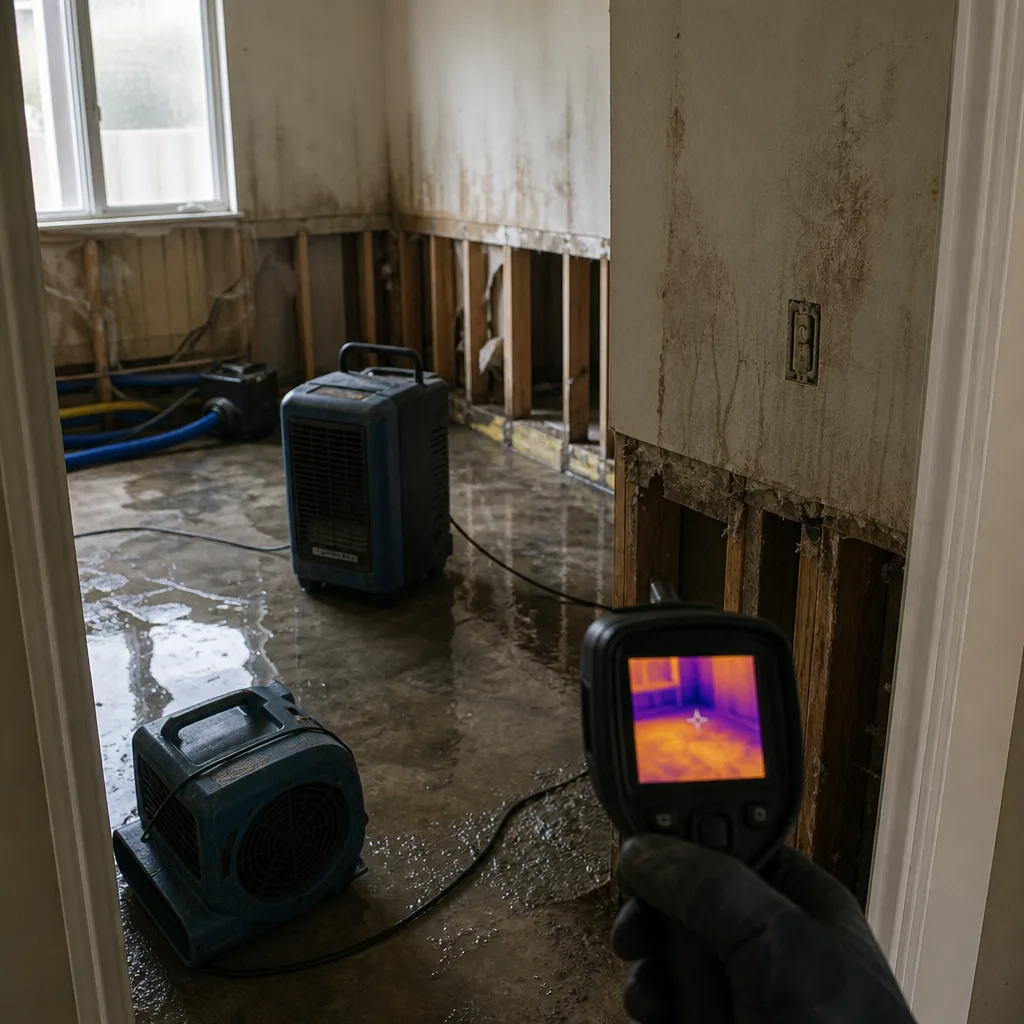 Before
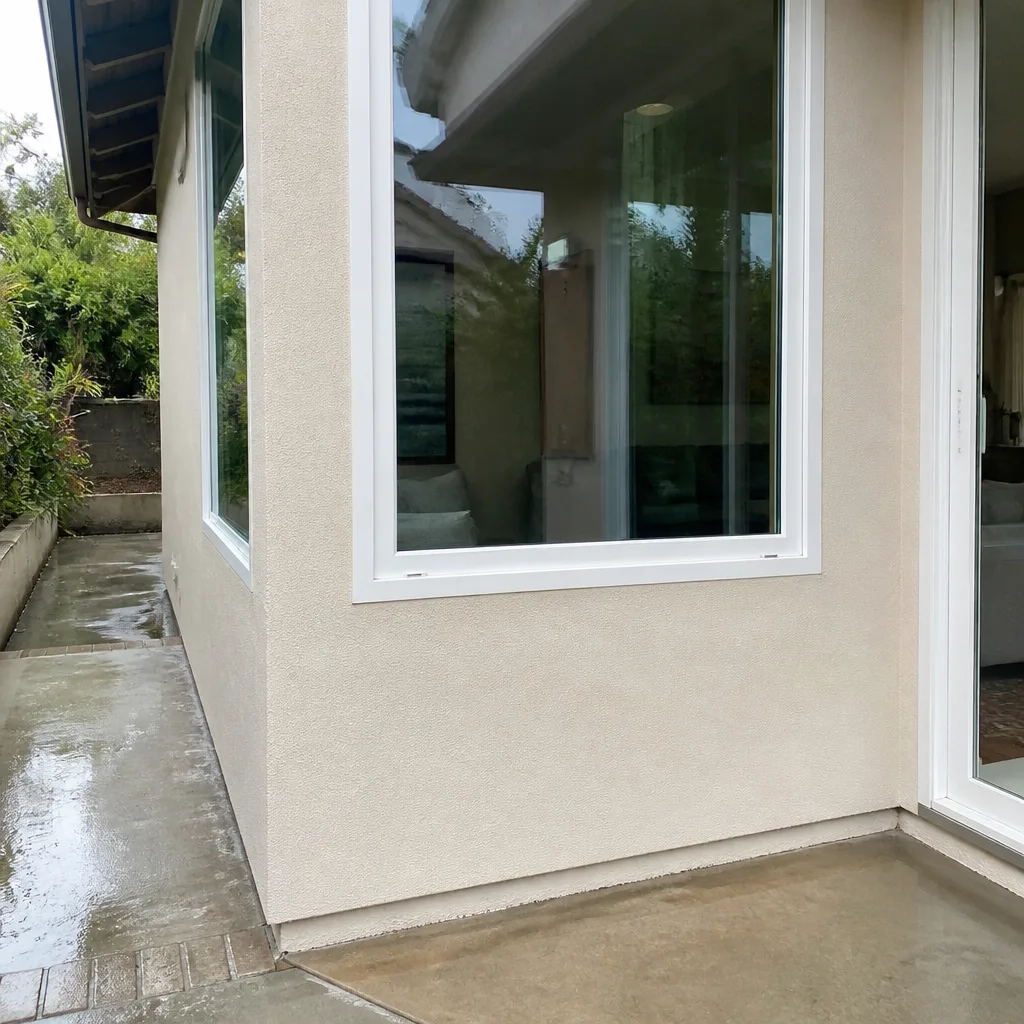 After
After24/7 Emergency Water Damage Restoration in Dana Point
Water damage in Dana Point demands same-day response because coastal humidity keeps moisture moving into drywall, subfloors, and wall cavities long after the visible water is gone. Call (657) 297-0972 now and you’ll reach a live person, not a voicemail tree. Our crews are dispatched from our Los Angeles office and can be on-site anywhere in Dana Point within 45 minutes. We provide a free visual inspection, document everything with photos, and deliver a written price before any equipment is plugged in. The first hour matters: standing water migrates horizontally through baseboards and vertically into wall cavities at roughly one inch per hour in typical Dana Point stucco construction. Every minute of delay expands the affected square footage and the final restoration scope.
Understanding Water Damage Restoration Severity in Dana Point Properties
Water damage classification follows IICRC standards: Category 1 is clean water from a supply line, Category 2 carries significant contamination from dishwashers or washing machines, and Category 3 is grossly contaminated from sewage or floodwater. The category determines whether materials can be dried in place or must be removed.
Dana Point’s housing stock skews heavily toward 1970s-1980s stucco-clad condominiums and single-family homes, many perched on coastal bluffs or canyon edges with original low-pitch roofs and single-pane aluminum windows. These structures present unique severity challenges. The stucco cladding is porous; once the moisture barrier behind it fails from salt-air degradation, water wicks laterally across entire wall assemblies. Moisture mapping with thermal imaging often reveals saturation extending 8-12 feet from the visible leak point. Tertiary drying, the final phase where bound moisture is removed from dense materials, takes significantly longer here because Dana Point’s persistent marine layer suppresses vapor pressure differential, the force that drives evaporation. A moisture reading of 16% in an inland city might dry to 12% in 72 hours; in Dana Point, that same drop routinely requires 5-7 days.
Why Dana Point Property Owners Choose DryMark Restoration Mission Viejo
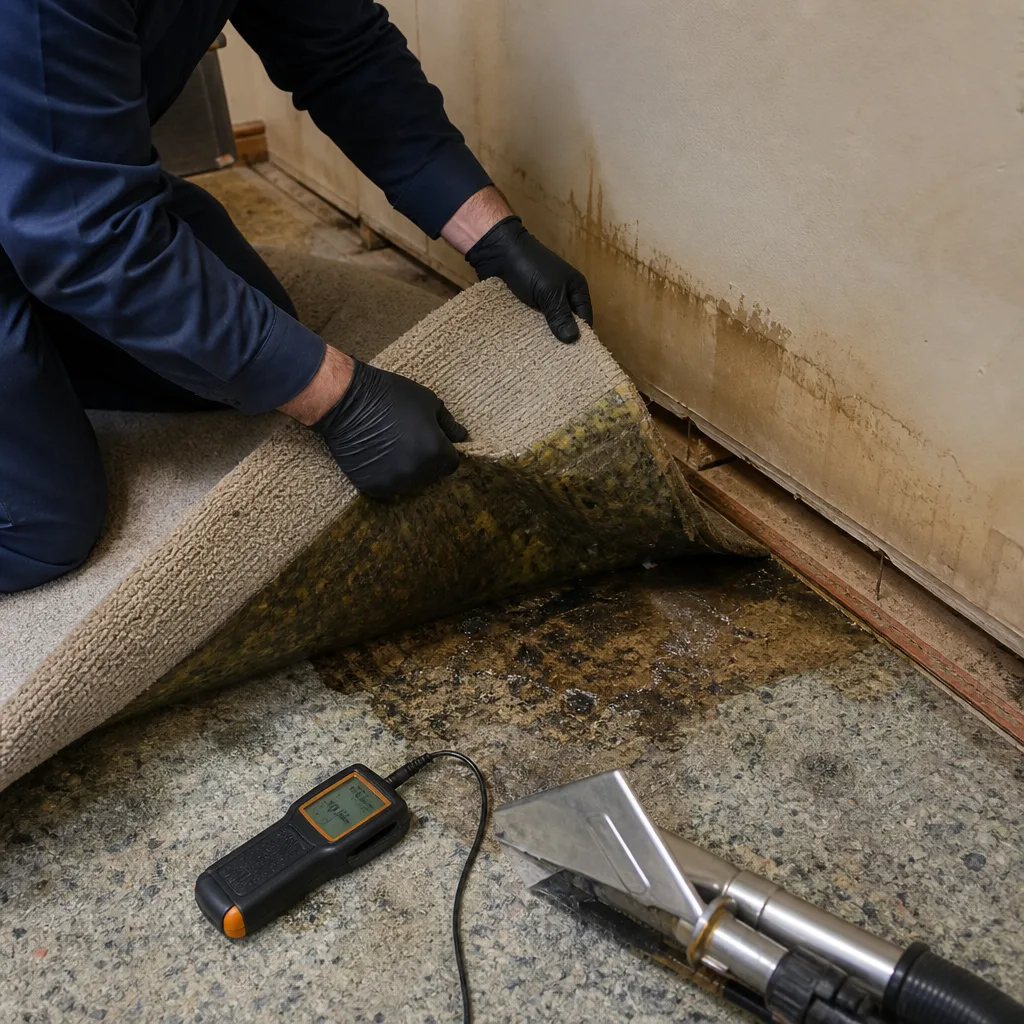
- 45-minute response commitment to Dana Point addresses, including bluff-top streets and harbor-adjacent condo complexes where elevator access and parking logistics can delay less prepared crews.
- 24/7 live answer: a real person picks up every call, never an automated system or next-business-day callback, because water doesn’t observe business hours and neither do we.
- IICRC-certified crews holding WRT (Water Damage Restoration Technician) and ASD (Applied Structural Drying) certifications, with AMRT (Applied Microbial Remediation Technician) on staff for mold situations that follow delayed drying.
- Free visual inspection with documented moisture readings and photo record before any commitment or contract signature.
- Direct insurance billing with adjuster coordination handled by our in-house claims team, not outsourced to a third-party billing service.
- One team from extraction through reconstruction, eliminating the handoff gaps where documentation gets lost and scopes get disputed.
 Before
 After
AfterOur Water Damage Restoration Process
1. Inspection & Assessment
We arrive with thermal imaging cameras, pin and pinless moisture meters, and hygrometers to map the full extent of water migration. In Dana Point’s stucco-clad buildings, we pay particular attention to wall cavity readings because salt-cracked stucco conceals hidden moisture that surface readings miss. You receive a written scope and price before any work begins.
2. Water Extraction & Stabilization
Standing water is removed with truck-mounted extraction systems and portable submersible pumps. For carpeted areas, we use weighted extraction wands to pull water from pad and backing simultaneously. Containment barriers are erected immediately if Category 2 or 3 conditions exist.
3. Structural Drying & Dehumidification
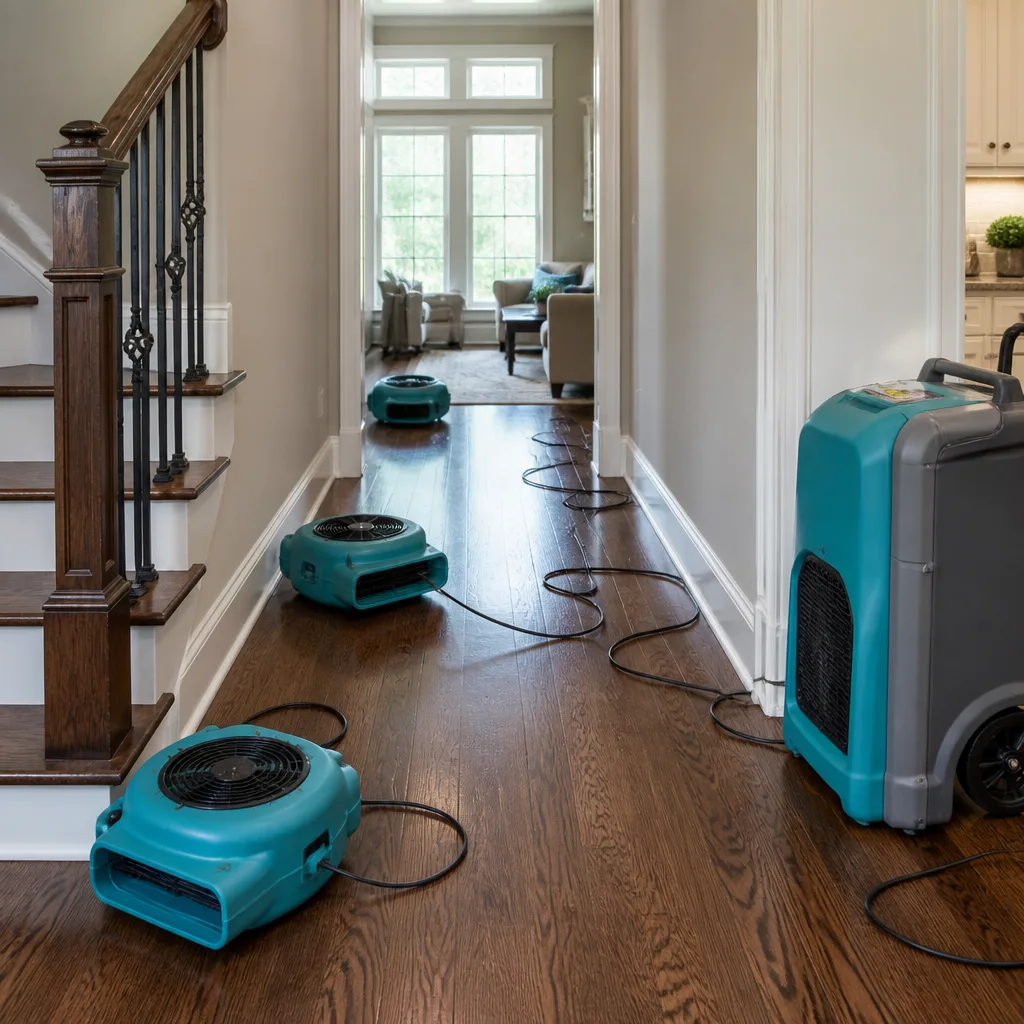
We deploy Dri-Eaz and XPOWER dehumidifiers alongside axial and centrifugal air movers positioned to create controlled airflow patterns. In Dana Point, we adjust psychrometric targets, the measurable relationship between temperature and humidity, to account for the marine layer’s suppression of natural evaporation. Drying logs are updated daily.
4. Cleaning & Sanitization
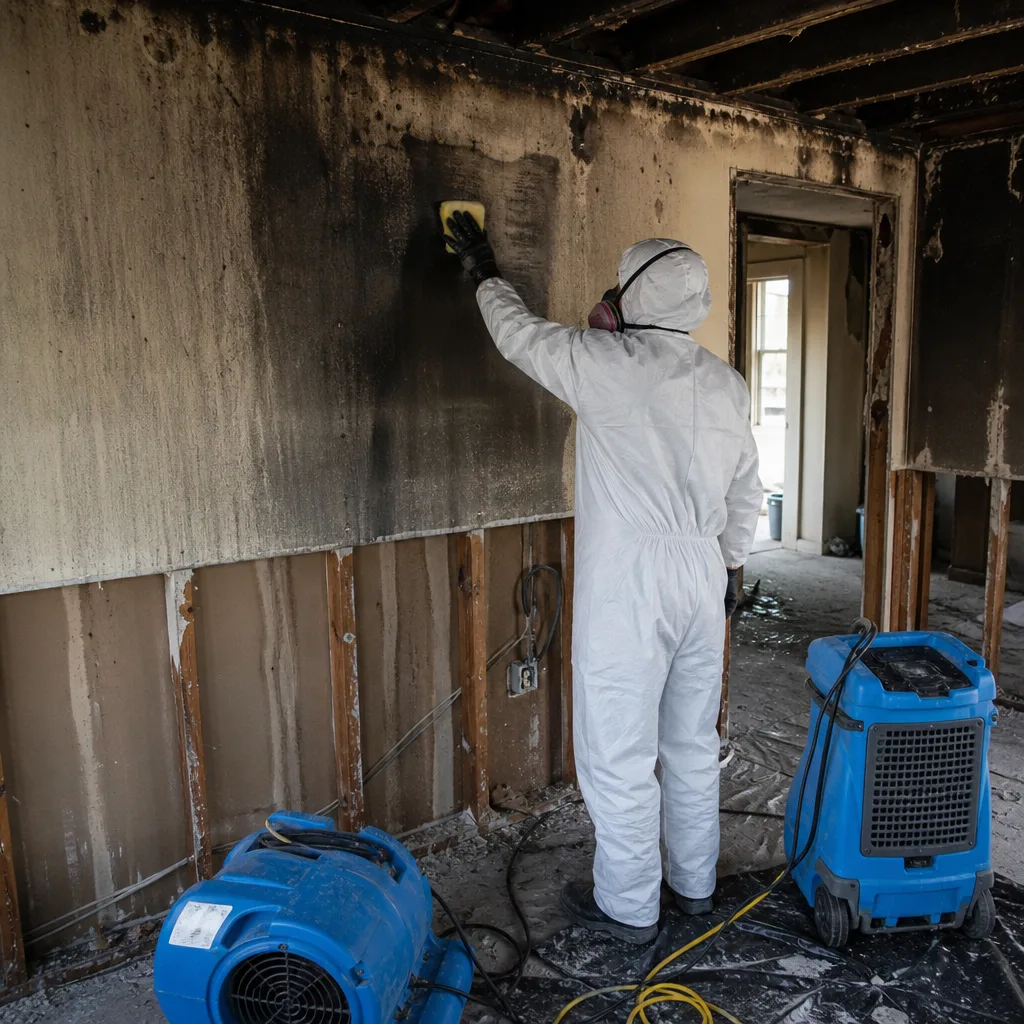
All affected surfaces receive antimicrobial treatment appropriate to the water category. HEPA air scrubbers run continuously during this phase to capture airborne particulates. We document every treated area with photos for your insurer and our records.
5. Mold Assessment & Preventive Treatment
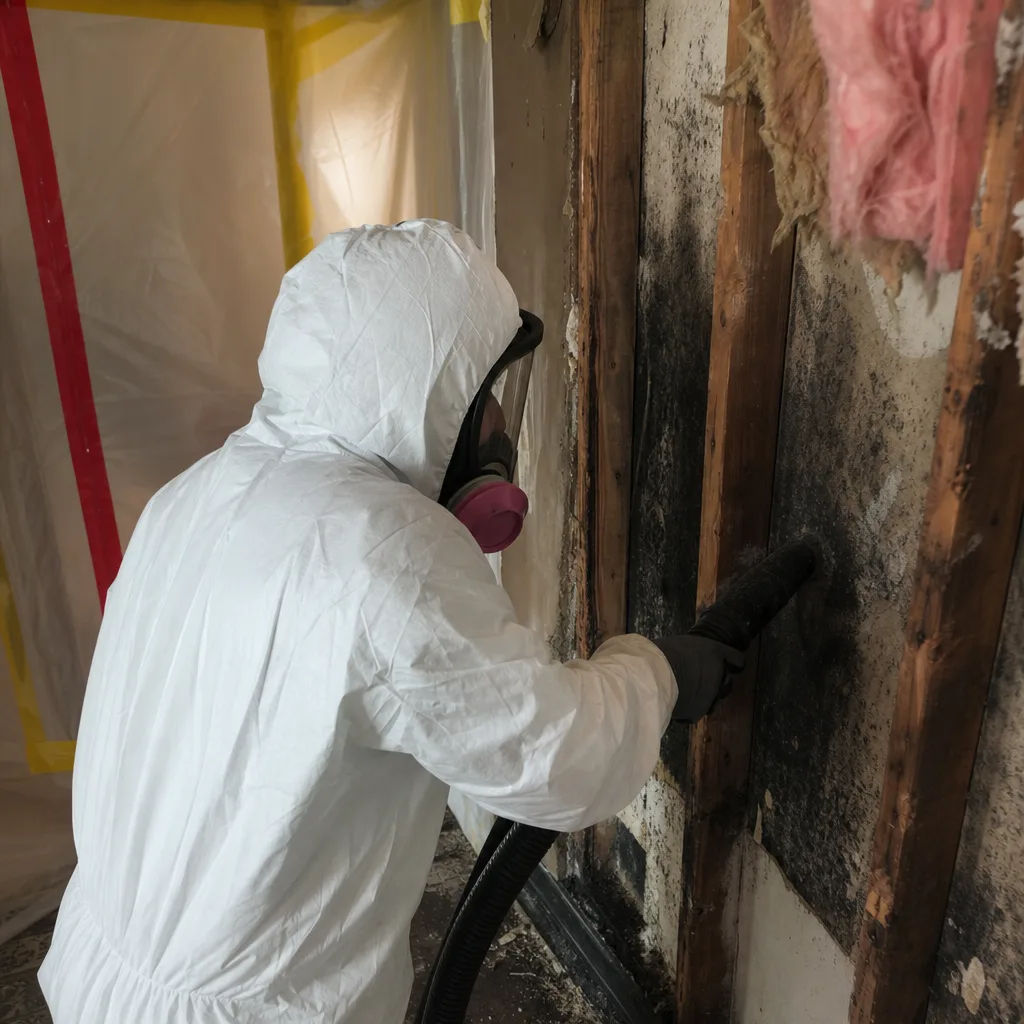
Given Dana Point’s extended drying timelines, we inspect for early mold colonization at 72 hours and again before equipment removal. If mold is detected, containment is expanded and air scrubbing intensity increased. Our AMRT-certified technicians handle this transition without bringing in outside contractors.
6. Repairs & Restoration
Once moisture readings confirm materials are returned to pre-loss equilibrium, we repair or replace drywall, flooring, baseboards, and trim. For Dana Point’s salt-damaged exteriors, we coordinate stucco repair and window seal replacement to prevent recurrence. Every job closes with a signed 365-Day Done Right Promise under The Haven Standard.
Need Emergency Water Damage Restoration in Dana Point Now?
Crews minutes away, answering live 24 hours a day. The sooner we start, the less it costs.
Working With Your Insurance Company
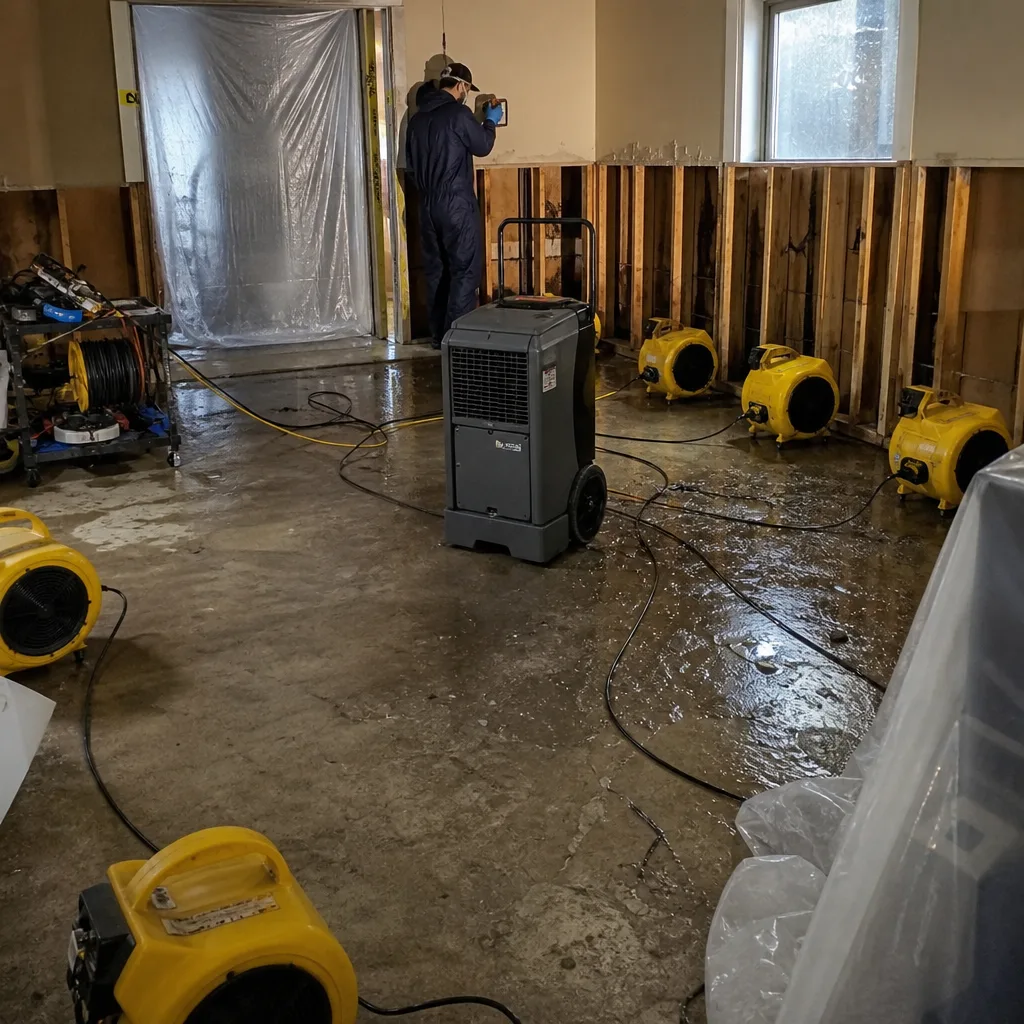
Documentation from the first hour is what separates a paid claim from a disputed one. Our technicians photograph every room before touching anything, record moisture readings at multiple depths and locations, and maintain daily drying logs that track temperature, relative humidity, and specific humidity. These logs, produced to IICRC and RIA standards, give your adjuster the evidence needed to approve line-item charges without back-and-forth delay.
We write estimates using industry-standard pricing databases and submit directly to your carrier. Our in-house claims team speaks adjuster language: we know what documentation triggers approval and what gaps trigger audit. If your carrier disputes a line item, we provide the technical justification from our photo record and drying logs. Haven Standard, Clause 1 applies here too: the written price you receive before work starts is the price your insurer sees, with no scope-creep additions once our crew is inside.
What We Provide Your Insurer
- Thorough documentation of the loss
- Photos of all damage, room by room
- Moisture readings and drying logs
- A detailed, line-item scope of work
- Direct coordination with your carrier
Built for Dana Point’s Loss Calendar
January through March brings the heaviest rain, though Southern California’s totals are modest. What matters is intensity: Pacific storms drop significant water in short windows, and Dana Point’s canyon corridors concentrate runoff toward lower-elevation properties near Doheny Beach and Dana Point Harbor. Flash-flood water intrusion in these areas is typically Category 3 due to soil and debris contamination.
April through June, the marine layer thickens and persists longest. Properties with existing window seal failures or stucco cracks absorb ambient moisture daily, compounding any active leak. This is when we see the most mold discoveries during what started as minor pipe repairs.
July through October is dry but not safe. Air conditioning condensation in uninsulated wall cavities, plus irrigation system failures in dense condo landscaping, produces steady Category 1 and 2 losses. November and December see early winter storms and the annual wave of supply-line failures as temperatures dip and aging copper or polybutylene pipes in 1970s-1980s buildings reach fatigue.
Water Damage Restoration Across Dana Point’s Neighborhoods
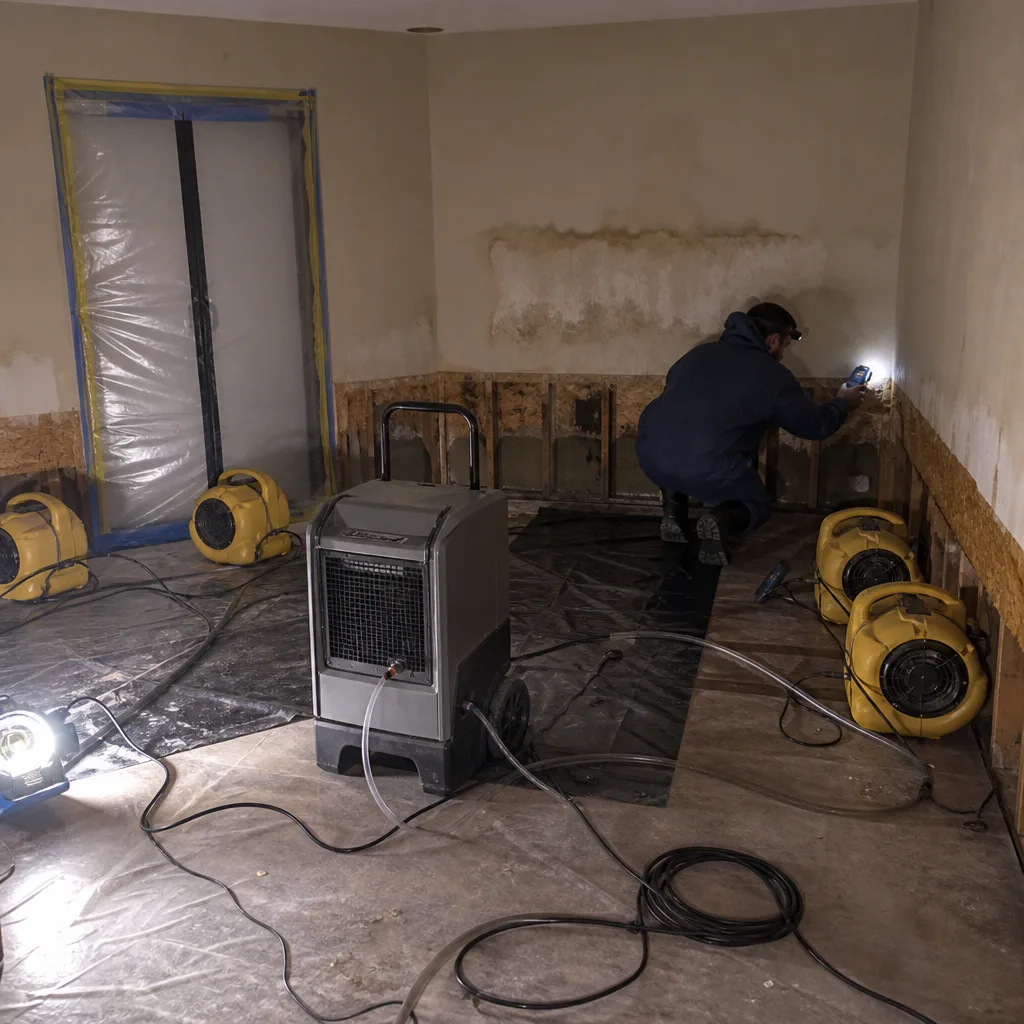
The Lantern District, with streets like Blue Lantern and Street of the Golden Lantern, presents our most complex calls. Bluff-top homes here face direct ocean salt spray that cracks stucco and kills window seals years ahead of inland schedules. We responded to a burst supply line in a 1978 stucco-clad condo near the corner of Blue Lantern and Street of the Golden Lantern, where salt spray had already cracked the exterior stucco and killed the window seals. After water extraction, our moisture mapping revealed elevated moisture readings deep in the wall cavity behind the stucco, and when we opened the wall we found hidden mold colonization that doubled the original scope. We set up containment, ran Injectidry and Dri-Eaz dehumidification with air movers, applied antimicrobial treatment, and extended structural drying to eight days because the marine layer humidity just wouldn’t let the cavity dry faster.
Capistrano Beach properties, closer to the harbor and PCH, sit at lower elevation with higher water tables. Slab leaks and foundation seepage are common here, and the 1970s condo complexes along Del Obispo Street frequently see cascading multi-unit damage when shared roof drains or aging supply lines fail. Our Water Damage Restoration team coordinates with HOA management to document common-area damage separately from unit interiors.
The Dana Hills and Monarch Beach areas include newer construction but still face the same salt-air degradation on ocean-facing exposures. Custom homes on canyon rims deal with concentrated runoff during storms, often overwhelming perimeter drainage and sending water through hillside retaining walls into lower-level finished spaces.
Near Dana Point Harbor, the densest concentration of 1970s-1980s condo complexes creates the highest risk of multi-unit Category 2 and 3 events. Shared plumbing chases and roof assemblies mean one failure affects multiple units, and restoration scopes must account for cross-contamination between units through common wall cavities.
Specialized Water Damage Restoration Services We Offer in Dana Point
Emergency Water Extraction
Standing water is removed within hours of your call using truck-mounted and portable extraction equipment. In Dana Point’s dense condo complexes near the harbor, we coordinate with building management for elevator access and electrical tie-in to avoid delays that expand the damage.
Structural Drying & Dehumidification
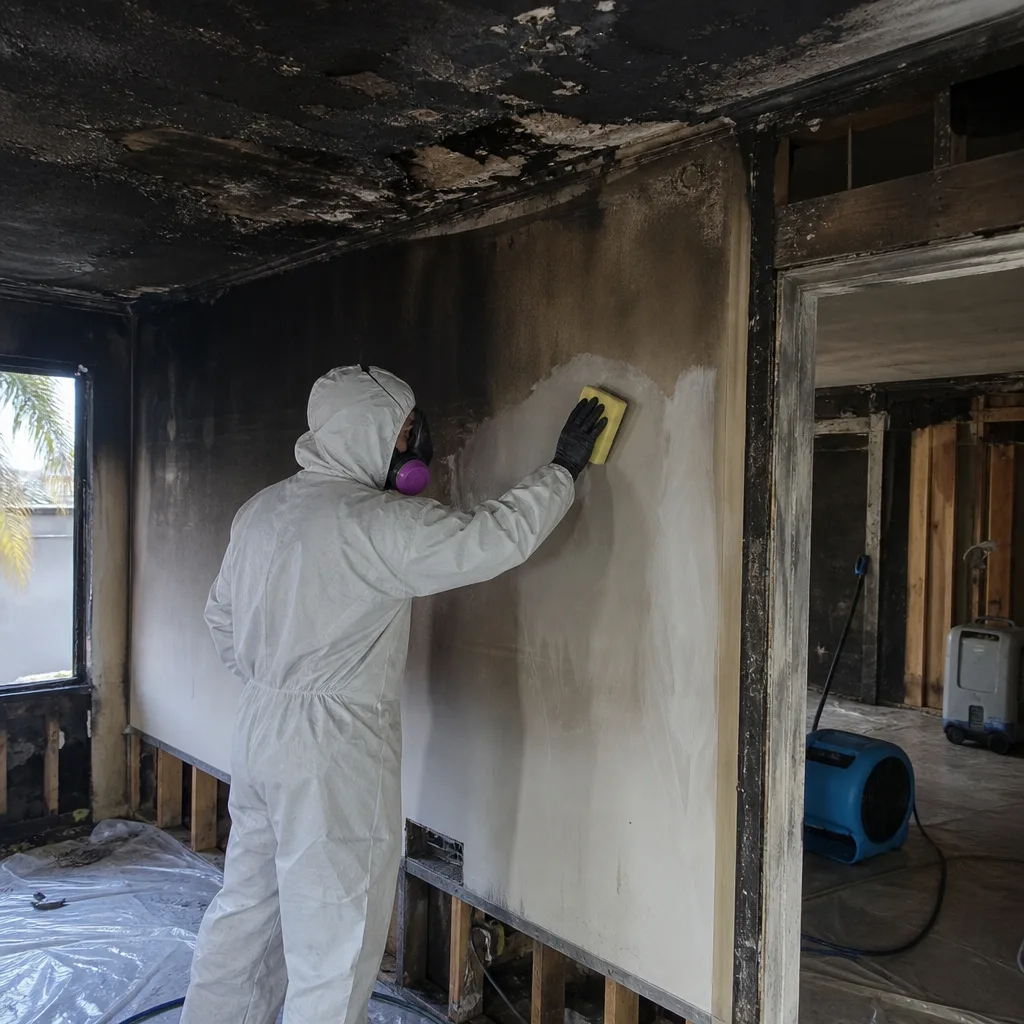
This is the critical service for Dana Point’s marine-layer environment. We deploy Dri-Eaz and XPOWER dehumidifiers sized to the affected cubic footage, not the square footage, because wall cavities and ceiling plenums add significant volume. Drying timelines are extended proactively based on local humidity data, not inland standard tables. Daily moisture logs track progress to IICRC standards.
Flood Cleanup
Flood events in Dana Point, whether from canyon runoff or storm surge near the harbor, typically carry Category 3 contamination. We handle full personal protective equipment protocols, debris removal, and antimicrobial treatment to regulatory standards, with documentation for your insurer from hour one.
Burst Pipe Restoration
Aging copper and polybutylene supply lines in 1970s-1980s Dana Point buildings fail without warning, often when owners are away. We extract, dry, and document the full migration path, including behind-stucco moisture that inland crews frequently miss. Our written scope includes pipe access and repair coordination with licensed plumbers.
Basement Water Removal
Lower-elevation Dana Point properties, particularly in Capistrano Beach and near Doheny Beach, experience slab seepage and hydrostatic pressure. Submersible pumps, weighted extraction, and specialized sub-floor drying systems address water that collects below grade where standard equipment cannot reach.
Ceiling & Roof Leak Water Damage
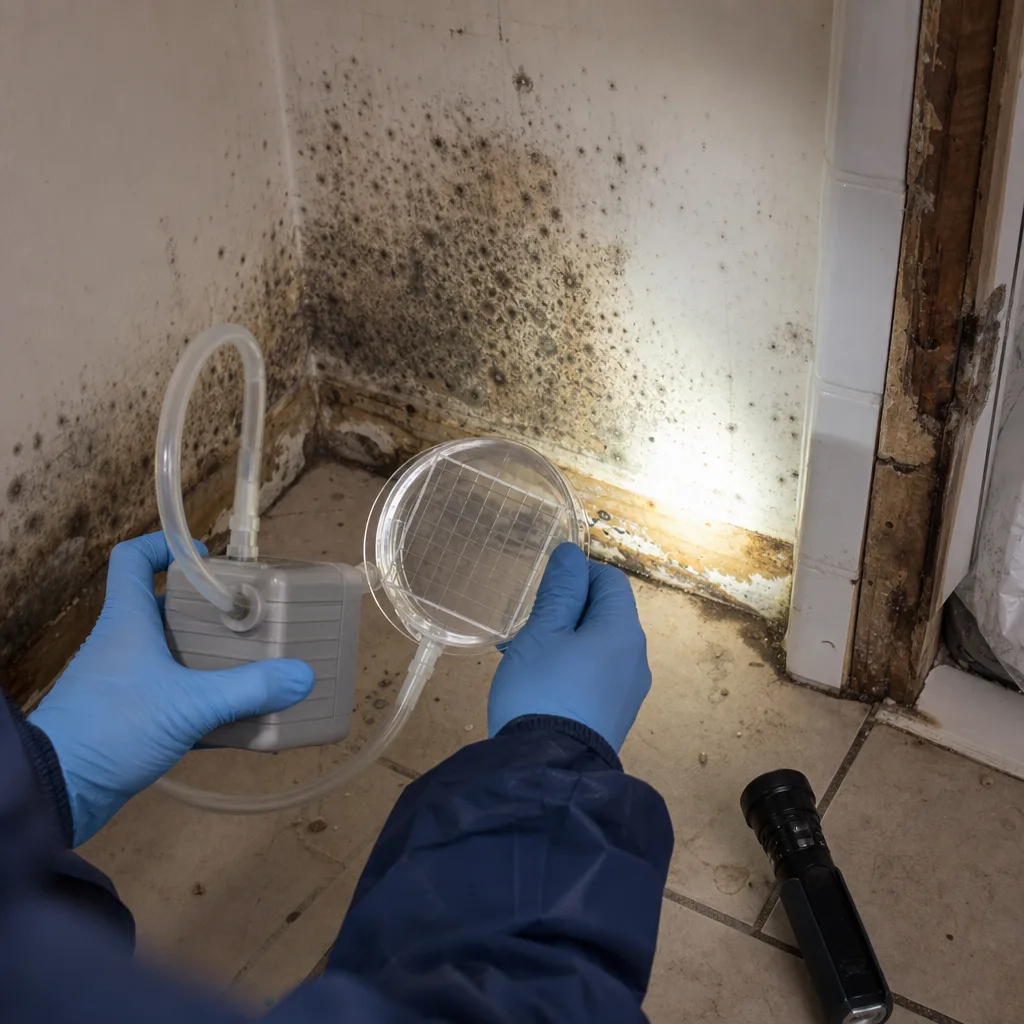
Low-pitch and flat roofs original to 1970s-1980s construction, degraded by salt-air exposure, leak at penetrations and seams. We trace water migration through ceiling assemblies, often finding damage extending far beyond the visible stain. Roof repair coordination is included in our scope to prevent recurrence.
What happens when you call
- 1
A real person answersNo phone trees - you reach a local pro.
- 2
You get an upfront price rangeHonest numbers before anyone is dispatched.
- 3
A background-checked tech heads outLicensed & insured, dispatched right away.
- 4
You approve before work beginsNothing starts until you say go.
Water Damage Restoration Costs in Dana Point, CA
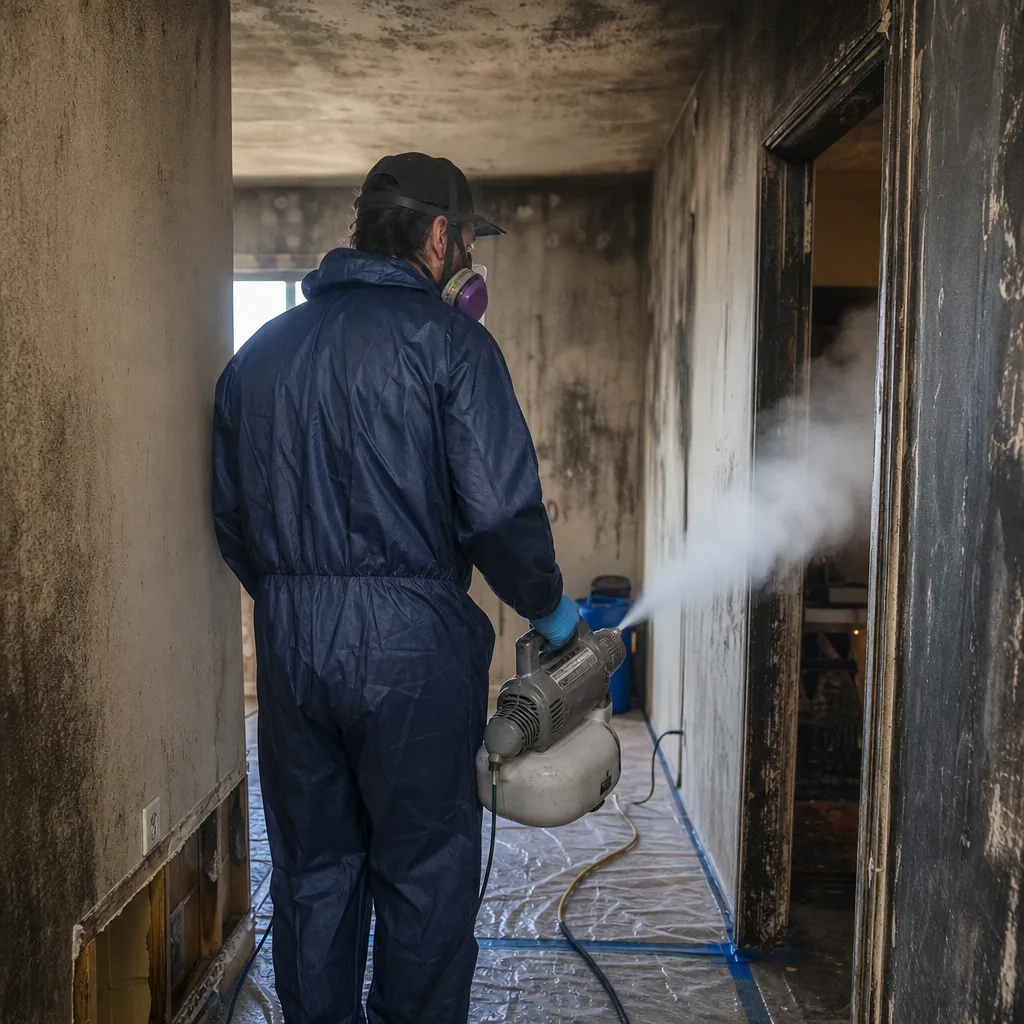
Water damage restoration costs in Dana Point run higher than inland Orange County markets due to extended drying timelines and the frequent discovery of hidden damage behind salt-compromised building envelopes. Typical ranges:
- Emergency water extraction: $450-$1,200 for residential properties, depending on standing water volume and access constraints
- Structural drying & dehumidification: $85-$150 per day per dehumidifier, with Dana Point jobs typically requiring 5-10 days versus 3-5 inland
- Category 1 cleanup and drying: $2,800-$5,500 for a typical condo unit with no material removal
- Category 2 with partial drywall and baseboard removal: $5,500-$12,000
- Category 3 or mold-discovered jobs with full gutting: $12,000-$28,000+
- Ceiling and roof leak restoration with stucco repair: $4,500-$9,500
What moves the price: water category, affected square footage, whether wall cavities require opening, mold discovery, and the need for stucco or window seal repair to prevent recurrence. Insurance typically covers sudden and accidental water damage; gradual leaks and maintenance-related failures are often excluded. We provide a free visual inspection with documented moisture readings and a written scope before any commitment. Haven Standard, Clause 1: the price you see before work starts is the price you pay.
We Also Serve Cities Near Dana Point
Our crews respond throughout South Orange County, including Dana Point and neighboring communities. We regularly handle calls in San Juan Capistrano, where historic adobe and newer construction present distinct drying challenges; Laguna Niguel, with its mix of hillside custom homes and 1980s tract housing; San Clemente, where coastal exposure rivals Dana Point’s salt-air severity; and Ladera Ranch, where newer builds still face slab and irrigation-related losses. Dispatch and scheduling are coordinated from our Los Angeles office; crews serve Dana Point locally.
Serving Dana Point, CA - Our Local Coverage Area
We’re based in the Dana Point area and know this community well. Use the map below to see our service coverage - if you’re nearby, we can almost certainly help.
Dana Point Water Damage Restoration Questions, Answered
Why does water damage take longer to dry in Dana Point than in Mission Viejo or Irvine?
Dana Point’s bluff-top position above the open Pacific and its persistent marine layer from Dana Point Harbor keep coastal humidity near saturation well past midday even in summer, suppressing evaporation so drastically that structures here dry two to three times slower than in inland Orange County cities just a few miles away.
Vapor pressure differential, the measurable force that drives moisture out of wet materials into the air, drops significantly when ambient humidity is already high. Our crews adjust psychrometric targets and extend equipment placement accordingly, using daily moisture logs to prove drying progress rather than pulling equipment on a standard timeline. Inland contractors who apply Mission Viejo or Irvine drying schedules to Dana Point properties routinely leave hidden moisture behind salt-cracked stucco, feeding mold colonization weeks later. Call (657) 297-0972 for a free inspection with documented readings.
A roof leak in my Lantern District condo was fixed, but why did the restoration scope double once you opened the wall?
Bluff-top homes along the Lantern District streets face direct ocean salt spray that cracks stucco and kills window seals years ahead of schedule, so what presents as a simple roof or window leak often conceals years of slow behind-the-stucco intrusion.
When we opened the wall at a Blue Lantern property, moisture mapping had already suggested elevated readings deep in the cavity, but the full extent of hidden mold colonization was only visible once the drywall was removed. The original scope addressed visible damage; the revised scope addressed the actual condition of the wall assembly, including compromised insulation, degraded framing, and mold extending laterally beyond the leak point. We documented everything with photos, provided a revised written price before continuing, and extended structural drying to eight days because the marine layer humidity wouldn’t allow faster progress. This is why we moisture-map before quoting whenever possible. Call (657) 297-0972 for a free inspection.
Do older Dana Point condos near the harbor handle water damage differently than single-family homes?
Yes. High-density condo complexes near Dana Point Harbor share aging roof assemblies and supply lines, so a single failure cascades into multi-unit category 2 or 3 water events that overwhelm a scope written for one unit.
Common wall cavities, plumbing chases, and roof drains create contamination pathways between units that don’t exist in detached single-family homes. Restoration requires coordination with HOA management, documentation of common-area versus unit-interior damage, and containment strategies that protect adjacent units while work proceeds. Single-family homes in Dana Hills or Monarch Beach typically involve simpler scope boundaries but may present more complex access issues on canyon lots. Our crews have worked with multiple Dana Point HOAs and understand the documentation requirements for both unit owners and association insurers. Call (657) 297-0972 to discuss your specific building.
How quickly do I need to act on water damage in my Dana Point home?
Within the first hour, water migrates through baseboards and into wall cavities at roughly one inch per hour; within 24 hours, mold colonization becomes likely in Dana Point’s high-humidity environment; within 72 hours, hidden moisture behind compromised stucco typically triggers visible mold growth.
We answer live 24 hours a day and commit to 45-minute response anywhere in Dana Point. The sooner extraction begins, the less square footage is affected, the shorter the drying timeline, and the lower the final restoration cost. Every minute of delay expands the scope, particularly in stucco-clad construction where water wicks laterally across wall assemblies. Our free visual inspection includes immediate moisture mapping so you understand the full extent before committing. Call (657) 297-0972 now.
What’s the difference between category 1, 2, and 3 water, and why does it matter for my Dana Point property?
Category 1 is clean water from a broken supply line; Category 2 carries significant contamination from appliances or sump failures; Category 3 is grossly contaminated from sewage, floodwater, or seawater intrusion.
The category determines whether materials can be dried in place or must be removed, what antimicrobial treatments are required, and whether your insurer will cover replacement versus restoration. Dana Point’s canyon flash floods and harbor-adjacent storm surges often produce Category 3 events due to soil, debris, or saltwater contamination. Category 2 losses in shared condo plumbing chases can escalate to Category 3 if cross-contamination occurs between units. We classify water correctly at arrival using IICRC protocols and document the classification with photos for your insurer. Misclassification by an inexperienced crew can leave contaminated materials in place or trigger claim denial. Call (657) 297-0972 for proper assessment.
Will my insurance cover water damage restoration in Dana Point?
Most standard homeowners policies cover sudden and accidental water damage from burst pipes, appliance failures, or storm intrusion, but exclude gradual leaks, maintenance-related failures, and flooding without separate flood coverage.
Documentation determines approval. We provide your insurer with room-by-room photos, moisture readings and drying logs, a detailed line-item scope, and direct adjuster coordination. Our estimates use industry-standard pricing databases. If your carrier disputes coverage, we provide technical justification from our documentation. We also offer a Free Second Opinion on any competitor’s written estimate if you are comparing options. Call (657) 297-0972 and we can review your policy language and loss circumstances.
How long does structural drying take in Dana Point?
Typical residential drying in Dana Point takes 5-10 days for standard losses, compared to 3-5 days inland, due to marine layer humidity suppressing evaporation rates.
Complex jobs with wall cavity moisture, mold discovery, or multi-unit contamination can extend to 14 days or longer. We do not remove equipment until moisture readings confirm materials have returned to pre-loss equilibrium, documented in daily drying logs. Inland-trained technicians who pull equipment on standard timelines often leave hidden moisture that feeds mold weeks later, particularly behind salt-compromised stucco. Our timelines are adjusted proactively for Dana Point’s coastal conditions, not applied from inland standard tables. Call (657) 297-0972 for a free inspection with projected timeline.
Can we stay in our home during water damage restoration?
Occupancy depends on water category, affected areas, and equipment noise and heat generation.
Category 1 losses confined to non-sleeping areas often allow partial occupancy with precautions. Category 2 or 3 losses, or any mold discovery, typically require relocation during active work for health and safety reasons. Dehumidifiers and air movers generate significant noise and heat; a typical residential setup runs 24 hours daily until drying completes. We discuss occupancy at inspection and can phase work to preserve living space when possible. For multi-unit Dana Point condos, we coordinate with HOA management on common-area access and adjacent unit protection. Call (657) 297-0972 to discuss your specific situation.
Written by Alicia Brennan, Owner at Back to Dry Restoration, serving Dana Point since 2011.
Water Damage Restoration in Nearby Areas