
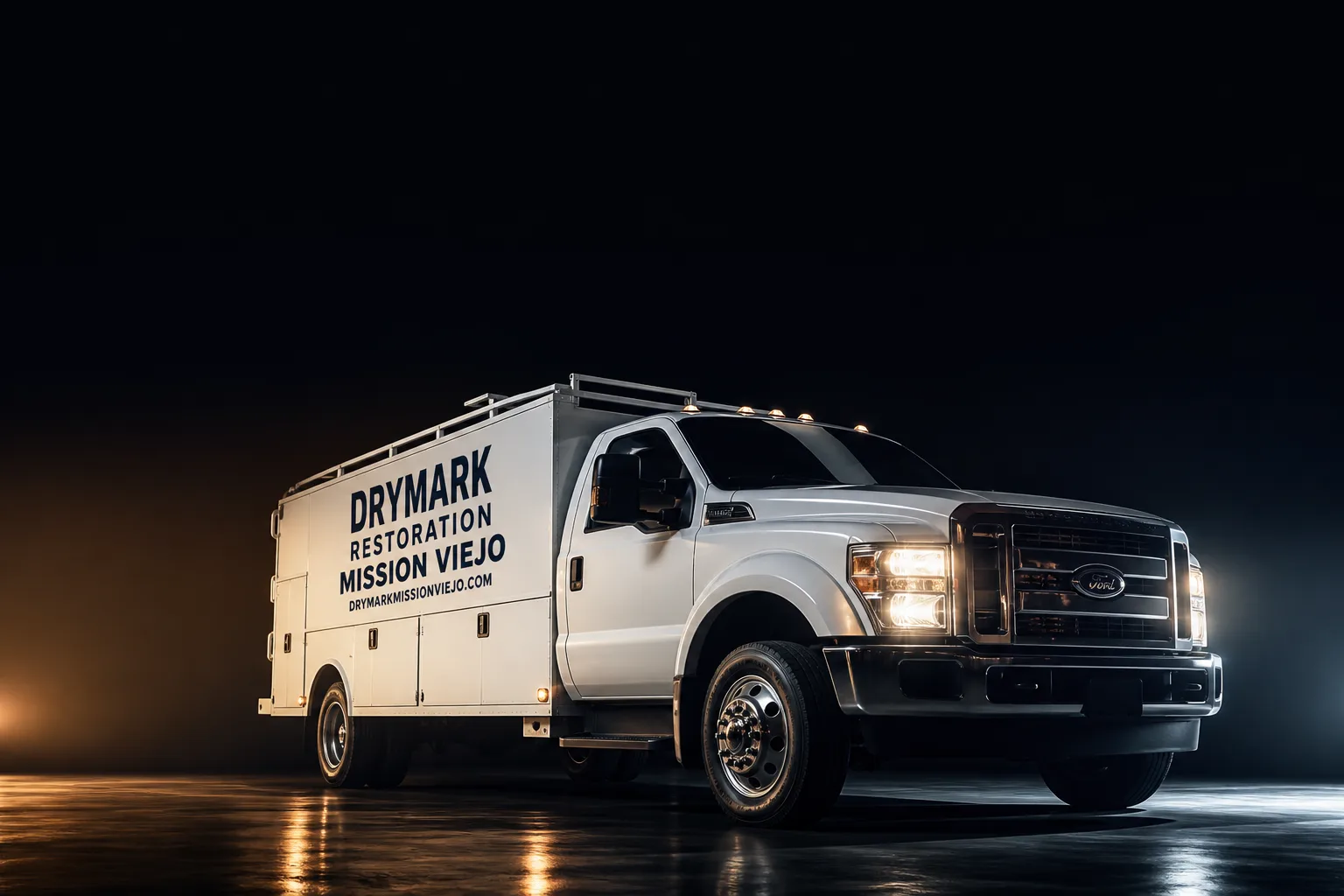
Free visual inspection and a written scope of work before any mitigation begins - photos, moisture readings, and drying logs go in your claim file
The scope we write is the scope we bill. Anything new gets shown to you, in writing, before we touch it.
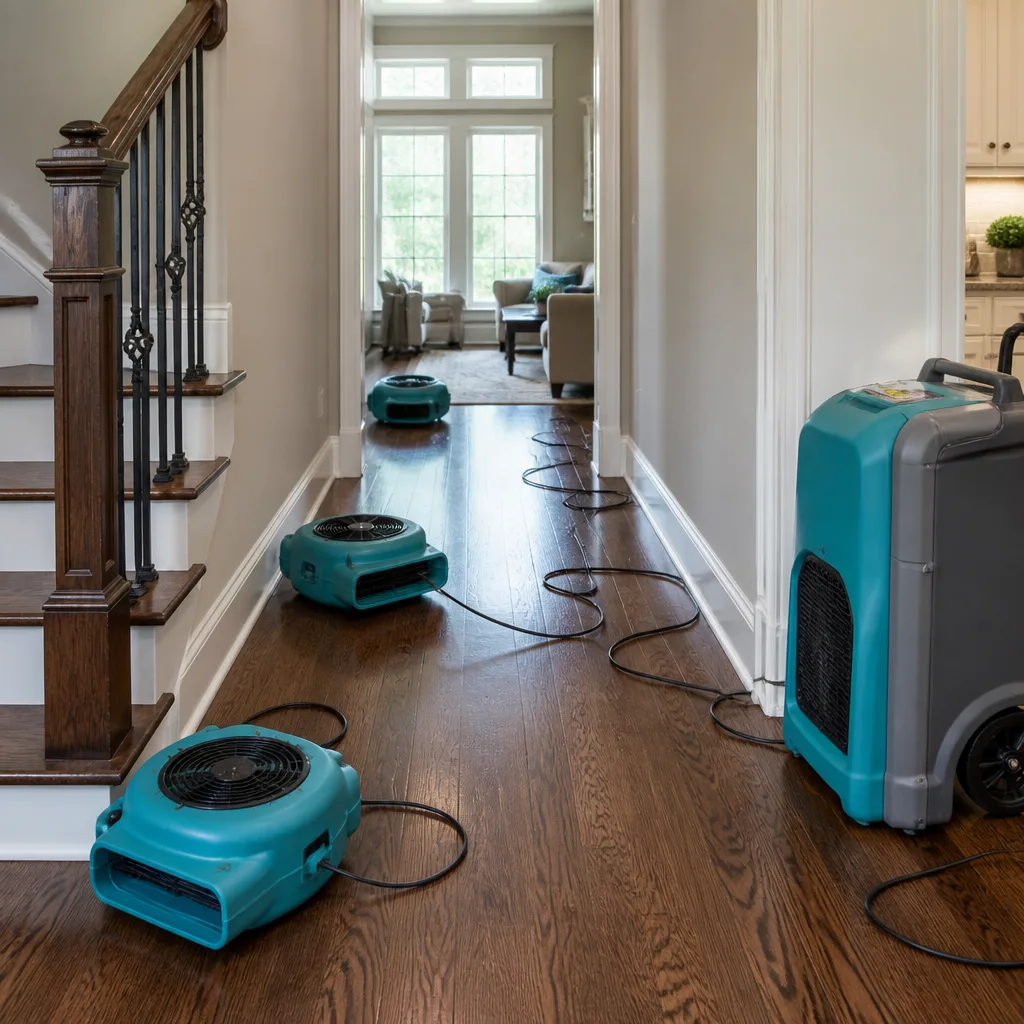
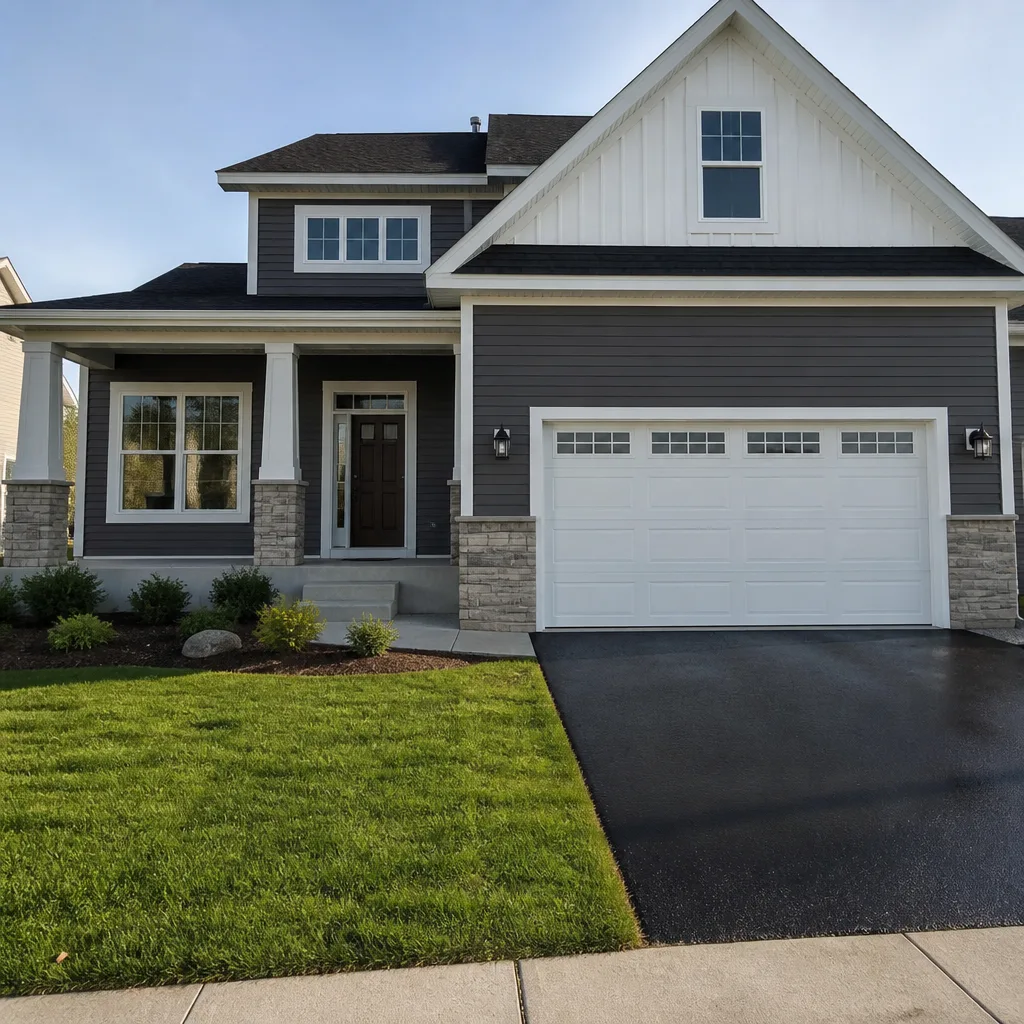
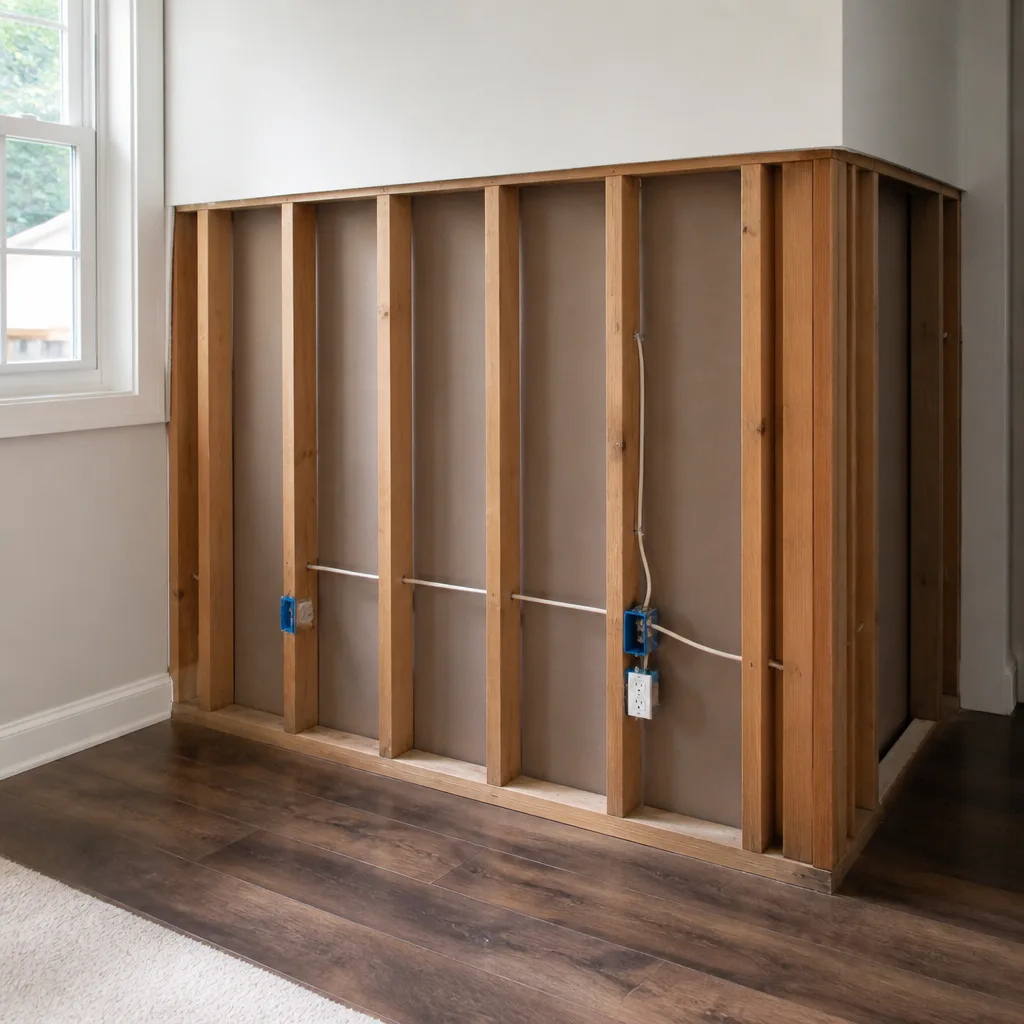
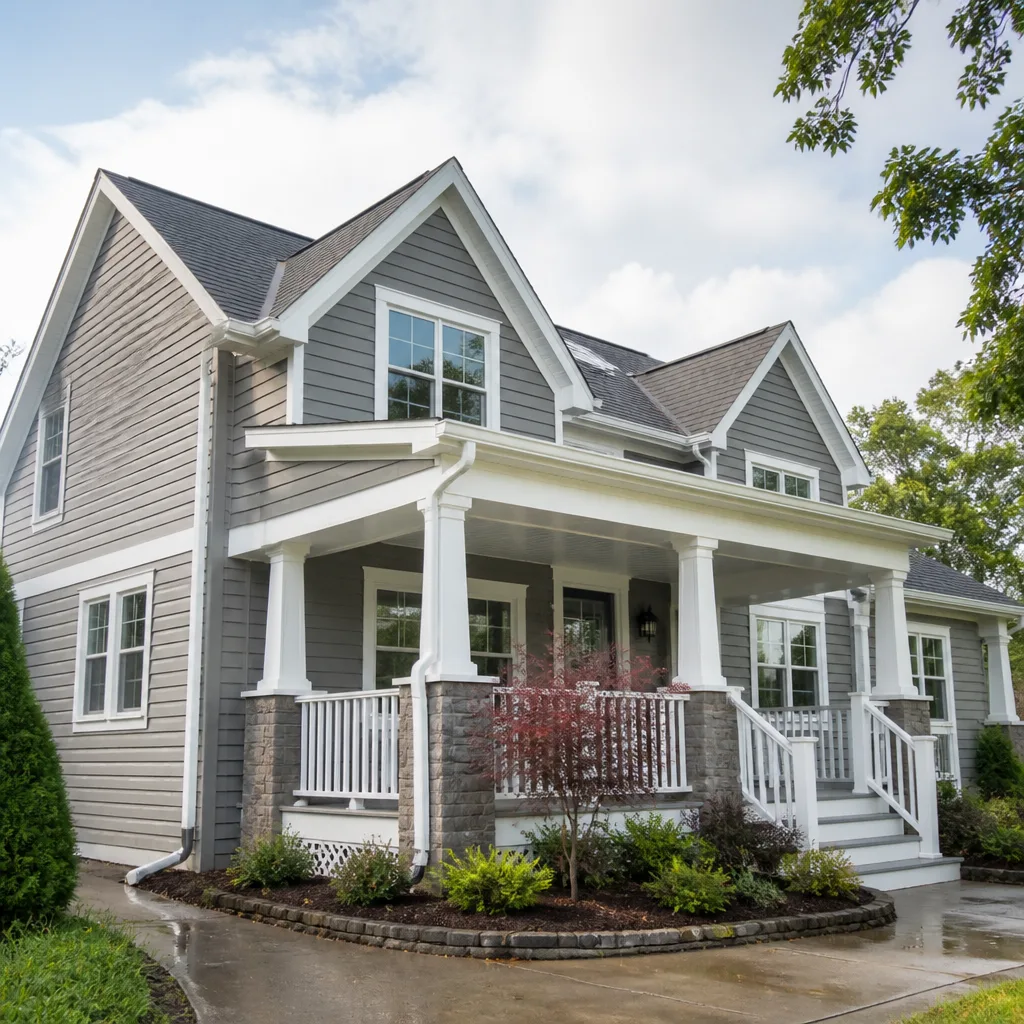
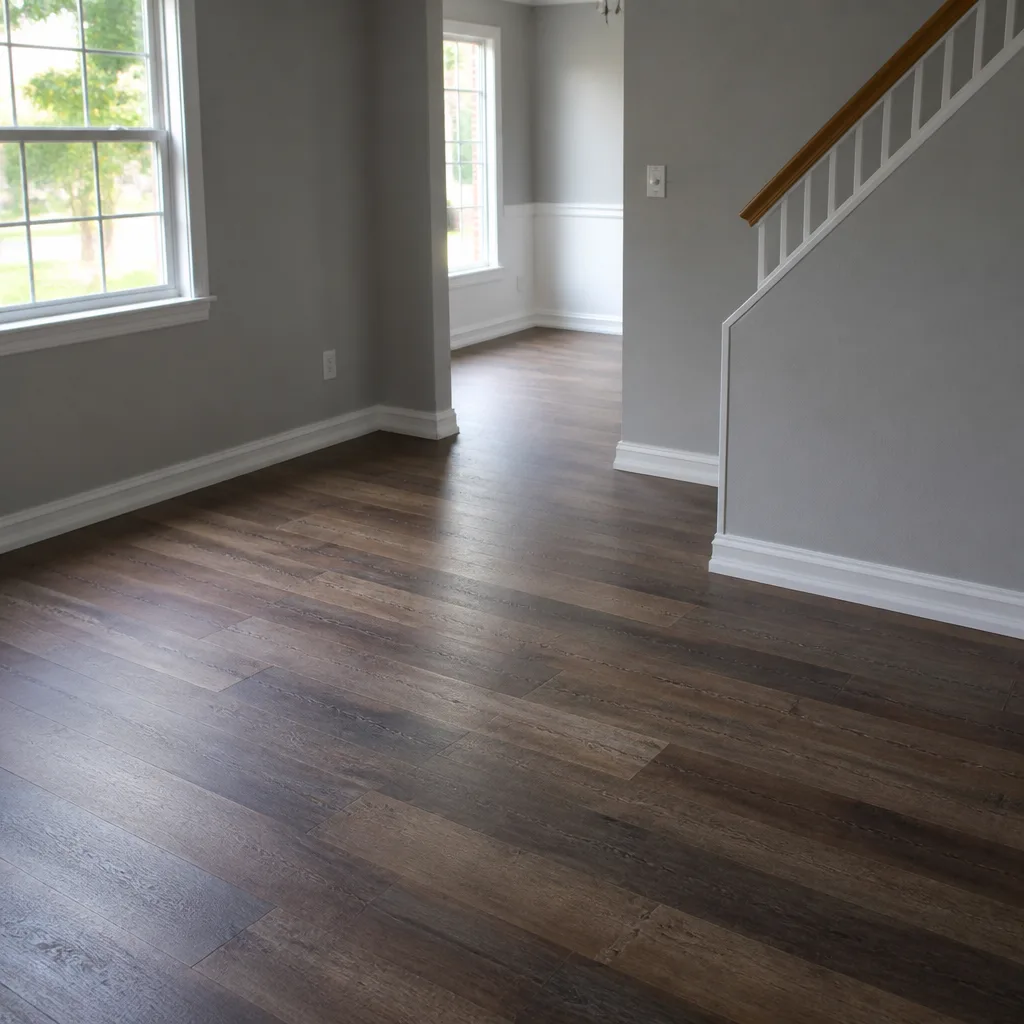
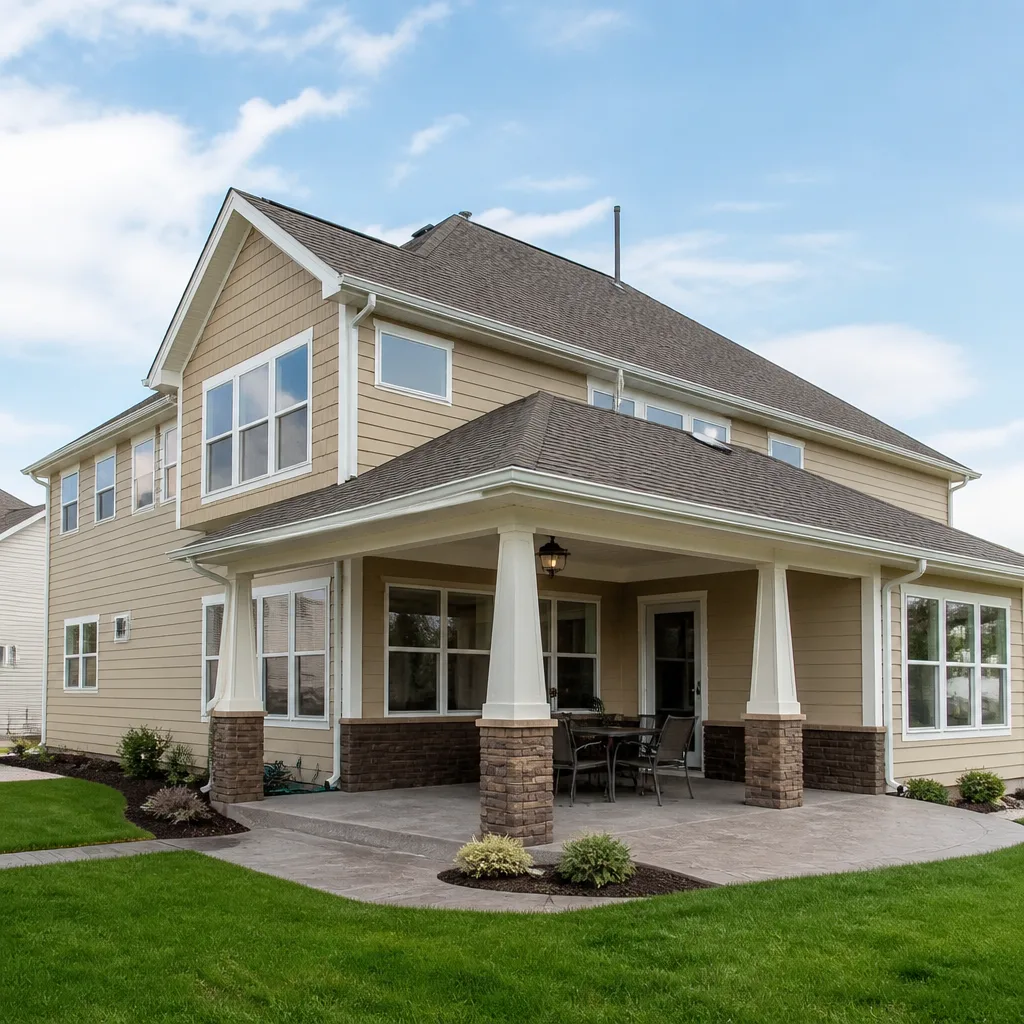
 Before
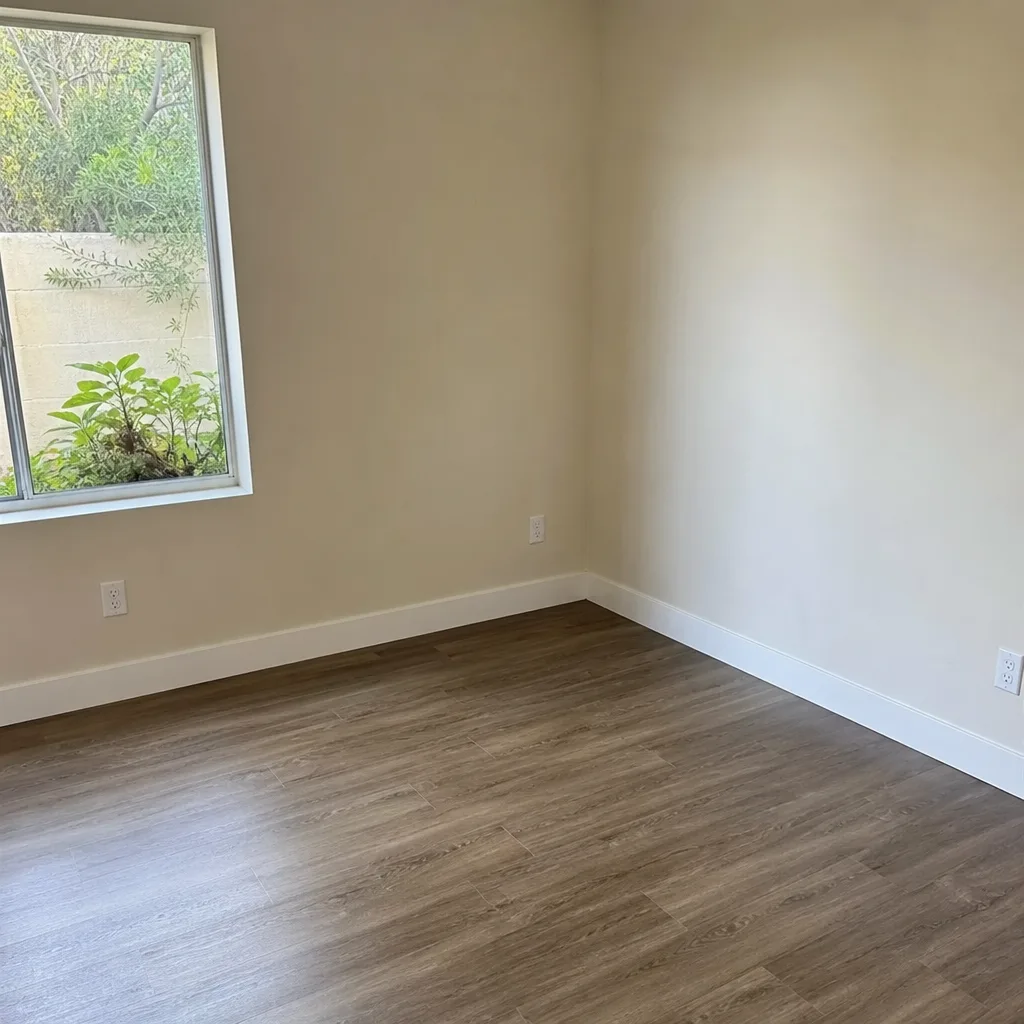 After
After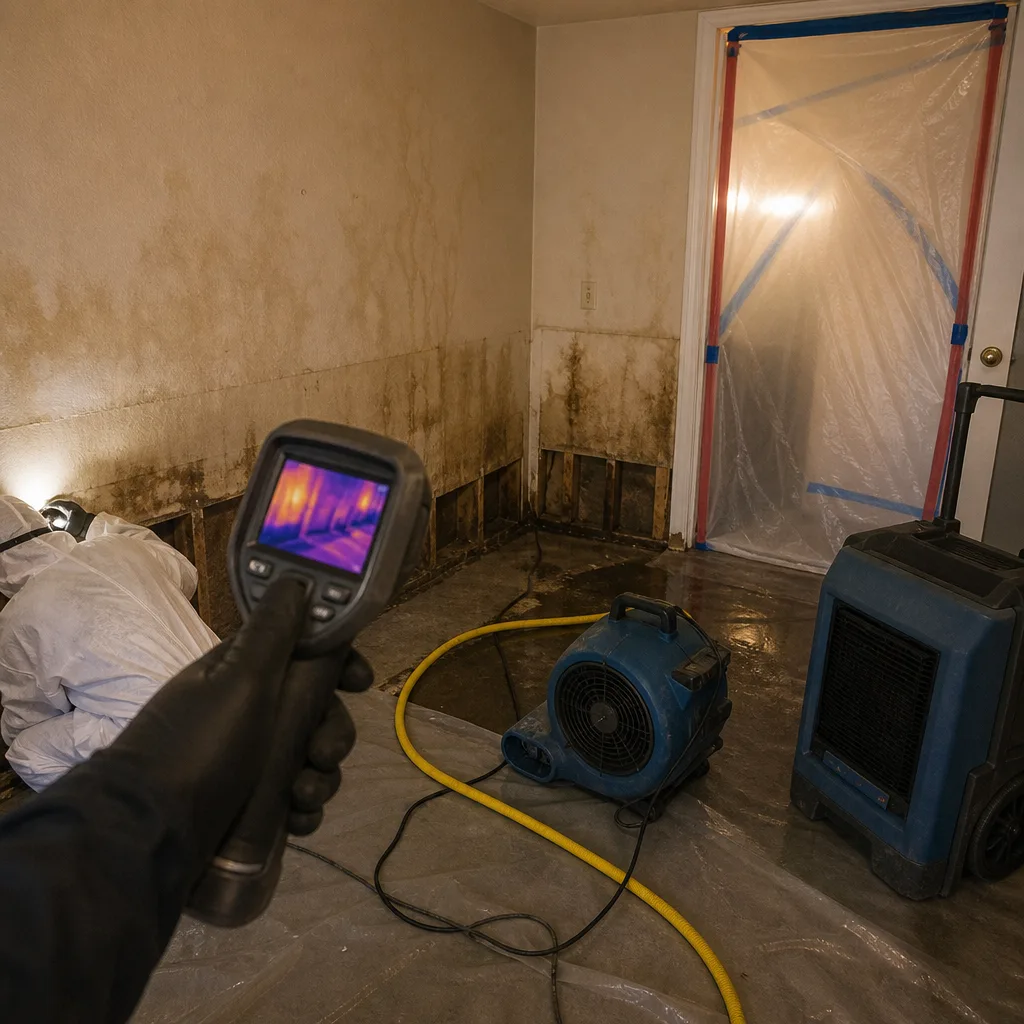 Before
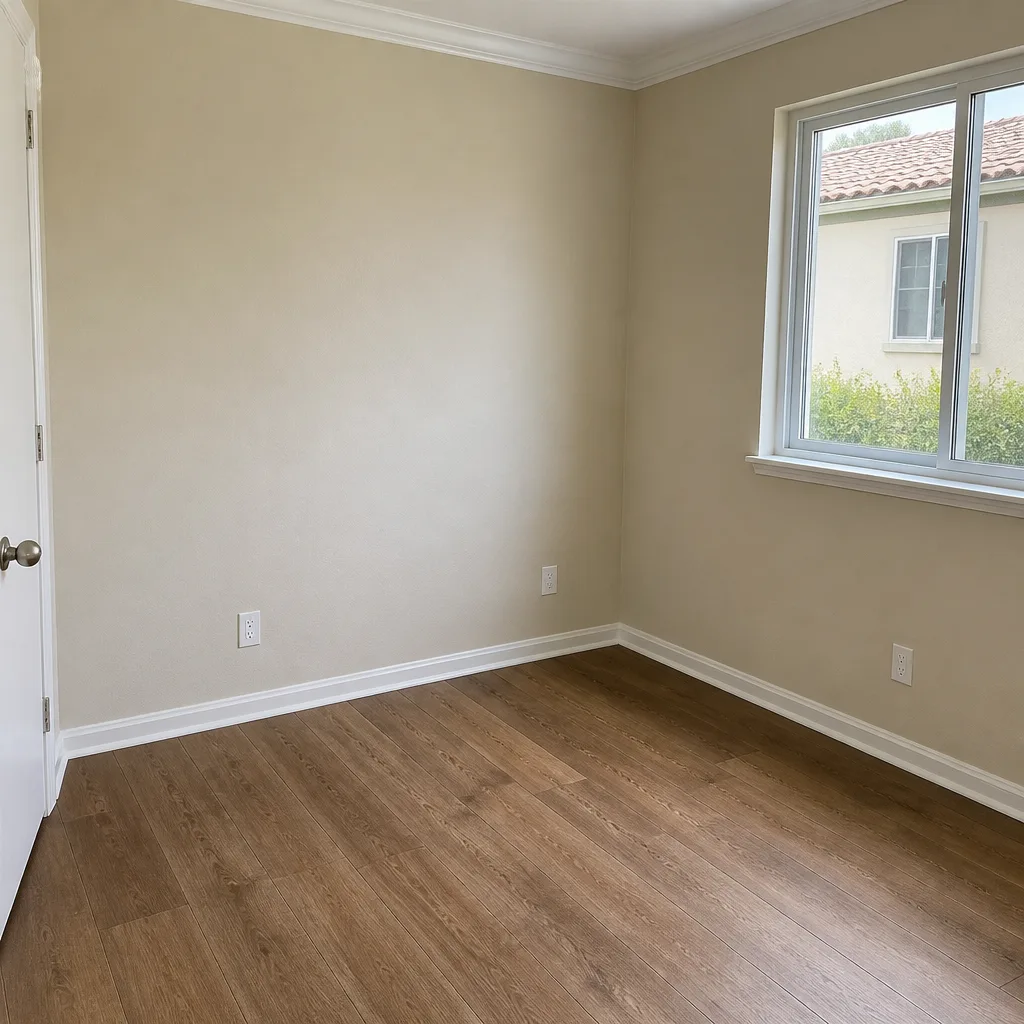 After
After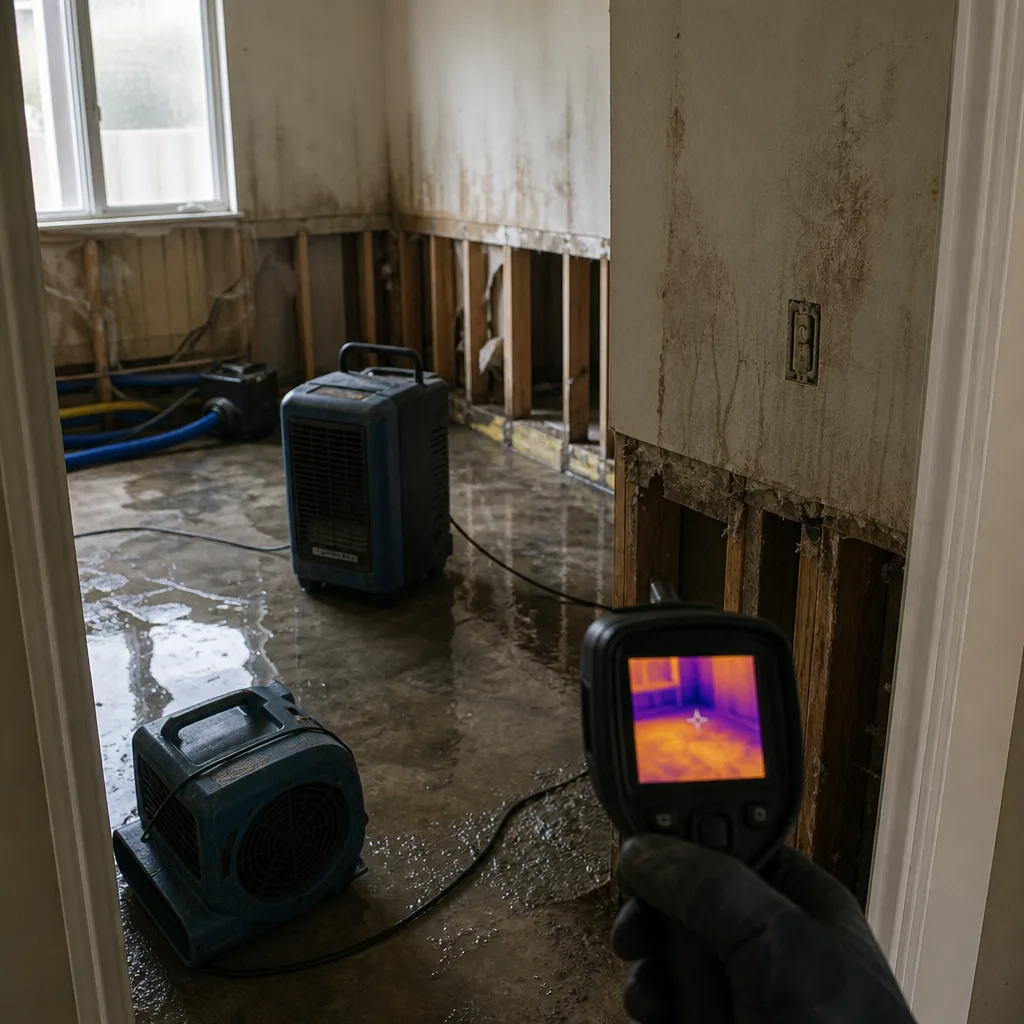 Before
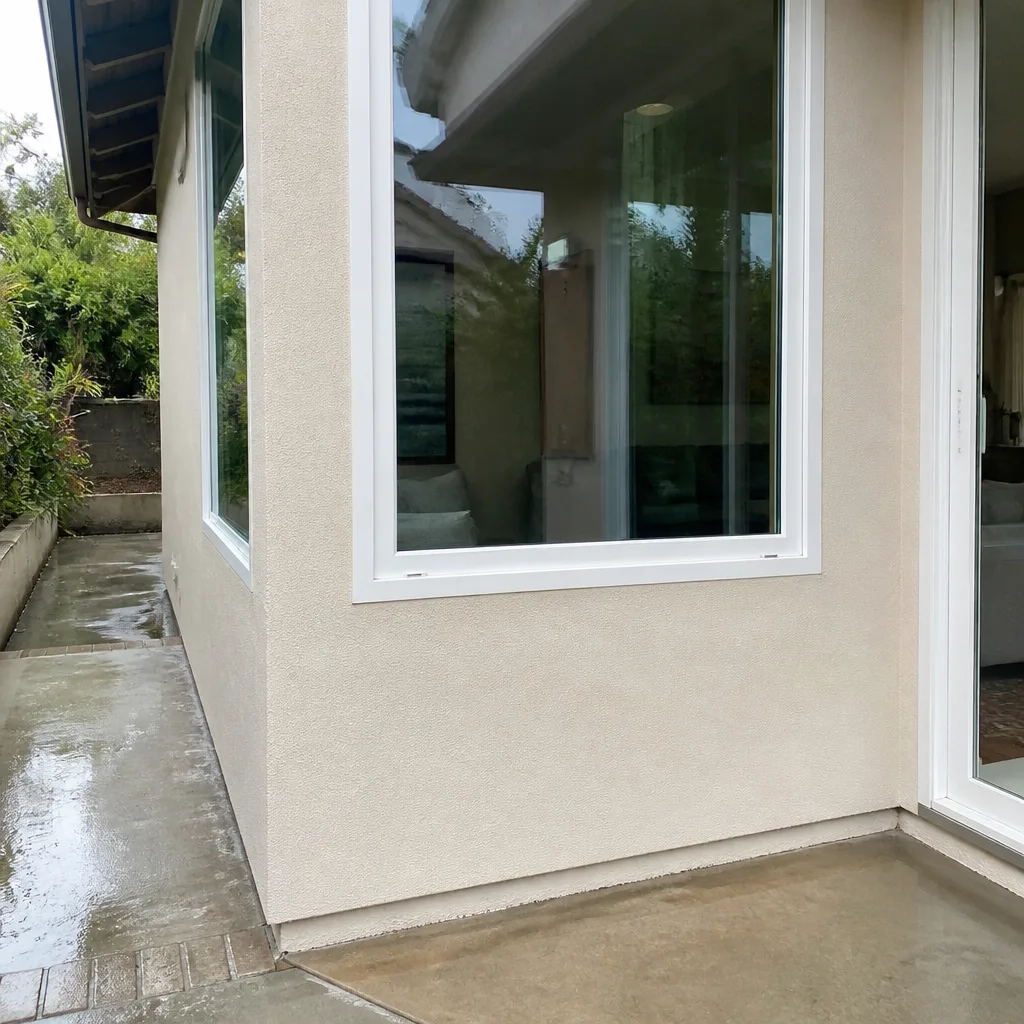 After
After24/7 Emergency Water Damage Restoration in San Clemente
Water damage restoration in San Clemente typically runs $2,800-$7,500 for a standard residential loss, with emergency extraction and stabilization starting same day. Most San Clemente homes we see need 3-5 days of monitored structural drying, though the coastal marine layer can extend that timeline beyond inland Orange County standards.
We’re answering live at (657) 297-0972, 24 hours a day, 7 days a week. No voicemail trees. A real person picks up, takes your address in San Clemente, and dispatches a crew. The first hour determines whether water wicks into drywall, subfloor, and framing or stays contained to the surface layer. In San Clemente’s hillside and bluff-side construction, water follows gravity fast. Channeled runoff from canyon-rim lots hits garage slabs and lower-level living spaces within minutes of a supply-line break or significant rain event. Our Water Damage Restoration team carries thermal imaging, moisture meters, and extraction equipment on every truck. We perform a free visual inspection on arrival, document everything with photos, and deliver a written price before any work begins. Haven Standard, Clause 1.
Understanding Water Damage Restoration Severity in San Clemente Properties
Water damage breaks into three categories under IICRC standards. Category 1 is clean water from a supply line. Category 2 carries contaminants, typical of dishwasher or washing-machine discharge, or groundwater intrusion through decomposed-granite soil. Category 3 is black water: sewage, seawater, or long-standing flooding with bacterial growth. San Clemente’s hillside terrain pushes Category 2 losses higher than the national average. Subsurface water following native soil slopes into garage slabs and crawlspaces picks up soil bacteria and organic matter.
Moisture mapping tracks how far water has traveled behind walls and under flooring. Structural drying uses psychrometric data, temperature, and vapor pressure differential to pull bound moisture from wood framing and concrete. In San Clemente’s 1920s Ole Hanson-era homes near the pier, original plaster walls and clay tile roofs create unique moisture-retention profiles. The 1960s-1980s hillside tracts have slab-on-grade or raised foundations vulnerable to slope drainage. Talega’s newer construction has modern vapor barriers but steep-lot drainage challenges.
The persistent Pacific marine layer keeps interior relative humidity elevated year-round in San Clemente, even without a rain event. That humidity slows structural drying times after water intrusion and creates chronic mold-growth conditions in poorly ventilated attic and wall cavities. Salt air off the Pacific accelerates corrosion in HVAC coils, electrical panels, and fasteners inside exterior walls, complicating scope assessments during post-damage inspections.
Why San Clemente Property Owners Choose DryMark Restoration Mission Viejo
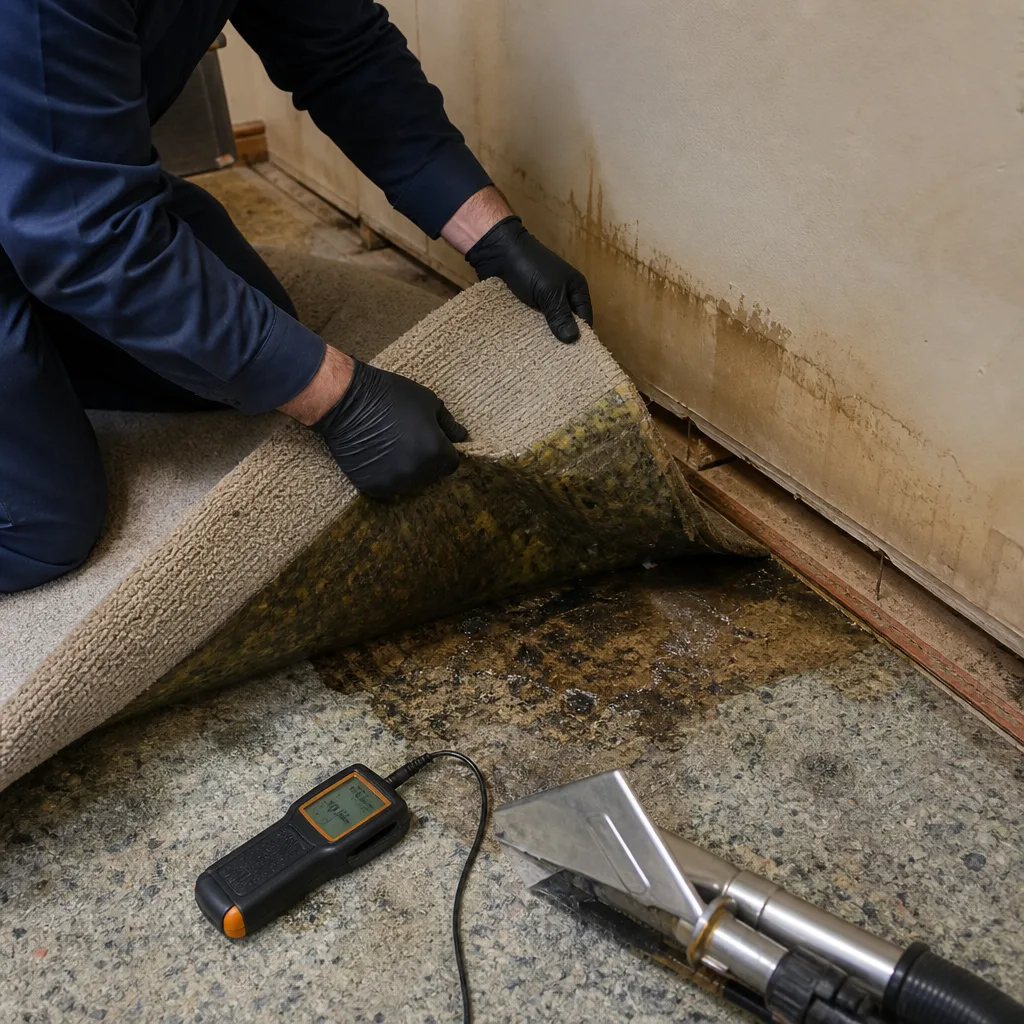
- 45-minute response commitment to San Clemente addresses, with crews staged for the coastal corridor.
- 24/7 live answer: a real person, never an automated system, on every call at (657) 297-0972.
- IICRC-certified crews holding WRT (Water Damage Restoration Technician) and AMRT (Applied Microbial Remediation Technician) credentials.
- Free visual inspection on arrival, with moisture readings taken and documented before any equipment is placed.
- Direct insurance billing with photo-documented drying logs and written scopes that adjusters recognize and pay.
- One team from extraction through reconstruction, no handoffs to subcontractors you’ve never met.
 Before
 After
AfterOur Water Damage Restoration Process
1. Inspection & Assessment
We map moisture content across all affected materials using thermal imaging and penetrating meters. In San Clemente, we also inspect garage-door hardware, electrical panels, and wall-cavity fasteners for salt-air corrosion that predates the water loss. Everything is photographed and logged.
2. Extraction & Stabilization
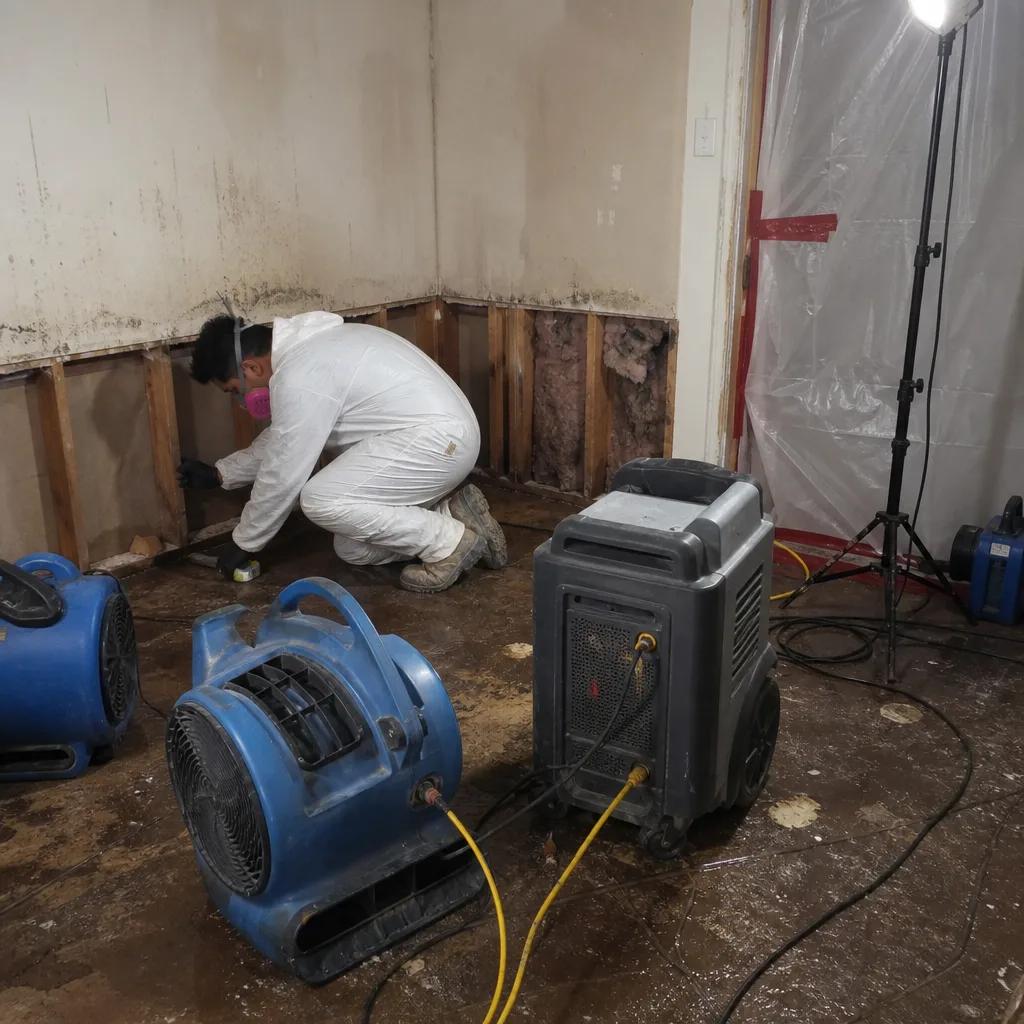
Standing water comes out first. Truck-mounted extraction units handle carpet and pad. Hard surfaces get wet-vacuumed. We set containment barriers to prevent cross-contamination. Category 2 or 3 water triggers antimicrobial application per IICRC protocol.
3. Drying & Dehumidification
Air movers create airflow across wet surfaces. Dehumidifiers from Dri-Eaz and Phoenix pull vapor from the air. In San Clemente, the marine layer means we stage and re-monitor against moisture mapping rather than running a fixed day count. Daily readings go into your drying log.
4. Cleaning & Sanitization
Surfaces receive HEPA vacuuming and antimicrobial treatment. Air scrubbers run during this phase. We document pre- and post-condition with photos for your insurer.
5. Corrosion Assessment & Hardware Documentation
San Clemente’s salt air corrodes garage-door springs, rollers, hinges, tracks, and opener chains years faster than inland. We photograph pre-loss corrosion status and flag fast-fail hardware. This prevents scope disputes later and protects your claim.
6. Repairs & Restoration
Once materials hit dry standard, we rebuild: drywall, flooring, trim, paint. For San Clemente’s Spanish Colonial Revival exteriors, we match stucco texture and finish per local design standards. The 365-Day Done Right Promise applies to all work.
Need Emergency Water Damage Restoration in San Clemente Now?
Crews minutes away, answering live 24 hours a day. The sooner we start, the less it costs.
Working With Your Insurance Company
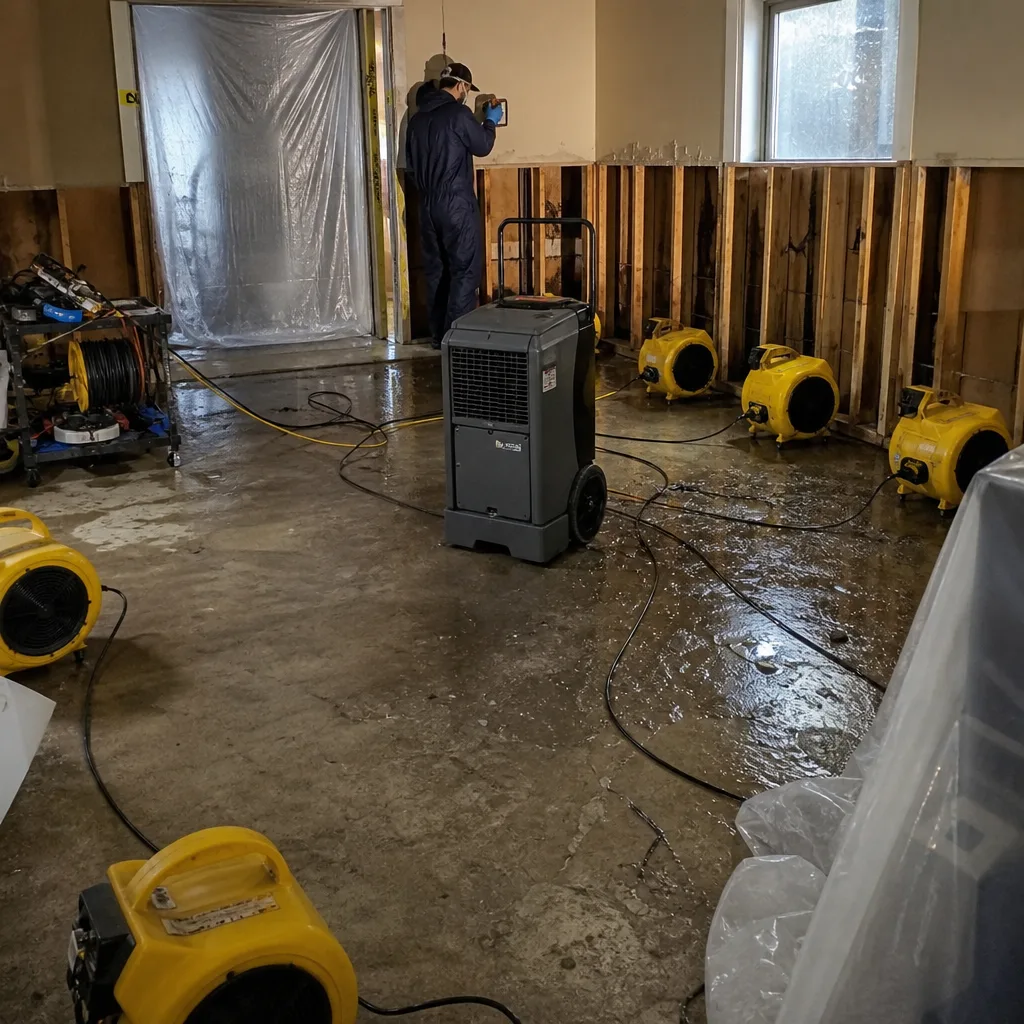
Documentation starts the moment we arrive. Every photo, moisture reading, and drying log entry builds a claim file an adjuster can review without callbacks or disputes. We write industry-standard estimates using the same pricing databases your carrier uses. Direct adjuster communication is standard, not an upsell. Alicia Brennan founded Back to Dry in 2011 after working as a claims adjuster and watching homeowners lose coverage over documentation gaps. That origin shapes every file we build.
We coordinate dispatch and scheduling from our Los Angeles office, with crews serving San Clemente locally.
What We Provide Your Insurer
- Thorough documentation of the loss
- Photos of all damage, room by room
- Moisture readings and drying logs
- A detailed, line-item scope of work
- Direct coordination with your carrier
Built for San Clemente’s Loss Calendar
January through March brings the heaviest rain, and with it the seasonal failure mode we see in North Beach and Sea Cliff: subsurface water following decomposed-granite slopes into garage slabs after the first significant rain following a dry stretch. Homeowners call convinced it’s a plumbing leak. Moisture mapping tells the real story.
April and May see residual hillside saturation and secondary mold calls from winter intrusion that was under-dried. June through August, the marine layer thickens. Relative humidity stays high even without rain. Attic and crawlspace mold spores activate in poorly ventilated spaces. September and October are peak hurricane-swell months. Coastal flooding is rare but seawater intrusion from overtopped seawalls creates Category 3 losses.
November and December bring early rain before soils have fully dried, repeating the subsurface pattern. Year-round, salt-air corrosion continues inside exterior walls, HVAC cabinets, and electrical panels. A scope that ignores pre-loss corrosion status under-documents the full damage picture.
Water Damage Restoration Across San Clemente’s Neighborhoods
North Beach and the Pier Bowl area hold the 1920s-1930s Ole Hanson originals. Original plaster walls, clay tile roofs, and aged cast-iron or galvanized plumbing. Water hits these hard because plaster wicks moisture differently than modern drywall, and old plumbing fails catastrophically. We see supply-line breaks in original bathrooms and kitchen walls.
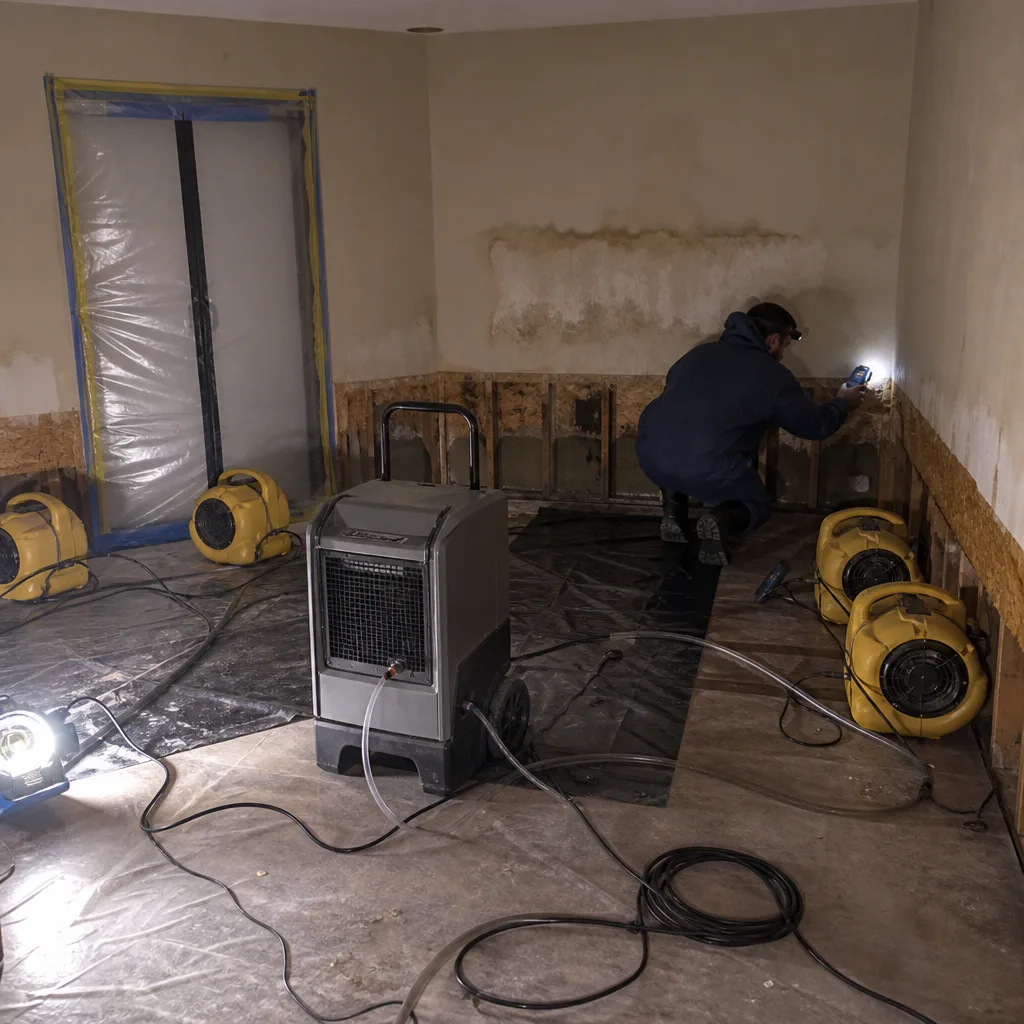
Sea Cliff and the canyon-rim neighborhoods above T-Street sit where subsurface water follows native soil slopes into garage slabs and lower-level living spaces. During the first real rain after a dry stretch, we ran emergency water extraction on a canyon-rim home in Sea Cliff where subsurface water had followed the decomposed-granite slope into the garage slab. The homeowner was certain it was a plumbing leak. After moisture mapping the slab, walls, and adjacent bedroom carpet tack strip, our tech confirmed category 2 water, set containment and air movers with a Dri-Eaz dehumidification setup, and logged daily moisture readings. We also flagged corroded garage-door rollers and opener chain hardware, which is a fast-fail here in the salt air, and noted them as anchor points in the post-loss scope of work.
Talega’s inland hills have newer construction with modern vapor barriers, but steep lots channel drainage against foundations. We see repeated intrusion in homes where landscape grading reversed over time. Southwest San Clemente, including the Rancho San Clemente area, mixes 1980s stucco tracts with newer builds. Slab-on-grade construction with original polybutylene piping creates predictable failure points.
Specialized Water Damage Restoration Services We Offer in San Clemente
Emergency Water Extraction
Truck-mounted and portable extraction units remove standing water within hours of your call. In San Clemente’s hillside homes, we prioritize lower-level and garage extraction where subsurface water pools against slabs. Same-day response, 24/7.
Structural Drying & Dehumidification
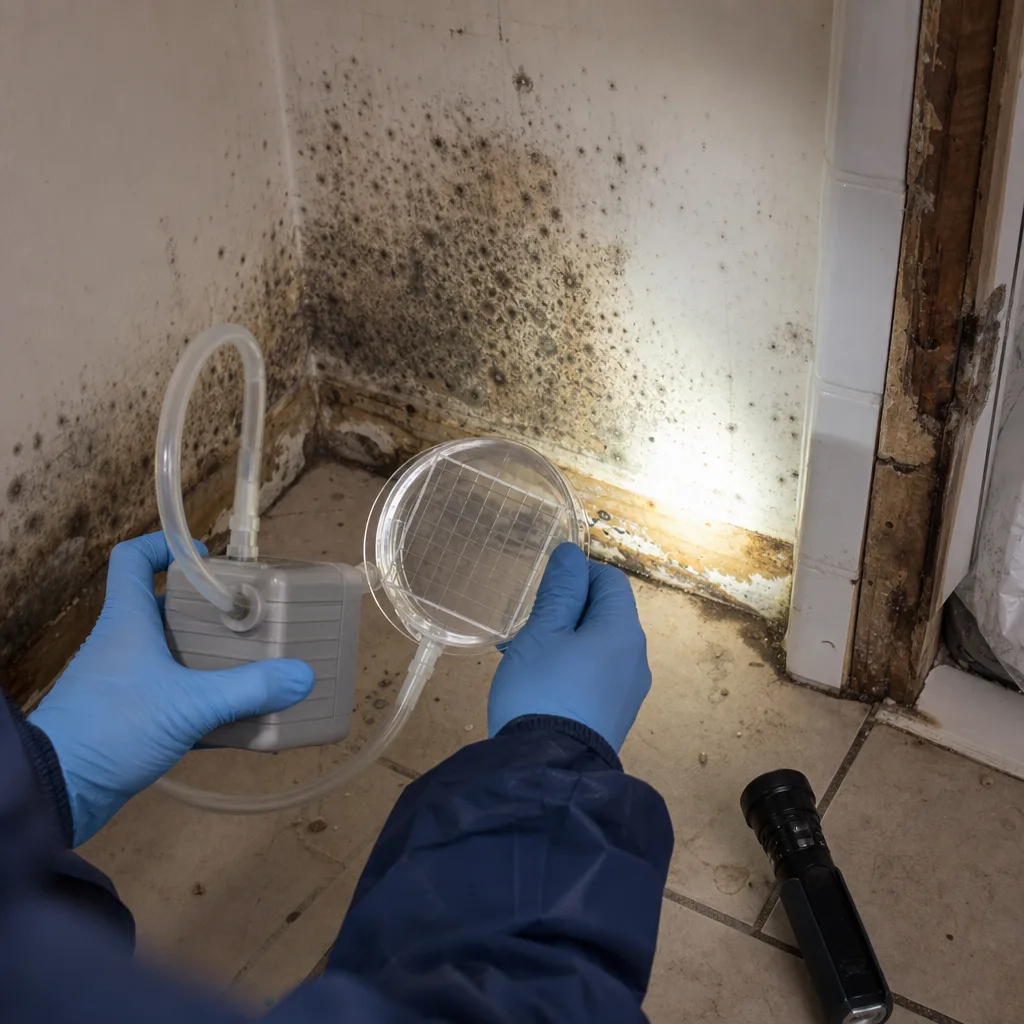
We deploy air movers, dehumidifiers from Dri-Eaz and Phoenix, and Injectidry cavity-drying systems for wall and ceiling assemblies. San Clemente’s marine layer means drying is staged and re-monitored against moisture mapping, not run to a calendar. Daily logs track progress to dry standard.
Flood Cleanup
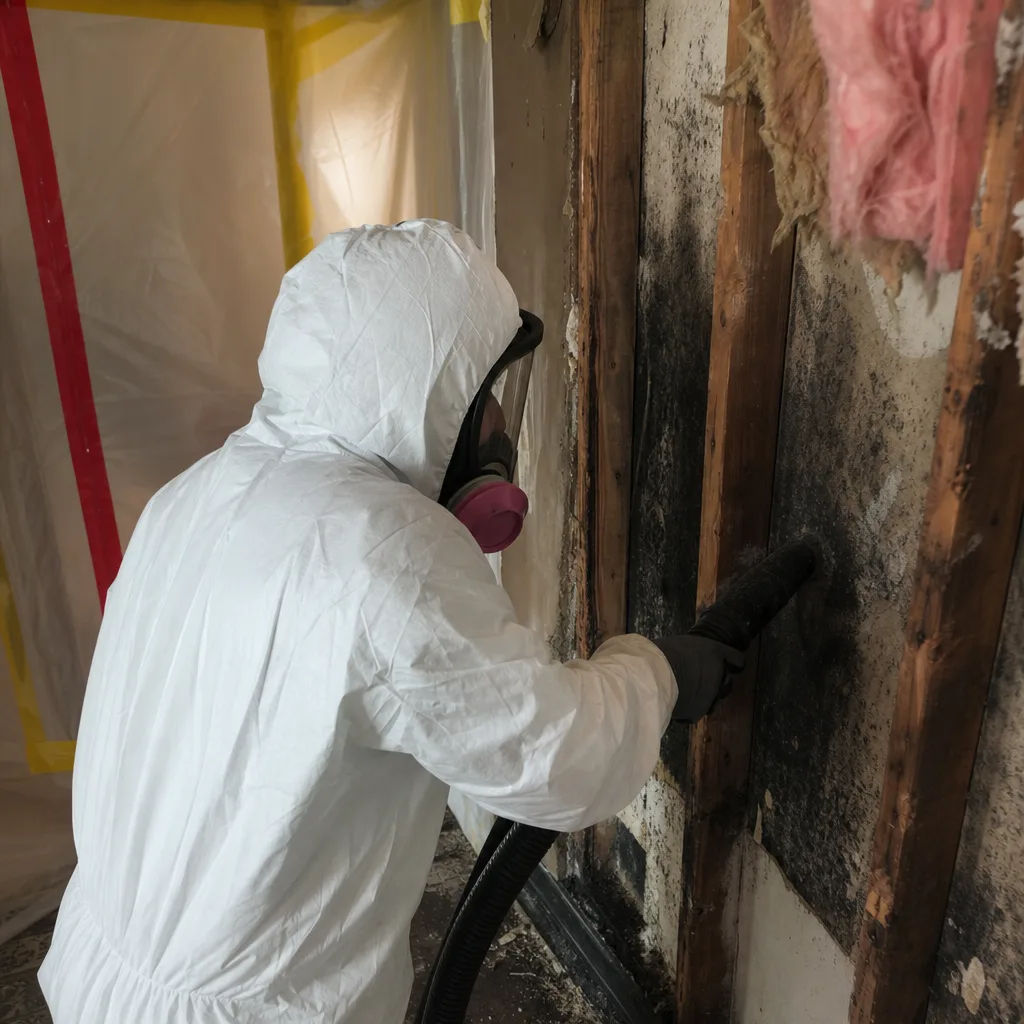
Coastal flooding, storm surge, and hillside runoff all create distinct contamination profiles. We categorize the water source, set appropriate containment, and document everything for your insurer. Category 3 losses receive full antimicrobial protocol.
Burst Pipe Restoration
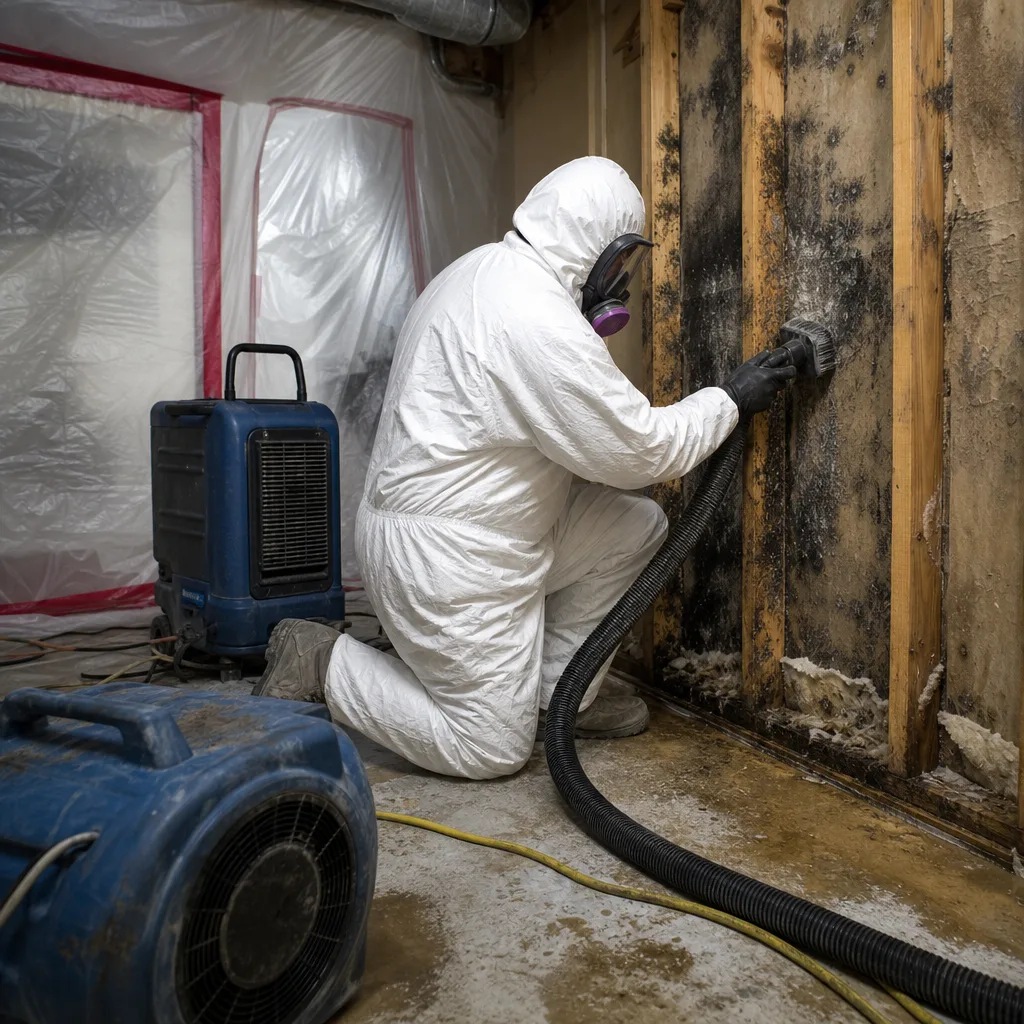
San Clemente’s older galvanized and cast-iron plumbing, plus the polybutylene common in 1980s-1990s construction, fails predictably. We extract, dry, and scope the full damage path, including hidden water behind cabinets and inside walls.
Basement Water Removal
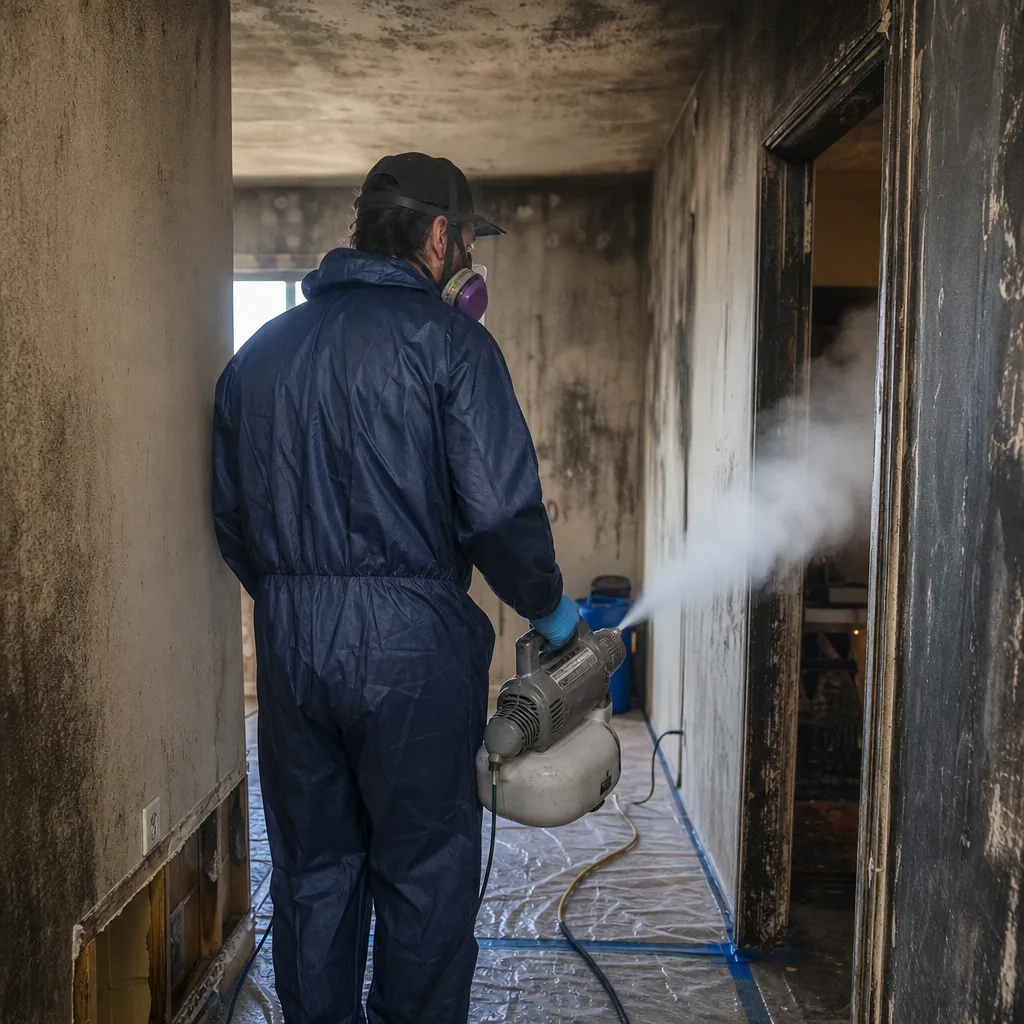
Raised foundations and walk-out basements in hillside construction create unique drainage failures. We extract standing water, map subfloor moisture, and set specialized drying configurations for confined crawlspace and basement environments.
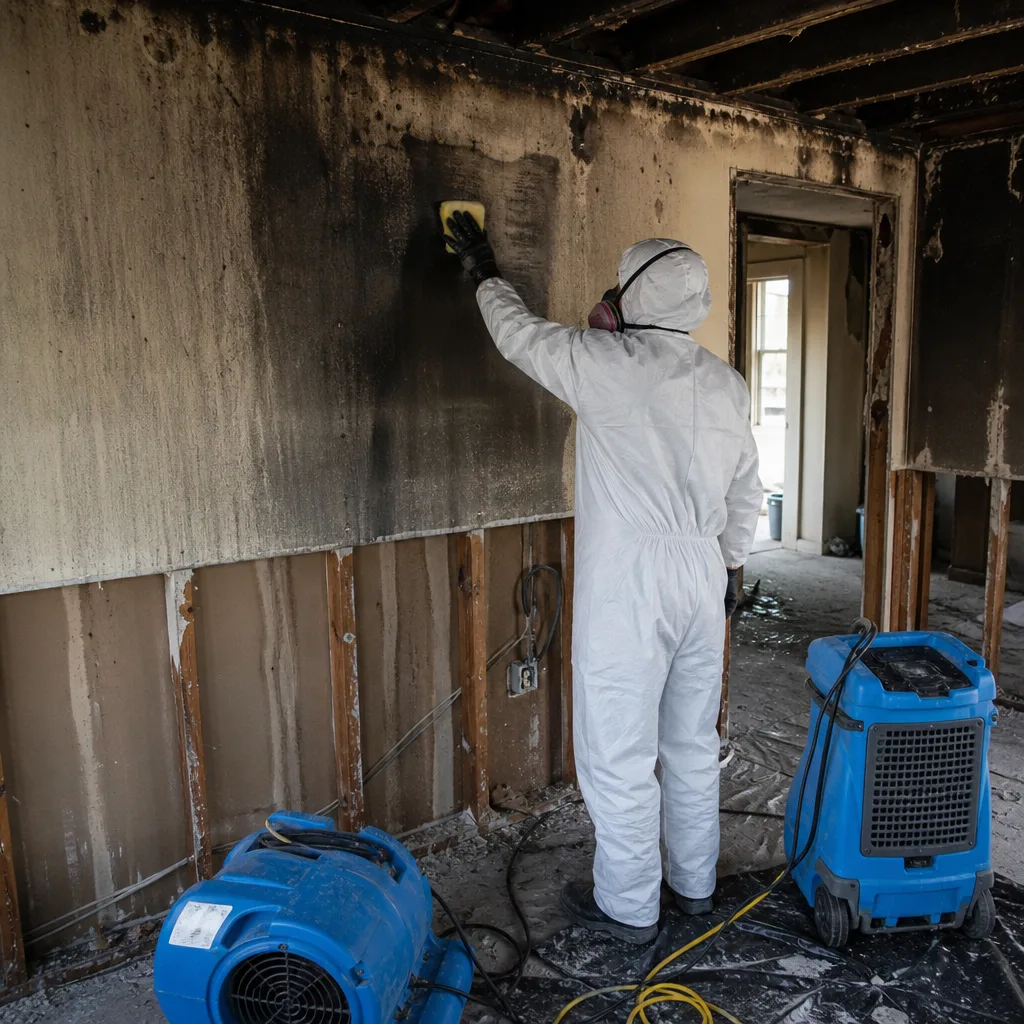
Ceiling & Roof Leak Water Damage
Clay tile roofs in the Ole Hanson district and composite shingle on newer homes both leak differently. We trace the water path, document roof-deck and ceiling-cavity damage, and dry to prevent structural compromise and mold activation.
What happens when you call
- 1
A real person answersNo phone trees - you reach a local pro.
- 2
You get an upfront price rangeHonest numbers before anyone is dispatched.
- 3
A background-checked tech heads outLicensed & insured, dispatched right away.
- 4
You approve before work beginsNothing starts until you say go.
Water Damage Restoration Costs in San Clemente, CA
Emergency water extraction and stabilization in San Clemente typically runs $1,200-$2,800. Structural drying with monitored dehumidification adds $1,500-$3,500 depending on affected square footage and the marine-layer extension of drying time. Full restoration including drywall, flooring, and trim replacement ranges $3,000-$12,000 for mid-size residential losses.
| Service | Typical Range in San Clemente |
|---|---|
| Emergency extraction & stabilization | $1,200 - $2,800 |
| Structural drying & dehumidification | $1,500 - $3,500 |
| Mold prevention treatment | $800 - $2,200 |
| Drywall & ceiling repair | $1,500 - $4,500 |
| Flooring replacement (per room) | $1,200 - $3,800 |
| Full reconstruction (major loss) | $8,000 - $25,000+ |
What moves the price: category of water, affected square footage, whether water reached wall cavities or remained surface-level, and whether materials require full replacement versus restoration. Insurance typically covers sudden and accidental water damage; gradual leaks and maintenance issues are usually excluded. We review your policy, document the loss origin, and build a scope your adjuster can approve. Free visual inspection. Written price before work begins. Haven Standard, Clause 1.
We Also Serve Cities Near San Clemente
Our crews respond throughout southern Orange County, including Water Damage Restoration in San Clemente and neighboring communities: Dana Point, with its harbor-adjacent homes and similar salt-air corrosion patterns; San Juan Capistrano, where historic adobe and mission-era construction creates unique moisture-retention challenges; Ladera Ranch, with its master-planned density and repeated slab-intrusion patterns; and Laguna Niguel, where coastal canyon terrain mirrors San Clemente’s hillside drainage failures.
Serving San Clemente, CA - Our Local Coverage Area
We’re based in the San Clemente area and know this community well. Use the map below to see our service coverage - if you’re nearby, we can almost certainly help.
San Clemente Water Damage Restoration Questions, Answered
Why does water in my San Clemente garage keep coming back after the first big rain?
It’s usually subsurface water following the decomposed-granite slope on canyon-rim and bluff-side lots, not a plumbing leak. After dry stretches, the first significant rain reactivates hillside drainage paths that channel directly against garage slabs and lower-level foundations. Moisture mapping confirms the source. Call (657) 297-0972 for a free inspection.
Does San Clemente’s marine layer really change how long structural drying takes?
Yes. The persistent Pacific marine layer keeps interior relative humidity elevated year-round, which slows evaporation from wet framing and concrete. We stage drying and re-monitor against moisture mapping rather than running a fixed day count. Inland Orange County homes often hit dry standard 24-48 hours faster. Call (657) 297-0972 for a timeline on your specific loss.
How fast does mold start after a water intrusion in a San Clemente home?
Mold colonization can begin in 48-72 hours in San Clemente’s high-humidity environment, faster than drier inland climates. The marine layer provides ambient moisture that supports growth even before materials read as fully wet. We apply antimicrobial treatments during extraction and monitor with daily moisture logs to prevent activation. Call (657) 297-0972 for immediate response.
Why do you check garage-door hardware during a water damage scope in San Clemente?
San Clemente’s salt-laden air corrodes garage-door springs, rollers, hinges, tracks, and opener chains years faster than inland. Pre-existing corrosion is often masked until water damage exposes it. Documenting this status protects your claim by separating pre-loss condition from post-loss damage. We photograph and note all hardware condition. Call (657) 297-0972 for documentation that holds up.
My attic smells musty but I don’t see any water - is that a San Clemente thing?
Yes, and it’s common. The marine layer pushes humid air into poorly ventilated attic and wall cavities year-round. Without active water intrusion, this chronic humidity supports mold growth on sheathing and framing. We inspect with moisture meters and thermal imaging to distinguish active leaks from ambient humidity problems. Call (657) 297-0972 for assessment.
How fast can someone actually get to my San Clemente home?
We commit to 45 minutes for San Clemente addresses, with crews staged for the coastal corridor. Live dispatch at (657) 297-0972, no voicemail. The sooner extraction begins, the less water wicks into drywall, subfloor, and framing. Call now for current ETA to your neighborhood.
Will insurance cover my water damage restoration?
Sudden and accidental water damage is typically covered; gradual leaks and maintenance issues are usually excluded. We document the loss origin, build an IICRC-standard scope with line-item pricing, and coordinate directly with your adjuster. Our photo records and drying logs are formatted for carrier review. Call (657) 297-0972 and we’ll review your situation.
Do I need full remediation or just a cleaning?
That depends on water category, affected materials, and how long water stood before extraction. Category 1 on hard surfaces may need only extraction and drying. Category 2 or 3, or any water that reached wall cavities or sat longer than 24 hours, typically requires full protocol including antimicrobial treatment and monitored drying. We assess and scope before recommending. Call (657) 297-0972 for a free visual inspection.
Call (657) 297-0972 now for emergency water damage restoration in San Clemente. Live answer, 24 hours a day. Free visual inspection. Written price before work begins. Haven Standard, Clause 1.
Written by Alicia Brennan, Owner at Back to Dry Restoration, serving San Clemente since 2011.
Water Damage Restoration in Nearby Areas