
Last updated September 23, 2026
Free visual inspection and a written scope of work before any mitigation begins - photos, moisture readings, and drying logs go in your claim file
The scope we write is the scope we bill. Anything new gets shown to you, in writing, before we touch it.


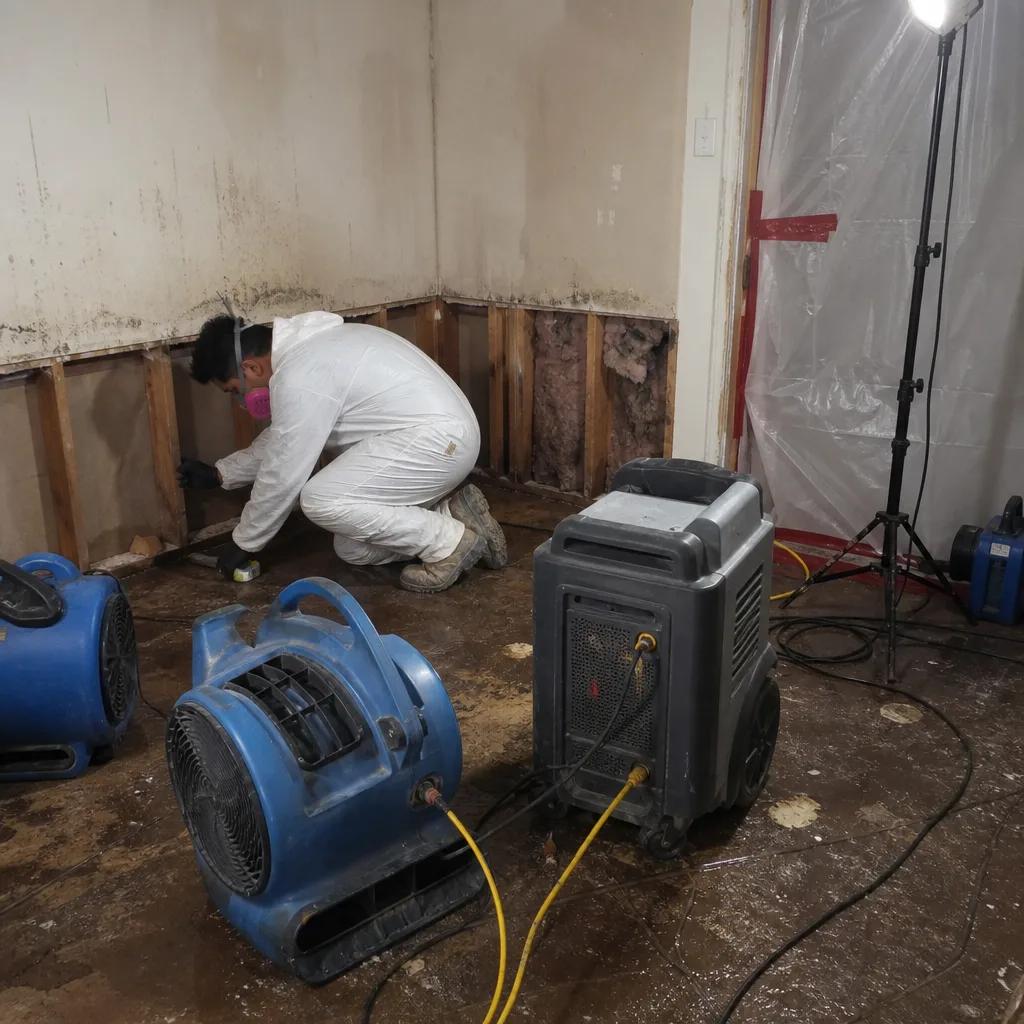 Before
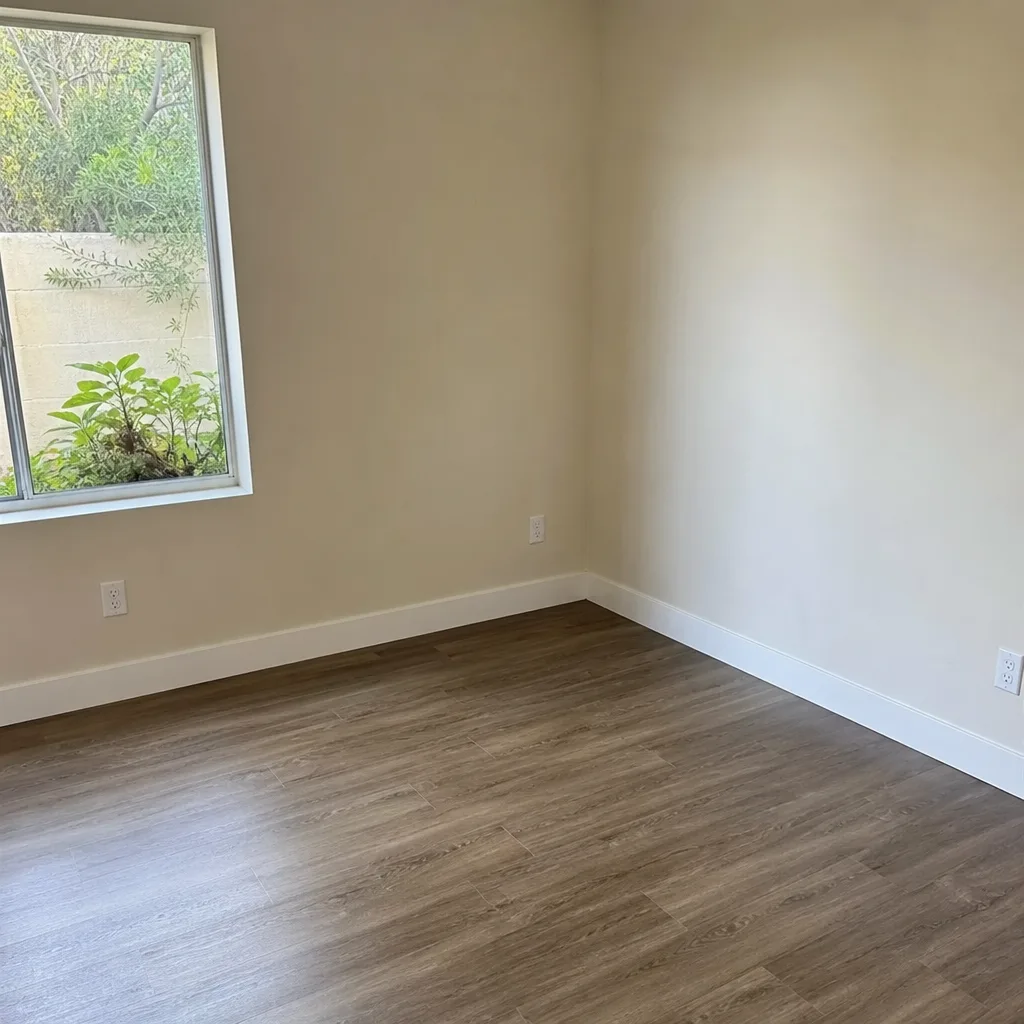 After
After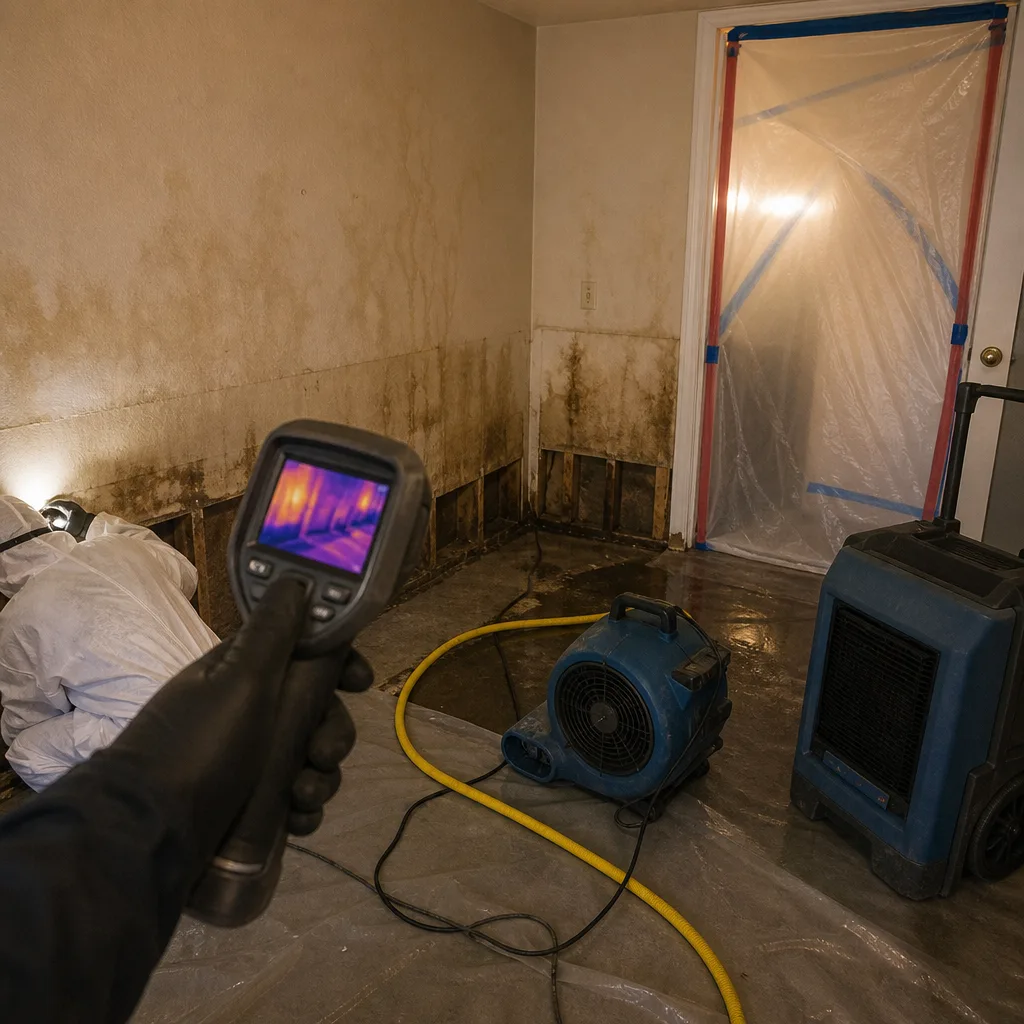 Before
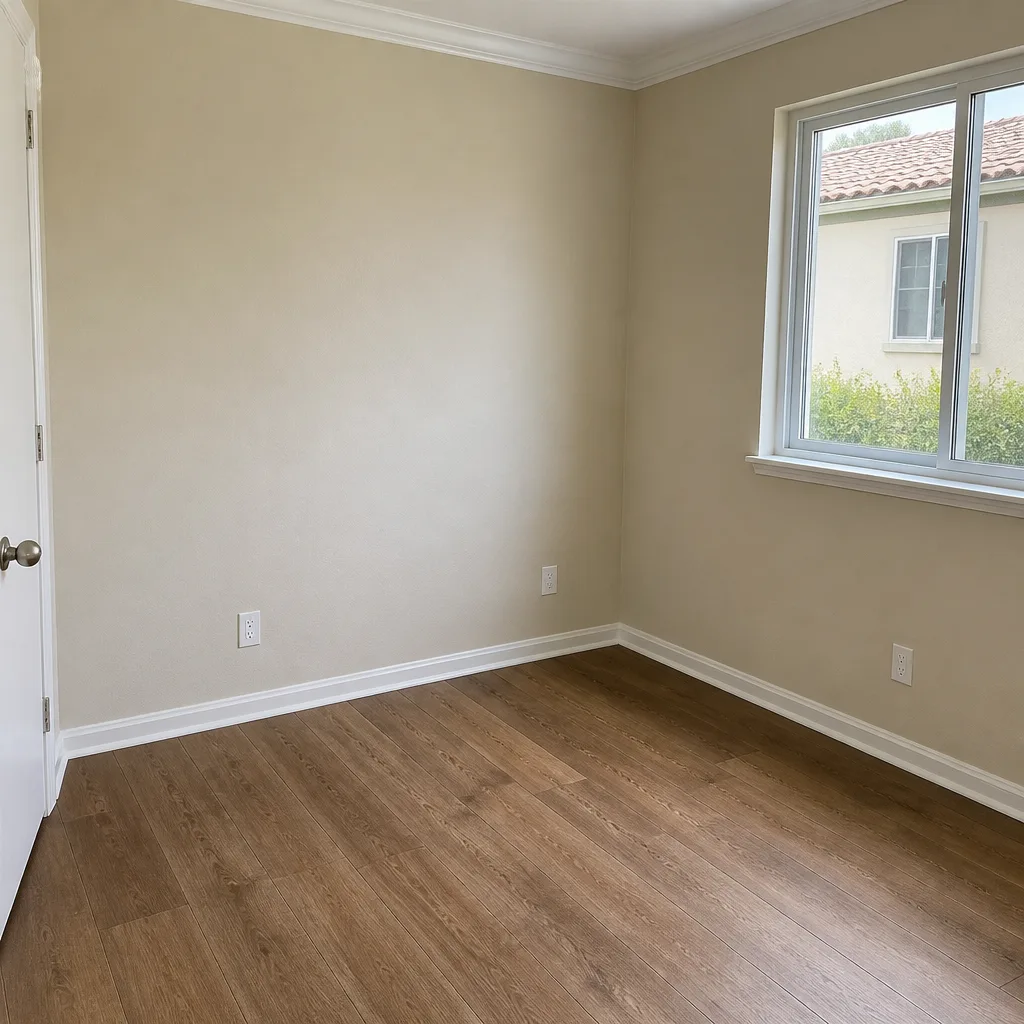 After
After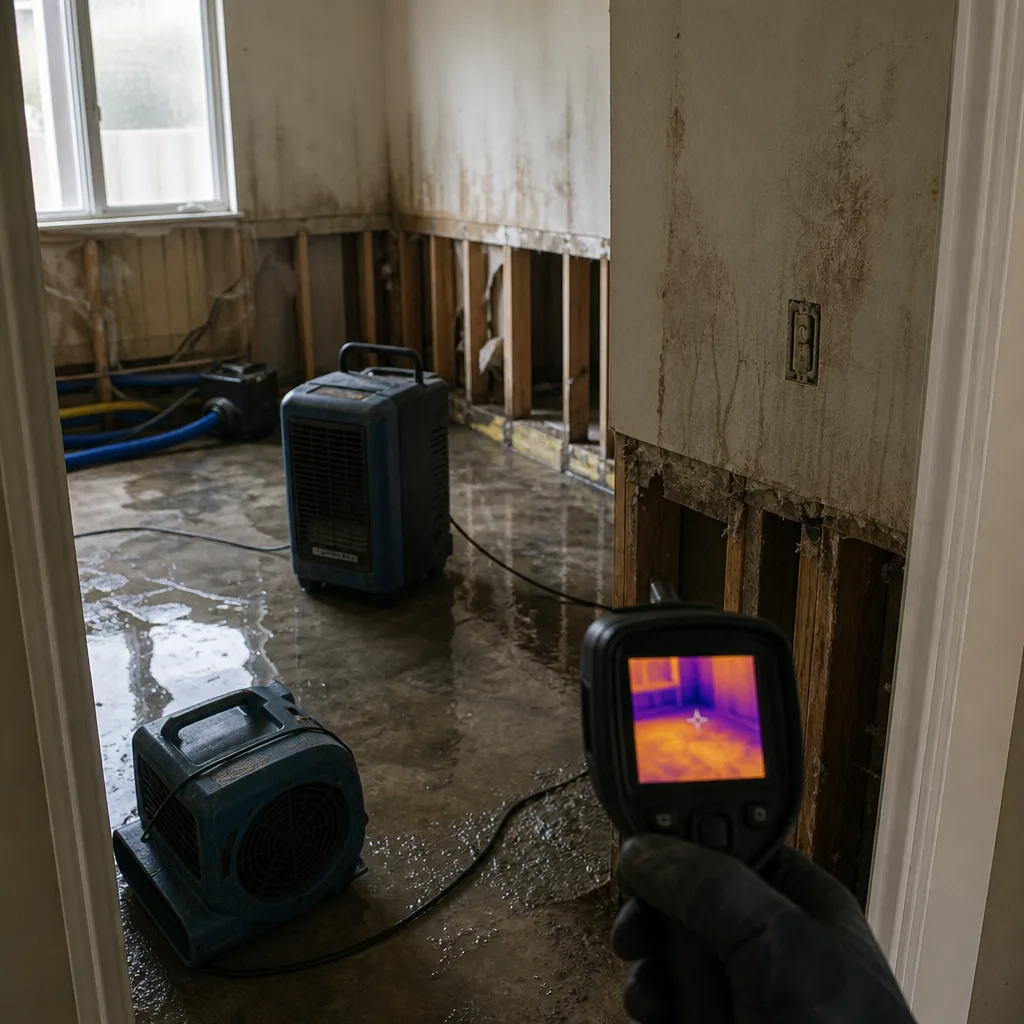 Before
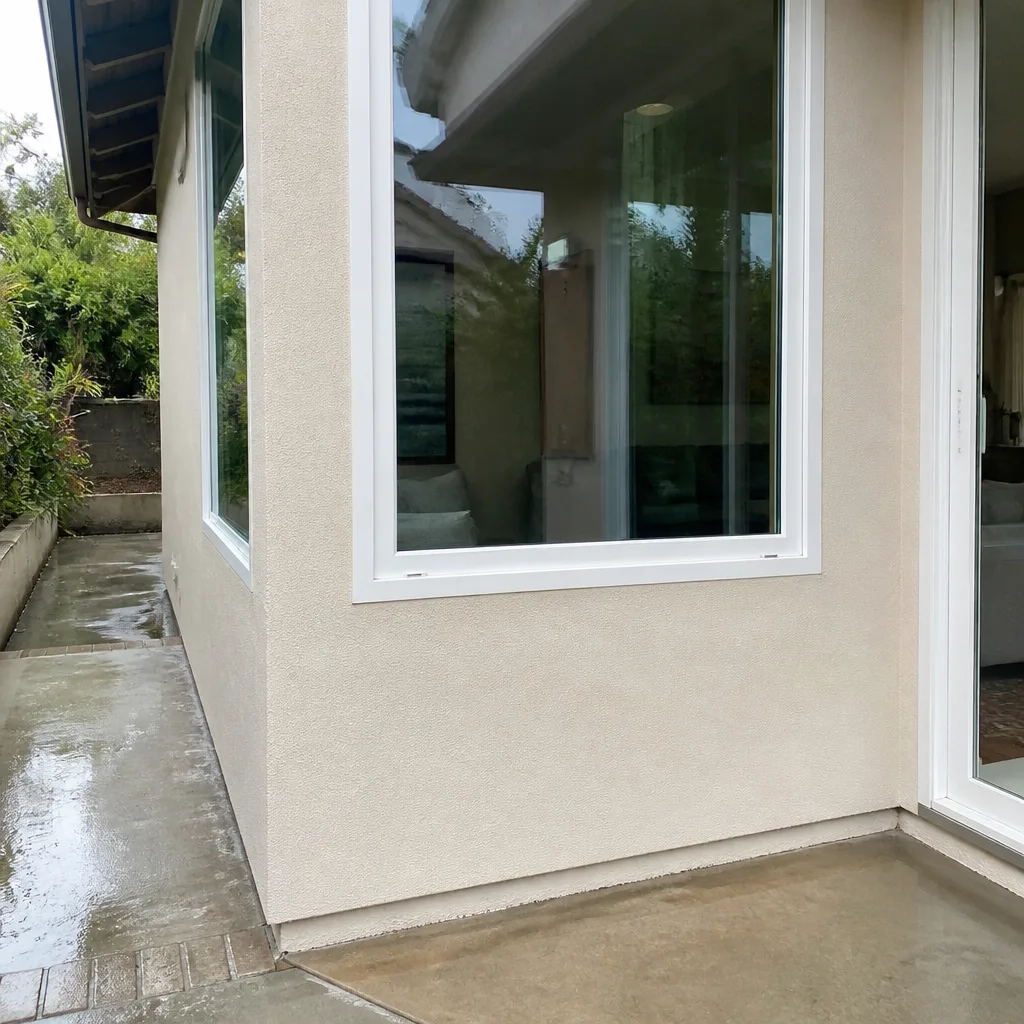 After
AfterWater Damage Restoration Maintenance Checklist for Mission Viejo Homeowners
Supply line failures, not floods, are the leading source of interior water damage claims in South Orange County. The average supply line gives a visible warning sign 6-18 months before it bursts, yet most Mission Viejo homeowners we’ve worked with since 2011 never thought to look. This checklist is built around the specific failure points in late-1980s to early-2000s tract construction that dominates Mission Viejo’s housing stock, from the braided stainless supply lines under sinks to the concrete tile roofs overhead. For professional help when prevention isn’t enough, our Water Damage Restoration team is available 24/7. Follow it quarterly, and you’ll catch the leaks that cost your neighbors $15,000-$40,000 in remediation before they start.
Quick Answer
A complete water damage prevention checklist for Mission Viejo homeowners includes quarterly inspection of supply lines and shut-off valves, annual roof and fascia review specific to concrete tile construction, slab moisture monitoring given calcium-heavy local soil, baseline moisture documentation in key rooms, and photographic records of utility spaces for pre-loss evidence. Homes built between 1985 and 2005 in Mission Viejo’s planned communities face elevated risk from original plumbing materials now reaching end-of-life.
Table of Contents
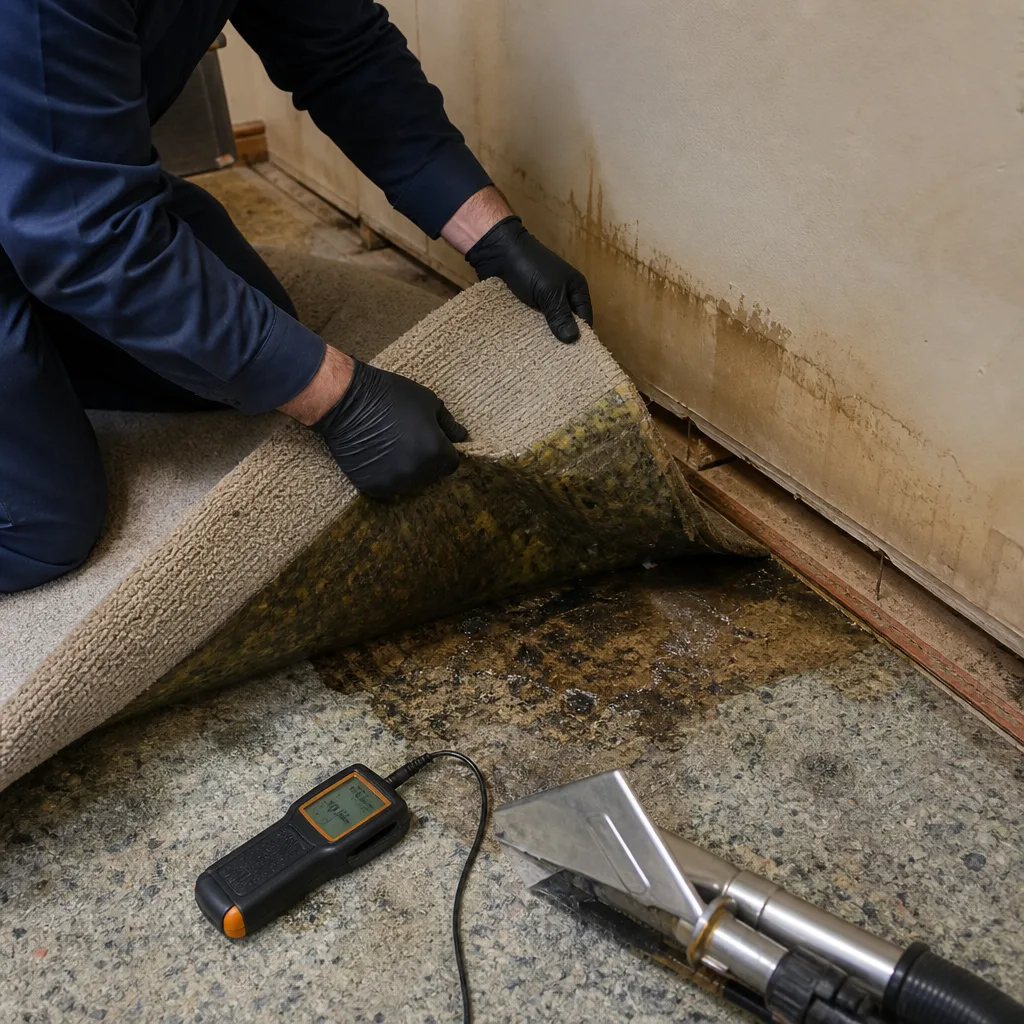
- Supply Line Inspection: The 6-18 Month Warning Window
- Slab Moisture Monitoring in Mission Viejo’s Calcium-Heavy Soil
- Recording Baseline Moisture Readings for Future Comparison
- Concrete Tile Roof and Fascia Inspection Points
- Appliance Connections and Drainage Systems
- The Documentation Habit: Quarterly Photo Records
- Seasonal Maintenance Calendar for Mission Viejo
- Common Mistakes to Avoid
 Before
 After
AfterSupply Line Inspection: The 6-18 Month Warning Window
We’ve restored 12,000+ homes since 2011, and the pattern is consistent: the most expensive water damage jobs in Mission Viejo start with a 3/8-inch supply line under a bathroom sink or behind a toilet. These lines operate under 40-80 PSI of continuous pressure. When they fail, they release 2-5 gallons per minute until someone notices, often hours later.
Here’s what to look for during your quarterly inspection:
- Identify the material. Braided stainless steel lines typically last 8-10 years in Mission Viejo’s water conditions. Corrugated plastic (often gray or white) lines, common in 1990s construction, usually fail at 5-7 years. If your home was built between 1985 and 2005 and still has original lines, assume they’re at end-of-life regardless of appearance.
- Check for discoloration at the ferrule. The metal compression fitting at each end of a braided line will show rust staining 6-18 months before failure. This is your warning window. We’ve seen homeowners ignore this stain for two years, then call us when the line splits at 2 AM.
- Feel for stiffness or cracking. Bend the line gently. A healthy braided line remains flexible. If it feels rigid or you see cracks in the outer braid, replace it within 30 days.
- Verify the shut-off valve operation. Quarter-turn ball valves are reliable. Multi-turn gate valves, standard in 1980s-1990s Mission Viejo construction, corrode internally. Test each valve twice yearly. If it won’t turn or drips when closed, replace it with a ball valve before you need it in an emergency.
- Look for condensation patterns. Cold water lines in Mission Viejo’s warm months can sweat, but persistent moisture on the cabinet floor or wall behind the fixture indicates a slow leak, not condensation.
The replacement cost for a braided stainless supply line is $8-$15 at any hardware store. The average water damage restoration cost we’ve documented for a failed supply line in Mission Viejo runs $4,200-$12,000 depending on how long the water ran and what it crossed on its way to the slab. Haven Standard, Clause 1 applies here: the written price for our Water Damage Restoration in Mission Viejo service is delivered before any work begins, but we’d rather you never need that price.
Slab Moisture Monitoring in Mission Viejo’s Calcium-Heavy Soil
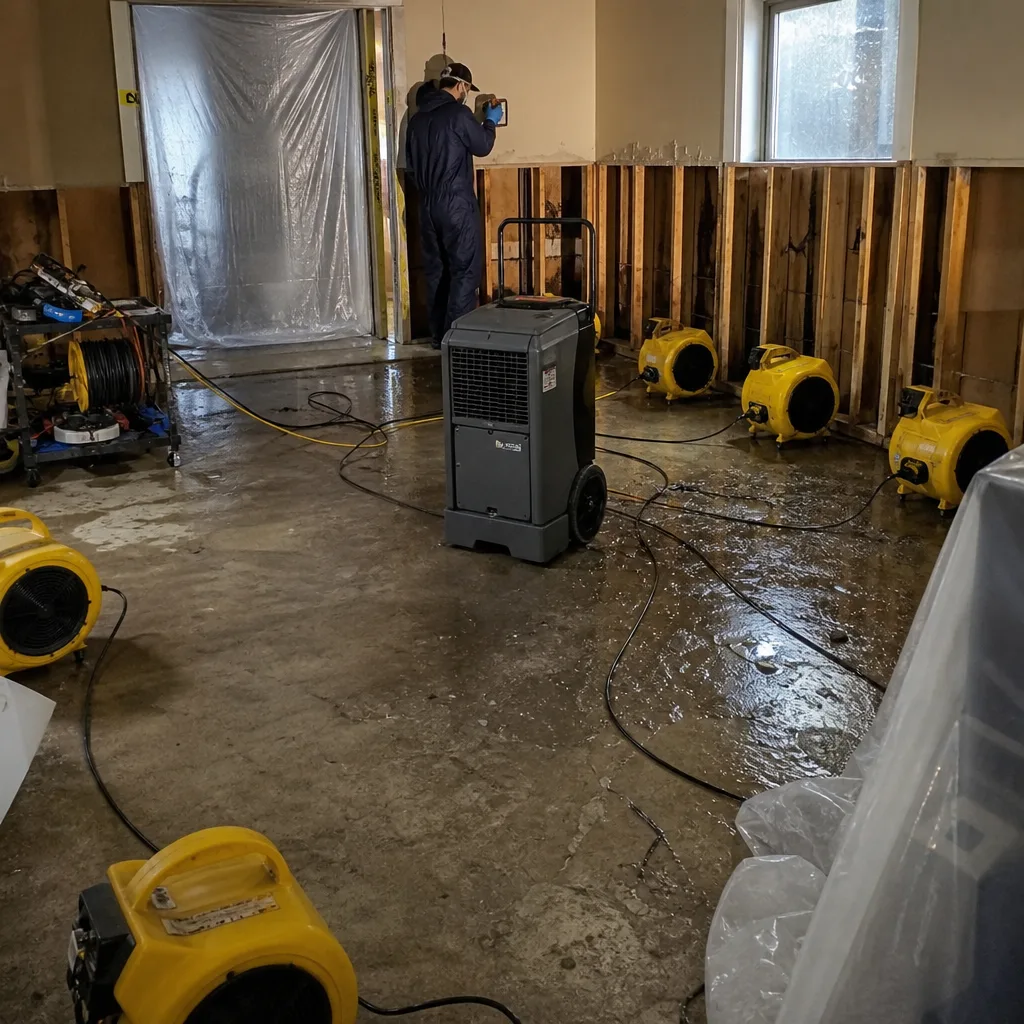
Mission Viejo sits on marine sedimentary deposits with elevated calcium carbonate content. This soil chemistry accelerates a specific failure mode: external corrosion of copper pipes embedded in slab foundations. The copper doesn’t corrode from the water inside. It corrodes from the outside, where the alkaline soil contacts the pipe wall. We’ve documented this in dozens of Mission Viejo homes, particularly in the 92691 and 92692 zip codes where 1980s-1990s slab construction is concentrated.
The problem manifests as pinhole leaks that spray upward into the slab, saturating the foundation from below. By the time you see water on the floor, the sub-slab damage is extensive. Here’s how to monitor for it:
- Check for hot spots on the slab. Walk barefoot across tile or concrete floors in summer. A warm spot on an otherwise cool floor often indicates a hot water line leak below. In winter, the reverse: a cool spot on a heated floor.
- Monitor your water meter for movement when all fixtures are off. This is the most reliable early indicator. Turn off every faucet, appliance, and irrigation valve. Note the meter reading. Wait two hours without water use. Any movement indicates a leak, likely slab if no visible water is present.
- Look for efflorescence on garage or patio slabs. White powdery deposits indicate moisture migration through concrete. In Mission Viejo’s climate, this shouldn’t occur on covered slabs.
- Document floor covering changes. Carpet that won’t dry, laminate that cups at the edges, or tile that sounds hollow when tapped can indicate slab moisture. These materials act as moisture barriers, trapping vapor against the slab surface.
Professional slab leak detection in Mission Viejo typically costs $350-$800 using electronic amplification or thermal imaging. If you suspect a slab leak, we recommend this investment before the moisture spreads to wall cavities. Our documented drying logs, produced with equipment from Dri-Eaz and Phoenix, establish the moisture profile that insurers require for slab-related claims. Without this documentation, many carriers classify slab moisture as “long-term” and deny coverage.
Recording Baseline Moisture Readings for Future Comparison
Every water damage contractor who enters your home will take moisture readings. The problem: they have nothing to compare them against. A reading of 18% moisture content in a wood subfloor might be normal for your home in August, or it might indicate active leakage. Without a baseline, even the best technician is guessing.
Here’s how to establish documentation that protects you:
- Rent or purchase a pin-type moisture meter. Models from Delmhorst or Protimeter cost $200-$400 and last decades. Pinless meters are less accurate for this purpose.
- Record readings in consistent locations quarterly. We recommend: kitchen subfloor (through cabinet toe-kick if accessible), bathroom subfloor at toilet flange and vanity, laundry room subfloor, and any room with a history of moisture. Label each location with a permanent marker on the floor or a sketch you keep with the readings.
- Note ambient conditions with each reading. Temperature and relative humidity significantly affect “normal” moisture levels. A reading taken at 45% RH in March means something different than the same reading at 75% RH in August.
- Store readings with dates in a dedicated file. Paper is fine; digital is better. Include photos of each meter location for reference.
- Share your baseline with any contractor who responds to a future loss. This single practice has resolved more coverage disputes in our experience than any other homeowner action. When we can show an insurer that a wall cavity read 8% moisture content baseline and now reads 28%, the claim moves faster.
Our technicians use professional-grade meters calibrated to IICRC standards, but your homeowner baseline is equally valid for comparison purposes. The key is consistency: same meter, same locations, same depth of penetration.
Concrete Tile Roof and Fascia Inspection Points
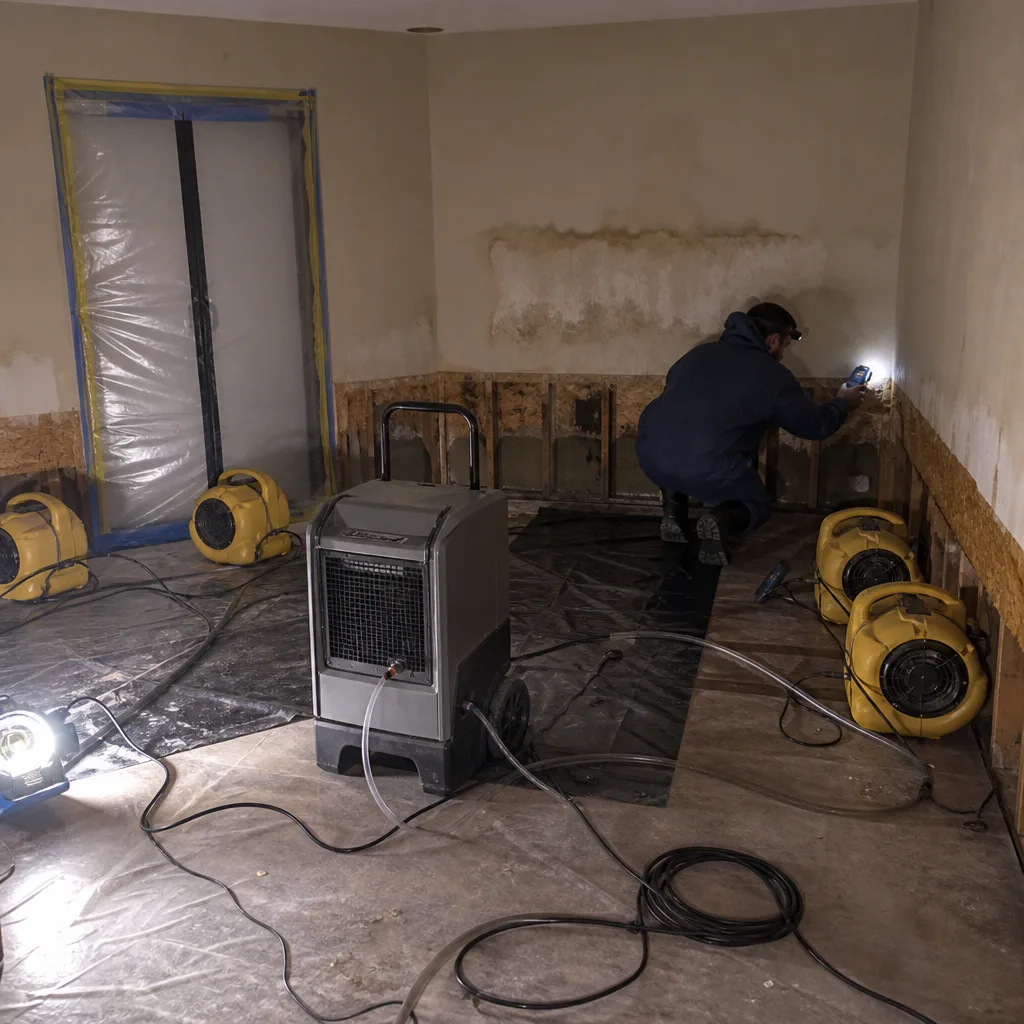
Concrete tile roofs dominate Mission Viejo’s planned communities, from Pacific Hills to Canyon Crest. They’re durable, often rated for 50+ years, but the components beneath and between the tiles fail much sooner. We’ve responded to hundreds of water damage calls in Mission Viejo where the roof surface was intact but water entered through degraded underlayment, corroded flashing, or failed fascia.
Inspect these specific points annually, ideally in late September before the rainy season:
- Tile condition at valleys and penetrations. Look for cracked, shifted, or missing tiles. Mission Viejo’s Santa Ana wind events dislodge tiles regularly. A single missing tile exposes the underlayment to direct UV, accelerating degradation.
- Underlayment visible at tile edges. If you can see black or gray felt paper at roof edges, the tile overhang has eroded or broken. This underlayment is not designed for direct exposure.
- Flashing at chimneys, vents, and skylights. Galvanized steel flashing in 1980s-1990s construction corrodes at the 20-25 year mark in coastal Orange County air. Look for rust streaks on the tile below. Modern flashing should be copper or painted steel.
- Fascia board condition. The horizontal board behind your gutter is often the first visible sign of roof edge failure. Soft spots, paint bubbling, or fungal growth indicate water is running behind the gutter, not into it. In Mission Viejo’s sun exposure, paint failure on fascia often precedes wood damage by only one season.
- Gutter attachment and slope. Concrete tile roofs are heavy; gutter spikes pull loose under load. Ensure gutters are secured with hidden hangers, not spikes, and slope toward downspouts at 1/4 inch per 10 feet.
- Attic inspection for daylight or staining. From inside the attic, look for light penetration at penetrations and water staining on rafters or sheathing. Mission Viejo’s warm attic temperatures mean active leaks dry quickly, leaving only stain evidence.
Professional roof inspection in Mission Viejo runs $200-$400. Given the cost of interior water damage from roof failures, this is among the highest-ROI maintenance investments for tile-roof homes. If you do find active leakage, our Water Damage Restoration in Mission Viejo team documents the entry point, migration path, and affected materials with photo records on every visit, producing the evidence chain that insurers require for roof-related claims.
Appliance Connections and Drainage Systems
Water-using appliances account for the second-largest category of interior water damage in Mission Viejo homes, behind only supply line failures. The risk profile varies significantly by appliance age and installation quality.
Washing machine hoses: Rubber hoses should be replaced immediately with braided stainless. Rubber fails catastrophically at 3-5 years; we’ve seen them burst while homeowners are at work, flooding two stories. The replacement cost is $25-$40. Install a single-lever shut-off valve and close it when the machine is not in use. This one habit eliminates 90% of washing machine flood risk.
Dishwasher supply and drain: The 3/8-inch copper or braided line under your kitchen sink is under the same pressure as other supply lines, but it’s hidden behind the kick plate. Pull the dishwasher out annually (most slide forward after removing two screws) and inspect the line, valve, and drain connection. Look for calcium buildup on the valve, which indicates slow seepage. Mission Viejo’s moderately hard water accelerates this.
Water heater: Tank water heaters in Mission Viejo’s tract homes typically last 8-12 years. The tank itself fails from the bottom, where sediment accumulates. Install a drain pan with a visible outlet, and check the T&P valve annually by lifting the lever briefly. If water continues to flow after release, replace the valve. A failed T&P valve can release the full tank contents, 40-80 gallons, into your garage or closet.
Refrigerator ice maker line: These small lines are often installed with saddle valves that pierce the copper supply, creating a permanent weak point. If your home has a saddle valve, replace it with a proper tee and ball valve during your next plumbing service call. The incremental cost is minimal; the failure mode is a continuous spray at 60 PSI.
HVAC condensate drainage: Mission Viejo’s cooling season runs May through October. Condensate from your air handler must drain reliably. Check the primary drain line for algae blockage (common in warm climates) and verify the secondary drain pan has a functional float switch. A clogged primary line with no secondary protection dumps gallons of water into your ceiling.
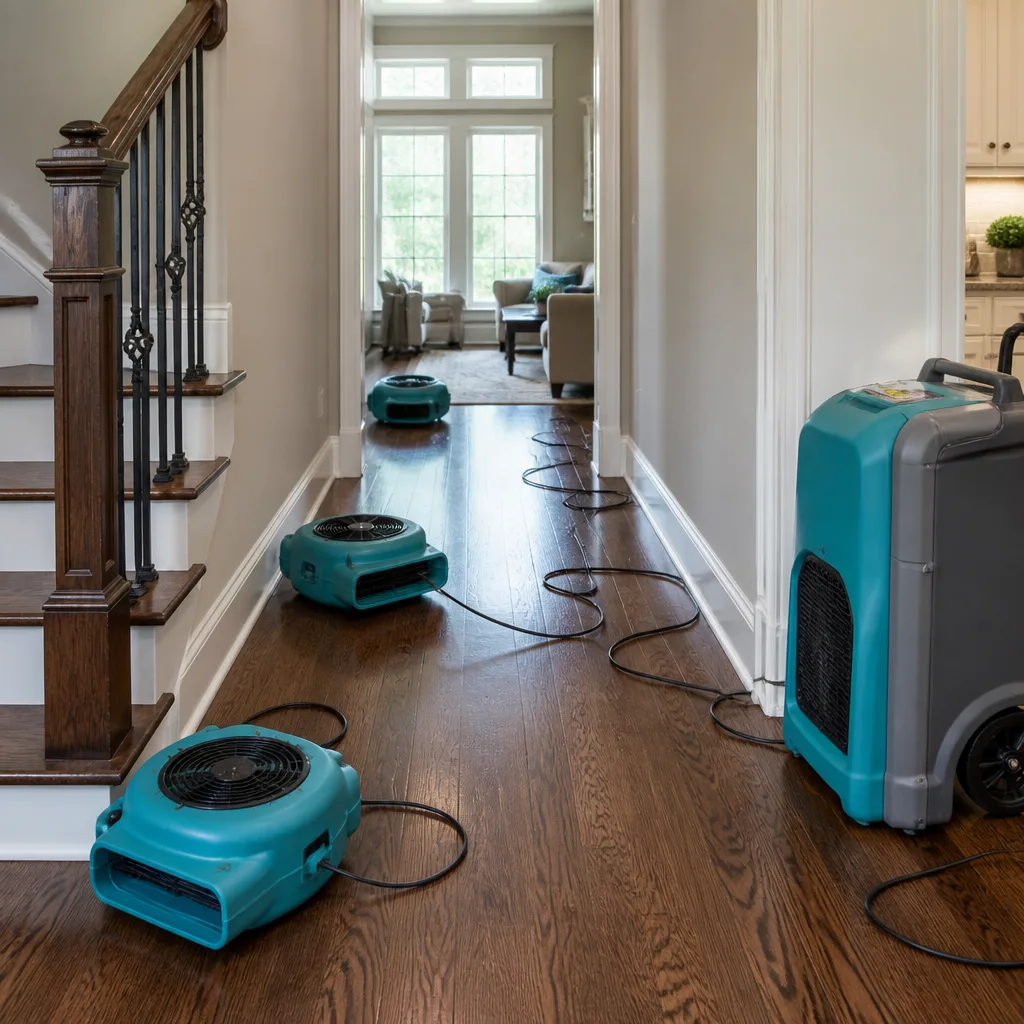
For any appliance-related water damage, our documented drying process using equipment from XPOWER and B-Air produces the psychrometric data, vapor pressure differential readings, and daily moisture logs that transform restoration invoices into payable claims. Psychrometric data is simply the measurement of how temperature, humidity, and air movement interact to remove moisture from materials. Vapor pressure differential is the force that drives moisture from wet materials into drier air. We explain these readings in plain language on every drying log we deliver.
The Documentation Habit: Quarterly Photo Records
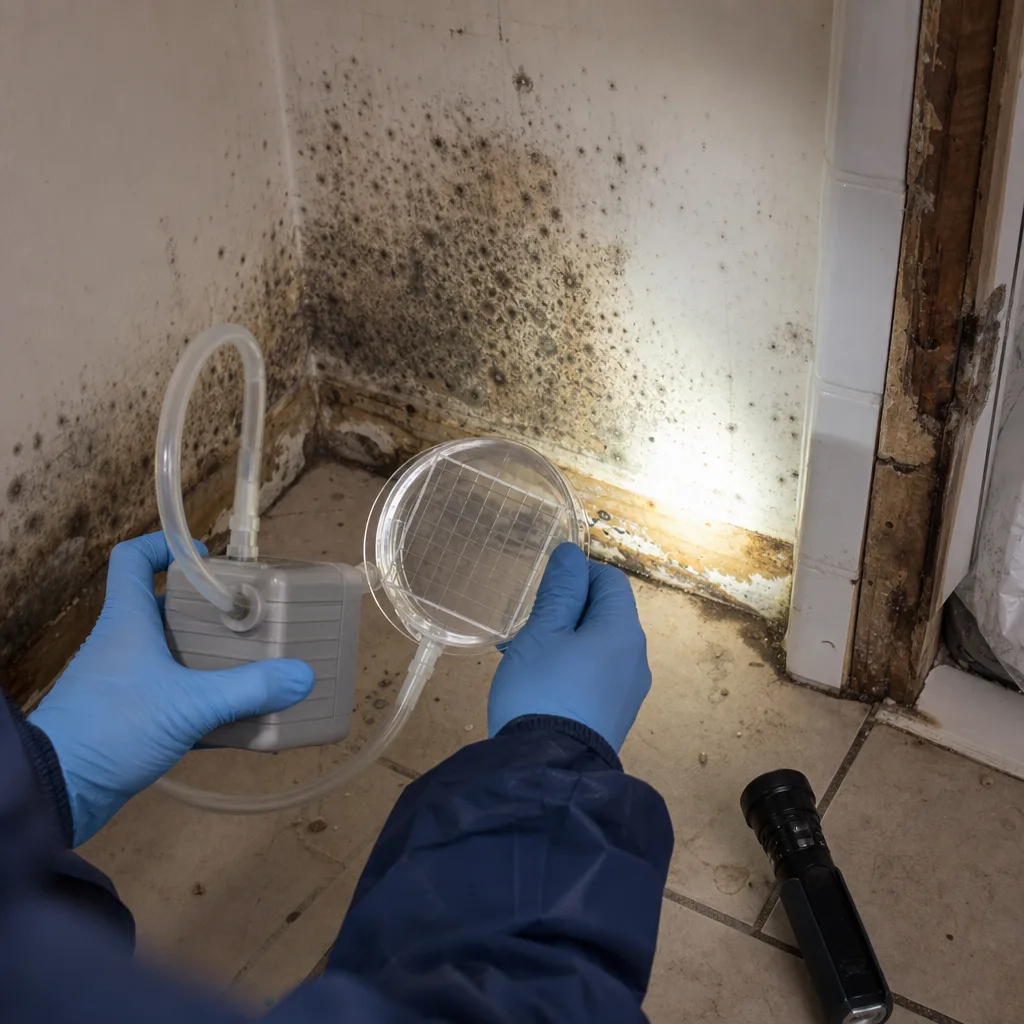
We’ve built our company around a single observation: the documentation gap costs homeowners their claims. When a loss occurs, most homeowners have only post-damage photos. The insurer disputes whether the damage is new, whether it resulted from the claimed cause, or whether certain materials were actually affected. Pre-loss documentation eliminates these disputes.
Here’s the specific practice we recommend:
- Photograph utility spaces quarterly. This means: under every sink, behind toilets, water heater area, washing machine connections, HVAC air handler, electrical panel, and any visible plumbing manifold. Use your phone; image quality is sufficient. Date each photo by enabling timestamp or noting it in the filename.
- Photograph roof condition annually. From the ground, from a ladder at the eaves if safe, and from inside the attic. Focus on areas you cannot see from daily life.
- Photograph flooring and baseboards in water-risk areas. These establish pre-loss condition for future claims. A photo of clean, dry baseboards in March becomes evidence when an insurer questions whether staining in September is new or pre-existing.
- Store photos in cloud storage with automatic backup. Local storage fails when you need it most. Google Photos, iCloud, or similar services with date-stamped organization are sufficient.
- Share your photo file with your insurance agent. Many agents will note pre-loss documentation in your policy file, accelerating future claims.
This practice takes 20 minutes per quarter. We’ve seen it save Mission Viejo homeowners $10,000+ in disputed coverage. Our standard deliverable on every job includes a documented photo record on every visit, but we cannot photograph pre-loss condition after the loss occurs. Only you can.
Seasonal Maintenance Calendar for Mission Viejo
Mission Viejo’s climate is mild, but seasonal patterns create specific water damage risks. Here’s a calendar aligned to local conditions:
March (Pre-Spring): Test all shut-off valves. Inspect supply lines after winter heating stress. Check exterior drainage before spring rains. Mission Viejo’s heaviest rainfall typically occurs March through May.
June (Pre-Summer): Service HVAC condensate drainage before cooling season peak. Inspect washing machine hoses before summer travel, when homes are unattended. Check irrigation backflow preventer; failures here can pressurize interior lines in some configurations.
September (Pre-Fall): Complete roof and gutter inspection. This is the critical window before Santa Ana wind season and any early rains. Schedule any needed repairs before October.
December (Pre-Winter): Review and update baseline moisture readings. Inspect water heater condition before holiday guest usage increases demand. Verify sump pump operation if your home has one, though these are uncommon in Mission Viejo’s slab construction.
Each seasonal check should take 30-45 minutes. The annual total is under four hours, against the average Mission Viejo water damage restoration project duration of 5-10 days with drying equipment in your home.
Common Mistakes to Avoid
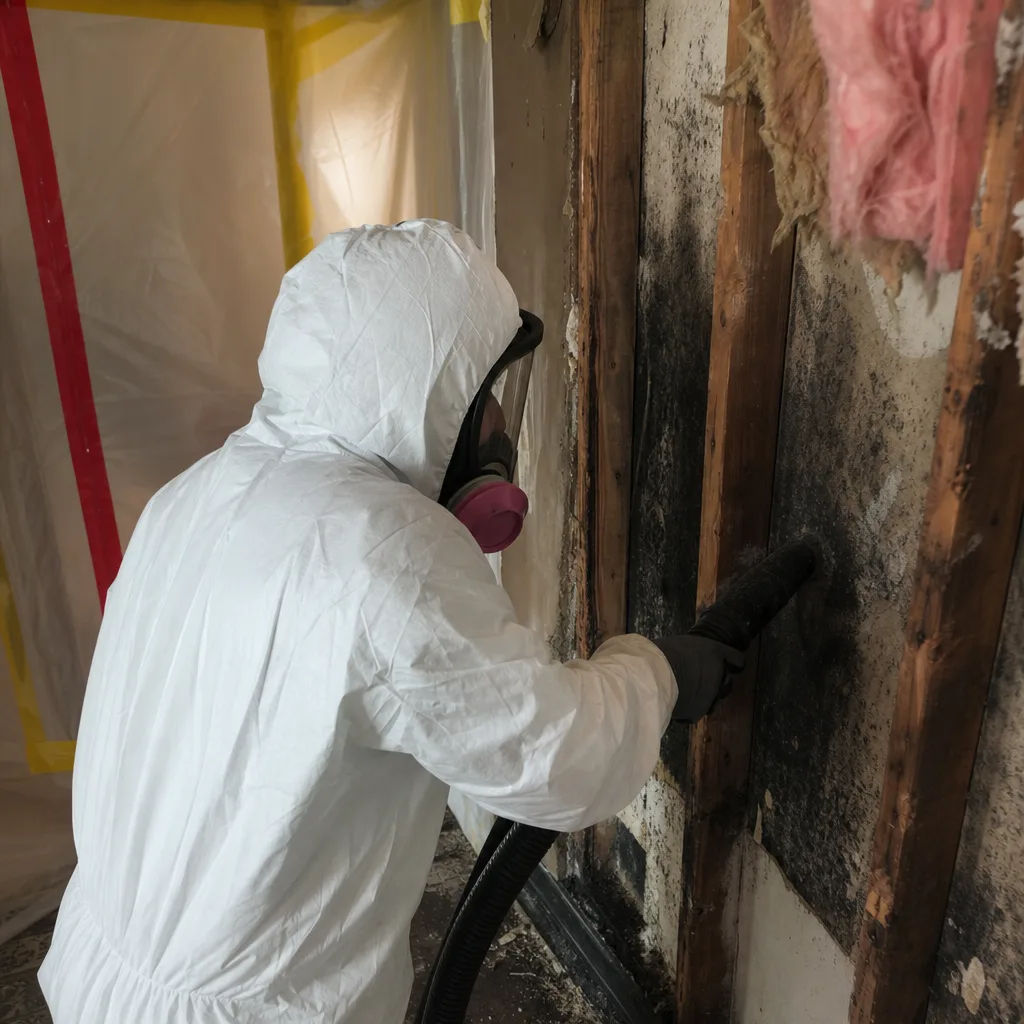
- Assuming newer homes are exempt. Mission Viejo’s 1990s-2000s construction used corrugated plastic supply lines and galvanized flashing that are now reaching failure age. “My house isn’t old” is a phrase we’ve heard before major losses.
- Ignoring slow leaks as “just condensation.” Persistent moisture on a toilet tank or pipe is never normal. It indicates a temperature differential or air leakage that concentrates moisture, or an actual leak. Both cause damage over time.
- DIY supply line replacement with unregulated products. Big-box store supply lines vary dramatically in quality. We’ve seen failures of off-brand lines within 18 months. Specify IAPMO-certified or equivalent products.
- Failing to document contractor work. When a plumber replaces a water heater or a roofer repairs flashing, photograph the completed work. Future claims often require proof of maintenance.
- Neglecting the attic in concrete tile homes. Mission Viejo homeowners assume the tile protects everything. The underlayment beneath fails independently, and attic spaces in warm climates dry quickly, hiding active leaks.
- Using bleach on mold without addressing moisture source. This is common and counterproductive. Bleach on porous materials feeds future mold growth by adding moisture. If you find mold during inspection, our Mold Remediation in Mission Viejo service addresses the source first, then the growth, with documented clearance testing.
When to Call a Professional
Call for professional assessment when you find moisture readings above your established baseline, visible water with no identified source, musty odors indicating hidden growth, or any supply line showing warning signs. Our more guides & resources cover additional prevention and response strategies. Don’t wait for visible damage; by then, the restoration scope is larger and the insurance dispute risk higher.
DryMark Restoration Mission Viejo offers free estimates in Mission Viejo. Call (657) 297-0972. Our response includes a written price before any work begins, Haven Standard, Clause 1, with no exceptions. Every job is documented with a photo record on every visit, and covered by our 365-Day Done Right Promise under The Haven Standard. If you have a competitor’s written estimate, we’ll review it at no charge through our Free Second Opinion program.
Frequently Asked Questions
Water damage restoration in Mission Viejo typically ranges from $2,800 for contained, single-room drying to $18,000+ for whole-house mitigation with reconstruction. For a detailed analysis of what drives these costs, see our Damage Restoration Cost Breakdown: The Mission Viejo Homeowner’s Reference for 2026. Category 3 losses involving sewage or long-standing water run higher due to required remediation protocols. DryMark Restoration Mission Viejo delivers a written price before any work begins on every job, Haven Standard, Clause 1. Call (657) 297-0972 for a free estimate specific to your situation.
Most homeowner policies cover sudden and accidental water damage from supply line failures, but coverage disputes arise around maintenance history and response timing. Document your quarterly inspections and call for professional mitigation promptly. Insurers increasingly deny claims where homeowners delayed response, allowing secondary damage to develop. Our documented photo records and drying logs support your coverage position.
DryMark Restoration Mission Viejo maintains live phone coverage 24 hours a day, 7 days a week with no voicemail on emergency lines. For active water losses, we dispatch background-checked, uniformed technicians with documented license verification. Response time varies by current demand and your location within Mission Viejo, but our documentation-first approach begins with the initial call, not when crews arrive.
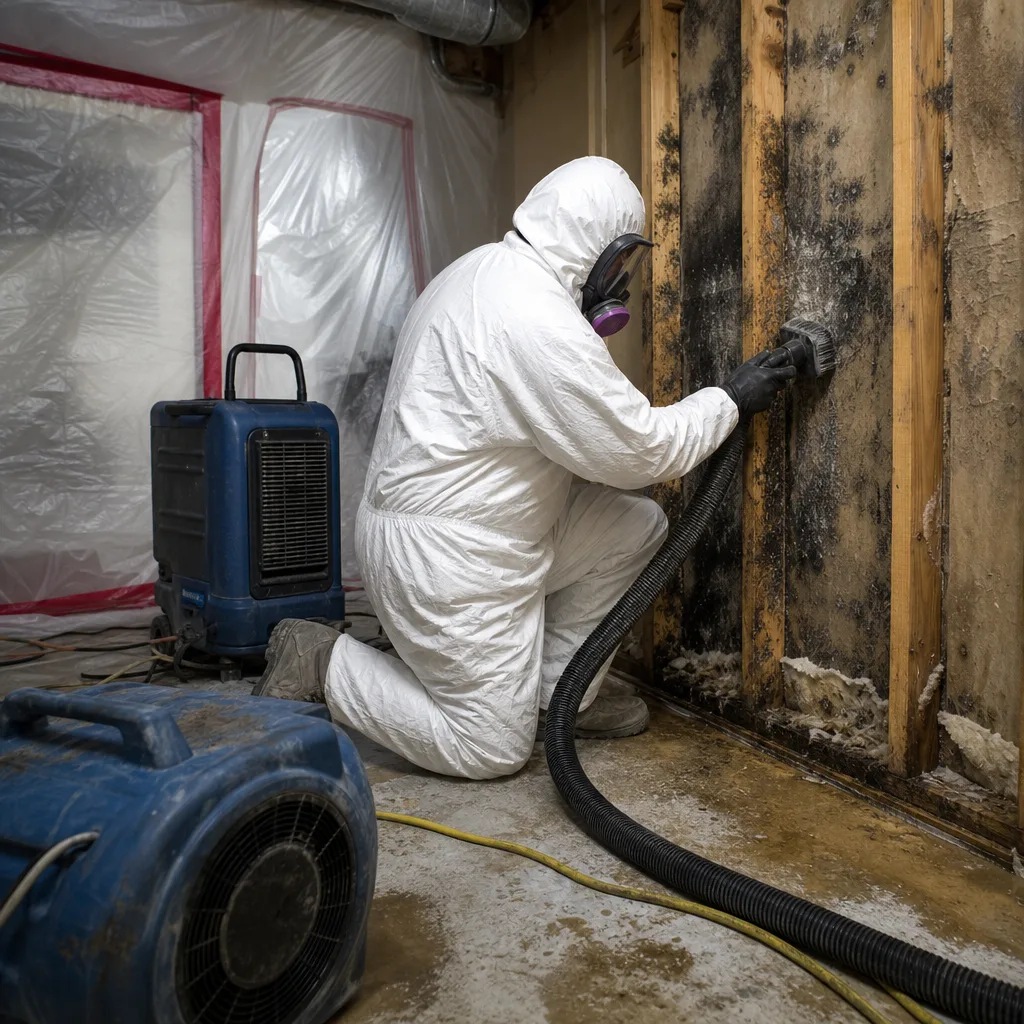
Surface drying with household equipment leaves moisture trapped in wall cavities, subfloors, and insulation. In Mission Viejo’s warm climate, this hidden moisture supports mold growth within 48-72 hours. Professional remediation using equipment from Dri-Eaz and Phoenix includes moisture mapping, controlled demolition where necessary, and documented drying to IICRC standards. The cost of incomplete DIY drying typically exceeds professional mitigation when secondary damage develops.
Mission Viejo’s calcium-rich marine sedimentary soil creates alkaline conditions that accelerate external corrosion of copper pipes in slab foundations. This “soil-side” corrosion is invisible until pinhole leaks develop, spraying water upward into the slab. The phenomenon is particularly common in 1980s-1990s construction with original copper plumbing. Annual water meter testing when all fixtures are off is the most reliable early detection method.
At DryMark Restoration Mission Viejo, we coordinate directly with your adjuster, providing the documented photo records, written scopes, and daily moisture logs that move claims toward payment. Our founder built this company as a former claims adjuster who saw how documentation gaps cost homeowners. We speak the adjuster’s language because we used to be adjuster. Your role is to authorize work and review the written price before we begin, Haven Standard, Clause 1.
The Bottom Line
The water damage that costs Mission Viejo homeowners the most is preventable with 20 minutes of quarterly inspection focused on supply lines, appliance connections, and concrete tile roof condition. Establish baseline moisture readings now, photograph your utility spaces before you need them, and replace aging materials on a schedule rather than after failure. The homes we’ve restored since 2011 tell a consistent story: the losses that reached $20,000+ all had warning signs that went unobserved for months. Your checklist is your documentation. Your documentation is your claim. And when prevention fails, DryMark Restoration Mission Viejo delivers evidence-based restoration with a written price before work begins, every time. Explore The Complete Guide to Damage Restoration in Mission Viejo for deeper coverage of every topic in this checklist.
Written by Alicia Brennan, Owner at DryMark Restoration Mission Viejo, serving Mission Viejo since 2011.