
Last updated September 23, 2026
Free visual inspection and a written scope of work before any mitigation begins - photos, moisture readings, and drying logs go in your claim file
The scope we write is the scope we bill. Anything new gets shown to you, in writing, before we touch it.

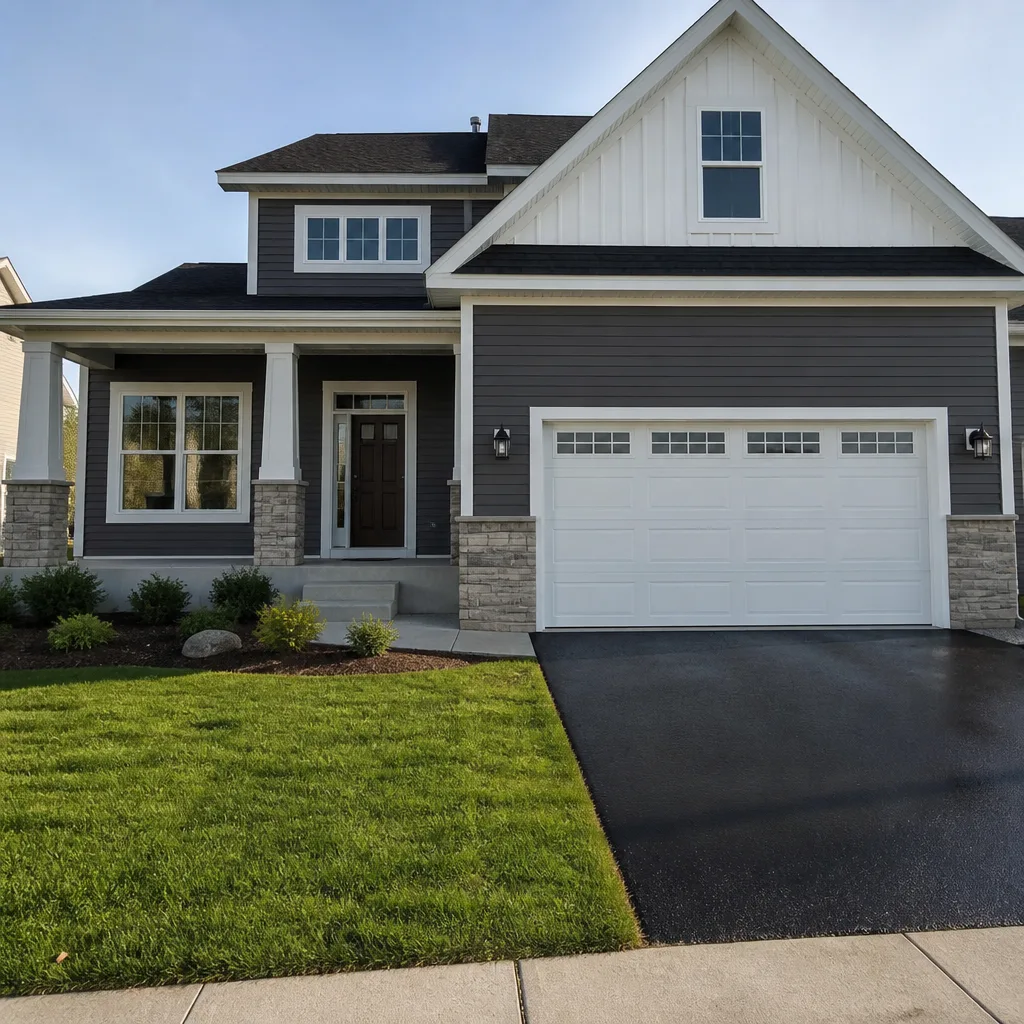
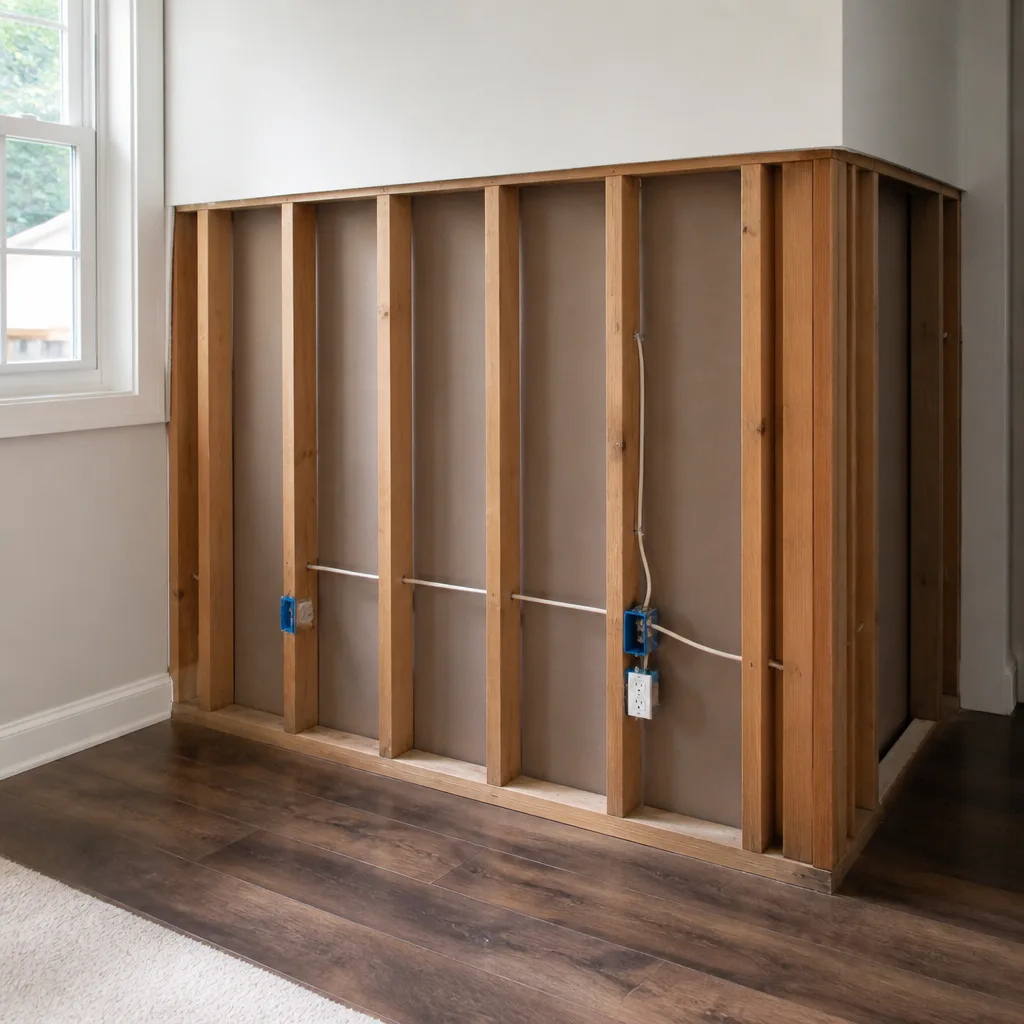
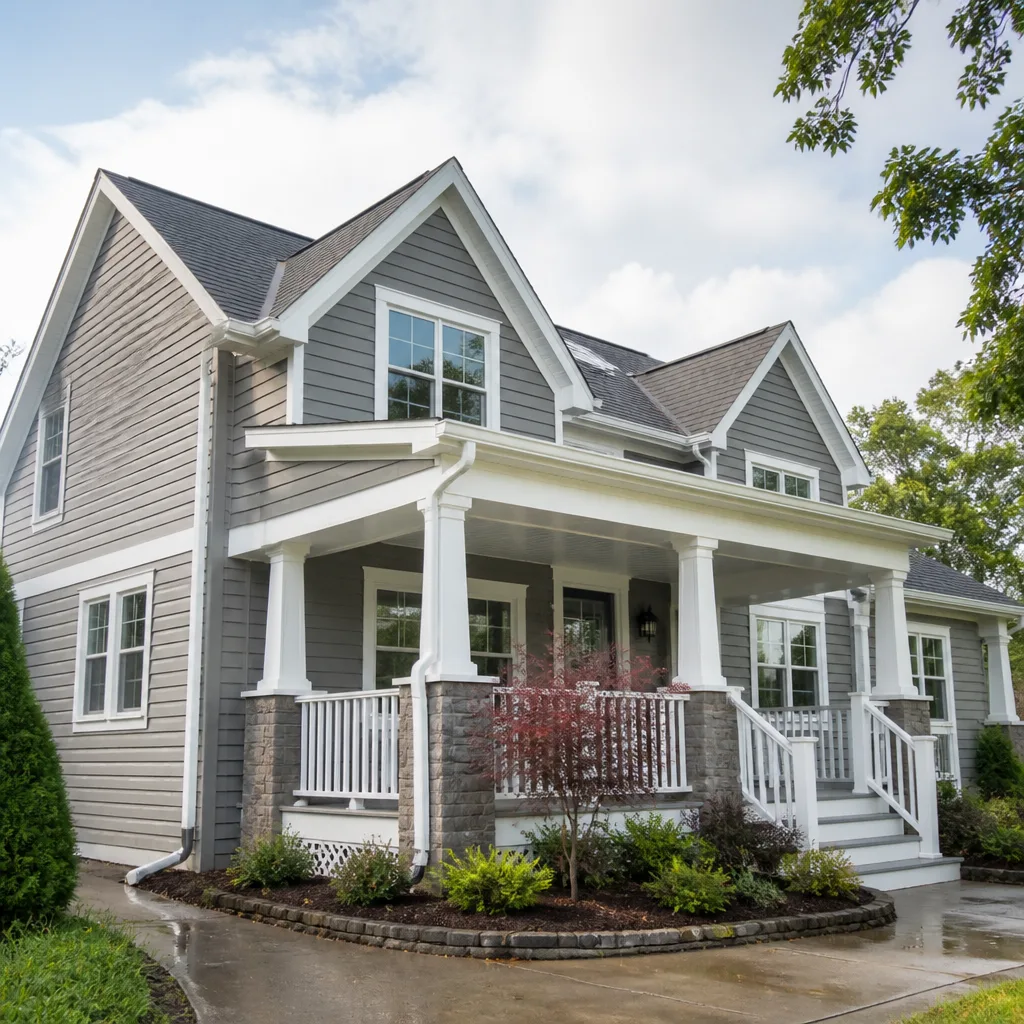
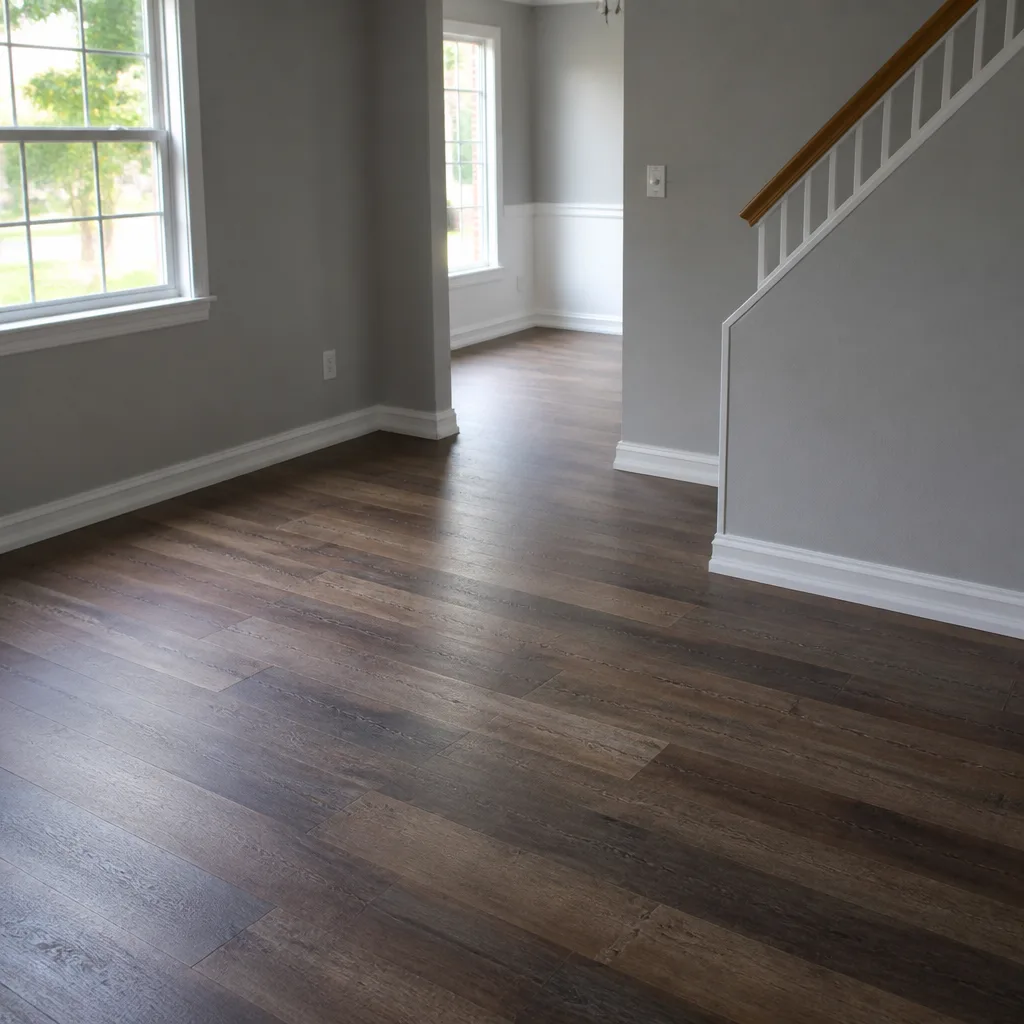
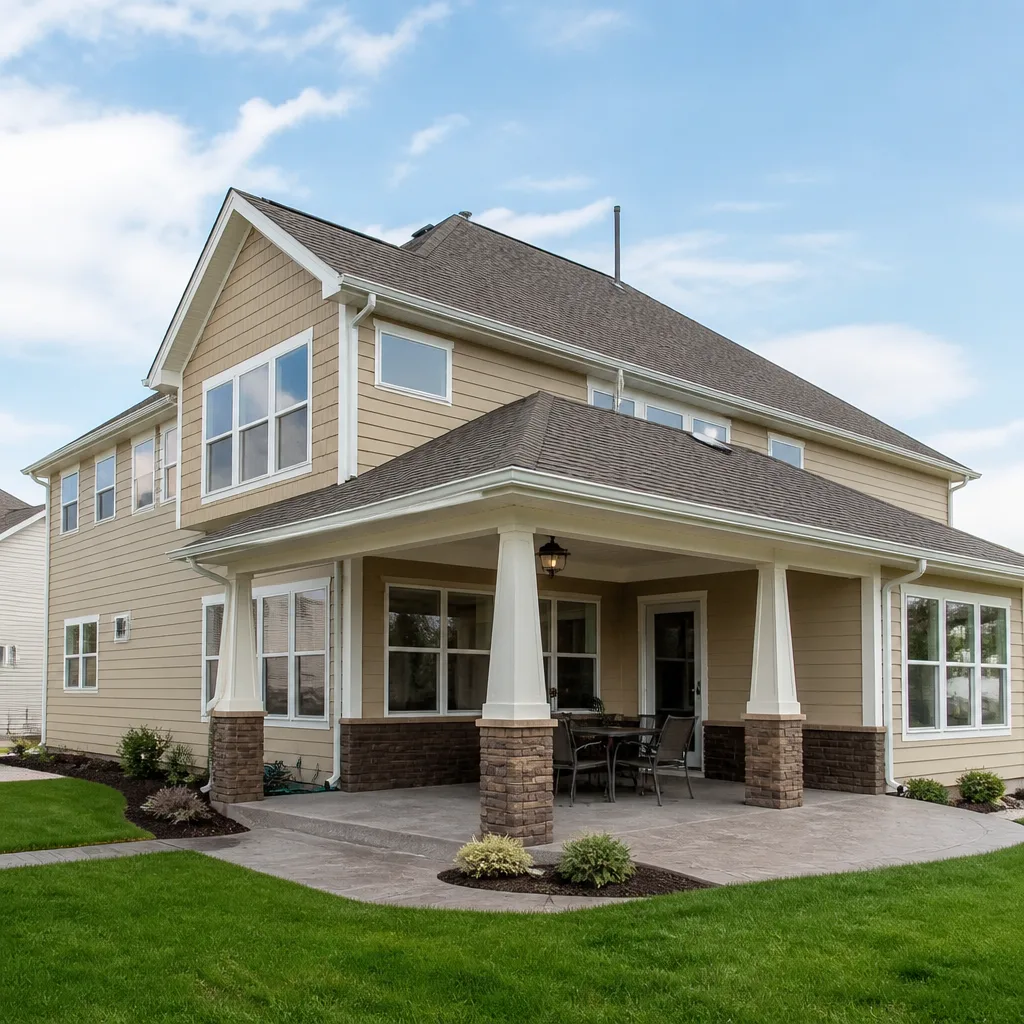
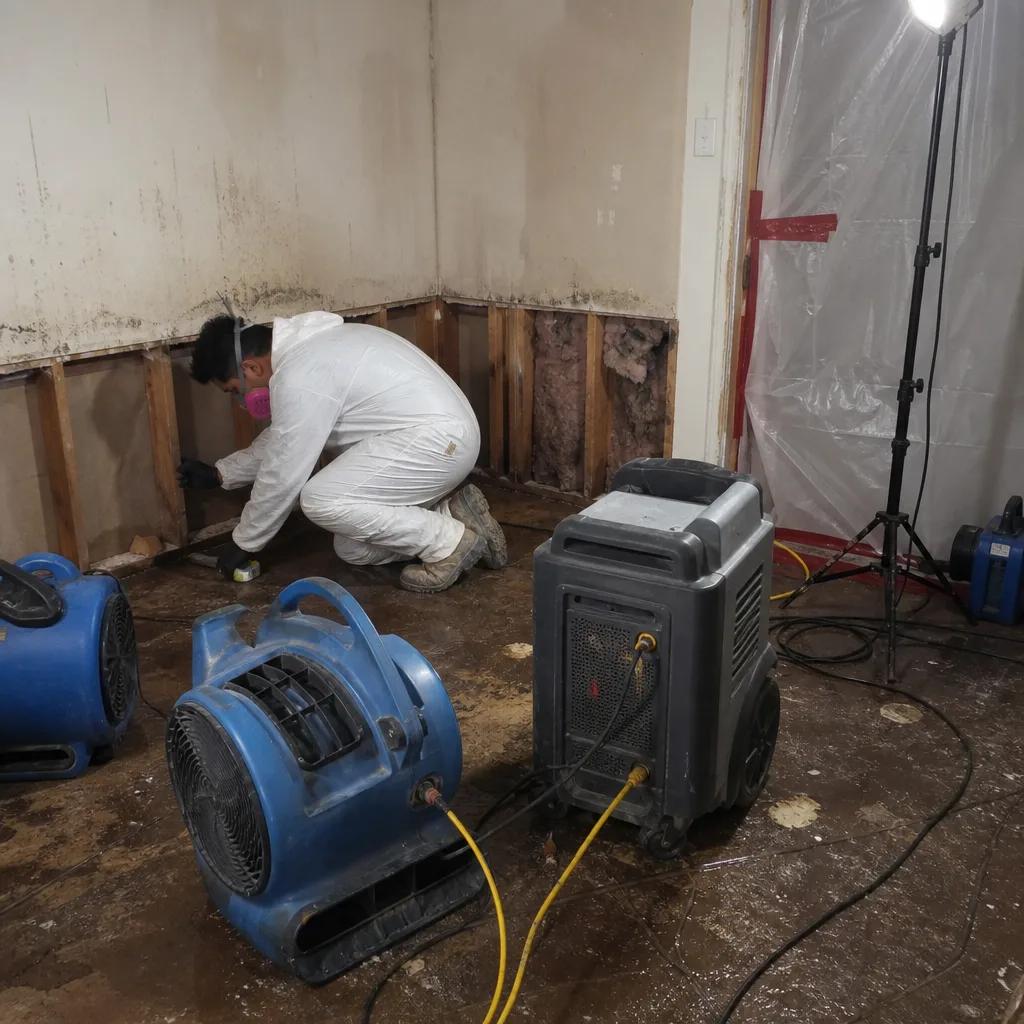 Before
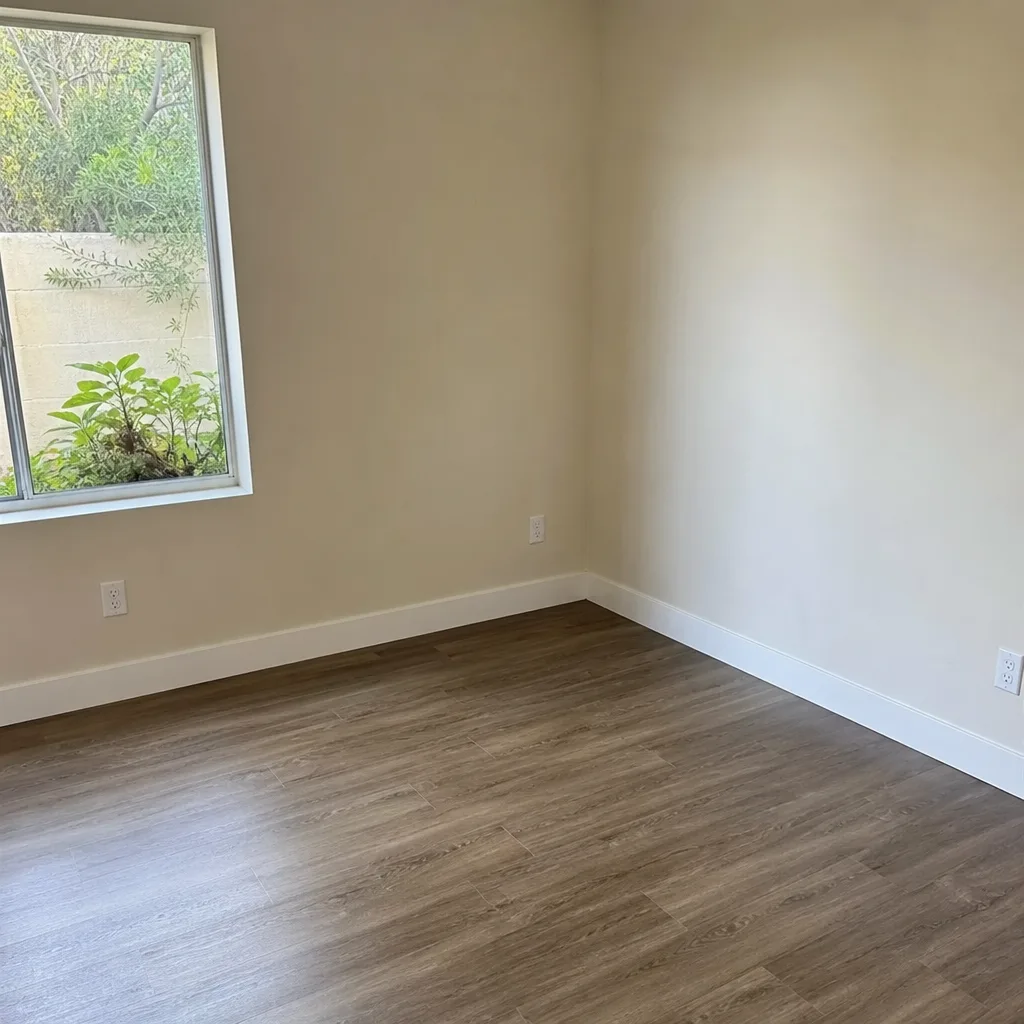 After
After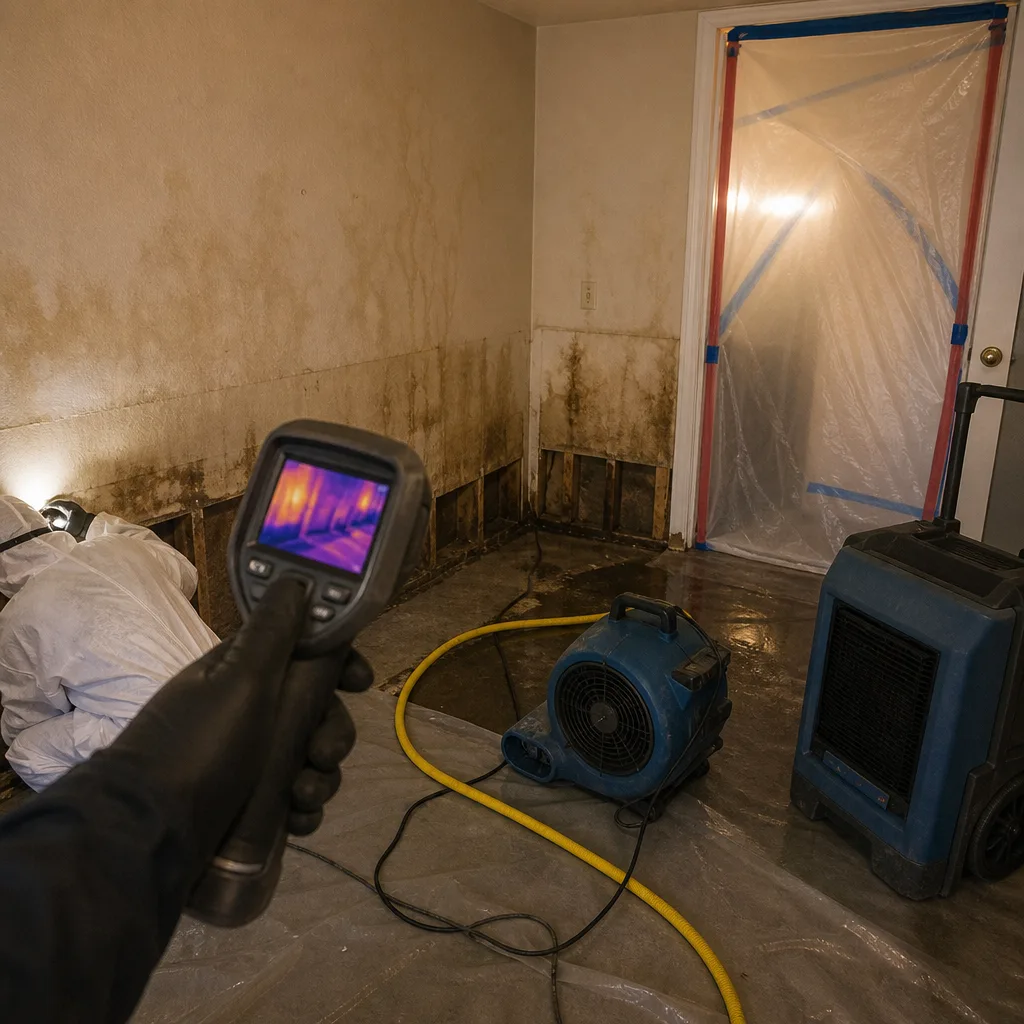 Before
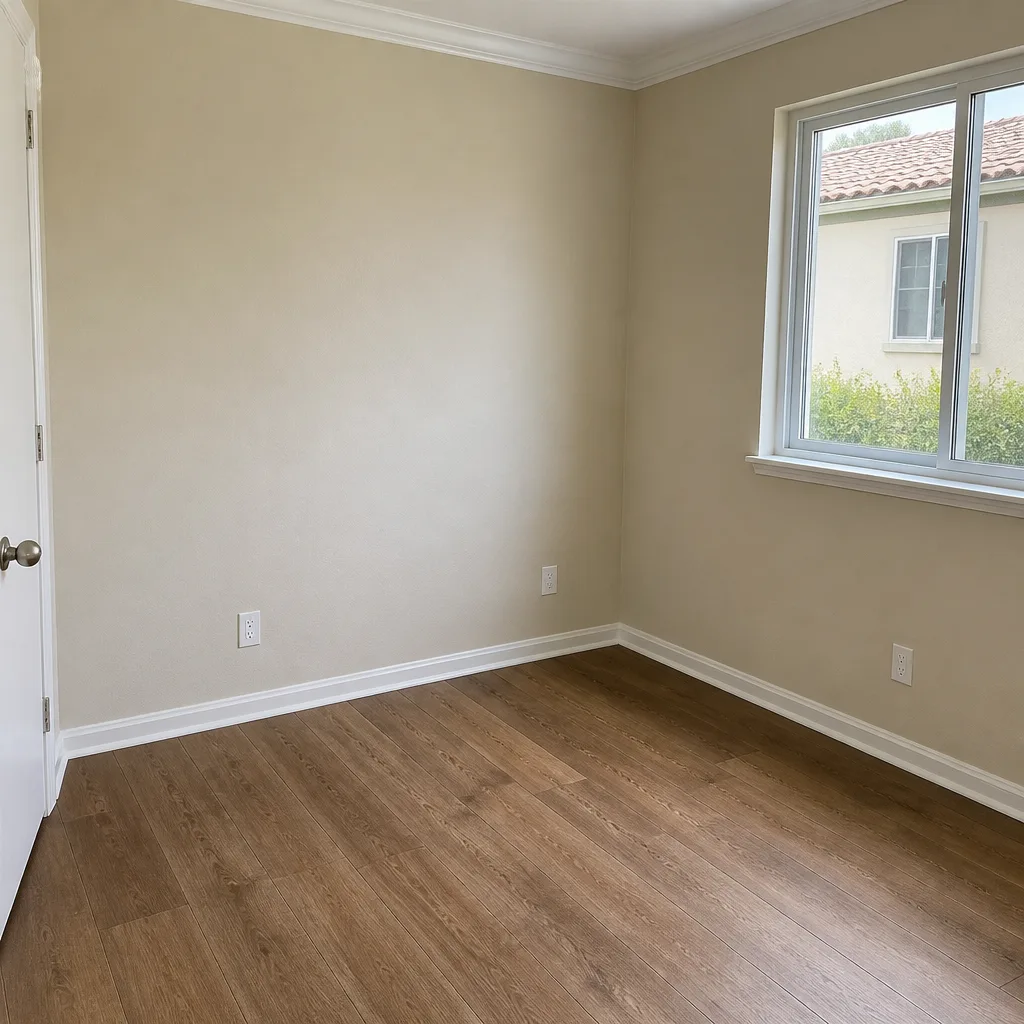 After
After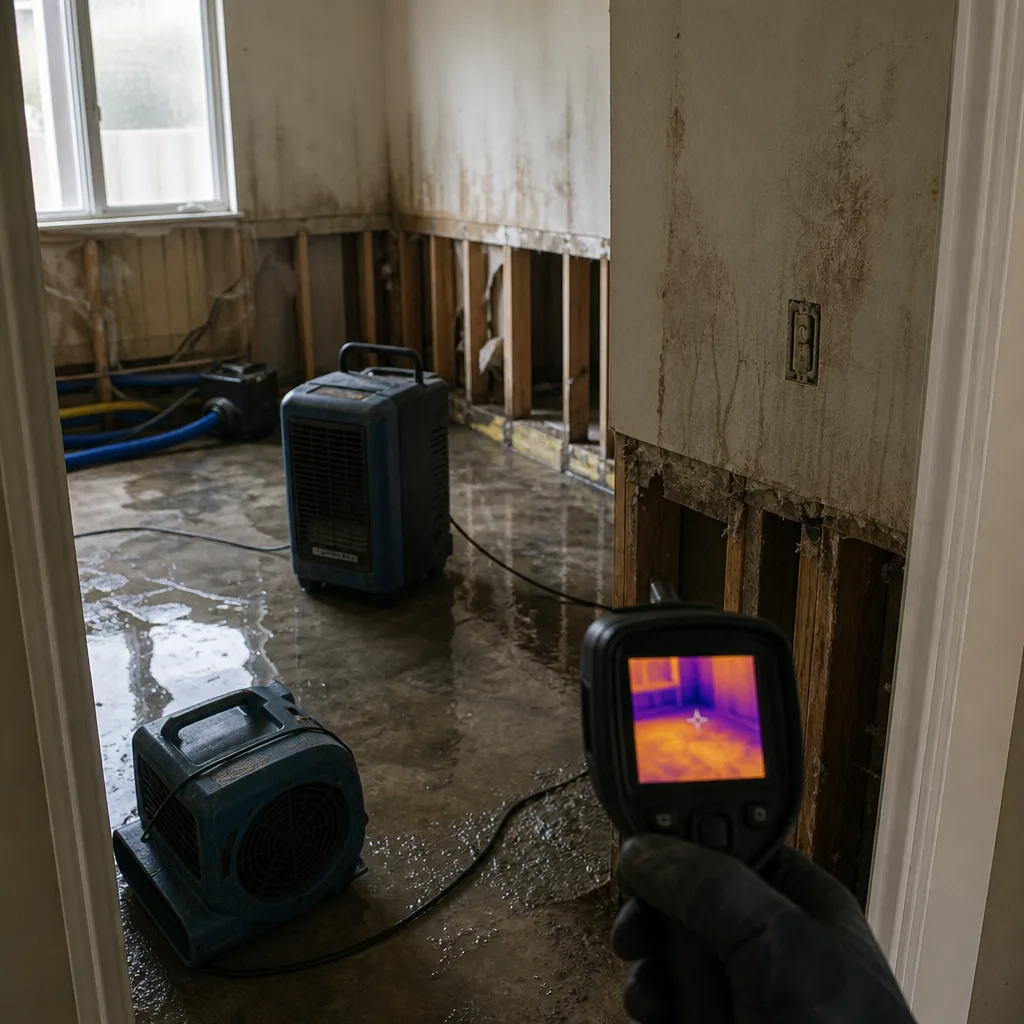 Before
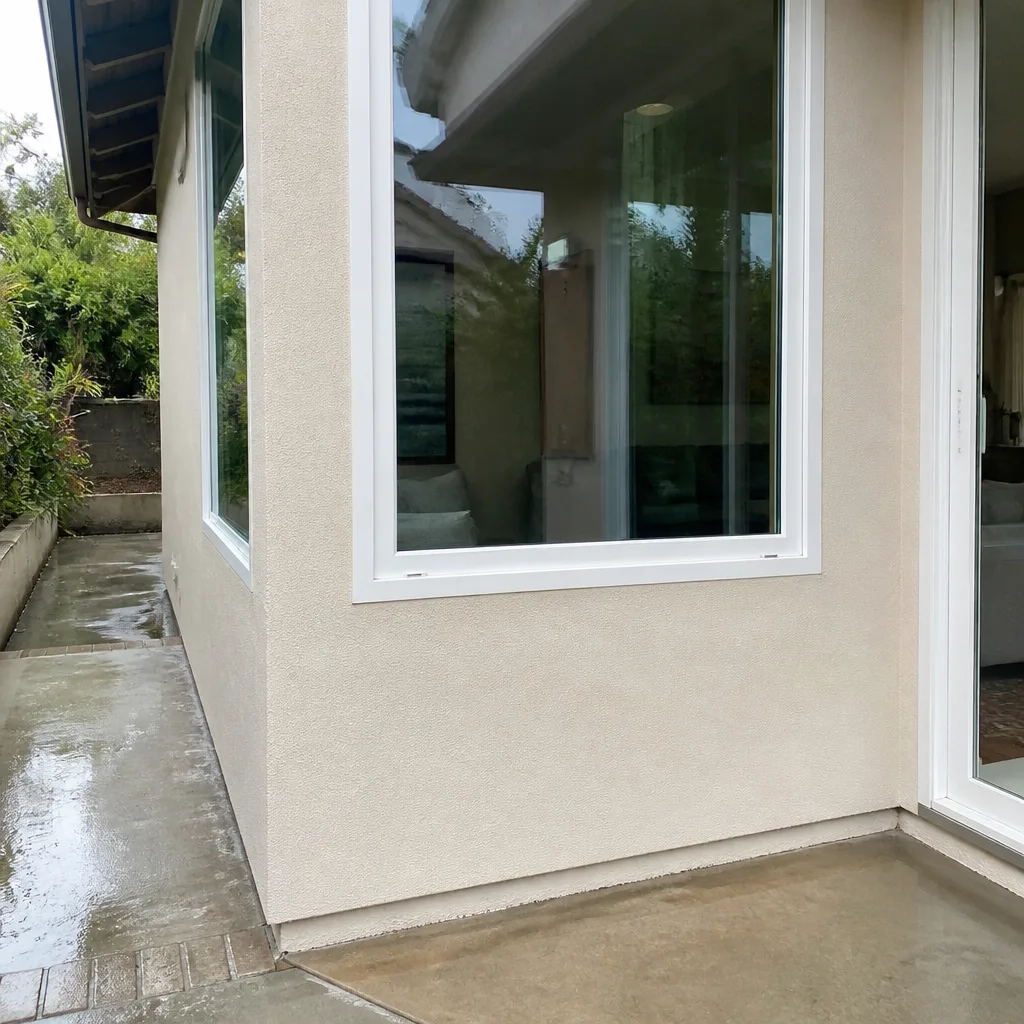 After
AfterDamage Restoration Permits, Codes & Inspections in CA: What You Need to Know
A contractor who pulls a permit for equipment placement is billing you for a permit you don’t need. A contractor who skips a permit for structural drywall replacement is leaving you with an unpermitted repair that will surface at escrow, often costing $3,000-$8,000 to remediate after the fact. In Mission Viejo, we’ve reviewed competitor scopes that included $400 permit fees for dehumidifier staging - and we’ve reviewed escrow files where $12,000 in unpermitted structural repairs killed a sale outright. This guide maps exactly when California requires permits for restoration work, how Mission Viejo’s permit process differs from standard residential timelines, and what documentation belongs in your job file to protect your claim and your property value. For damage restoration warning signs every Mission Viejo homeowner should know, see our companion reference.
Quick Answer
California requires permits for restoration work that touches structural members, electrical systems in wet areas, or exceeds specific square-footage thresholds for drywall and subfloor removal. Most equipment-based drying and cleaning requires no permit. In Mission Viejo, emergency repair permits typically process within 24-48 hours through the city’s online portal, while standard residential permits take 10-15 business days. The critical distinction: who holds the permit (contractor vs. homeowner) determines liability if the work fails inspection.
Table of Contents
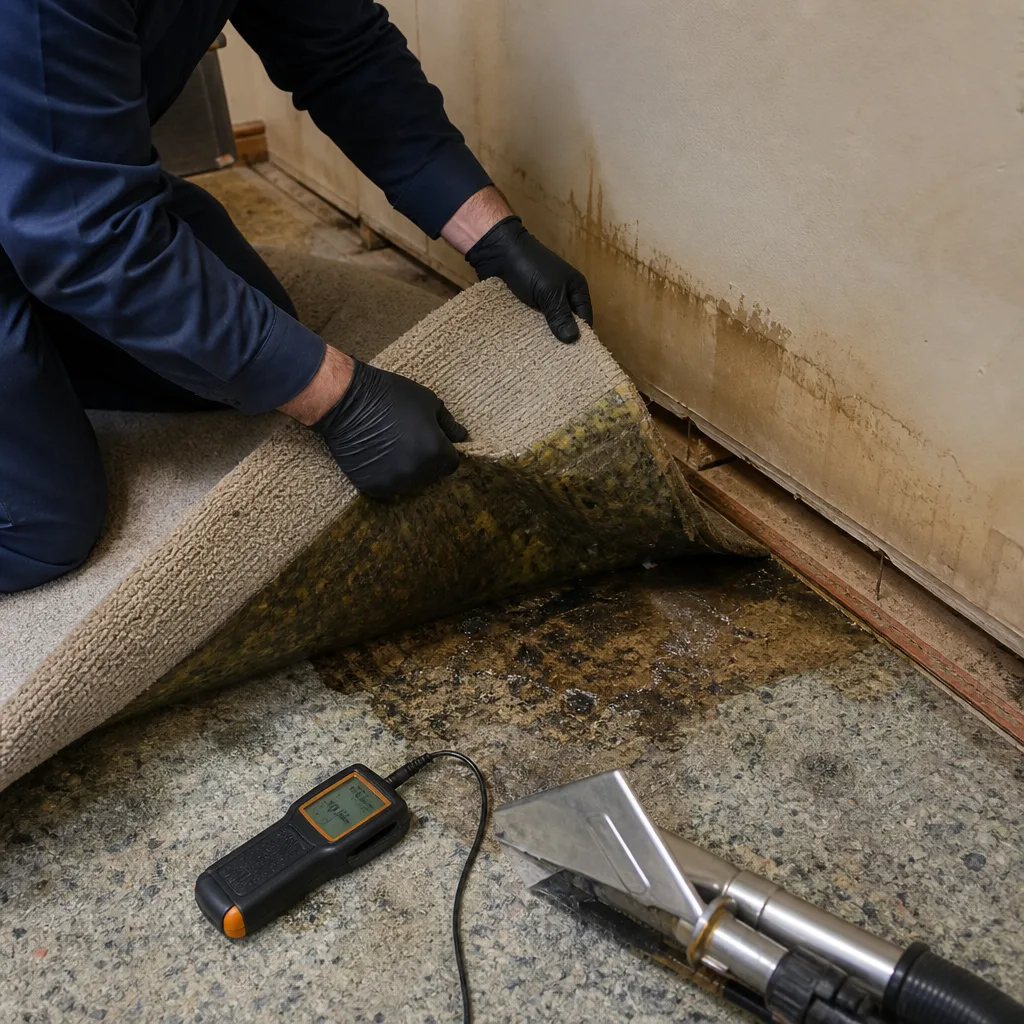
- When Permits Are Required for Restoration Work in California
- The Mission Viejo Permit Process: Emergency vs. Standard Timelines
- Contractor-Held Permits vs. Homeowner-Owner-Builder Permits
- How Unpermitted Restoration Work Surfaces at Escrow
- Post-Inspection Documentation: What Belongs in Your Job File
- Permit Costs and Fee Structures in Orange County
- Common Mistakes to Avoid
- When to Call a Professional
- Frequently Asked Questions
 Before
 After
AfterWhen Permits Are Required for Restoration Work in California
California Building Code Section 105.1 establishes the baseline: any construction, alteration, or repair requires a permit unless specifically exempted. For restoration work, the exemptions are narrower than most contractors acknowledge and broader than most homeowners assume.
Permit-triggering thresholds we encounter regularly in Mission Viejo:
- Structural member replacement or repair: Replacing or sistering any load-bearing stud, joist, rafter, or beam requires a permit. This includes sill plates damaged by termite or water intrusion in Mission Viejo’s older hillside homes, common in the Canyon Crest and Pacific Hills neighborhoods where crawl-space moisture accumulates behind stucco.
- Drywall removal exceeding 32 square feet in any room: The California Residential Code treats this as an alteration requiring inspection, though many contractors treat whole-room gutting as “like-for-like” replacement. In our experience documenting jobs across Orange County, this threshold is the most frequently violated - and the most commonly discovered at resale.
- Subfloor replacement exceeding one sheet (32 sq ft): Particularly relevant in slab-on-grade homes with slab leaks, common in Mission Viejo’s 1970s-1980s construction stock. The permit ensures proper fastening and moisture barrier compliance.
- Electrical work in wet or previously wet areas: Any outlet, switch, or fixture replacement in a space that experienced Category 2 or 3 water damage requires inspection. This includes relocating outlets after flood-cut drywall removal.
- HVAC duct replacement or modification: Replacing flex duct after sewage backup or mold contamination requires mechanical permit and post-installation airflow verification.
- Plumbing fixture relocation or replacement: Beyond simple like-for-like swap of a toilet or faucet.
Work that typically does NOT require a permit:
- Equipment placement: air movers, dehumidifiers, negative air machines. We’ve seen competitors charge permit fees for staging Phoenix and Dri-Eaz equipment - this is billing for documentation that doesn’t exist.
- Non-structural content manipulation: moving furniture, removing and storing belongings.
- Surface cleaning and antimicrobial application where no material is removed.
- Moisture mapping and psychrometric monitoring - the daily readings our crews document with calibrated meters, producing the drying logs that support insurance payment.
- Small-scale drywall repair under 32 square feet per room: patchwork from plumbing access, single-panel replacement.
The climate factor in Mission Viejo matters here. Our inland location - 10-15 miles from the coast, with summer humidity regularly dipping below 50% - creates different drying timelines than coastal Orange County. A contractor familiar with Laguna Beach’s marine layer may over-specify equipment days, or under-specify structural drying, because they haven’t calibrated for Mission Viejo’s faster surface drying and slower cavity moisture release. That miscalculation can push a job past the 72-hour window where Category 1 water becomes Category 2, triggering permit requirements that weren’t initially necessary.
We document every moisture reading to IICRC S500 standards, using equipment from Phoenix and XPOWER, so the permit status at day one remains defensible at day five if the loss category escalates.
The Mission Viejo Permit Process: Emergency vs. Standard Timelines
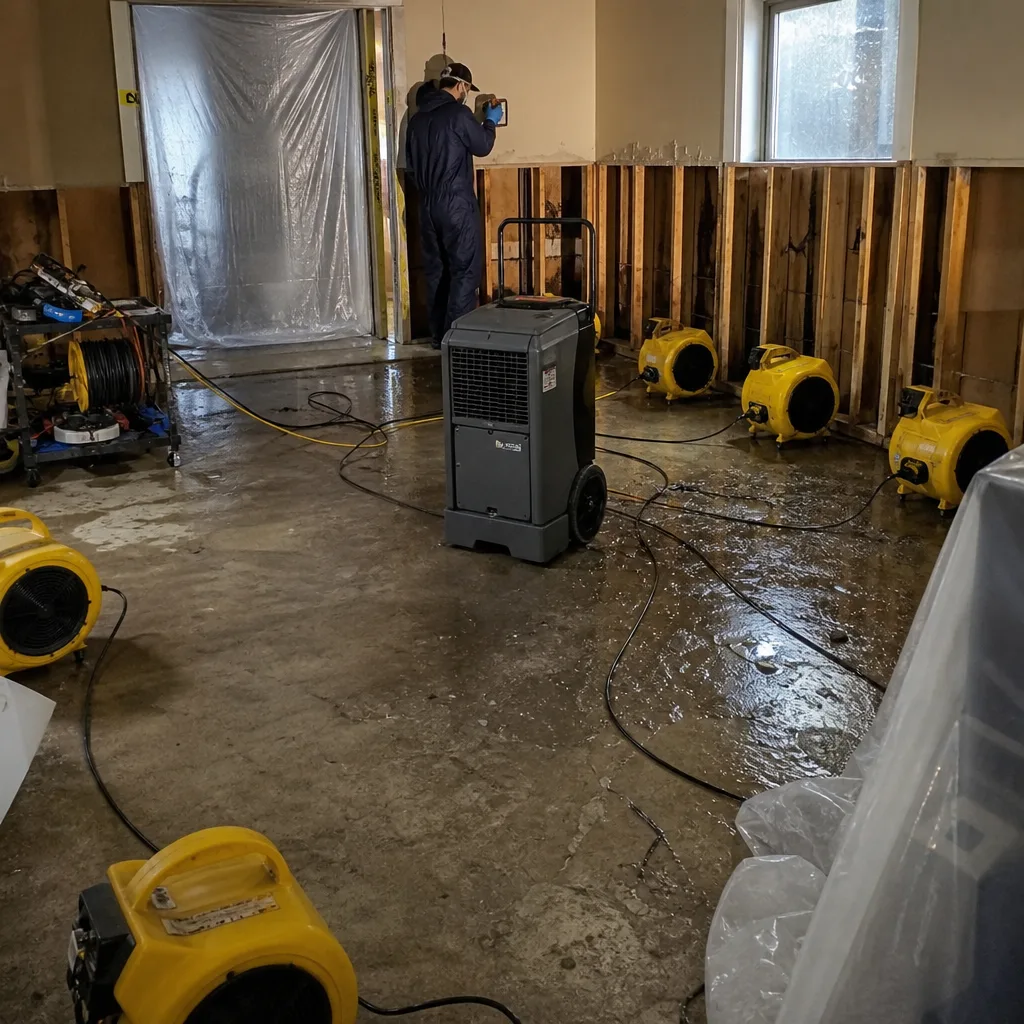
Mission Viejo operates under the Orange County Building Department for plan check and inspection services, with city-specific administrative processing for certain permit types. The distinction between emergency repair permits and standard residential permits determines whether your restoration timeline holds or slips by weeks.
Emergency Repair Permits
Available for work necessary to prevent imminent hazard to life or property. In restoration, this typically applies to:
- Structural stabilization after tree impact or vehicle collision
- Electrical hazard abatement in flooded structures
- Board-up and temporary weatherproofing after fire or storm damage
Application process: Submit through the City of Mission Viejo online portal with contractor license verification, scope description, and homeowner authorization. Typical turnaround: 24-48 hours for issuance, with inspection scheduled within 48 hours of work completion. No plan check required for straightforward structural repairs under $5,000 valuation.
Critical detail: emergency permits authorize only the minimum work necessary to eliminate the hazard. A contractor who uses an emergency permit to authorize full reconstruction is operating outside scope, and the permit will not cover the completed work at final inspection.
Standard Residential Permits
Required for reconstruction phases: full room rebuilds, kitchen or bath restoration after significant loss, whole-house fire restoration. Timeline: 10-15 business days for plan check, plus scheduling availability for inspection. In Mission Viejo’s current building volume, inspection scheduling typically runs 3-5 business days out for rough electrical and plumbing, 5-7 days for final.
For water damage restoration in Mission Viejo that crosses into reconstruction, we deliver a written scope that segregates emergency mitigation (no permit, immediate start) from rebuild (permit required, scheduled start). Haven Standard, Clause 1: the written price before work begins specifies which phase carries permit costs and which does not. No homeowner should discover a $600 permit fee buried in a change order after demolition is complete.
Neighborhood-specific considerations: Homes in Mission Viejo’s Painted Trails and Casta del Sol communities, governed by additional HOA architectural review, may require HOA approval parallel to city permitting. We’ve seen 10-day HOA review timelines add to permit delays when contractors failed to flag this requirement in their initial scope. Our documentation includes HOA submission tracking as a standard deliverable in these communities.
Contractor-Held Permits vs. Homeowner-Owner-Builder Permits
Who holds the permit determines who carries liability if the work fails inspection, who the city contacts for corrections, and whether your insurance carrier will extend coverage to the repair phase.
Contractor-Held Permit (Standard Practice)
The licensed contractor applies, pays fees, and is listed as responsible party. If framing fails inspection, the contractor corrects at their cost. If electrical work requires rework, the electrician returns. The permit record ties to the contractor’s license, creating a traceable chain for future owners and insurers.
Cost structure: Permit fees are passed through to the homeowner, typically marked up 15-25% for administrative handling. In Mission Viejo, a standard residential remodel permit for a water-damaged kitchen rebuild runs $800-$1,400 in city fees; with contractor markup, expect $1,000-$1,750 on your invoice.
Homeowner-Owner-Builder Permit
Available under California Business and Professions Code Section 7044 for work on the owner’s primary residence. The homeowner assumes all responsibilities of a licensed contractor: hiring and directing subcontractors, scheduling inspections, correcting deficiencies. The permit fee is lower - no contractor markup - but the liability exposure is total.
Critical limitations: Owner-builder permits cannot be used for work covered by insurance proceeds where the carrier requires licensed contractor completion. Most carriers explicitly exclude owner-builder work from replacement-cost coverage, limiting payment to actual cash value minus the cost of contractor management the owner now performs. We’ve reviewed claims where homeowners saved $1,200 in permit markup and lost $8,000 in coverage differential.
When owner-builder applies: Small-scale repairs below insurance deductible, or post-insurance rebuilds where the homeowner self-funds and self-manages. Even then, we recommend professional inspection of hidden damage - moisture trapped behind intact tile in a Mission Viejo slab home can destroy the substructure while presenting as a simple cosmetic repair.
Our documentation-first approach applies regardless of permit holder. We provide the moisture logs, photo records, and material specifications that any permit application requires, and we coordinate inspection scheduling for contractor-held permits as part of our standard scope. The Haven Standard requires that permit status, holder, and estimated fees appear in writing before work begins - Clause 1, applied to regulatory compliance, not just pricing.
How Unpermitted Restoration Work Surfaces at Escrow
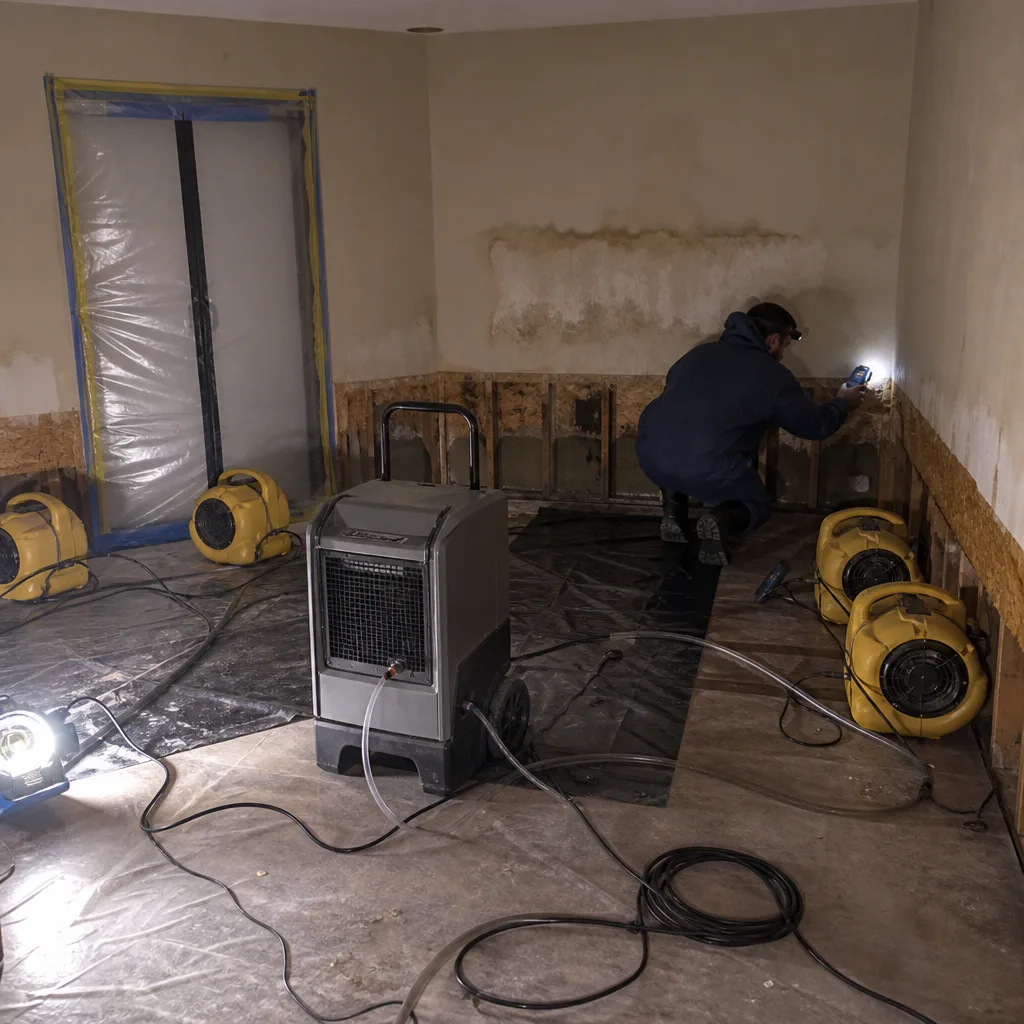
Unpermitted restoration work doesn’t stay hidden. It surfaces through building records, disclosure requirements, and physical inspection - typically at the most expensive possible moment.
The Discovery Pathways
California Civil Code Section 1102 requires sellers to disclose alterations made without required permits. The standard Transfer Disclosure Statement asks directly: “Are there any room additions, structural modifications, or other alterations made without required permits?” A “no” answer when unpermitted work exists constitutes misrepresentation. A “yes” answer triggers buyer investigation, renegotiation, or cancellation.
Beyond disclosure, escrow and lending processes increasingly incorporate:
- Building permit history reports: Third-party services like BuildFax and CoreLogic compile permit records by address. Gaps are visible - a 2019 water damage claim with no corresponding permit for the $14,000 reconstruction line item raises flags.
- Appraiser visual inspection: FHA and VA appraisers specifically flag unpermitted additions and alterations. Conventional appraisers increasingly note permit discrepancies in declining markets or high-risk areas.
- Buyer inspection: A competent home inspector in Mission Viejo will note drywall texture inconsistencies, electrical junction boxes without accessible covers, or subfloor transitions that suggest non-professional repair.
Documented Orange County Cases
We maintain files on escrow failures related to unpermitted restoration - not for litigation, but to train our documentation standards. Representative examples:
A Mission Viejo home in the Aegean Heights neighborhood, built 1985, suffered slab leak damage in 2019. The restoration contractor replaced 400 square feet of subfloor and sistered three floor joists without permits. In 2023, the sale at $1.15 million stalled when the buyer’s inspector noted new joist hardware inconsistent with original construction. The seller paid $4,200 for retroactive permitting, $2,800 for structural engineer review, and $1,600 in holding costs during the 6-week delay. The original permit, had it been pulled in 2019, would have cost $940.
A Lake Forest property (Orange County, adjacent to Mission Viejo’s service area) experienced fire damage in 2021. The contractor completed $67,000 in reconstruction without permits, including relocated electrical and HVAC ductwork. The 2024 sale fell through entirely when the buyer’s lender required permit verification for the scope of work. The owner ultimately sold to a cash buyer at $23,000 below market, then paid $8,500 for retroactive permitting and inspection of completed, covered work - including drywall removal for inspector access.
The pattern: unpermitted work costs 3-10x the original permit fee to remediate at sale, not counting lost market timing or transaction collapse.
Prevention through documentation: Our job files include permit applications, approved plans, inspection sign-offs, and final certificates of occupancy where applicable. These documents transfer with the property. When we handle fire and smoke damage restoration in Mission Viejo, the reconstruction phase permit package is assembled as a deliverable, not an afterthought.
Post-Inspection Documentation: What Belongs in Your Job File
A passed inspection is not the end of the process. It’s a document that must be preserved, organized, and transferable. The job file we deliver to every Mission Viejo homeowner includes specific inspection records alongside our standard moisture logs and photo documentation.
The Complete Inspection Record
Every permit-closing inspection produces documents that should be retained permanently:
- Approved inspection card or electronic equivalent: The city’s record of each inspection stage - rough framing, insulation, electrical, plumbing, final - with inspector signature and date. In Mission Viejo’s electronic system, this generates as a PDF with QR code verification.
- Correction notices and resolutions: If an inspector flags an issue - common with fire-damaged structural members where char depth assessment was visual rather than probed - the correction request and re-inspection approval must be included. A file with only final approval and no correction history looks suspicious to a future buyer’s inspector.
- Certificate of Occupancy or Completion: For reconstruction that altered the home’s footprint or room count. Not typically required for like-for-like restoration, but critical if walls were moved or rooms added during rebuild.
- As-built drawings: When actual construction deviates from approved plans - common in restoration where hidden damage reveals conditions that plan-check could not anticipate - the contractor must file as-built documentation. Without it, future permit searches show mismatch between approved and actual.
Integration with Insurance Documentation
Insurance carriers increasingly require permit compliance documentation before releasing replacement-cost holdbacks. The typical structure: Actual Cash Value payment at mitigation completion, with 20-30% holdback released upon documented reconstruction completion. Our files include:
- Permit application with carrier-named additional insured where required
- Inspection approvals tied to draw schedule milestones
- Final certificate triggering holdback release
This integration is why we document to IICRC, RIA, and IFA standards using equipment from B-Air and Injectidry - the moisture logs prove the structure was dry before reconstruction began, and the permit records prove the reconstruction was done to code. Together, they produce the claim file that pays without dispute.
Long-term storage: We provide digital job files with 10-year retention, and we recommend homeowners retain permit records for the property ownership period plus seven years. In Mission Viejo’s appreciating market, today’s $12,000 restoration is tomorrow’s disclosure item on a $1.3 million sale. The permit record that cost $800 to obtain can preserve $50,000 in transaction value.
Permit Costs and Fee Structures in Orange County
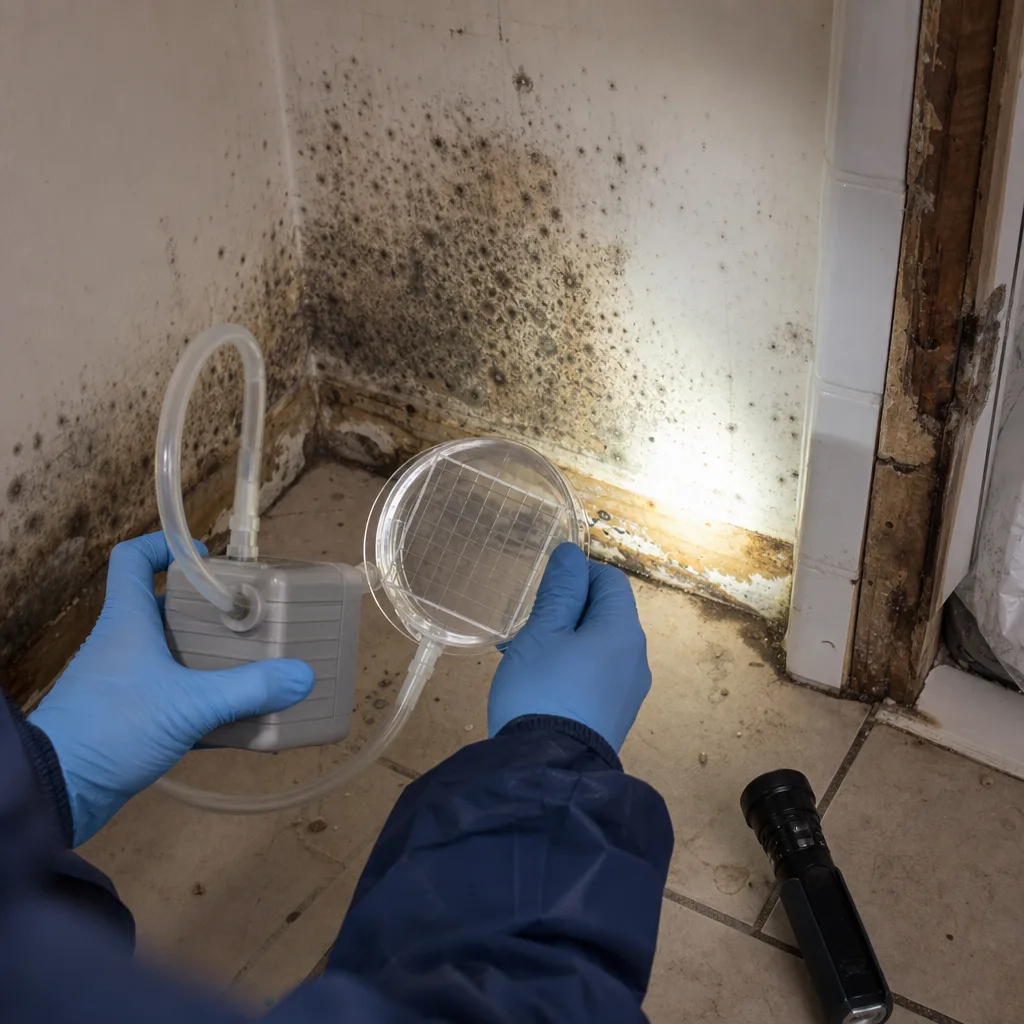
Permit costs in Mission Viejo follow Orange County’s fee schedule with city-specific administrative additions. Understanding the structure prevents the surprise of a $2,000 permit line item on a reconstruction invoice.
Base Fee Calculation
Orange County Building Department calculates permit fees based on project valuation - the estimated cost of materials and labor for the permitted work. The schedule runs progressively:
| Project Valuation | Permit Fee (Base) | Plan Check Fee |
|---|---|---|
| $1 - $500 | $50.50 | N/A |
| $501 - $2,000 | $50.50 + $6.50 per $100 over $500 | $65 |
| $2,001 - $25,000 | $148 + $10.50 per $1,000 over $2,000 | $260 + 50% of base permit |
| $25,001 - $50,000 | $389.50 + $9.00 per $1,000 over $25,000 | $260 + 50% of base permit |
| $50,001 - $100,000 | $614.50 + $7.50 per $1,000 over $50,000 | $260 + 50% of base permit |
City of Mission Viejo adds administrative fees: $35 application processing, $15 electronic plan management, and $50-$100 for expedited review when available. Emergency repair permits waive plan check fees but carry the base permit and administrative charges.
Typical Restoration Scenarios
- Kitchen water damage, cabinet and drywall replacement, electrical outlet relocation: Valuation $18,000. Base permit $316, plan check $418, city fees $50. Total: $784. With contractor 20% markup: $941.
- Bathroom mold remediation with full gut, subfloor replacement, shower rebuild: Valuation $24,000. Base permit $379, plan check $450, city fees $50. Total: $879. With markup: $1,055.
- Fire damage, two-room reconstruction with structural beam sistering, HVAC duct replacement: Valuation $45,000. Base permit $569, plan check $545, city fees $50. Total: $1,164. With markup: $1,397.
Hidden costs to verify in your written scope:
- Special inspector fees for structural work: $150-$300 per inspection
- Engineer stamp for beam calculations: $400-$800
- As-built drawing preparation: $200-$400
- Re-inspection fees for failed initial inspection: $100-$200 per occurrence
Our written prices include permit fee estimates with source documentation - the fee schedule citation, the valuation basis, and the markup percentage if applicable. Haven Standard, Clause 1 requires this transparency. No homeowner should fund a $1,400 permit without knowing what the city charged versus what the contractor added.
Common Mistakes to Avoid
- Accepting “permit included” without specification: A competitor’s estimate listed “permits” at $350 for a job requiring structural and electrical permits that cost $890 at the city. The homeowner paid the difference as a change order. Always require permit line items with valuation basis and fee source.
- Confusing mitigation and reconstruction phases: Contractors who bundle both under a single permit application may over-permit the mitigation (billing you for unnecessary fees) or under-permit the reconstruction (leaving you exposed). Our scopes separate phases with distinct permit requirements.
- Ignoring HOA parallel requirements: In Mission Viejo’s gated communities, particularly along Marguerite Parkway and in the hillside tracts, HOA architectural review runs concurrent to city permitting. Starting work before HOA approval can trigger stop-work orders from both entities.
- Failing to verify contractor license against permit application: The license number on your contract must match the license number on the permit. We’ve encountered cases where unlicensed subcontractors performed permitted work under another contractor’s license - a violation that voids permit protection and insurance coverage.
- Discarding inspection records after claim closure: Insurance files close; property ownership continues. The permit record belongs with your deed documents, not in the recycling bin with the claim correspondence.
- Assuming “like-for-like” replacement never needs permits: California’s 32-square-foot drywall threshold catches many homeowners. A 10×12 foot bedroom with flood-cut drywall to 4 feet - 48 square feet - requires permit even if identical materials replace identical materials.
- Permitting equipment placement: No California jurisdiction requires permits for air movers, dehumidifiers, or negative air machines. A contractor who charges permit fees for drying equipment is charging for a document that doesn’t exist.
When to Call a Professional
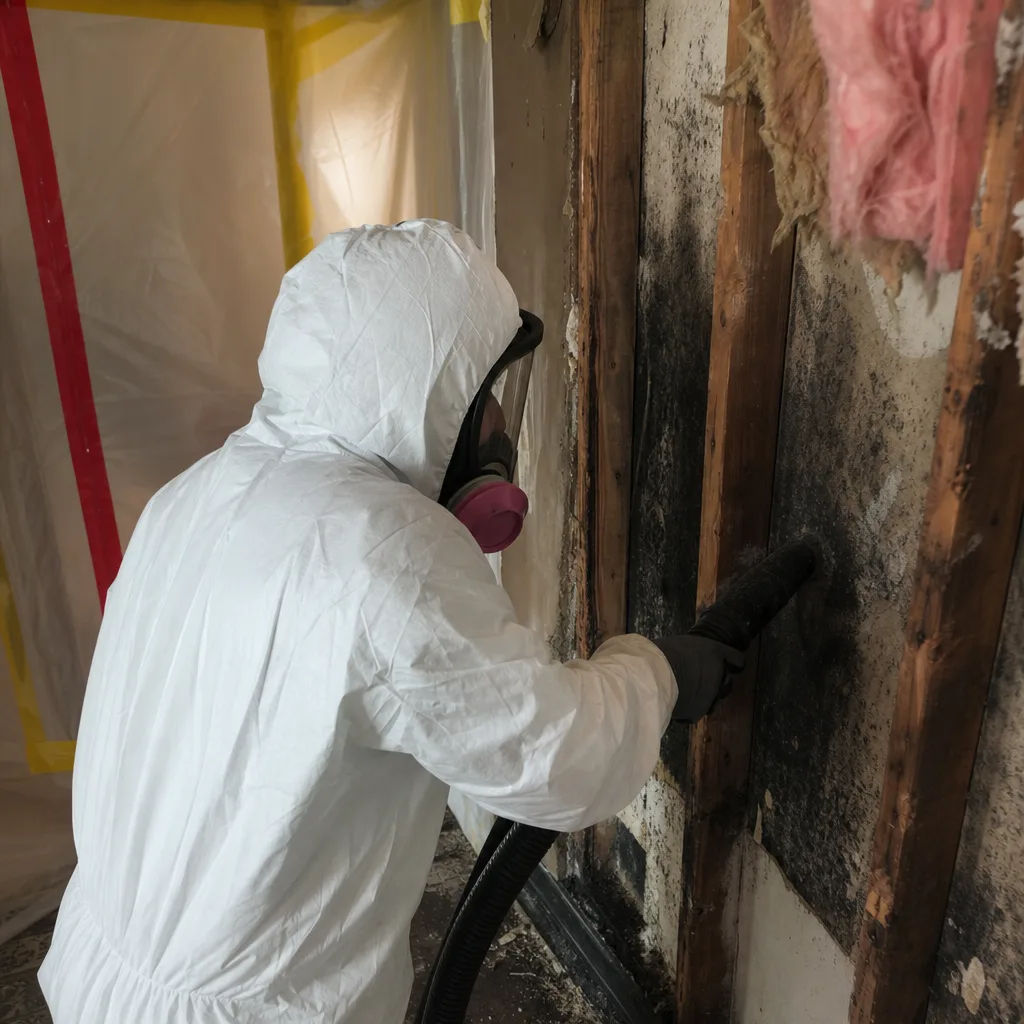
Call a licensed restoration contractor when your loss involves structural members, electrical or plumbing systems, or square footage exceeding permit thresholds - our step-by-step guide to hiring a damage restoration contractor in Mission Viejo walks through exactly what to verify. The cost of professional permit management - typically 15-25% of city fees - is recovered through liability transfer, inspection coordination, and insurance compliance.
Specifically in Mission Viejo: call when you smell moisture behind walls in a hillside home, when a slab leak has saturated more than one room, or when any contractor’s scope includes permit fees without line-item documentation. Mold remediation in Mission Viejo frequently crosses into structural repair when cavity drying failed or was never attempted - the mold is symptom, and the hidden structural damage is the permit-triggering condition.
DryMark Restoration Mission Viejo offers free estimates in Mission Viejo - call (657) 297-0972. Every estimate includes permit requirement analysis, fee estimation with source documentation, and a written scope before any work begins. Explore more guides & resources on protecting your Mission Viejo property. We also provide a Free Second Opinion on any competitor’s written estimate, reviewing their permit assumptions against actual code requirements.
Frequently Asked Questions
No. Air movers, dehumidifiers, and negative air machines require no permit in California or Mission Viejo. If a contractor charges permit fees for equipment placement, request the permit application number and city fee schedule citation. Call (657) 297-0972 for a free estimate that separates equipment costs from any legitimate permit requirements.
Emergency repair permits typically process within 24-48 hours through the City of Mission Viejo’s online portal, with inspection scheduled within 48 hours of work completion. Standard residential permits take 10-15 business days for plan check plus inspection scheduling. The emergency permit authorizes only hazard-elimination work, not full reconstruction.
Most carriers cover the initial damage under the policy regardless of permit status, but exclude unpermitted reconstruction from replacement-cost holdbacks and may deny future claims related to the unpermitted work. Some carriers now require permit documentation before releasing reconstruction funds. Photo-documented permits in your job file prevent coverage disputes.
A contractor-held permit ties liability to the licensed contractor, who corrects failed inspections at their cost. An owner-builder permit makes the homeowner legally responsible for all work, inspections, and corrections. Owner-builder permits cannot be used for insurance-funded reconstruction on most policies, and may void replacement-cost coverage entirely.
Request a permit history report from the City of Mission Viejo Building Department or search online through the Orange County permit portal. Look for permits dated near known loss events, with scopes matching the work described. Gaps between visible repairs and permit records indicate unpermitted work that may require disclosure at sale.
Retain the approved inspection card or electronic equivalent, any correction notices with resolutions, certificate of occupancy or completion if issued, as-built drawings if construction deviated from plans, and all contractor moisture logs and photo records. Store these with your property deed documents for the ownership period plus seven years.
The Bottom Line

California’s permit requirements for restoration work are precise: structural, electrical, and large-scale drywall work requires documentation; equipment-based drying does not. Mission Viejo’s permit process offers expedited handling for true emergencies while maintaining standard review for reconstruction. The homeowner who understands these thresholds - and demands written specification of permit requirements in every scope - avoids both unnecessary fees and unpermitted liability. Documentation is the currency: moisture logs prove the structure was dry, permit records prove the repair was legal, and together they preserve property value through any future transaction. The cost of proper permitting is measured in hundreds of dollars; the cost of discovering its absence at escrow is measured in thousands, or in a failed sale entirely.
Written by Alicia Brennan, Owner at DryMark Restoration Mission Viejo, serving Mission Viejo since 2011.