
Last updated September 23, 2026
Free visual inspection and a written scope of work before any mitigation begins - photos, moisture readings, and drying logs go in your claim file
The scope we write is the scope we bill. Anything new gets shown to you, in writing, before we touch it.
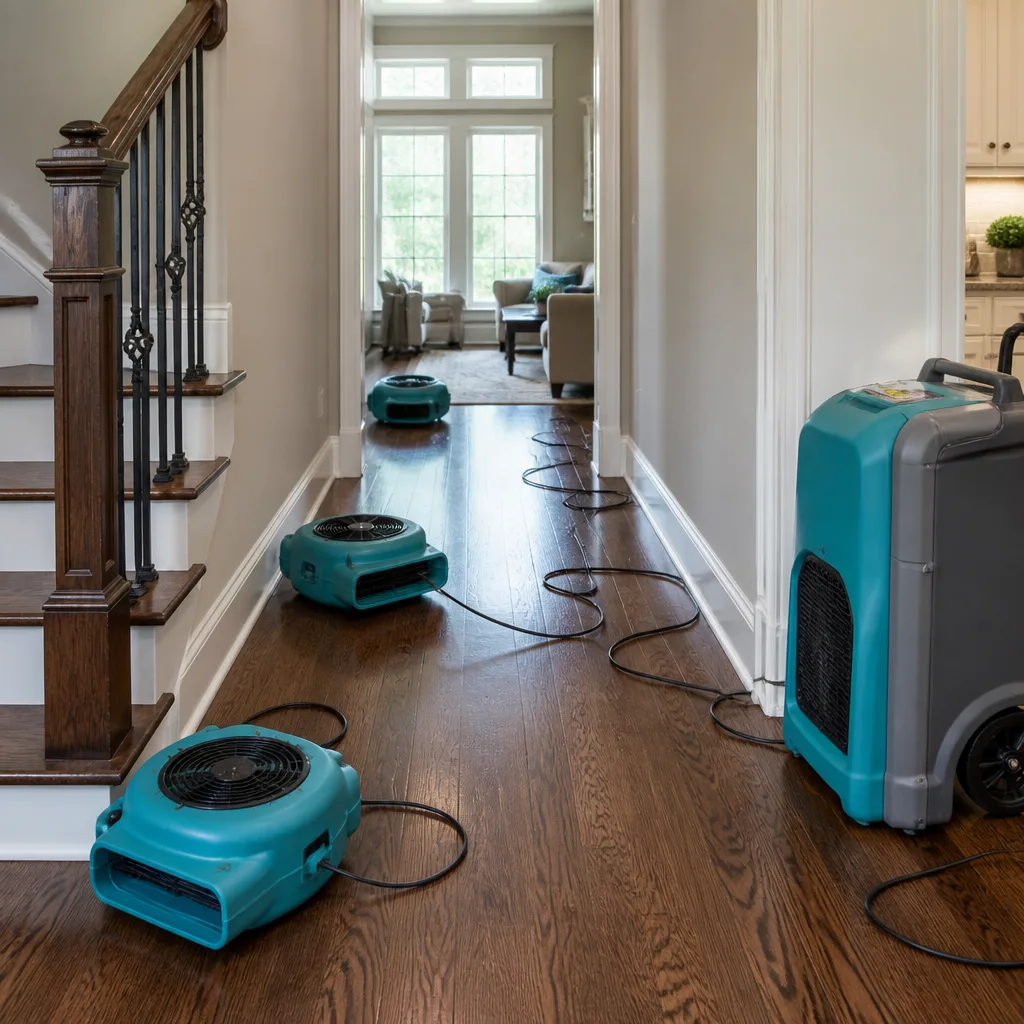

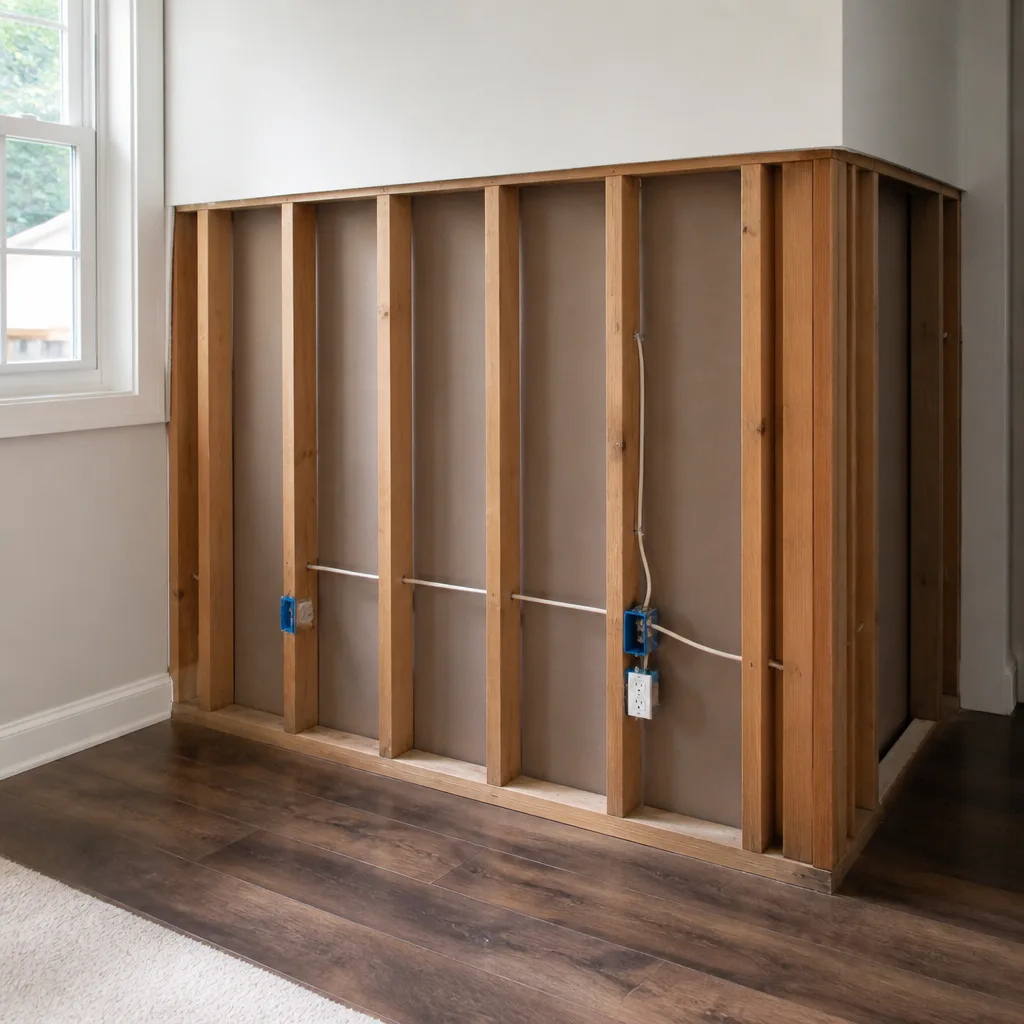

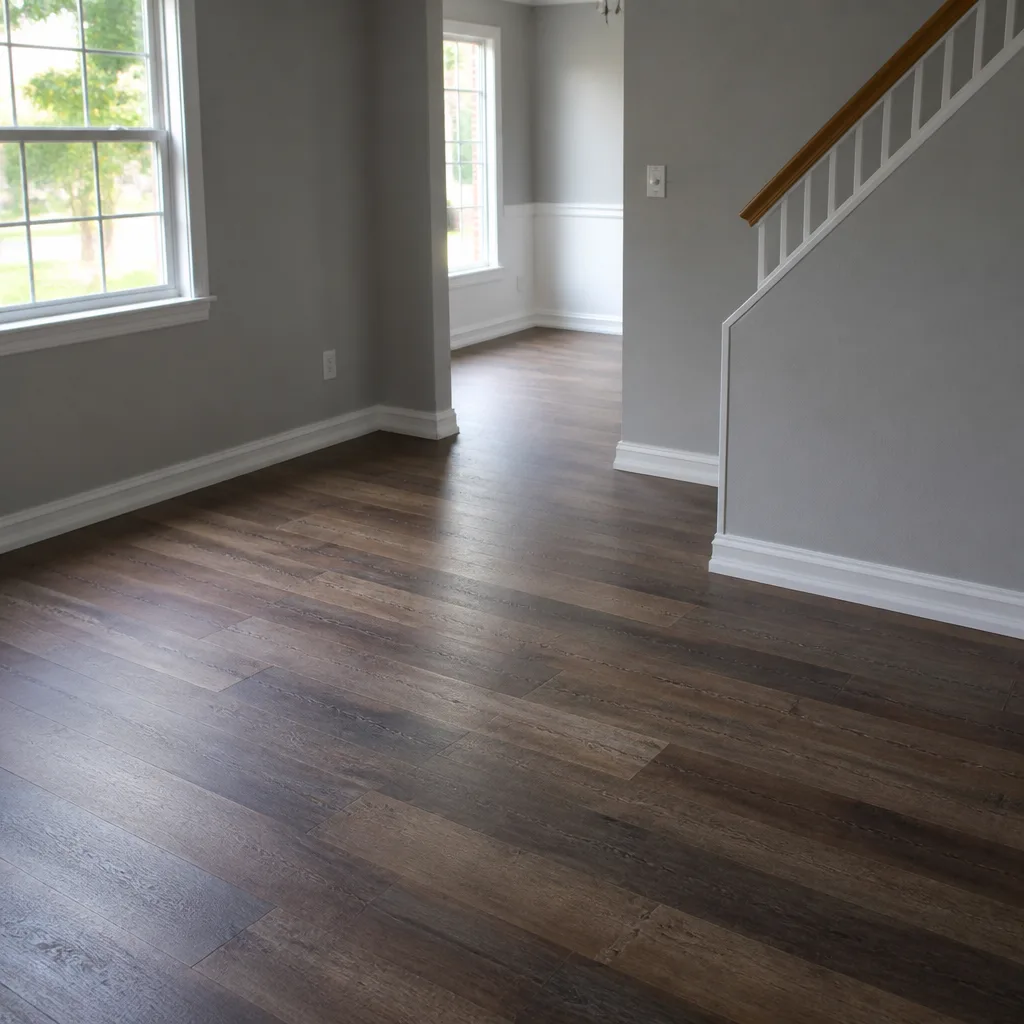
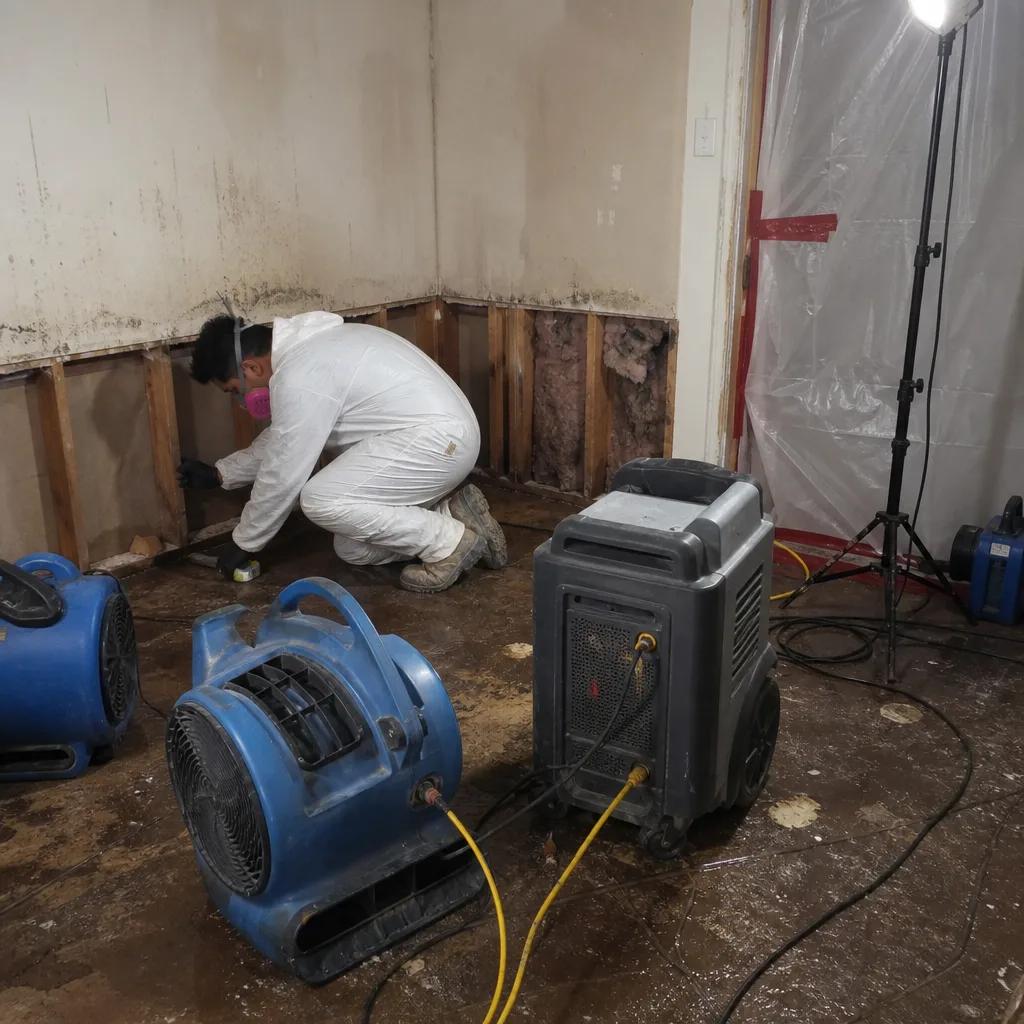 Before
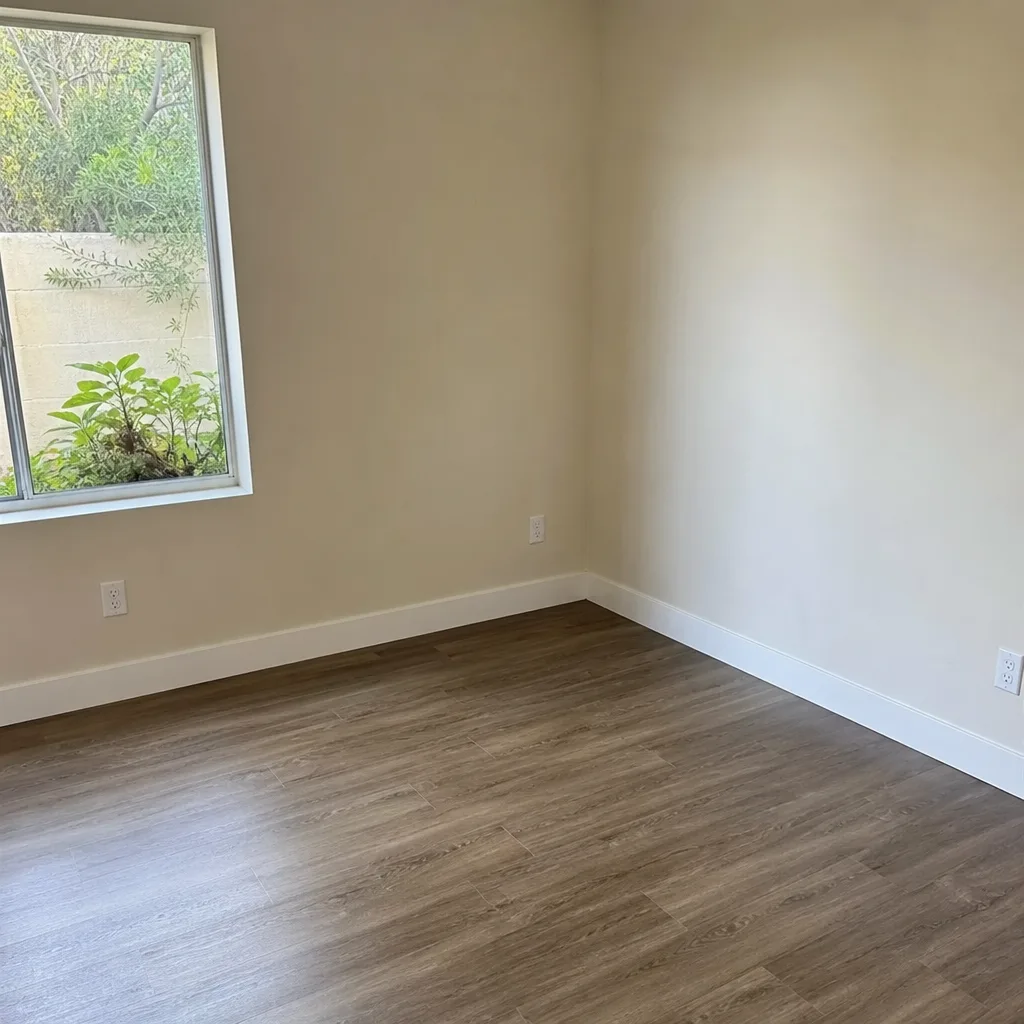 After
After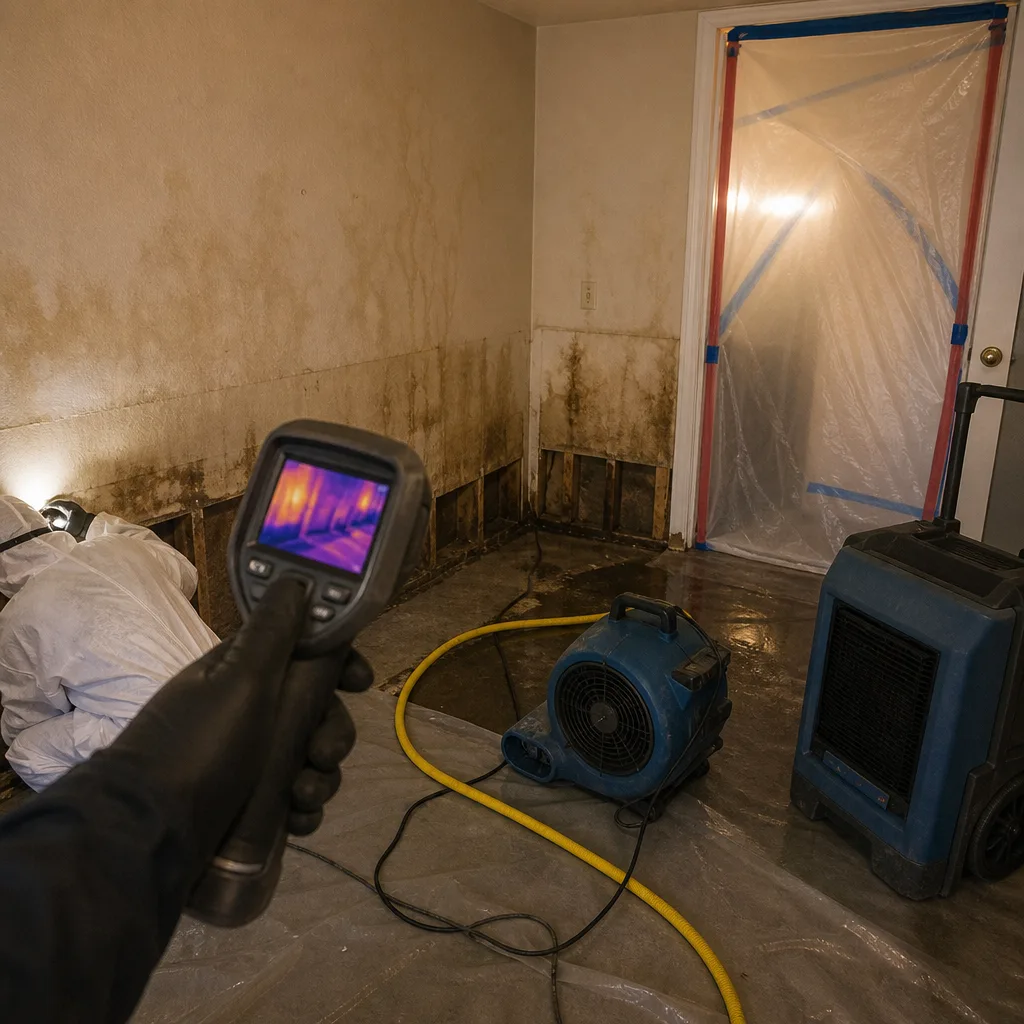 Before
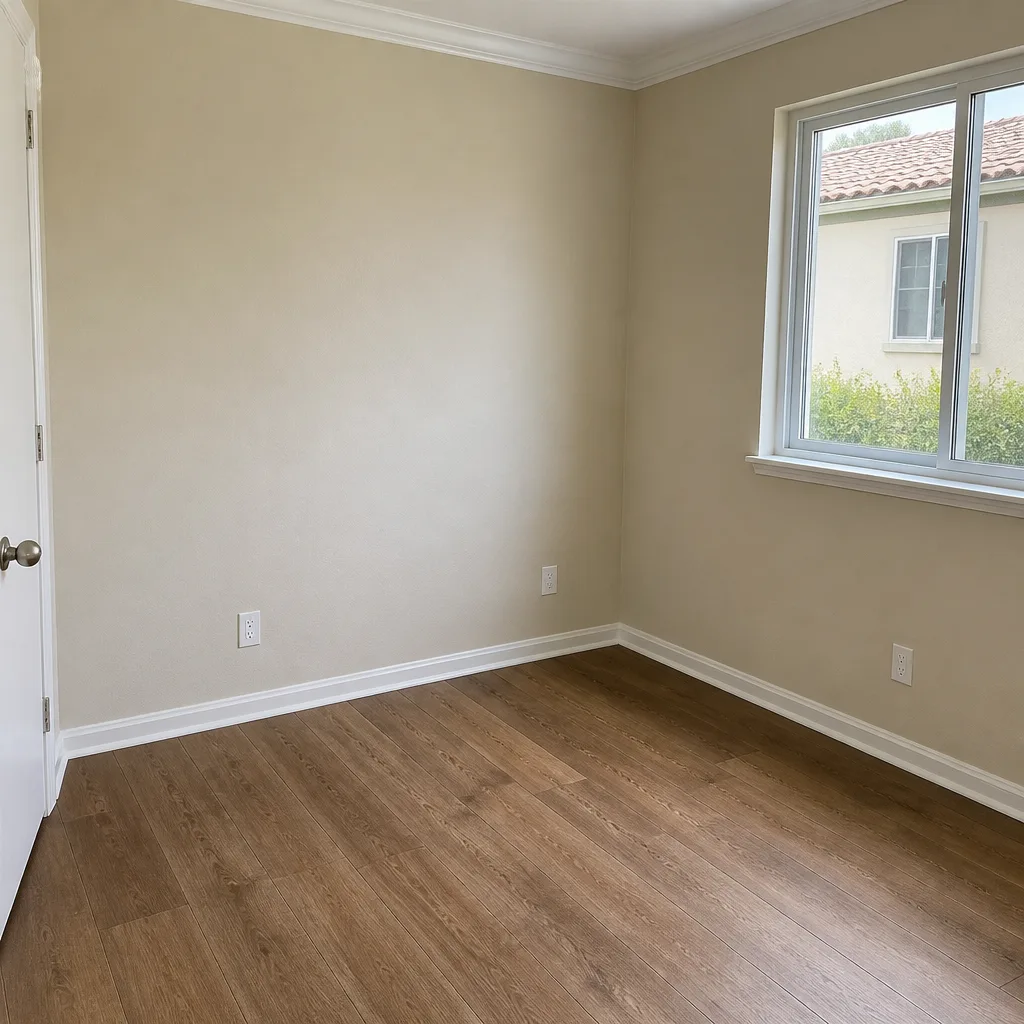 After
After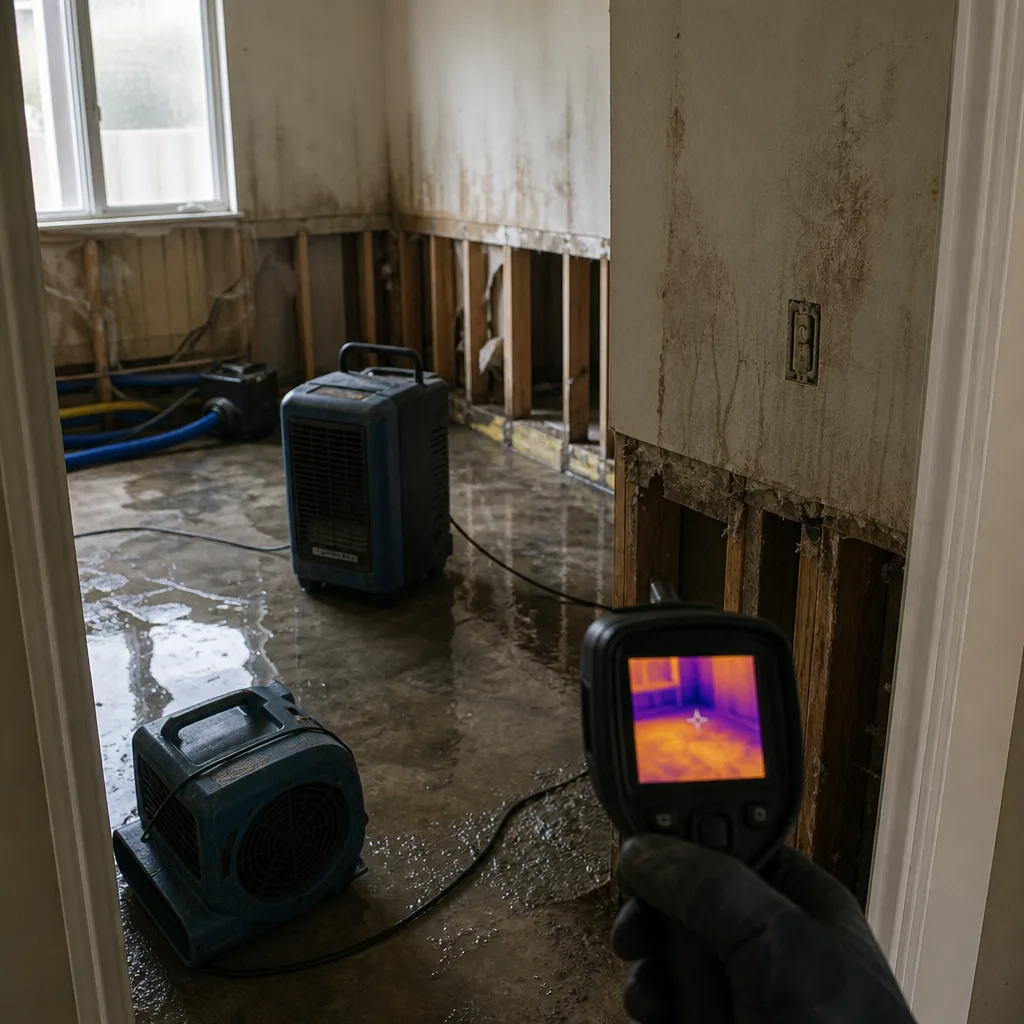 Before
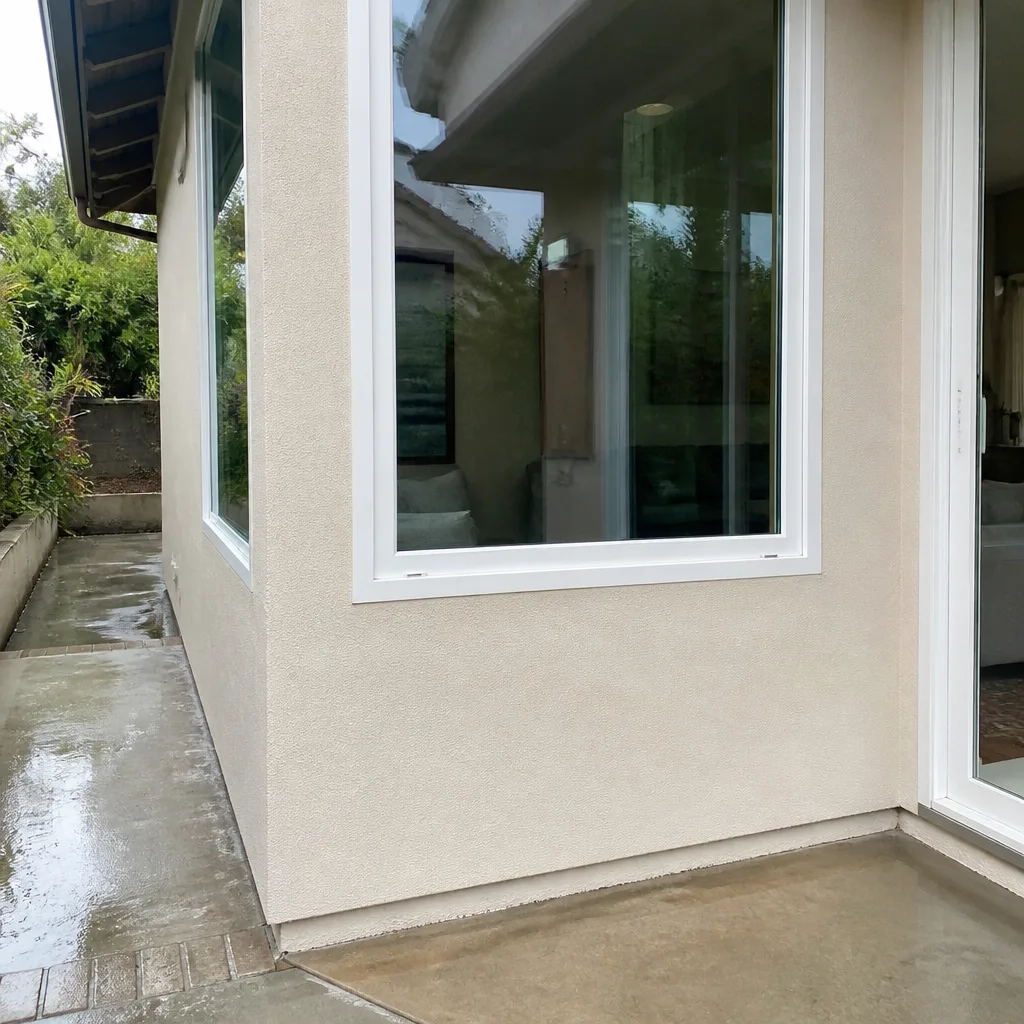 After
AfterDamage Restoration Warning Signs: A Mission Viejo Homeowner’s Reference Guide
A musty odor in a closed room means airborne mold spore counts have already exceeded 1,000 per cubic meter. Visible growth on a surface means counts are typically 10 times higher. In Mission Viejo, where summer humidity can push indoor relative humidity above 60% even with air conditioning running, that smell is not a precursor to damage. It is the event itself, and it started days or weeks before you noticed it. This guide shows you the measurable warning signs that precede every major restoration job we’ve documented since 2011 - what to look for, what the numbers mean, and when a phone photo is enough versus when you need a moisture meter and a written scope. For related guidance, see our Seasonal Damage Restoration Care for Mission Viejo: Year-Round Homeowner’s Guide.
Quick Answer
The most critical damage restoration warning signs in Mission Viejo homes are: wood moisture readings above 16% or drywall above 4% (measured with a pin-type meter), musty odors indicating airborne mold spore counts over 1,000/m³, efflorescence or tide lines on foundation walls, and ceiling deflection greater than 1/360 of the span. These thresholds indicate active moisture problems requiring documented assessment, not surface cleaning. Most homeowners miss the early window because they interpret these signs as maintenance issues rather than structural moisture events.
Table of Contents
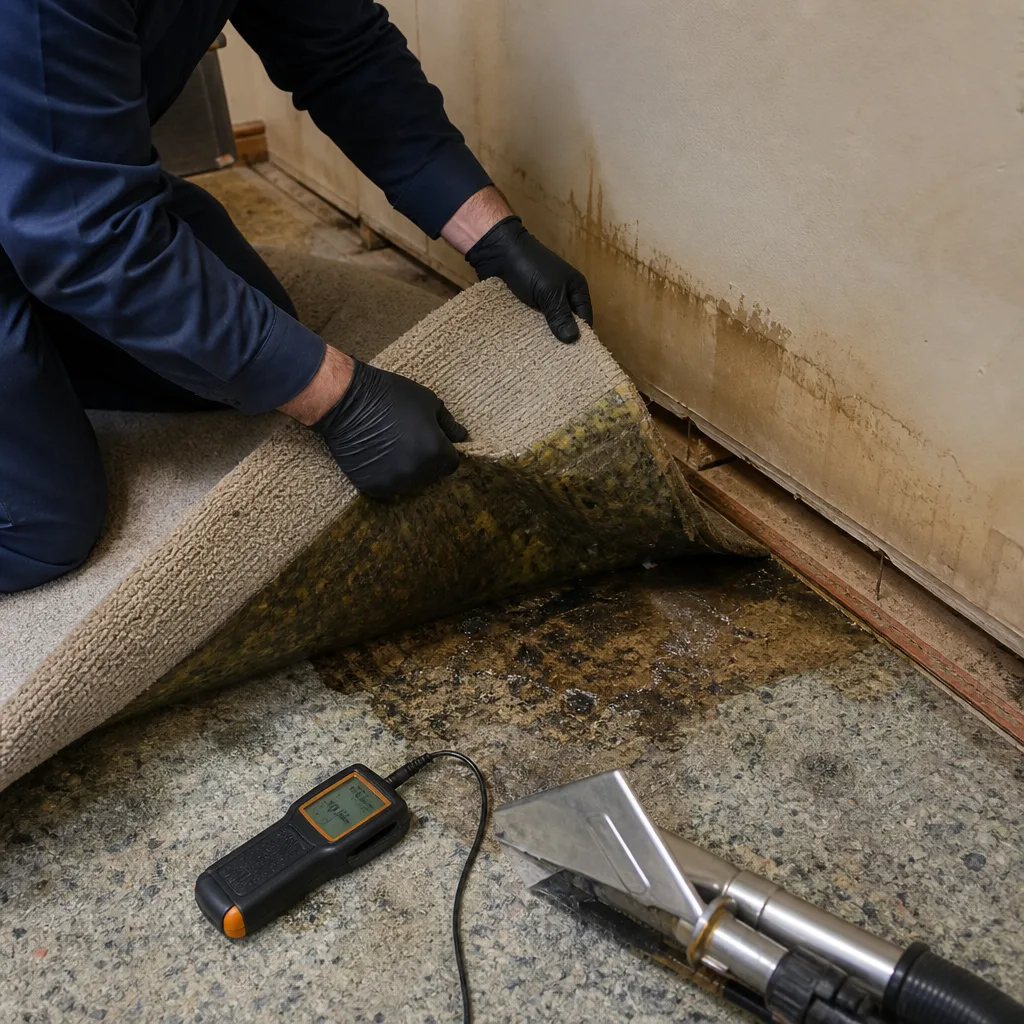
- Moisture Readings: The Numbers That Matter
- Visual Indicators Ranked by Urgency
- One-Time Stain vs. Ongoing Moisture Problem
- HVAC Warning Signs in Mission Viejo Homes
- How to Photograph Warning Signs for Remote Assessment
- Common Mistakes to Avoid
- When to Call a Professional
- Frequently Asked Questions
 Before
 After
AfterMoisture Readings: The Numbers That Matter
Every significant water damage loss we’ve restored in Mission Viejo began with moisture accumulating beyond what building materials can tolerate. The difference between a minor drying job and a full gut-and-rebuild often comes down to how many days the material stayed wet before someone measured it.
Wood structural members in Southern California homes should read between 9% and 14% moisture content using a pin-type meter. At 16%, wood enters the decay zone where fungal growth becomes physiologically possible. At 20%, we’ve documented active rot in Douglas fir and hemlock framing within 72 hours in Mission Viejo’s warm climate. Drywall is even less forgiving: readings above 4% indicate water has compromised the paper facing, and readings above 12% mean the gypsum core is saturated and will require removal per IICRC S500 standards.
Here’s how we interpret moisture readings in the field:
- Wood at 14-16%: Elevated but not yet critical. Source investigation required. Document with photo and recheck in 48 hours.
- Wood at 16-20%: Decay conditions active. Drying system required. This is where we deploy Injectidry cavity drying or B-Air axial fans with targeted dehumidification.
- Wood above 20%: Structural integrity at risk. Removal likely necessary. Written scope required before any demolition begins - Haven Standard, Clause 1.
- Drywall at 4-8%: Paper facing compromised. Localized removal of affected section. Check for hidden saturation in insulation cavity.
- Drywall above 12%: Core saturation. Full panel removal to 24 inches beyond last wet reading. Moisture mapping required to define perimeter.
We use Delmhorst or Protimeter pin meters for these readings, not the pinless meters sold at hardware stores. Pinless meters scan surface density and can miss water trapped behind tile or under baseboards. A pin meter penetrates to the depth of the pins - typically 5/16 inch for standard probes, 1.5 inches with extension probes for subfloor readings.
In Mission Viejo’s tract homes built between 1965 and 1995, we regularly find slab-on-grade construction with no vapor barrier beneath the slab. This means groundwater wicks directly into base plates and bottom studs. A reading of 18% in a base plate three inches above the slab almost always indicates slab moisture, not a plumbing leak. The distinction matters: plumbing leaks get fixed, then dried. Slab moisture requires vapor barrier retrofit or perimeter drainage - a different scope entirely, and one that changes the written price before work starts.
Visual Indicators Ranked by Urgency
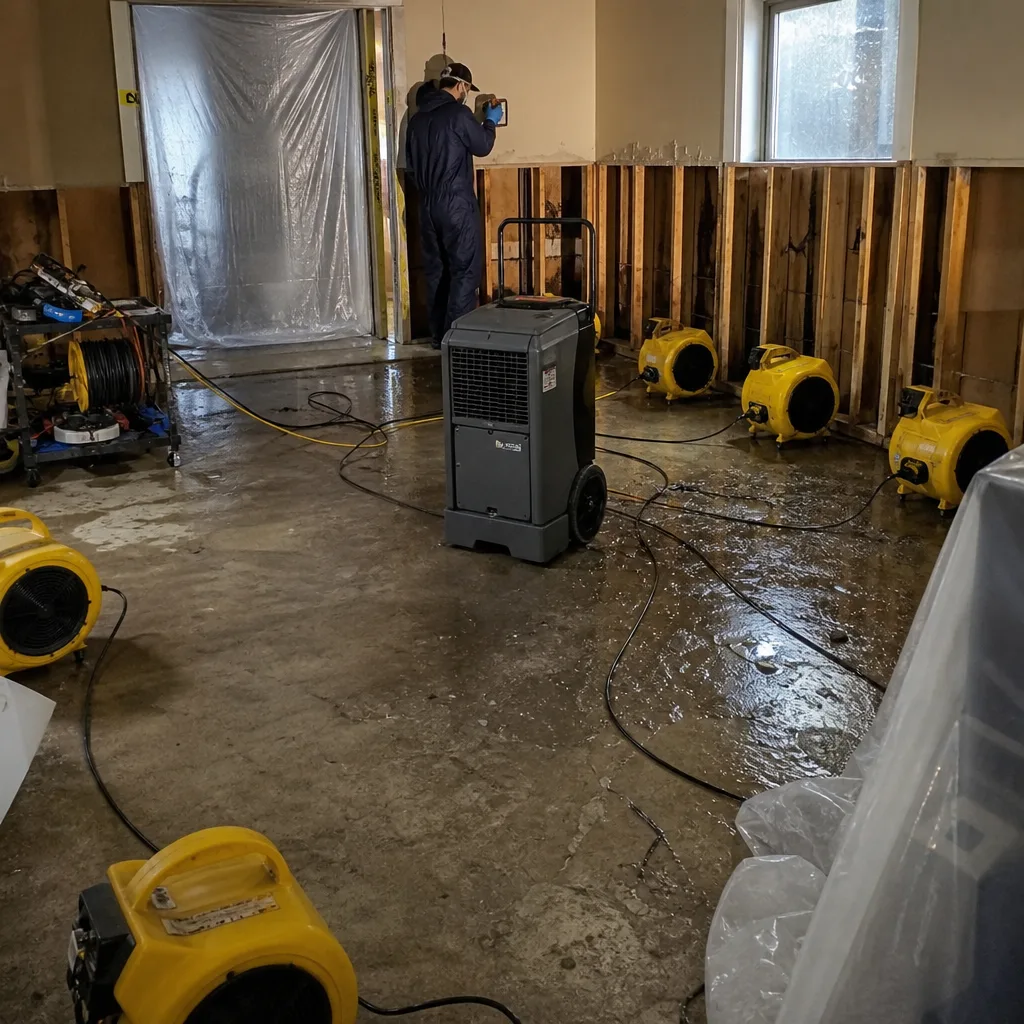
Not every warning sign demands the same response speed. We’ve ranked the visual indicators we encounter in Mission Viejo homes by how quickly they escalate from observation to structural damage.
1. Ceiling Deflection (Immediate - Same Day Response)
A ceiling that sags or shows stress cracking at tape joints indicates water loading the drywall beyond its 1.6 pounds per square foot design capacity. Measure the deflection: if the center of a span sags more than 1/360 of the distance between supports (roughly 1/8 inch in a 12-foot room), the drywall is failing and the insulation above is saturated. We’ve seen ceilings collapse 6 hours after this threshold was reached. This is a live load hazard, not a drying candidate. Evacuate the area and call for documented assessment.
2. Tide Lines on Baseboards (24-48 Hour Window)
A horizontal stain on baseboard, typically 1-3 inches above the floor, means water has wicked up from the floor plate and reached equilibrium. The height of the tide line tells us the duration: a line at 1 inch suggests 24-48 hours of exposure. A line at 3 inches suggests a week or more. The color matters too. Brown or amber indicates dissolved tannins from wood - a slow wick. Gray or black indicates mold colonization of the paper facing. In Mission Viejo’s warmer months, we’ve documented mold growth on baseboard paper within 72 hours of first water contact.
3. Efflorescence on Foundation Walls (Chronic - Weeks to Months)
White, crystalline deposits on concrete or block walls are salt residues left when water evaporates from within the masonry. This is not cosmetic. It means water is moving through the wall matrix on a recurring cycle. In Mission Viejo’s hillside homes, particularly in the areas above Oso Parkway where cut-and-fill grading exposed native shale, we’ve traced efflorescence to seasonal groundwater movement that follows the first heavy rains. The wall is breathing moisture. The question is whether the interior side has a vapor barrier and drainage plane, or whether that moisture is condensing against drywall and framing.
4. Bubbling Paint or Wallpaper (Variable - Source Dependent)
Blistering paint indicates moisture vapor pressure behind the film exceeding the adhesion strength of the primer. This can happen from interior humidity (a bathroom exhaust fan failure) or exterior water intrusion (failed stucco sealant at a window). The pattern distinguishes them: uniform bubbling across a wall suggests vapor drive from behind; localized bubbling near a window or penetration suggests point-source leakage. In either case, the paint is the pressure relief valve. The moisture is going somewhere, and the substrate is already wetter than the surface reading suggests.
5. Rust on Metal Fasteners or HVAC Registers (Chronic Indicator)
Corrosion on drywall screws, door hinges, or supply registers means sustained relative humidity above 70% in that microclimate. We’ve found rusted register screws in Mission Viejo homes where a duct boot in an unconditioned attic was leaking conditioned air, creating a cold spot that condensed moisture onto the ceiling below. The homeowner saw a brown spot and assumed roof leak. The actual source was 15 feet away in the attic. This is why we photo-document the full path, not just the symptom.
One-Time Stain vs. Ongoing Moisture Problem
The most expensive mistake we see homeowners make is treating an active moisture problem as a past event. A stain that has dried is a record. A stain that is changing is an emergency. Here’s how to read the difference.
Pattern shape: A one-time infiltration from a roof leak or overflow typically produces a roughly circular or teardrop stain with feathered edges where the water spread and then dried. The color is uniform - light brown to tan - because the water carried a single load of dissolved material and deposited it once. An ongoing problem produces a stain with concentric rings, darker at the center or along the leading edge, where repeated wetting has deposited layers of material. The edges are sharp where the current boundary of wetting meets dry material.
Color progression: Fresh water stains on drywall are yellow to light brown. As they age and oxidize, they darken to amber. If mold has colonized the paper, the color shifts to gray, green, or black - but note that we do not rely on color to identify mold species. We rely on air sampling and tape lift analysis, documented to IICRC S520 standards. A homeowner should never interpret color as a safety indicator. Some toxigenic molds present as white or pale gray.
Surface texture: A dried one-time stain feels smooth and chalky. The paper facing may be slightly raised but intact. An active moisture problem feels cool to the touch, and the paper may be soft or delaminated. Press gently with a fingernail: if the paper separates from the gypsum core, the drywall is currently wet or was wet long enough to destroy the adhesive bond.
The shadow test: In Mission Viejo’s consistent daylight, place a straightedge across a ceiling stain and sight along it. A one-time stain lies flat. An active leak often shows subtle bulging or depression where the drywall has absorbed uneven amounts of water or where insulation above has compressed from saturation.
When we assess a stain in a Mission Viejo home, we mark the current boundary with a pencil and photograph it with a date stamp. We then schedule a recheck in 72 hours. If the boundary has moved, we have an active problem and we write a scope for drying and repair. If the boundary is stable, we may recommend monitoring with a moisture meter monthly. This documentation becomes part of the homeowner’s maintenance record and supports any future insurance claim.
HVAC Warning Signs in Mission Viejo Homes
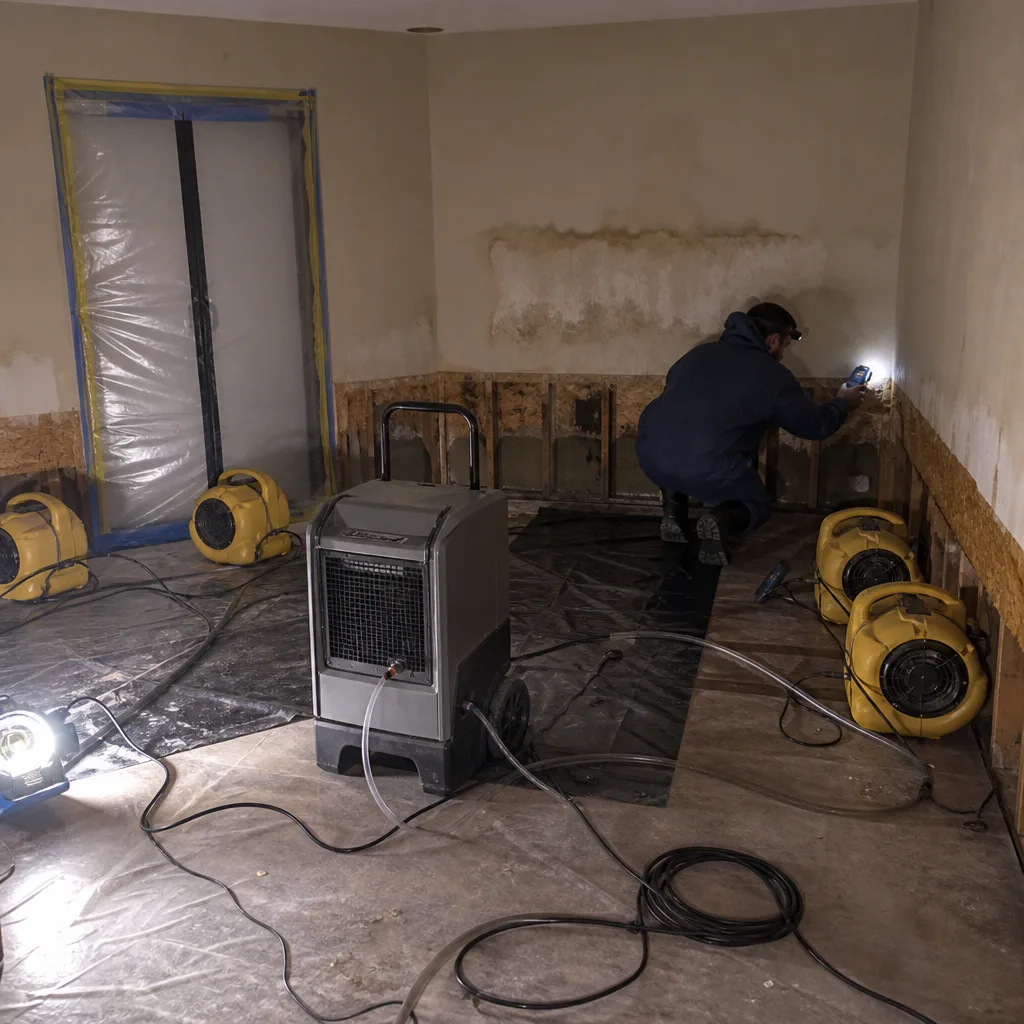
Mission Viejo’s housing stock is predominantly ducted forced-air systems installed between 1970 and 2005, with a significant wave of replacement in the 2010s. These systems produce moisture warnings that homeowners routinely misattribute to plumbing or roof leaks.
Condensate Overflow Indicators
A central air conditioner in Mission Viejo’s summer load conditions generates 5-20 gallons of condensate daily. The evaporator coil sits above a drain pan that connects to either a gravity drain or a condensate pump. When the drain clogs with algae or the pump fails, water overflows the pan and follows the path of least resistance - typically the return air plenum or a nearby wall cavity.
Warning signs specific to condensate overflow:
- Water staining on the ceiling below the air handler location, often in a hallway or closet where the unit is installed in an attic or garage.
- Rust on the emergency drain pan, visible through the access panel. The emergency pan is the backup; rust means it has carried water repeatedly.
- Algae growth visible at the exterior condensate termination, usually a 3/4-inch PVC pipe near the ground. Green or black slime at the outlet means the line is partially blocked and will fully block.
- Musty odor from supply registers when the system first cycles on, caused by microbial growth on a wet evaporator coil or in standing water in the pan.
In our experience with Mission Viejo homes, the condensate drain line runs through the attic and exits at the eave or through a soffit. A clog in this line during August humidity can saturate 20 square feet of ceiling drywall before the homeowner notices the stain. We recommend annual cleaning with a nitrogen blow or wet-dry vacuum, documented with a photo of clear flow at the termination.
Duct Sweating Under Summer Load
When attic ducts are poorly insulated or the insulation has degraded, the supply air temperature (typically 55°F) causes condensation on the metal surface. This is not a leak. It is a thermal bridge. But the result is identical: water drips onto ceiling drywall, producing a stain that the homeowner assumes is a roof leak.
Distinguishing duct sweating from roof leaks: the stain appears directly below a supply register or duct trunk, not at a random ceiling location. The stain is often circular and centered on the register boot. During peak afternoon cooling load, you may hear dripping or see moisture on the register face. The fix is not restoration - it is insulation retrofit. But if the drywall has stayed wet for more than 48 hours, we document moisture readings and may recommend drying before repair to prevent mold colonization.
We’ve measured attic temperatures in Mission Viejo at 140°F in July. At that temperature differential, uninsulated ductwork produces condensation at a rate that can exceed 1 gallon per day per 100 linear feet. The water damage restoration in Mission Viejo that follows is entirely preventable with proper duct insulation and attic ventilation.
How to Photograph Warning Signs for Remote Assessment
A correctly taken photograph allows a contractor or adjuster to assess severity without a site visit, speeding the response and improving the accuracy of the preliminary scope. We’ve developed this protocol from 12,000+ documented jobs and the photo records that accompanied them.
Camera Angle and Framing
- Establish context first. Take a wide shot from 6-8 feet showing the room layout, the affected area in relation to windows, doors, and fixed features. This prevents the “is that a ceiling or a wall?” confusion that wastes time on follow-up calls.
- Move to medium framing. At 3-4 feet, capture the full extent of the stain or damage with visible boundaries. Include adjacent unaffected material for color comparison.
- Finish with detail. Close enough to show texture: bubbling, cracking, mold growth, or efflorescence crystal structure. Use the camera’s macro mode if available.
Lighting Requirements
Turn off the flash. Direct flash blows out detail and creates specular highlights that obscure texture. Use ambient light plus a secondary light source - a flashlight or phone light - held at 45 degrees to the surface. This raking light casts shadows that reveal subtle deflection, texture changes, or tide line height. For ceiling shots, place the light on the floor pointing up to create upward raking light.
Scale Reference
Every detail shot needs a scale. A standard business card, a ruler, or even a coin provides the reference an adjuster needs to estimate affected area. Place the scale in the same plane as the damage, not closer to the camera. For moisture readings, photograph the meter display with the probes in the material and the scale visible. We prefer photos that show the reading, the material, and the location in a single frame.
Documentation Metadata
Enable location and timestamp on your camera or phone. The EXIF data becomes part of the claim file. When we receive a photo set from a Mission Viejo homeowner, we can often determine whether the damage is expanding by comparing boundary positions across time-stamped images. This is the documentation-first approach that turns a restoration invoice into a payable claim.
For mold remediation in Mission Viejo, we specifically request photos of the HVAC return grille, the area around the condensate drain, and any visible growth with the flash off and raking light. These three shots tell us whether we’re looking at a localized surface issue or a systemic airborne contamination requiring containment and negative air pressure.
Common Mistakes to Avoid
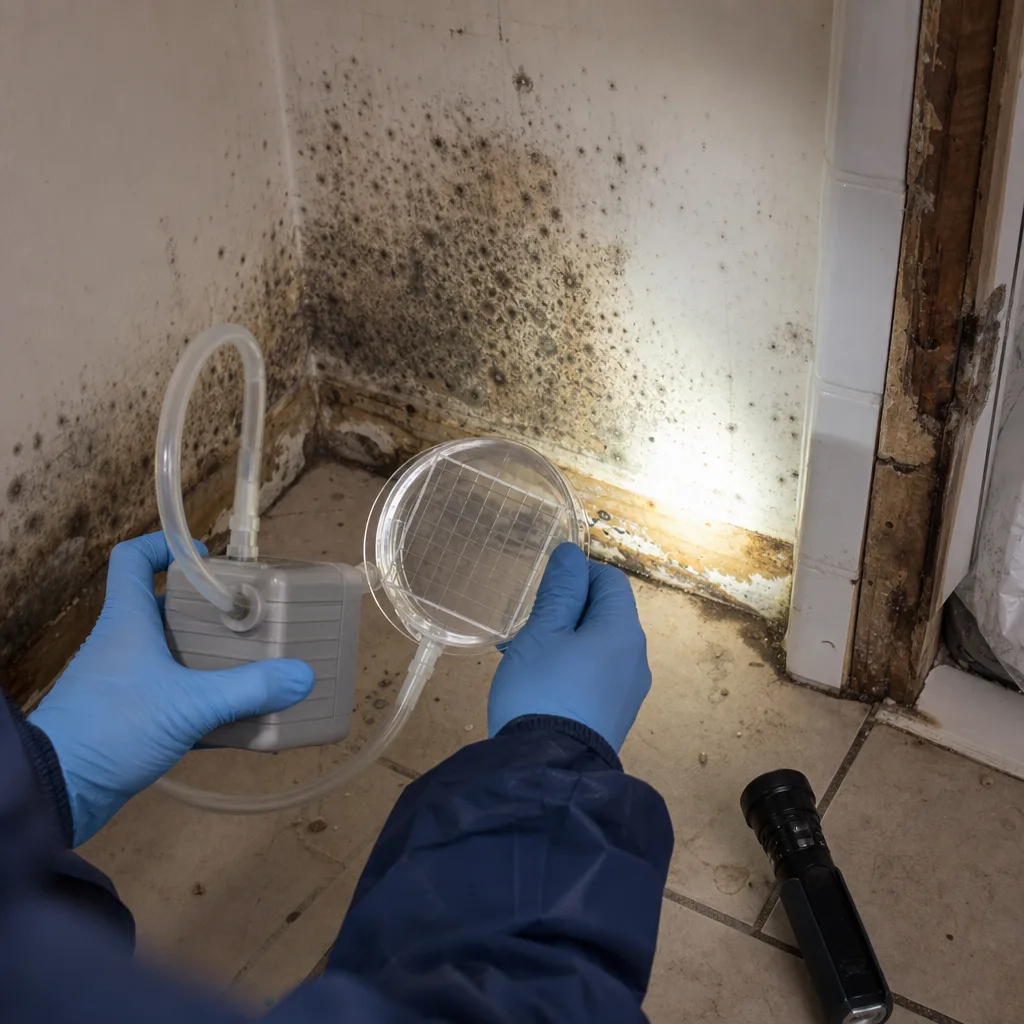
- Waiting for the stain to dry on its own. Drywall that has been wet and dried without controlled dehumidification retains elevated moisture in the core and paper facing. We’ve measured 8% surface readings on “dry” drywall with 14% readings at the core, well into the mold growth zone. Active drying with documented psychrometric data is required.
- Using bleach on mold. Bleach denatures surface growth but does not penetrate porous material. The water in bleach solution actually feeds deeper colonization. We use EPA-registered antimicrobial agents applied per IICRC S520, with documented contact time and post-treatment verification.
- Assuming new construction is immune. Mission Viejo’s 2015-2022 building boom produced homes with stucco installation defects, window flashing omissions, and condensate drain connections that separated during the first year of occupancy. We’ve documented water damage in homes less than 18 months old from every one of these causes.
- Ignoring seasonal patterns. The first Santa Ana wind event in October dries surface moisture and makes active leaks appear resolved. The moisture remains in the assembly and resumes migration when humidity returns. We recommend November moisture mapping for any home that showed summer stains.
- Accepting verbal scopes or “ballpark” pricing. Haven Standard, Clause 1 requires a written price before work begins. Any contractor who cannot produce a written scope with line-item pricing is not documenting for your claim. This is not a preference; it is the documentation gap that costs homeowners their recoverable depreciation.
- Photographing with flash and no scale. We receive hundreds of photos annually that are unusable for remote assessment. The homeowner waits two days for a callback, then we schedule a site visit that could have been avoided. Proper photography saves 48-72 hours in emergency response.
When to Call a Professional
Call for documented assessment when: moisture readings exceed the thresholds in this guide; you detect musty odor in any closed room; a stain has changed shape, color, or boundary in 72 hours; your HVAC system produces water or odor warnings; or you are preparing to file an insurance claim and need a photo record that meets adjuster standards. If you’re deciding whether to handle cleanup yourself, read our DIY vs Professional Damage Restoration: The Mission Viejo Homeowner’s Decision Guide first.
Do not wait for visible mold. By the time growth is visible to the unaided eye, airborne spore counts typically exceed 10,000 per cubic meter and the remediation scope includes containment, negative air pressure, and disposal of porous materials. Early intervention with documented drying costs a fraction of full remediation.
DryMark Restoration Mission Viejo offers free estimates in Mission Viejo - call (657) 297-0972. Every estimate includes moisture mapping, a written scope with line-item pricing before any work begins, and a photo record of the assessment. Our live dispatch answers 24 hours a day, 7 days a week with no voicemail on emergency lines. For fire and smoke damage restoration in Mission Viejo, the same documentation standards apply: written price, photo record, and 365-Day Done Right Promise under The Haven Standard.
Frequently Asked Questions
Initial moisture assessment and written estimate are free at DryMark Restoration Mission Viejo. The assessment includes pin-meter readings at up to 10 locations, thermal imaging scan, and a photo-documented report with a written scope and line-item pricing before any work begins. Call (657) 297-0972 to schedule - estimates are free.
Most homeowners policies cover sudden and accidental water damage but exclude long-term maintenance issues. The critical factor is documentation: when did the event start, when was it discovered, and what did you do upon discovery? Our photo records and moisture logs establish the timeline that insurers require. If you’ve documented the warning sign with a date-stamped photo, you have evidence of reasonable discovery. Call (657) 297-0972 and we will review your policy language and documentation at no charge.
For active water damage with moisture readings above 20% in structural wood or visible ceiling deflection, our live dispatch coordinates same-day response. For chronic moisture issues below the emergency threshold, we typically schedule within 24 hours. All response times are confirmed in writing with a documented appointment time, not a window. Emergency lines are answered by a live person 24 hours a day, 7 days a week - no voicemail trees.
Surface cleaning is appropriate only when: the moisture source is identified and eliminated; affected materials are non-porous (tile, metal, sealed wood); the growth area is less than 10 square feet; and post-cleaning air sampling shows spore counts within 1.5x of outdoor baseline. Any porous material with visible growth, any HVAC contamination, or any area exceeding 10 square feet requires professional remediation with containment and negative air pressure. We provide free second opinions on any competitor’s written estimate to confirm whether the recommended scope meets IICRC S520 standards.
For homeowner monitoring, a pin-type meter like the Delmhorst BD-210 or Protimeter Mini is sufficient. Expect to pay $150-$250. Pinless meters are cheaper but unreliable for layered materials like drywall with paint or tile with substrate. Learn to use it: take baseline readings in known-dry areas of your home, then compare suspect areas to those baselines. Document readings with date, location, and photo. If readings exceed 16% in wood or 4% in drywall, call for professional assessment with documented equipment calibration.
At DryMark Restoration Mission Viejo, we coordinate directly with your adjuster from the initial photo documentation through final billing. Our daily drying logs, written scopes, and room-by-room moisture readings are formatted to the documentation standards that adjusters recognize from RIA and IICRC protocols. We do not ask homeowners to mediate between us and the insurer. The photo record on every visit is shared with both you and your adjuster simultaneously, so there are no surprises at claim resolution. This documentation-first approach is why we’ve successfully processed claims with every major carrier serving Orange County.
The Bottom Line
Every major restoration job in Mission Viejo started with a warning sign that a homeowner either didn’t recognize or couldn’t interpret with numbers. This guide gives you those numbers: 16% wood moisture, 4% drywall moisture, 1,000 spores per cubic meter, 1/360 ceiling deflection. It shows you how to distinguish a record from an emergency, how to photograph evidence that an adjuster will accept, and how to read your HVAC system as the moisture source it often is. The gap between observation and action is where damage compounds and claims get complicated. Document what you see, measure what you can, and call for a written scope before the next seasonal weather pattern tests what you missed. Explore more guides & resources on protecting your Mission Viejo home.
Written by Alicia Brennan, Owner at DryMark Restoration Mission Viejo, serving Mission Viejo since 2011.