
Last updated September 23, 2026
Free visual inspection and a written scope of work before any mitigation begins - photos, moisture readings, and drying logs go in your claim file
The scope we write is the scope we bill. Anything new gets shown to you, in writing, before we touch it.
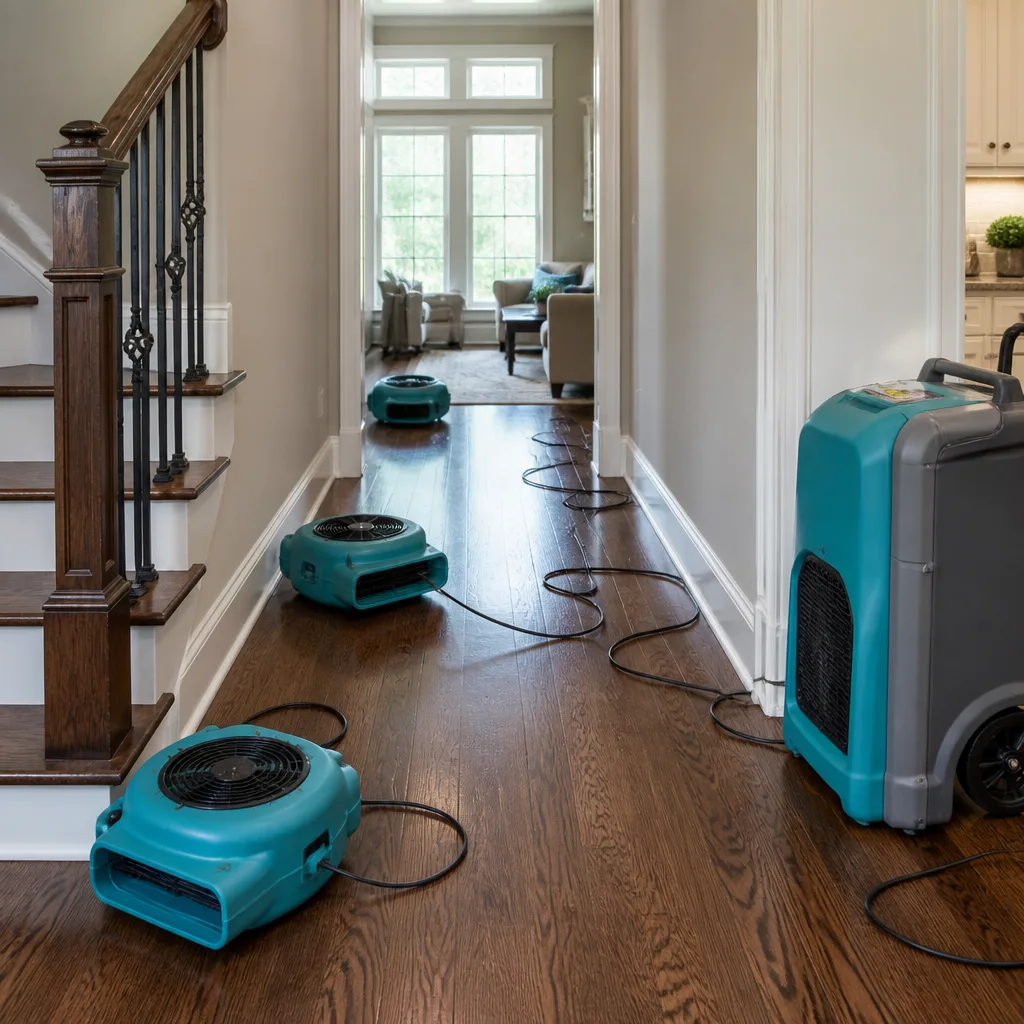
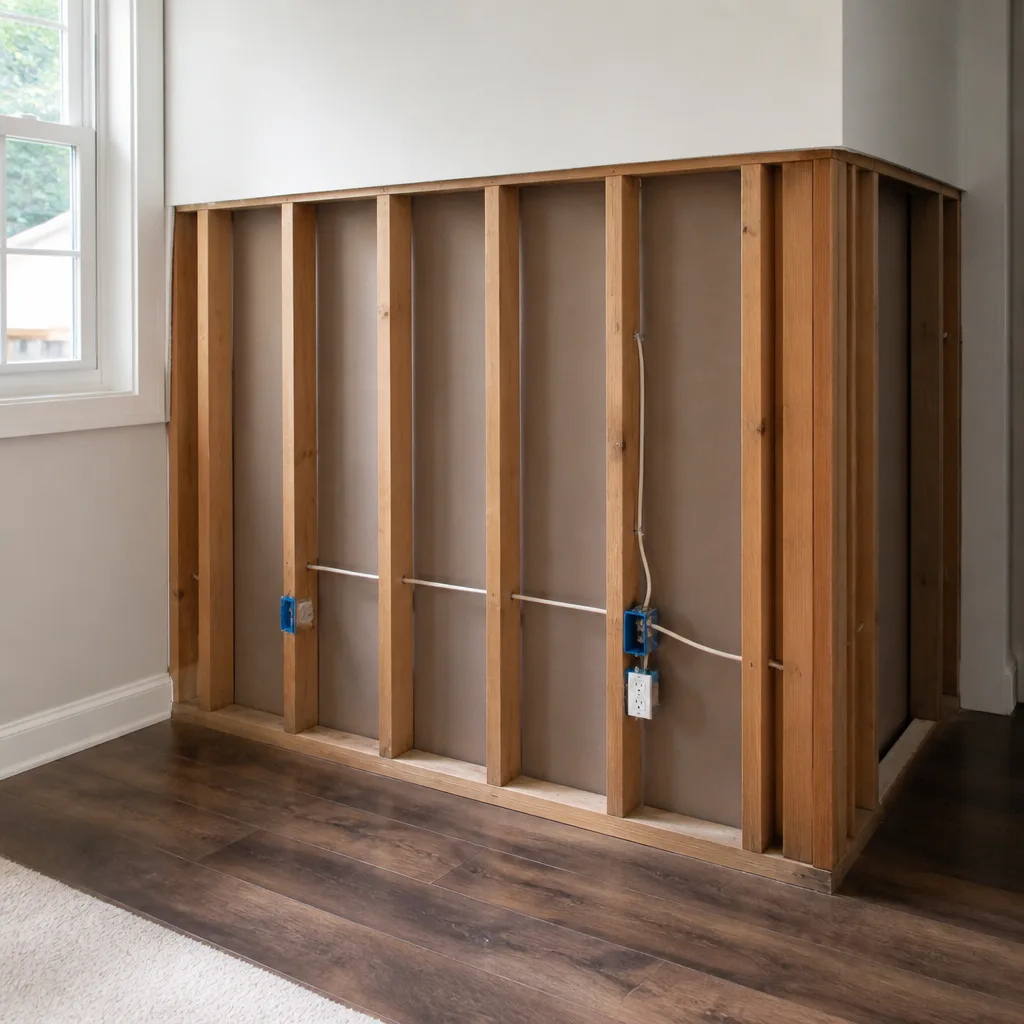
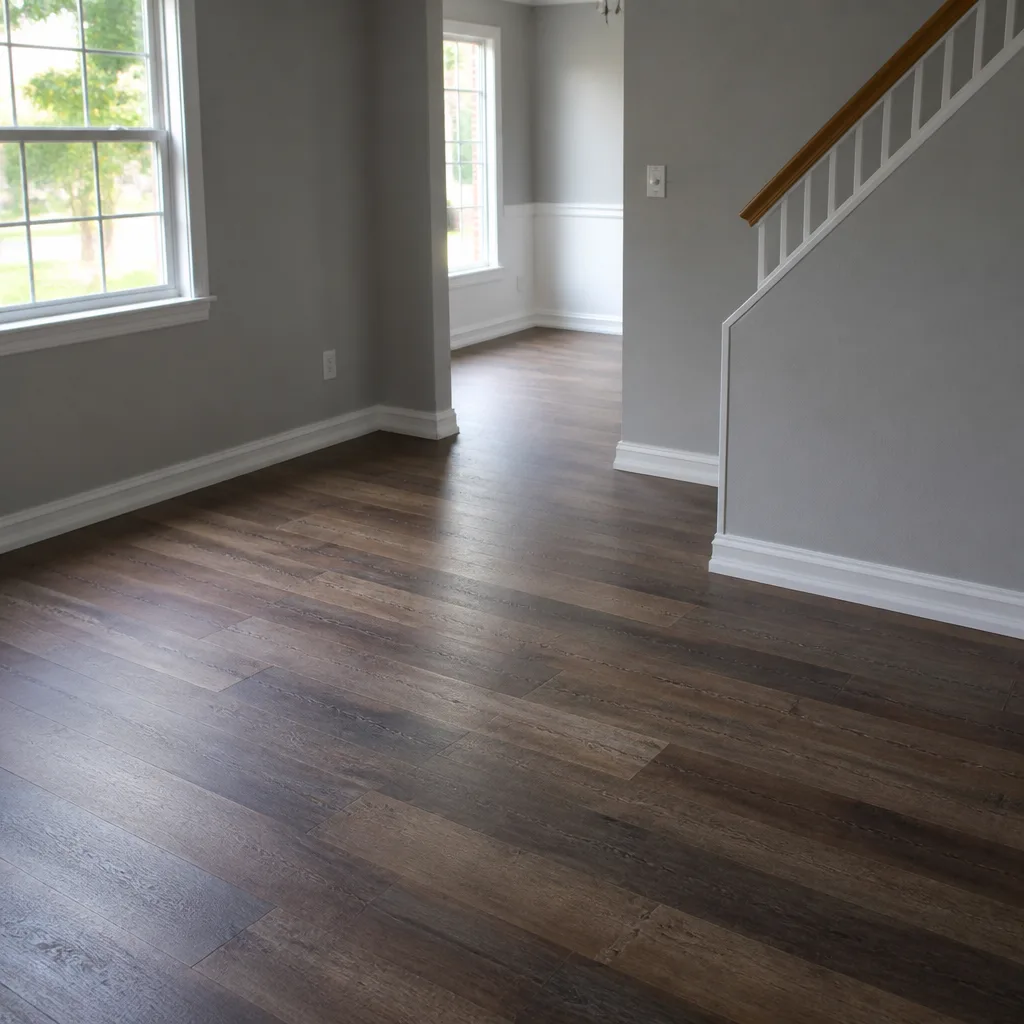
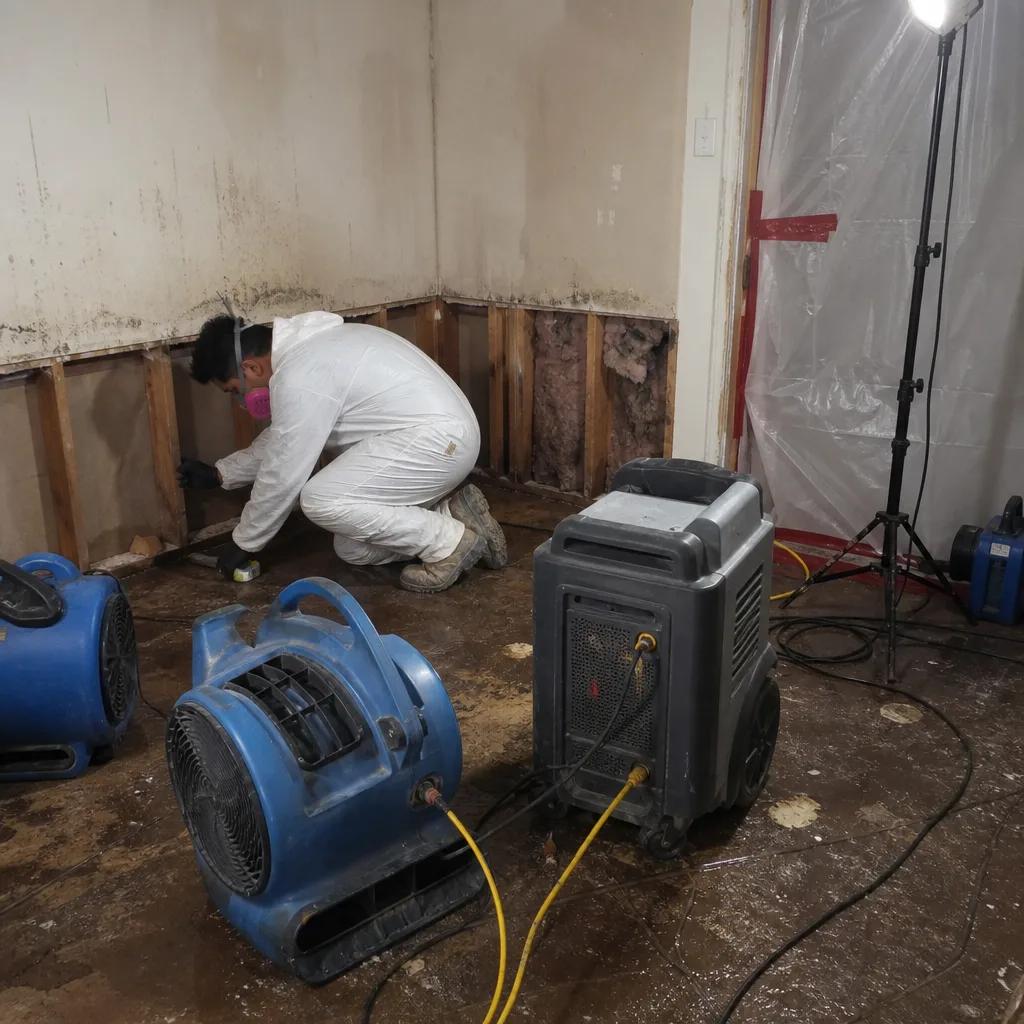 Before
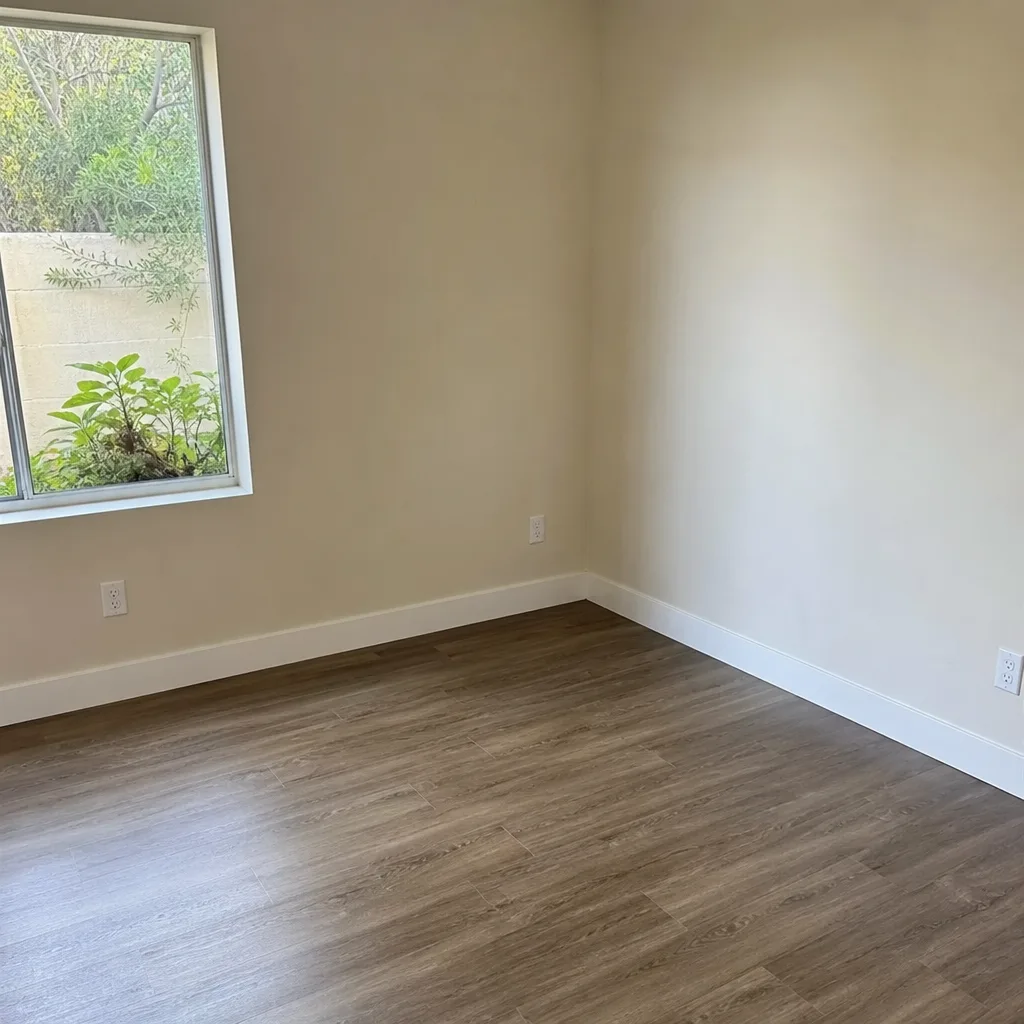 After
After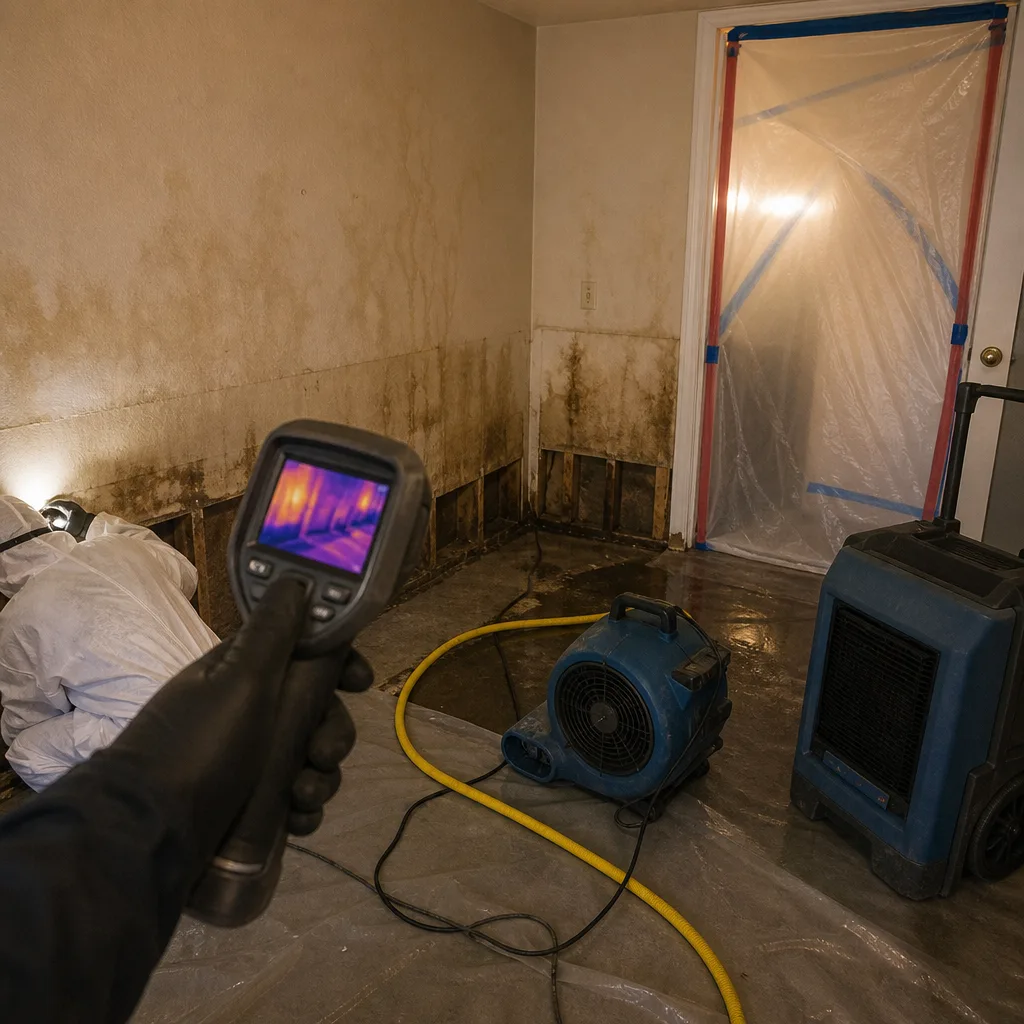 Before
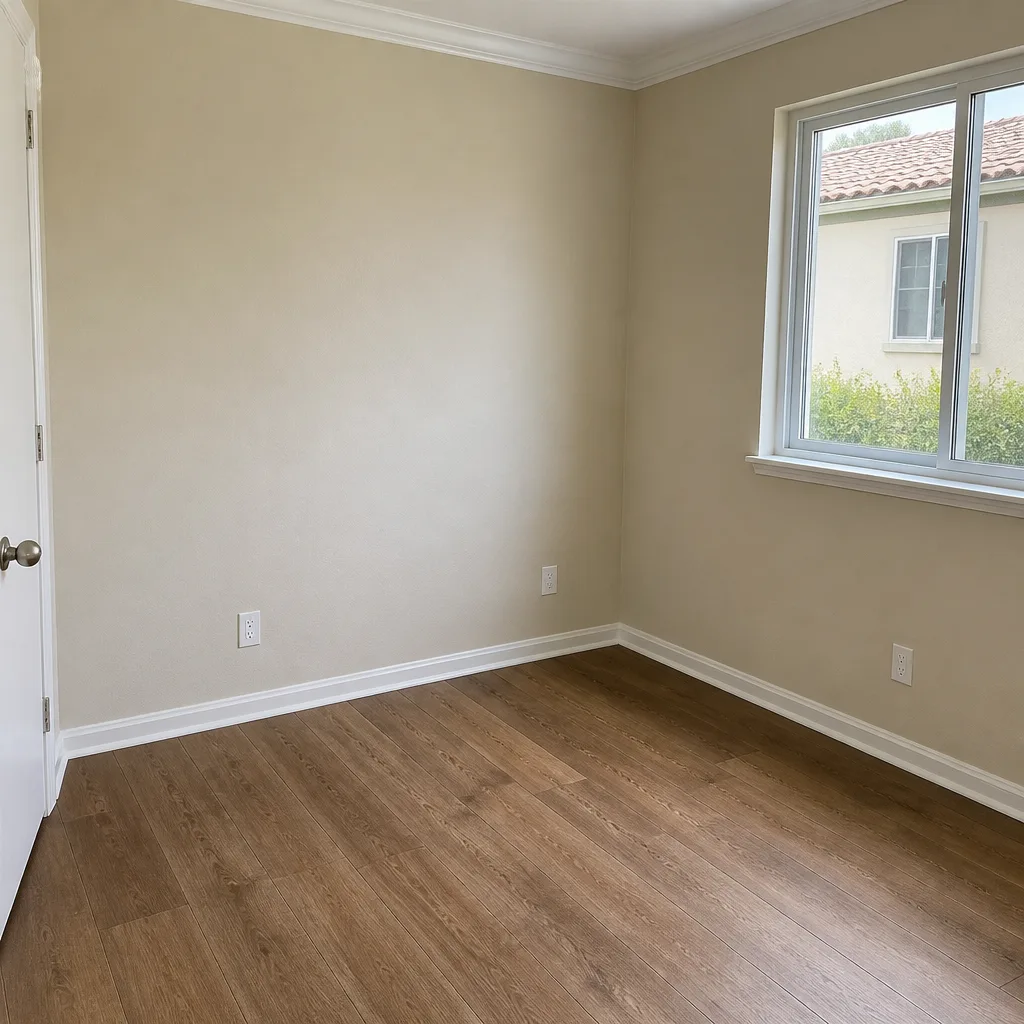 After
After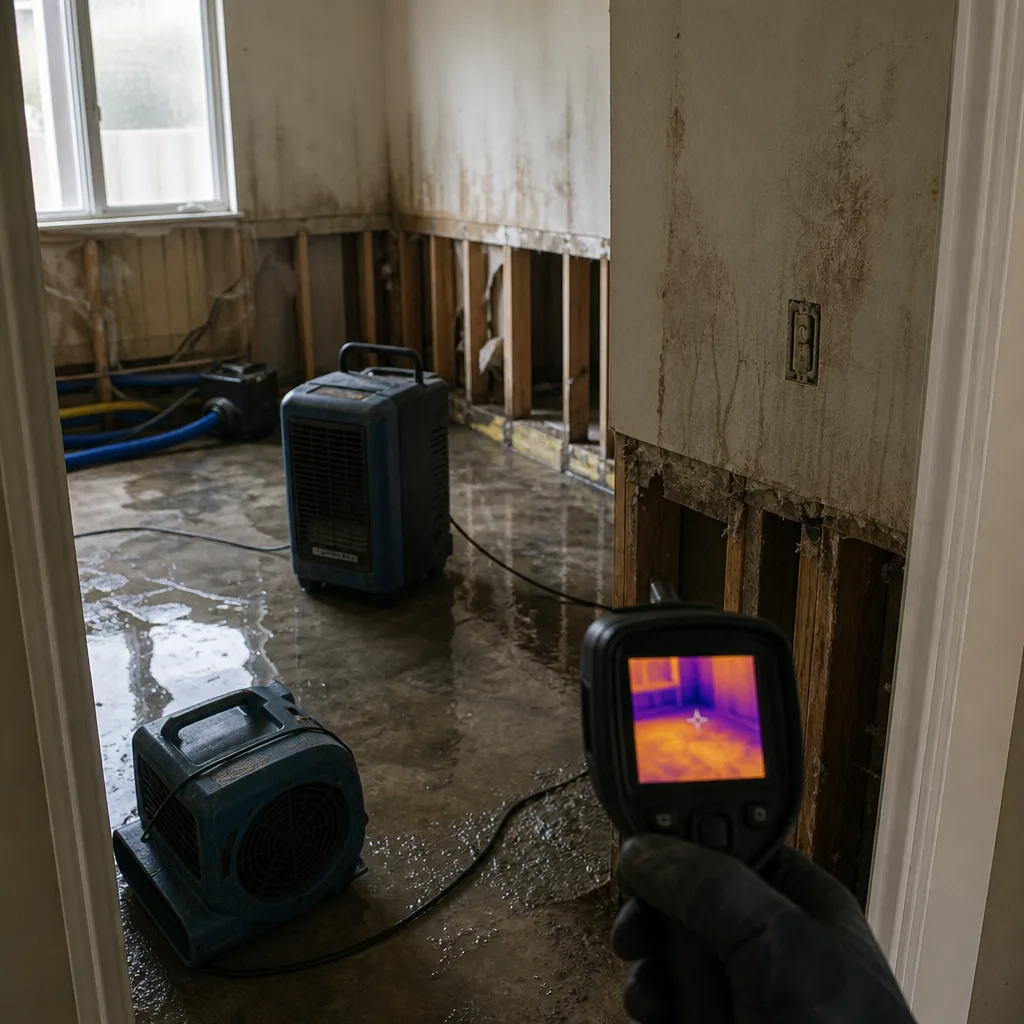 Before
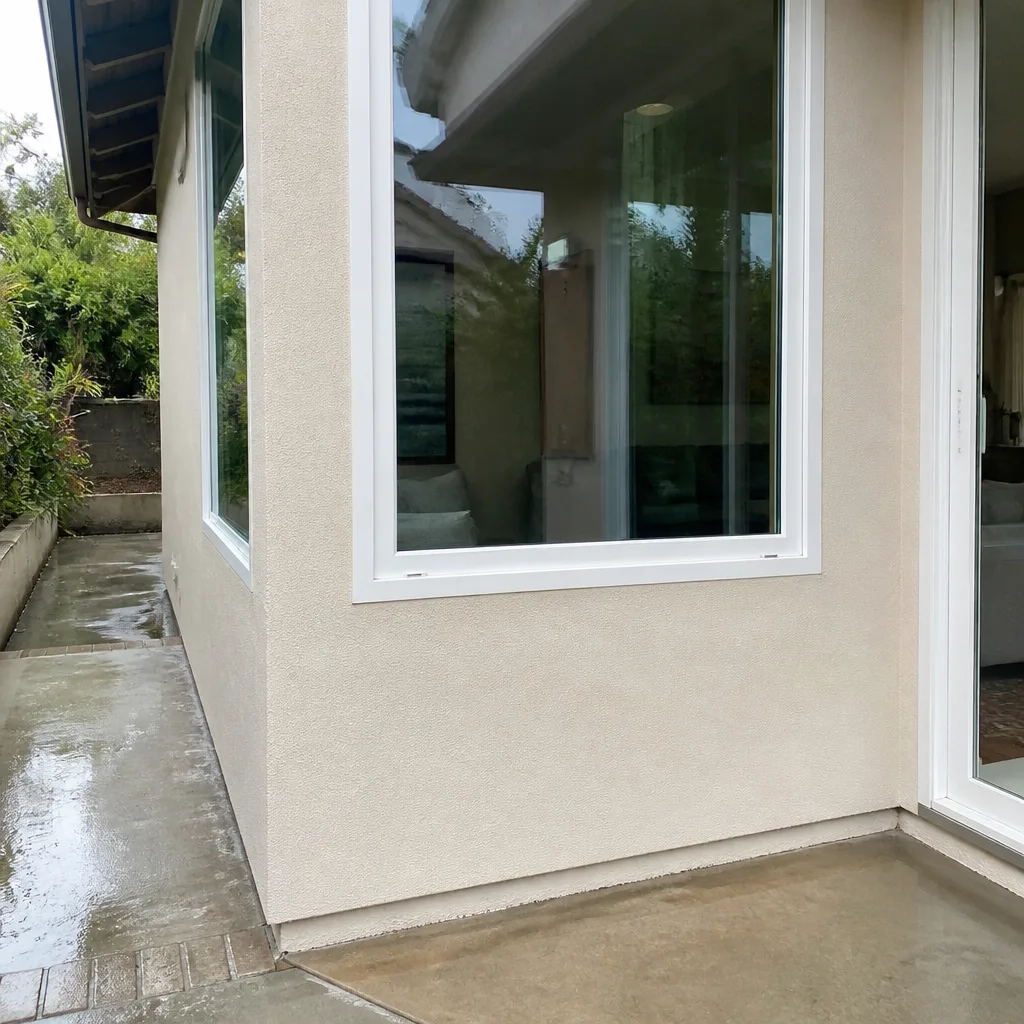 After
AfterHow to Hire a Damage Restoration Contractor in Mission Viejo: A Step-by-Step Guide
California’s CSLB license lookup takes 90 seconds, yet fewer than 15% of homeowners check it before signing an authorization form - a signature that can legally bind them to tens of thousands in charges. In Mission Viejo, where the 2022-2023 winter storms flooded basements in Pacific Hills and mold bloomed behind Laguna Niguel border townhome drywall within 72 hours, that 90-second check is often the difference between a documented recovery and a disputed invoice. This guide - alongside our Complete Guide to Damage Restoration in Mission Viejo - gives you a pre-vetted hiring framework built around verifiable credentials and written commitments, not sales pressure or speed.
Quick Answer
To hire a damage restoration contractor in Mission Viejo, verify their CSLB license classification (B-General, C-36 Plumbing, or C-61/D-64 for structural drying; C-61/D-49 for mold remediation), confirm active workers’ compensation and general liability insurance, demand a written scope with line-item pricing before authorizing work, and request proof of IICRC S500 or S520 certification. Never sign an Assignment of Benefits form or any document that transfers your insurance rights to the contractor.
Table of Contents
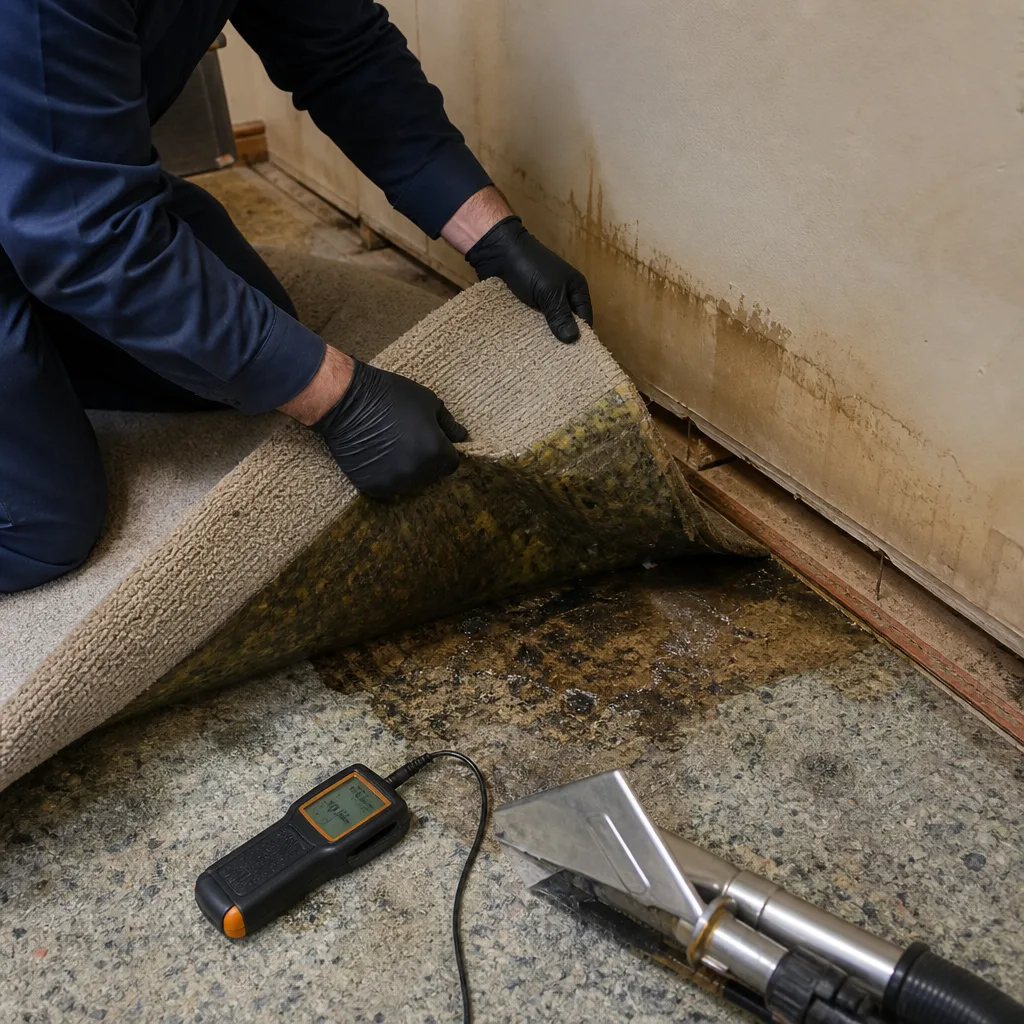
- How to Verify a Contractor’s License in California
- The Five Elements Every Written Scope Must Include
- Red Flags During the Intake Call
- How to Verify IICRC Compliance Claims
- What Post-Job Documentation You Should Receive
- Mission Viejo-Specific Considerations
- What Restoration Costs in Mission Viejo
- Common Mistakes to Avoid
- When to Call a Professional
- Frequently Asked Questions
 Before
 After
AfterHow to Verify a Contractor’s License in California
The Contractors State License Board maintains a public database at cslb.ca.gov. Enter the business name or the six- or seven-digit license number. The status must read “Active,” the classification must match the work being performed, and the workers’ compensation certificate must show current coverage or an exemption that applies only to officers with no employees.
For structural drying and water damage restoration in Mission Viejo, acceptable CSLB classifications include:
- B-General Building Contractor - can perform structural drying, demolition, and reconstruction
- C-36 Plumbing Contractor - authorized for water extraction, dehumidification, and plumbing-related drying
- C-61 Limited Specialty / D-64 Non-specialized - covers structural drying when paired with appropriate trade knowledge
- C-61 Limited Specialty / D-49 Tree and Landscaping - occasionally relevant for exterior drainage and moisture management, though less common for interior work
For mold remediation specifically, California requires C-61 / D-49 Mold Remediation or a B-General classification with documented mold-specific training. A contractor performing mold work without D-49 or equivalent qualification is operating outside their licensed scope. We’ve reviewed competitor estimates in Mission Viejo where the CSLB record showed only a C-33 Painting license - legally insufficient for either water damage restoration or mold remediation.
Check the “Bond History” tab. The contractor must carry a $25,000 bond active through the project period. Check “Complaint Disclosure” for any pending or resolved CSLB actions. A complaint filed six months ago for abandonment of a drying job in Lake Forest should appear here; if it doesn’t, the lookup wasn’t thorough.
Call the insurance carriers listed on the certificate of insurance directly. Do not accept a PDF at face value. Ask for the certificate holder to be named as “DryMark Restoration Mission Viejo customer” and request 30 days’ advance notice of cancellation. This takes four minutes and eliminates contractors who let coverage lapse between jobs.
The Five Elements Every Written Scope Must Include
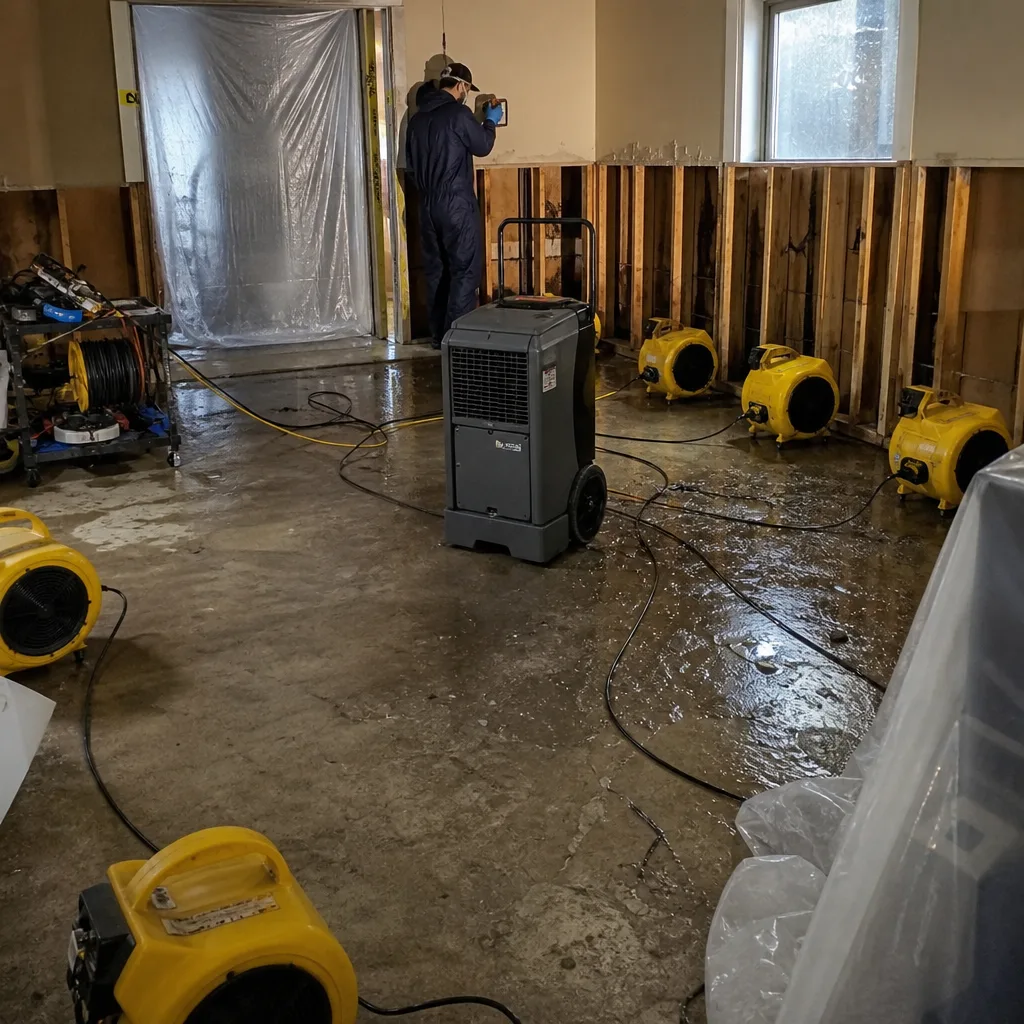
Haven Standard, Clause 1 exists because we’ve seen what happens without it: a crew arrives, places equipment, and the homeowner receives an invoice three days later with no prior agreement on duration, price, or endpoint. A written scope is not an estimate. It is a binding document that defines the work, the cost, and the measurable standard for completion.
Before any dehumidifier from XPOWER or B-Air crosses your threshold, the written scope must specify:
- Affected square footage by material classification. Carpet and pad at 32 square feet in the northeast bedroom. Ceramic tile at 18 square feet in the adjoining bathroom. MDF baseboard, 24 linear feet. Each material has a distinct drying curve and permeance rating; lumping them together signals a contractor who cannot produce the moisture logs your insurer will demand.
- Target moisture readings and measurement methodology. Wood framing must return to within 4% of a documented dry standard for that species and that ZIP code. In Mission Viejo, where summer humidity can spike into the 80s and winter marine layer keeps exterior walls damp, the dry standard for Douglas fir might read 11% in August and 14% in January. The scope must state the baseline reading, the target, and the instrument (pin-type moisture meter, thermo-hygrometer, or non-invasive radio frequency).
- Estimated duration with daily monitoring requirement. “Three to five days” is not a duration; it is a guess. The scope should state: “Equipment placement Day 1, daily moisture readings Days 1 through completion, anticipated removal Day 4 pending readings at or below target.” Each daily visit must be documented with psychrometric data - temperature, relative humidity, and specific humidity - recorded on a drying log.
- Line-item pricing for each phase. Emergency water extraction: $X. Equipment rental per day: $Y. Demolition and removal of non-salvageable materials: $Z. Reinstallation or reconstruction: quoted separately after dry standard is achieved. No lump-sum “restoration package” pricing. If the contractor cannot break down the invoice, they cannot defend it to your adjuster.
- Removal and disposal plan for non-salvageable materials. Category 3 water - sewage or groundwater - requires disposal at a licensed waste facility, not your municipal bin. The scope must name the disposal site or the hauling contractor, cite California EPA waste codes where applicable, and specify who bears the hauling cost.
At DryMark Restoration Mission Viejo, we deliver this scope as a signed document before equipment placement. The customer initials each of the five elements. No work proceeds without that signature, and no charges accrue beyond the written scope without a written change order citing new conditions discovered during demolition.
Red Flags During the Intake Call
The intake call reveals more than the contractor’s availability. It reveals their documentation discipline, their pressure tactics, and their relationship to your insurance claim. These are the signals we’ve learned to recognize across 12,000+ restoration jobs since 2011.
Vague timelines delivered with absolute confidence. “We’ll have someone there in 30 minutes” sounds reassuring until you learn the crew is coming from San Bernardino at 5:30 PM on a Friday. Ask for the dispatch location. Ask for the technician’s name and CSLB classification. A legitimate operation has this information in the dispatch system and shares it without hesitation.
No written estimate before authorization. Any contractor who asks you to sign a “work authorization” or “direction to pay” before presenting line-item pricing is asking for a blank check. In Mission Viejo, we’ve reviewed invoices where this authorization led to $14,000 in equipment rental charges for a 400-square-foot drying job that should have concluded in 72 hours.
Pressure to sign an Assignment of Benefits (AOB) form. An AOB transfers your insurance policy rights to the contractor, who then bills your insurer directly and negotiates the claim on their own behalf. California does not prohibit AOBs in property insurance, but major carriers now reject AOB-submitted invoices or apply steep depreciation penalties. You lose control of your claim, your right to dispute charges, and your ability to seek a second opinion. A contractor pushing an AOB is not working for you; they are working your policy.
Refusal to name equipment manufacturers or drying standards. “Professional-grade equipment” means nothing. Ask: What dehumidifier model? What air mover CFM rating? Is the drying plan documented to IICRC S500? A contractor using Injectidry hardwood floor drying panels or B-Air axial air movers should be able to name them and explain why that equipment suits your specific material loss.
No discussion of post-job documentation. If the intake call ends with “we’ll send you the bill” and no mention of moisture logs, photo records, or drying certificates, the documentation gap that costs homeowners their claims is already opening. Ask directly: “What file do I receive when the job is done, and in what format?”
How to Verify IICRC Compliance Claims
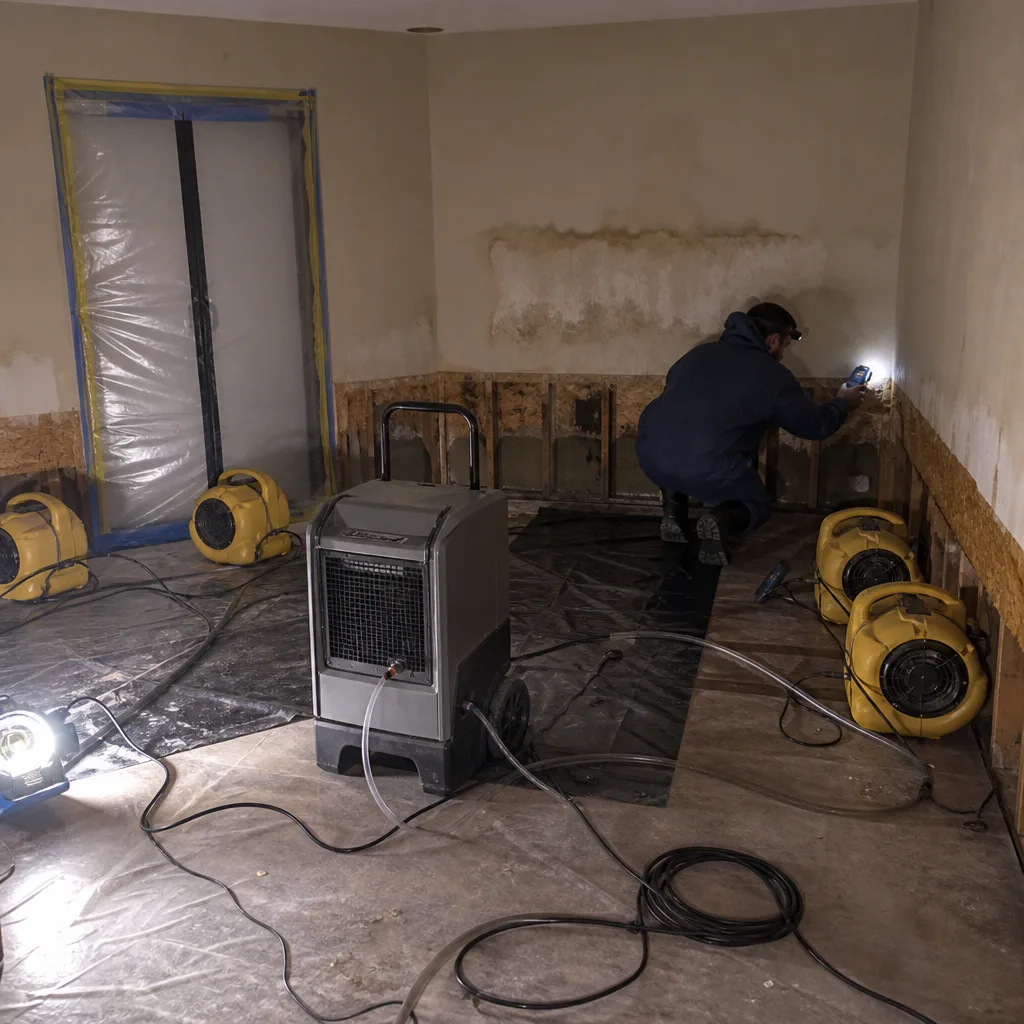
The Institute of Inspection, Cleaning and Restoration Certification sets the S500 Standard and Reference Guide for Professional Water Damage Restoration and the S520 Standard for Professional Mold Remediation. These are not certifications a company buys; they are standards technicians train to, test against, and apply in the field. A contractor claiming “IICRC certified” without specificity is making a statement that cannot be verified.
Ask these questions:
- Which technicians hold current IICRC certifications, and in what disciplines? WRT (Water Damage Restoration Technician), ASD (Applied Structural Drying), AMRT (Applied Microbial Remediation Technician), and CDS (Commercial Drying Specialist) are distinct credentials. A company may have one WRT holder on staff and claim “IICRC certified” while sending uncertified technicians to your Mission Viejo home.
- Can I see a sample drying log from a completed job? An IICRC S500-compliant drying log contains: date and time of each reading, room identifier, equipment inventory and serial numbers, temperature in Fahrenheit, relative humidity percentage, specific humidity grains per pound, dew point, and moisture content readings for affected materials with instrument type noted. It should span every day equipment was on-site, including weekends. A log with gaps of 48 or 72 hours indicates equipment was left running unsupervised - a practice that extends dry times and inflates rental charges.
- How is psychrometric data used to adjust the drying plan? Psychrometrics is the study of air and moisture relationships. A competent technician uses psychrometric calculations to determine vapor pressure differential - the force that drives moisture from wet materials into the drier air - and adjusts dehumidifier capacity or air mover positioning accordingly. If the contractor cannot explain this in plain language, they are not making data-driven decisions; they are placing equipment and hoping.
The drying log matters to your insurer because it is the only evidence that drying was performed to a standard, monitored daily, and concluded at a documented endpoint. Without it, your carrier may apply “inadequate documentation” penalties or deny equipment rental charges entirely. We’ve rebuilt drying logs for Mission Viejo homeowners whose original contractors disappeared with the paperwork, leaving them to absorb $8,000 in disputed charges.
What Post-Job Documentation You Should Receive
The job ends when the equipment leaves, but your need for documentation persists through claim settlement, potential resale, and warranty enforcement. These are the deliverables a restoration contractor should provide, who should own them, and what happens when disputes arise months later.
The complete file you receive:
- Drying log with daily psychrometric readings - PDF format, dated, with technician initials on each entry
- Photo record with metadata - before, during, and after images, geotagged and time-stamped, showing moisture meter readings in frame
- Written scope and any change orders - the original signed document plus amendments for conditions discovered during demolition
- Certificate of completion or drying certificate - stating that affected materials returned to within specified moisture content ranges
- Equipment placement and removal log - serial numbers, placement dates, removal dates, and total rental days per unit
- Warranty documentation - the 365-Day Done Right Promise or equivalent, with claim procedure and contact information
Who owns the file: You do. The contractor retains copies for their records, but the homeowner receives the complete documentation package at job completion, not upon request, not for a fee. If your contractor treats the file as proprietary, they are positioning themselves as a necessary intermediary between you and your insurer - a role that generates delay and additional billing.
What happens if your claim is disputed 90 days after work ends: The contractor must produce their copy of the documentation within 10 business days of a written request. At DryMark Restoration Mission Viejo, we maintain job files for seven years and provide duplicate documentation to homeowners or their adjusters at no charge. Ask your prospective contractor their file retention period and reproduction policy before authorizing work. A contractor who purges files at 60 days leaves you exposed to late-developing mold claims or insurer audits.
Mission Viejo-Specific Considerations
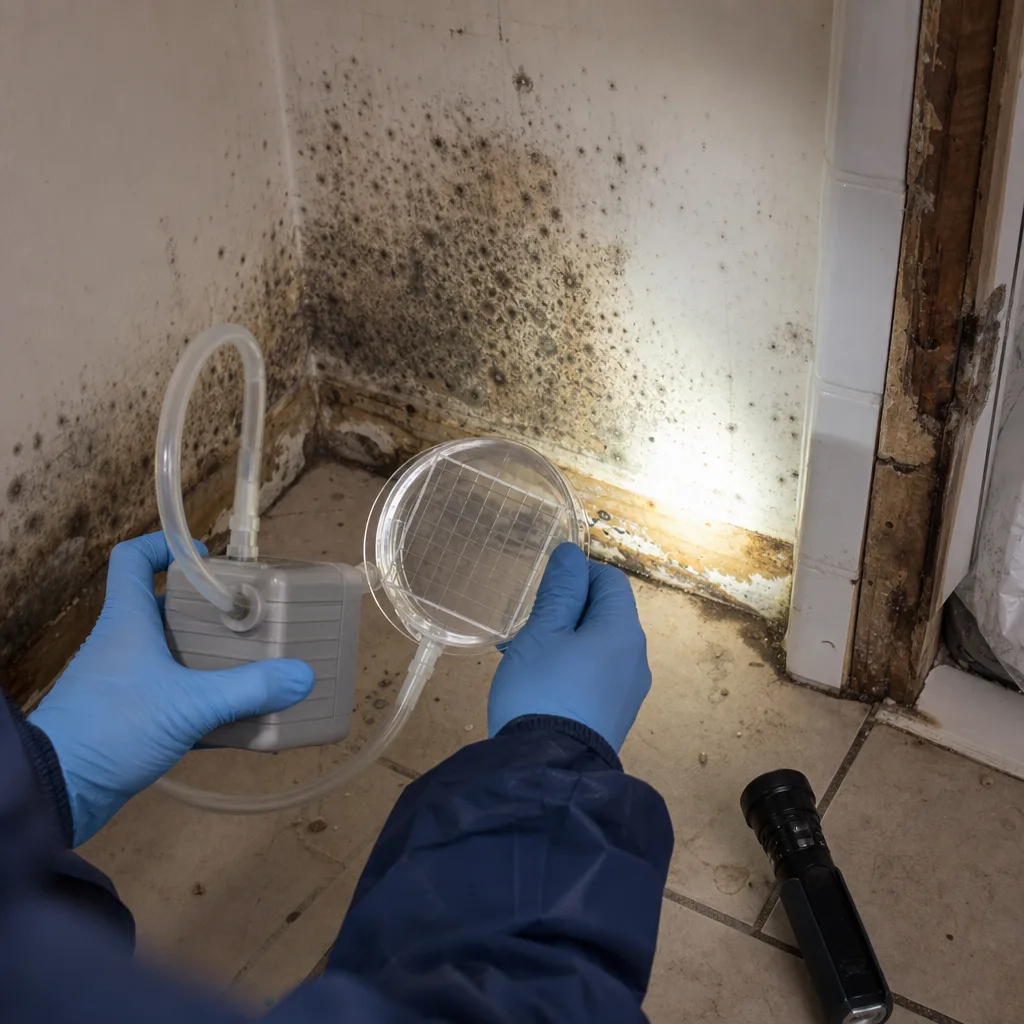
Mission Viejo’s geography and building stock create restoration scenarios that differ from inland Orange County markets. Our Seasonal Damage Restoration Care for Mission Viejo: Year-Round Homeowner’s Guide covers additional local variables, and understanding these helps you evaluate whether a contractor has actual local experience or simply bought a ZIP code in a lead-generation network.
Marine layer moisture and delayed discovery. The city’s proximity to Laguna Beach and the Pacific means summer marine layer can sustain exterior wall moisture for weeks. We’ve found hidden mold in Mission Viejo tract homes from the 1970s where stucco cracks admitted fog-laden air into wall cavities with no plumbing leak involved. A contractor who treats every moisture source as a plumbing failure will miss these cases and leave the root cause unaddressed.
Slab-on-grade construction in older neighborhoods. Homes built before 1985 in areas like Casta del Sol and Granada often lack raised foundations. Water migrates horizontally across slab surfaces rather than draining below, wicking into base plates and drywall within hours. Effective drying requires sealed containment and negative air pressure to prevent cross-contamination - techniques that differ fundamentally from crawl space drying.
HOA notification requirements. Many Mission Viejo communities operate under homeowners associations with specific damage reporting timelines. A contractor familiar with local HOA management companies - FirstService Residential, Associa, or Keystone - can provide the documentation format these entities expect, preventing fines or coverage disputes for delayed notification.
Orange County Health Care Agency coordination. Category 3 water losses and biohazard scenes in Mission Viejo fall under OCHCA jurisdiction for waste disposal verification. Contractors must produce waste manifests matching the disposal facility named in the written scope. We’ve encountered competitors who claimed Mission Viejo jobs but routed waste to unpermitted facilities in Riverside County, creating liability exposure for the homeowner.
What Restoration Costs in Mission Viejo
Pricing transparency is Haven Standard, Clause 1. Below are the ranges we observe in the Mission Viejo market for standard restoration scenarios, based on 2023-2024 job data. Your specific loss may vary based on access difficulty, material type, and extent of contamination.
| Service | Typical Range | Factors Affecting Price |
|---|---|---|
| Emergency water extraction (up to 1,000 sq ft) | $450 - $1,200 | Standing depth, accessibility, power availability |
| Structural drying (per day, equipment rental) | $95 - $185 | Dehumidifier capacity, air mover count, containment needs |
| Category 1 water damage, full dry-out | $2,800 - $5,500 | Duration, material removal, reconstruction scope |
| Category 3 sewage backup remediation | $4,500 - $9,000 | Contamination extent, PPE requirements, disposal fees |
| Mold remediation, confined area (under 100 sq ft) | $1,200 - $2,800 | Containment complexity, HVAC isolation, post-remediation verification |
| Mold remediation, whole-room (100-300 sq ft) | $3,500 - $7,500 | Demolition depth, sheathing replacement, air scrubber days |
| Fire/smoke damage, light soot | $3,000 - $6,500 | Square footage, content cleaning, odor source location |
| Fire/smoke damage, heavy structural | $8,500 - $25,000+ | Reconstruction scope, code upgrades, content inventory |
These ranges reflect the Mission Viejo market specifically, where labor costs track 12-15% above national averages and permit fees for reconstruction trigger at $1,000 in valuation. A contractor quoting significantly below these ranges may be omitting disposal fees, using uncertified labor, or planning to supplement with change orders once work begins.
We provide Water Damage Restoration in Mission Viejo with written prices before work starts on every job, including free second opinions on any competitor’s written estimate. Bring us their scope; we’ll identify what’s missing and what it should cost.
Common Mistakes to Avoid
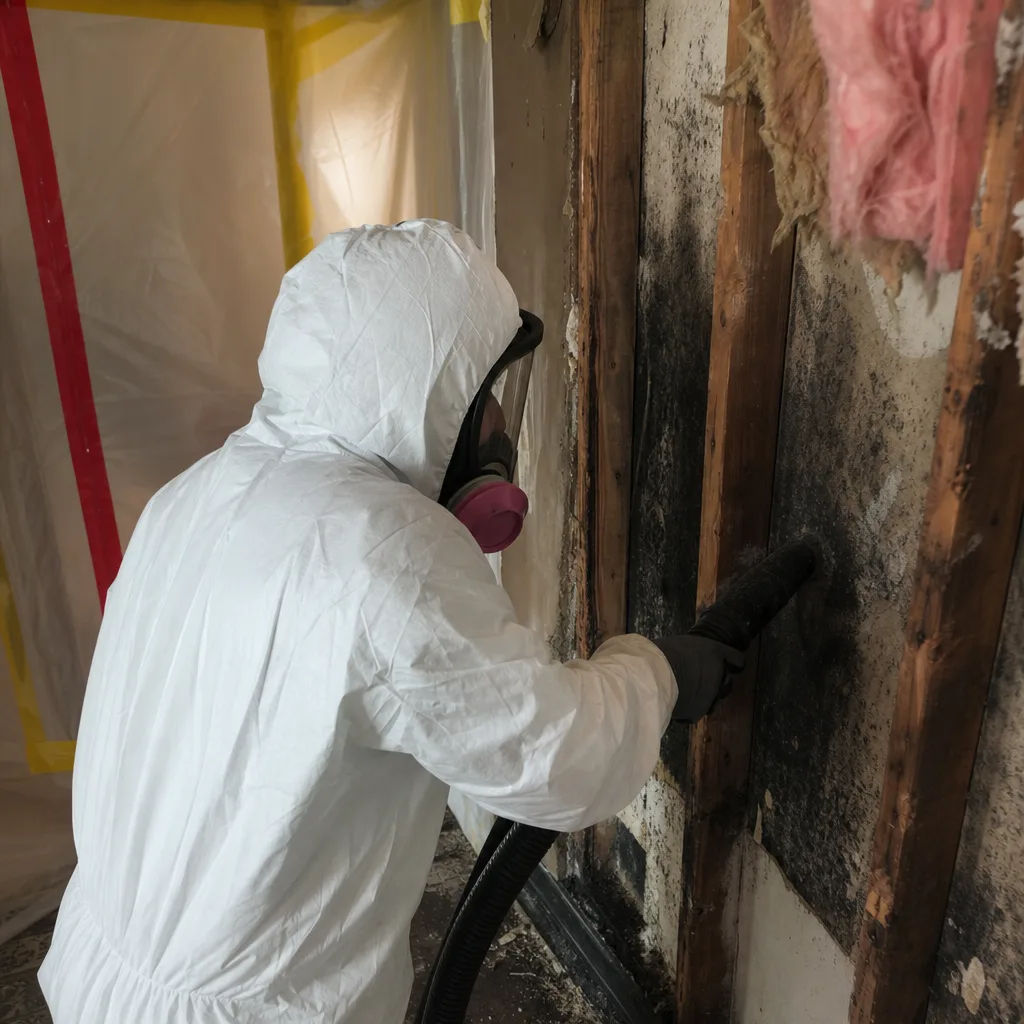
- Verifying only the company name, not the individual technician. The CSLB license belongs to the business entity, but the person performing demolition or mold remediation in your Mission Viejo home must be an employee or documented subcontractor under that license. Ask for the technician’s name and verify they appear on the company’s CSLB personnel roster.
- Accepting a “verbal estimate” over the phone. California law does not require written estimates for emergency services, but Haven Standard, Clause 1 does. A verbal estimate cannot be submitted to your insurer, cannot be used to dispute inflated final invoices, and cannot be enforced in small claims court.
- Ignoring the moisture meter reading at job completion. The crew packs equipment and leaves a “dry certificate.” You sign. Three months later, mold appears behind the same wall. The certificate was based on surface readings only, with no probing of framing or sheathing. Insist on pin-probe readings at multiple depths, documented in the drying log, before signing completion.
- Hiring a reconstruction contractor before the dry standard is verified. We’ve torn out new drywall in Mission Viejo homes where the contractor rebuilt over damp framing, trapping moisture and guaranteeing mold recurrence. Dry first. Rebuild second. No exceptions.
- Failing to document pre-existing conditions. Water damage reveals old leaks, prior repairs, and maintenance deficiencies. Photograph everything before the restoration crew disturbs it. Your insurer may attempt to exclude “long-term damage” from coverage; your photo record is the counter-evidence.
- Signing documents under time pressure. “We can’t start extraction until you sign” is a common tactic. The truth: emergency water extraction is a discrete service with a defined price. Sign for extraction only if you must, then require the full written scope before any drying equipment is placed.
- Neglecting to ask about the warranty claim process. A “lifetime guarantee” with no written procedure is marketing language. The 365-Day Done Right Promise specifies: notification method, response timeline, scope of corrective work, and exclusions. Ask for the same specificity from any contractor.
When to Call a Professional
Some damage scenarios in Mission Viejo require immediate professional intervention regardless of your DIY capability. Category 3 water - sewage, groundwater, or any water that has passed through structural materials - carries bacterial and viral contamination that household disinfectants cannot address. Fire damage with compromised electrical systems presents electrocution risk even when breakers appear functional. Mold covering more than 10 square feet, or mold in HVAC systems, requires containment and negative air pressure that residential equipment cannot achieve.
Call when: standing water exceeds your wet/dry vacuum capacity; you smell mustiness but cannot locate the source; drywall is sagging or discolored; your moisture meter (if you own one) reads above 16% on wood framing; or your insurer has already assigned an adjuster and you need documentation-aligned estimates.
DryMark Restoration Mission Viejo offers free estimates in Mission Viejo - call (657) 297-0972. A live person answers every call, 24 hours a day, 7 days a week, with no voicemail on emergency lines. We provide Mold Remediation in Mission Viejo and Fire & Smoke Damage Restoration in Mission Viejo with the same documentation standards: written price before work begins, photo record on every visit, and the 365-Day Done Right Promise under The Haven Standard.
Frequently Asked Questions
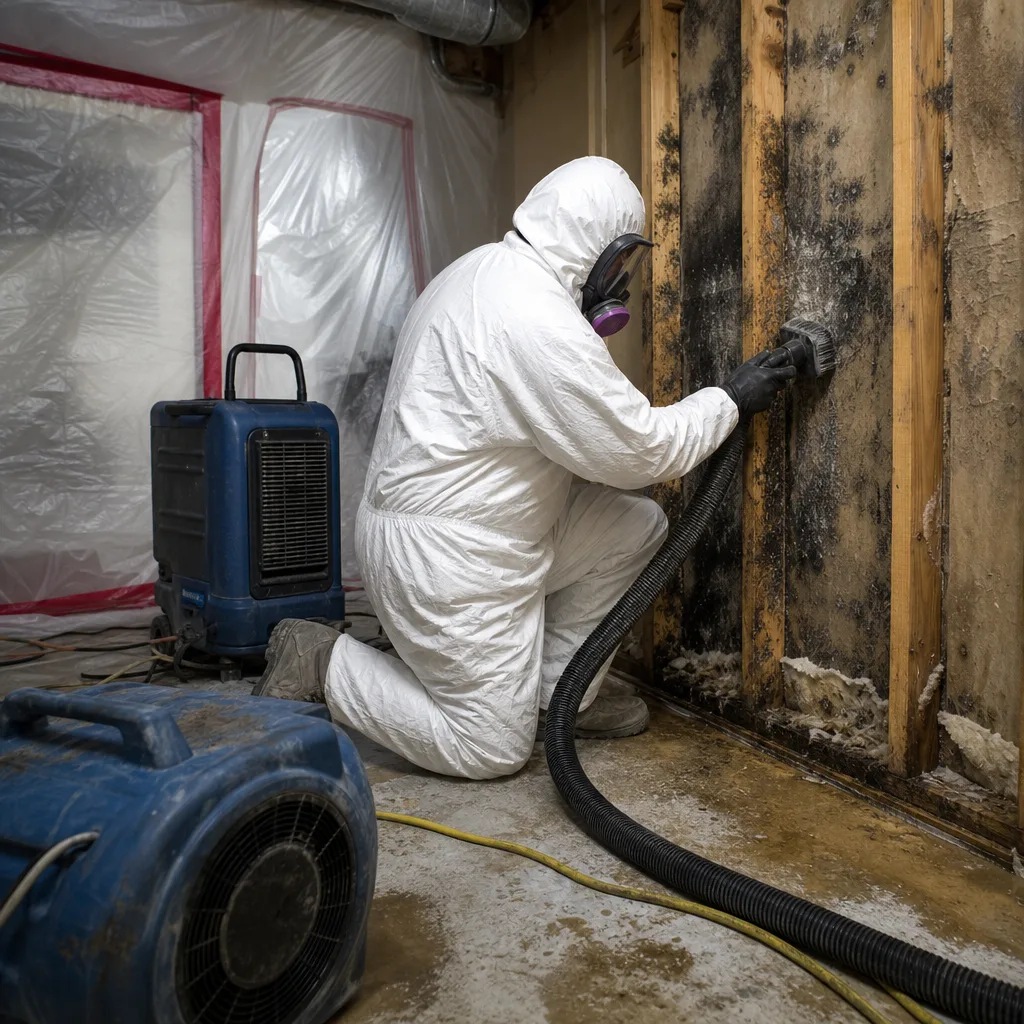
Visit cslb.ca.gov, enter the business name or license number, and verify “Active” status, correct classification for the work type, and current workers’ compensation coverage. The entire check takes under two minutes and can prevent tens of thousands in disputed charges. Call us at (657) 297-0972 if you need help interpreting what you find - we’re happy to walk through it.
A written scope must specify affected square footage by material, target moisture readings with methodology, estimated duration with daily monitoring, line-item pricing for each phase, and a removal and disposal plan for non-salvageable materials. Anything less is not a scope; it’s a guess. DryMark Restoration Mission Viejo delivers all five elements in writing before any equipment placement, per Haven Standard, Clause 1.
Most homeowner policies cover sudden and accidental water damage from plumbing failures, appliance ruptures, or storm intrusion, but exclude gradual leaks, flood (without separate flood coverage), and sewer backup (without sewer endorsement). The key to coverage is documentation: photo evidence of the sudden event, moisture logs proving the damage was addressed promptly, and a written scope the adjuster can reconcile against the policy limits. We coordinate directly with adjusters and provide the file format most major carriers expect.
Emergency water extraction can typically dispatch within 60-90 minutes during business hours and 90-120 minutes overnight, depending on crew location and traffic on the 5 or 405 corridors. Reconstruction and non-emergency mold remediation are scheduled, not dispatched, and should never be promised as same-day service. Ask for the specific dispatch address and technician name; vague “we’re on our way” responses without this information suggest a third-party referral network, not a direct operation.
California recommends professional remediation for mold exceeding 10 square feet or located in HVAC systems, behind walls, or in crawl spaces. DIY cleaning of visible surface mold with bleach often drives spores airborne without removing the moisture source, creating wider contamination. We provide free second opinions on any competitor’s mold assessment - bring their scope and we’ll tell you if the remediation boundary, containment plan, and post-remediation verification are appropriate for your specific loss.
You retain that right unless you sign an Assignment of Benefits. A legitimate contractor documents the loss, provides the adjuster with moisture logs, photo records, and written scopes, and answers technical questions - but the claim remains yours to control. We photograph every affected room, compile daily drying logs to IICRC standards, and submit documentation in the format your adjuster’s desk expects, without requiring an AOB or any transfer of your policy rights.
The Bottom Line
The worst time to evaluate a restoration contractor is while standing in two inches of water. The framework above - CSLB verification, written scope with five mandatory elements, IICRC compliance confirmation, and post-job documentation ownership - gives Mission Viejo homeowners a defensible hiring process that works at 2:00 AM or 2:00 PM. For ongoing education, explore more guides & resources from our team. The contractors who resist this transparency are not protecting trade secrets; they are avoiding accountability. The ones who deliver it, clause by clause and reading by reading, are the ones whose invoices become claims that insurers pay without a fight.
Written by Alicia Brennan, Owner at DryMark Restoration Mission Viejo, serving Mission Viejo since 2011.