
Last updated September 23, 2026
Free visual inspection and a written scope of work before any mitigation begins - photos, moisture readings, and drying logs go in your claim file
The scope we write is the scope we bill. Anything new gets shown to you, in writing, before we touch it.
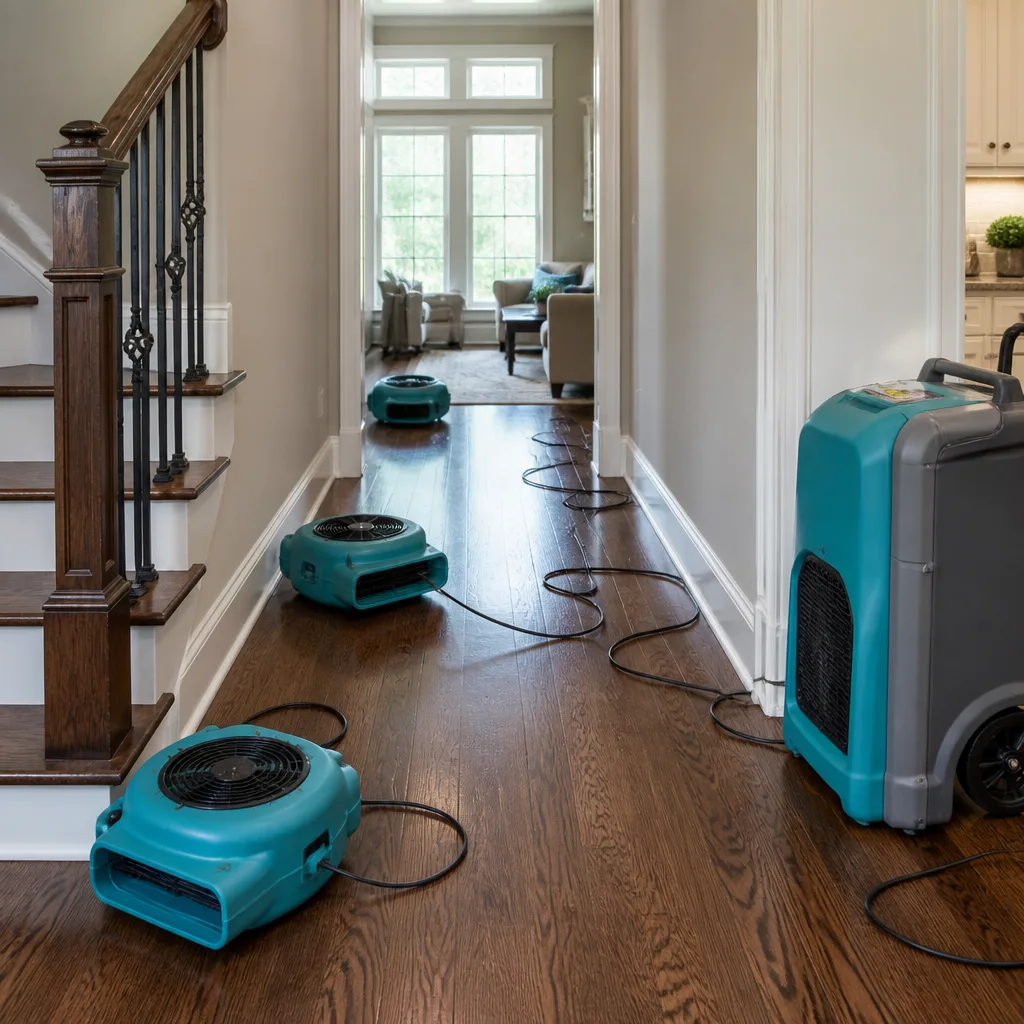

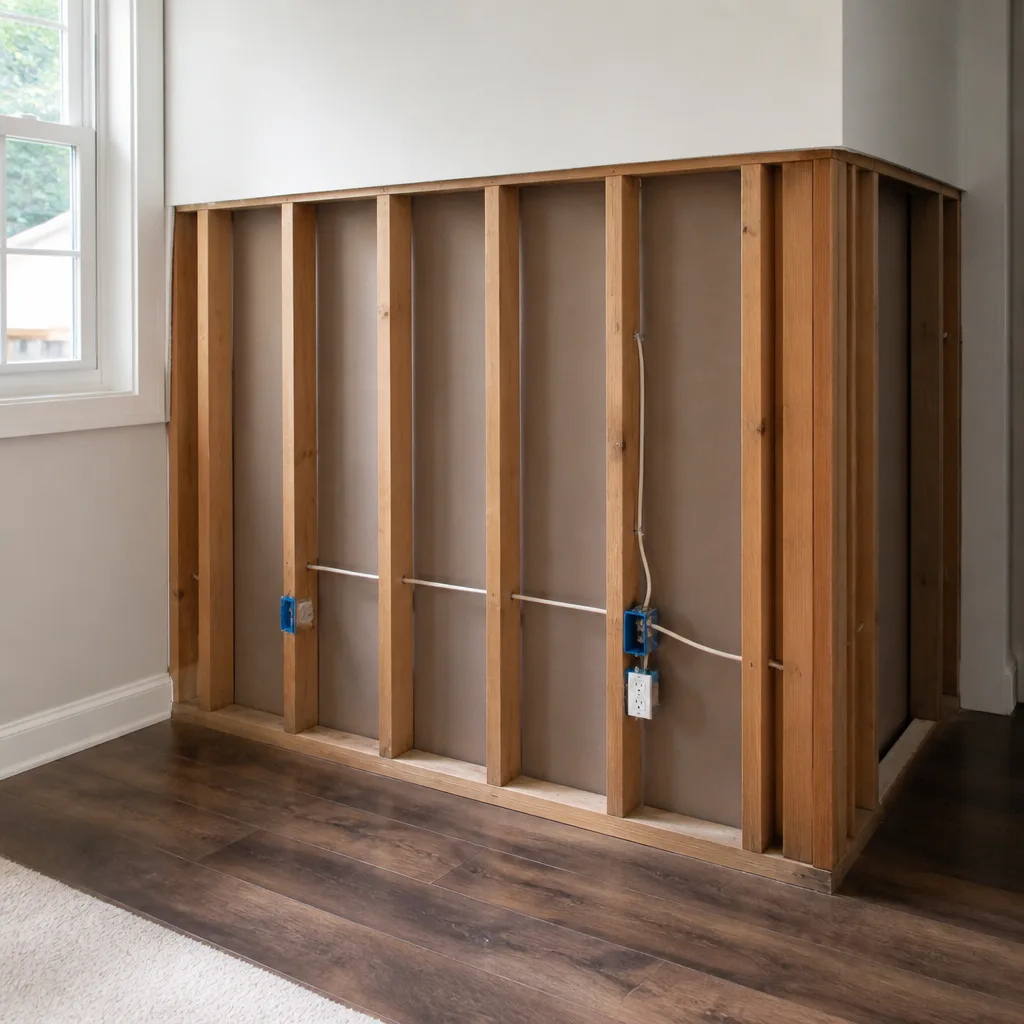

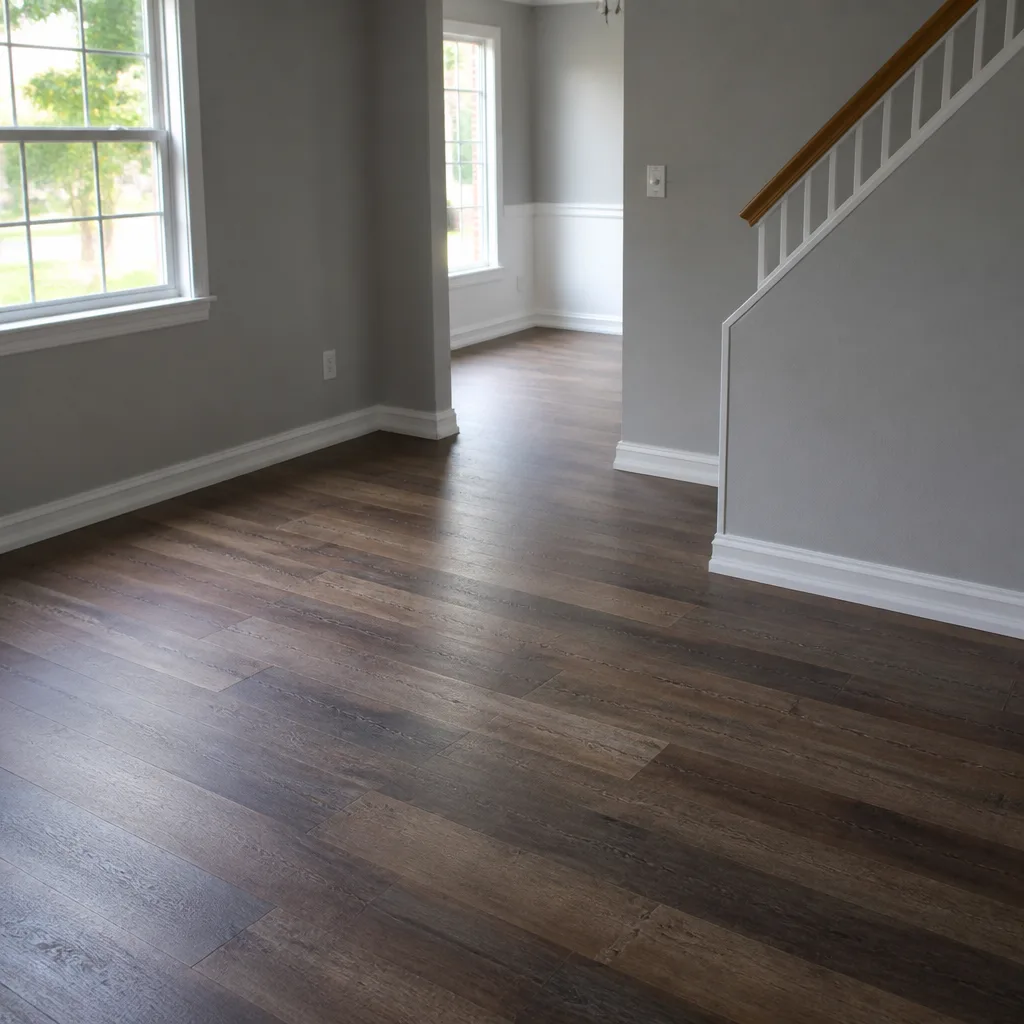
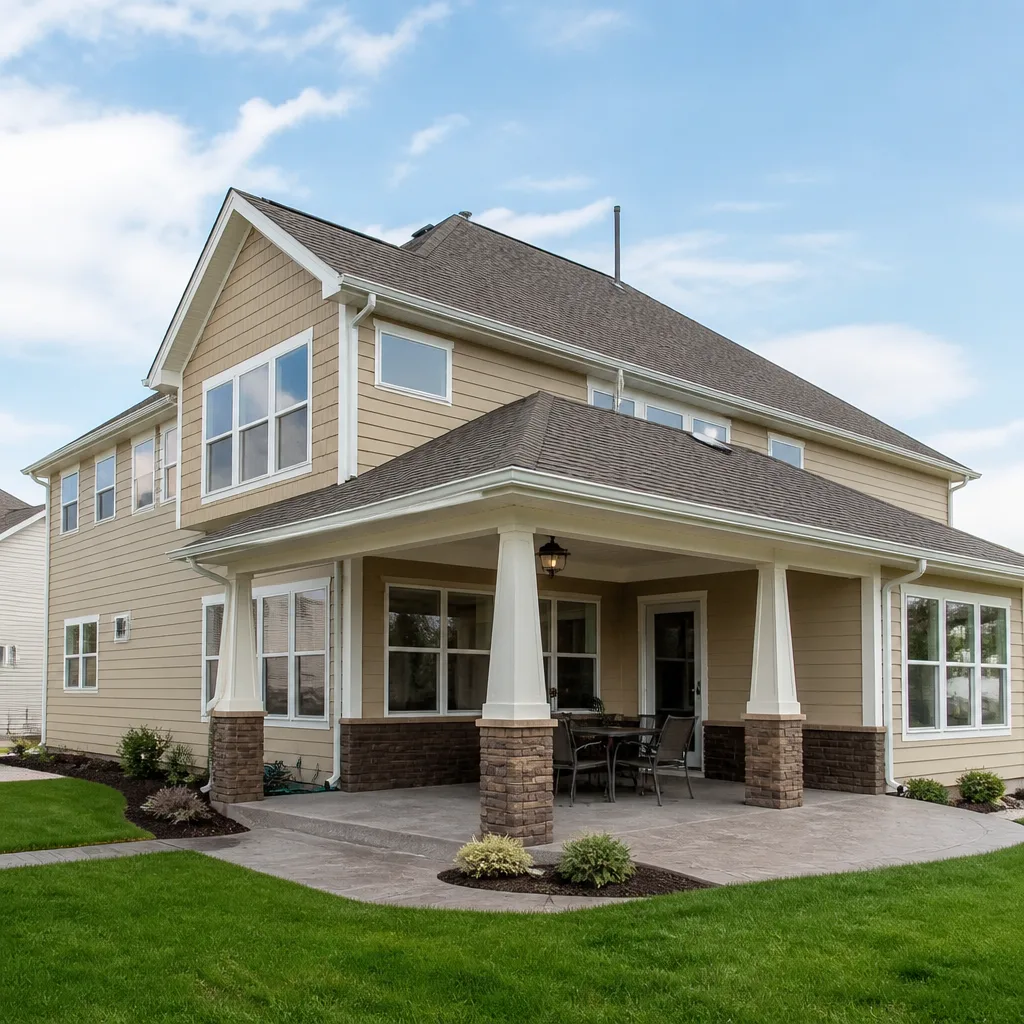
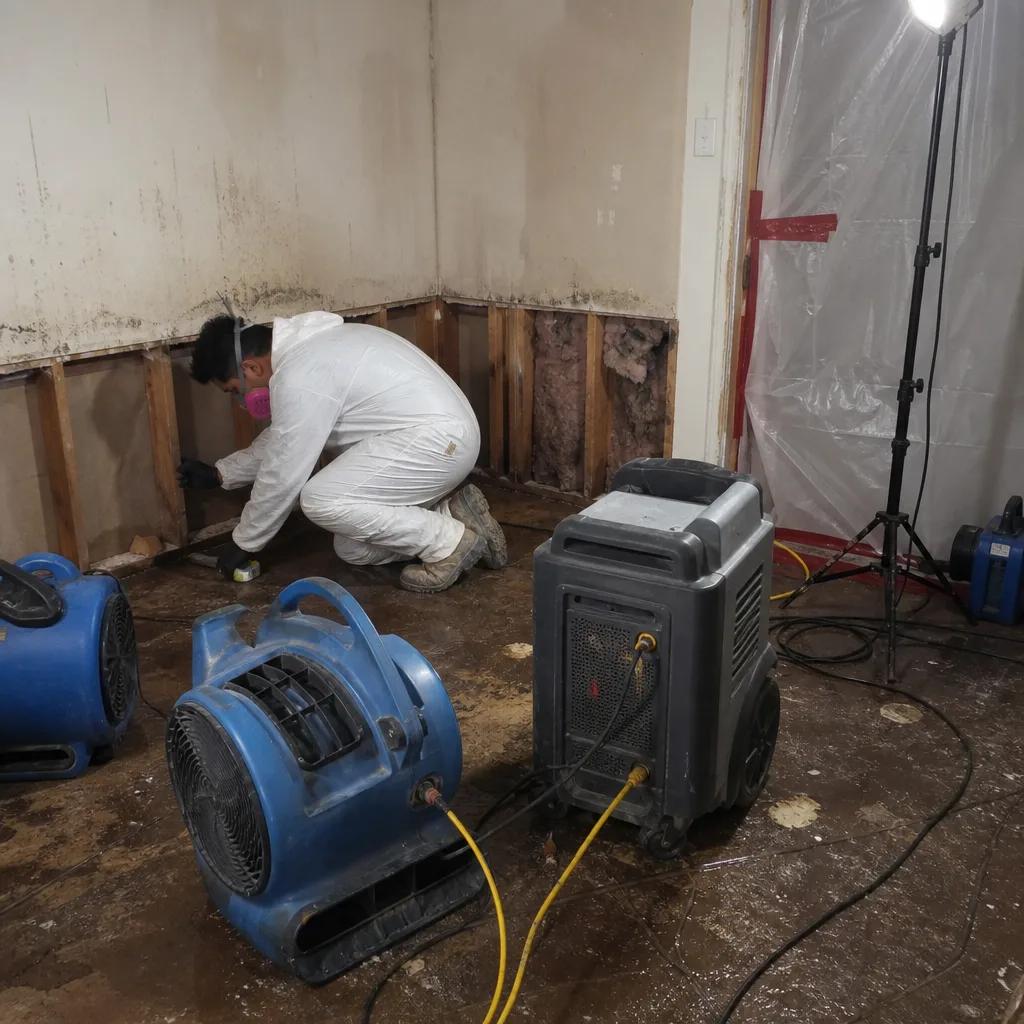 Before
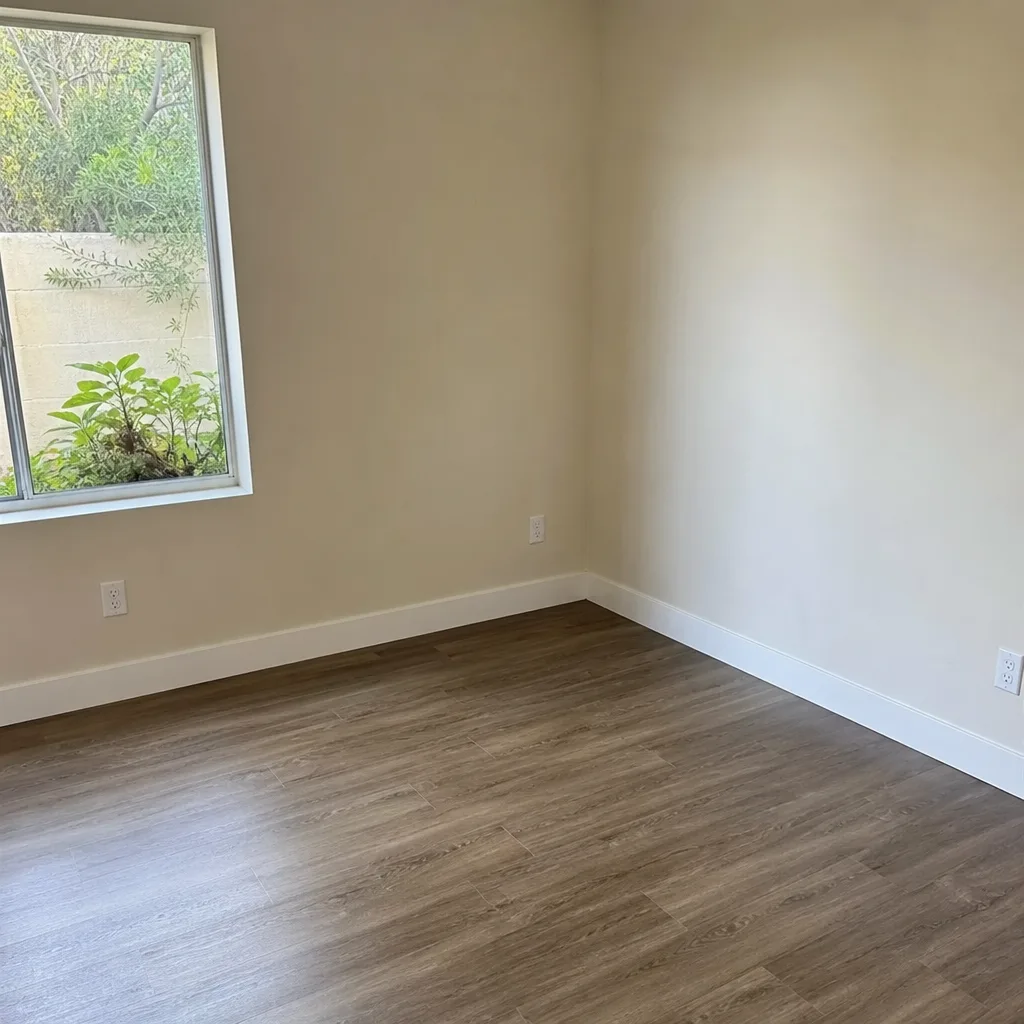 After
After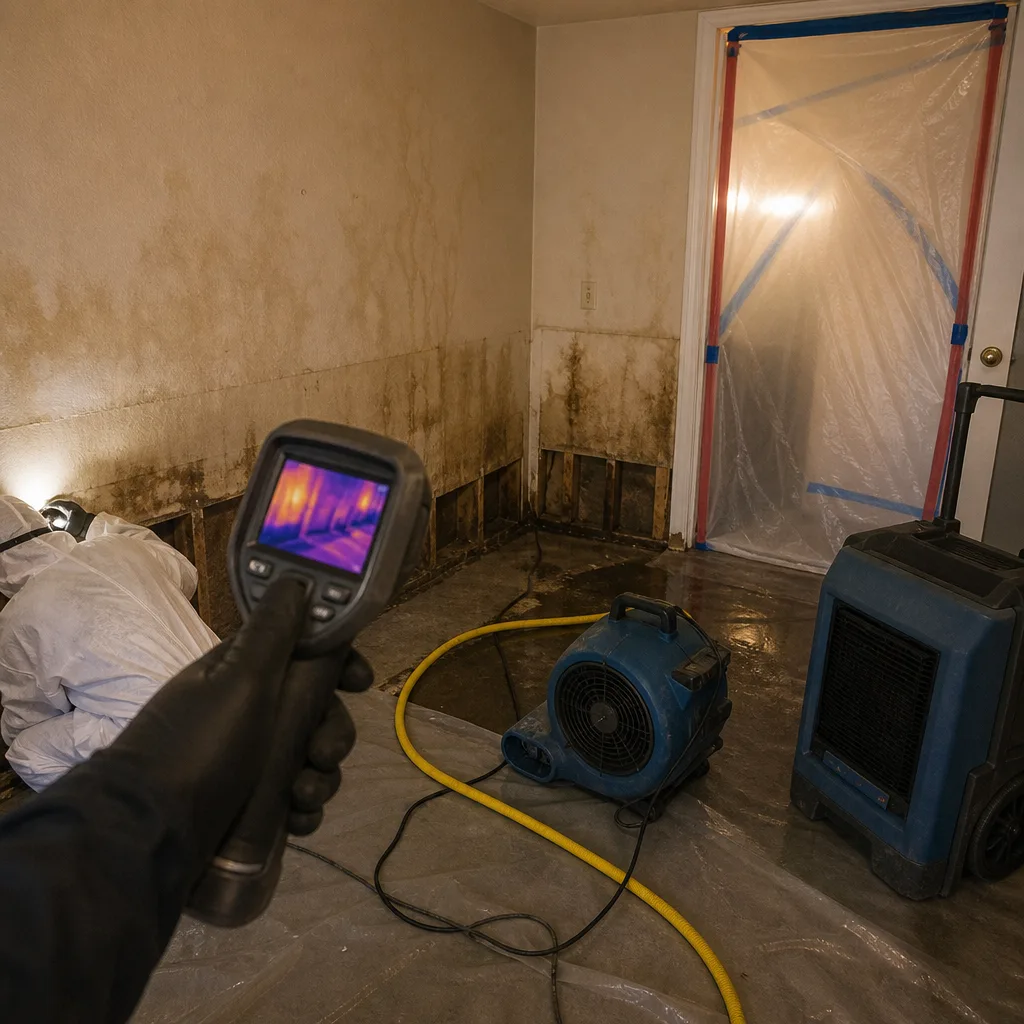 Before
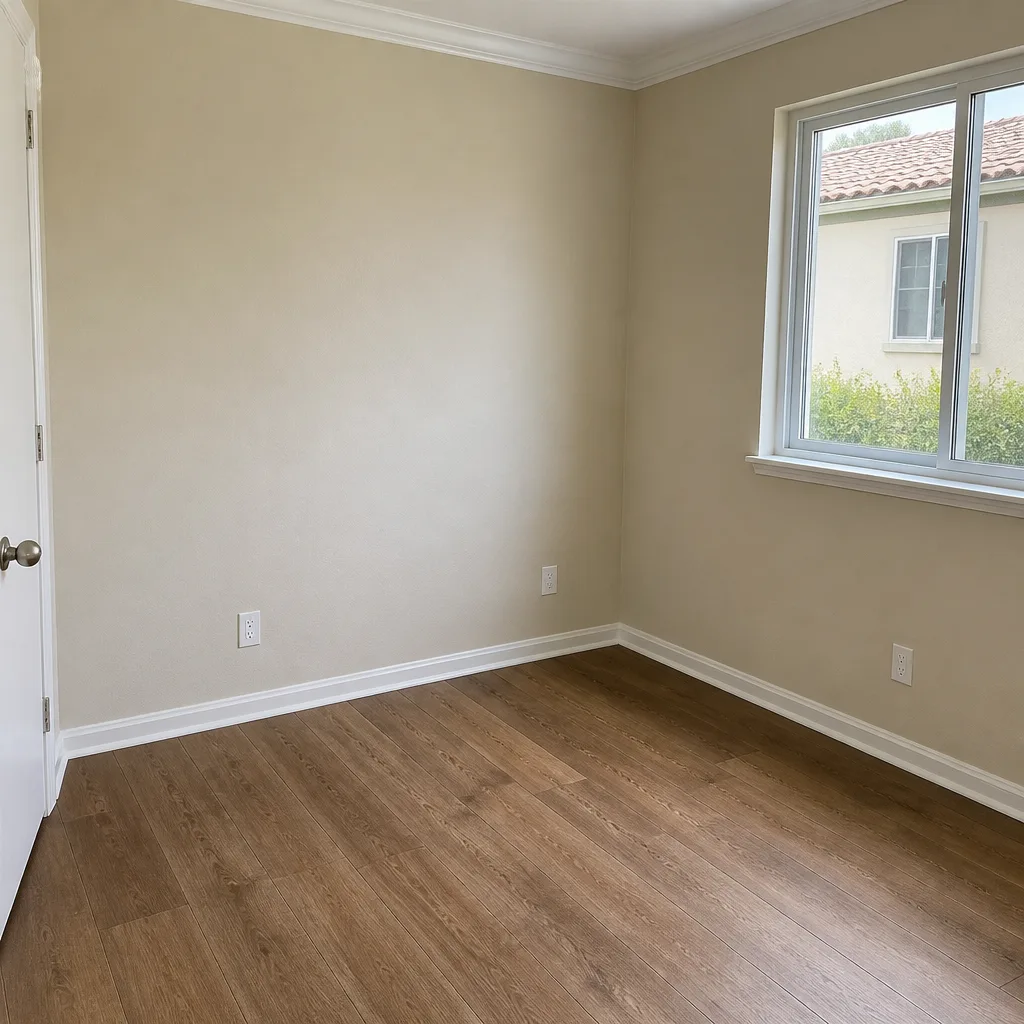 After
After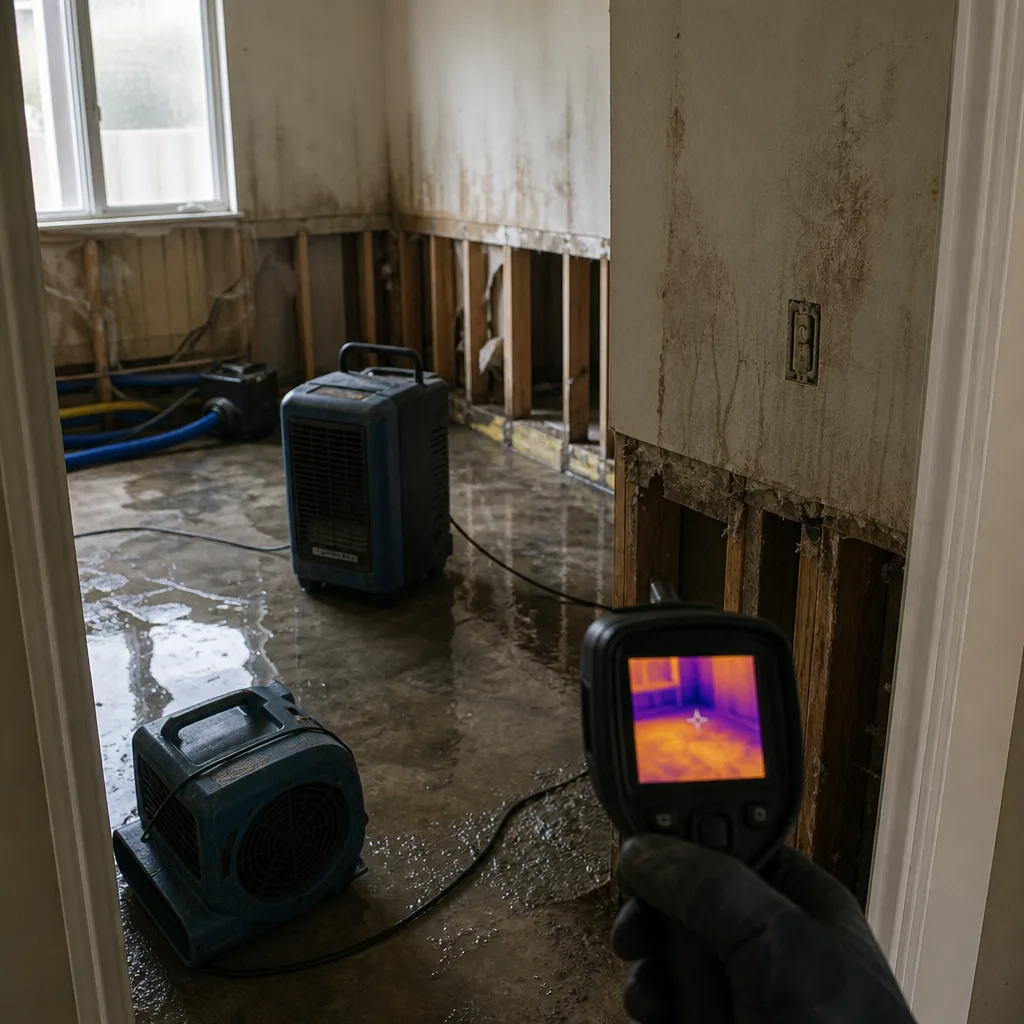 Before
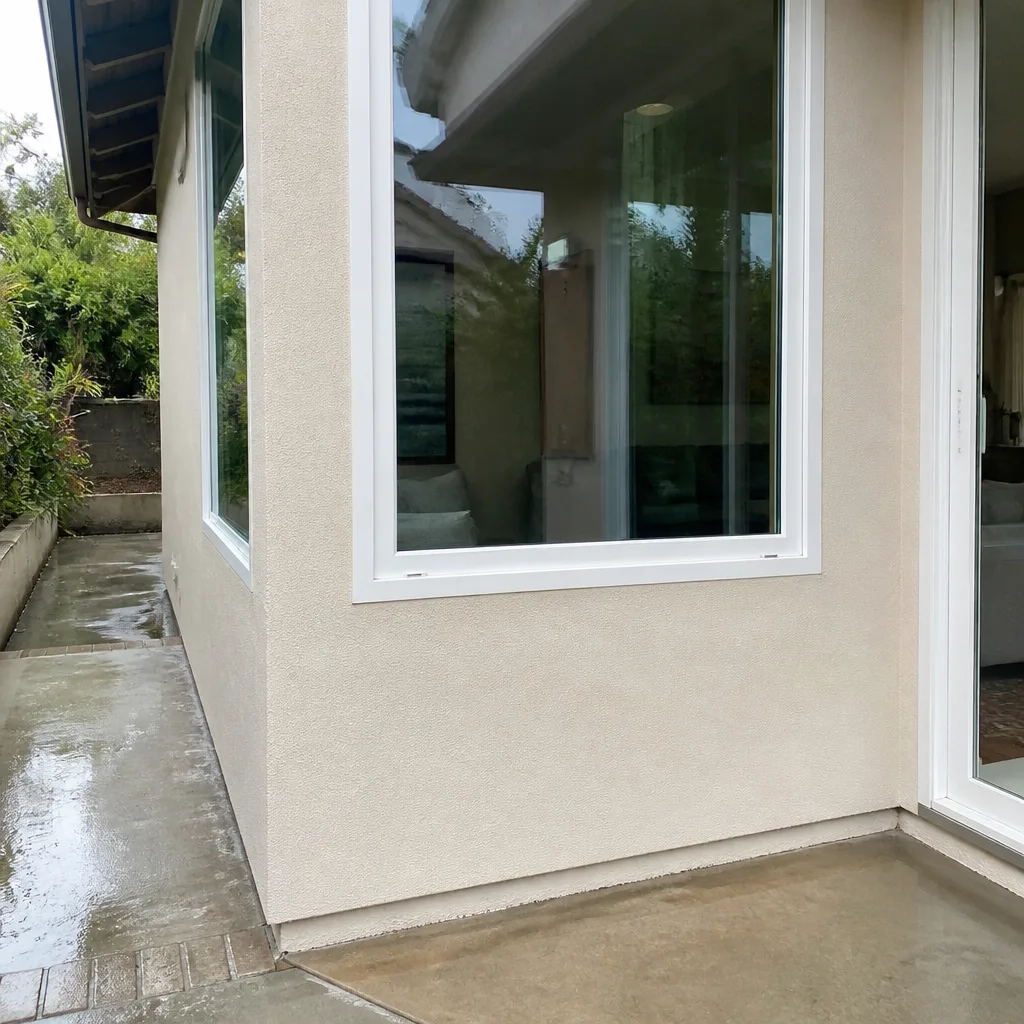 After
AfterSeasonal Damage Restoration Care for Mission Viejo: Year-Round Homeowner’s Guide
October’s Santa Ana winds don’t just bring fire risk to Mission Viejo. The 3-5% relative humidity they produce causes wood framing to contract enough to open gaps in previously watertight window seals, setting up the first winter rain for an interior intrusion. Most homeowners here think in four seasons, but the real damage calendar in this city runs on two threat windows: a November-March storm infiltration period and a June-October fire-smoke and heat-expansion period. Each demands a different inspection protocol, a different set of documentation, and a different understanding of what your homeowner’s policy will actually cover. This guide - alongside our Complete Guide to Damage Restoration in Mission Viejo - shows you how to read your house through both windows, what to record, and when the problem has moved past DIY.
Quick Answer
Mission Viejo homeowners should follow two distinct inspection protocols, detailed in our Water Damage Restoration Maintenance Checklist for Mission Viejo Homeowners: a pre-storm checklist each October focusing on roof tile gaps, window seal contraction, and hillside drainage; and a post-heat-event inspection each June checking for HVAC smoke infiltration, expanded stucco cracks, and moisture meter baseline shifts. Document everything with dated photos from fixed locations to create a defensible pre-loss record.
Table of Contents
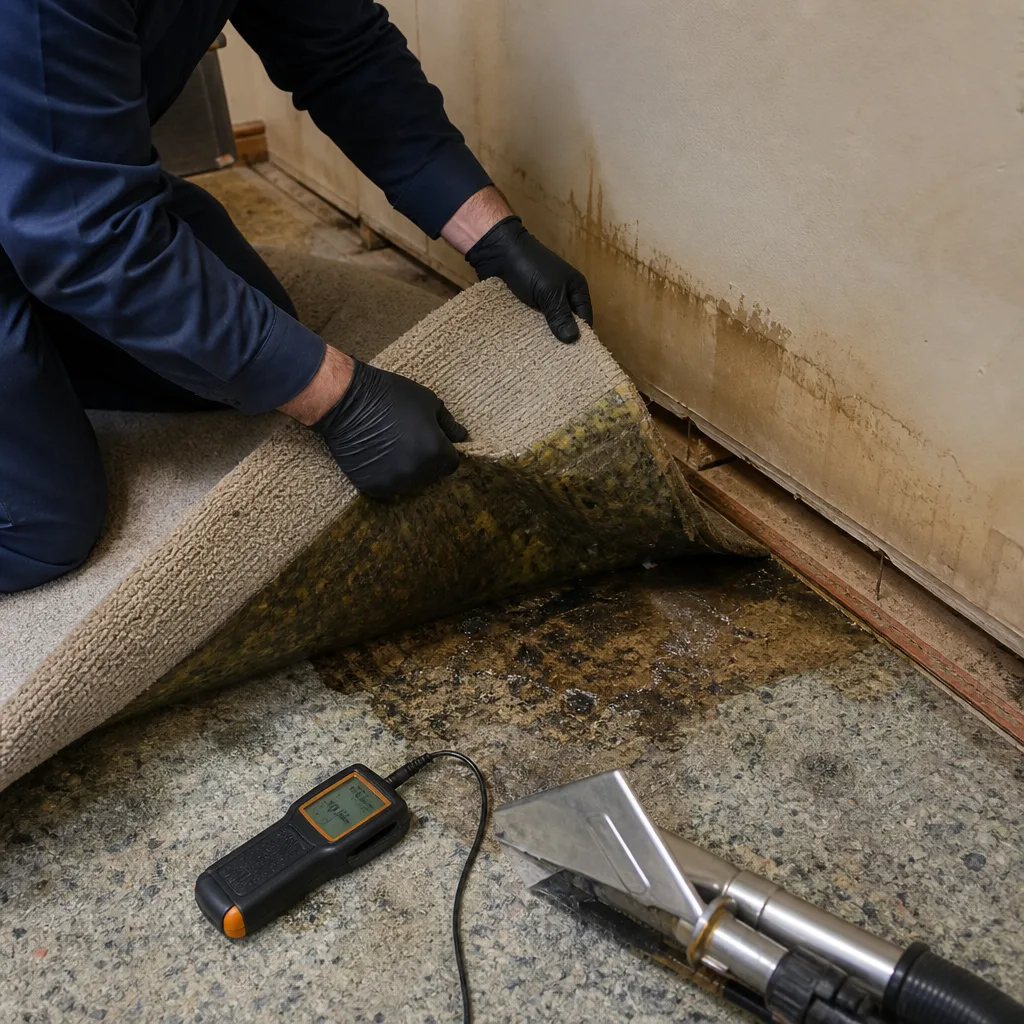
- Why Mission Viejo Has Two Threat Windows, Not Four Seasons
- The October Pre-Storm Inspection Checklist
- How to Interpret Moisture Meter Readings: Summer vs. Winter
- Fire-Smoke Odor Infiltration in HVAC Systems
- The 48-Hour Post-Rain Inspection Protocol
- Building a Seasonal Photo Log for Insurance Defense
- Common Mistakes to Avoid
- When to Call a Professional
- Frequently Asked Questions
 Before
 After
AfterWhy Mission Viejo Has Two Threat Windows, Not Four Seasons
Most guides & resources for seasonal home maintenance divide the year into spring, summer, fall, winter. That framework works in climates with freeze-thaw cycles or sustained humidity. Mission Viejo doesn’t operate that way. The city sits in a Mediterranean climate zone with two dominant atmospheric patterns: the winter Pacific storm track and the summer-fall Santa Ana pressure gradient. Each pattern produces distinct damage mechanisms that don’t overlap much in time, but they do overlap in the structure of your house.
The November-March storm window brings sustained rainfall, often 2-4 inches in a single event, onto concrete tile roofs that were installed during the 1970s-1990s tract home boom. Those tiles don’t degrade from UV the way asphalt shingles do. They degrade from foot traffic during satellite dish installations, from the thermal expansion that opens micro-cracks at the nail holes, and from the debris accumulation in valleys that dams water against the underlayment. When that underlayment reaches the end of its 20-30 year service life, water doesn’t enter dramatically. It enters through capillary action at the tile-to-underlayment interface, then tracks along the roof deck until it finds a penetration: a vent stack, a chimney cricket, or the top plate of an exterior wall.
The June-October heat and fire-smoke window operates differently. Santa Ana wind events can push relative humidity below 10% for 48-72 hours, then spike it above 60% when the winds collapse and onshore flow returns. That cycle causes dimensional change in wood framing, stucco, and sealants that is larger in amplitude than what most building materials were specified to handle. The result: gaps open, then seal, then open again. Smoke from regional wildfires doesn’t need a direct line to your house. It enters through those gaps, through attic vents, and through HVAC intakes that were drawing air from what seemed like a clear sky twelve hours earlier.
Understanding these two windows matters for documentation. An insurer’s adjuster will ask when you first noticed damage. If your answer is “the February storm,” but the actual moisture intrusion began at a gap opened in October, your claim may be contested as pre-existing. The photo log system described later in this guide exists to prevent that outcome.
We’ve restored over 12,000 homes since 2011, and the documentation gap - the difference between what a homeowner knows and what they can prove - is the single largest source of claim denials we see in Mission Viejo. Water damage restoration in Mission Viejo starts with evidence, not equipment.
The October Pre-Storm Inspection Checklist
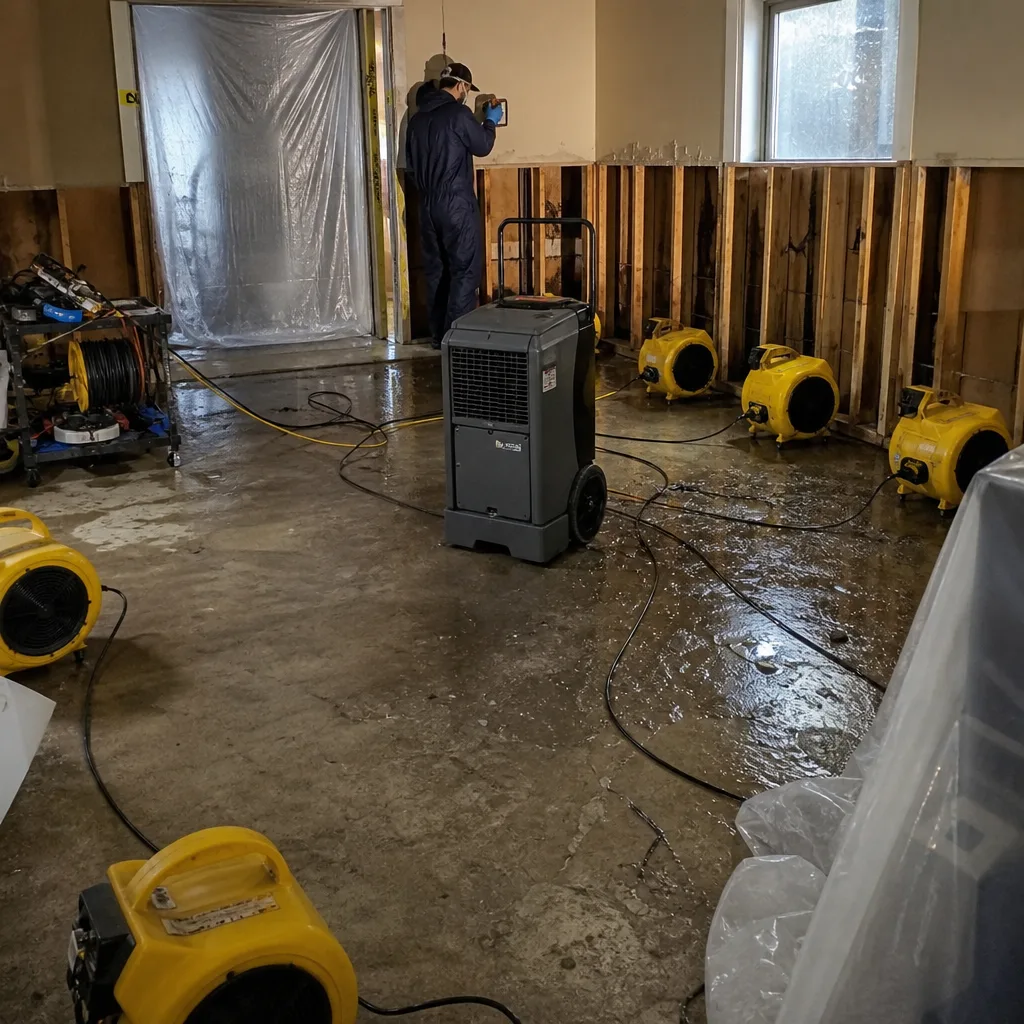
October is the pivot month. The Santa Ana winds have typically run their first event by mid-month, and the Pacific storm track usually delivers its first significant rainfall by late November. The gap between those two events is your inspection window. Here’s what to check, in order of priority, with specific attention to Mission Viejo’s built environment.
1. Roof: Concrete Tile Vulnerability Points
Walk the perimeter with binoculars. Don’t get on the roof yourself - tile breakage from foot traffic is a leading cause of the very leaks you’re trying to prevent. Look for:
- Broken or shifted tiles at the hips and ridges, where wind uplift concentrates
- Debris accumulation in valleys, especially where oak or sycamore overhang the roofline
- Discoloration streaks on the tile surface indicating water tracking beneath
- Exposed underlayment at the tile edges, visible as black or gray material where the tile overhang has failed
Mission Viejo’s hillside homes, particularly in areas like Pacific Hills and Canyon Crest, face an additional factor: wind-driven rain hits at angles the original roof design didn’t anticipate. If your home has a slope facing southwest, that surface takes the brunt of both Santa Ana winds and the first winter storms. Document its condition separately.
2. Window and Door Seals: The Contraction Gap
After a Santa Ana event, check the operable windows and exterior doors. The dry air causes wood window frames to contract, and vinyl frames to harden and lose compression against their weatherstripping. Open and close each window. Resistance that wasn’t there in September indicates frame distortion. Visible daylight between sash and frame when closed indicates seal failure.
Pay particular attention to windows on the windward side of the house during the last Santa Ana event. In Mission Viejo, that’s typically northeast-facing exposures. The combination of solar heating on southwest faces and wind pressure on northeast faces creates the largest differential movement.
3. Hillside Drainage: Where the Water Goes
Mission Viejo’s developed hillsides use a combination of concrete v-ditches, underground drains, and street-side catch basins. These systems work until they don’t. Check:
- Clear debris from visible drain openings. A single blocked outlet can redirect hundreds of gallons onto your foundation.
- Walk the property perimeter during a light rain if possible, or simulate with a hose at the uphill edge. Water should reach the street or catch basin within 10 minutes. Pooling indicates a blocked or collapsed drain.
- Inspect the foundation-to-slope interface for previous erosion or patching. Prior repairs are failure points.
4. Attic and Crawl Space: The Hidden Reservoir
These spaces tell you what the living spaces won’t. In the attic, look for:
- Darkened rafters or sheathing, especially near penetrations
- Insulation compression or staining at the top plates
- Any musty odor, which in October’s dry air shouldn’t exist
In crawl spaces, check for efflorescence on foundation walls (white mineral deposits indicating past moisture), and any springiness in subflooring that suggests prior water exposure and swelling.
Document everything with photos. Date-stamped, geotagged, stored in cloud backup. This is your pre-loss baseline.
How to Interpret Moisture Meter Readings: Summer vs. Winter
A moisture meter is a useful homeowner tool only if you understand what the numbers mean in your specific climate. The same reading can indicate health or hazard depending on season, material, and recent weather. Here’s how to read meaningfully in Mission Viejo’s conditions.
The Basics: Pin vs. Pinless Meters
Pin meters penetrate the surface and measure electrical resistance between the pins, which correlates to moisture content in wood. Pinless meters use electromagnetic signals to read below the surface without damage. For homeowners, a pinless meter is more practical for repeated checks of drywall, stucco, and framing.
Readings are typically expressed as a percentage for wood (moisture content by weight) or as a relative scale (0-100) for non-wood materials. The manual for your specific meter matters. Don’t compare readings across different meter models.
Summer Baselines in Mission Viejo
During June-October, ambient relative humidity in Mission Viejo typically runs 40-60% during non-Santa Ana conditions. In this environment:
- Wood framing in a properly ventilated structure: 9-12% moisture content
- Drywall in interior walls: 0.5-1.0% moisture content by weight, or 7-10 on a common relative scale
- Concrete slab: highly variable, but surface readings of 2-4% or 15-25 relative are normal
During Santa Ana events, these numbers can drop 2-3 percentage points in wood over 48 hours. A reading of 7% in October framing is not necessarily dry; it may be artificially depressed by atmospheric conditions. Recheck after humidity normalizes.
Winter Baselines in Mission Viejo
During November-March, ambient relative humidity rises to 60-80% during storm periods. Expect:
- Wood framing: 12-16% moisture content
- Drywall: 1.0-1.5% or 10-15 relative
- Concrete: surface readings may rise to 5-7% or 30-40 relative
A reading of 14% in February framing is normal. The same reading in July framing indicates a moisture source.
What to Track: The Delta, Not the Absolute
The useful measurement is change over time, measured at the same location with the same meter. Establish your baseline in October after the Santa Ana event has passed and before the first storm. Record:
- Location (room, wall, height)
- Material type and approximate age if known
- Meter model and setting
- Reading
- Date and recent weather
Recheck monthly. A rise of more than 3 percentage points in wood, or 5 points on a relative scale for drywall, warrants investigation. The moisture source may be a leak, condensation, or simply the seasonal shift. Distinguishing these requires context.
We document moisture readings to IICRC standards on every job, with daily drying logs that track psychrometric data - temperature, relative humidity, and vapor pressure differential, which is the force that actually moves moisture from wet materials to dry air. Homeowners don’t need that level of analysis for routine monitoring, but the principle is the same: a number without context is just a number. A number with a date, location, and weather record is evidence.
Fire-Smoke Odor Infiltration in HVAC Systems
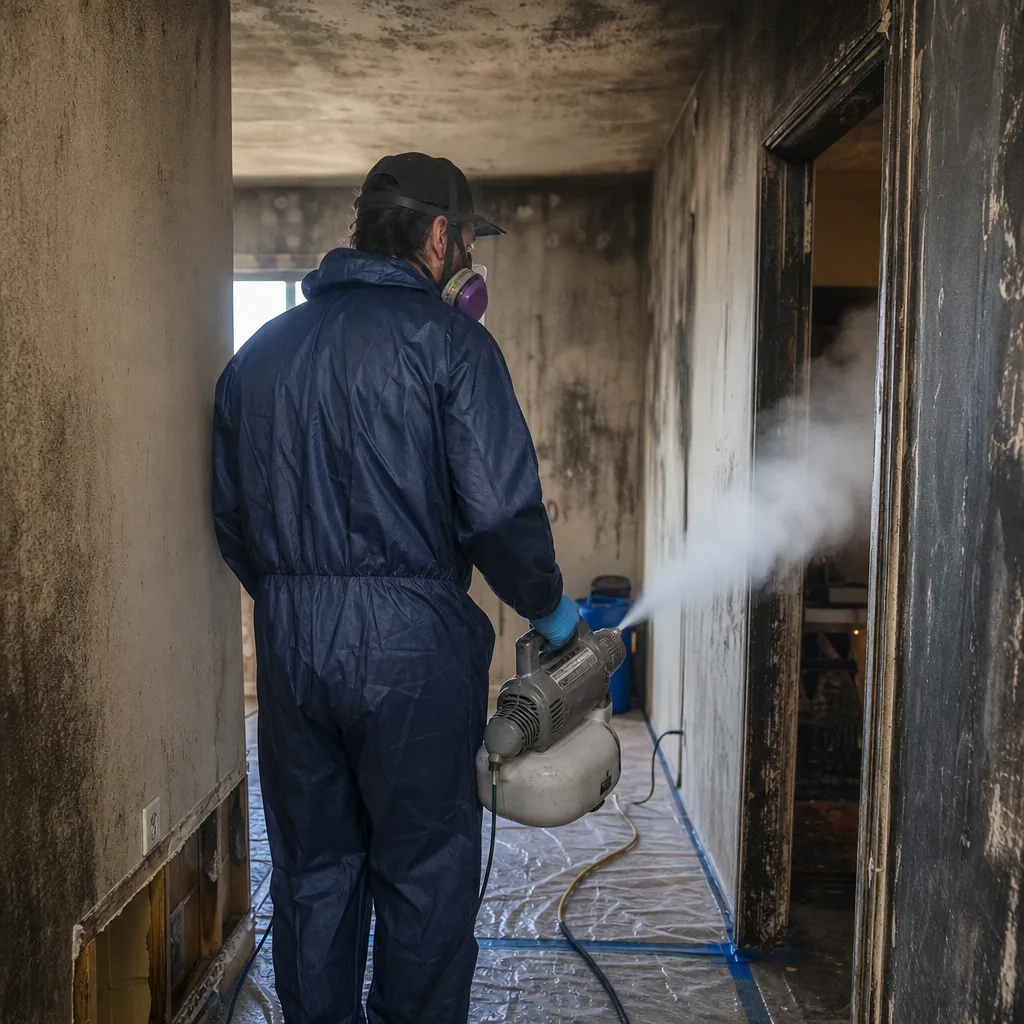
The 2020 Bond Fire and subsequent regional events taught Mission Viejo homeowners something that fire and smoke damage restoration in Mission Viejo professionals already knew: smoke odor infiltration doesn’t require flame contact with your structure. It requires pressure differential and particulate size small enough to pass through standard filtration.
How Smoke Enters HVAC Systems
Residential HVAC intakes draw from the attic or from exterior vents, depending on system design. During wildfire events, particulate matter below 2.5 microns (PM2.5) can pass through standard MERV 8 filters. Finer particles, and the volatile organic compounds that carry odor, can pass through MERV 11 as well. Once inside the ductwork, these particles deposit on the interior surfaces, particularly at bends, dampers, and where flexible ducting has internal ridges.
The Santa Ana wind pattern makes this worse. The initial wind pushes smoke ahead of the fire front, often into areas that later evacuate. Homeowners run their HVAC for cooling during these events because temperatures spike. The system is drawing contaminated air at maximum load.
Post-Wind-Event Duct Inspection: What to Document
After any regional wildfire event with visible smoke in Mission Viejo, inspect your system before running it again:
- Remove and photograph the intake filter. Note the color change, any odor when you flex the media, and the installation date. A filter installed two weeks before a fire event and now gray-brown is evidence of smoke loading.
- Inspect visible ductwork in the attic and crawl space. Look for dark staining at joints and dampers. Flexible ducting with internal ridges will show particulate accumulation as shadow lines.
- Run the system on fan-only for 10 minutes with a clean filter installed. Smell the output at each register. Any acrid or ashy odor indicates interior contamination.
- Check the evaporator coil and drain pan if accessible. Smoke particulates are hygroscopic; they attract moisture and can accelerate coil fouling and microbial growth.
Restoration vs. Cleaning: Determining Scope
This is where homeowners often overspend or underspend. Not every smoke odor requires full restoration. The decision framework:
Cleaning is appropriate when: odor is present only at registers, filter is heavily loaded but ductwork appears clean, and the system was not running during the peak smoke event. Scope: professional duct cleaning with HEPA-contact vacuuming, register and boot cleaning, and filter replacement.
Restoration is required when: odor persists after filter replacement, visible staining exists inside ductwork, the system operated during active smoke conditions, or any occupant has respiratory sensitivity. Scope: duct cleaning plus sealant removal and reapplication at joints, possible flexible ducting replacement, coil cleaning, and in severe cases, full ductwork replacement with upgraded filtration.
The cost difference is substantial - see our Damage Restoration Cost Breakdown: The Mission Viejo Homeowner’s Reference for 2026 for fuller context. Cleaning typically runs $400-$800 for a Mission Viejo tract home. Restoration can reach $3,000-$6,000 if duct replacement is required. The documentation that determines which scope applies is the inspection record described above. Without it, you’re relying on a contractor’s judgment alone.
We provide free second opinions on any competitor’s written estimate for fire-smoke HVAC work. Haven Standard, Clause 1 applies: the written price comes before any work starts.
The 48-Hour Post-Rain Inspection Protocol
The first significant winter rain in Mission Viejo - typically mid-November to early December - is a diagnostic event. It reveals what October’s inspection missed, and what the dry summer concealed. The 48 hours after rainfall ends is your window to catch infiltration before it becomes hidden damage.
Where Infiltration Hides in Mission Viejo Tract Homes
Based on the construction patterns common in this city’s 1970s-1990s development, these are the specific locations to check:
Garage-to-house wall top plate: The garage is often the lowest point of the roofline, and the wall separating it from living space is frequently uninsulated and unconditioned. Water enters at the roof-to-wall intersection, tracks along the top plate, and appears first as bubbling paint or tape separation on the garage interior wall. Check this within 24 hours; the unconditioned space dries quickly and the evidence disappears.
Fireplace chimney cricket: The angled flashing where the chimney meets the roof is a known failure point. In Mission Viejo’s concrete tile roofs, the cricket is often built up with mortar that cracks from thermal cycling. Water enters here and runs down the chimney chase, appearing at the hearth or in the basement below.
Sliding glass door track: The exterior track is designed to drain to the outside, but the weep holes clog with debris and stucco sand. During heavy rain, water overflows the interior edge of the track and pools on the subfloor. The first sign is often carpet staining or tile grout darkening at the door’s interior edge. In homes with the original 1980s sliders, the track-to-frame seal has also degraded.
Exterior electrical panel and conduit penetrations: These are sealed with expandable foam or caulk that degrades in UV. Water tracks along the conduit into the wall cavity, then follows the wiring to the first interior box. Look for rust on outlet screws or faint water marks on the drywall around switch plates on exterior walls.
Kitchen vent hood roof penetration: The vent hood duct exits through the roof with a metal flashing. The seal between flashing and duct degrades from grease vapor and heat cycling. This is frequently missed because the damage first appears as cabinet delamination or countertop swelling at the wall behind the range.
The Inspection Sequence
- Hour 0-6 (rain ending): Walk the exterior during light if possible. Look for overflow at gutters, water streaming where it shouldn’t, and any visible leaks at penetrations. Photograph everything.
- Hour 6-24: Interior check of all locations listed above. Use your moisture meter at the known baseline locations. Any reading 3+ points above baseline warrants closer inspection with a pin meter if available.
- Hour 24-48: Second interior check. Some leaks are slow; the damage becomes visible only after sustained wicking. Pay attention to odors. A musty smell that wasn’t present before indicates active microbial growth, which can begin within 24-48 hours on organic materials above 16% moisture content.
If you find active moisture, the decision is whether to dry it yourself or call for professional drying. For areas under 10 square feet with no visible mold and a clear source that has been stopped, DIY drying with dehumidification and airflow may suffice. For larger areas, hidden cavities, or any uncertainty about the source, professional assessment is warranted. Mold remediation in Mission Viejo is far more expensive than proper drying, and the 48-hour window is when that divergence happens.
Building a Seasonal Photo Log for Insurance Defense
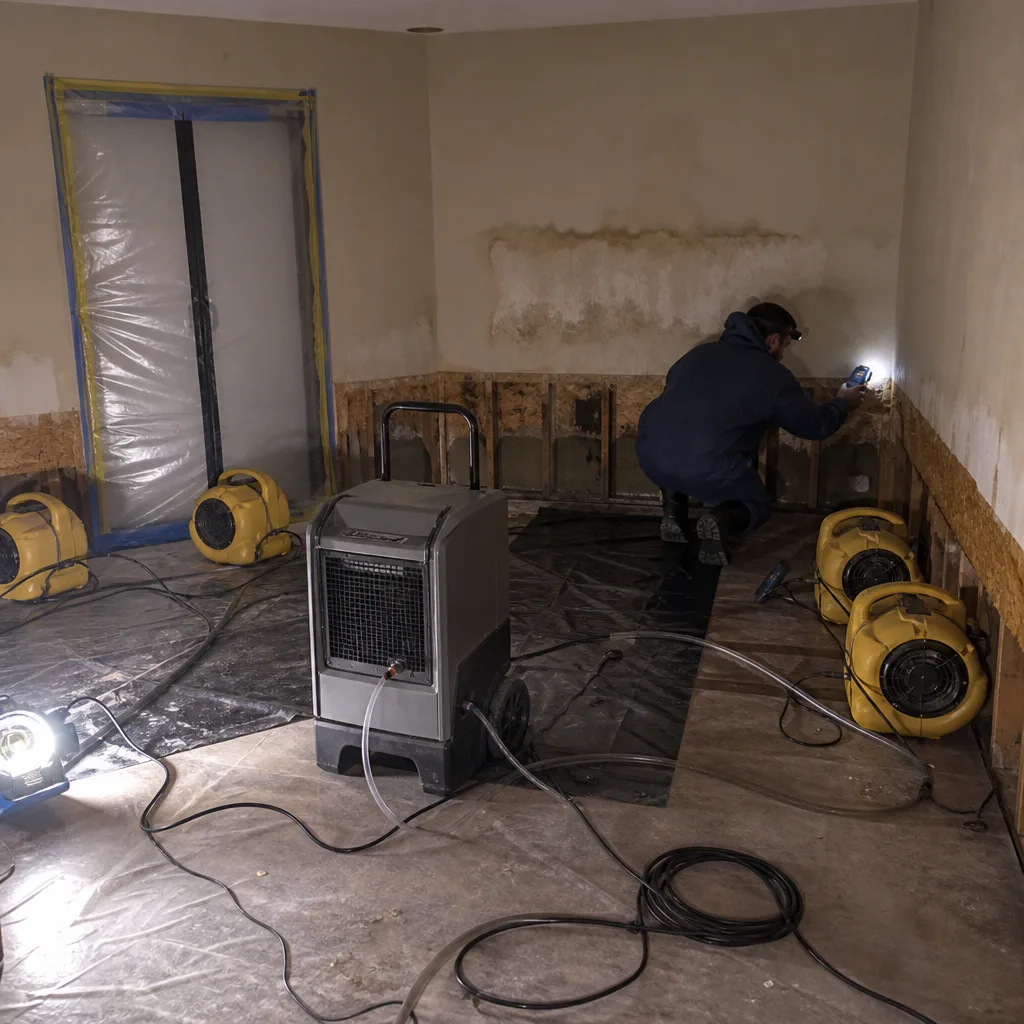
The most powerful tool in a homeowner’s claim arsenal is a dated, consistent photo record that predates the loss. Most homeowners have photos of their house. Few have systematic documentation that an adjuster can compare against post-loss conditions. This system closes that gap.
The Fixed Location Method
Choose four locations that capture the highest-risk areas of your home. These should be:
- Location A: Roofline from the street, showing tile condition, fascia, and any penetrations
- Location B: One windward exterior wall, showing windows, doors, and grade-to-wall interface
- Location C: Interior of the garage-to-house wall, showing ceiling and any visible plumbing
- Location D: Attic access point, showing sheathing condition and any prior repairs
Mark the exact standing position for each photo with tape on the floor or ground. Use the same camera, same angle, same time of day (for consistent lighting), four times per year: January, April, July, October.
What Each Photo Should Capture
Beyond the obvious image, include in each photo frame:
- A printed date card held in the frame, not a digital timestamp that can be altered
- A recognizable fixed reference point (corner of window, electrical outlet, roofline angle) that proves the camera position hasn’t shifted
- Enough context to show surrounding conditions, not just the specific feature
Storage and Access
Upload to cloud storage with automatic backup. Email a copy to yourself at a dedicated address. The goal is redundancy that survives any single device or account failure. Label files systematically: 2024-10-15_MissionViejo_Roofline_A.jpg.
Why this matters: In a disputed claim, the insurer may allege pre-existing damage, gradual deterioration excluded by policy language, or that the damage mechanism was maintenance neglect rather than a covered peril. A photo log showing intact conditions 90 days before the loss, with no intervening change, shifts the burden. The adjuster can still dispute, but they’re disputing evidence rather than absence of evidence.
We’ve used customer photo logs to resolve claim disputes that would otherwise have required appraisal or litigation. The investment is four hours per year. The return is often thousands of dollars in covered repairs that would have been denied.
The Haven Standard requires that we document every job with a photo record on every visit. We ask our customers to meet us halfway with their own baseline documentation.
Common Mistakes to Avoid
- Waiting for visible water before acting. By the time water stains appear on drywall, the cavity behind has been wet for days or weeks. In Mission Viejo’s mild climate, mold can establish in wall cavities without ever showing surface growth.
- Using bleach on mold. Bleach kills surface growth but doesn’t penetrate porous materials. It also adds moisture to the substrate. On drywall or wood framing, this can worsen the problem while creating a false sense of resolution.
- Assuming concrete tile roofs are maintenance-free. They’re durable, not eternal. The underlayment beneath fails before the tile. A roof that looks fine from the ground can be actively leaking through degraded felt paper.
- Running HVAC during smoke events. The instinct to filter indoor air is understandable, but standard residential systems recirculate a portion of intake air and don’t filter PM2.5 effectively. During active wildfire smoke, the safest approach is to close the system and seal the house.
- Neglecting the garage as a moisture source. In Mission Viejo’s tract homes, the garage is often the lowest point of the roof and the least insulated wall assembly. Water enters here frequently and is noticed last because homeowners don’t monitor garage drywall as closely as living spaces.
- Accepting verbal estimates for restoration work. Haven Standard, Clause 1 exists because verbal pricing leads to scope creep, disputed invoices, and claim complications. A written price before work starts is not a preference. It’s a protection.
- Failing to document contractor work. Even professional restoration work should be photographed. If a repair fails within the warranty period, your documentation of the original work scope supports your claim against the contractor or their insurer.
When to Call a Professional
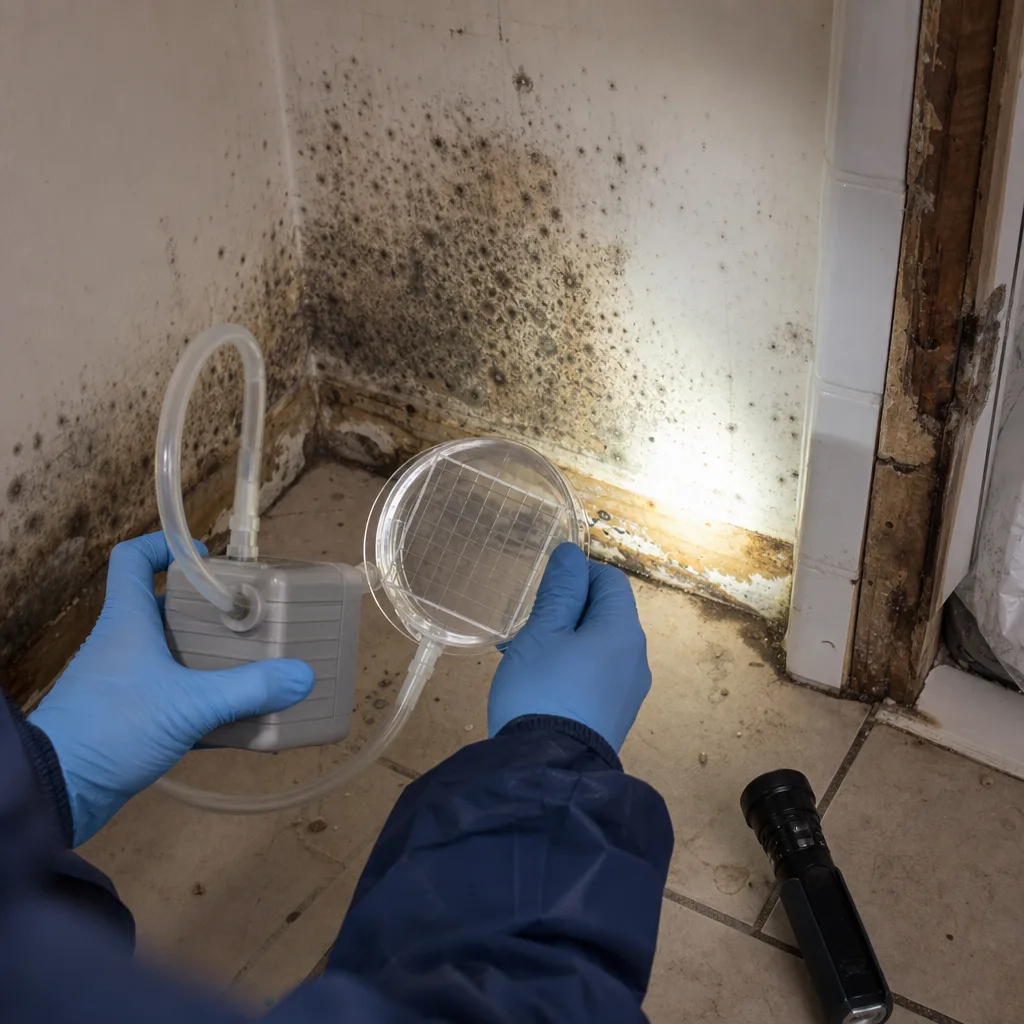
Some situations cross the line from homeowner maintenance to professional scope. Call for assessment when: moisture meter readings rise more than 5 points from baseline and the source isn’t obvious; you smell musty odor in any season, especially during Santa Ana dry periods when no odor should exist; visible mold covers more than 10 square feet or appears in multiple locations; your HVAC system produced odor after a regional wildfire event; or any water intrusion involved Category 2 (gray water) or Category 3 (black water) sources, including exterior flooding that may have carried landscape chemicals or sewage.
DryMark Restoration Mission Viejo offers free estimates in Mission Viejo. Our live phone coverage means you’ll speak to a person, not a voicemail tree, when you call (657) 297-0972. Every estimate is delivered in writing before any work begins, with photo documentation on every visit and the 365-Day Done Right Promise under The Haven Standard.
Frequently Asked Questions
Professional moisture mapping with thermal imaging and documented meter readings typically runs $150-$300 for a standard Mission Viejo tract home. This is not a restoration charge; it’s a diagnostic service that produces a written report with photos and baseline readings. Some insurers reimburse this cost if it prevents a larger claim. DryMark Restoration Mission Viejo applies this fee toward any subsequent restoration work if damage is found. Call (657) 297-0972 for current pricing and scheduling.
Most homeowner policies cover sudden and accidental water damage, but exclude long-term leaks or maintenance-related deterioration. The critical factor is documentation: can you establish when the leak began, and that it was not visible or discoverable earlier? Your seasonal photo log and moisture meter records are the evidence that distinguishes a covered sudden event from an excluded gradual loss. Without that documentation, the insurer will likely classify it as long-term and deny.
Our live dispatch answers 24 hours a day, 7 days a week with no voicemail on emergency lines. For active water intrusion in Mission Viejo, we typically deploy within 60-90 minutes during normal hours and within 2 hours overnight. The first hours matter because water moves through wall cavities at approximately 1-2 inches per minute by capillary action. Speed on mitigation is appropriate; speed on reconstruction is not. Drying is emergency work. Rebuilds are scoped, scheduled, and priced in writing.
Remediation is required when mold growth exceeds 10 square feet, involves HVAC systems, or occurs in spaces with limited access for complete removal. Cleaning may suffice for small, surface-only growth on non-porous materials with a clearly resolved moisture source. The distinction matters because remediation requires containment, negative air pressure, and post-clearance testing under IICRC standards. A contractor who proposes remediation for a 2-square-foot patch without testing is likely overscoping. One who proposes cleaning for 50 square feet in a crawl space is underscoping. The written scope should specify square footage, material classification, and containment method.
We coordinate directly with your adjuster, providing the daily drying logs, photo documentation, and written scopes that turn restoration invoices into payable claims. Our founder built this company as a former claims adjuster who saw what documentation gaps cost homeowners. We speak the same language as adjusters because we used to be adjusters. You remain the policyholder and make all decisions, but you don’t have to manage the paperwork exchange.
A homeowner moisture meter gives you a single point reading at a single moment. Professional psychrometric data tracks temperature, relative humidity, and vapor pressure differential across the entire affected space over time, producing the drying curve that proves restoration was complete. Your meter is a screening tool. Our data is claim evidence. Both have value; they serve different purposes.
The Bottom Line
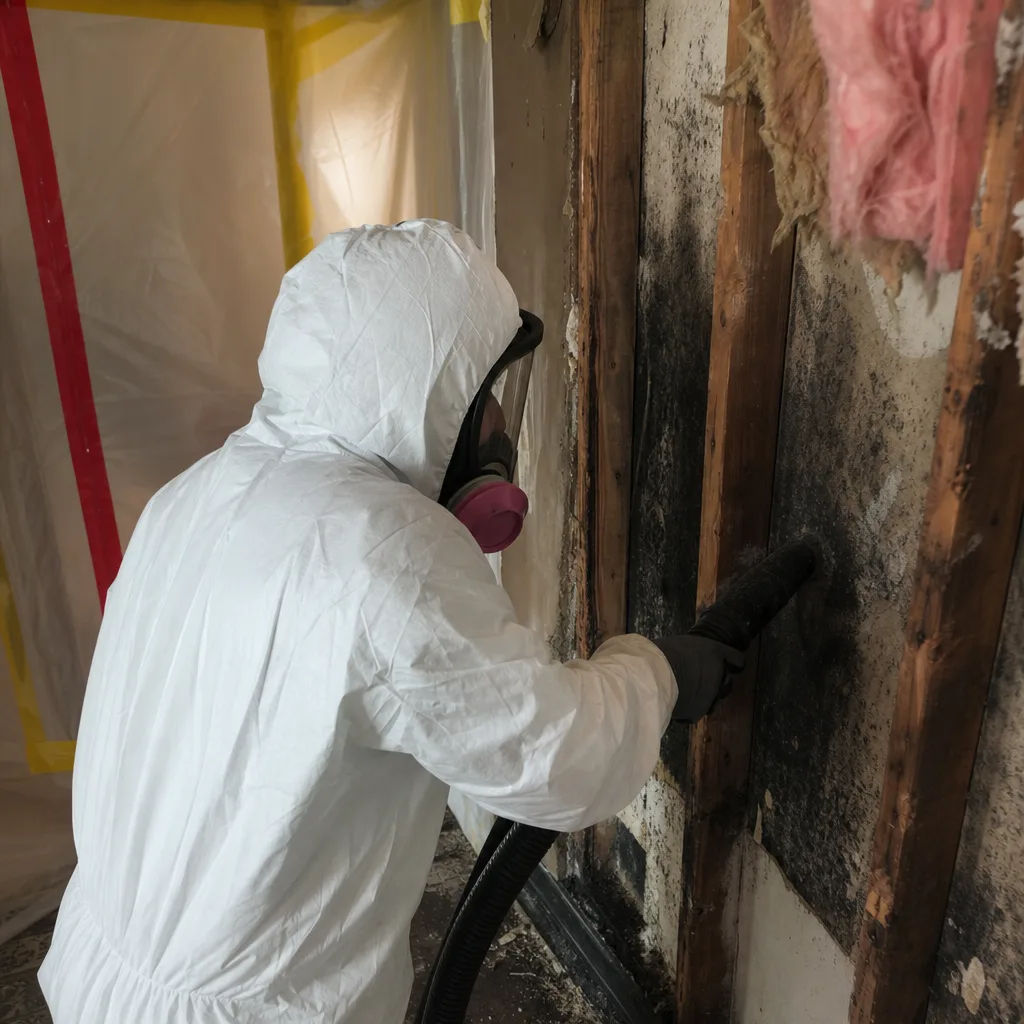
Mission Viejo’s damage calendar runs on two threat windows, not four seasons. The October pre-storm inspection, the summer moisture baseline, the post-rain 48-hour protocol, and the seasonal photo log are your defense against both the damage itself and the documentation gaps that cost homeowners their claims. The tools are simple: a moisture meter, a camera, and consistency. The return is a record that proves what was intact, when it changed, and that you maintained your property as your policy requires.
We’ve restored over 12,000 homes since 2011, every one with a written price before work started and a documented record when the crew left. The Haven Standard was built to close the gap between what happened and what can be proven. If you’re establishing your baseline documentation or responding to active damage, DryMark Restoration Mission Viejo home is where that process starts.
Call (657) 297-0972 for a free estimate. Live person, every call, 24 hours a day.
Written by Alicia Brennan, Owner at DryMark Restoration Mission Viejo, serving Mission Viejo since 2011.