
Last updated September 23, 2026
Free visual inspection and a written scope of work before any mitigation begins - photos, moisture readings, and drying logs go in your claim file
The scope we write is the scope we bill. Anything new gets shown to you, in writing, before we touch it.
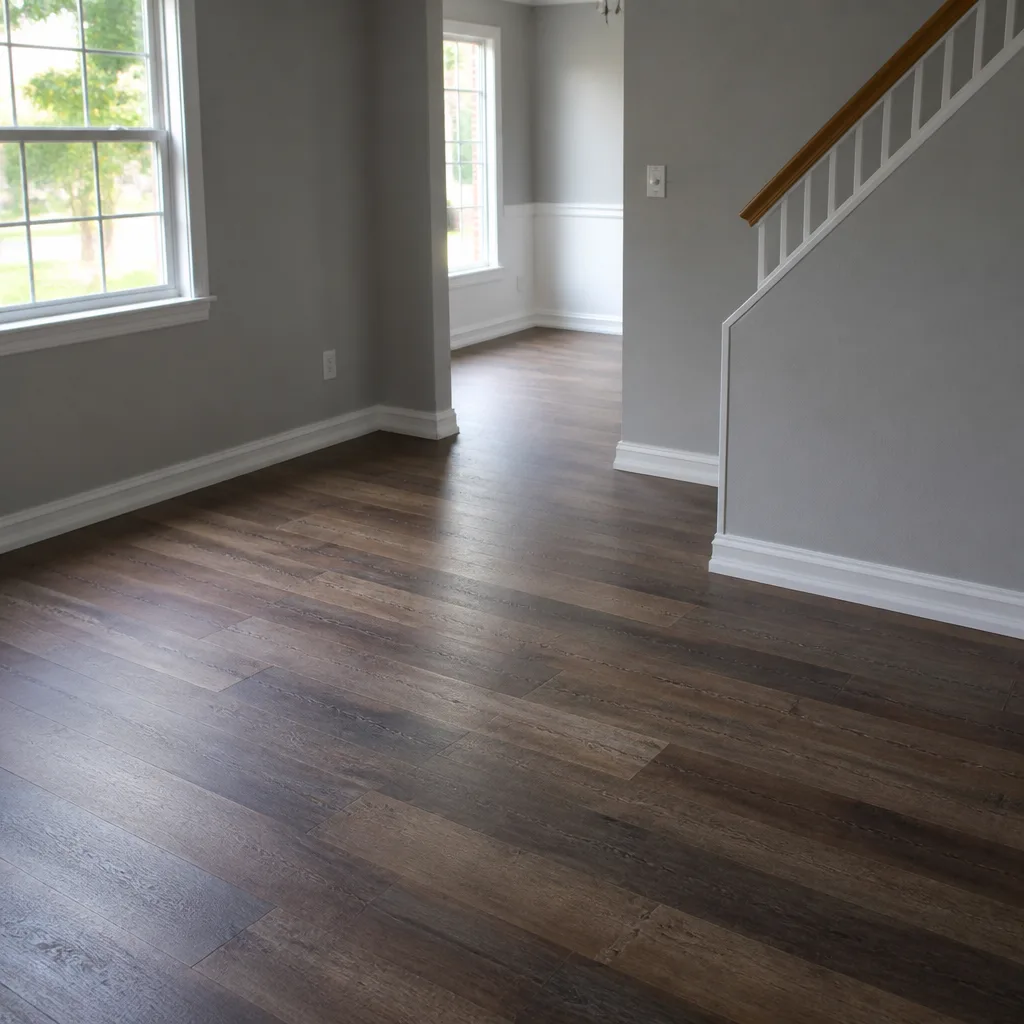
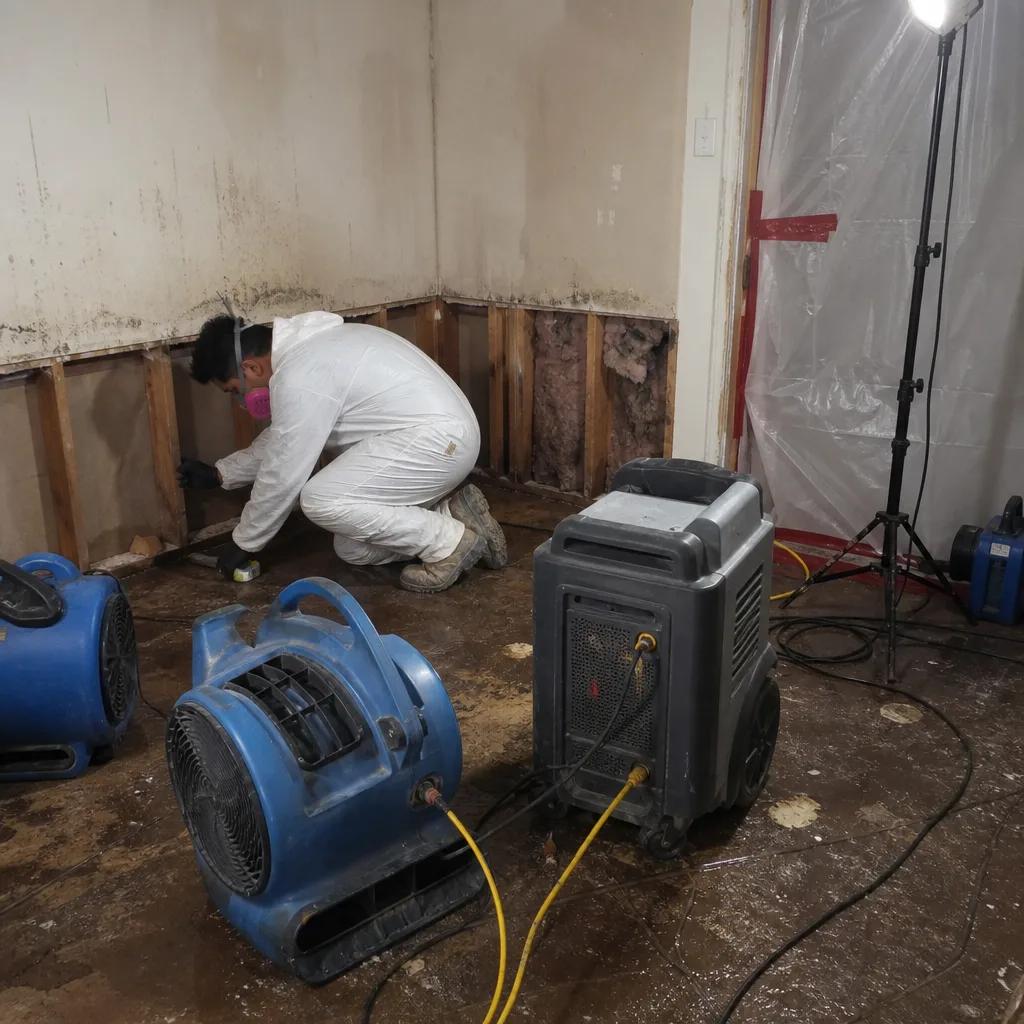 Before
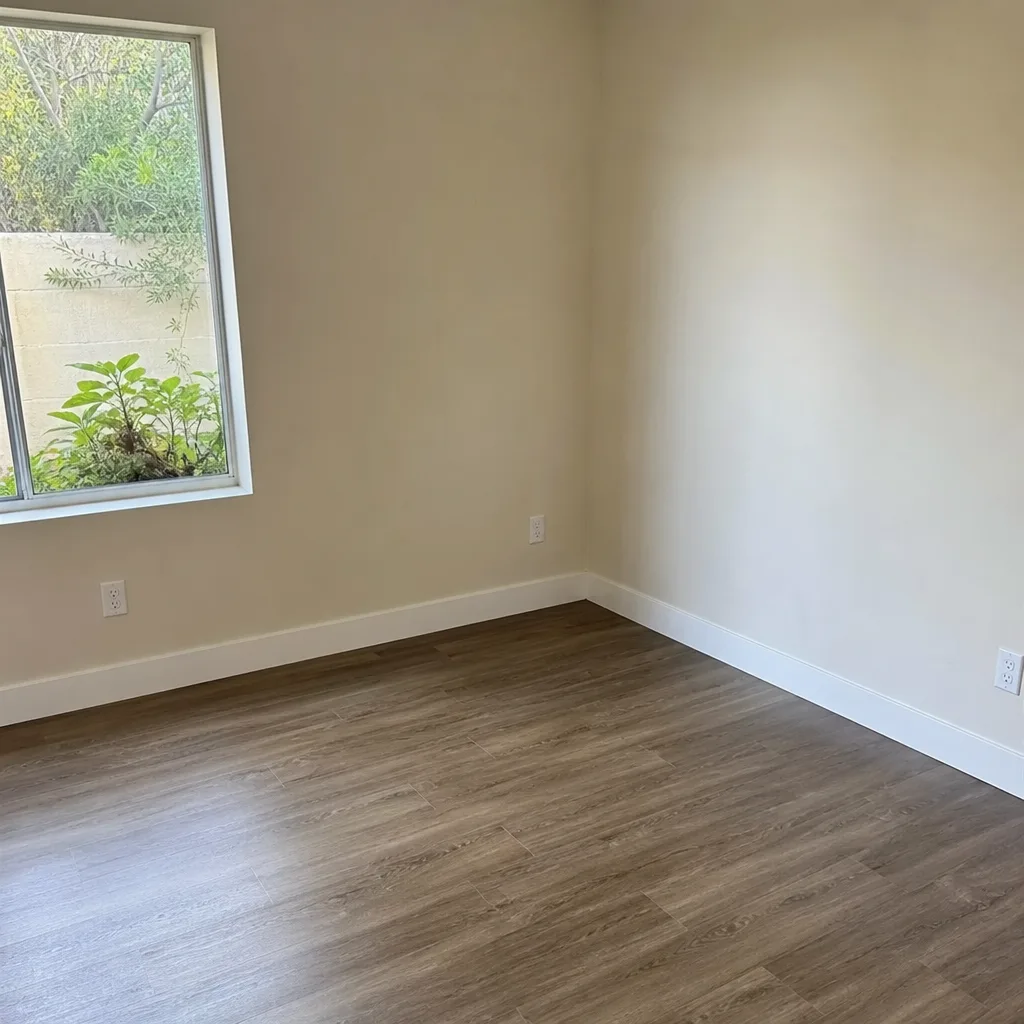 After
After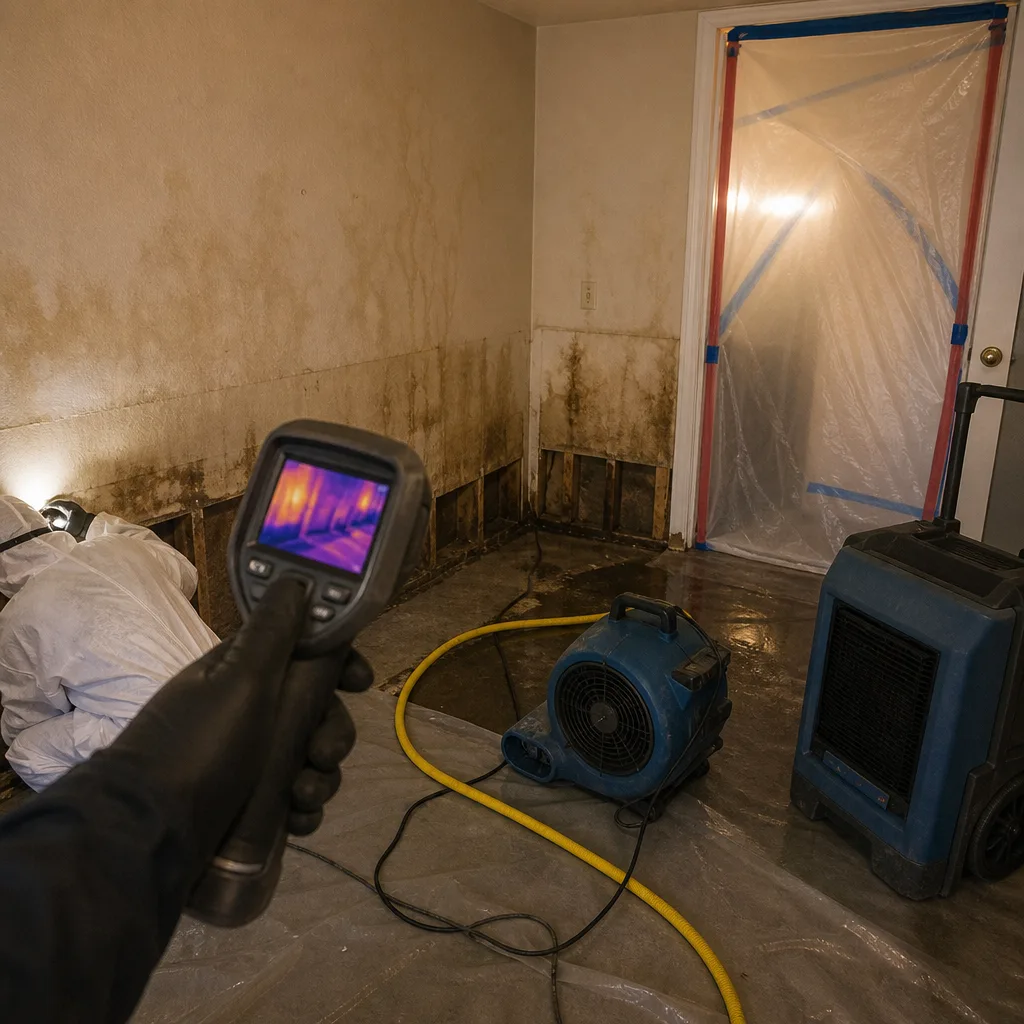 Before
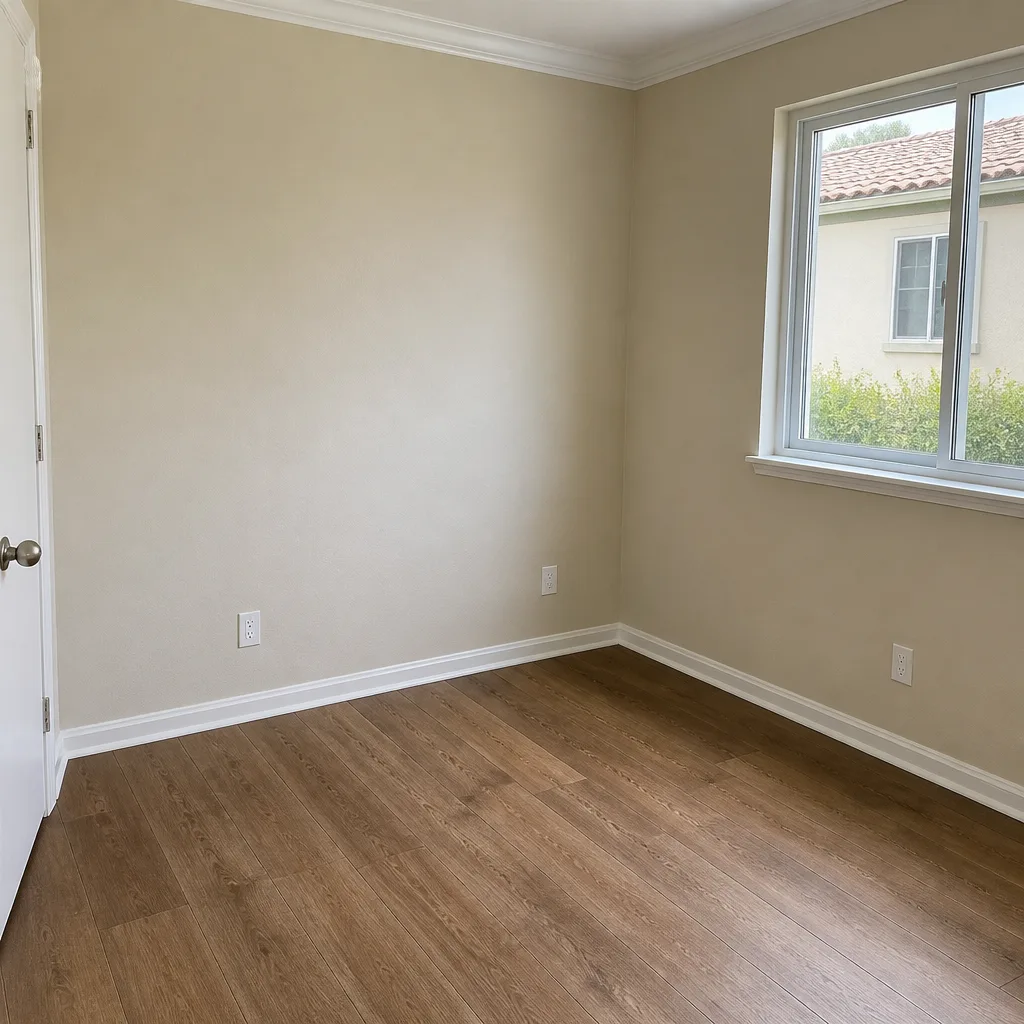 After
After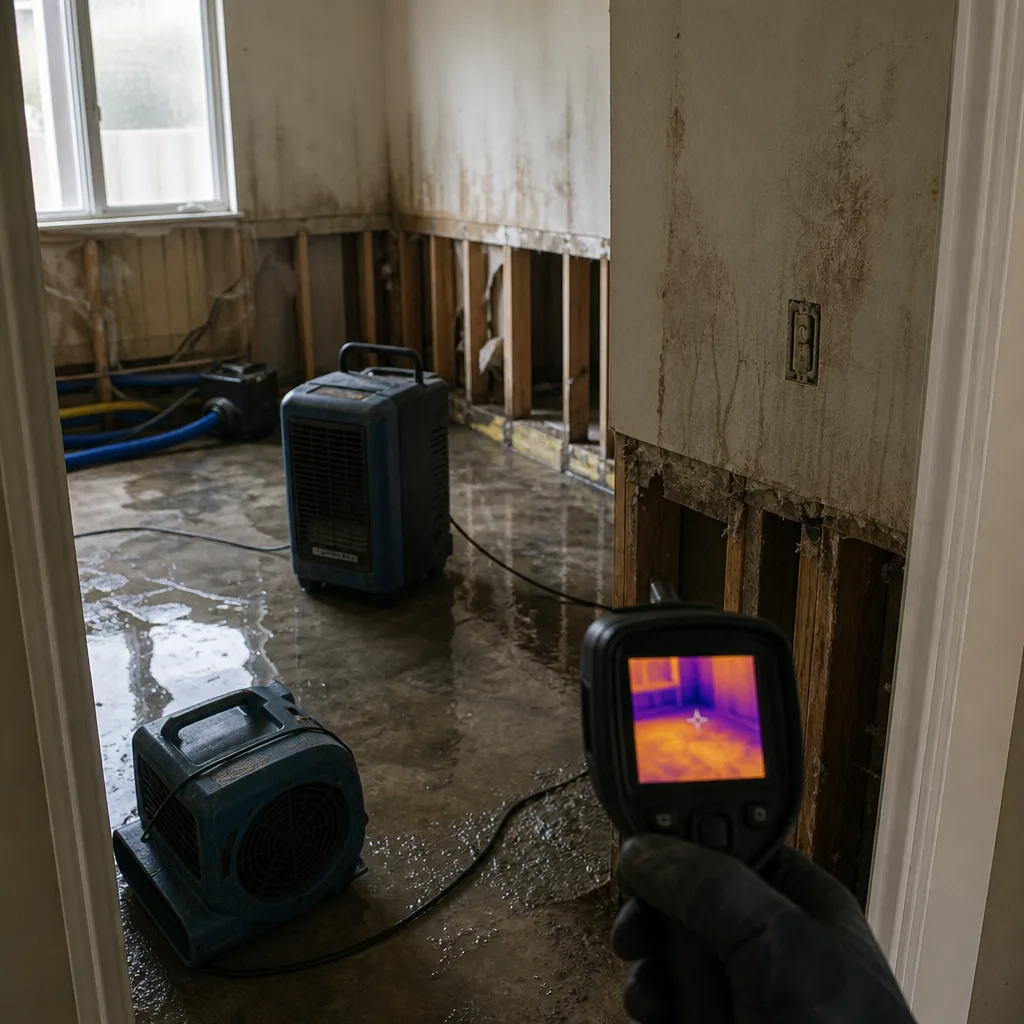 Before
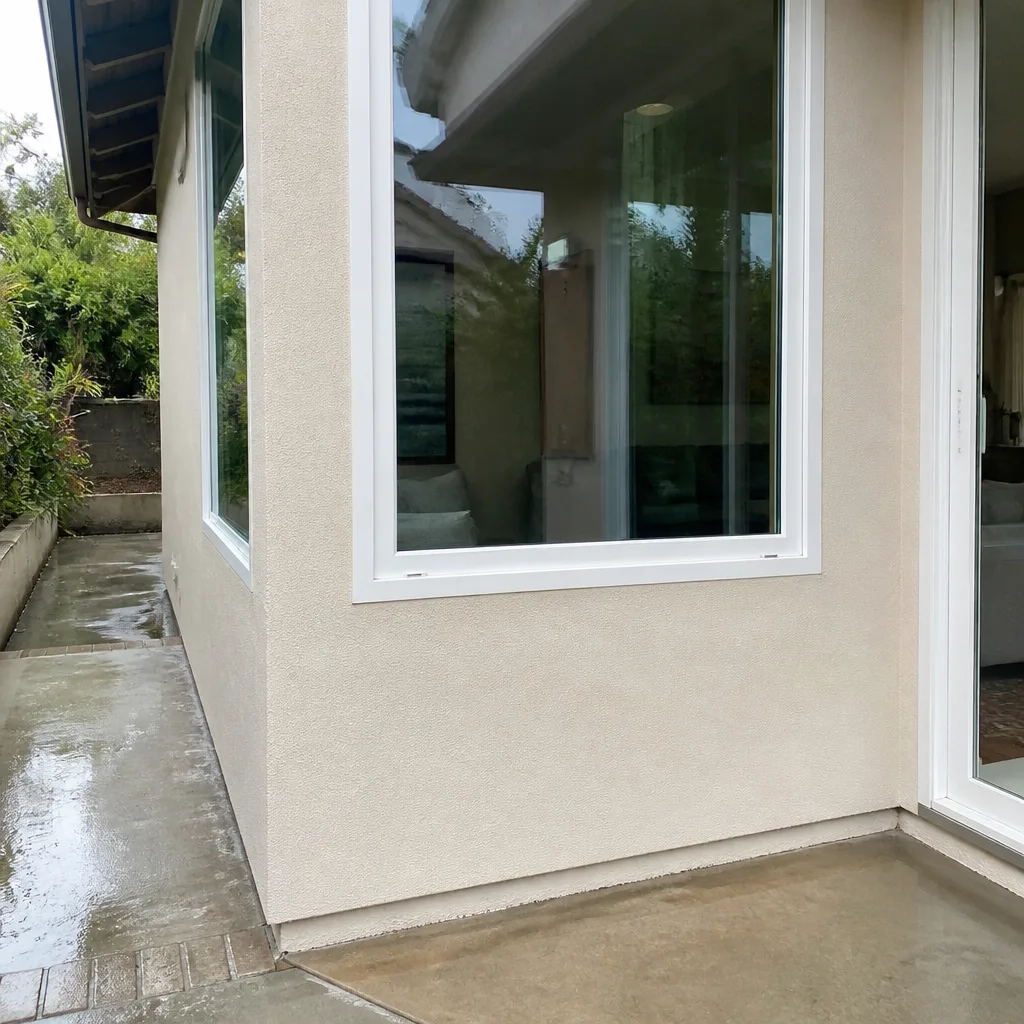 After
AfterThe Complete Guide to Damage Restoration in Mission Viejo
Most restoration jobs in Southern California are closed out with a one-page invoice and a handshake - which is exactly why insurers deny or reduce 1 in 3 residential water damage claims on first submission. In Mission Viejo, where hillside lots channel water unpredictably and Santa Ana winds drive smoke deep into Saddleback Valley homes, that documentation gap isn’t an administrative headache. It’s a financial loss that falls on the homeowner. This guide explains what a properly documented restoration job actually looks like, how to read your own invoice before an adjuster does, and why the work isn’t finished when the equipment leaves - it’s finished when the file can survive an audit.
Quick Answer
Damage restoration in Mission Viejo is the process of returning a home to pre-loss condition after water, fire, mold, storm, or biohazard damage, documented with daily moisture readings, photo records, and a written scope of work delivered before any work begins. A compliant job file in Orange County typically contains 40-80 pages of evidence and costs between $2,800 for limited water damage and $45,000+ for full fire reconstruction, with most insurance-covered water mitigation projects falling in the $4,500-$12,000 range. The difference between a claim that pays and one that gets reduced often comes down to whether your restoration company produces a drying log or just an invoice.
Table of Contents
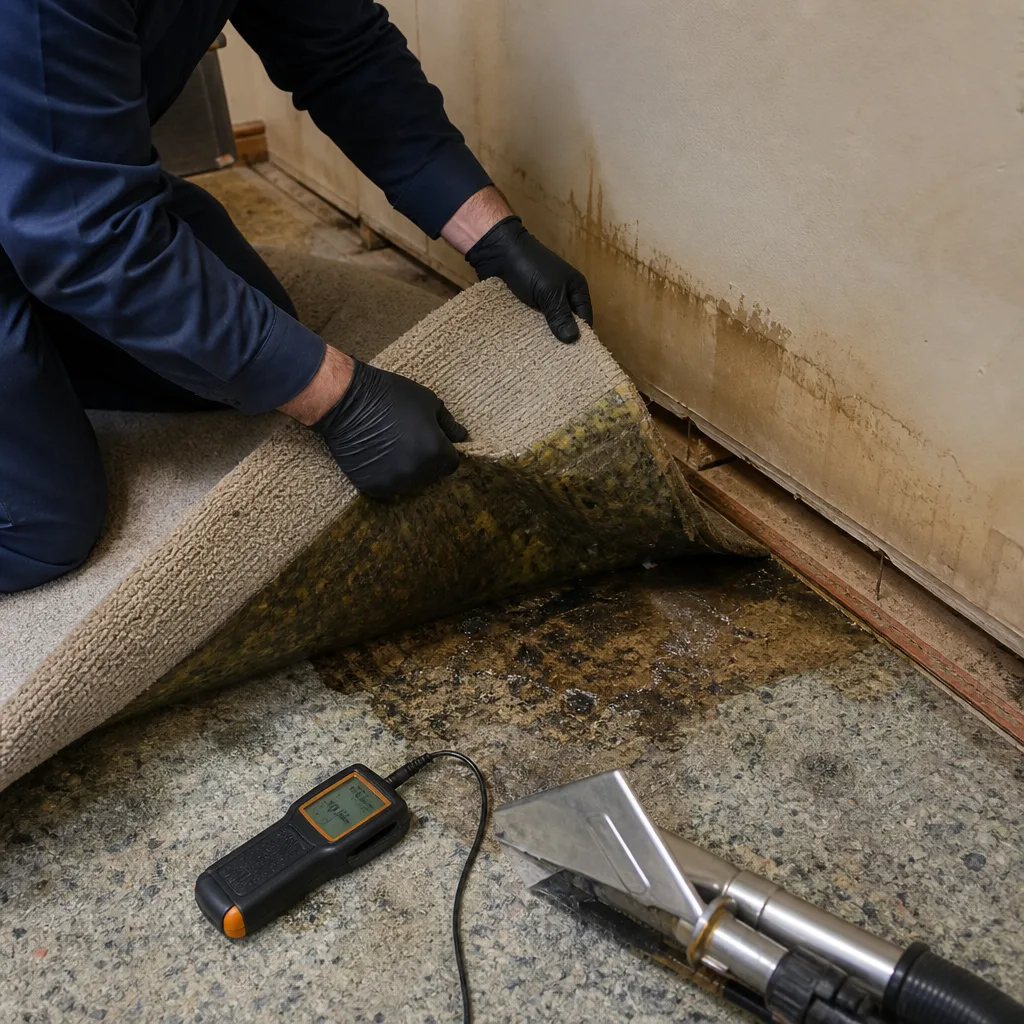
- What Is Damage Restoration, Actually?
- Mission Viejo’s Unique Damage Risk Profile
- Documentation as the Real Deliverable
- How to Read Your Restoration Invoice Line by Line
- Water, Fire, Mold, and Beyond: Services Explained
- Working With Insurance: What Adjusters Actually Need
- Choosing a Restoration Company in Mission Viejo
- The 365-Day Done Right Promise: What Written Actually Means
 Before
 After
AfterWhat Is Damage Restoration, Actually?
Restoration is not construction with a different name. Construction builds something new. Restoration returns an existing structure to a documented pre-loss condition, and that return must be provable to a third party.
The Institute of Inspection, Cleaning and Restoration Certification (IICRC) sets the industry standards that most insurers recognize. IICRC S500 covers water damage, S520 covers mold remediation, and S740 addresses fire and smoke restoration. These aren’t suggestions - they’re the reference points adjusters use when they question whether a charge is justified.
A restoration job moves through distinct phases:
- Emergency mitigation: Stopping active damage, extracting standing water, boarding openings, establishing containment. This is where speed matters. Water travels horizontally through Mission Viejo’s common slab-on-grade construction at roughly 1 foot per hour through porous materials.
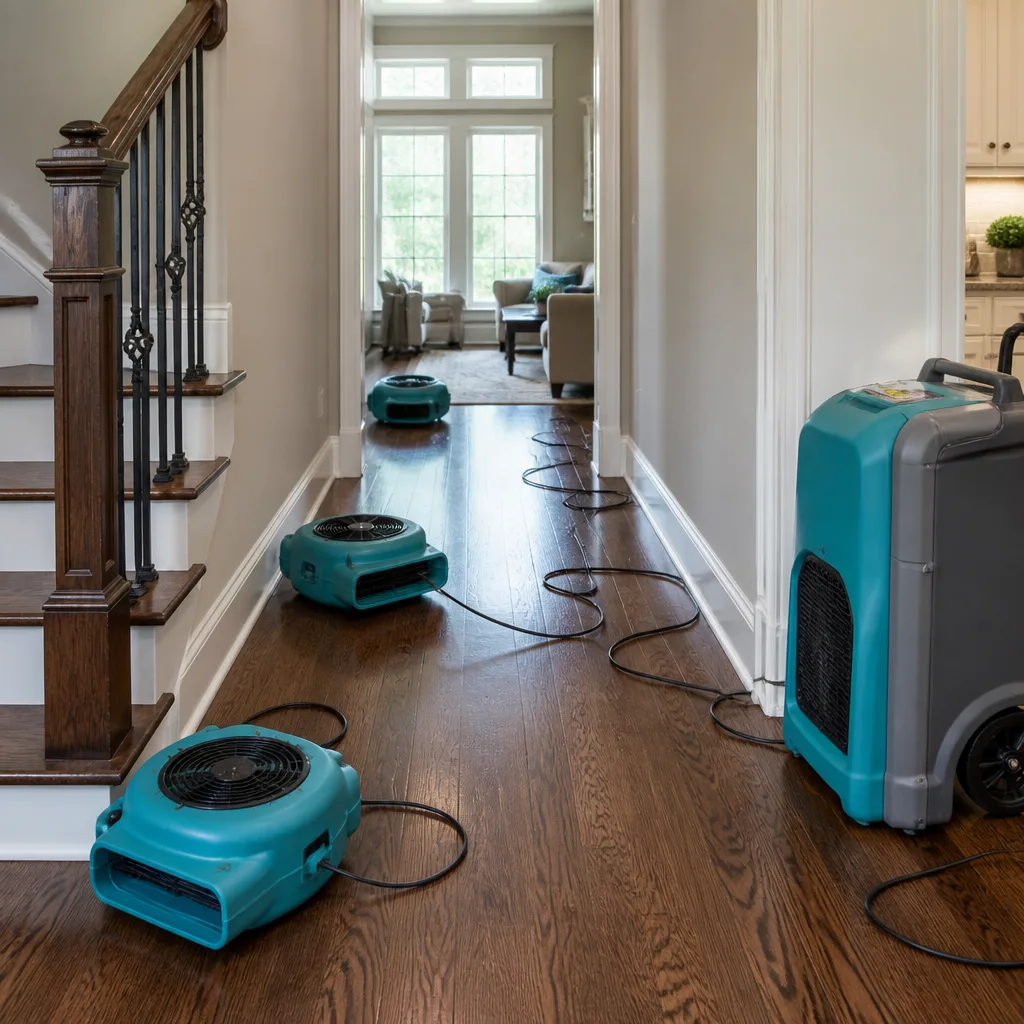
- Structural drying or remediation: The measured phase. Equipment runs 24 hours with daily monitoring. Psychrometric data - temperature, relative humidity, and specific humidity readings - gets recorded at consistent points to prove progress.
- Reconstruction: Returning removed materials. This phase is scoped, scheduled, and priced in writing like any remodel. Same-day dispatch doesn’t apply here.
The DryMark Restoration Mission Viejo home page outlines our full service range, but the principle across all of them is identical: every phase produces documentation that outlives the work itself.
Mission Viejo’s Unique Damage Risk Profile
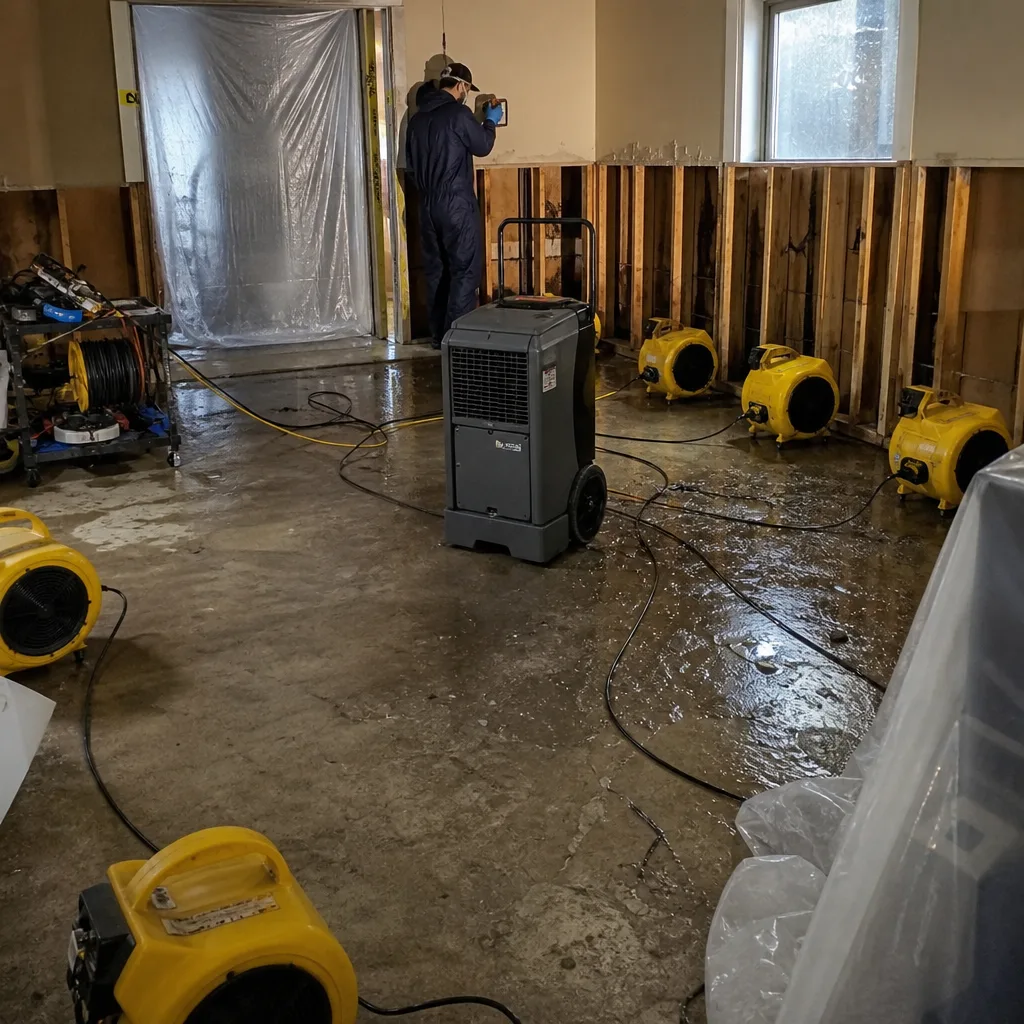
Mission Viejo sits in the Saddleback Valley, surrounded by hills that create specific vulnerabilities most inland Orange County cities don’t share. Understanding these patterns helps homeowners recognize when damage is likely worse than it appears.
Hillside Water Migration
Homes on the northern and eastern slopes - neighborhoods like Pacific Hills and Canyon Crest - deal with water that doesn’t just pool. It travels. A slab leak on the uphill side of a home can show first as damp drywall on the opposite downhill wall, 30 feet from the source. We’ve documented cases in Mission Viejo where water migrated under slab foundations and reappeared in garages two days after the initial event.
This matters for documentation because the visible damage is rarely the full damage. A restoration company that only treats what they can see leaves hidden moisture that breeds mold and triggers future claims disputes. Our standard protocol in hillside Mission Viejo properties includes thermal imaging and non-invasive moisture meters at 4-foot intervals along exterior walls, with readings recorded to the drying log before equipment placement.
Aging Slab Construction
Much of Mission Viejo was built between 1967 and 1995. The copper piping in these homes has now endured 30-55 years of Southern California’s mineral-heavy water. Pinhole leaks in slab foundations are increasingly common, and they’re insidious: slow enough to evade detection, persistent enough to saturate subflooring over weeks.
When we respond to suspected slab leak damage in Mission Viejo, we map moisture gradients across the slab. A reading of 18% moisture content in plywood subflooring is structurally concerning; 25% indicates active fungal growth conditions. These numbers go into the initial scope, with photo timestamps, so there’s no dispute later about whether the damage was sudden (typically covered) or long-term (often contested).
Santa Ana Wind-Driven Smoke
The Santa Ana winds that sweep through Orange County in fall and winter don’t just spread wildfires. They drive smoke particulates into homes that were never near an active burn. In Mission Viejo, we’ve treated homes 15 miles from the fire line with smoke residue in attic spaces, HVAC systems, and wall cavities.
Wildfire smoke contains acidic compounds that continue degrading surfaces after the visible haze clears. Documentation here requires pre-cleaning photo records, surface pH testing, and material-specific cleaning protocols. A homeowner who wipes visible soot and considers the job done often discovers corrosion on metal fixtures and lingering odor six months later - with the claim window closed.
Documentation as the Real Deliverable
There’s a critical distinction most homeowners don’t learn until it’s too late: a scope of work and a drying log are different classes of evidence, and insurers treat them differently.
The Scope of Work: The Promise
A scope of work is a written description of what will be done, by whom, with what materials, at what price. Haven Standard, Clause 1 requires this document before any work begins. It’s the contract layer - the agreement between homeowner and restoration company.
A proper scope in Mission Viejo specifies:
- Square footage of affected area, measured not estimated
- Material classifications by trade name (Category 1, 2, or 3 water; Class 1-4 damage severity)
- Equipment type and count, with manufacturer specifications
- Daily monitoring schedule with technician name
- Anticipated duration based on initial moisture readings
The Drying Log: The Proof
The drying log is the daily record that proves the scope was executed. Each entry contains:
- Date and time of technician arrival
- Equipment readings: temperature, relative humidity, specific humidity, and vapor pressure differential (the force that actually moves moisture from wet materials into dry air)
- Material moisture content at established test points, measured with pin or pinless meters
- Photos with timestamps showing equipment placement and material conditions
- Technician signature and any scope adjustments with homeowner notification
Vapor pressure differential is worth explaining. It’s the measurable force that drives drying. When we deploy Injectidry systems in Mission Viejo wall cavities, we’re creating a controlled pressure difference that pulls moisture from inside the wall to the surface where B-Air and Phoenix dehumidifiers can capture it. The drying log records this differential at each visit. Without that number, an adjuster can’t verify that drying was actively managed rather than passively hoped for.
Insurers deny claims when they see a scope but no log. The scope says what was promised. The log proves what was delivered. One without the other is an incomplete file.
How to Read Your Restoration Invoice Line by Line
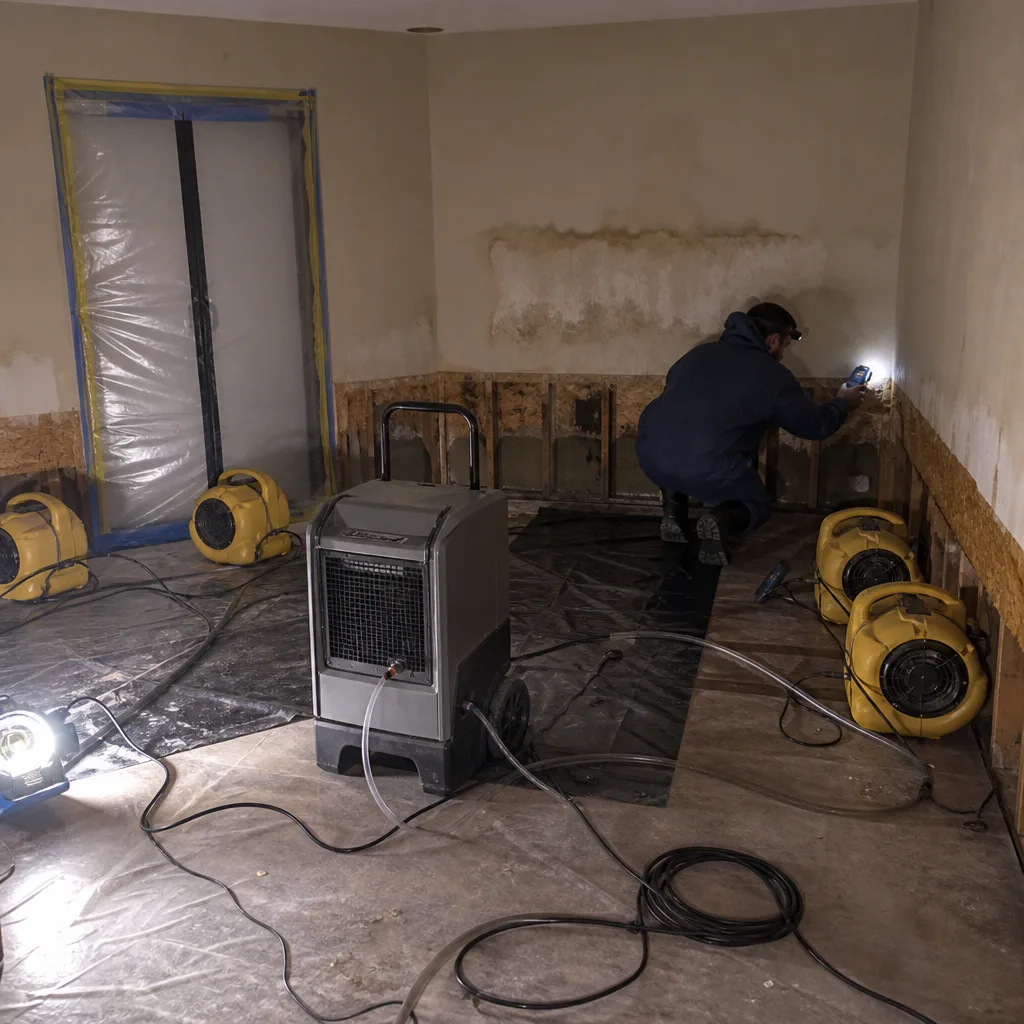
Restoration invoices follow standard pricing structures, but the line items that trigger adjuster pushback are predictable. Here’s how to read yours before submission.
Equipment Charges
Dehumidifiers, air movers, and specialty equipment are typically billed by the day with minimums. A standard LGR (low-grain refrigerant) dehumidifier runs $85-$140 per day in the Mission Viejo market. Air movers range $25-$45 per day. The red flag isn’t the rate - it’s the day count without supporting drying log entries showing daily monitoring.
Ask: Does each equipment day have a corresponding log entry with moisture readings? If day 4 shows no moisture reduction from day 3, why did equipment remain? The answer should be in the log - equipment repositioning, additional extraction, or material removal. Silence on this point invites reduction.
Labor Rates and Technician Classification
Water mitigation labor in Orange County typically bills at $65-$95 per hour for technicians, $125-$175 for certified supervisors. Fire and biohazard work runs higher due to PPE and disposal requirements. The invoice should specify who performed which tasks and when.
Material Removal and Disposal
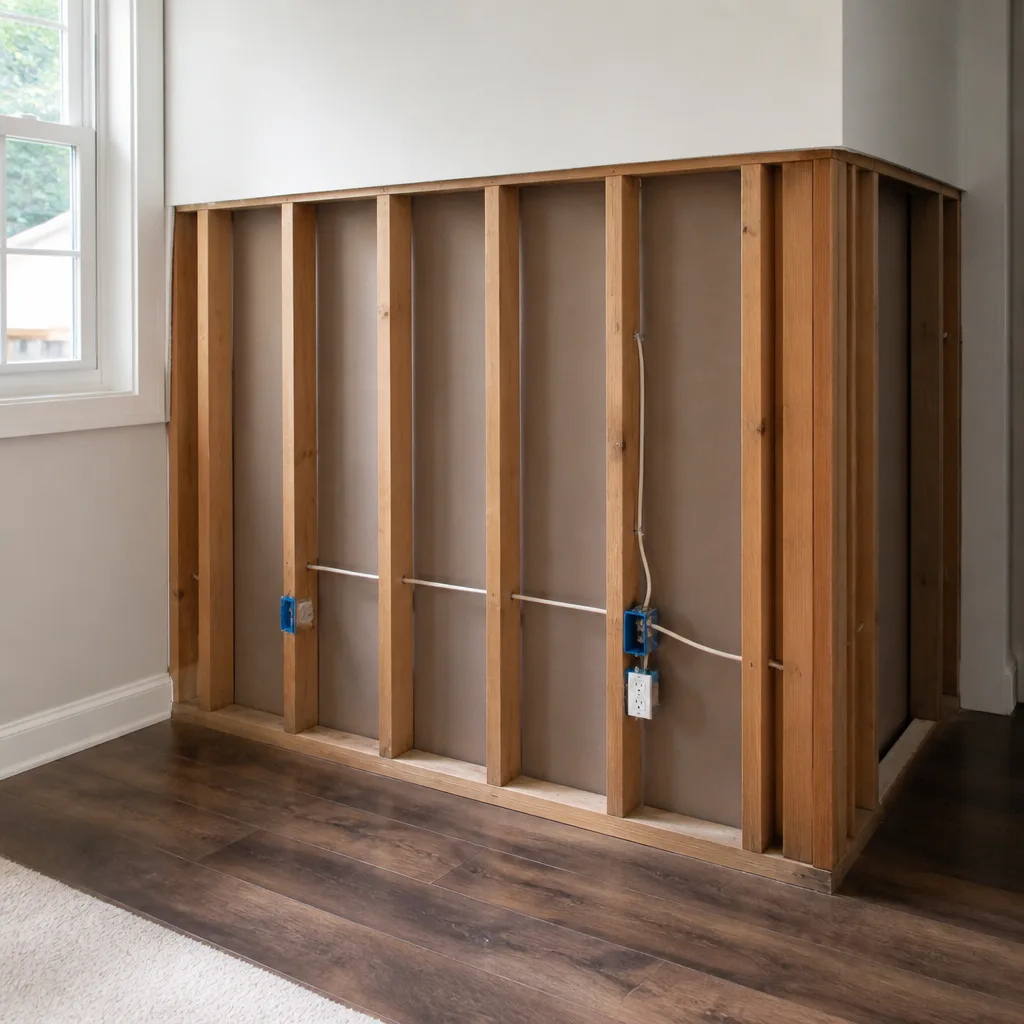
This is where documentation gaps cost homeowners most. Removed materials must be itemized by type, dimension, and location. “Removed damaged drywall” is insufficient. “Removed 32 linear feet of 1/2″ drywall from east wall of master bedroom, 8′ height, due to Category 2 water saturation at 28% moisture content” is defensible. The photo record should show each removal area before, during, and after.
Common Adjuster Pushback Points
| Line Item | Typical Pushback | Documentation Defense |
|---|---|---|
| Extra dehumidifier days | “Drying should have completed sooner” | Drying log showing daily moisture readings and equipment adjustments |
| Specialty equipment (Injectidry, etc.) | “Not necessary for this loss” | Scope noting specific wall cavity construction and moisture mapping |
| Content manipulation (moving furniture) | “Homeowner could have done this” | Photo record showing heavy items, contamination, or structural instability |
| Antimicrobial application | “Not warranted for Category 1 water” | Initial moisture readings and duration before extraction began |
| Reconstruction markup | “Exceeds customary contractor rates” | Written scope with line-item pricing agreed before work began |
The pattern is clear: every charge that survives scrutiny does so because a document predates it. Every charge that gets reduced lacks that paper trail.
Water, Fire, Mold, and Beyond: Services Explained
Water Damage Restoration
Water damage restoration in Mission Viejo follows IICRC S500 protocols, but the local application varies by water category and construction era. Category 1 water - clean supply line breaks - can often be dried in place if addressed within 24 hours. Category 2 - dishwasher or washing machine discharge - requires antimicrobial treatment. Category 3 - sewage or ground flooding - demands removal of porous materials that contact the water.
In Mission Viejo’s 1970s-1990s slab construction, Category 1 can become Category 2 quickly. Water trapped under slab edges with no vapor barrier encounters soil contaminants. We test water at the extraction point and at 24 hours to document any category shift - a point insurers often contest if unrecorded.
Mold Remediation
Mold remediation in Mission Viejo operates under IICRC S520 and California’s Mold Remediation Standards. The critical documentation here is the initial assessment: air sampling or ERMI dust analysis, moisture source identification, and containment plan. Remediation without source elimination is temporary, and insurers increasingly refuse to pay for repeat treatments.
Mission Viejo’s coastal influence means higher ambient humidity than inland Orange County cities. Homes near Lake Mission Viejo or the Arroyo Trabuco corridor often maintain 60%+ relative humidity without active dehumidification - the threshold where mold growth accelerates on cellulose materials. Our assessments include long-term humidity management recommendations, documented in the scope.
Fire and Smoke Damage Restoration
Fire and smoke damage restoration in Mission Viejo addresses more than visible burn patterns. Smoke residues vary by fuel source: protein fires from kitchen grease leave nearly invisible but pungent residues; synthetic fires from plastics produce acidic, corrosive deposits; wildfire smoke carries particulate matter that penetrates HVAC systems and wall cavities.
The documentation standard here includes pre-cleaning photo records, surface pH testing at multiple points, and material-specific cleaning protocols. Restorable items are inventoried by room with condition photos. Non-restorable items are documented for content claims before disposal - a step many homeowners skip, then struggle to prove losses months later.
Storm, Sewage, and Biohazard
These services share a common trait: they’re emergency mitigation work where speed, safety documentation, and permits and code compliance are paramount. Storm damage in Mission Viejo often involves roof breaches during Santa Ana wind events, with subsequent water intrusion. Sewage and biohazard work carries OSHA and EPA disposal requirements that must be documented for both insurance and regulatory compliance.
Our technicians on these jobs wear documented PPE, follow written safety protocols, and produce disposal manifests with waste facility receipts. These aren’t administrative extras - they’re the evidence that protects homeowners from liability and insurers from coverage disputes.
Working With Insurance: What Adjusters Actually Need
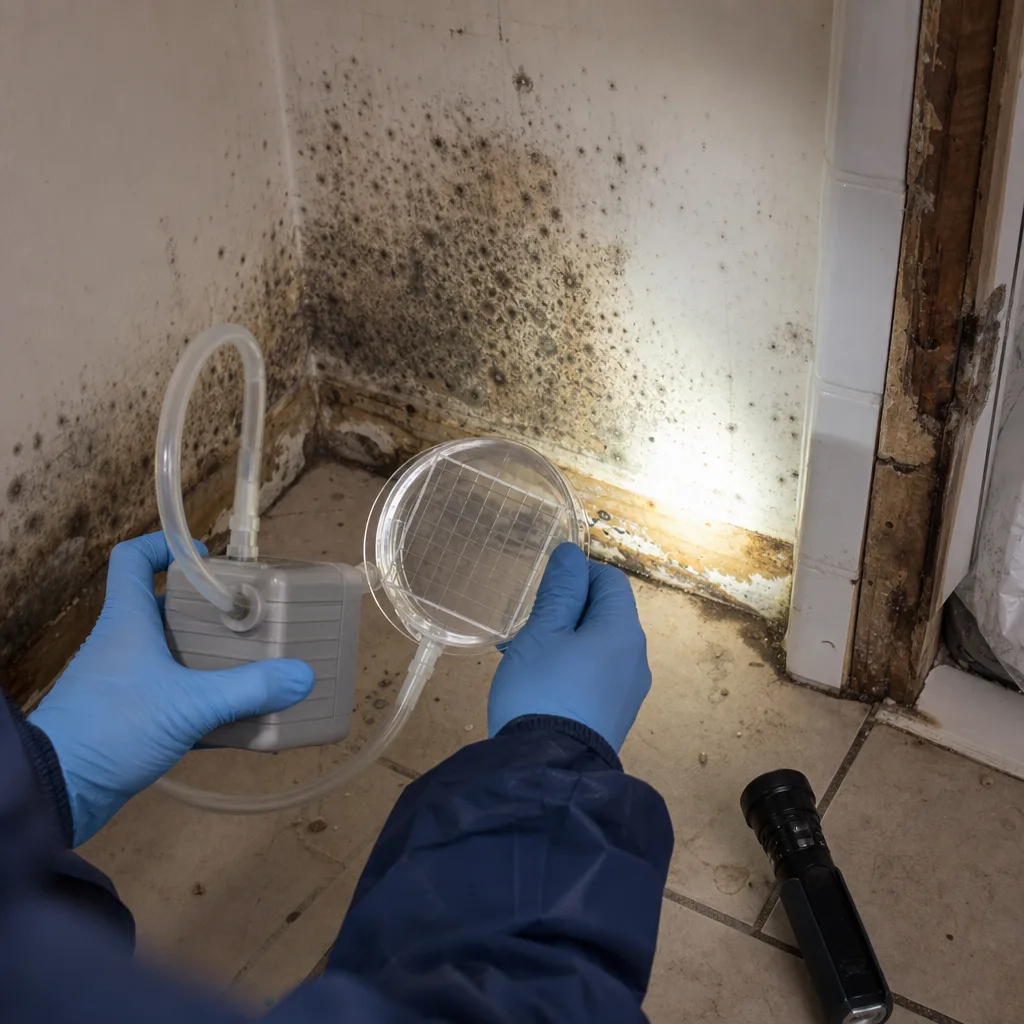
Insurance adjusters are not enemies. They’re professionals with a file load and a checklist, and the restoration company that understands their workflow gets claims paid faster with fewer reductions.
Here’s what an adjuster actually needs to see:
- Date of loss, documented: Not “sometime last Tuesday.” The initial call timestamp, the technician arrival photo with embedded metadata, the moisture reading time-stamp. These establish the timeline that determines coverage triggers.
- Cause of loss, with evidence: A burst pipe needs a photo of the failed fitting. A slab leak needs the plumber’s report. Wildfire smoke needs the official fire incident number. The restoration company should gather this, not hand the homeowner a checklist.
- Mitigation timeline: When did extraction begin? When were air movers placed? The first 24-48 hours determine whether damage is controllable or catastrophic, and insurers scrutinize delays.
- Pre-existing condition documentation: Photos showing the state of materials before the loss. This protects everyone - homeowner, insurer, and restoration company - from disputes about what the loss actually caused.
- Written scope with line-item pricing: Haven Standard, Clause 1. Before work begins. Every time.
We coordinate directly with adjusters on Mission Viejo claims, providing the complete file - drying logs, photo records, equipment specifications, and disposal manifests - in the format their systems expect. This isn’t courtesy. It’s the documentation-first approach that turns restoration invoices into payable claims.
Photo documentation is standard on every visit, never an upsell. Our daily logs include 15-40 images per visit, geo-tagged and time-stamped, uploaded to a shared folder the adjuster can access. This transparency eliminates the back-and-forth that delays payment.
Choosing a Restoration Company in Mission Viejo
The selection criteria that matter aren’t on most comparison lists. Here’s what actually predicts a successful restoration outcome, with more guides & resources linked throughout:
Documentation Practices You Can Verify Before Hiring
Ask to see a sample drying log from a recent job (with identifying information redacted). A company that can’t produce this in five minutes doesn’t produce them consistently. Ask how photos are stored and shared - email attachments? Cloud folder? Portal access? The method reveals the system’s maturity.
Ask specifically: “Will I receive a written price before work begins?” If the answer involves “estimates,” “ranges,” or “we’ll assess on site,” that’s not Haven Standard, Clause 1. A written price is a fixed commitment, not a starting point for negotiation once equipment is in your living room.
Equipment and Standards
Professional-grade drying systems from Dri-Eaz, Phoenix, XPOWER, B-Air, and Injectidry aren’t brand preferences - they’re the tools that produce measurable results. Ask what equipment will be used on your specific job and why. The answer should reference your moisture readings and material types, not a standard package.
All work should be documented to IICRC, RIA, and IFA standards. These aren’t memberships - they’re documented protocols with specific requirements for monitoring frequency, equipment placement, and completion criteria.
Local Knowledge
A technician who knows Mission Viejo’s hillside drainage patterns, the common slab construction of Pacific Hills versus Painted Trails, and the Santa Ana smoke behavior specific to Saddleback Valley will document more accurately from the first visit. This knowledge isn’t replaceable with generic training.
The 365-Day Done Right Promise: What Written Actually Means
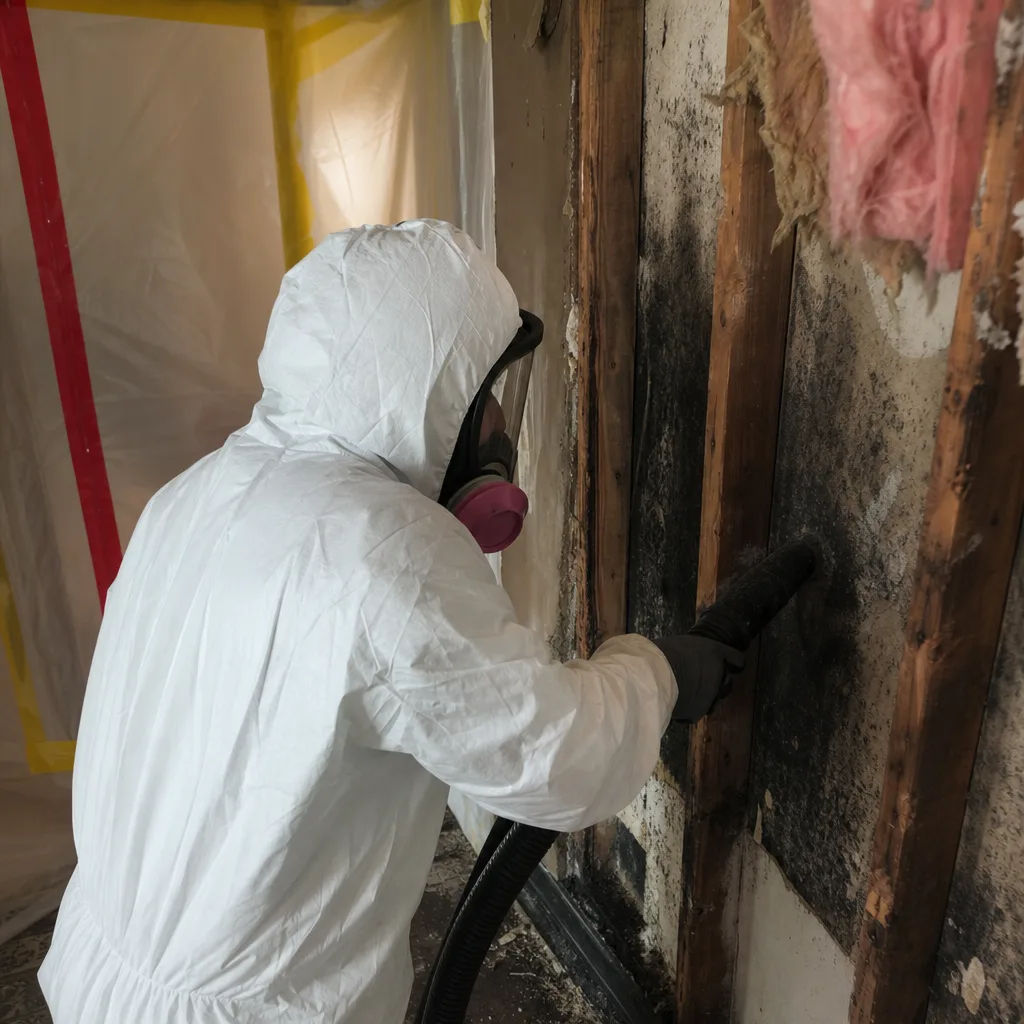
Most restoration companies offer some form of satisfaction guarantee. The difference is whether that guarantee exists as a marketing line or as a signed, addressable document.
The Haven Standard’s 365-Day Done Right Promise is stamped on every job file, not mentioned verbally and forgotten. It specifies: if any aspect of the restoration fails to perform as documented within 365 days, we return to correct it at no charge. This covers drying that didn’t complete, odors that return, materials that fail, and workmanship defects.
The promise only works because it’s paired with the documentation that defines “done right.” A verbal promise has no reference point. A written promise with a drying log, photo record, and signed scope creates accountability on both sides.
We’ve honored this promise in Mission Viejo for homes where seasonal humidity shifts revealed incomplete drying, where contractor-grade paint failed over properly remediated surfaces, and where settling foundations created new cracks unrelated to our work - which we documented and explained rather than denying. The promise builds trust because it’s specific, not because it’s generous.
Common Mistakes to Avoid
- Waiting to document until after cleanup begins. The first photo should be taken before any equipment touches the property. Once water is extracted or debris removed, the pre-loss condition is unprovable.
- Accepting a phone estimate as binding. In Mission Viejo’s variable construction market, a phone estimate is a guess. Haven Standard, Clause 1 requires a written price before work begins - anything less exposes you to scope creep.
- Ignoring hillside water migration patterns. Homeowners in Canyon Crest and Pacific Hills often treat visible water as the full problem, missing slab or foundation moisture that surfaces weeks later as mold or structural damage.
- Discarding damaged materials before photo documentation. Insurers require evidence of loss for content and structural claims. That waterlogged carpet is evidence until it’s photographed, measured, and documented.
- Assuming Category 1 water stays Category 1. Time, temperature, and contact with contaminated surfaces can reclassify water. Without 24-hour testing documentation, you may face coverage disputes.
- Treating reconstruction as an extension of mitigation. These are separate phases with separate pricing structures, permits, and timelines. A company that blurs this distinction often produces invoices that adjusters reduce.
- Failing to verify technician credentials on arrival. Background-checked, uniformed technicians with visible identification protect your property and your claim. Ask for the license number. A legitimate professional provides it.
When to Call a Professional
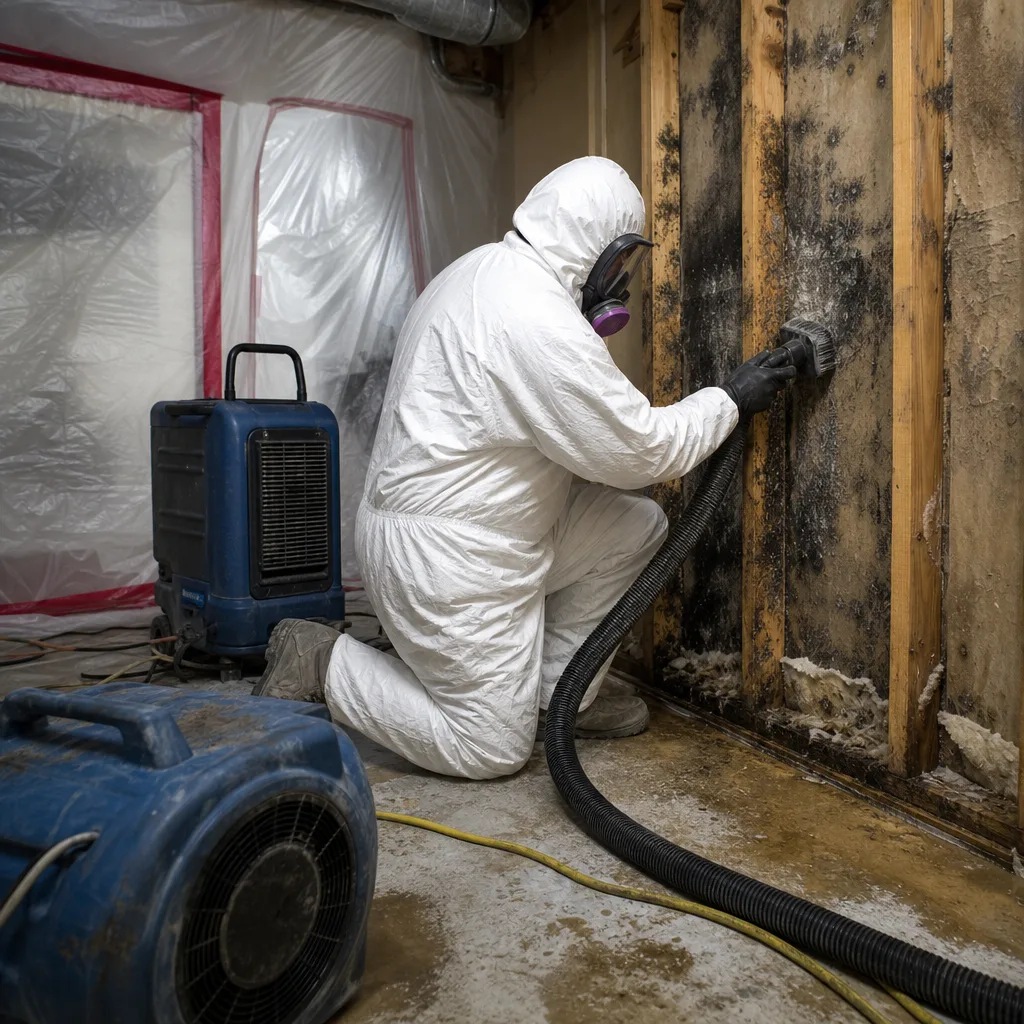
Call immediately when water is actively flowing, when you smell smoke or persistent musty odor, when mold is visible and exceeds 10 square feet, or when sewage or hazardous materials are present. These scenarios worsen with time and create liability exposure that DIY efforts rarely address adequately.
For slower-developing concerns - a single water stain, minor odor, suspected past leak - you still benefit from professional moisture mapping before visible damage spreads. DryMark Restoration Mission Viejo offers free estimates in Mission Viejo. Call (657) 297-0972 to schedule documentation that protects your property value and your insurance position.
Frequently Asked Questions
Water mitigation typically runs $4,500-$12,000 for insurance-covered residential losses, with limited Category 1 drying starting around $2,800 and full fire reconstruction exceeding $45,000. Every job is priced in writing before work begins under Haven Standard, Clause 1. Call (657) 297-0972 for a free estimate with exact pricing for your situation.
Most standard homeowners policies cover sudden and accidental damage - burst pipes, fire, storm intrusion - but exclude gradual damage from maintenance neglect or long-term leaks. Coverage also depends on documentation quality: claims with complete drying logs, photo records, and written scopes pay at higher rates with fewer reductions. We coordinate directly with adjusters and provide the file format they expect.
Emergency mitigation - water extraction, board-up, containment - is available with live phone coverage 24 hours a day, 7 days a week, with no voicemail trees. Reconstruction is scoped, scheduled, and priced in writing like any remodel; same-day service doesn’t apply to rebuild work. For active water or fire damage, call (657) 297-0972 now.
Mitigation stops damage and stabilizes conditions: water extraction, drying, debris removal, temporary repairs. Reconstruction returns the property to pre-loss condition: drywall, flooring, painting, fixture replacement. Mitigation is urgent and priced by the hour/day with equipment. Reconstruction is planned and priced by the project with fixed scope. Insurance policies often cover both but may apply separate deductibles.
Visible mold exceeding 10 square feet, mold in HVAC systems, or mold resulting from Category 2 or 3 water requires professional remediation under IICRC S520 and California standards. DIY cleaning of smaller areas is possible with proper PPE and containment, but without moisture source elimination and documentation, recurrence is likely and insurance may deny future related claims. We offer free second opinions on any competitor’s written mold estimate.
Both, but the restoration company should handle documentation submission and technical questions. You remain the policyholder and must authorize work and payment direction. We provide adjusters with complete files - drying logs, photos, equipment specs, disposal manifests - in their preferred format, and we document every conversation. This coordination is standard service, not an add-on.
Stop the source if safe: shut off the water main for plumbing leaks, avoid electrical hazards in water, and don’t enter fire-damaged structures until cleared. Document with your own photos if possible. Then call for professional assessment before moving or discarding anything. Early documentation protects your claim position.
The Bottom Line
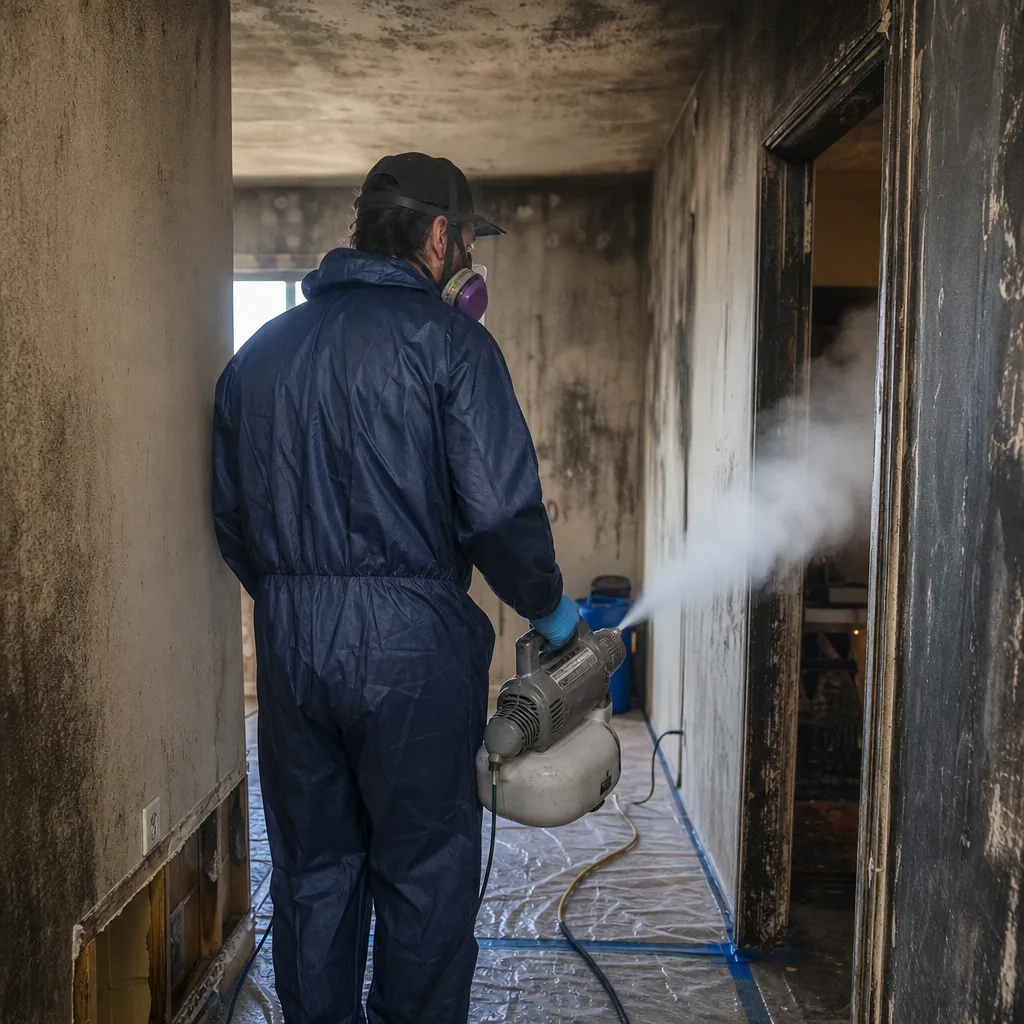
Damage restoration in Mission Viejo succeeds or fails on documentation, not equipment brand or response speed alone. A complete job file - written scope, daily drying log with psychrometric data, time-stamped photo record, and signed warranty - is what transforms restoration from a service into a recoverable insurance claim. The 1 in 3 claims that get denied on first submission? They’re the ones with invoices instead of files. We’ve produced documented restoration outcomes for over 12,000 homes since 2011, every one with a written price before work started and a record when the crew left. That standard, The Haven Standard, is what we apply to every Mission Viejo property we serve.
Written by Alicia Brennan, Owner at DryMark Restoration Mission Viejo, serving Mission Viejo since 2011.