
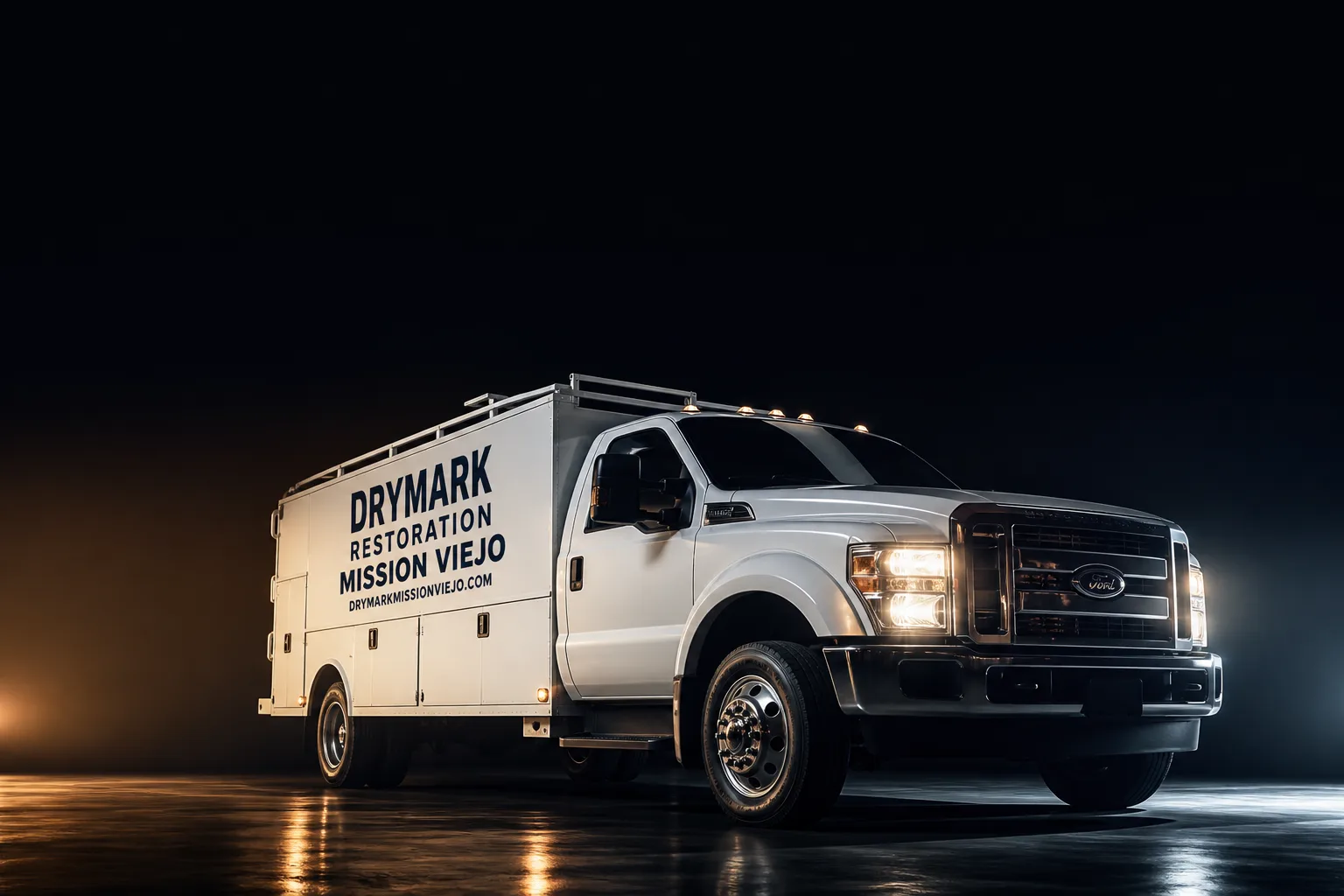
Free visual inspection and a written scope of work before any mitigation begins - photos, moisture readings, and drying logs go in your claim file
The scope we write is the scope we bill. Anything new gets shown to you, in writing, before we touch it.
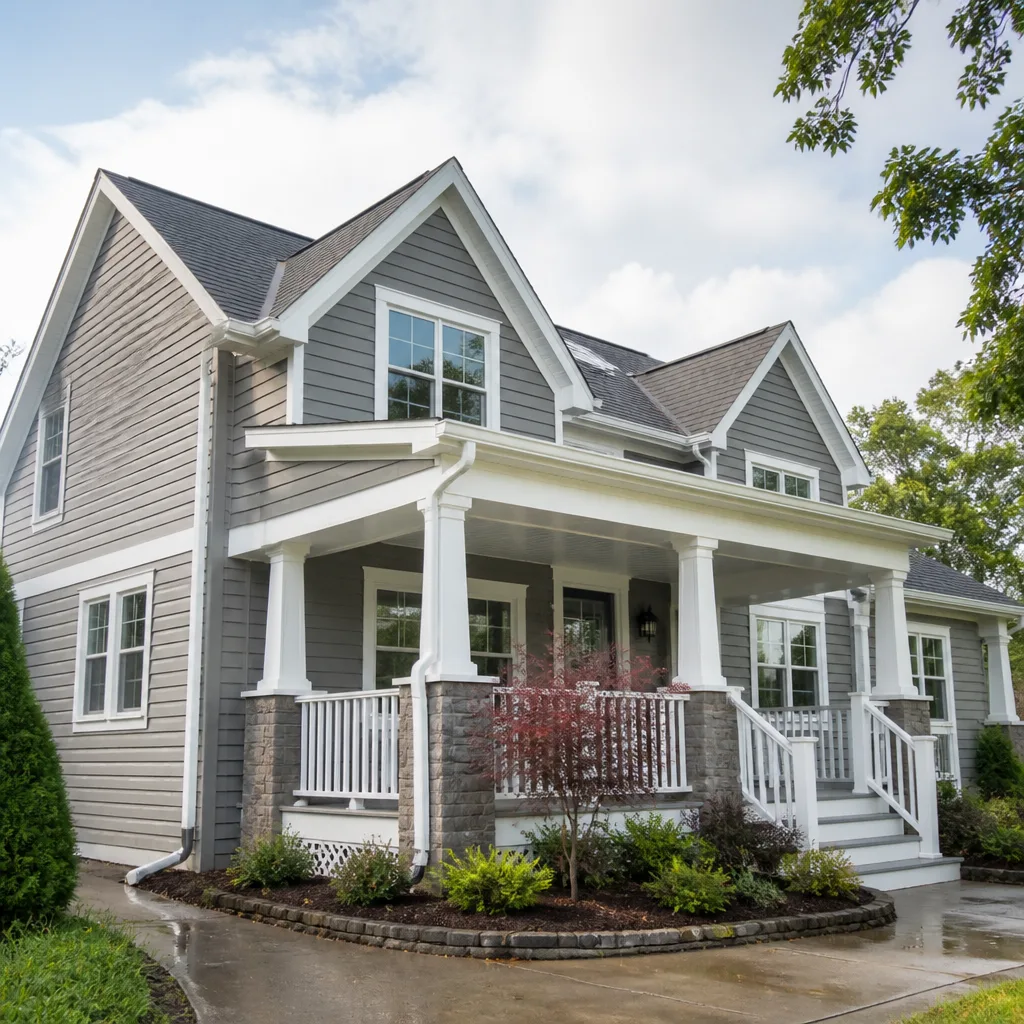
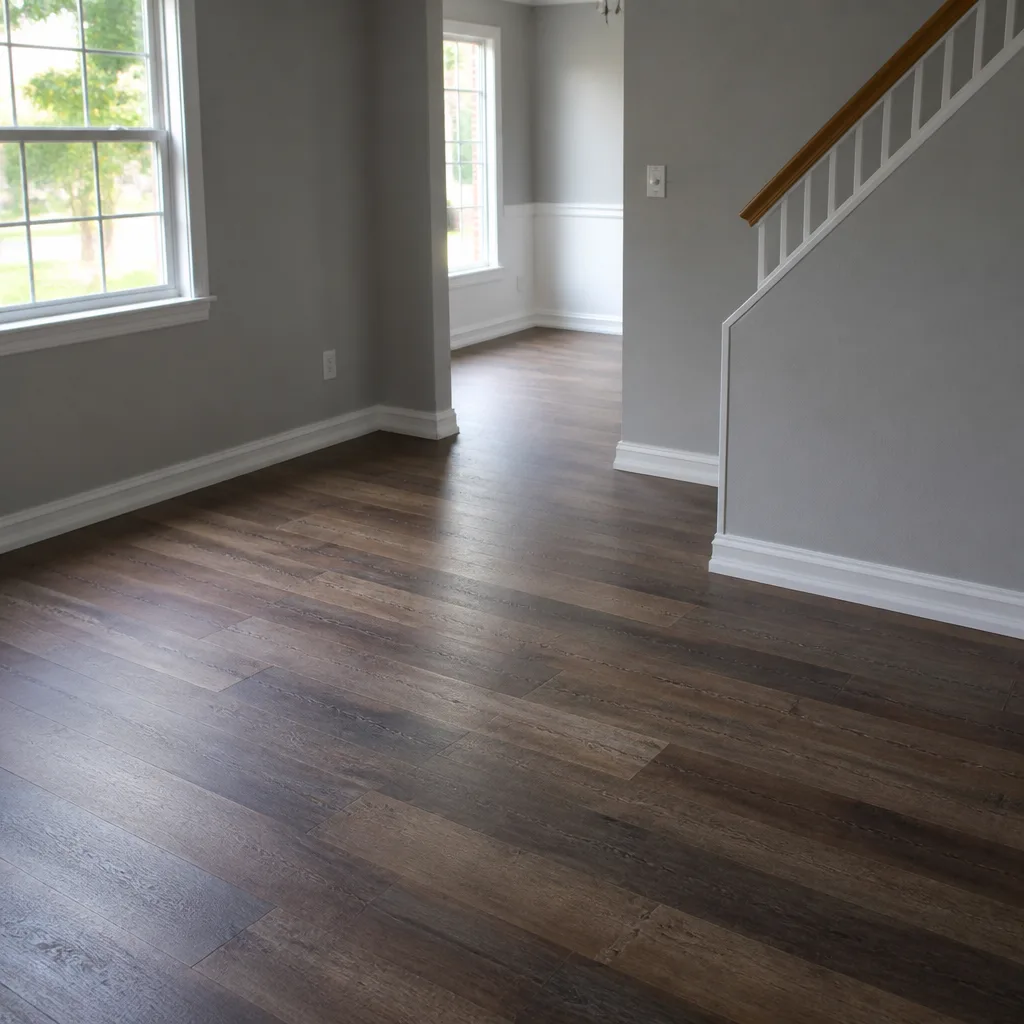
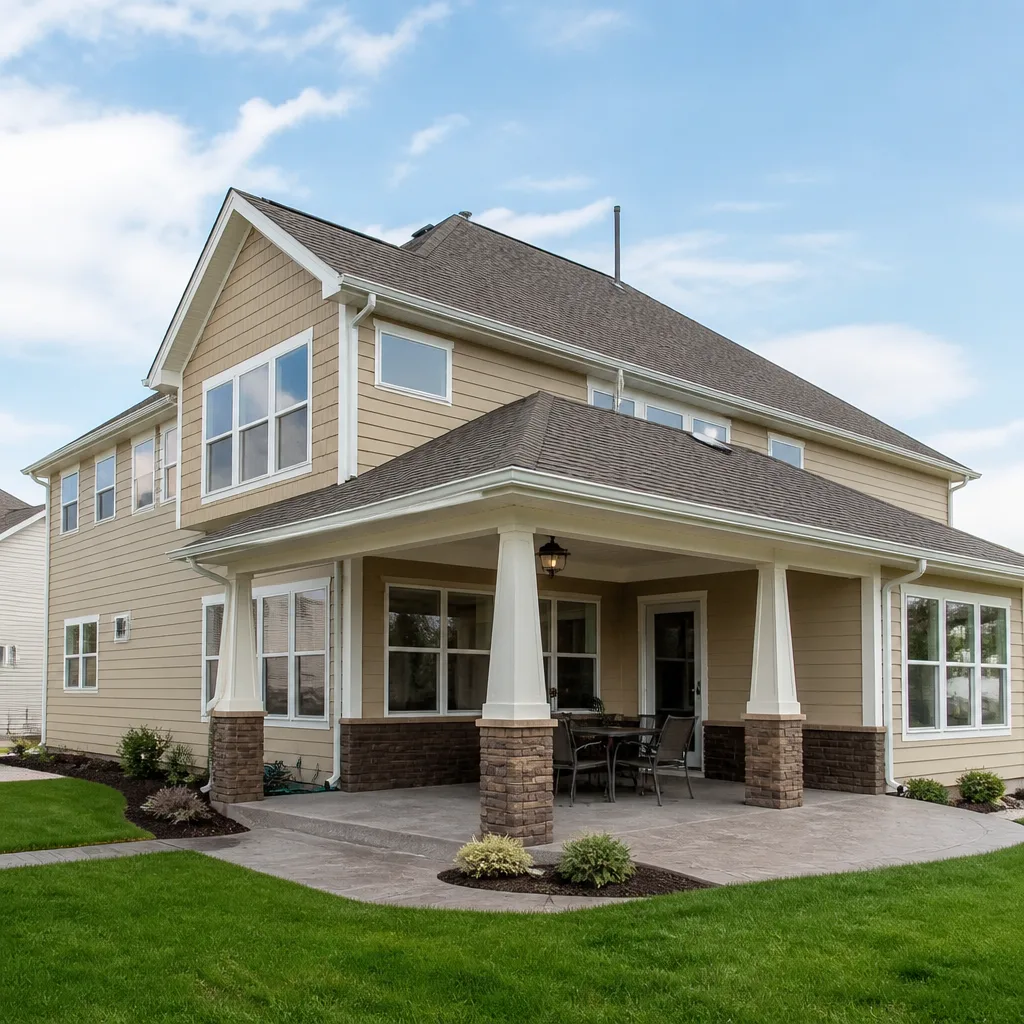
 Before
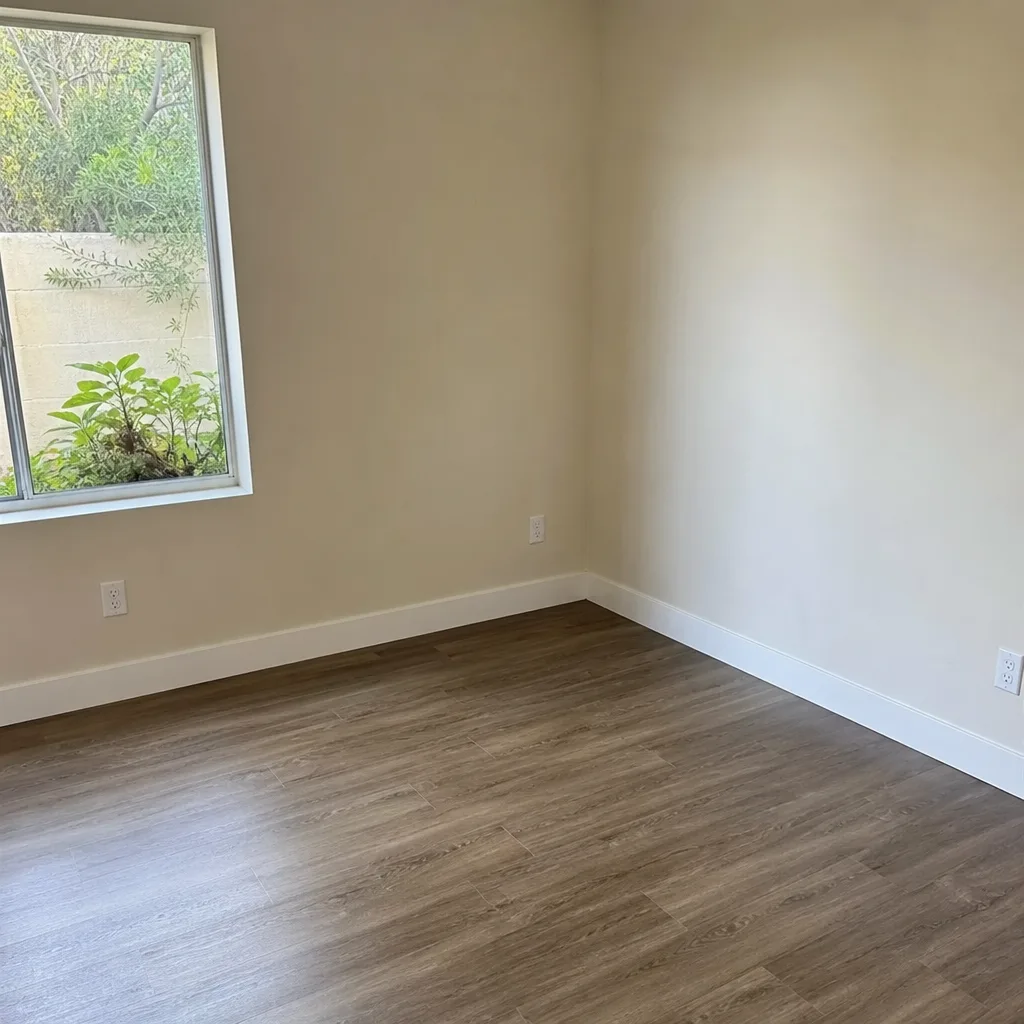 After
After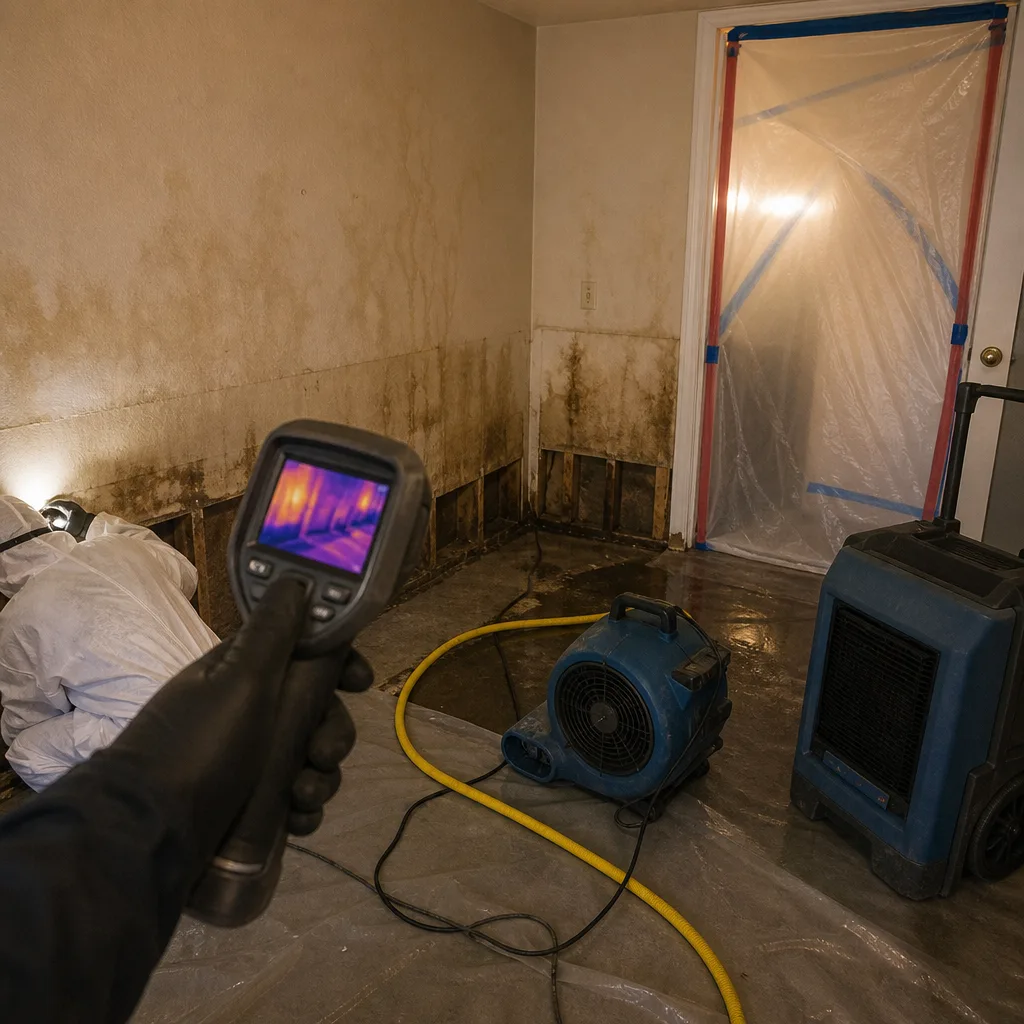 Before
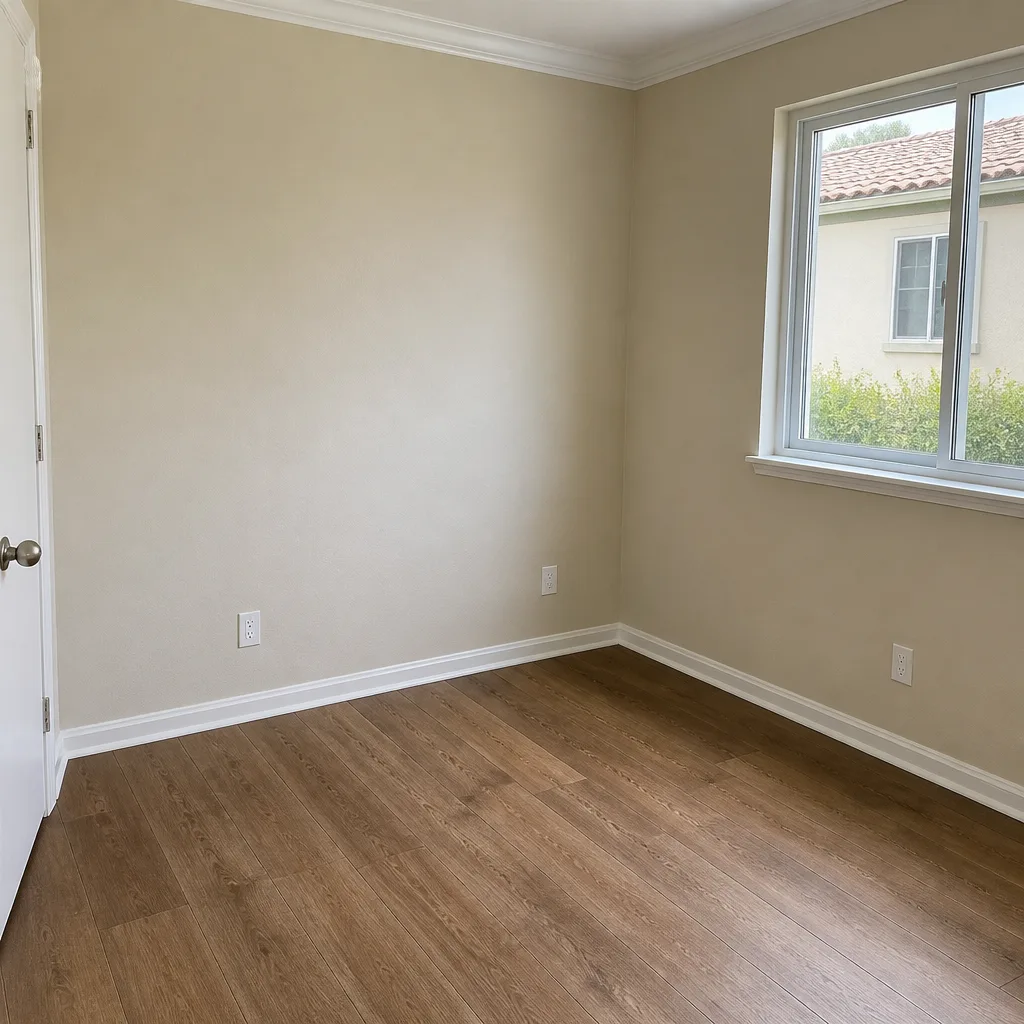 After
After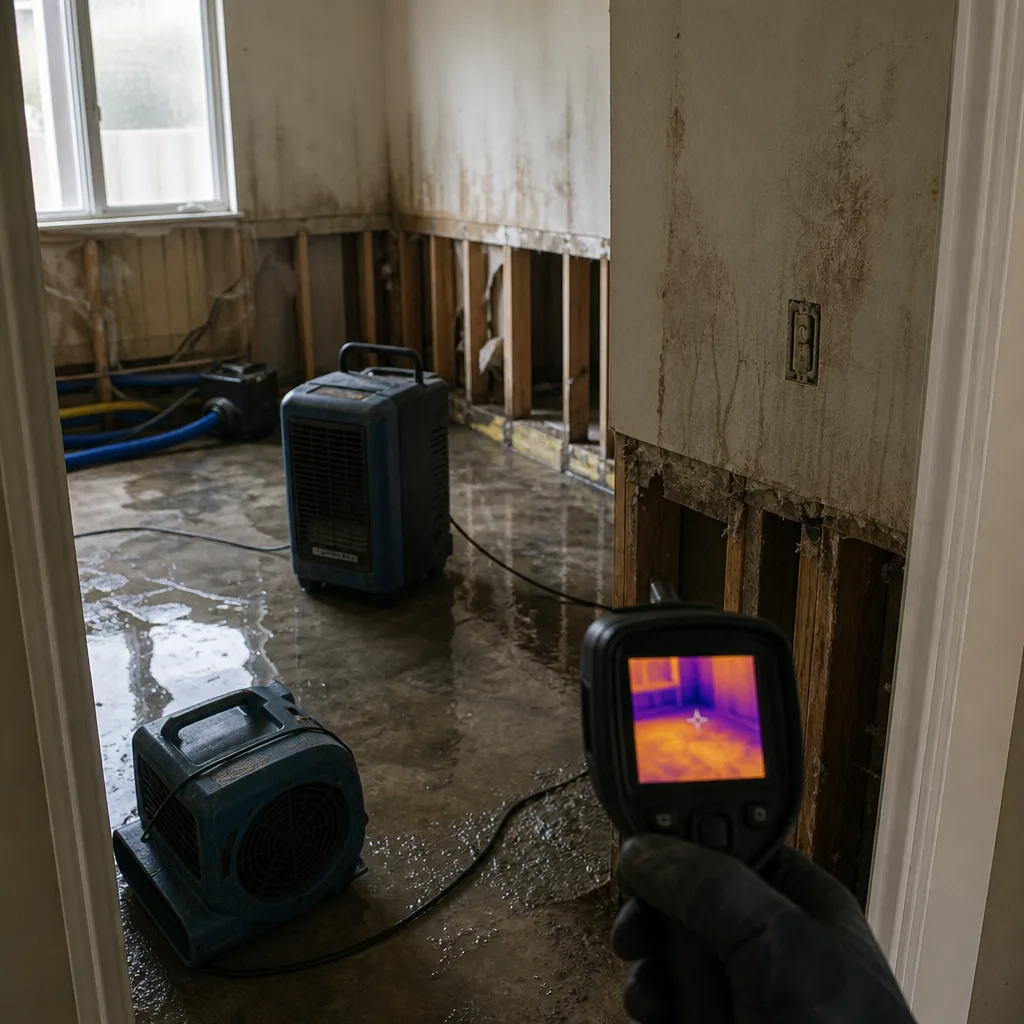 Before
 After
After24/7 Emergency Water Damage Restoration in Laguna Hills
Water damage restoration in Laguna Hills typically costs $2,800-$6,500 for a standard single-family mitigation, and our crews are dispatched within 45 minutes when you call (657) 297-0972. A live person answers every call, 24 hours a day, 7 days a week - no voicemail trees, no next-business-day callbacks while water is still moving through your walls. The first hour determines whether a Laguna Hills home sustains $3,000 in contained drying or $15,000 in full gut-and-rebuild work, because Category 2 water becomes Category 3 in as little as 48 hours and mold colonization begins on wet drywall within 24 to 48 hours in our coastal climate.
We offer a free visual inspection and written scope before any work begins, every time, with no exceptions. That’s Haven Standard, Clause 1.
Understanding Water Damage Restoration Severity in Laguna Hills Properties
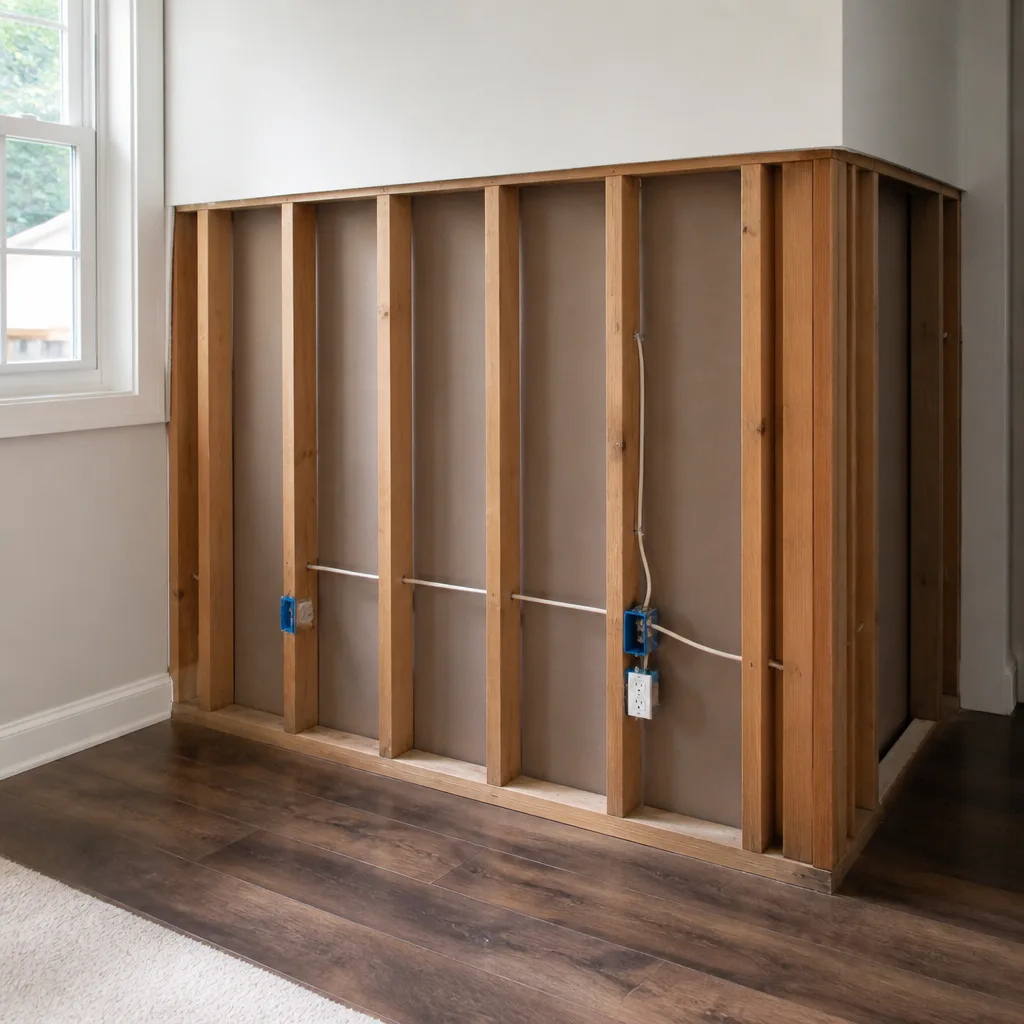
Water damage falls into three categories that determine what gets dried and what gets removed. Category 1 is clean water from a supply line break - it can be extracted and dried in place if we reach it fast. Category 2 carries significant contamination, like the debris-laden runoff we see after winter storms push burned slope material into canyon-edge garages off Alicia Parkway. Category 3 is grossly contaminated and requires removal of porous materials: saturated drywall, insulation, and particleboard shelving all come out.
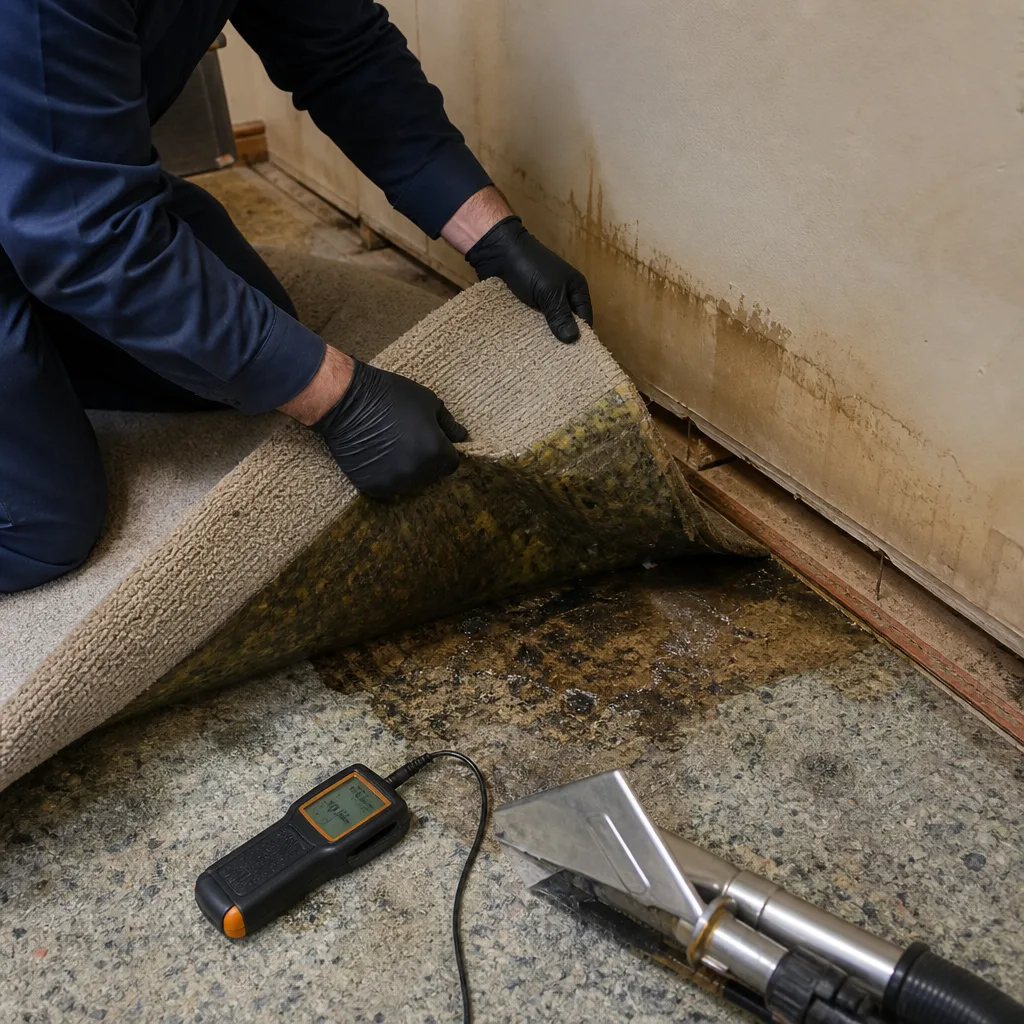
Moisture mapping with thermal imaging and pinless moisture meters tells us the true extent. In Laguna Hills’s 1970s-80s stucco tracts, water travels along the bottom plate behind baseboards, wicks up through slab edges, and pools in the HVAC plenum beneath the air handler. Structural drying uses psychrometric data - temperature, relative humidity, and vapor pressure differential - to calculate exactly how much dehumidification capacity a room needs, measured in pints per day. A typical two-story tract home near Moulton Parkway requires 150-250 pints of daily dehumidification capacity for 3-5 days to reach dry standard.
The age of Laguna Hills housing stock creates specific failure modes. Original copper supply lines now show pinhole failures from decades of Orange County hard water. ABS drain lines from the 1970s and 1980s develop longitudinal cracks at hub joints. Both fail behind walls where the homeowner sees only the result: a spreading stain, a soft spot, or a garage floor that never quite dries.
Why Laguna Hills Property Owners Choose DryMark Restoration Mission Viejo
- 45-minute response commitment to Laguna Hills from dispatch, because water moves faster than hesitation.
- 24/7 live answer - a real person, never an automated system, picks up every call to our emergency line.
- IICRC-certified crews holding WRT (Water Damage Restoration Technician) and AMRT (Applied Microbial Remediation Technician) credentials, with license numbers documented on every job file.
- Free visual inspection with a written scope and price before any equipment is unloaded or any wall is opened.
- Direct insurance billing with photo-documented estimates, daily drying logs, and adjuster coordination handled by our in-house claims team.
- One team from extraction to reconstruction - no handoffs between mitigation and rebuild contractors that delay permit-ready work.
 Before
 After
AfterOur Water Damage Restoration Process
1. Inspection & Assessment
We arrive with thermal imaging cameras, pin and pinless moisture meters, and hygrometers to map the full water migration pattern. In Laguna Hills canyon-edge homes, this includes checking HVAC plenums and attic spaces for ash particulate that may have pre-contaminated the air pathway. You receive a written scope and firm price before we start - Haven Standard, Clause 1.
2. Water Extraction & Stabilization
Truck-mounted extraction units remove standing water; portable units reach crawl spaces and second-story condos. We identify and stop the source, whether it’s a pinholed copper line, a cracked ABS drain, or debris-blocked garage drainage. Emergency board-up or roof tarping is deployed if the intrusion is ongoing.
3. Structural Drying & Dehumidification
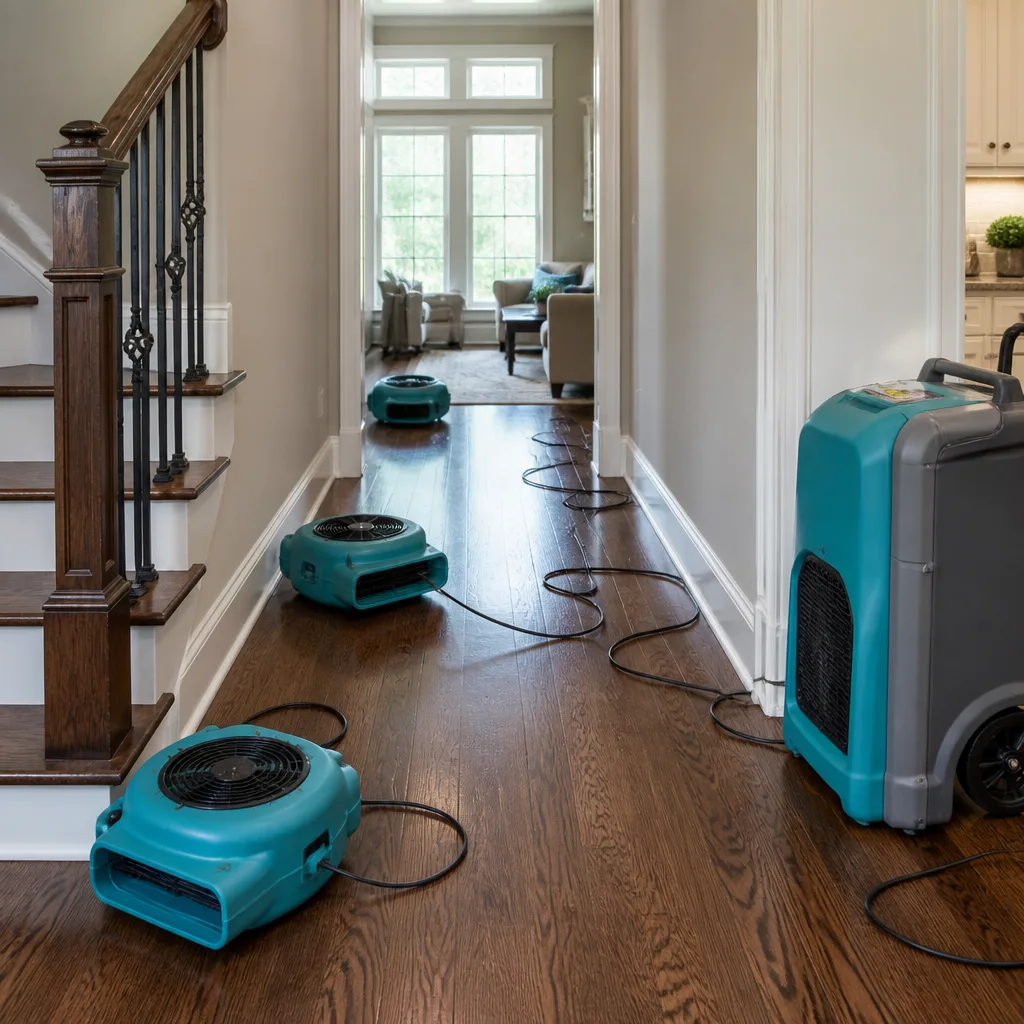
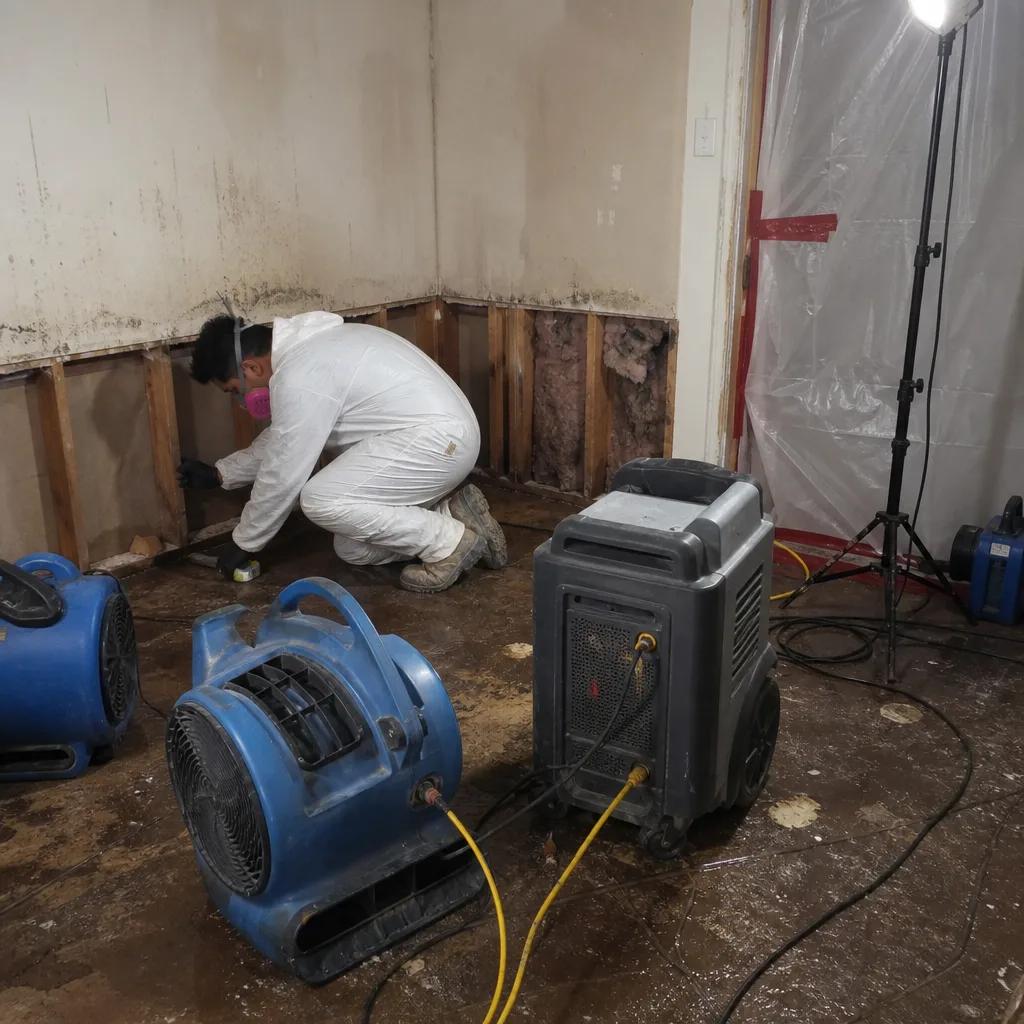
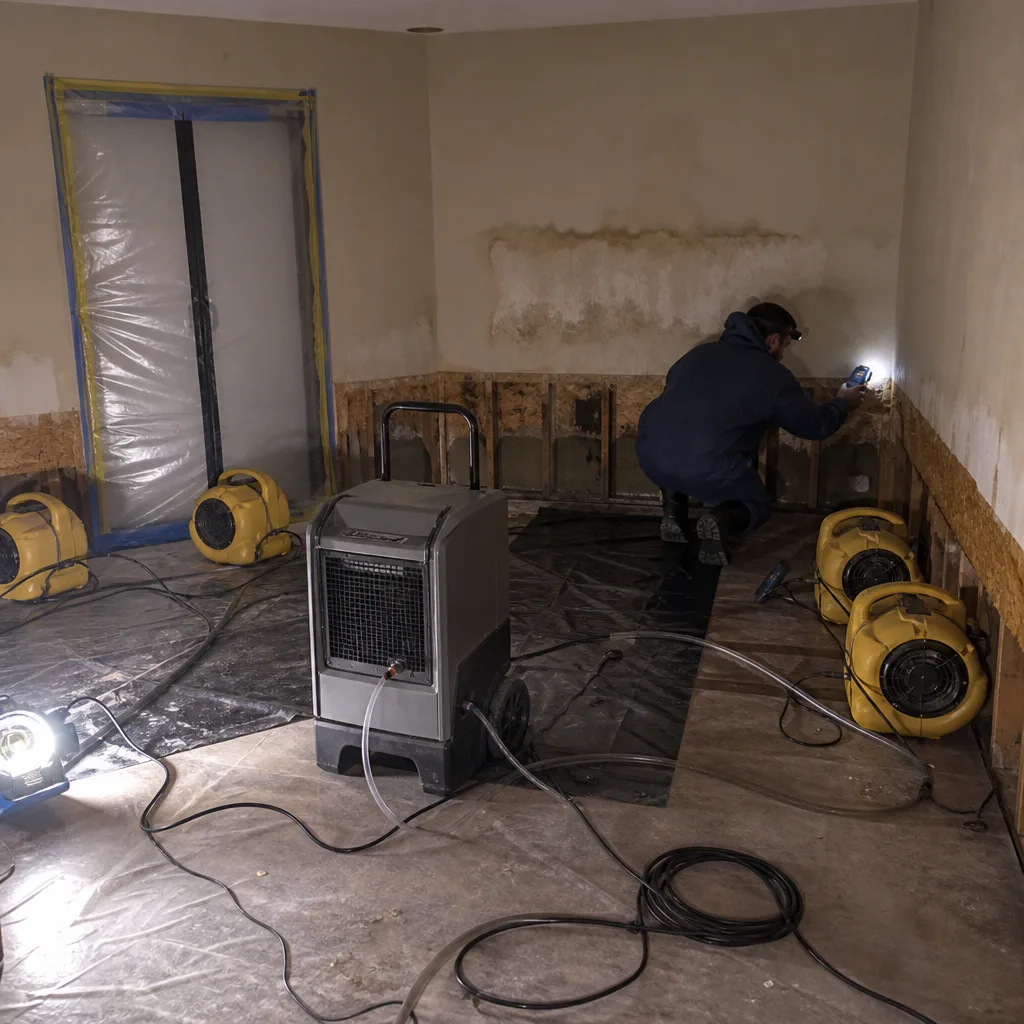
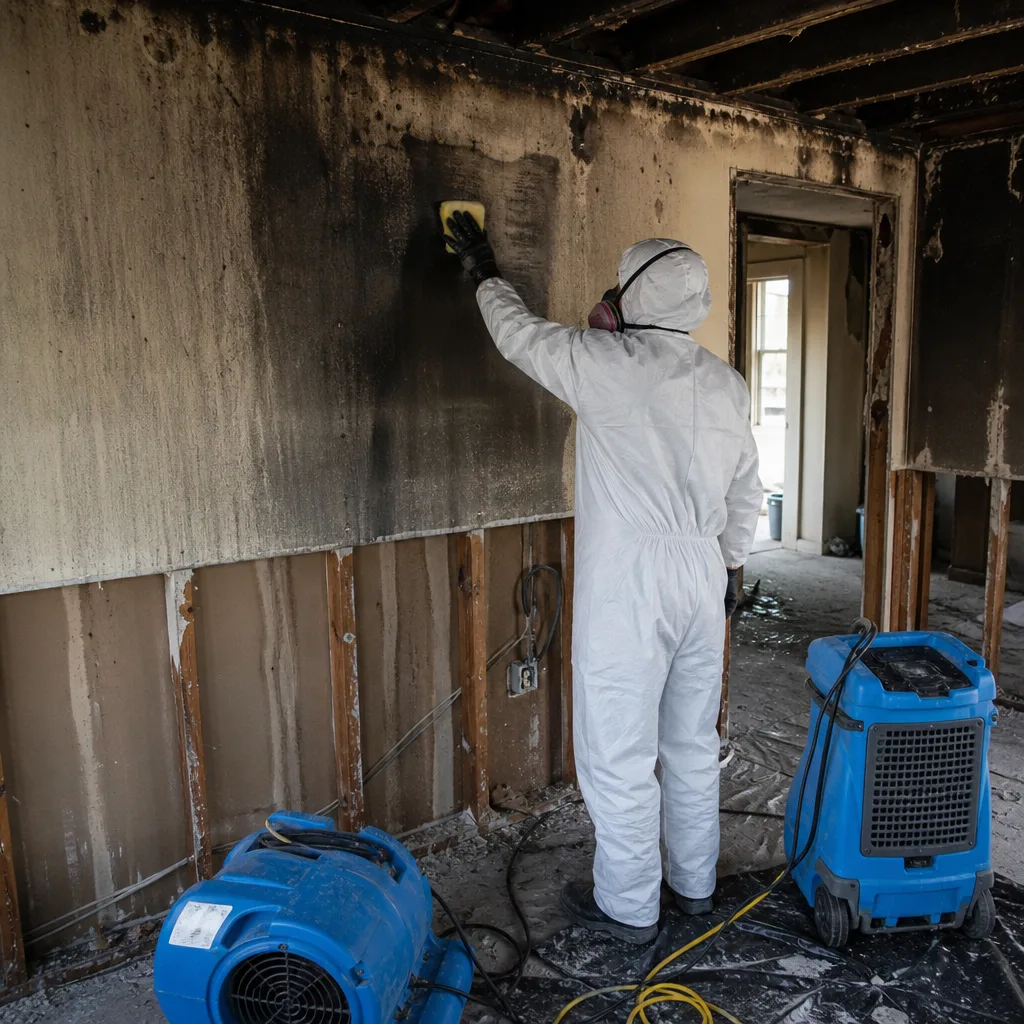
We deploy commercial-grade dehumidifiers from Dri-Eaz and Phoenix, axial and centrifugal air movers from XPOWER and B-Air, and targeted drying systems from Injectidry for wall cavities and hardwood floors. Equipment is sized to the space using psychrometric calculations, not guesswork. Daily moisture readings are logged and shared.
4. Cleaning & Sanitization
HEPA air scrubbers run continuously during drying to capture airborne particulate. Antimicrobial treatment is applied to wetted framing in Category 2 and 3 losses. In canyon-adjacent Laguna Hills homes, this step often includes duct cleaning to remove ash and smoke particulate that entered during prior Santa Ana wind events.
5. Ash Particulate & Air Quality Assessment
Because Laguna Hills sits directly against Aliso and Wood Canyons, our Water Damage Restoration team treats air-quality inspection as a near-standard add-on in canyon-edge tracts. We sample HVAC ducts and attic spaces for fine ash that may have infiltrated during fall brush fires, then re-wet into living spaces during water intrusion. This is not an upsell; it’s a documentation requirement for homes backing the wilderness interface.
6. Repairs & Restoration
Once dry standard is verified - typically 12-16% moisture content for wood framing in Laguna Hills’s coastal climate - we repair or replace removed materials. Drywall, insulation, flooring, and trim are restored to pre-loss condition. The 365-Day Done Right Promise applies to all reconstruction work under The Haven Standard.
Need Emergency Water Damage Restoration in Laguna Hills Now?
Crews minutes away, answering live 24 hours a day. The sooner we start, the less it costs.
Working With Your Insurance Company
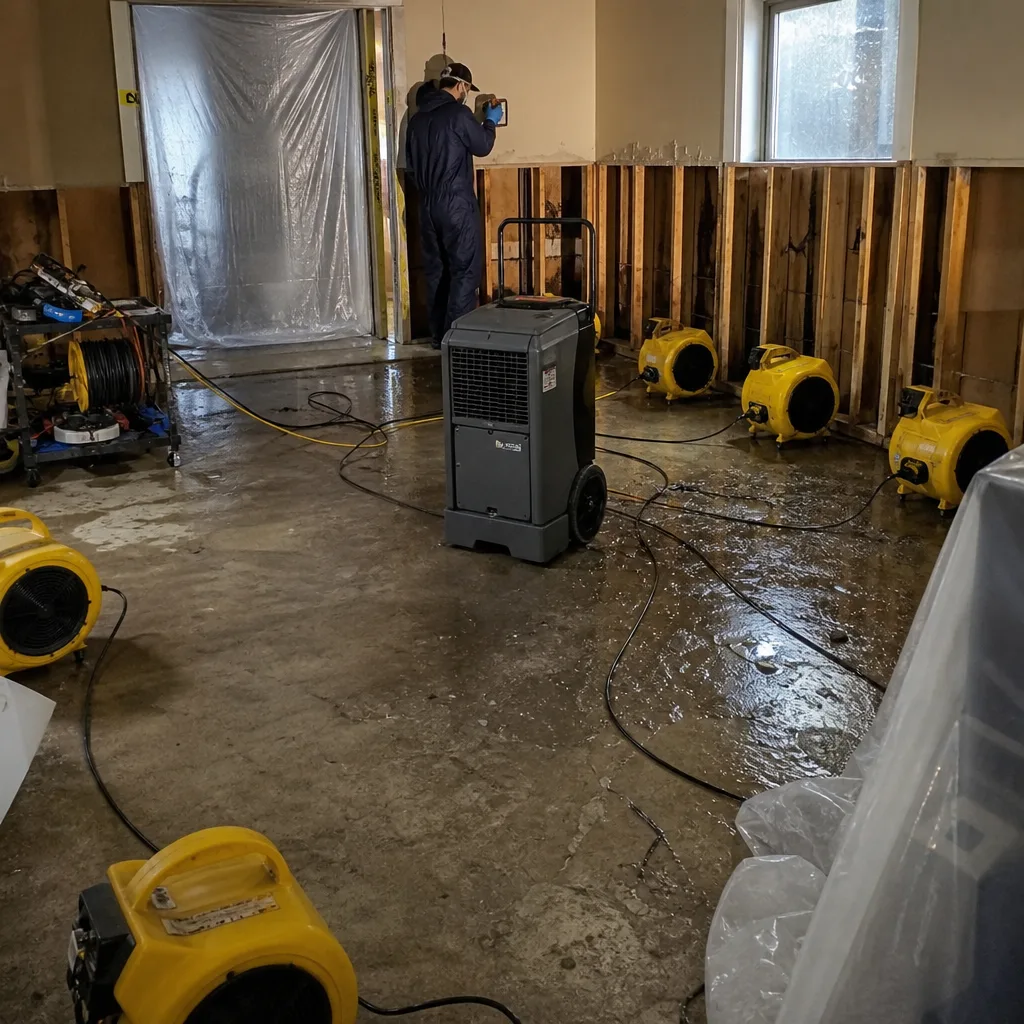
Insurance claims succeed or fail on documentation. We begin building your file from the first hour: photos of the loss scene before anything is moved, moisture readings with timestamps, equipment placement diagrams, and daily drying logs that show vapor pressure differential and grain depression. Our estimates follow Xactimate pricing standards, the same platform used by major carriers, which reduces back-and-forth and speeds approval.
Alicia Brennan built Back to Dry in 2011 after seeing how many homeowners lost legitimate claims to sloppy documentation. That origin shapes every job file we produce. We coordinate directly with your adjuster, provide supplemental documentation when scope expands, and bill your carrier directly so you’re not floating thousands in mitigation costs.
What We Provide Your Insurer
- Thorough documentation of the loss
- Photos of all damage, room by room
- Moisture readings and drying logs
- A detailed, line-item scope of work
- Direct coordination with your carrier
Built for Laguna Hills’s Loss Calendar
January through March brings the marine layer and the first winter storms. Burned slopes above Alicia Parkway and Moulton Parkway become debris-flow conduits. Runoff carries ash, sediment, and organic material into garages and crawl spaces. The water is Category 2 at minimum, and homeowners who dry only the visible puddle miss the wet bottom plate that breeds mold in 48 hours.
April through June is the dry transition. Santa Ana winds ease. This is when we see callbacks on improperly dried jobs: the patched copper pinhole that wasn’t replaced, the ABS hub joint that was cleaned but not repaired.
July through October is Santa Ana wind season. Relative humidity drops into the teens. Brush fires in Aliso and Wood Canyons push smoke and fine ash into HVAC systems and attic spaces across Laguna Hills, even homes miles from active flames. The wind-dry cycle also desiccates stucco and wood framing, widening micro-cracks that become water entry points when winter returns.
November through December is the setup. Ash sits in ducts and attics. The first rain re-wets it. A water call becomes a dual-contamination job. This two-punch sequence - fall ash infiltration, winter debris-flow intrusion - is the defining restoration pattern specific to Laguna Hills’s canyon-edge geography.
Water Damage Restoration Across Laguna Hills’s Neighborhoods
The neighborhoods off Alicia Parkway, particularly the canyon-adjacent tracts backing Aliso and Wood Canyons, see the signature dual-threat pattern: Santa Ana-driven ash infiltration in fall, then winter debris flow into garages and crawl spaces. Homes here are predominantly 1970s-80s two-story stucco on graded pads. We inspect HVAC plenums as standard practice, not as an add-on.
The Moulton Parkway corridor runs through the commercial and residential core. Condo complexes from the 1980s cluster here, with shared walls and centralized plumbing chases. A burst line in one unit spreads through multiple floors before anyone notices. Our moisture mapping traces the full vertical migration, and our documentation separates unit-specific damage from common-area liability.
Nellie Gail Ranch, the equestrian neighborhood in the city’s southern reaches, features larger lots and custom homes with more complex rooflines and secondary structures. Pool equipment failures, irrigation line breaks, and guest house plumbing issues are common loss sources. The response is the same: documented assessment, written scope, controlled drying.
The area near Laguna Hills Mall and the I-5 corridor includes mid-rise residential and mixed-use buildings. These require different equipment staging - elevator access, parking structure coordination, and after-hours noise restrictions. We’ve worked with building management on dozens of these losses and understand the operational constraints.
Specialized Water Damage Restoration Services We Offer in Laguna Hills
Emergency Water Extraction
Truck-mounted and portable extraction units remove standing water within hours of your call. In Laguna Hills’s 1970s-80s tracts, we often find water has traveled behind walls along the bottom plate before the homeowner sees pooling. Extraction is only complete when moisture mapping confirms the full perimeter is addressed.
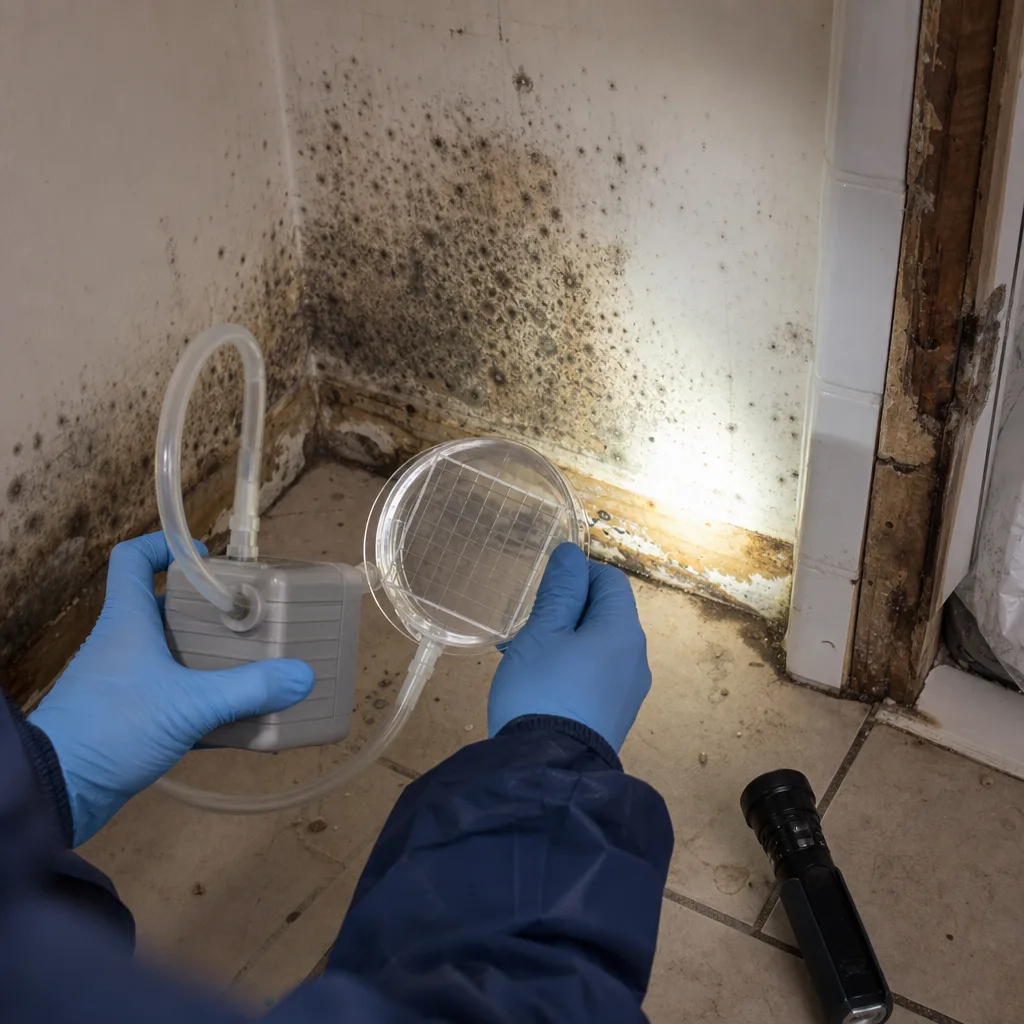
Structural Drying & Dehumidification
We size dehumidification to the space using psychrometric calculations: a 2,000-square-foot Laguna Hills tract home with 8-foot ceilings typically needs 200-300 pints per day of dehumidification capacity for 3-5 days. Equipment from Dri-Eaz, Phoenix, and XPOWER is monitored daily, with readings logged to IICRC standards.
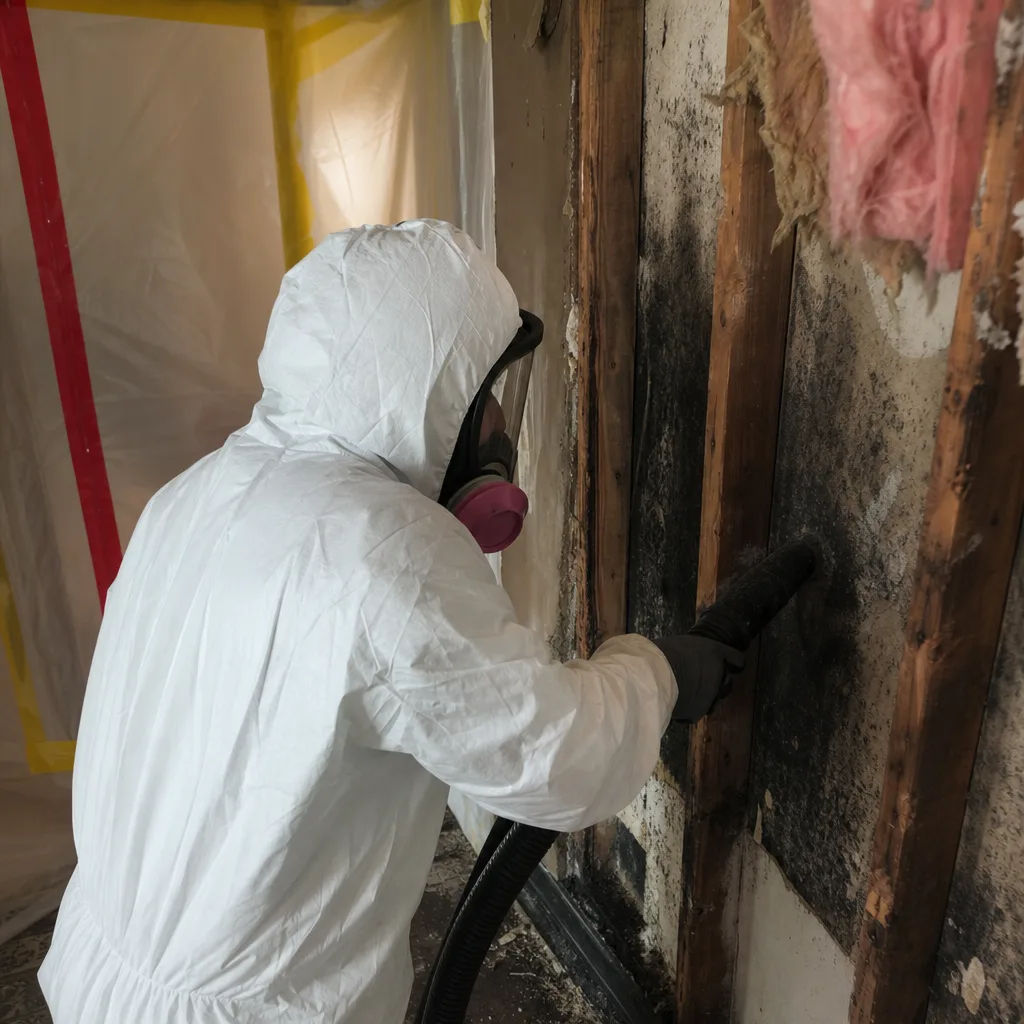
Flood Cleanup
Winter debris-flow events off burned canyon slopes bring Category 2 or 3 water into Laguna Hills garages and crawl spaces. This requires removal of porous materials, antimicrobial treatment of framing, and documentation of ash and sediment contamination for insurance purposes.
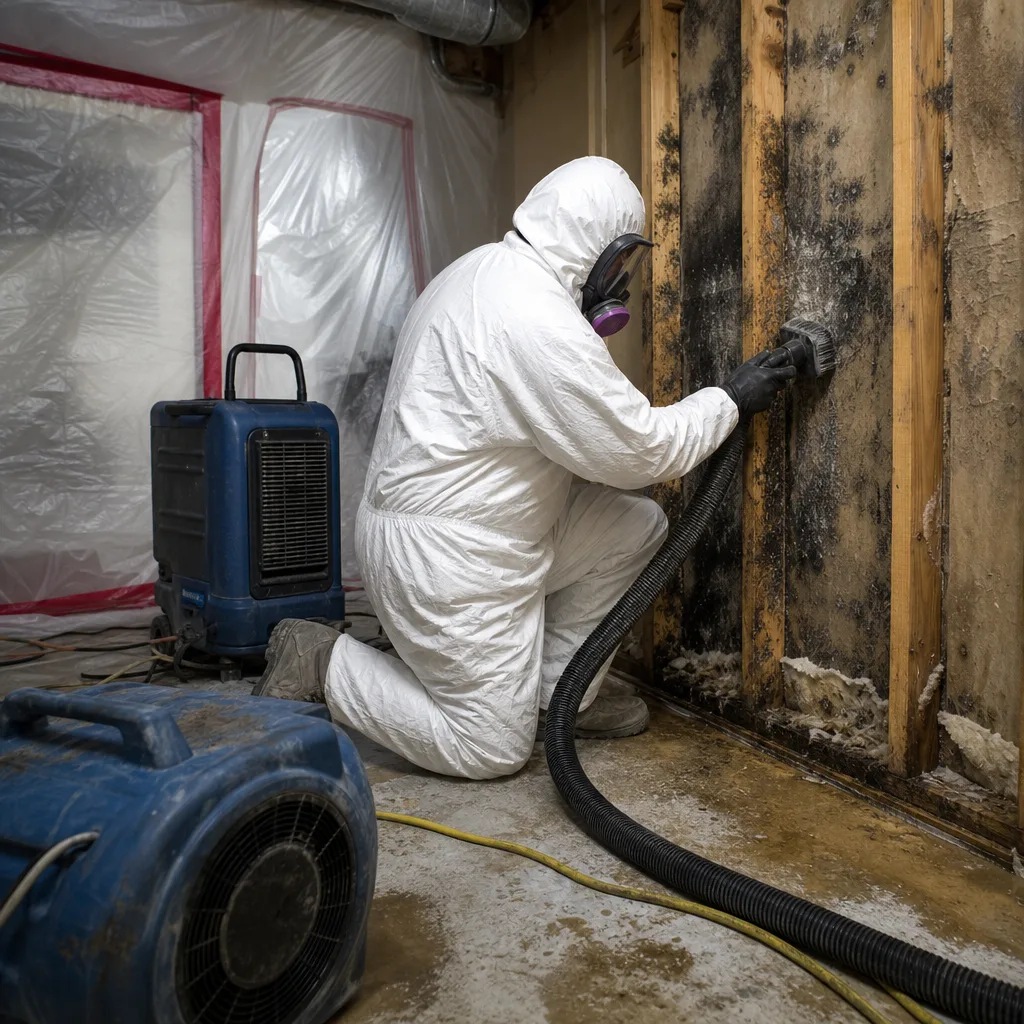
Burst Pipe Restoration
Original copper supply lines in Laguna Hills’s 1970s-80s housing stock are now showing pinhole failures from decades of Orange County hard water. We don’t just dry the damage; we evaluate the plumbing system and document whether repair or replacement is the appropriate scope, with a written price for either path before work proceeds.
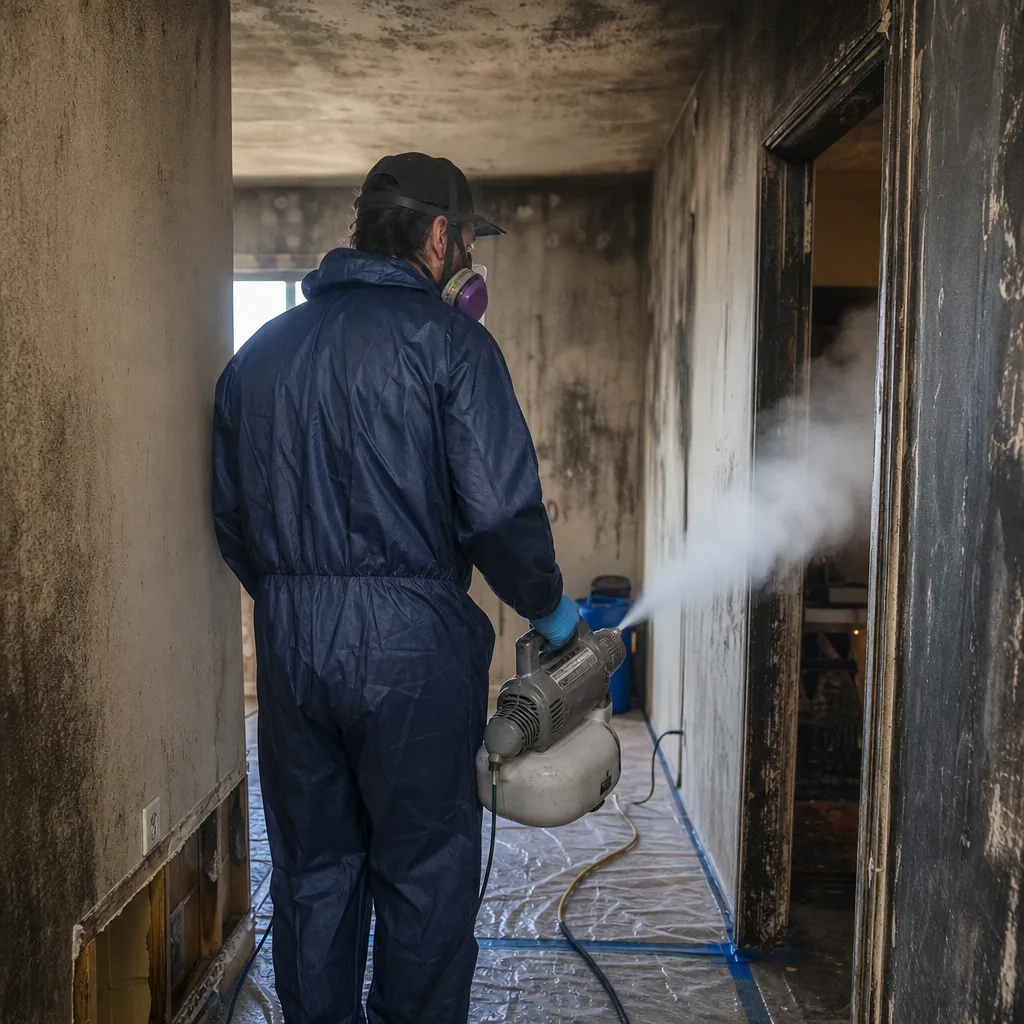
Basement Water Removal
While true basements are uncommon in Laguna Hills, hillside homes on Nellie Gail Ranch and canyon-edge lots often have daylight basements or under-house crawl spaces. These fill with runoff from upslope drainage failures. Submersible pumps, portable extraction, and crawl-space-specific dehumidification are deployed.
What happens when you call
- 1
A real person answersNo phone trees - you reach a local pro.
- 2
You get an upfront price rangeHonest numbers before anyone is dispatched.
- 3
A background-checked tech heads outLicensed & insured, dispatched right away.
- 4
You approve before work beginsNothing starts until you say go.
Water Damage Restoration Costs in Laguna Hills, CA
Emergency water extraction for a standard Laguna Hills single-family home runs $1,200-$2,400. Structural drying and dehumidification adds $1,500-$3,200 depending on affected square footage and days to dry standard. Category 2 or 3 contamination requiring material removal and antimicrobial treatment typically ranges $3,500-$6,500. Burst pipe repair, including access and finish repair, is quoted separately after plumbing evaluation.
What moves the price: the category of water, the square footage affected, whether the loss involves the HVAC system or crawl space, and whether asbestos or lead testing is required for pre-1980s materials. Insurance typically covers sudden and accidental water damage from burst pipes or storm intrusion; gradual leaks and maintenance-related failures are often excluded. We document the cause of loss to support your coverage position.
Every job starts with a free visual inspection and written scope. No work begins without a signed price. Call (657) 297-0972 for an exact quote - estimates are free.
We Also Serve Cities Near Laguna Hills
Our crews respond throughout South Orange County, including Laguna Hills and neighboring Aliso Viejo, Laguna Woods, Mission Viejo, and Lake Forest. Dispatch and scheduling are coordinated from our Los Angeles office; crews serve all listed cities locally with the same 45-minute response commitment and Haven Standard documentation.
Serving Laguna Hills, CA - Our Local Coverage Area
We’re based in the Laguna Hills area and know this community well. Use the map below to see our service coverage - if you’re nearby, we can almost certainly help.
Laguna Hills Water Damage Restoration Questions, Answered
Why do water-damage calls in Laguna Hills’s canyon-adjacent tracts off Alicia and Moulton often turn into air-quality jobs?
Because the same Santa Ana wind events that drive brush fires in Aliso and Wood Canyons push fine ash into HVAC plenums and attic spaces across Laguna Hills, and the first winter rain re-wets that ash into living spaces when water intrusion occurs. We inspect ducts and attics as standard practice on canyon-edge jobs, document particulate loading with photo evidence, and include air-quality remediation in the scope when indicated. Call (657) 297-0972 for an exact quote - estimates are free.
How fast does mold start after a winter debris-flow or burst-pipe intrusion in a Laguna Hills 1970s-80s tract home?
Mold colonization begins on wet drywall and organic materials within 24 to 48 hours in Laguna Hills’s coastal climate, where the marine layer maintains ambient humidity even in winter. The paper facing on drywall is a preferred food source, and the bottom plates behind baseboards in these homes often stay wet longer than visible surfaces. Our moisture mapping finds hidden saturation, and structural drying targets 12-16% wood moisture content to prevent secondary damage. Call (657) 297-0972 for an exact quote - estimates are free.
Does the category of water change what gets dried versus removed in Laguna Hills homes?
Yes. Category 1 clean water from a supply line can often be extracted and dried in place if we reach it within hours. Category 2 water, like debris-laden runoff from burned canyon slopes, requires removal of porous materials - drywall, insulation, particleboard - and antimicrobial treatment of framing. Category 3 grossly contaminated water mandates removal of all porous materials and thorough cleaning of hard surfaces. We classify the water on arrival and document the category determination with photo evidence for your insurance file. Call (657) 297-0972 for an exact quote - estimates are free.
What does the repair-vs-retrofit decision look like on aging ABS and copper plumbing during a Laguna Hills water loss?
We evaluate the full system, not just the failure point. A single pinhole in original copper may indicate systemic thinning from Orange County hard water; we document this with photo evidence and offer a written price for spot repair versus full replacement. ABS drain lines from the 1970s-80s often show multiple stress cracks at hub joints; patching one leaves others ready to fail. The homeowner chooses the path, but the documentation supports an informed decision and potential insurance coverage for resultant damage. Call (657) 297-0972 for an exact quote - estimates are free.
What should a Laguna Hills homeowner expect during structural drying after a canyon-edge water intrusion?
Expect 3-5 days of active drying with commercial dehumidifiers and air movers running 24 hours, daily moisture readings logged and shared, and equipment adjustments based on psychrometric data. In canyon-edge homes, we also monitor for ash particulate disturbance from air movement and adjust HEPA air scrubber placement accordingly. The home remains habitable in most cases, though noise from equipment and temporary relocation of contents may be necessary. You receive a daily drying log with moisture percentages by room. Call (657) 297-0972 for an exact quote - estimates are free.
How quickly can you actually get to my home in Laguna Hills?
Our commitment is 45 minutes from dispatch to arrival for emergency water damage calls in Laguna Hills. A live person answers every call, 24 hours a day, 7 days a week, and crews are staged for South Orange County response. The actual time depends on your specific location, traffic conditions on the I-5 or surface streets, and whether the loss requires specialized equipment staging. We confirm ETA when you call. Call (657) 297-0972 - we’re answering now.
Will my insurance cover water damage restoration in Laguna Hills?
Sudden and accidental water damage from burst pipes, storm intrusion, or appliance failures is typically covered under standard homeowners policies in California. Gradual leaks, maintenance failures, and flood damage from rising surface water usually are not. We document the cause of loss from the first hour, produce Xactimate-standard estimates that match adjuster platforms, and coordinate directly with your carrier. Our documentation has supported thousands of payable claims since 2011. Call (657) 297-0972 for an exact quote - estimates are free.
Can we stay in our home during water damage restoration?
In most Laguna Hills water damage cases, yes. Structural drying equipment is loud and creates airflow that may disturb settled dust, but it does not present a health hazard in Category 1 and properly contained Category 2 losses. We recommend temporary relocation only when Category 3 contamination is present, when asbestos or lead abatement is required, or when the kitchen or only bathroom is fully demoed. We discuss this explicitly in your written scope before work begins. Call (657) 297-0972 for an exact quote - estimates are free.
Written by Alicia Brennan, Owner at Back to Dry Restoration, serving Laguna Hills since 2011 under The Haven Standard.
Water Damage Restoration in Nearby Areas