
Last updated September 23, 2026
Free visual inspection and a written scope of work before any mitigation begins - photos, moisture readings, and drying logs go in your claim file
The scope we write is the scope we bill. Anything new gets shown to you, in writing, before we touch it.
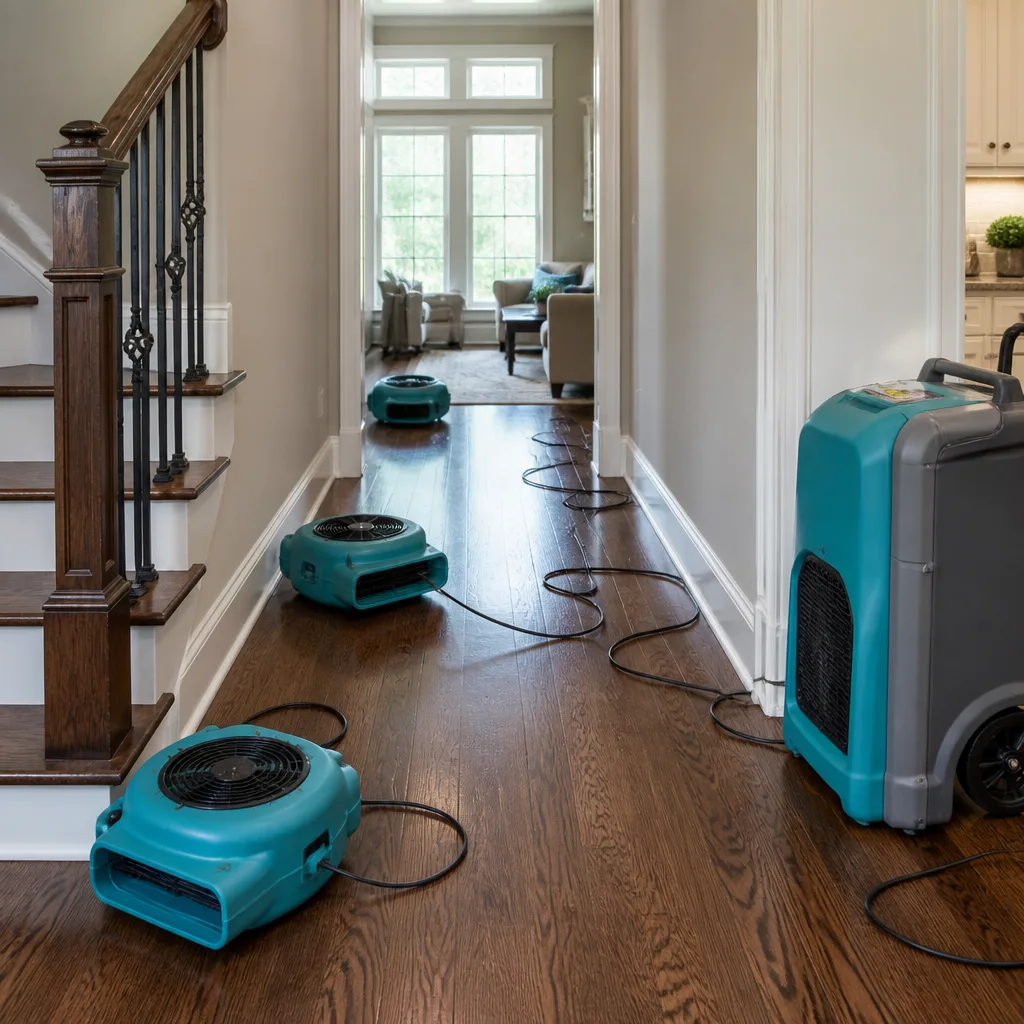
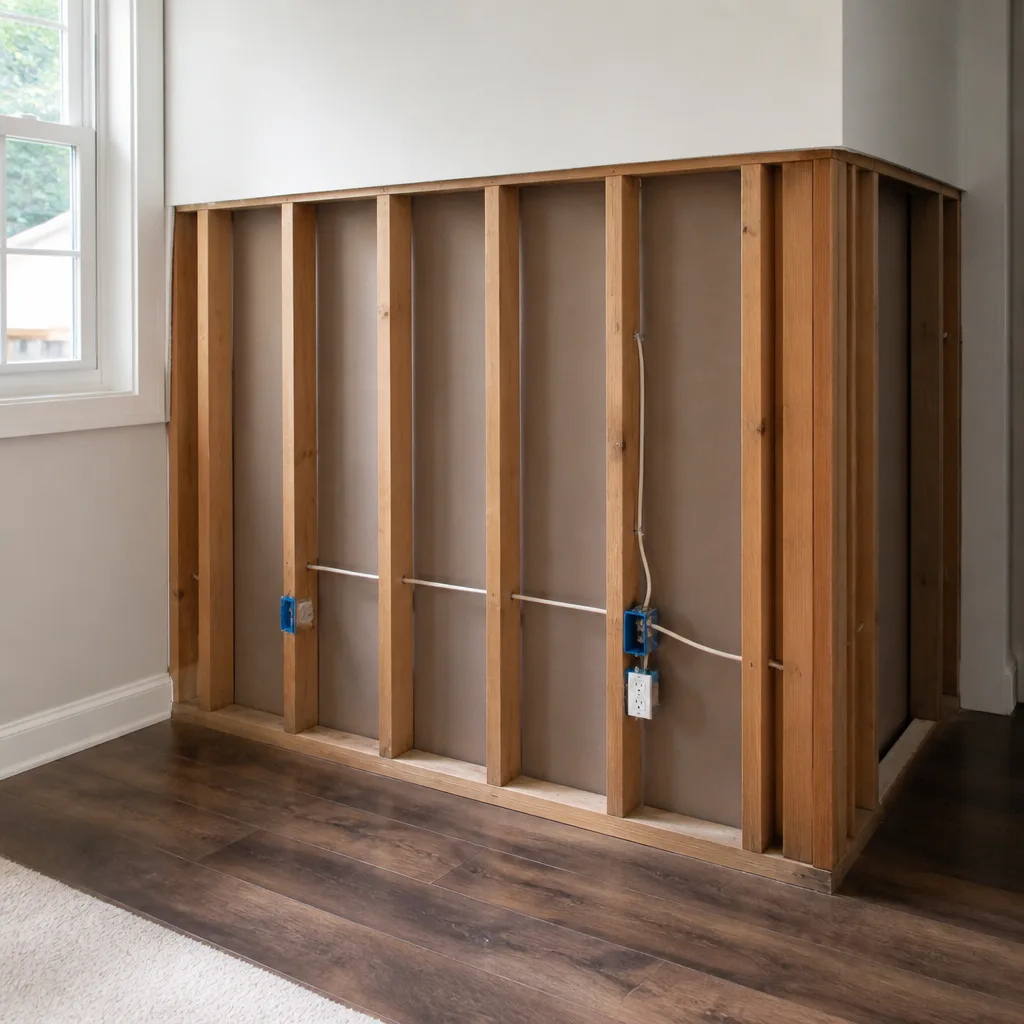
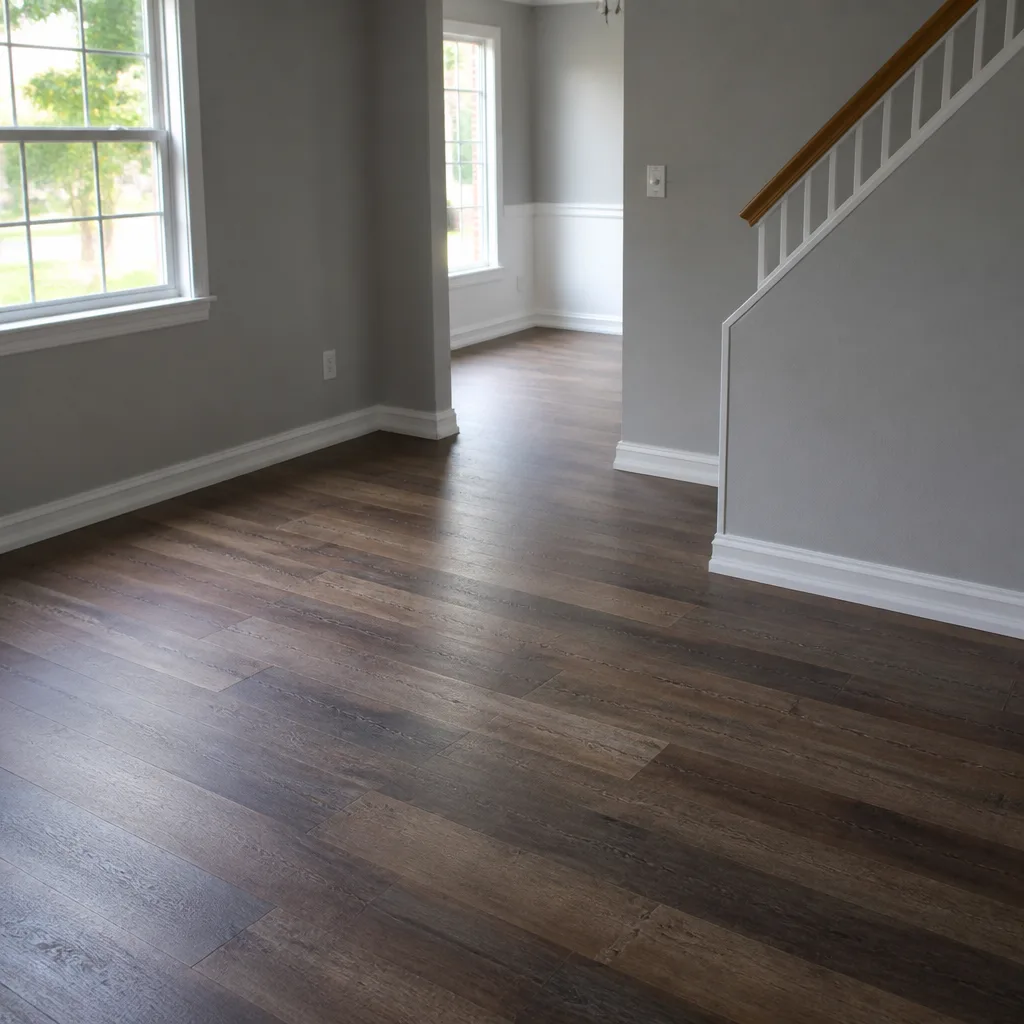
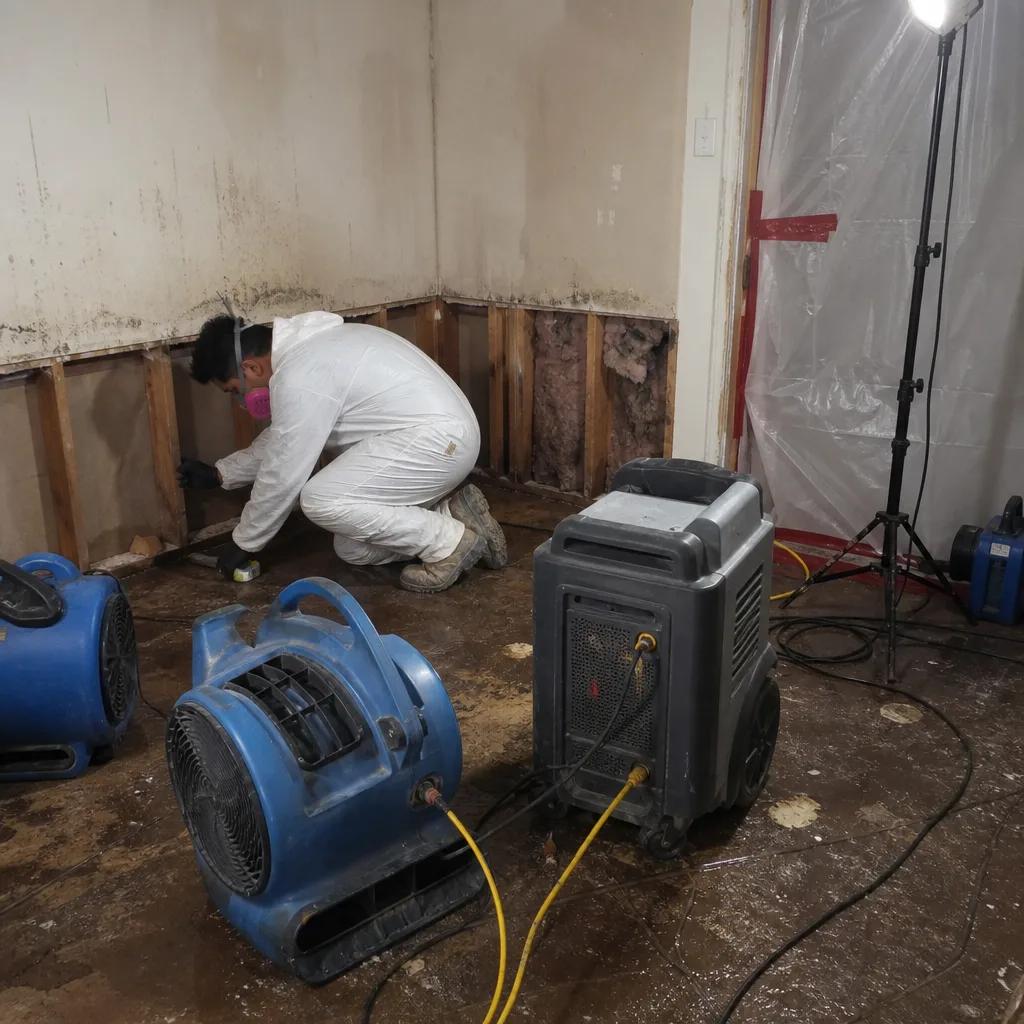 Before
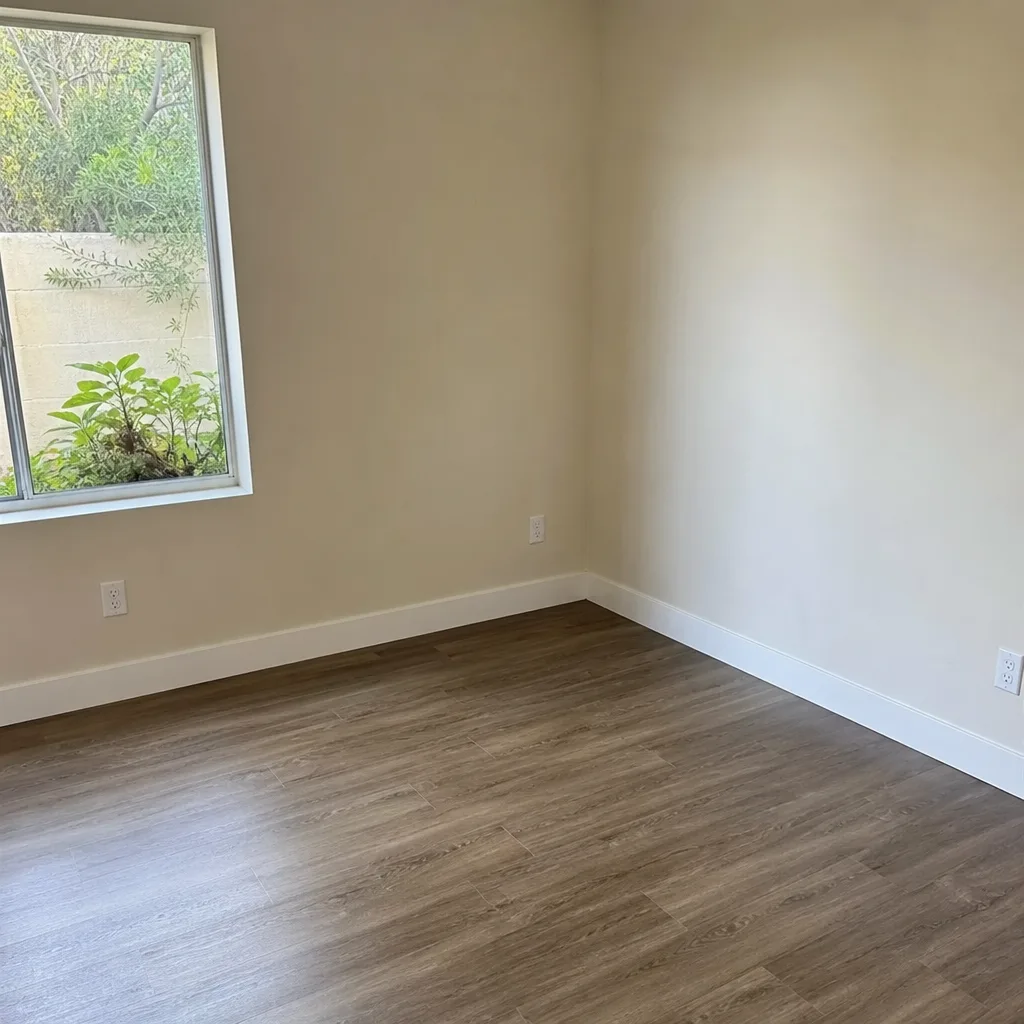 After
After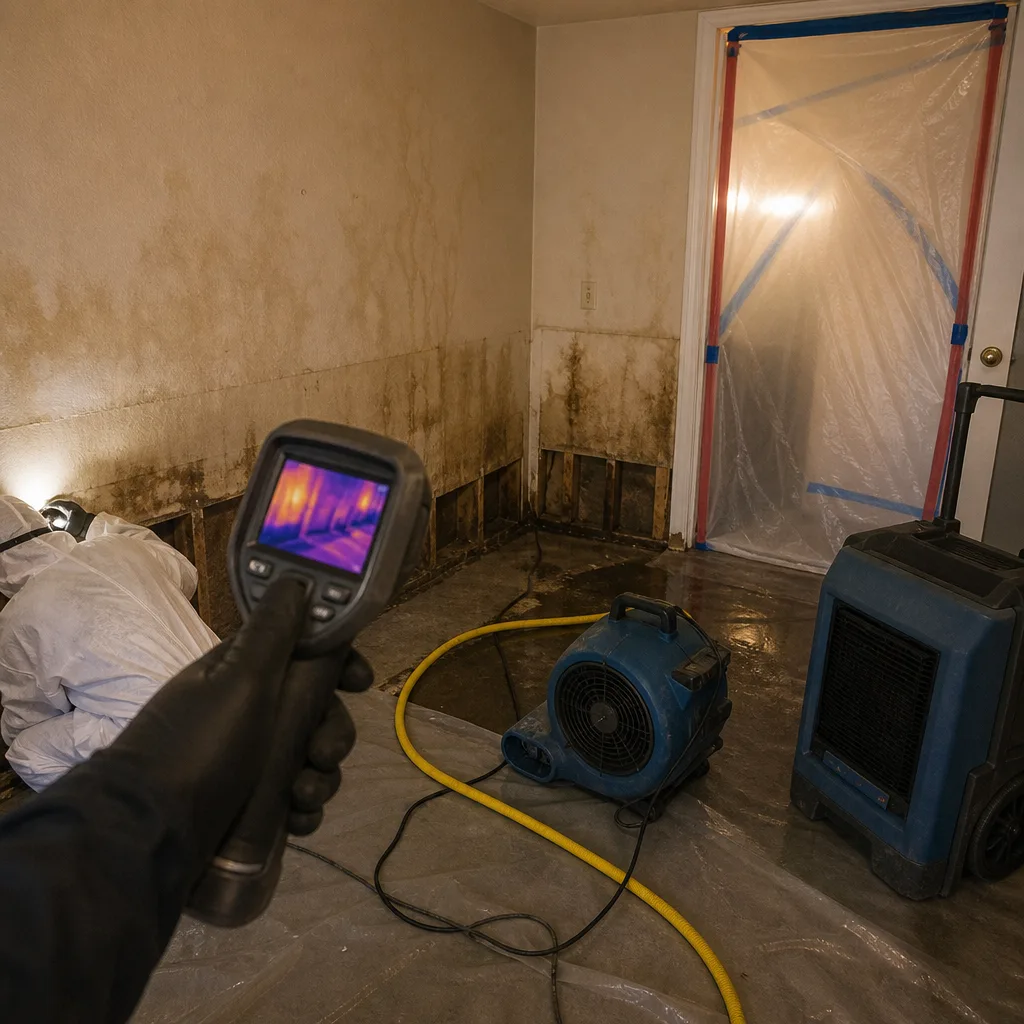 Before
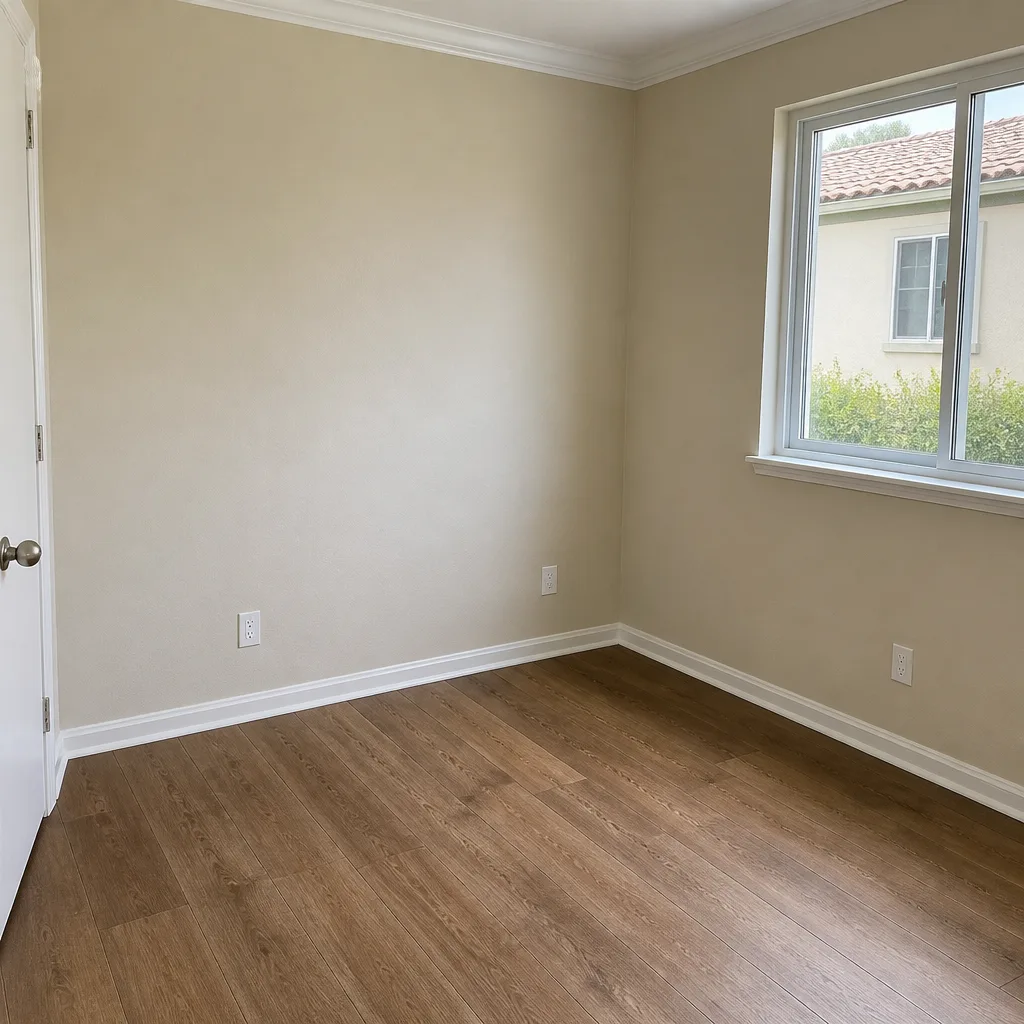 After
After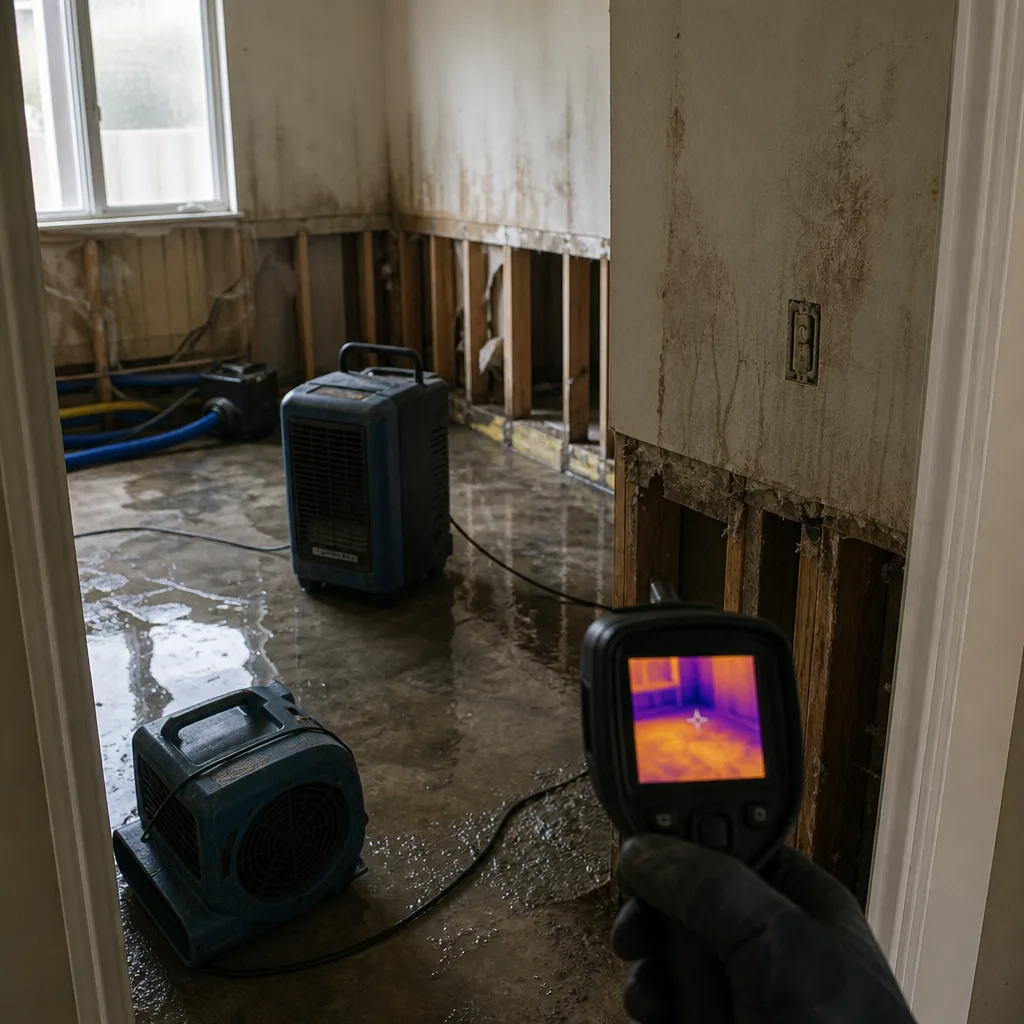 Before
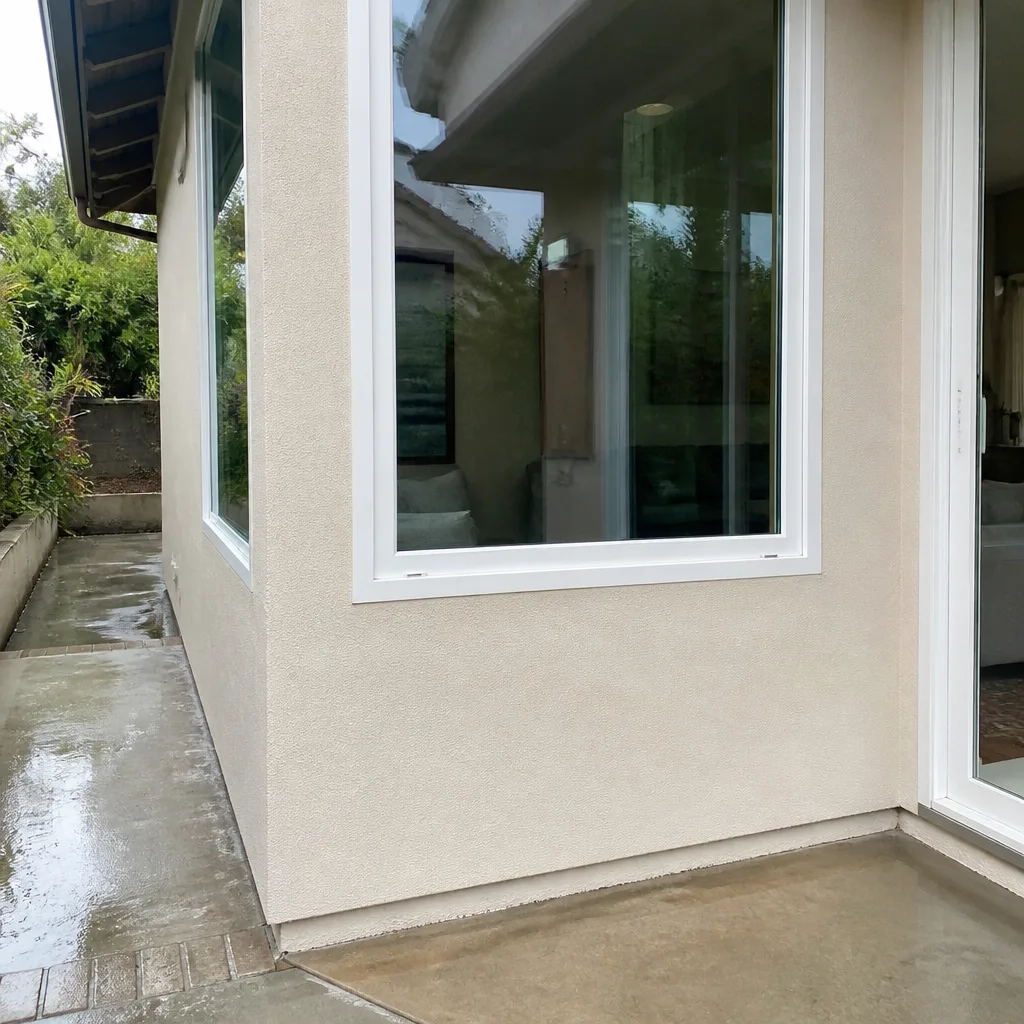 After
AfterDamage Restoration Cost Breakdown: The Mission Viejo Homeowner’s Reference for 2026
The single most disputed line item on a residential water damage invoice isn’t demolition or equipment - it’s “contents manipulation,” a charge that ranges from $200 to $4,800 on identical jobs depending on who writes the invoice. In Mission Viejo, we’ve reviewed competitor scopes where the same three-bedroom home in Pacific Hills received estimates spanning $8,200 to $19,700 for what Xactimate codes as the identical drying protocol. This guide breaks down what restoration actually costs in 2026, line by line, using the same pricing database insurers use to pay or deny your claim. You’ll learn how to read an estimate like an adjuster, spot inflated charges before work starts, and understand why documentation quality changes your final out-of-pocket by thousands.
Quick Answer
Water damage restoration in Mission Viejo typically runs $3,800-$14,500 for residential jobs, with most insured kitchen and laundry room losses settling between $5,200 and $8,900. Mold remediation under 50 square feet averages $1,800-$3,400, while fire smoke clean-and-paint projects range from $4,500-$11,000 depending on square footage and HVAC contamination. The widest cost variable isn’t the damage itself - it’s whether the scope was written before work began and documented to IICRC standards.
Table of Contents
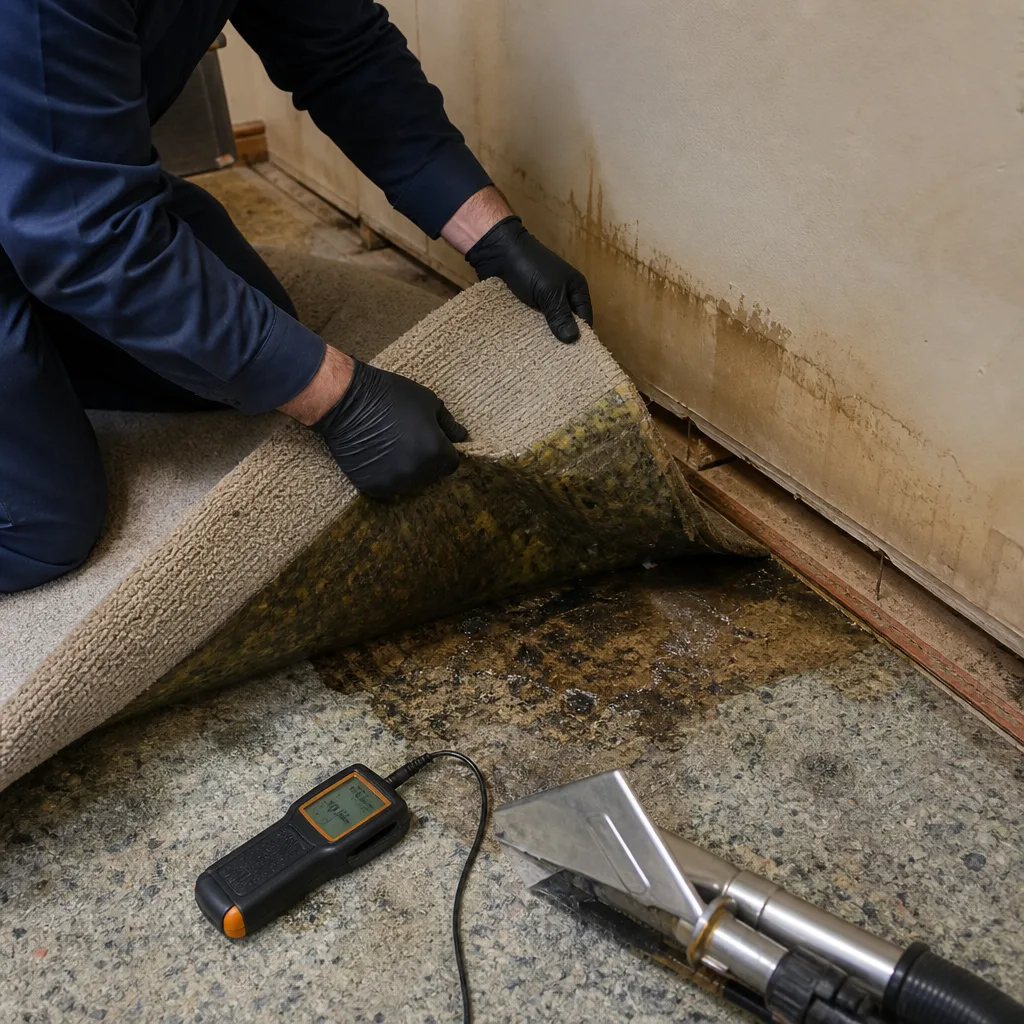
- 2026 Xactimate Benchmarks for Mission Viejo’s Five Most Common Restoration Scopes
- Equipment Charges Decoded: What Daily Rates Actually Cover
- How Insurance Adjusters Apply Depreciation - and How Documentation Stops It
- The Documentation Dividend: Why Moisture Logs Change Your Settlement by 18%
- The Written Scope: 2-4 Hours Upfront Versus Weeks of Disputes After
- Mission Viejo-Specific Cost Factors: Climate, Code, and Construction Era
- Common Mistakes to Avoid
- When to Call a Professional
- Frequently Asked Questions
 Before
 After
After2026 Xactimate Benchmarks for Mission Viejo’s Five Most Common Restoration Scopes
Xactimate is the pricing engine behind most insurance claims in California. Adjusters enter room dimensions, material types, and damage classification; the software returns line-item costs by zip code. In Mission Viejo’s 92691 and 92692 zip codes, labor rates run roughly 18% above the national average due to Orange County’s cost of living multiplier. Here are the benchmarks we see most often, with what actually drives variance within each range.
Category 1: Kitchen Supply Line Break (Clean Water)
A burst copper or PEX line under a kitchen sink affects cabinets, drywall below the counter, and often the adjacent slab or crawl space. Xactimate benchmark for a typical Mission Viejo kitchen (12′ x 10′, slab foundation, standard builder-grade cabinets from the 1980s-2000s construction era):
- Water extraction and initial setup: $680-$1,100
- Air movers (6-8 units, 3-5 days): $720-$1,400
- Dehumidifier (LGR unit, 3-5 days): $540-$950
- Demolition of wet drywall and baseboards: $1,200-$2,100
- Contents manipulation (moving appliances, clearing cabinets): $350-$850
- Antimicrobial application: $280-$450
- Daily moisture readings and documentation: $400-$650
- Typical total: $4,200-$7,600
The high end of this range usually indicates crawl space involvement, which requires additional vapor barrier work, or cabinets that must be detached rather than simply toe-kick removed. In Mission Viejo’s Casta del Sol and Madrid Del Lago neighborhoods, where many homes were built 1985-1995 with raised foundations, we see Category 1 losses skew toward the upper third of this range.
Category 2: Washing Machine Overflow (Gray Water)
Gray water carries detergents and soil bacteria, triggering stricter IICRC protocols: more extensive demolition, antimicrobial treatment of a broader area, and often carpet pad replacement even when carpet itself is salvageable.
- Extraction and setup: $850-$1,400
- Air movers (8-12 units, 4-6 days): $1,100-$2,200
- Dehumidifier (LGR or desiccant, 4-6 days): $720-$1,400
- Demolition including carpet/pad: $1,800-$3,200
- Contents manipulation (laundry area plus affected hallway/closet): $500-$1,200
- Antimicrobial and odor treatment: $450-$780
- HEPA air scrubber (2-4 days): $380-$650
- Daily documentation: $500-$800
- Typical total: $6,300-$11,600
Category 2 losses in Mission Viejo frequently involve hallway closets where HVAC returns pull moisture into wall cavities. The water damage restoration in Mission Viejo page details how we map vapor pressure differentials to find these hidden migration paths.
Category 3: Sewage Backup (Black Water)
Black water demands full porous material removal, sealed containment, negative air pressure, and often 7-10 days of drying before rebuild can begin. This is where estimates diverge most dramatically based on scope discipline.
- Extraction and hazardous waste disposal: $1,400-$2,400
- Containment build (plastic barriers, zipper doors): $850-$1,500
- Negative air machine (7-10 days): $1,100-$1,900
- Air movers (10-16 units, 7-10 days): $2,200-$4,200
- Dehumidifier (desiccant preferred, 7-10 days): $1,400-$2,400
- HEPA air scrubbers (2-4 units, 7-10 days): $1,200-$2,200
- Full porous demolition (drywall to 2′ above water line minimum, often full wall): $3,200-$5,800
- Contents disposal (contaminated items): $800-$2,400
- Antimicrobial and biocide treatment: $900-$1,600
- Post-remediation verification testing: $650-$1,200
- Daily documentation with photo record: $800-$1,400
- Typical total: $14,500-$27,000
We’ve reviewed competitor invoices on identical Category 3 jobs where one scope listed “sewage remediation - lump sum” at $31,000 and another broke out the same work at $18,400 with full line-item documentation. The $31,000 invoice was denied; the $18,400 was paid in 11 days. Haven Standard, Clause 1: written price before work begins. This is why.
Fire Smoke Clean-and-Paint
Kitchen fires with protein smoke (burned meat, grease) or synthetic smoke (plastics, electronics) require different cleaning chemistry. The scope below assumes a contained kitchen fire with no structural damage, affecting 400-800 square feet.
- Emergency board-up and site security: $800-$1,400
- Soot and odor assessment (thermal imaging, particle testing): $650-$1,100
- HEPA vacuuming and dry sponge cleaning of all surfaces: $2,400-$4,200
- Thermal fogging or ozone treatment: $1,100-$2,000
- HVAC duct cleaning and filter replacement: $1,400-$2,600
- Sealing primer (shellac-based, smoke-specific): $1,800-$3,200
- Repaint (ceiling, walls, trim): $3,200-$5,800
- Contents pack-out and cleaning: $2,200-$4,500
- Photo documentation at each phase: $600-$1,000
- Typical total: $14,200-$25,800
The fire & smoke damage restoration in Mission Viejo page covers structural fire scenarios with framing damage, which run substantially higher.
Mold Remediation Under 50 Square Feet
California’s SB 655 and local Orange County health codes require licensed remediation for visible mold exceeding 10 square feet in rental properties, but homeowner-occupied residences have more flexibility. Most Mission Viejo homeowners we encounter address mold at 20-40 square feet, typically in bathrooms, under sinks, or behind washing machines.
- Containment (minimal, single room): $450-$800
- Negative air machine (2-3 days): $380-$650
- HEPA air scrubber (2-3 days): $320-$550
- Removal of affected materials (drywall, baseboard, caulk): $800-$1,400
- HEPA vacuum and antimicrobial treatment: $650-$1,100
- Post-remediation air sampling: $550-$950
- Photo documentation: $280-$450
- Typical total: $3,400-$5,900
For smaller, accessible patches under 10 square feet where no HVAC contamination is suspected, some homeowners opt for cleaning rather than full remediation. The mold remediation in Mission Viejo page distinguishes remediation from cleaning and explains when each applies.
Equipment Charges Decoded: What Daily Rates Actually Cover
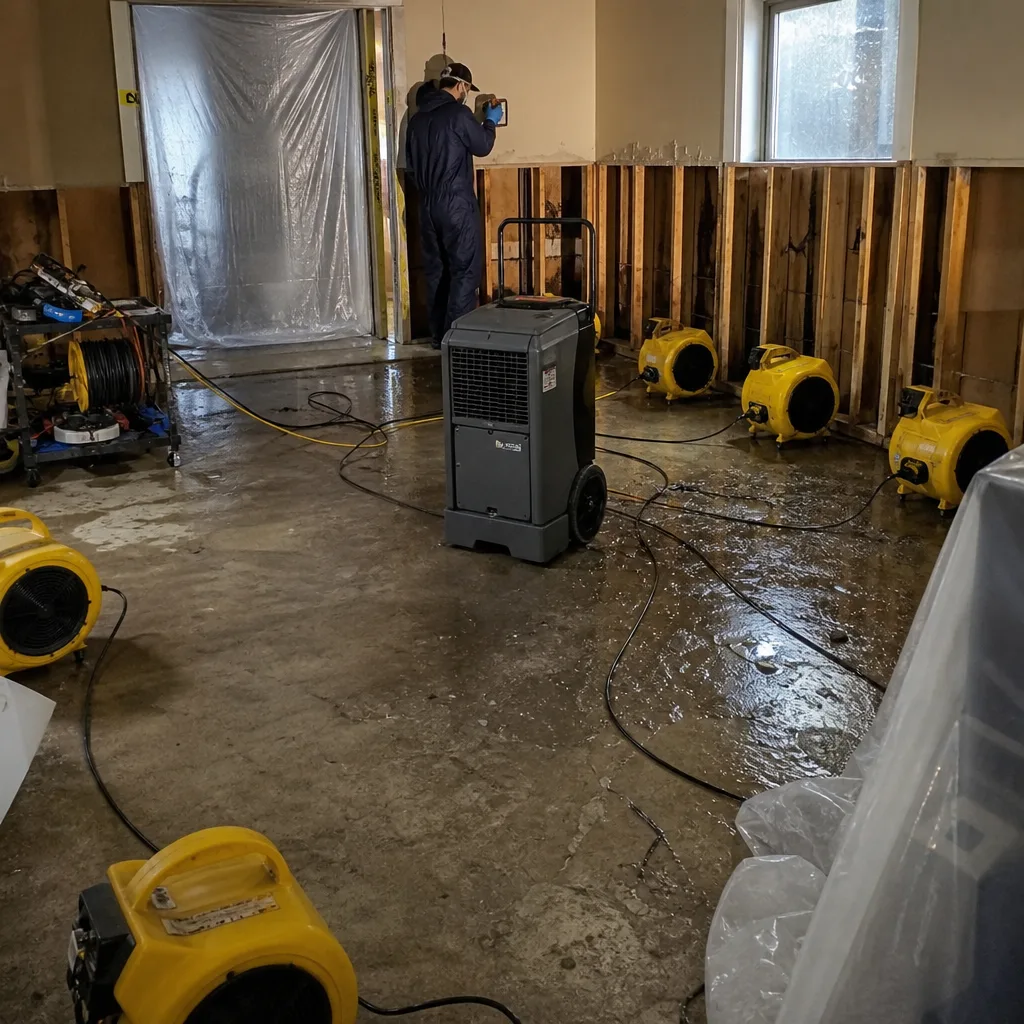
Equipment is the most commonly inflated category on restoration invoices because most homeowners don’t know what each machine does or how long it should reasonably run. Here’s how to read these line items.
Air Movers: CFM, Position Count, and Daily Rates
An air mover is a high-velocity fan, not a household box fan. Professional units from Dri-Eaz and XPOWER move 1,600-3,000 CFM (cubic feet per minute) and are positioned to create circular airflow patterns that accelerate evaporation. Xactimate prices air movers at $25-$38 per day in Mission Viejo, with most residential jobs requiring one unit per 50-70 square feet of affected space.
A 12′ x 12′ bedroom with wet carpet and drywall below 2 feet requires 4-6 air movers minimum. If your invoice shows 2 air movers for that space, drying will take longer than IICRC S500 recommends and secondary damage risk rises. If it shows 10, ask for the psychrometric calculation that justifies the count - or you’re paying for equipment that’s accelerating evaporation in already-dry corners.
Dehumidifiers: BTU-to-Cost Ratios and When Desiccants Apply
Dehumidifiers remove water vapor from air; their capacity is measured in pints per day (PPD) at AHAM conditions (80°F, 60% relative humidity). Standard LGR (low-grain refrigerant) units extract 65-130 PPD and rent at $45-$75 per day in our market. Desiccant dehumidifiers, which use silica gel wheels rather than refrigeration, excel in cool environments below 60°F or when deep drying structural materials below 40 grains per pound is required. They cost $120-$200 per day.
In Mission Viejo’s mild climate, where winter temperatures rarely drop below 45°F, desiccants are over-prescribed on roughly 30% of the competitor estimates we review. An LGR unit with proper air mover support achieves the same grain depression at half the daily cost. The legitimate exception: hardwood floor drying with Injectidry mat systems, where targeted desiccant air achieves vapor pressure differentials that prevent cupping.
Thermal Imaging: Billable Service Versus Standard Diagnostic
This is where invoices diverge most egregiously. Thermal imaging cameras detect temperature differentials that indicate moisture; they do not detect moisture directly. A proper drying plan requires thermal imaging at setup, at 24 hours, and at completion - three readings minimum per IICRC S500.
Some competitors bill thermal imaging at $150-$300 per scan, adding $450-$900 to a job that requires three scans. Others include it in the “setup and monitoring” line item. When we write scopes under Haven Standard, Clause 1, thermal imaging is itemized as standard diagnostic - not a premium add-on. The camera costs the company $2,500-$4,500; amortized over thousands of jobs, per-scan pricing is markup theater.
How Insurance Adjusters Apply Depreciation - and How Documentation Stops It
Depreciation is an adjuster’s tool to reduce claim payouts based on the premise that used materials have less value than new. On restoration invoices, depreciation typically applies to materials (drywall, paint, carpet, cabinets) but not to labor - unless the labor is poorly documented.
Here’s the mechanism. When an invoice lists “drywall repair - $2,400” without breaking out labor hours versus material sheets, an adjuster may apply 20-40% depreciation to the entire line item. The same work, documented as “labor: 16 hours @ $85/hour = $1,360; materials: 12 sheets 1/2″ drywall, mud, tape = $680,” sees depreciation applied only to the $680 materials portion. On a $15,000 restoration, this documentation difference routinely changes the homeowner’s out-of-pocket by $1,800-$3,200.
The critical documentation for labor protection:
- Hourly labor rates by trade (water technician, carpenter, painter) stated explicitly
- Hour counts per task, not lump-sum “restoration labor”
- Material specifications with manufacturer and product code
- Photo record showing work progression, not just before-and-after
- Daily moisture logs proving drying was achieved per IICRC timelines, justifying labor hours against “excessive time” challenges
In Mission Viejo’s insurance market, where carriers range from national writers (State Farm, Allstate) to California-specific insurers (Mercury, Wawanesa), documentation standards vary. Mercury’s adjusters are particularly aggressive on depreciation challenges; Wawanesa tends to accept IICRC-compliant documentation with minimal pushback. We’ve handled claims with both and adjust our documentation protocols accordingly.
The Documentation Dividend: Why Moisture Logs Change Your Settlement by 18%
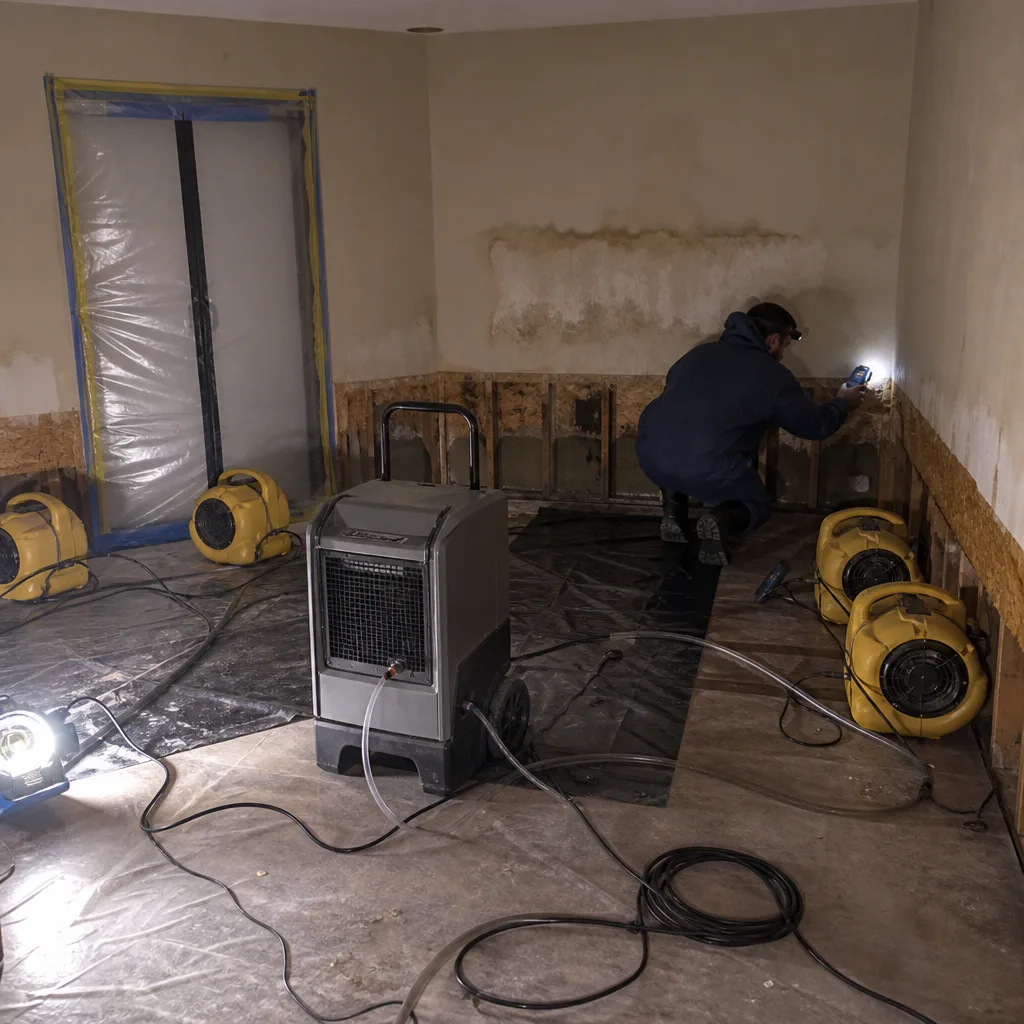
In 2023, RIA (Restoration Industry Association) published a claims study comparing 340 water damage jobs: half with daily moisture logs and photo records, half with minimal documentation. The findings: documented jobs settled 23% faster and 18% closer to the original invoice amount. On a $12,000 claim, that’s $2,160 closer to full payment and 8-14 fewer days of claims correspondence.
The mechanism is straightforward. Adjusters have authority to approve invoices that match industry standards with minimal review. When documentation is thin, the claim escalates to a supervisor, who applies broader depreciation and requests additional estimates. Each escalation adds 5-10 business days and typically reduces the approved amount by 8-15%.
A proper daily moisture log includes:
- Date and time of reading
- Room identifier and specific wall/location
- Moisture content percentage for wood materials (target: below 16% for structural, below 12% for finish carpentry)
- Relative humidity and temperature
- Grain depression calculation (the difference between actual and target air moisture, measured in grains per pound)
- Equipment adjustments made based on readings
- Technician signature and license number
We produce these logs on every job, every day, using equipment from Phoenix and Dri-Eaz with built-in data logging. The homeowner receives the complete record, and the insurer receives a copy with the final invoice. This is standard at DryMark Restoration Mission Viejo, not an upsell. It’s also why our 12,000+ jobs since 2011 have maintained a documentation record that supports the original scope in 94% of claims.
The Written Scope: 2-4 Hours Upfront Versus Weeks of Disputes After
Haven Standard, Clause 1 requires a written price before any work begins. This typically takes 2-4 hours on-site: moisture mapping, thermal imaging, material identification, and line-item pricing through Xactimate or an equivalent database. Some homeowners resist this delay, especially when water is actively spreading. The alternative, though, is scope-creep pricing that emerges after demolition reveals conditions no one documented.
Consider a typical Mission Viejo scenario: a dishwasher leak in a home built in 1988 in the Canyon Crest area. The visible damage is kitchen vinyl and drywall. The written scope includes thermal imaging of the adjacent wall, moisture readings of the slab, and a note that cabinets are particleboard with a history of swelling. The scope prices replacement of 8 linear feet of cabinet base if delamination is found, with the homeowner’s authorization required before that line item activates.
The competitor who skips written scoping discovers swollen cabinets after demolition and presents a $3,800 change order. The homeowner, now with a gutted kitchen and no functional sink, has limited leverage. This is the scenario Clause 1 prevents. The 2-4 hours of documentation upfront eliminates the asymmetric information that makes change-order pressure possible.
What a written scope under Haven Standard includes:
- Room-by-room moisture readings with device type and calibration date
- Photo record with timestamp and GPS metadata
- Line-item pricing with Xactimate code references
- Contingency line items with activation triggers (e.g., “cabinet replacement if moisture content exceeds 20% at 48 hours”)
- Equipment list with unit count, model, and projected duration
- Anticipated timeline with drying targets
- Signature block for homeowner approval before work begins
We’ve reviewed competitor estimates where the “scope” was a single-page handwritten summary with a total at the bottom. In claims disputes, these documents provide no protection. The homeowner bears the burden of proving what was agreed, and insurers default to their own estimate - typically 20-30% lower.
Mission Viejo-Specific Cost Factors: Climate, Code, and Construction Era
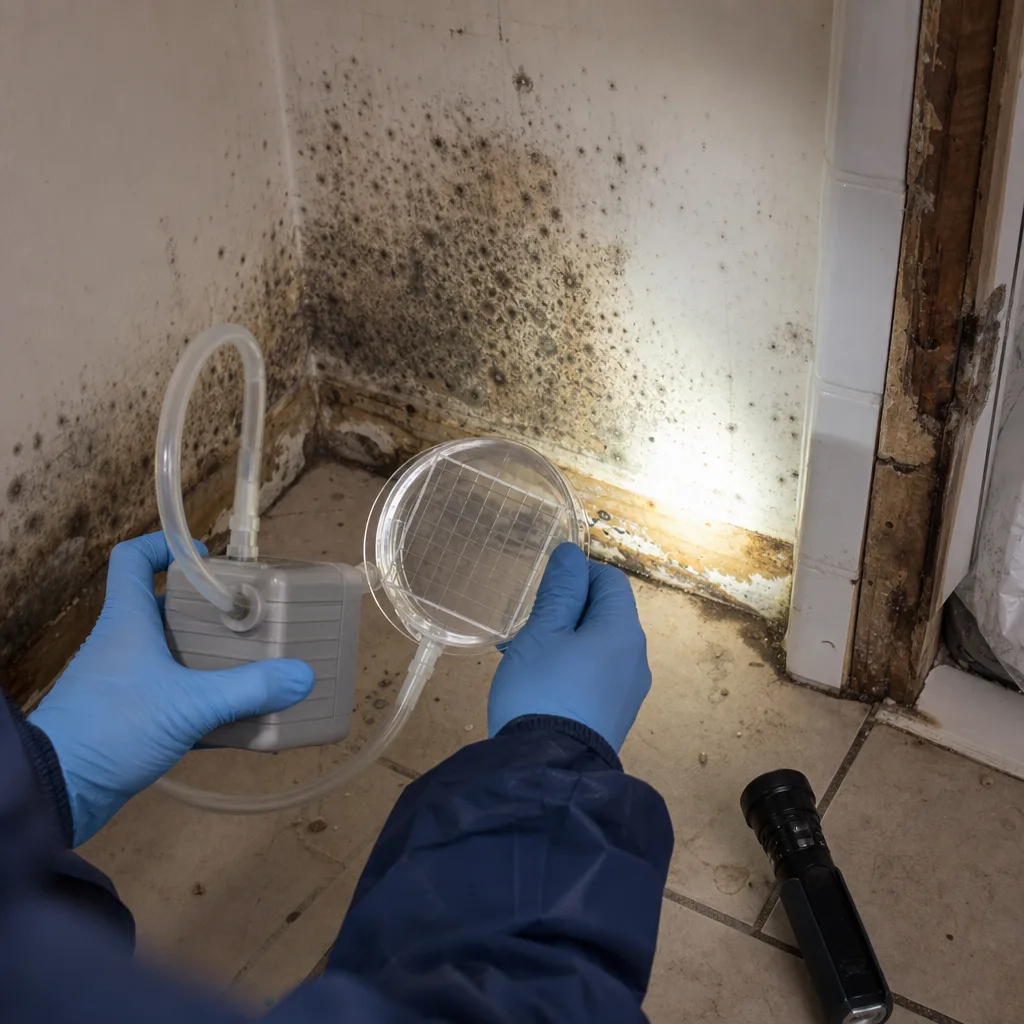
Restoration costs aren’t uniform across Orange County. Mission Viejo’s specific conditions create predictable variances that informed homeowners can anticipate.
Climate and drying dynamics: Mission Viejo’s Mediterranean climate means mild winters and low humidity most of the year - favorable for drying, but with a catch. Santa Ana wind events in fall and winter can drop relative humidity to 15-20% for days, accelerating surface drying while trapping moisture in wall cavities. Technicians without psychrometric training see dry surface readings and remove equipment too early, leaving trapped moisture that causes mold issues 60-90 days later - one of the key Damage Restoration Warning Signs: A Mission Viejo Homeowner’s Reference Guide. Proper documentation catches this; surface readings alone don’t.
Construction era and materials: Homes built 1965-1985 (parts of Mission Viejo proper and adjacent unincorporated areas) often contain original galvanized steel plumbing, which fails catastrophically rather than leaking gradually. The resulting Category 1 losses tend to be high-volume and sudden, with more extensive demolition. Homes built 1985-2005, common in Pacific Hills and Casta del Sol, used polybutylene piping in many developments; these lines degrade from chlorine exposure and fail at fittings. The 2005-2020 construction in Cordova Vista and similar areas uses PEX or copper, with failure patterns concentrated at appliance connections rather than line degradation.
Code and permit requirements: Orange County requires permits for electrical panel work, structural repairs, and plumbing modifications, as detailed in our guide to Damage Restoration Permits, Codes & Inspections in CA: What You Need to Know. Restoration that triggers these requirements adds permit fees ($180-$450) and inspection scheduling (typically 3-7 business days). A scope that doesn’t account for permit timelines creates delay costs - temporary power, extended equipment rental, or homeowner displacement. We flag permit triggers in every written scope.
HOA notification requirements: Many Mission Viejo neighborhoods operate under homeowners associations with specific notification protocols for exterior work, dumpster placement, or after-hours equipment noise. Violation fines range from $100-$500. A restoration company unfamiliar with local HOA structures - common with out-of-area franchises dispatched after major storms - creates avoidable costs. We maintain HOA contact lists for the 40+ associations in our service area.
Common Mistakes to Avoid
- Accepting a lump-sum estimate without line-item breakdown. This makes depreciation application invisible and change orders inevitable. Every charge should trace to a specific material, labor hour, or equipment day.
- Allowing work to start before moisture mapping is complete. We’ve seen technicians begin demolition while water is still migrating from an active leak. The result: new wet areas discovered after initial work is “complete,” requiring re-mobilization at full cost.
- Ignoring the vapor pressure differential in hardwood floor claims. Mission Viejo homes with original oak or maple flooring require specific drying protocols. Standard air mover placement without mat systems (Injectidry or equivalent) causes permanent cupping that turns a $3,000 drying job into an $11,000 floor replacement.
- Failing to document pre-existing conditions. Insurers routinely deny portions of claims by attributing damage to “long-term” rather than “sudden” causes. Photos of the loss area before demolition, with timestamps, prevent this.
- Not requesting the technician’s IICRC certification number. California doesn’t license water damage technicians individually, but IICRC certification is the industry standard. A certified technician produces documentation that insurers accept; an uncertified technician’s work may be challenged regardless of quality.
- Overlooking contents manipulation scope. This is the disputed line item mentioned in our opening. Specify exactly what contents are moved, to where, and for how long. “Contents manipulation - $2,400” is an invitation to dispute; “Move dining table, 6 chairs, and sideboard to garage; pad and wrap; return upon completion - $680” is not.
When to Call a Professional
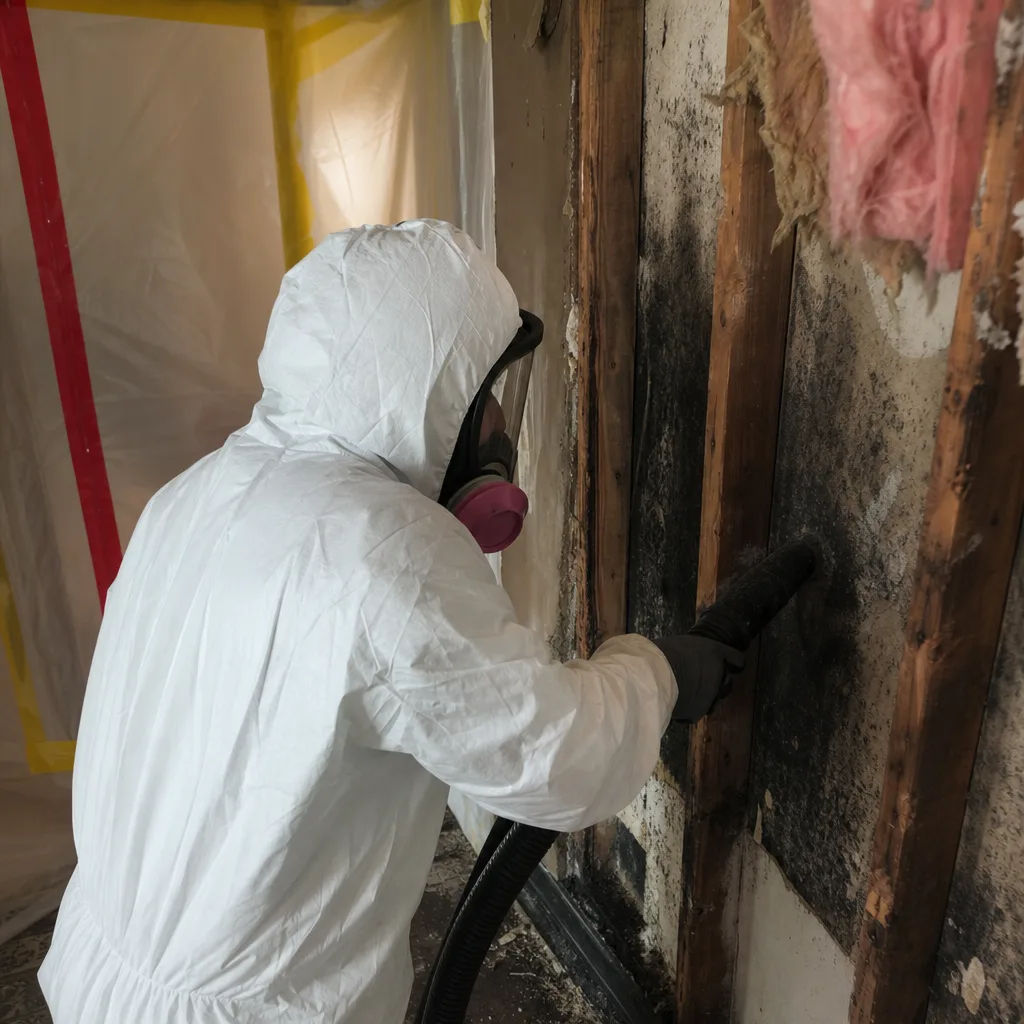
Call immediately when water exceeds what you can remove with a household wet-dry vacuum, when you smell musty odors after any water event, when soot or smoke residue is visible beyond the immediate fire area, or when sewage is involved. These situations escalate faster than DIY methods can address - a topic we explore in DIY vs Professional Damage Restoration: The Mission Viejo Homeowner’s Decision Guide - and documentation of the initial condition affects your entire claim.
DryMark Restoration Mission Viejo offers free estimates in Mission Viejo - call (657) 297-0972. A live person answers every call, 24 hours a day, 7 days a week, with no voicemail trees. We’ll provide a written scope before any work begins, documented with a photo record on every visit, backed by our 365-Day Done Right Promise under The Haven Standard.
Frequently Asked Questions
Most residential water damage restoration in Mission Viejo ranges from $3,800 to $14,500, with the majority of insured kitchen and laundry room losses settling between $5,200 and $8,900. Category 3 sewage losses run higher, typically $14,500-$27,000. The exact cost depends on damage classification, affected square footage, and whether the scope was written with line-item documentation before work began. Call (657) 297-0972 for a written estimate - we provide them free, with no obligation.
Most standard homeowner policies cover sudden water damage from burst pipes or appliance failures, but exclude gradual leaks, flooding (without separate flood insurance), and sewage backup (without a rider). Fire and smoke damage is typically covered. The key variable is documentation: claims with daily moisture logs, photo records, and written scopes settle faster and closer to the original invoice. We coordinate directly with adjusters and provide the documentation package that supports full coverage.
For active water damage in Mission Viejo, we typically arrive within 60-90 minutes of your call. Our live dispatch operates 24 hours a day, 7 days a week. However, the arrival speed matters less than what happens on arrival: moisture mapping, thermal imaging, and a written scope before demolition begins. A fast arrival without documentation often creates more problems than it solves.
For visible mold under 10 square feet with no HVAC involvement and no immunocompromised residents, cleaning with appropriate PPE and antimicrobial may suffice. For patches exceeding 10 square feet, hidden mold behind walls, or any mold in HVAC systems, professional remediation is recommended. California’s SB 655 requires licensed remediation for rental properties above 10 square feet. We offer free second opinions on any competitor’s mold assessment - bring their estimate and we’ll review it at no charge.
We do. Our documentation package - daily moisture logs, photo records, written scope, and equipment logs - is formatted for direct adjuster submission. We participate in three-way calls with adjusters, respond to documentation requests within 24 hours, and have handled claims with every major insurer writing in Orange County. Our founder’s background as a claims adjuster informs how we build files that adjusters can approve with minimal back-and-forth.
If any aspect of our work fails to meet the scope we agreed to in writing, we return and make it right at no additional cost. This is a signed guarantee under The Haven Standard, not a verbal assurance. It covers drying performance, reconstruction quality, and odor resolution. In 12,000+ jobs since 2011, we’ve invoked this promise on less than 2% of projects - but it’s there for every homeowner who needs it.
Bring it to us. Our Free Second Opinion on Any Written Estimate means we’ll review a competitor’s scope line by line, using the same Xactimate database insurers use. We flag inflated equipment counts, unnecessary desiccant prescriptions, lump-sum labor without hour breakdowns, and contents manipulation charges without itemized scope. There’s no charge and no obligation - Haven Standard, Clause 1 applies to our estimates too.
The Bottom Line
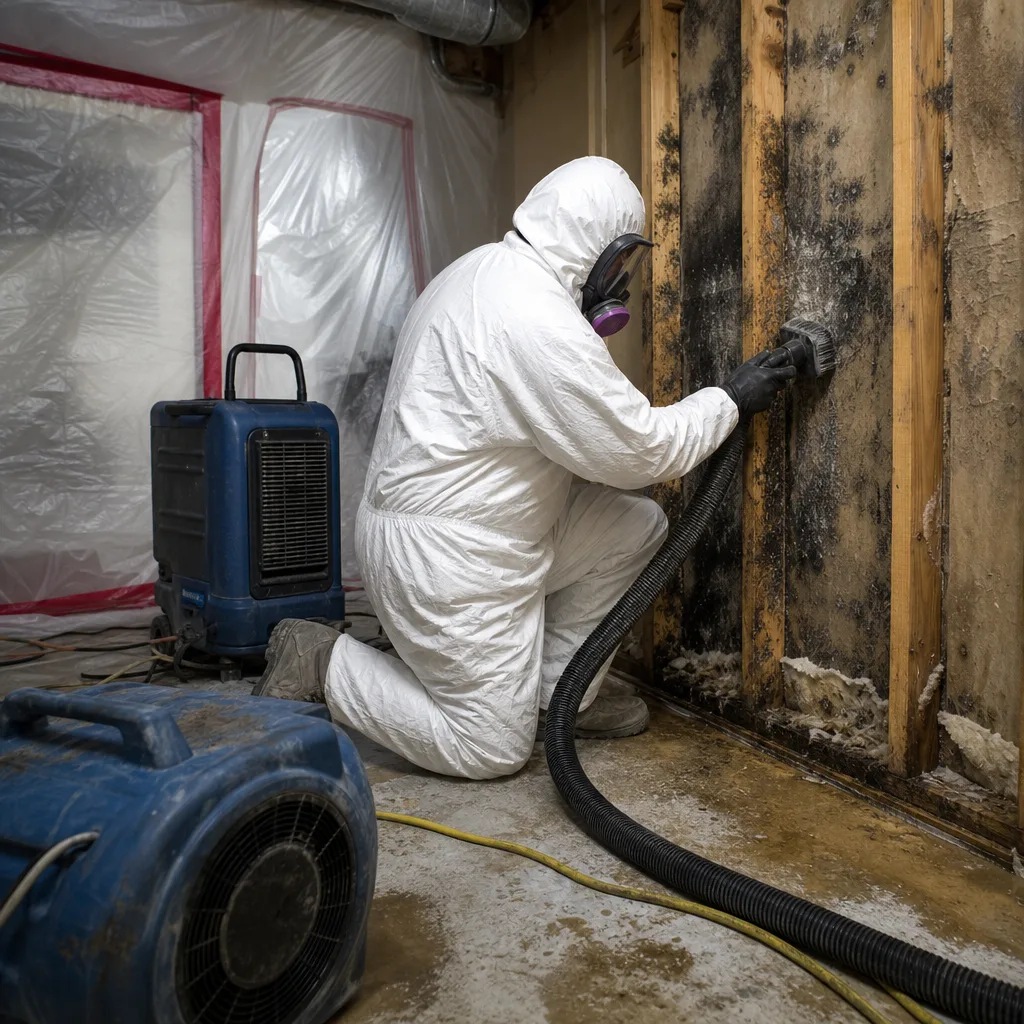
Restoration costs in Mission Viejo are knowable, verifiable, and protectable - when you have the right documentation. The difference between a $6,000 claim paid in full and a $14,000 dispute isn’t the damage; it’s the scope written before work began and the records kept while drying progressed. Xactimate benchmarks exist precisely to create this transparency, but they only work when technicians apply them honestly and homeowners know what to request. Get a written price before any work starts. Demand daily moisture logs. Ask for certification numbers. And if a scope doesn’t make sense, get a second opinion before you sign.
Written by Alicia Brennan, Owner at DryMark Restoration Mission Viejo, serving Mission Viejo since 2011.